 Historical Figure MBTI
5 min read
#82 · 3-1-26 · The Founding Generation of USA
Adrienne de La Fayette
French aristocrat, devoted partner, and quiet pillar of the revolutionary generation.
1759 — 1807
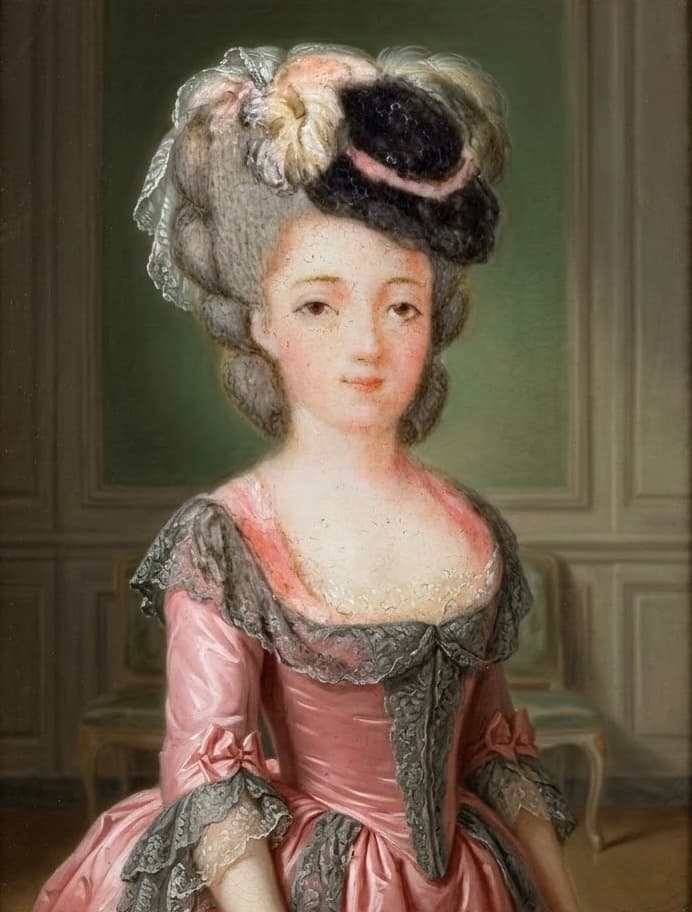
Ai-assisted Portrait of Adrienne de La Fayette.
The Steadfast Guardian of Loyalty
Born in 1759 into the powerful Noailles family, Adrienne de La Fayette grew up within the highest ranks of French aristocracy. Her upbringing emphasized tradition, Catholic faith, and the responsibilities of noble life.
At sixteen she married Gilbert du Motier, Marquis de Lafayette, a young nobleman whose restless idealism would soon lead him far beyond the expectations of his class.
When Lafayette sailed to America to join the Revolutionary War, Adrienne remained in France managing their household and supporting his cause from afar. Though she rarely appeared in the public political sphere, she remained deeply committed to the principles and sacrifices that shaped her husband’s life.
During the French Revolution, that commitment would be tested severely.
Many members of Adrienne’s extended family were executed during the Reign of Terror. She herself was imprisoned and faced the possibility of execution. Yet even during these years of upheaval she continued to advocate for her husband and protect their children.
When Lafayette was later captured and imprisoned in Austria, Adrienne traveled across Europe seeking his release. Eventually she chose to join him in captivity, sharing the conditions of his imprisonment for years.
Where Lafayette embodied the revolutionary spirit of liberty, Adrienne represented something equally important: unwavering loyalty, resilience, and devotion to family.
She did not lead revolutions.
But she helped sustain those who did.
The Psychological Verdict
Adrienne is best understood as ISFJ.
Historical descriptions consistently portray her as gentle, dutiful, deeply loyal, and emotionally steadfast. Unlike the ideological figures around her, she did not seek political leadership or public influence.
Instead, her life centered around preserving relationships, protecting family, and enduring hardship with quiet strength.
These qualities align closely with the Si–Fe cognitive pattern.
Adrienne’s story is not one of public ambition or revolutionary theory.
It is a story of loyalty carried through crisis.
Si — dominant
Adrienne’s life was grounded in a strong sense of duty.
Raised within the traditions of the French aristocracy, she internalized the importance of family responsibility, religious faith, and social commitment. Even as the French Revolution destroyed much of the world she had grown up in, Adrienne continued to prioritize the protection of her children and the preservation of her family.
Her decisions repeatedly reflect the stabilizing nature of dominant Si: enduring hardship while maintaining responsibility to the people and commitments entrusted to her.
Fe — auxiliary
Adrienne’s most defining quality was her devotion to the people she loved.
Her efforts to secure Lafayette’s release from imprisonment required years of diplomatic appeals and personal sacrifice. Ultimately she chose to join him in captivity rather than remain safely apart.
This level of relational commitment reflects strong Fe — the prioritization of emotional bonds, loyalty, and care for loved ones.
For Adrienne, love was not expressed through words or ideology.
It was expressed through endurance.
Ti — tertiary
Though rarely involved in formal politics, Adrienne demonstrated quiet practicality in navigating complex situations.
During the revolution and Lafayette’s imprisonment, she managed family affairs, negotiated political pressures, and sought support from influential allies across Europe.
These actions suggest the presence of Ti as a supportive function: calm reasoning applied privately and pragmatically.
Ne — inferior
Adrienne’s temperament was not oriented toward radical political experimentation or ideological speculation.
Where Lafayette imagined sweeping possibilities for political liberty, Adrienne’s focus remained on maintaining stability and protecting those closest to her.
This contrast reflects inferior Ne — a personality more comfortable preserving continuity than pursuing uncertain new directions.
The Marriage Dynamic
The partnership between Adrienne and Lafayette illustrates a powerful psychological balance.
Lafayette, the visionary revolutionary, pursued ideals that reshaped political history.
Adrienne, the steadfast partner, provided the loyalty and emotional stability that allowed him to continue that pursuit through years of danger and uncertainty.
One carried the banner of liberty across continents.
The other ensured that the life behind that banner endured.
The Quiet Heroine of the Revolution
History often remembers revolutions through the names of generals, politicians, and writers.
But revolutions are not sustained by ideals alone. They are also carried by the quieter figures who endure the consequences of those ideals.
Adrienne de La Fayette was one of those figures.
She lost members of her family to the violence of the French Revolution. She endured imprisonment herself. She spent years fighting to secure the freedom of her husband and ultimately chose to share his captivity rather than live safely apart.
Through all of it, she remained steadfast.
Lafayette’s life helped spread the idea of liberty across two continents.
Adrienne’s life showed the kind of loyalty and courage that allowed that idealism to survive the storms of history.
Not all heroes of revolutions carry banners.
Some simply refuse to abandon the people they love.
Connected Figures
Further Reading
- Lafayette: Hero of Two Worlds — Harlow Giles UngerThe fullest English biography of Lafayette, with sustained attention to Adrienne's role in his survival and release.
- La Fayette — Étienne TaillemiteThe authoritative French biography; includes Adrienne's imprisonment and her diplomatic efforts across Europe.
- Lafayette in the Somewhat United States — Sarah VowellAn accessible narrative of Lafayette's American career that touches on Adrienne's steadfast support from France.
