 Historical Figure MBTI
4 min read
#10 · 1-31-26 · The Napoleonic Age
Napoleon Bonaparte
General · Reformer · Architect of Modern State Power
1769 — 1821
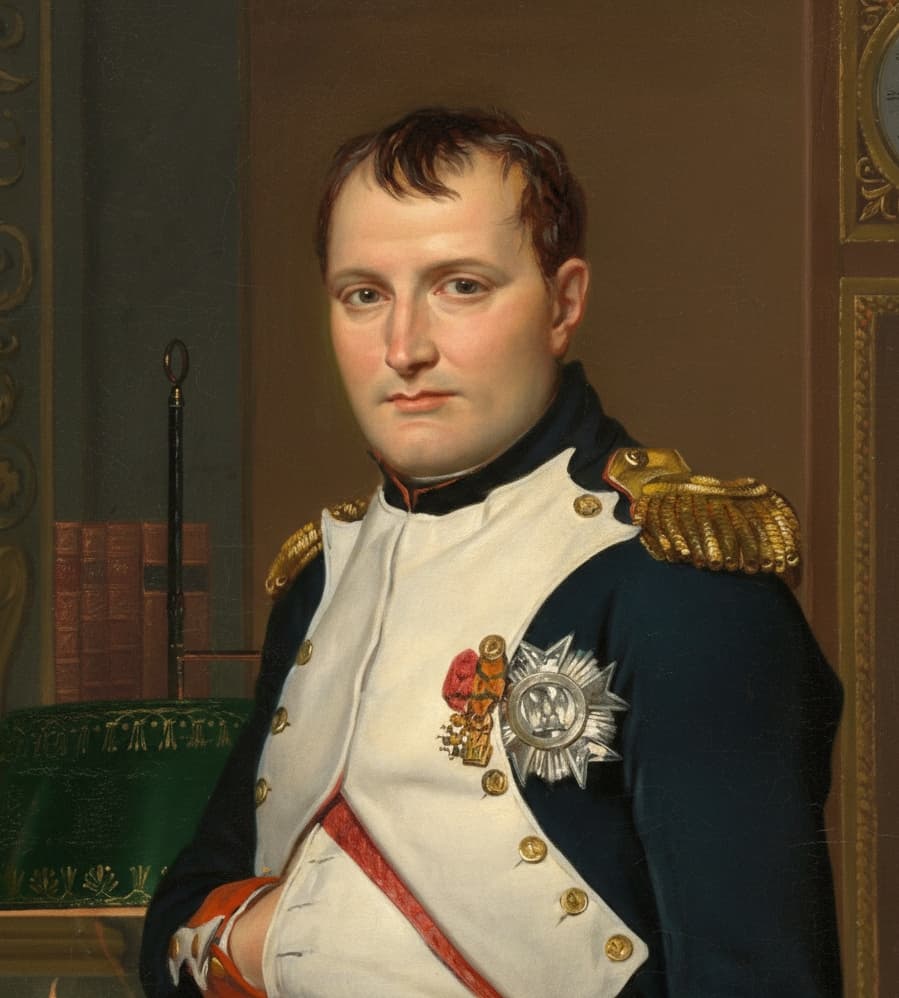
AI-assisted Portrait of Napoleon Bonaparte
The Architect of Results
Napoleon Bonaparte did not inherit power; he engineered it. Rising from minor Corsican nobility to become Emperor of the French, his life was defined by the relentless pursuit of objective order. His significance lies in his ability to translate high-speed strategic vision into concrete, scalable reality — reordering the legal, educational, and political structures of Europe in the process.
His marriage to Joséphine de Beauharnais provided the emotional and social validation his regime needed, while his later marriage to Marie-Louise secured the dynastic continuity he craved. He relied heavily on the diplomatic skill of Charles-Maurice de Talleyrand during the climb to power.
That's the ENTJ signature: not merely imagining systems — running them. Napoleon's genius was not private theorizing or impulsive action, but the relentless translation of vision into enforceable reality.
Command of Execution
Napoleon's defining trait was his command of execution. He organized armies, rewrote legal codes, restructured governments, and enforced compliance across vast territories. His thinking expressed itself through orders, timetables, supply lines, and institutional reform.
He valued competence above loyalty, promoted based on merit, and removed inefficiency without sentimentality. Decisions were not debated endlessly — they were issued, tested, and revised in motion. This was not abstract strategy, but decisive, outcome-driven leadership.
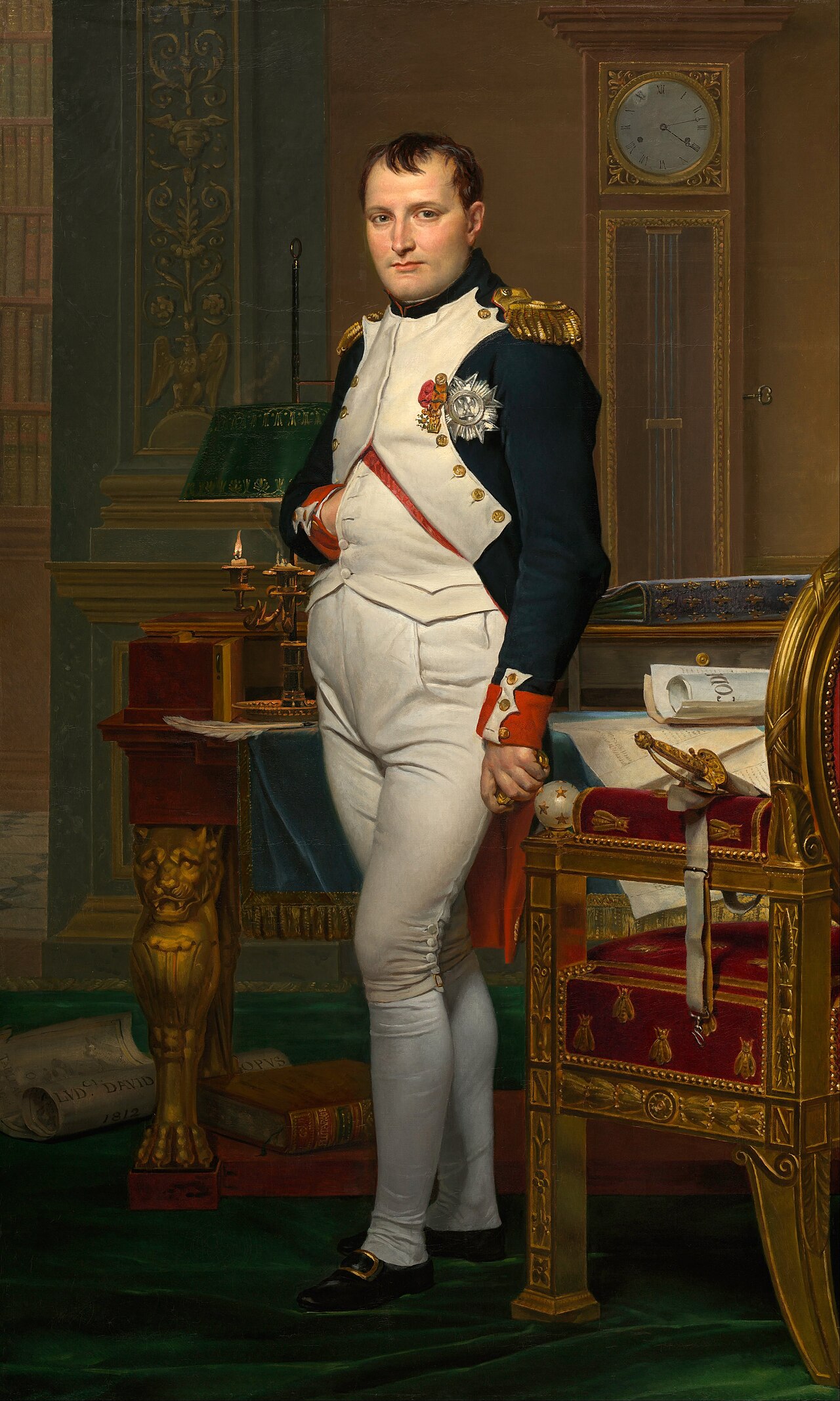
Strategic Vision as Inevitability
Behind Napoleon's rapid execution lay a clear strategic vision. He anticipated enemy behavior, engineered conditions for decisive engagement, and shaped long-term outcomes through calculated risk. Battles like Austerlitz were not reactions to circumstance but the fulfillment of a premeditated plan.
His intuition was directional, not speculative. Napoleon did not explore possibilities for their own sake; he narrowed them toward inevitability. Europe, to him, was not a chaos of variables but a system that could be aligned, pressured, and reordered.
Speed in Service of Structure
Napoleon was physically present, situationally aware, and capable of decisive action under pressure. However, this was not sensation for its own sake. His engagement with the present moment served execution, not indulgence.
He moved quickly because speed mattered. He took risks because delay was costlier. His Se supported his Te–Ni axis — it did not lead it. When overused, particularly in later campaigns, it contributed to overextension rather than spontaneity.
Sentiment Yielded to Structure
Personally reserved and emotionally contained, Napoleon subordinated sentiment to structure. Relationships were weighed against outcomes, affection against legacy. His divorce from Joséphine, despite genuine attachment, exemplifies this imbalance — personal feeling yielded to dynastic necessity.
His values existed, but privately. He did not moralize publicly, nor did he seek emotional validation. When Fi surfaced, it often did so rigidly: pride, honor, and personal destiny became increasingly entangled with identity, especially in exile.
Why ENTJ Over INTJ or ESFP
Why not INTJ?
INTJs lead from internal models outward, often preferring distance, advisory influence, and controlled environments. Napoleon remained constantly embedded in command. He thrived in issuing orders, managing people, and enforcing systems directly. An INTJ Napoleon would have ruled through planners and proxies. Napoleon ruled through presence.
Why not ESFP?
Napoleon's decisiveness and battlefield boldness are often mistaken for impulsivity. Yet his actions were not driven by sensation or immediate gratification. His risks were calculated, his engagements engineered, and his campaigns planned months in advance. ESFPs react to the moment. Napoleon constructed the moment.
In both war and governance, Napoleon functioned as a force of convergence. He took the chaos of the post-revolutionary world and forced it into a singular, efficient direction. That is not INTJ architecture or ESFP improvisation — it is ENTJ will made institutional.
Connected Figures
Further Reading
- Napoleon: A Life — Andrew RobertsThe definitive modern biography — exhaustive, sympathetic without being hagiographic, and grounded in the latest scholarship.
- Napoleon — Frank McLynnA psychologically sharp single-volume life, particularly strong on the personal contradictions behind the public command.
- The Campaigns of Napoleon — David ChandlerThe gold-standard military study — every major campaign analyzed in forensic detail, essential for understanding Te in motion.
- Napoleon and the Transformation of Europe — Alexander GrabA clear account of how Napoleonic rule reshaped legal, administrative, and social structures across the continent.
