 Historical Figure MBTI
3 min read
#13 · 2-3-26 · The Napoleonic Age
Marie-Louise, Duchess of Parma
Archduchess · Empress · Sovereign of Parma
1791 — 1847
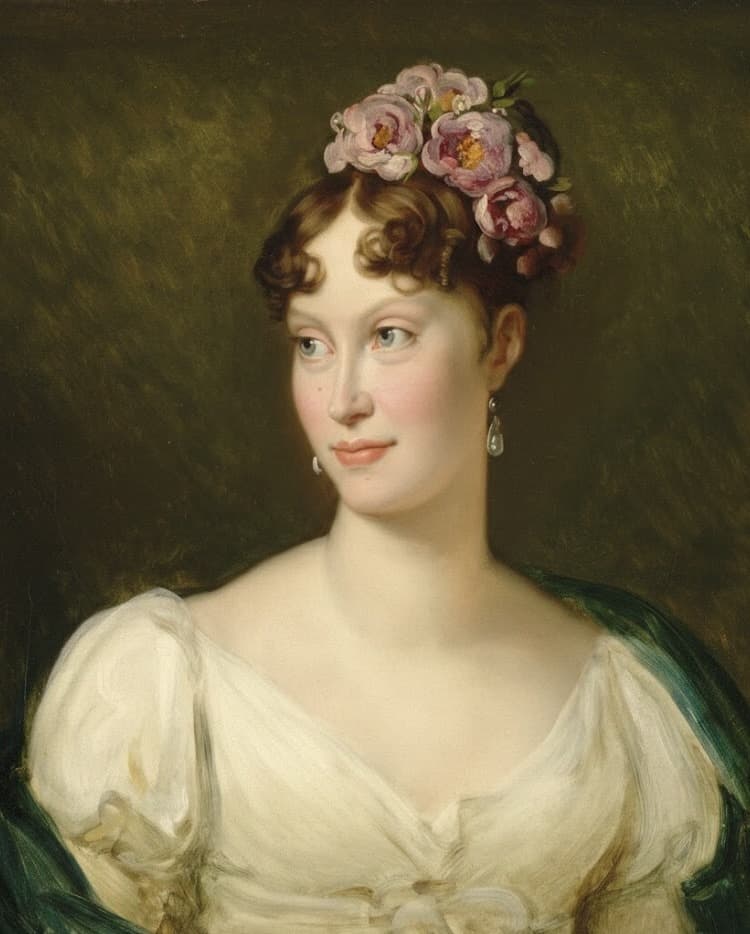
AI-assisted Portrait of Marie-Louise, Empress of the French and later Duchess of Parma
The Institutional Bride
Marie-Louise of Austria was born into the rigid ceremonial world of the Habsburg court, and never truly left it. When she married Napoleon Bonaparte in 1810 as part of a dynastic strategy, the marriage was designed to legitimize the French Empire and secure an heir, not to fulfill emotional or relational needs.
Her role was clear, bounded, and traditional — and she fulfilled it exactly as expected. In a court shaped by ambition, volatility, and revolutionary reinvention, Marie-Louise represented something rarer: steadiness without aspiration.
That's the ISFJ signature: not shaping the system, but preserving it. Marie-Louise's power was institutional compliance — and in a world that kept remaking itself, that was no small thing.
Preservation of Established Structure
Marie-Louise's primary orientation was toward the preservation of established structures. Her life was a series of adaptations to institutional requirements — first as an archduchess, then as an empress, and finally as a sovereign duchess. In each role, she prioritized the continuity of the system over personal rebellion or individualistic expression.
She did not seek to redefine her roles. She inhabited them carefully, drawing on the norms and precedents she had been raised to honor.
Harmony in Support of Duty
Her interpersonal style was compliant, gentle, and harmony-preserving. Contemporary descriptions emphasize her kindness, obedience, and maternal devotion rather than charisma or leadership. She did not regulate emotional systems at scale as Joséphine did, but rather fulfilled the emotional expectations of her assigned role: good wife, good mother, non-disruptive presence.
Her Fe supported stability, not influence.
Personal Order Without Challenge
Marie-Louise shows little evidence of independent analytical framing or internal ideological reasoning. She did not publicly rationalize events or reinterpret her circumstances. Decisions were accepted as given, not debated internally or reframed symbolically.
This aligns with tertiary Ti: sufficient for personal order, not used to challenge structure.
Why ISFJ Over ISFP
Why not ISFP?
An ISFP reading would imply a life guided primarily by personal feeling, private meaning, and individual emotional attachment. Marie-Louise's record does not support this. She did not frame her choices around inner preference or self-expression, nor did she resist external authority to preserve a personal emotional truth. When imperial structure collapsed, she retreated into familiar authority and conventional roles — not a personal path. What appears as "quiet feeling" is more accurately consistent compliance, caution, and role-bound devotion.
Connected Figures
Further Reading
- Napoleon and Marie-Louise: The Second Empress — Alan PalmerThe direct biography of Marie-Louise's dynastic marriage into the French Empire and its aftermath.
- Napoleon: A Life — Andrew RobertsCovers Napoleon's calculated courtship of the Habsburg archduchess to secure his dynasty.
- The Court of Napoleon: Society and Politics under the First Empire — Philip ManselSituates Marie-Louise's ceremonial role among the rigid expectations of the imperial court.
