 Historical Figure MBTI
3 min read
#12 · 2-2-26 · The Napoleonic Age
Hippolyte Charles
Hussar Officer · Court Wit · The Man Who Made an Empress Laugh
1773 — 1837
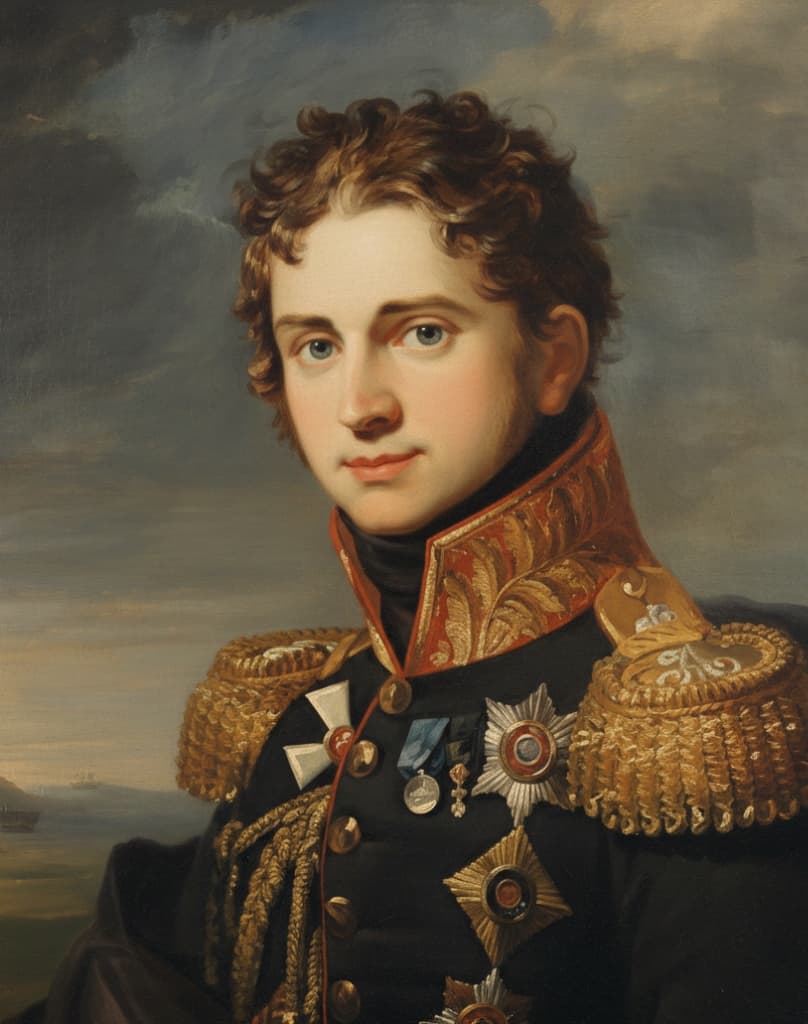
AI-assisted Interpretation of Captain Hippolyte Charles of the Hussars
The Reliever in a World of Pressure
Hippolyte Charles rarely appears in history books as a mover of events. He did not command armies, draft laws, or bend empires. And yet, for a brief, revealing moment at the center of Napoleonic France, he mattered enormously — not because he shaped power, but because he softened it.
Born in 1773 to a bourgeois family and serving as a hussar officer, Charles entered Joséphine's life while Napoleon was away on campaign. Contemporary accounts describe him as handsome, relaxed, and relentlessly humorous — "speaking only in puns," a buffoon in the old courtly sense: not foolish, but permitted to break tension without consequence. In a world governed by schedules, paranoia, and command, Charles brought something rarer than strategy: ease.
That's the ENFP signature: not orchestrating feelings, but meeting people where they are. Charles didn't manage Joséphine's world — he gave her permission to step outside it.
The Art of the Reframe
Charles's mind worked through connection and reframing. Puns, jokes, tonal pivots — these are Ne tools, used to loosen rigidity and invite alternate readings of a moment. Where others saw stress, he found angles; where others felt pressure, he introduced play.
His humor wasn't satirical or biting; it was generous. He didn't undermine power — he gave people permission to breathe around it. In Napoleonic France, where seriousness was currency, Charles spent it freely. This mattered more than it appeared.
Warmth Without Coercion
Behind the levity was a warm, personal attunement. Joséphine's surviving letters to Charles are emotionally raw and reassurance-seeking — evidence that he offered genuine, one-to-one affirmation. ENFP Fi doesn't manage groups; it meets individuals where they are. Charles didn't orchestrate feelings; he responded to them.
Crucially, he did so without possessiveness. He did not demand exclusivity publicly, did not escalate the bond into destiny, and did not collapse when it ended. That quiet respect for emotional truth — without coercion — is classic Fi health. He even requested his letters with Joséphine be burned at his death, showing a private nature that ran deeper than his public ease.
Practicality in Balance
Charles's practical streak surfaced opportunistically: business dealings, travel, and material comfort when circumstances allowed. But Te never ran his life. It served convenience, not conquest. He exited the army when it suited him and later lived comfortably without chasing prominence. For an ENFP, that's Te in balance — useful, not ruling.
Why He Fit Joséphine — and Why He Wasn't the Future
With Joséphine (ENFJ), Charles formed a near-ideal ENFJ × ENFP pairing: warmth meets authenticity; coordination meets spontaneity. For a woman who spent her days regulating an emperor and a court, Charles offered something priceless — emotional rest without withdrawal. She could be needy with him because he didn't need managing.
But ENFPs are not infrastructure. Charles never aimed to replace Napoleon's role as provider of security and legitimacy. He didn't try — and that restraint is part of his psychological coherence. The relationship was intense, real, and time-bound. When stability returned, it resolved cleanly.
Connected Figures
Further Reading
- Ambition and Desire: The Dangerous Life of Josephine Bonaparte — Kate WilliamsTraces Joséphine's affair with Hippolyte Charles and the risk it posed while Napoleon campaigned abroad.
- Napoleon: A Life — Andrew RobertsPlaces the Charles affair within Napoleon's own account of the marriage's strains.
- Citizens: A Chronicle of the French Revolution — Simon SchamaSets the loosened social codes that let a hussar officer like Charles move so freely through Joséphine's circle.
