 Historical Figure MBTI
3 min read
#203 · 3-20-26 · Ancient Athens
Stephanus
The Pragmatic Partner in the Shade
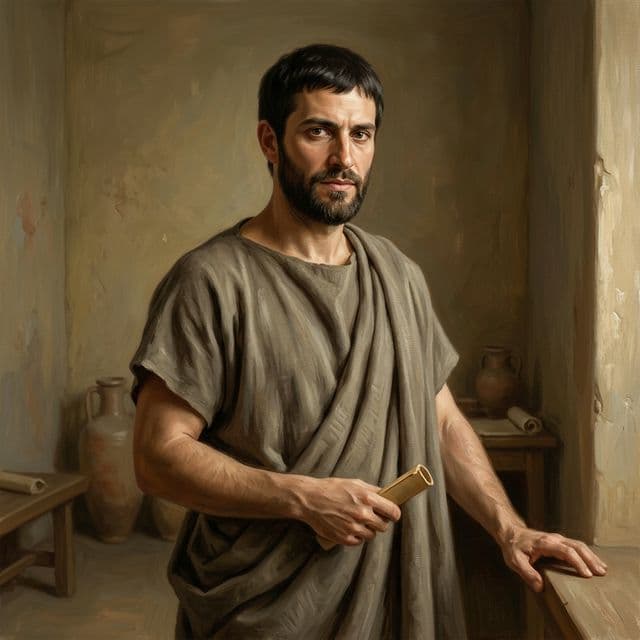
AI-assisted portrait of Stephanus
The Architecture of Agency
Stephanus did not seek fame; he sought functionality. As an Athenian citizen of modest means, his life was defined by the practicalities of legal and social survival. His long-term relationship with Neaira was not just a domestic arrangement, but a series of tactical maneuvers to navigate the rigid boundaries of Athenian law and property.
He lived as a pragmatist in the heavy shade of the Athenian legal system, using his citizenship and his wits to build a life on the margins. His personality was oriented toward immediate results and situational leverage, creating a stable platform for his family in an environment that was often hostile to their presence.
Historical Context
Stephanus is known primarily through the speech Against Neaira (c. 340 BCE), where he was accused of passing off Neaira's children as Athenian-born citizens. As a member of the Athenian demes, he was active in the courts and public life, often using litigation as a tool for personal and political gain. His life provides a window into the "grey market" of Athenian citizenship and the ways in which average citizens interacted with the city's complex legal apparatus.
The Psychological Verdict
Stephanus reads most clearly as ESTP. He was a man of high situational awareness and tactical action (Se), guided by a sharp, internal logic (Ti) that focused on leveraging circumstances to achieve immediate, practical goals.
The Man Behind the Prosecution
Stephanus is known to history entirely through the hostile lens of Against Neaira — a legal speech designed to destroy him by destroying Neaira. The prosecution strategy is revealing: rather than attacking him directly on political grounds, his enemies chose to prosecute his household, knowing that a conviction would strip his children of citizen status and undo the domestic world he had constructed over years. He was an Athenian citizen of modest standing who used the courts actively — both offensively and defensively — which was common for his class. He reads as something like ESTP in tendency: tactical, responsive, oriented toward immediate leverage rather than long-term principle. Whether that characterization is fair or simply what survival looked like in fourth-century Athens is a reasonable question. We only know him from people who wanted him ruined, which means we should hold the portrait lightly.
Connected Figures
Further Reading
- Trying Neaira: The True Story of a Courtesan's Scandalous Life in Ancient Greece — Debra HamelThe essential account of Stephanus's household and the citizenship prosecution that defined his place in the record.
- Goddesses, Whores, Wives, and Slaves: Women in Classical Antiquity — Sarah B. PomeroyExplains the legal grey zones around citizenship and cohabitation that Stephanus navigated with Neaira.
- Greek Lives — PlutarchPlutarch's Life of Pericles covers the 451 BCE citizenship law that made Stephanus's domestic arrangements so precarious.
