 Historical Figure MBTI
3 min read
#16 · 2-6-26 · Classical Vienna
Wolfgang Amadeus Mozart
Composer · Performer · Living Embodiment of Musical Velocity
1756 — 1791
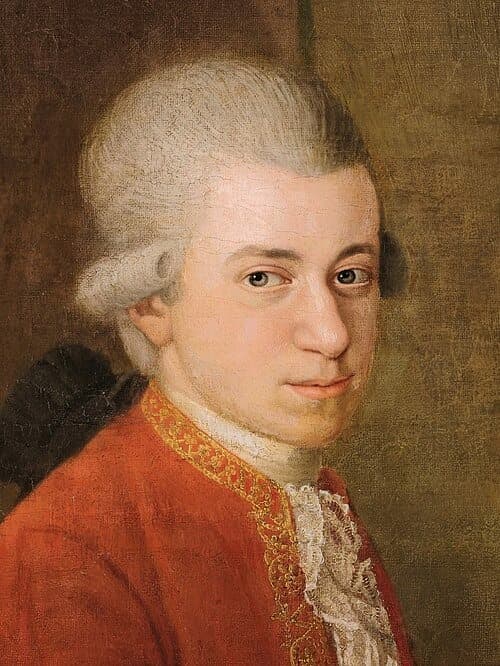
AI-assisted Portrait of Wolfgang Amadeus Mozart
The Child Who Lived on Stage
Born in 1756 in Salzburg, Wolfgang Amadeus Mozart entered the world not as a brooding visionary but as a living spectacle. From early childhood, he toured Europe under his father Leopold's careful management, performing for royalty, improvising before courts, and absorbing the cultural atmosphere of every city he visited.
He did not grow up in isolation refining a singular private vision. He grew up in motion — in salons, theaters, carriages, and concert halls. His genius developed in public.
Mozart's creativity was not born from distance. It was born from engagement. He thrived in immediacy: live performance, quick composition, rapid adaptation to patron demands. His letters reveal humor, vulgarity, emotional expressiveness, and affectionate attachment. He was animated, physical, and socially alive.
That's the ESFP signature: genius enacted, not contemplated. Mozart did not retreat from the world to create music — he moved through it, and music moved with him.
Genius Enacted
Mozart composed rapidly, often with minimal revision. He improvised fluently at the keyboard, dazzling audiences with spontaneous performance. Contemporary accounts describe him as physically animated, expressive, and energized by live interaction.
Se dominance processes through direct engagement with the present environment. Mozart's genius was not hidden or brooded over — it was enacted. He did not appear to struggle under perfectionistic delay. He moved quickly, confidently, and visibly.
His music reflects this immediacy. Even within strict classical forms, his melodies feel fluid and alive, responsive rather than architecturally compressed.
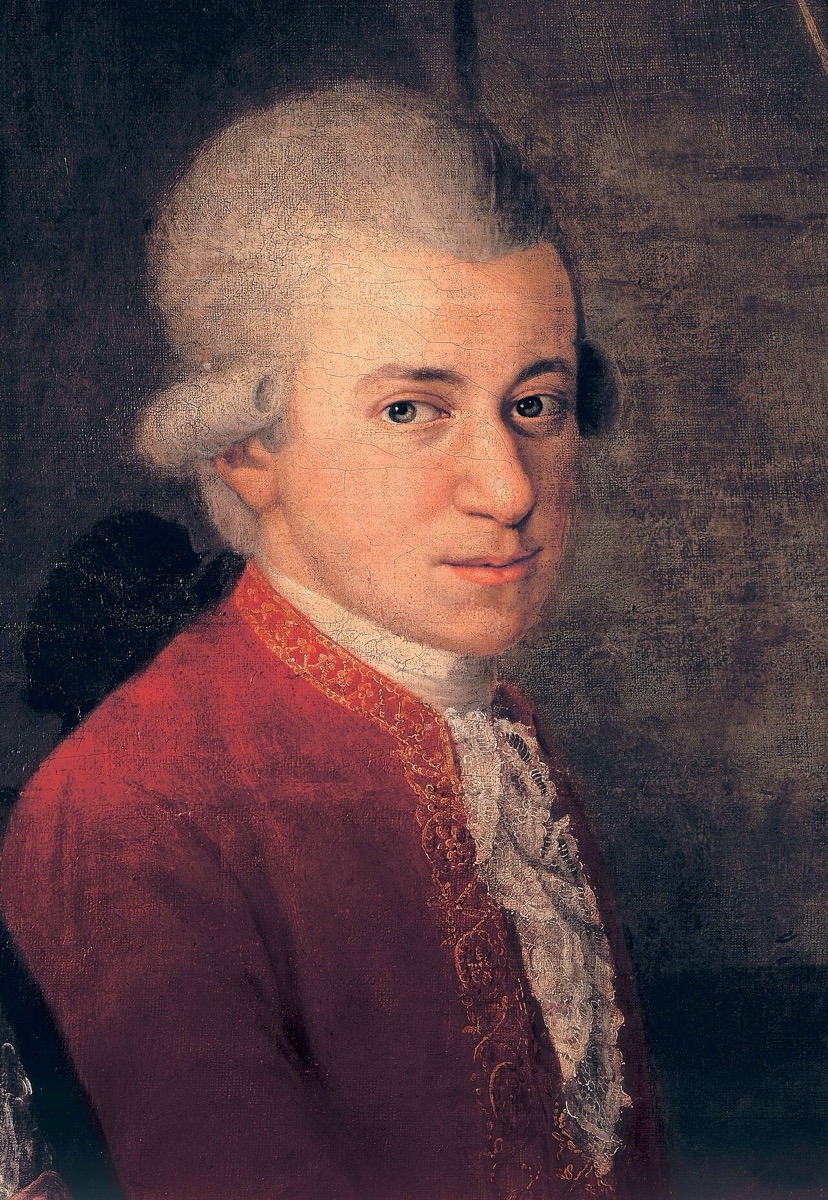
Depth Without Withdrawal
Though outwardly vibrant, Mozart possessed a clear personal core. His letters reveal deep attachment to his wife Constanze, his sister Nannerl, and intense loyalty to family. He reacted strongly to rejection and underappreciation.
Fi auxiliary provides emotional depth without turning inward as a dominant lens. Mozart's feelings were personal and strong, but they did not isolate him. They animated him. He valued freedom and authenticity, eventually breaking from Salzburg's restrictive court structure to pursue independence in Vienna — a move consistent with Fi-guided self-direction.
Pragmatism in Service of Play
Mozart understood patronage systems and negotiated commissions. He could function pragmatically within the musical economy of his time. However, long-term financial management proved inconsistent. He was capable but not strategically rigid. Te supported his goals but did not dominate his orientation.
Living in Momentum
Mozart did not demonstrate the future-converging focus characteristic of Ni dominance. He adapted fluidly rather than projecting a singular overarching vision. Inferior Ni in ESFPs can manifest as periodic anxiety about legacy or security — yet daily life remains centered in the present. Mozart's struggles with debt and planning reflect this imbalance. He lived in momentum more than projection.
Why ESFP Over ENFP
Why not ENFP?
ENFPs lead with Ne — external idea generation, conceptual branching, imaginative exploration. Mozart's creativity, while prolific, does not primarily display lateral abstraction. He worked fluidly within existing forms rather than continuously redefining conceptual frameworks. His humor and correspondence are sensory, physical, and immediate — not abstractly philosophical. His genius was not ideational wandering. It was embodied fluency.
Connected Figures
Further Reading
- Mozart: A Life — Maynard SolomonThe psychoanalytically inflected standard biography — meticulous with primary sources and unflinching about the family dynamics.
- Mozart: A Life — Paul JohnsonA brisk, opinionated reassessment that foregrounds Mozart's sheer productivity and the social world that shaped him.
- Mozart's Letters, Mozart's Life — Robert SpaethlingThe most readable translation of the complete letters — essential for hearing Mozart's own voice, humor, and emotional range.
- Mozart: The Man Revealed — John SuchetAn accessible biography drawing heavily on correspondence to reconstruct the personality behind the myth.
