 Historical Figure MBTI
3 min read
#15 · 2-5-26 · The Napoleonic Age
Catherine Grand
Courtesan · Salon Hostess · Architect of Her Own Inevitability
1762 — 1834
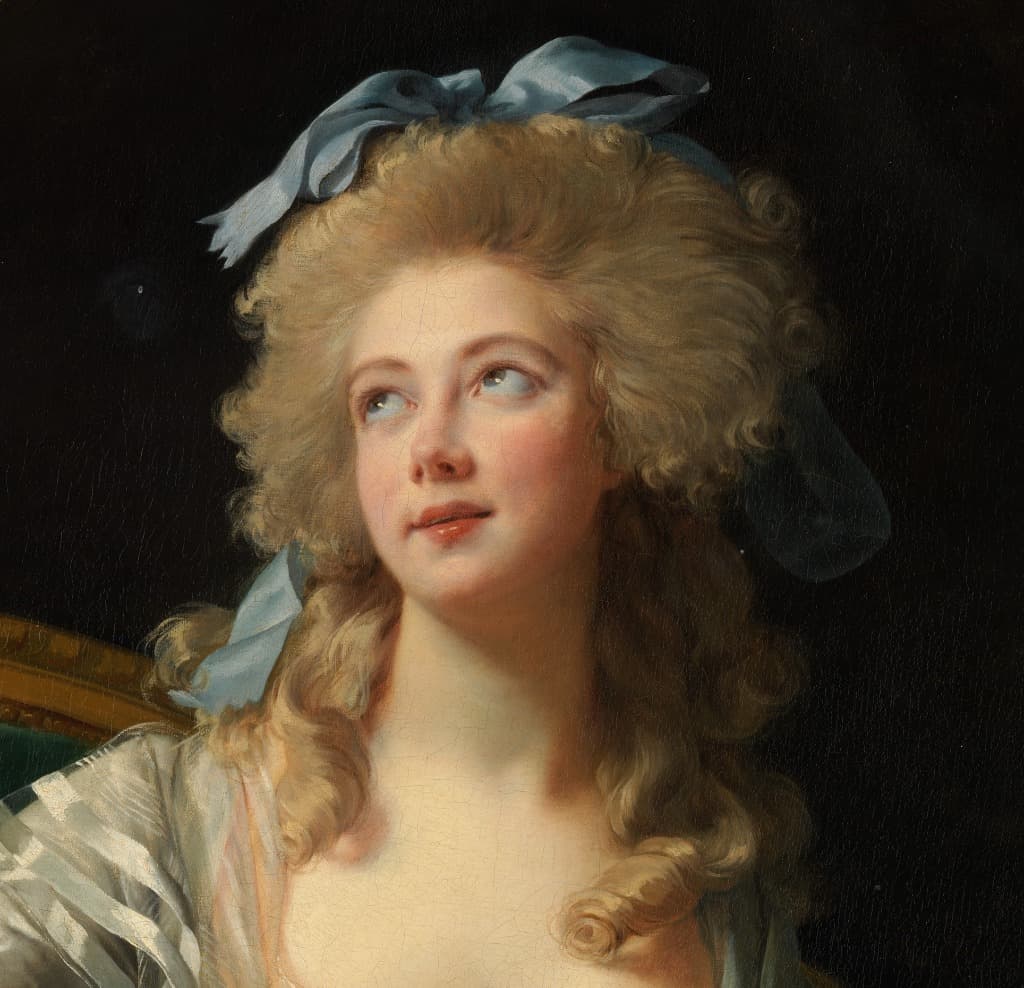
AI-assisted Portrait of Catherine Grand, Princesse de Bénévent
The Woman Who Made the Room Possible
Catherine Grand was born far from the centers of European power — in colonial India, on the margins of empire — and yet ended her life as a French princess, moving effortlessly through the salons and diplomatic circles that shaped Napoleonic Europe. Her ascent was neither accidental nor ornamental. It was relational, intuitive, and quietly directional.
Known to contemporaries for her exceptional beauty, Catherine's true influence lay not in spectacle but in atmosphere. She did not command attention; she softened it. Where politics hardened men into rivals, she created rooms where defenses lowered and conversation flowed. In an age obsessed with conquest and ideology, her power was social — and therefore easy to dismiss by those who mistook force for influence.
She did not shape policy. She shaped the conditions under which policy became possible.
That's the ENFJ signature: not merely adapting to the environment — deciding where it was going. Catherine's cognition was outward-facing and future-aware, built for authorship rather than dependence.
Shaping Collective Atmosphere
Catherine's primary strength was emotional attunement. She understood how people felt, what made them comfortable, and how trust formed in informal spaces.
Her salons worked not because of brilliance or debate, but because people relaxed within them. Men spoke freely. Tensions softened. Alliances began without announcement. This is dominant Fe: shaping collective emotional climate as a form of power. Her beauty amplified this effect, but it was her warmth that sustained it.
Foresight Executed Through Feeling
What distinguishes Catherine from a purely social facilitator was her sense of trajectory. She did not wait for outcomes — she anticipated them.
When political pressure mounted for Talleyrand to abandon her, Catherine correctly foresaw what his preferred response would be: quiet disengagement. Rather than confront him privately, she acted publicly. By entering a diplomatic dinner and declaring their engagement, she collapsed all alternative futures into a single, socially binding reality.
This was not impulsive emotion. It was Ni foresight executed through Fe.
Presence as Anchor
Catherine's presence was grounded and immediate. Contemporary descriptions emphasize her graceful carriage, luminous appearance, and ease in embodied social space.
She used this not for excess, but for stabilization. Her Se supported her Fe — anchoring emotional influence in physical presence. She did not overwhelm rooms; she held them.
Intelligence in the Relational Register
Ti was not Catherine's domain. Her intelligence expressed itself relationally and temporally — through people and futures, not arguments or systems. This is why she was able to navigate the court of Napoleon Bonaparte with such effectiveness: she never competed on his terrain, only on her own.
Why ENFJ Over ESFJ
Why not ESFJ?
An ESFJ reading emphasizes tradition, propriety, and norm enforcement. Catherine relied on none of these. She repeatedly abandoned identities, geographies, and social roles when the future demanded it. She did not preserve the system. She repositioned herself within its evolution. Her defining moves were forward-facing, not memory-bound — placing her outside Si dominance.
Connected Figures
Further Reading
- Talleyrand: The Art of Survival — Jean OrieuxCovers Talleyrand's maneuvering into marriage with Catherine Grand and her role in his diplomatic circle.
- Talleyrand — Duff CooperA fuller portrait of the household and salon Catherine Grand ran alongside her husband.
- The Court of Napoleon: Society and Politics under the First Empire — Philip ManselSituates Catherine's atmosphere-building among the imperial court's other social architects.
