 Historical Figure MBTI
3 min read
#21 · 2-7-26 · Classical Vienna
Archduke Rudolph of Austria
Patron · Pupil · Quiet Stabilizer of Genius
1788 — 1831
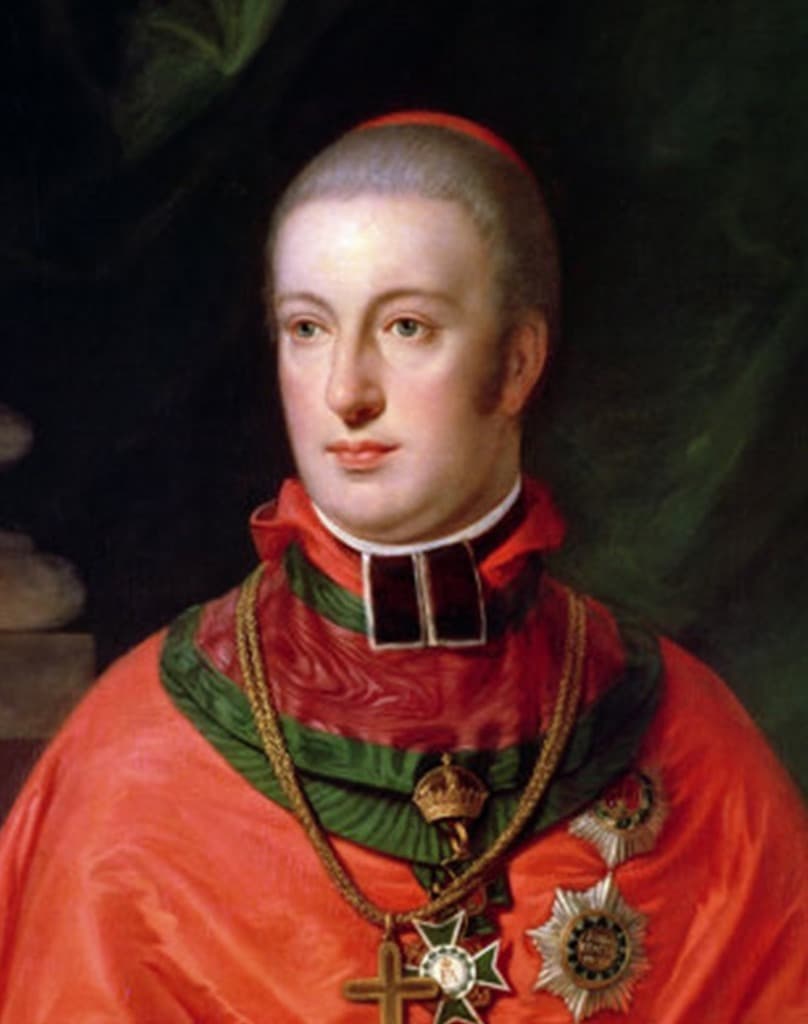
AI-assisted Portrait of Archduke Rudolph of Austria
The Keeper of Continuity
Archduke Rudolph of Austria occupies a unique position in cultural history — not as a creator, but as a preserver. Born into immense privilege as the youngest son of Emperor Leopold II, Rudolph could have lived comfortably detached from responsibility. Instead, he became the most consistent patron and student in Ludwig van Beethoven's life, sustaining a relationship that lasted more than fifteen years.
What defines Rudolph is not ambition, innovation, or public leadership, but endurance. While others admired Beethoven from a distance or withdrew when his temperament became difficult, Rudolph remained. He provided financial security, emotional patience, and institutional protection — often without recognition, leverage, or control.
That's the ISFJ signature: loyalty to what has proven its worth, carried forward quietly and consistently. Rudolph understood value through preservation, not creation.
Long-Term Loyalty Over Novelty
Rudolph's defining trait was continuity. He did not pursue novelty or personal reinvention. Instead, he committed himself long-term to people, roles, and responsibilities once they proved meaningful. His patronage of Beethoven was not episodic or conditional — it was sustained across political upheaval, personal frustration, and social imbalance.
Rudolph understood value through preservation. What mattered was not creating something new, but ensuring that what already existed did not collapse. This is dominant introverted sensing at its clearest: loyalty to what has proven its worth, carried forward quietly and consistently.
Stabilization Through Restraint
Rudolph's influence operated through restraint, not assertion. Despite his status, he deferred emotionally to Beethoven — accepting criticism, tolerating missed lessons, and absorbing volatility without retaliation. He did not demand obedience or gratitude. Instead, he maintained the emotional environment that allowed Beethoven to function.
This is Fe expressed privately rather than performatively: reading the emotional needs of another and adjusting oneself accordingly. Rudolph did not regulate crowds or lead social movements; he stabilized individuals.
Quiet Discernment
Though often described as gentle or passive, Rudolph was not without internal discernment. He made deliberate choices about how to support Beethoven — helping arrange annuities, managing practical logistics, and understanding when intervention would help versus hinder. His reasoning was quiet, situational, and rarely articulated publicly.
This reflects tertiary Ti: logic used to maintain coherence and consistency rather than to theorize or systematize.
Why ISFJ Over ISTJ
Why not ISTJ?
Rudolph is sometimes mistaken for an ISTJ due to his discipline and seriousness. However, his behavior lacks the assertive structure and corrective impulse typical of Te. An ISTJ in his position would likely have enforced standards, demanded consistency, or withdrawn when disrespected. Rudolph did none of these. He prioritized relational preservation over efficiency, hierarchy, or control — placing Fe above Te.
Connected Figures
Further Reading
- Beethoven: Anguish and Triumph — Jan SwaffordThe most comprehensive modern Beethoven biography; covers the Rudolph patronage in depth throughout.
- The Beethoven Compendium — Barry Cooper (ed.)A reference guide covering Beethoven's patrons, works, and relationships — includes the Archduke circle.
- Beethoven: His Spiritual Development — J. W. N. SullivanClassic study of Beethoven's inner life and the role of patronage in enabling his late creative period.
