 Historical Figure MBTI
#902 · 7-2-26 · The Second World War
Clementine Churchill
Wife · Confidante · Keeper of the War Cabinet's Peace
1885 — 1977
4 min read
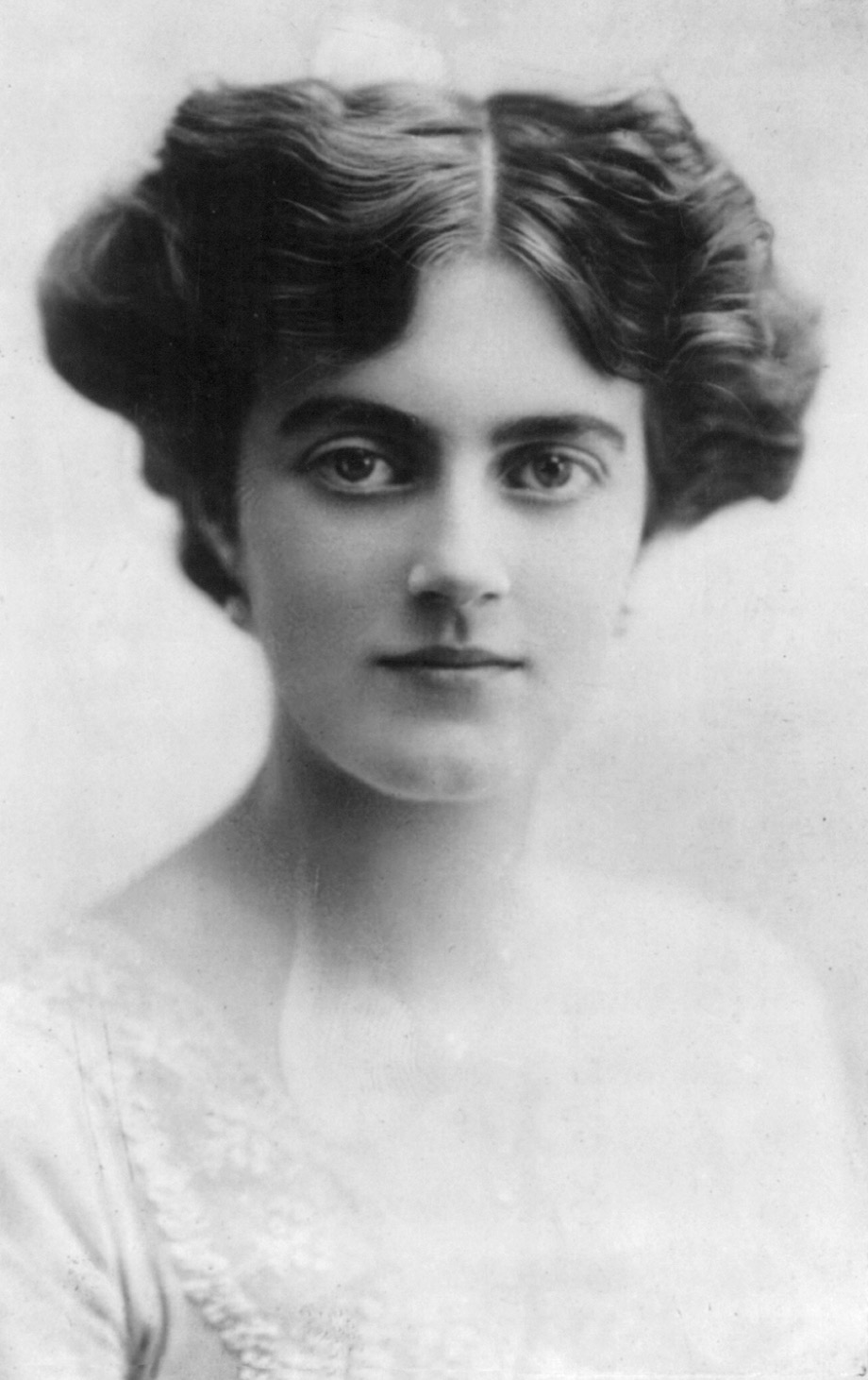
Portrait of Clementine Churchill
The Woman Who Ran the Household of a War
History remembers Winston Churchill as a man who governed by instinct, appetite, and nerve — a figure who thrived on chaos because he trusted his own genius to make sense of it. What history too often forgets is that this genius required a household that functioned, a schedule that held, and a wife willing to tell him, in private, what no one else in Britain dared say to his face. Clementine Hozier Churchill was not a public figure by temperament. She avoided the spotlight her husband commanded so naturally, and she never sought office or acclaim of her own. But for nearly six decades she ran Chartwell, then 10 Downing Street, then the wartime residence at Storey's Gate, as a functioning base of operations for a man who could barely manage his own moods, let alone his own finances or his own temper.
This was not passive support. It was a discipline — a quiet, exacting, unglamorous discipline that kept a mercurial genius fed, solvent, and politically sane. She managed the household budget because Winston could not be trusted with money; she ran wartime canteens and the Red Cross Aid to Russia Fund because idle hands were not in her nature; and she wrote him, in 1940, a letter of blunt private warning about his bullying manner toward subordinates — a letter she drafted with care, never sent, but meant every word of. That single unsent letter says more about her type than any public speech she never gave.
Clementine Churchill was an ISFJ, and her dominant Si is the reason the Churchill household survived Winston Churchill.
The Ledger Behind the Legend
Si is the function of remembered precedent — of knowing how things were done, what worked before, and what the accounts actually say beneath the mythology. Clementine's Si showed itself most plainly in the one domain Winston never mastered: money. He wrote and spoke on a scale that dwarfed his income, gambled at the casino, and renovated Chartwell as though solvency were beneath his notice. It was Clementine who kept the household's actual ledgers, negotiated with tradesmen, and imposed the discipline that kept the family from ruin more than once. She did this without drama, the way Si always operates — not by dramatic intervention but by steady, unglamorous maintenance, done the same careful way each time.
That same instinct for precedent and material order carried into her wartime canteen work and the Red Cross Aid to Russia Fund, which she chaired with a rigor that surprised colleagues who expected a political wife's token patronage. She learned the logistics, tracked the shipments, and treated the fund's accounts with the same exactness she brought to Chartwell's. Si does not improvise; it builds a working system once and then defends it. Clementine defended hers for six decades.
The Letter She Never Sent
Fe reads the emotional temperature of a room and acts to correct it — not for show, but because disharmony is intolerable and correctable. Clementine's Fe was aimed, almost exclusively, at one room: the one Winston occupied. She watched him bully ministers and subordinates in Cabinet and understood, before he did, what it would cost him politically. In June 1940 she wrote him a private letter — never sent, but preserved in draft — warning that his manner risked alienating the very people whose loyalty he needed to win the war. It is a document of pure Fe: not a public rebuke, not a strategic memo, but a private correction aimed at restoring the emotional balance of the circle around him.
This same instinct pushed Winston toward moderation again and again across their marriage — toward reconciliation with rivals, toward restraint when his temper ran hot, toward the political relationships he was too impatient to cultivate himself. She read the room so he wouldn't have to, and she used that reading not for her own advancement but for his — and, by extension, for the country's.
Why ISFJ Over ESFJ
Why not ESFJ?
An ESFJ manages a wide social network as a matter of course — hosting, organizing, and tending the emotional lives of many people at once, visibly and by preference. Clementine did none of this. She was famously private, uncomfortable with the performative sociability of political wifehood, and directed her considerable Fe almost entirely toward one relationship: her husband's. Her influence ran through a single channel, exercised in private letters and closed rooms, never through a wide circle she cultivated for its own sake. That narrowness of focus, paired with her genuine discomfort in crowds, is Si-dominant introversion, not Fe-dominant extraversion.
ISFJ fits because the order of operations is right: steady, private maintenance first, room-reading second, and both deployed in service of one household rather than a public constituency. She was never the hostess. She was the ledger-keeper and the conscience, and she preferred it that way.
Connected Figures
Further Reading
- Clementine: The Life of Mrs. Winston Churchill — Sonia PurnellThe definitive modern biography, drawing on her private letters and papers.
- Clementine Churchill — Mary SoamesA biography written by their daughter, rich in firsthand domestic detail.
