 Historical Figure MBTI
5 min read
#66 · 2-22-26 · The Civil Rights Movement
Coretta Scott King
The Guardian of the Dream
1927 — 2006
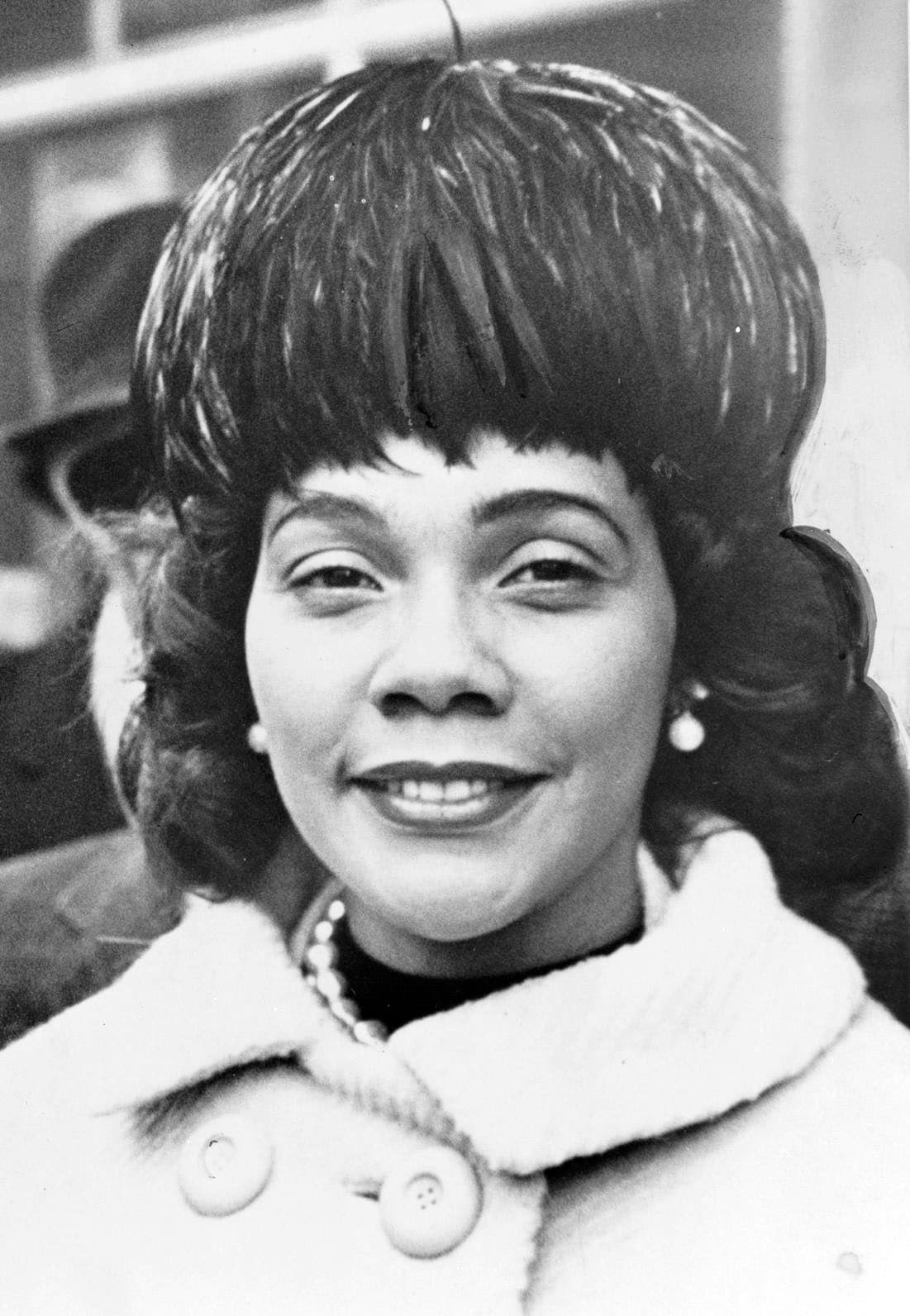
AI-assisted Portrait of Coretta Scott King.
The Guardian of the Dream
Born on April 27, 1927, in Heiberger, Alabama, Coretta Scott King was shaped long before history attached her name to another's. Raised in the segregated South by parents who valued education as an act of dignity, she learned early that excellence was not optional — it was resistance. She studied music at Antioch College and later at the New England Conservatory in Boston, intending to become a professional concert singer. She was intellectually serious, politically aware, and spiritually grounded before she ever met Martin Luther King Jr. When they married, she did not become absorbed into his calling; she joined it.
After his assassination in 1968, at only forty-one years old, she did not retreat from public life. Within days she led a march in Memphis. In the decades that followed, she institutionalized the Civil Rights Movement, founded The King Center, advocated for a federal holiday in her husband's name, and expanded the struggle to include global human rights, anti-apartheid activism, and LGBTQ+ equality. Her composure and long-range institutional discipline reveal dominant Introverted Intuition (Ni) paired with auxiliary Extraverted Feeling (Fe) — the signature of INFJ. She did not build structures for efficiency; she built them to safeguard meaning.
If Martin articulated the dream, Coretta ensured it endured.
Ni — Dominant
Coretta consistently framed life through destiny and calling. She often told her children, "This family is called," embedding their identity within a larger arc of purpose. Her decisions — remaining active after Martin's death, preserving his name, extending the movement globally — reflect a life organized around a singular, internalized vision.
She did not reinvent herself after 1968. She deepened the mission. Her activism expanded beyond civil rights because she perceived injustice as a unified pattern: racism, poverty, war, and dehumanization were not separate issues but symptoms of a moral fracture in modern society. This integrative lens is classic dominant Ni. Ni does not chase novelty. It commits to trajectory.
Fe — Auxiliary
Coretta's outward expression centered collective dignity and moral responsibility. While she was not theatrically expressive, her rhetoric consistently returned to human worth, spiritual awakening, and shared accountability.
Her children describe her as compassionate, forgiving, and deeply empathetic — yet disciplined. She taught nonviolence not merely as strategy, but as spiritual purification. Importantly, her Fe was restrained. It did not seek applause or emotional catharsis. It functioned as moral steadiness. She could be firm, even severe, when necessary — not because she prized relational harmony, but because she believed integrity required it. Fe does not always appear warm. Sometimes it appears unwavering.
Ti — Tertiary
Coretta's intellectual independence surfaces in her well-formed political convictions. She challenged her husband's thinking, especially regarding pacifism and the Vietnam War. She did not defer blindly; she reasoned internally and spoke directly.
Her speeches reveal structured moral analysis. She synthesized global student movements, economic systems, and social transformation into coherent frameworks. This internal logical consistency reflects tertiary Ti supporting her intuitive vision.
Se — Inferior
Coretta endured extreme external pressure: bombings, surveillance, threats, widowhood under national scrutiny. Yet her public demeanor remained controlled and dignified. Under stress, she did not lash out or react impulsively. Instead, she narrowed her focus and returned to vision.
Inferior Se often struggles with chaotic present conditions, but when stabilized by Ni, it produces remarkable composure under crisis. Her strength was not loud. It was contained.
Why Not INTJ?
Why not INTJ?
Her disciplined leadership and institutional stewardship can resemble Ni–Te efficiency. However, her orientation consistently centered moral continuity rather than structural optimization. An INTJ guardian might prioritize brand protection, organizational clarity, or systemic redesign. Coretta's emphasis remained spiritual, relational, and meaning-focused. Even when discussing policy or economic inequity, she framed these as violations of human dignity and moral order. Her language of calling, awakening, and beloved community reflects auxiliary Fe. She did not merely manage a legacy; she safeguarded a sacred narrative.
The Shared Calling
Her marriage to Martin Luther King Jr. was not one of opposites, but of parallel vision. Both perceived their lives as embedded in historical destiny. Martin spoke the dream in prophetic cadence; Coretta sustained it in disciplined continuity.
If he was the flame, she was the pillar. Two intuitive visionaries. Different expressions. One arc. The dream did not survive because it was spoken. It survived because it was guarded.
Connected Figures
Further Reading
- My Life with Martin Luther King, Jr. — Coretta Scott KingHer own memoir — the essential first-person account of her life, their partnership, and the movement.
- Coretta: The Story of Coretta Scott King — Octavia VivianA biography by a fellow Civil Rights Movement activist who knew Coretta personally.
- At the Dark End of the Street: Black Women, Rape, and Resistance — Danielle L. McGuireReframes the Civil Rights Movement around the courage of Black women — essential context for Coretta's role.
- Bearing the Cross: Martin Luther King Jr. and the Southern Christian Leadership Conference — David J. GarrowPulitzer Prize–winning account of the movement; Coretta appears throughout as a central, complex figure.
