 Historical Figure MBTI
5 min read
#65 · 2-22-26 · The Civil Rights Movement
Martin Luther King Jr.
The Prophet of the Beloved Community
1929 — 1968
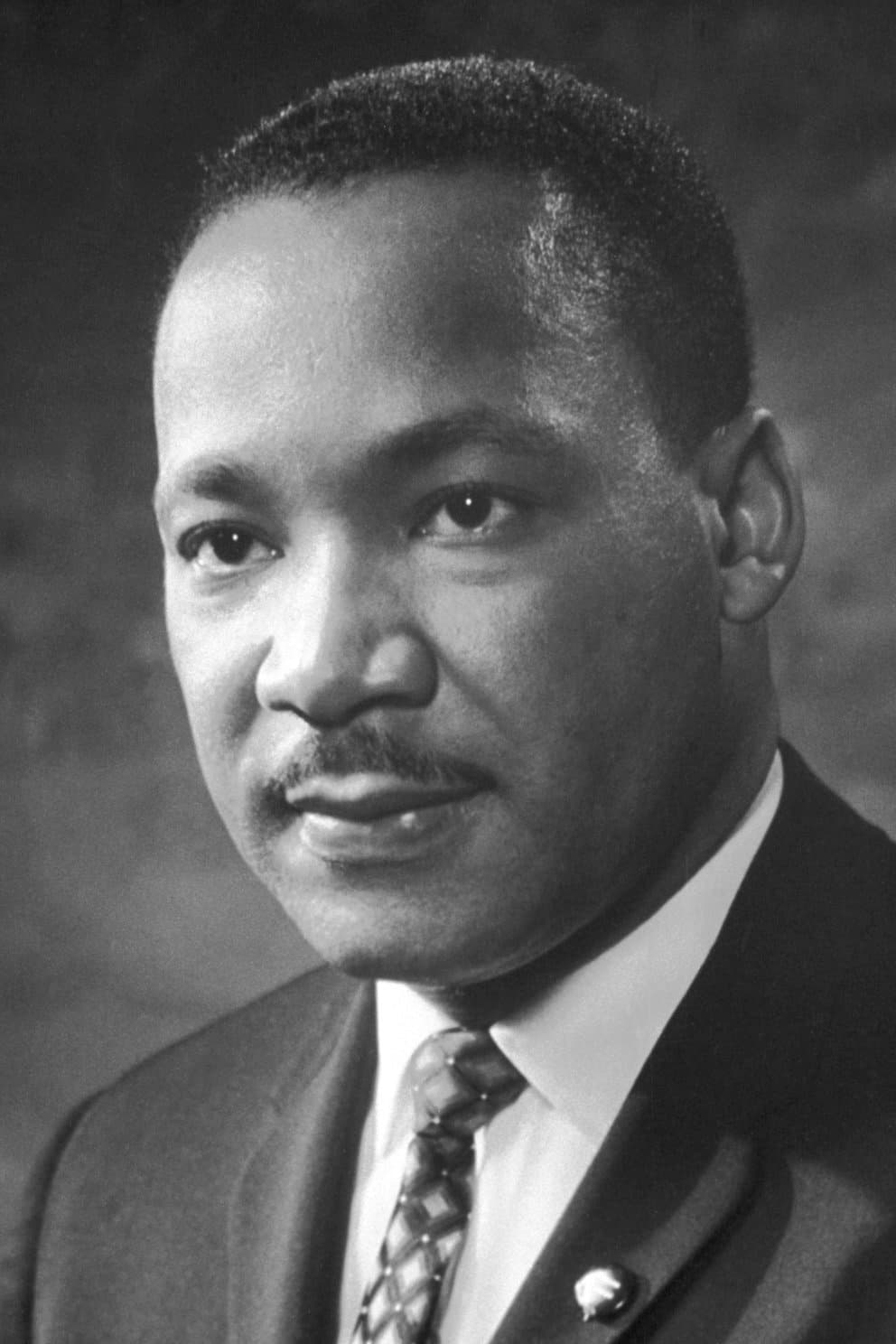
Portrait of Martin Luther King Jr.
The Prophet of the Beloved Community
Born on January 15, 1929, in Atlanta, Georgia, Martin Luther King Jr. emerged as the moral voice of the American Civil Rights Movement. A Baptist minister shaped by theology, philosophy, and the Black church tradition, King fused spiritual conviction with disciplined nonviolent activism. He did not merely protest injustice; he articulated a future in which reconciliation, dignity, and justice formed the foundation of society itself.
King's leadership was not rooted in political opportunism. It was anchored in a long-range moral vision. From the Montgomery Bus Boycott to the March on Washington, from Birmingham Jail to Memphis, his work consistently framed civil rights not as a sectional demand, but as a test of America's soul. He aligns most coherently with INFJ — a cognition driven primarily by inward vision (Ni), supported by outward moral alignment (Fe). His speeches were not spontaneous emotional improvisations, but transmissions of a deeply internalized, carefully constructed moral architecture.
He did not seek power. He sought transformation.
Ni — Dominant
King's cognition was future-oriented and symbolic. His defining speeches — particularly "I Have a Dream" — were not reactive to present circumstances but projections of a moral horizon. He saw history as a narrative arc bending toward justice. This long-range pattern recognition, coupled with a belief in historical inevitability, reflects dominant Introverted Intuition.
Even in the Letter from Birmingham Jail, King frames civil disobedience within a broader philosophical and theological framework. He synthesizes Augustine, Aquinas, the Constitution, and Gandhian strategy into a unified moral model. This is not idea-hopping; it is convergence. His language compresses complexity into vision. Ni does not merely analyze the present. It interprets history as trajectory. King lived and spoke from trajectory.
Fe — Auxiliary
King's outward expression consistently centered collective moral responsibility. He framed injustice not as policy failure alone, but as a violation of shared human dignity. His use of "we," his invocation of the "Beloved Community," and his appeal to national conscience demonstrate auxiliary Extraverted Feeling.
However, this Fe was not dominant. King did not adjust his moral stance to maintain harmony. In fact, he often alienated moderates and political allies when he opposed the Vietnam War or challenged economic injustice. His Fe served his Ni vision — it did not override it. He mobilized people not by reading the room, but by inviting them into a moral future he had already seen.
Ti — Tertiary
King's tertiary Introverted Thinking appears most clearly in his structured argumentation. The Letter from Birmingham Jail is methodical, logical, and internally coherent. He dismantles the argument of "wait" by distinguishing just and unjust laws with precise philosophical reasoning. This was not Te-style policy mechanics — it was internally consistent ethical reasoning. Ti supported the clarity of his moral argument without becoming his primary lens.
Se — Inferior
King's inferior Extraverted Sensing manifested in his physical vulnerability and exhaustion. He lived under constant threat, endured bombings and imprisonment, and often neglected personal safety. The present moment frequently lagged behind the magnitude of his inner vision.
At times, the stress of leadership overwhelmed him. Yet even under pressure, he returned to vision rather than immediate retaliation. His instinct was not reaction. It was transcendence.
Why Not ENFJ?
Why not ENFJ?
King's charisma tempts many to type him as ENFJ. Yet ENFJs lead primarily through relational attunement and social calibration. King did not alter his message to maintain approval. His opposition to the Vietnam War cost him political support. His critique of economic inequality alienated allies. An Fe-dominant leader would be more sensitive to coalition preservation. King, by contrast, followed vision first — even when it fractured consensus. He was not crowd-driven. He was conviction-driven. His speeches felt emotionally powerful not because he was reading the room, but because he was speaking from a fixed internal horizon.
The Shared Calling
King's marriage to Coretta Scott King reflects a profound alignment of vision. Both framed their lives as part of a larger moral arc. Where King was prophetic and oratorical, Coretta was composed and institutional. Together, they embodied different expressions of the same intuitive conviction: history must bend toward justice.
This was not a marriage of opposites. It was a partnership of destiny. One vision. One arc. A dream carried beyond the man who first spoke it.
Connected Figures
Further Reading
- Parting the Waters: America in the King Years 1954–63 — Taylor BranchThe first volume of Branch's monumental trilogy — the definitive narrative of King and the Civil Rights Movement.
- Bearing the Cross: Martin Luther King, Jr., and the Southern Christian Leadership Conference — David J. GarrowPulitzer Prize–winning biography, intimate and unflinching in its account of King's inner life and doubts.
- Letter from Birmingham Jail — Martin Luther King Jr.King's own voice at its most precise — a masterwork of moral argument written on the margins of a newspaper.
- Strength to Love — Martin Luther King Jr.A collection of King's sermons; the clearest window into the theological architecture beneath his public leadership.
