 Historical Figure MBTI
3 min read
#139 · 3-16-26 · The Founding Generation of USA
Francis Dana
The Measured Diplomat and steady presence in the early American diplomatic core.
1743 — 1811
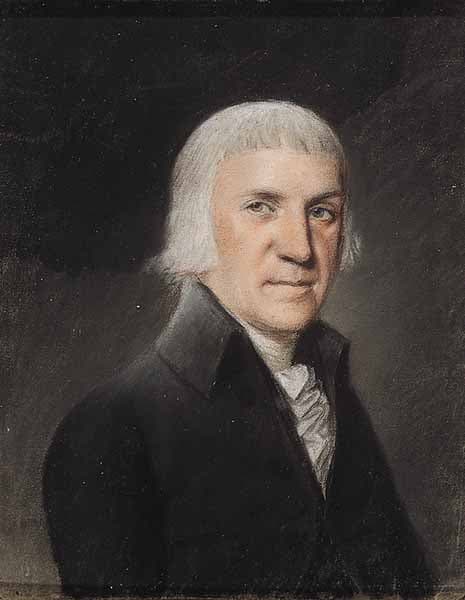
Portrait of Francis Dana
The Measured Diplomat
Francis Dana does not enter history as a visionary or a revolutionary personality. He is not remembered for stirring speeches or ideological breakthroughs, but for something quieter — steadiness, discipline, and the ability to operate within systems that required patience more than brilliance.
Born in 1743, Dana was a lawyer, statesman, and diplomat who served during the American Revolution, most notably as minister to Russia. His role there was not marked by dramatic success, but by persistence in an uncertain and often unresponsive political environment. He worked within constraints, followed protocol, and remained committed to the responsibilities assigned to him, even when results were limited.
This was not a man chasing recognition. It was a man fulfilling a role.
The Psychological Verdict
Francis Dana is best understood as an ISTJ — a type defined by structure, duty, and a grounded orientation toward responsibility and order.
Unlike more ideologically expressive figures of his time, Dana’s pattern is one of consistency and adherence to established systems. His career reflects not a drive to reshape the world through vision, but to operate within it effectively and reliably.
Si — Dominant
Dana’s defining trait is his reliance on established frameworks. His legal background and diplomatic conduct both reflect a preference for precedent, order, and continuity.
As minister to Russia, he adhered closely to protocol, even when the political situation was ambiguous. Rather than improvising or attempting to force new pathways, he maintained his position within existing structures, waiting for conditions to align.
This is characteristic of dominant Si: trust in what is known, proven, and stable.
Te — Auxiliary
Alongside this is a clear commitment to execution and responsibility. Dana fulfilled his roles with diligence, carrying out assignments even when success was uncertain or delayed.
This reflects auxiliary Te: a focus on duty, structure, and getting things done according to external expectations. Not innovation, but implementation.
He did not redefine the system. He upheld it.
Fi — Tertiary
Dana’s personal values appear steady but understated. There is little evidence of outward emotional expression, but his continued service — particularly in difficult or unrewarding circumstances — suggests an internal sense of obligation and integrity.
This aligns with tertiary Fi: quiet, internalized values that guide behavior without being publicly emphasized.
Ne — Inferior
There is little indication of exploratory or speculative thinking in Dana’s approach. He does not appear to engage in broad ideational expansion or conceptual reframing.
Instead, he remains anchored in the present structure, consistent with inferior Ne — where uncertainty and open-ended possibility are approached cautiously rather than embraced.
Why not INTJ?
Si over Ni
Given his diplomatic role, one might consider INTJ — a type associated with strategy and long-term vision. But Dana does not show evidence of vision-driven restructuring. He was not attempting to reshape diplomatic relationships through novel frameworks or bold strategic moves. Instead, he operated within established expectations, following protocol and maintaining consistency.
Not vision-first. Duty-first.
Connected Figures
Further Reading
- John Adams — David McCulloughThe definitive popular biography of Adams; covers the diplomatic mission to Europe and Russia in which Dana was centrally involved.
- The Adams Papers: Diary and Autobiography of John Adams — Lyman H. Butterfield (ed.)Primary source collection that includes Adams's own account of his time with Dana in Paris and The Hague.
- The Life of John Quincy Adams — William H. SewardEarly biography that records JQA's time as Dana's secretary in St. Petersburg — among the first accounts of that posting.
