 Historical Figure MBTI
Psychological Profile
Reliable stewards who maintain order, institutional stability, and practical continuity.
Dominant Si means the ISTJ inhabits a world organized by accumulated, verified experience: the past is not a set of abstract lessons but a living archive of sensory and procedural memory, and every new challenge is first evaluated against what has actually been proven to work. Auxiliary Te then converts that archive into action — it is the administrative backbone that allows the ISTJ to translate their inherited store of reliable methods into functioning structures, precise responsibilities, and measurable results. Tertiary Fi quietly underwrites the whole enterprise with a private code of honor: the ISTJ does not merely follow procedure because it is efficient but because doing things the right way is bound up with their sense of personal integrity in ways they may struggle to articulate. The inferior Ne represents everything the ISTJ's orderly world cannot quite contain — the open-ended, the speculative, the scenario with no precedent — and while it can manifest as an almost superstitious wariness of untested change, it also grants them, unexpectedly, a dry humor and an occasional, uncanny ability to anticipate the one risk everyone else has overlooked.
Introverted Sensing
The ISTJ operates on a foundation of historical memory and established standards. They are naturally wired to preserve institutional memory, ensuring that new challenges are met with the wisdom of the past and the reliability of proven methods.
Extraverted Thinking
Te provides the ISTJ with their formidable administrative and logistical skill. It allows them to organize reality into clear structures and ensure that responsibilities are fulfilled with precision and detached logical efficiency.
Introverted Feeling
While appearing formal, the ISTJ has a quiet, immovable sense of personal duty and honor. Their Fi manifests as a deep-seated commitment to 'doing things the right way,' not just for efficiency, but as a matter of individual integrity.
Extraverted Intuition
Unstructured change or abstract 'what-if' scenarios can cause anxiety. Inferior Ne makes the ISTJ cautious of innovation without a clear precedent, though it can also manifest as a dry, unexpected humor or a sudden grasp of future risks.
The Historical Role
Civic guardians and maintainers of tradition. They appear in history as the backbone that holds an institution upright when the more visible figures have moved on — the administrator who kept the records, the officer who maintained the chain of command, the steward whose patient fidelity to procedure prevented a dozen quiet catastrophes that no one ever had to name. They are the governors who outlasted the emperors, the clerks who carried the continuity of law from one regime to the next, the people for whom duty was not an abstraction but a daily and concrete act. The ISTJ's contribution to history is often invisible precisely because it worked: the catastrophe that was prevented, the continuity that held, the standard that was maintained when it would have been easier to let it slip.
The ISTJ is the backbone of historical stability. They are the governors and stewards who ensure that the institutions of the republic or the empire remain standing through times of chaos.
Historical Figures
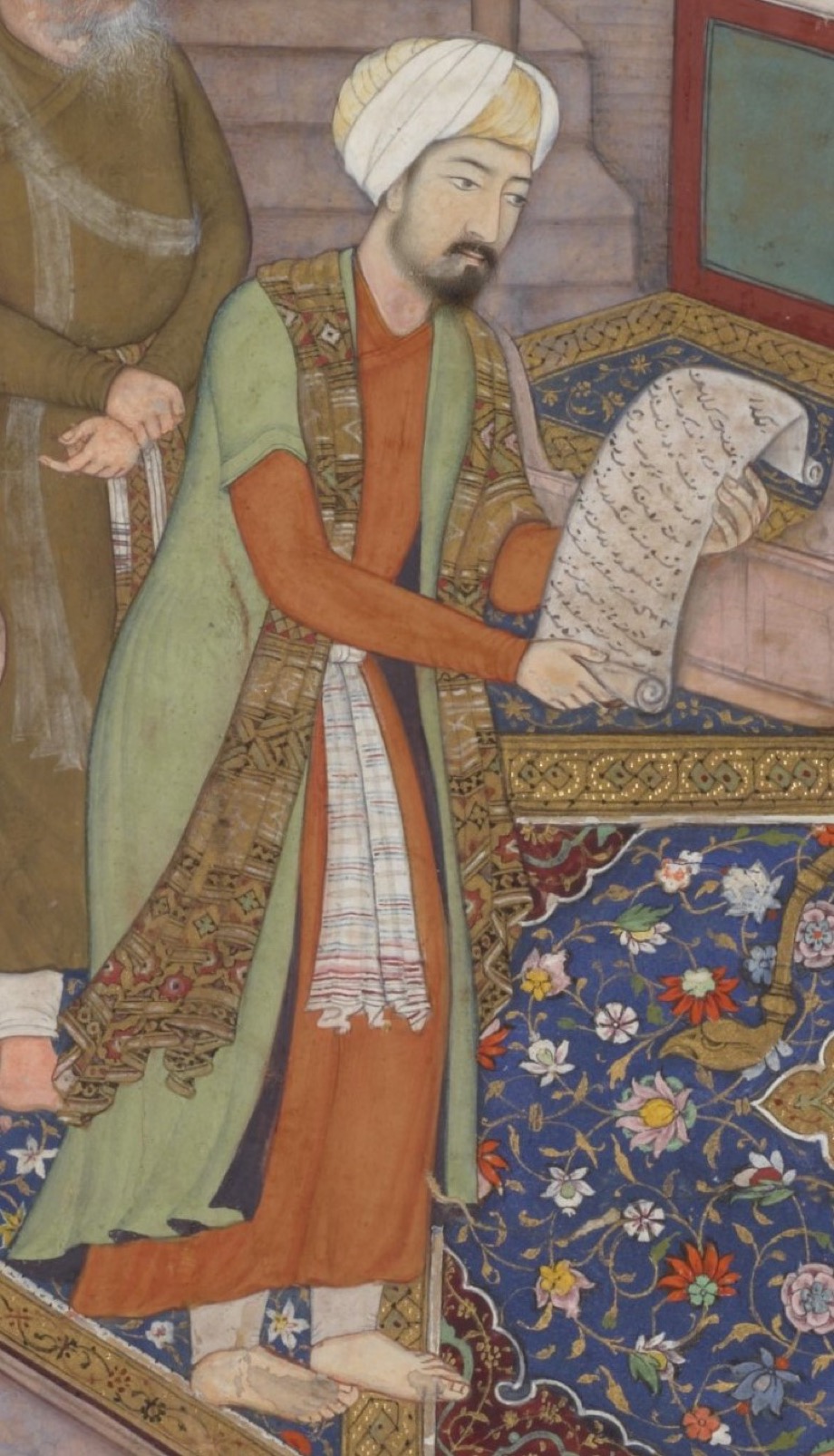
Abd al-Qadir Badauni
notableBadauni served Akbar’s translation enterprise while preserving a hostile, indispensable alternative history of the reign.
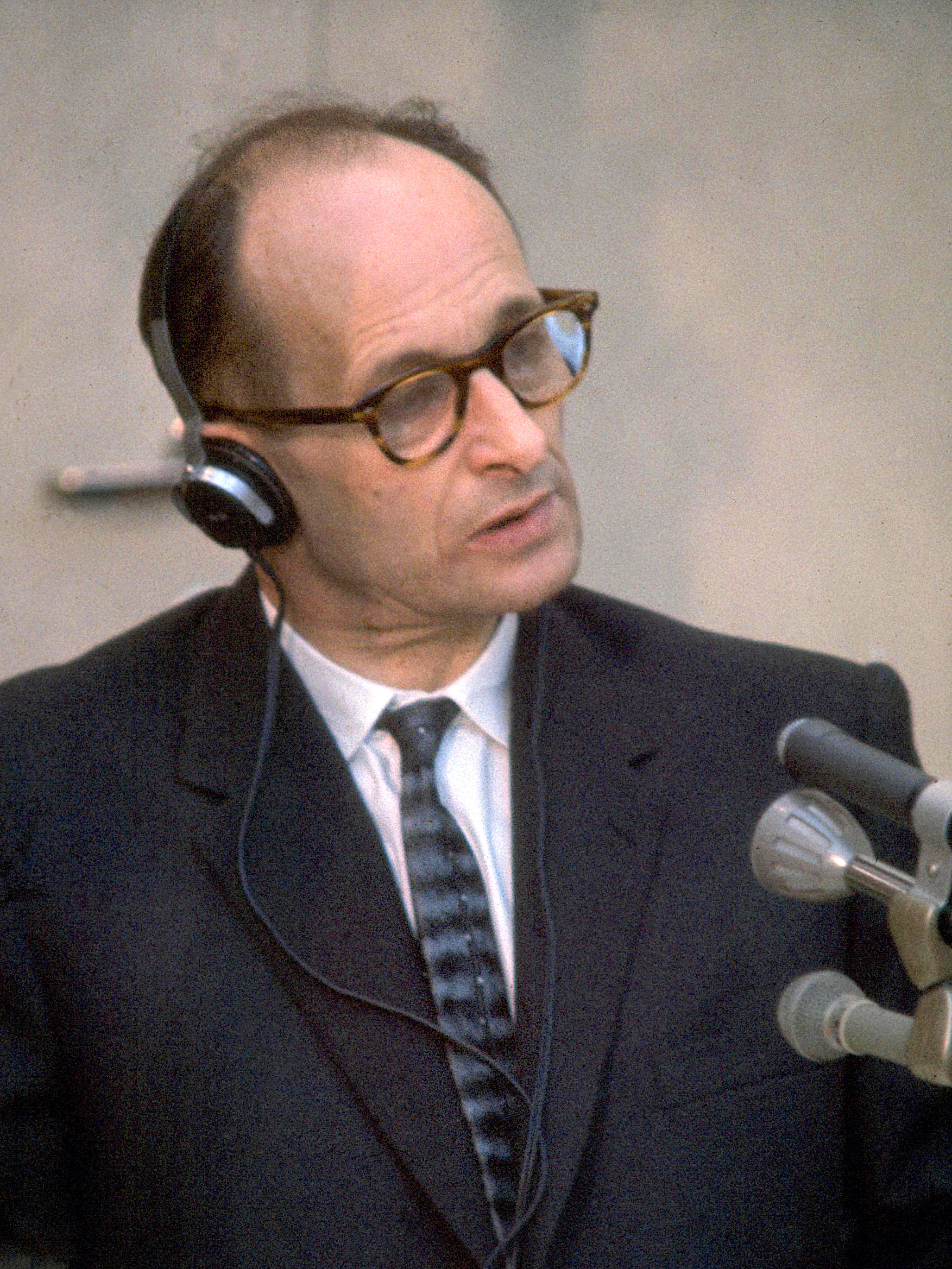
Adolf Eichmann
infamousThe bureaucrat who organized the Holocaust's deportation logistics
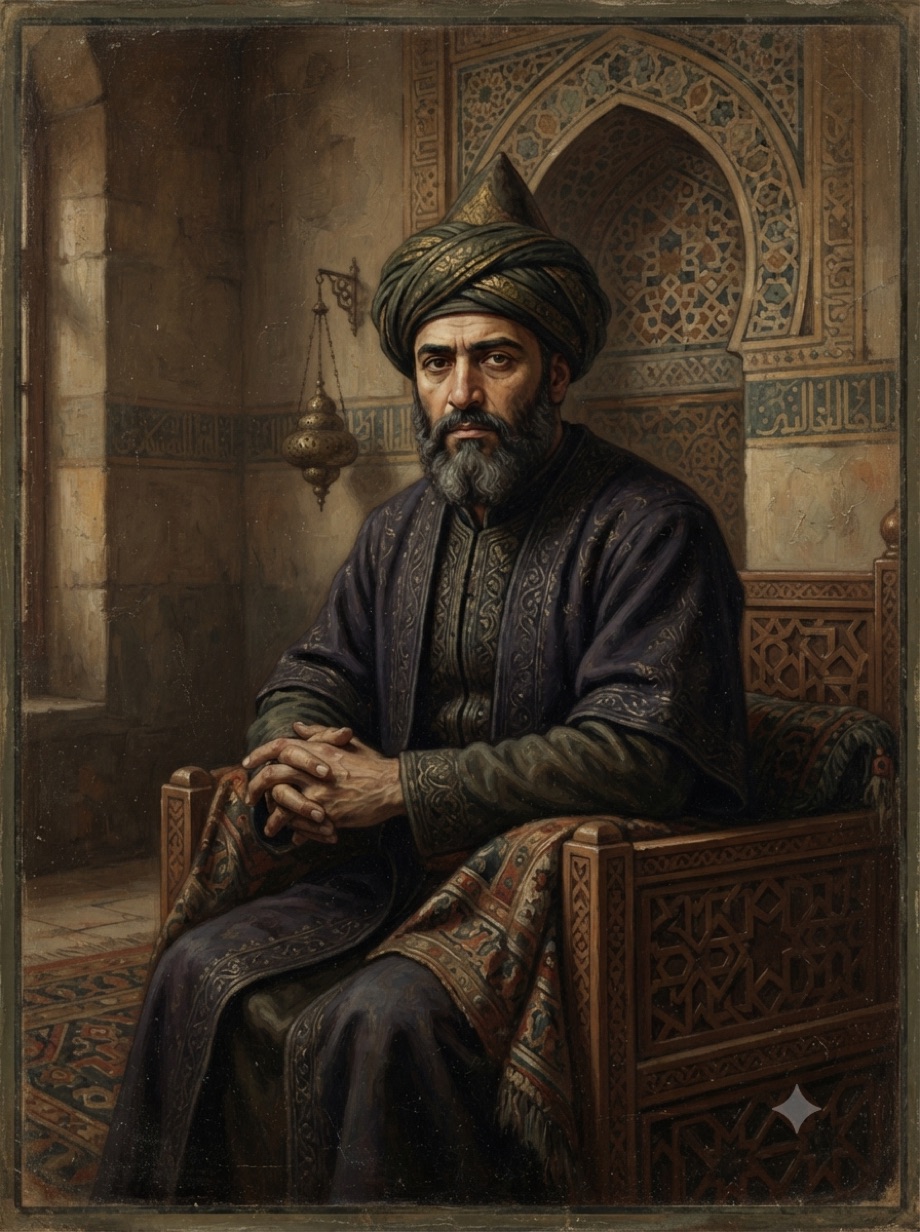
al-Salih Ayyub
notableThe grim last Ayyubid whose distrust bred the slave-army that destroyed his own dynasty — the austere, controlling ISTJ.
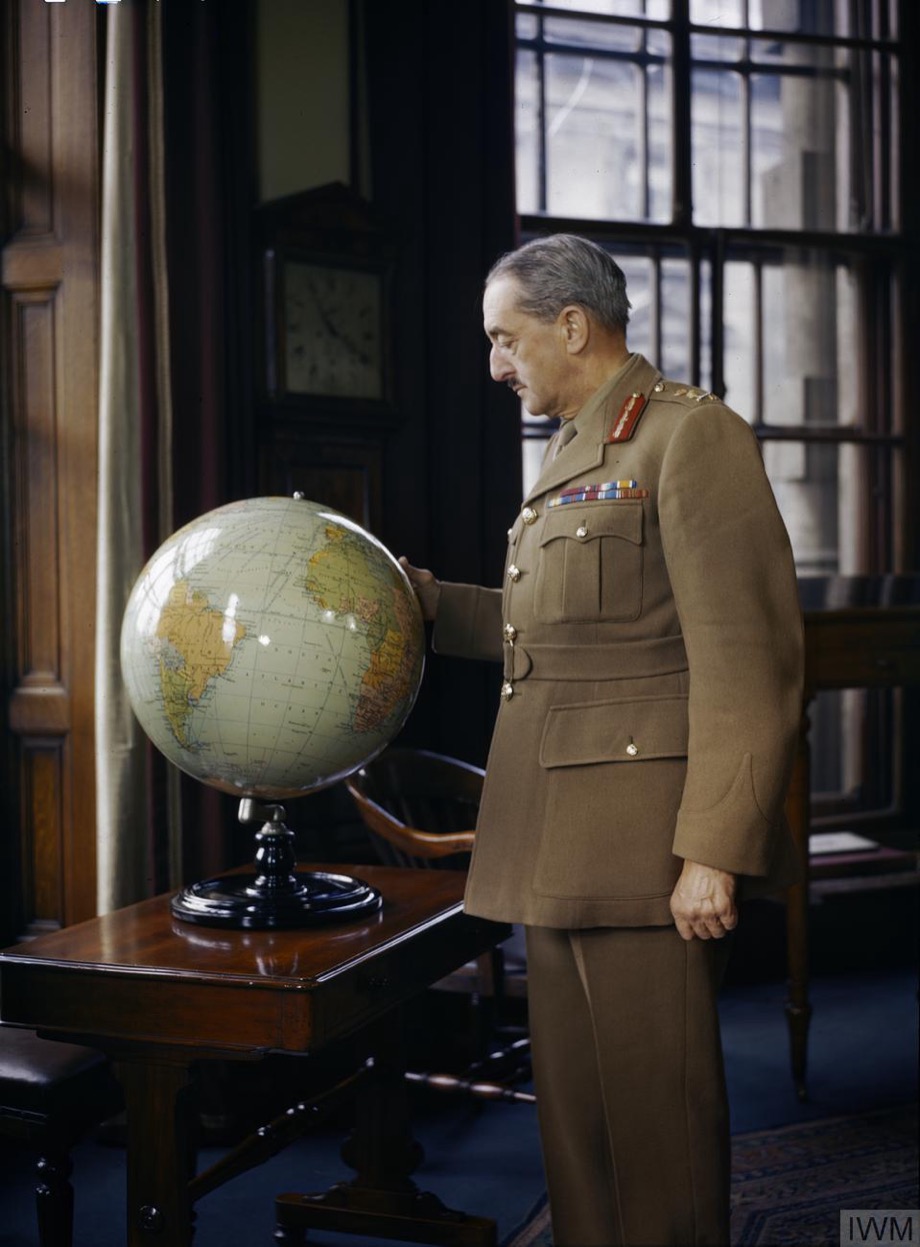
Alan Brooke
renownThe Chief of the Imperial General Staff whose disciplined realism reined in Churchill's wilder schemes.
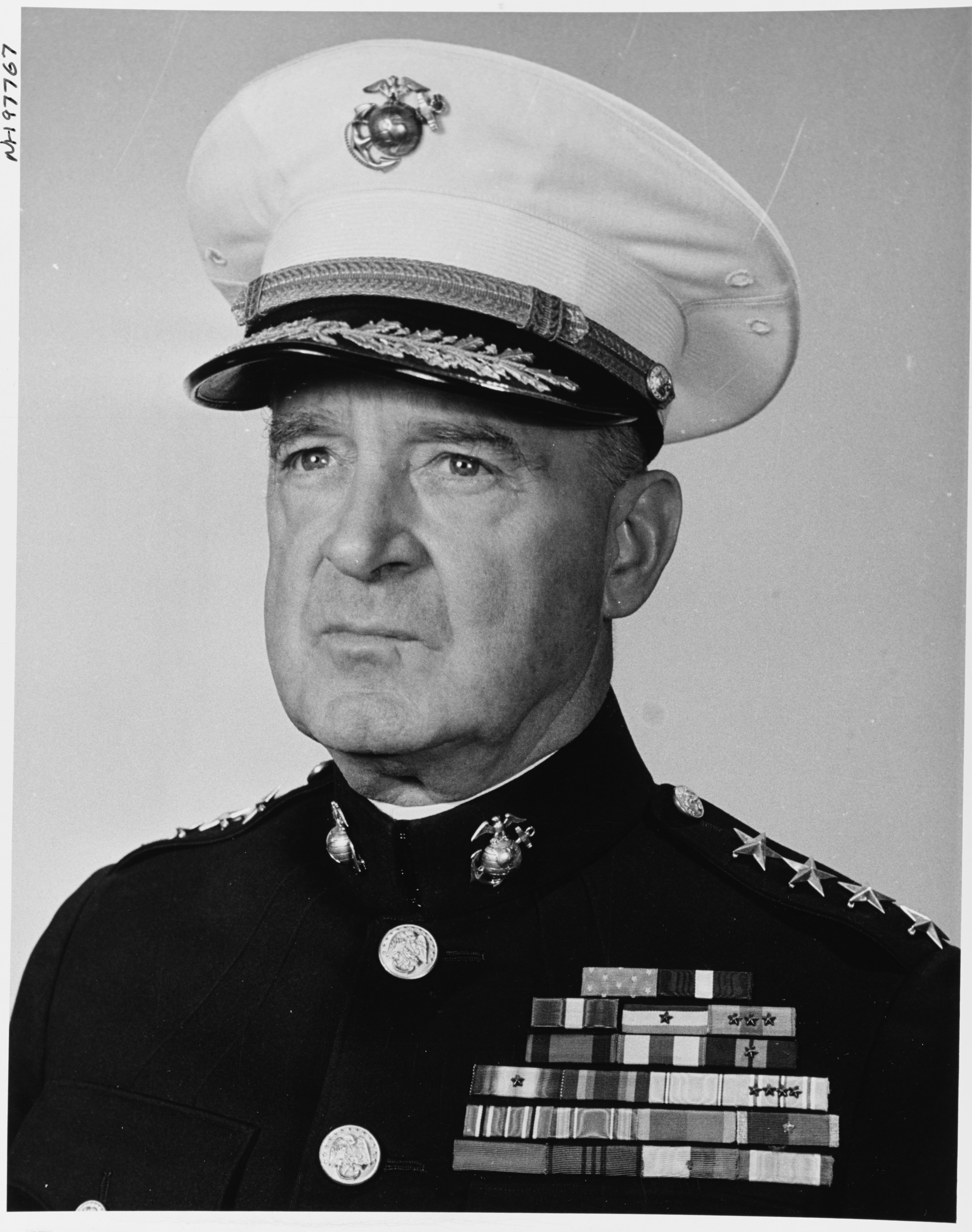
Alexander Vandegrift
notableThe general who commanded the first American offensive of the war, at Guadalcanal.
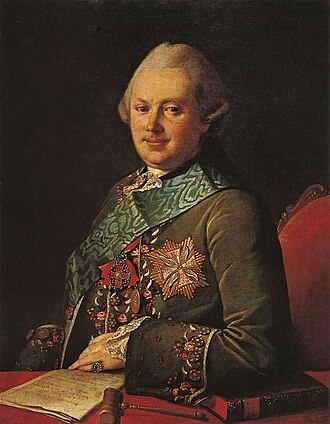
Alexander Vyazemsky
notableCatherine II's Attorney General for 21 years — the rarest figure in her court, a man of absolute incorruptibility who administered without ambition or self-dealing.
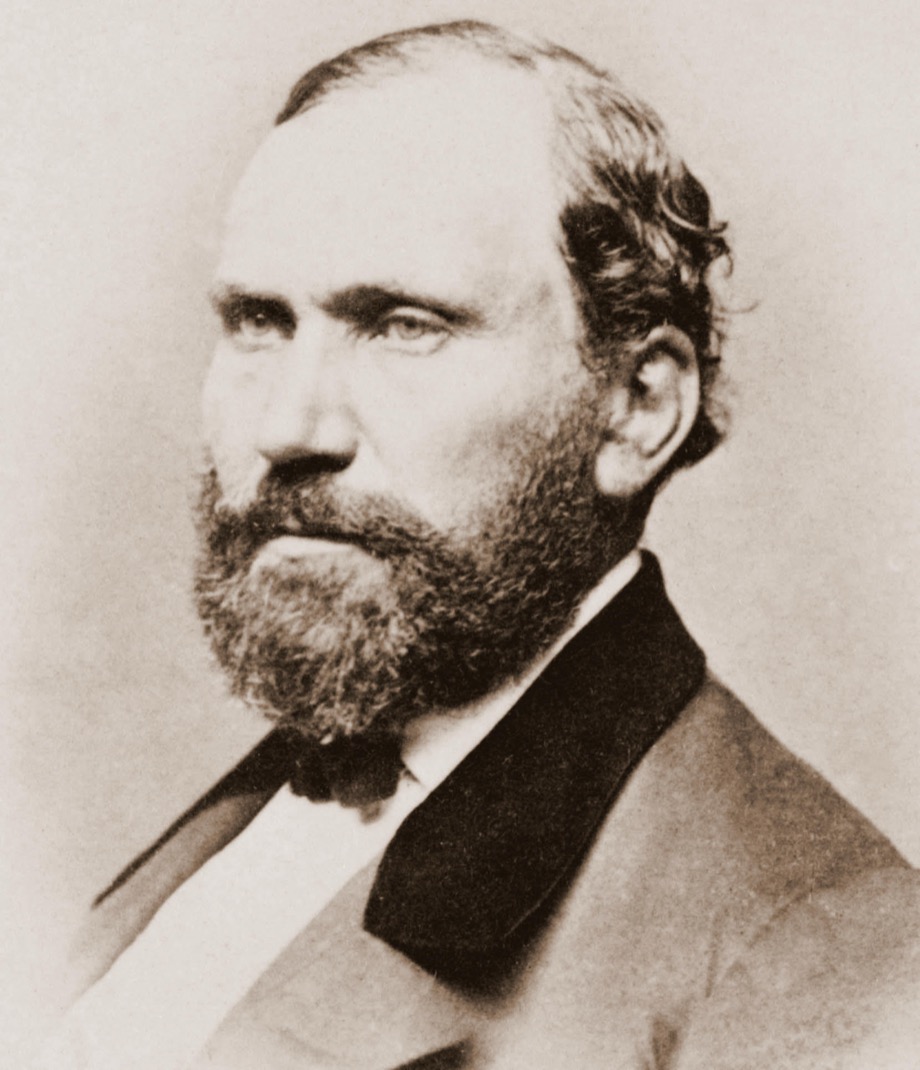
Allan Pinkerton
notableThe detective whose exhaustive case files convinced McClellan he was always outnumbered
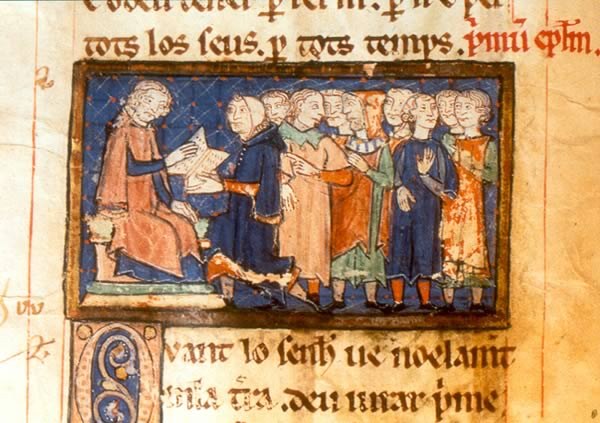
Alphonse of Poitiers
notableLouis IX's administrator brother whose orderly rule — and heirless death — handed Toulouse to France: the ISTJ steward.
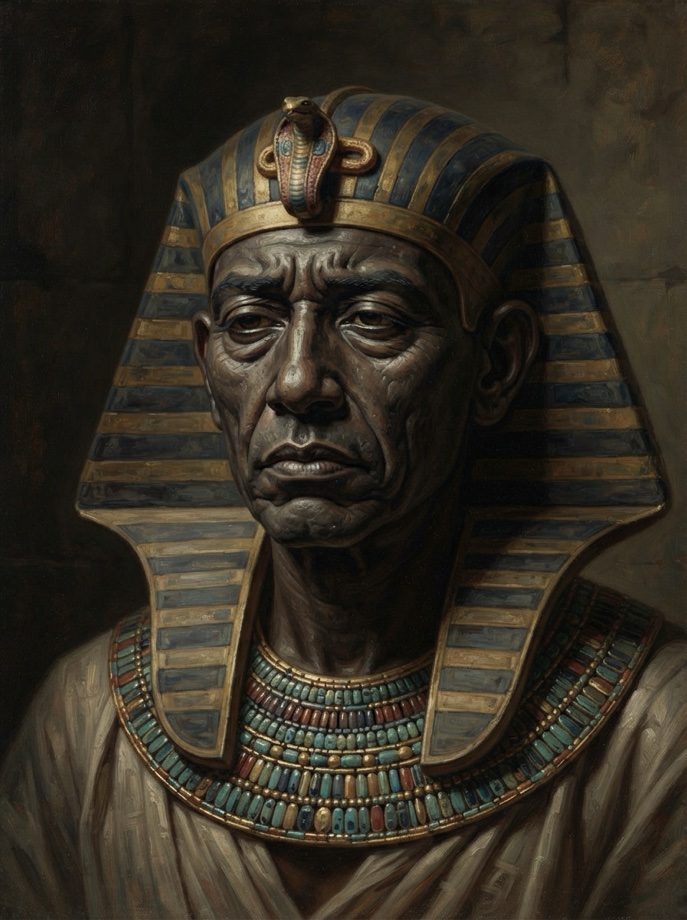
Amenemhat III
notableThe engineer-king whose Faiyum irrigation projects defined the Middle Kingdom's peak.
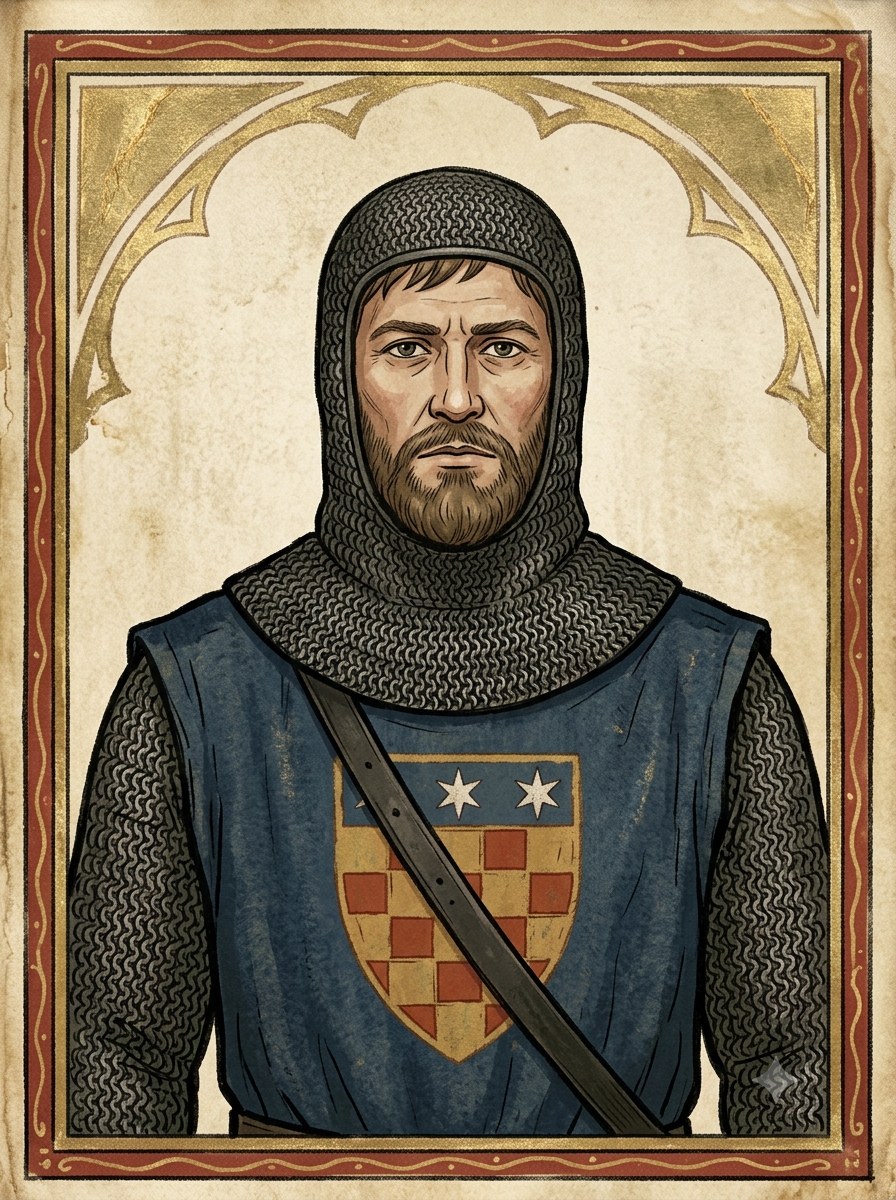
Andrew Moray
notableWallace's co-commander who won Stirling Bridge and died of his wounds — the steady ISTJ, the great what-if of the war.
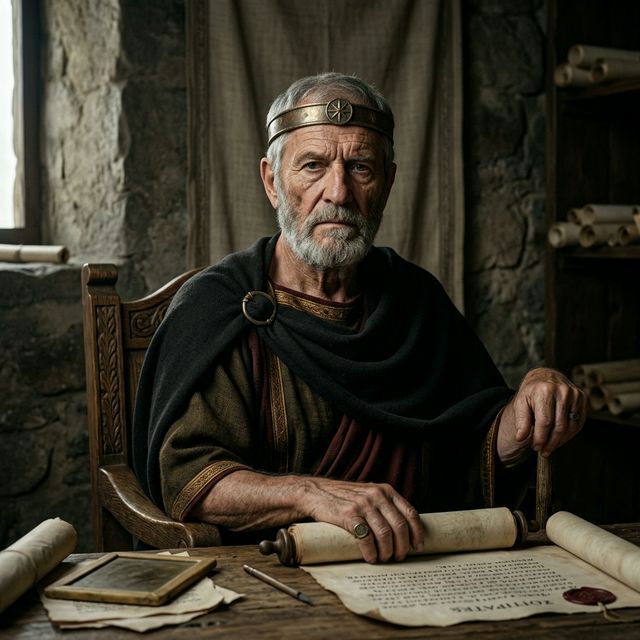
Antipater
notableThe iron regent who held Macedon together in the king's absence.
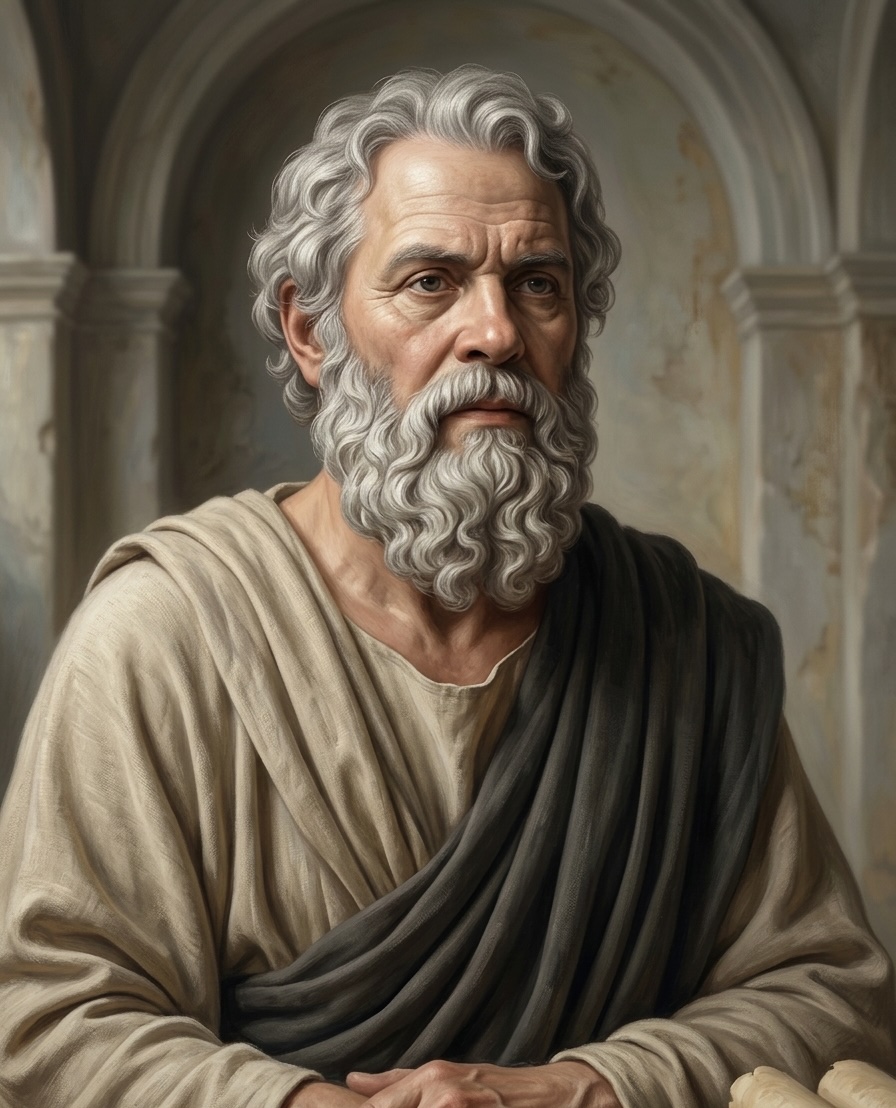
Antisthenes
notableSocrates's disciple who started Cynic philosophy — the one Diogenes built on
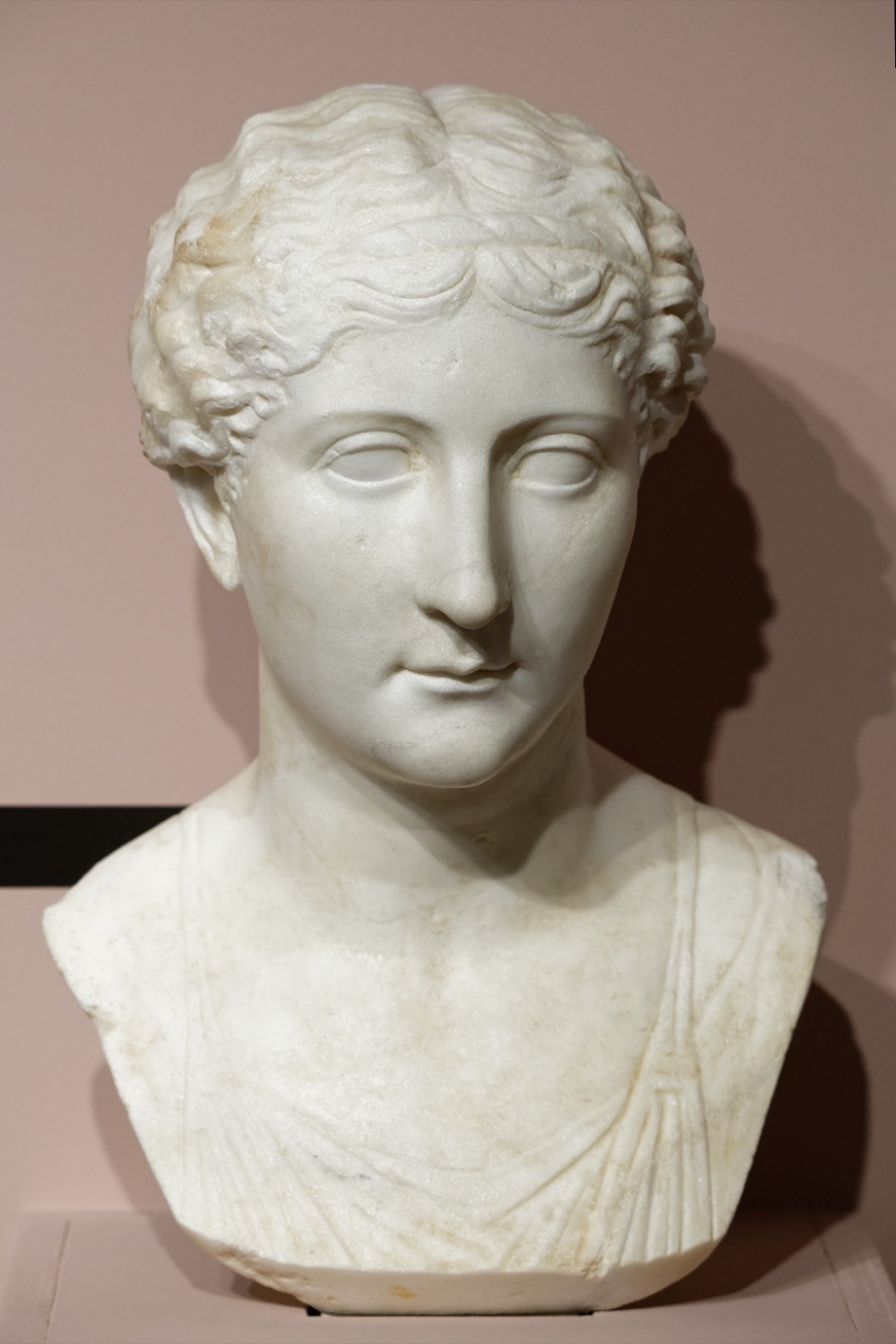
Antonia Minor
notableMark Antony and Octavia's disciplined daughter, whose one private letter to Tiberius brought down Sejanus — and whose own household justice was just as exacting, the ISTJ steward.
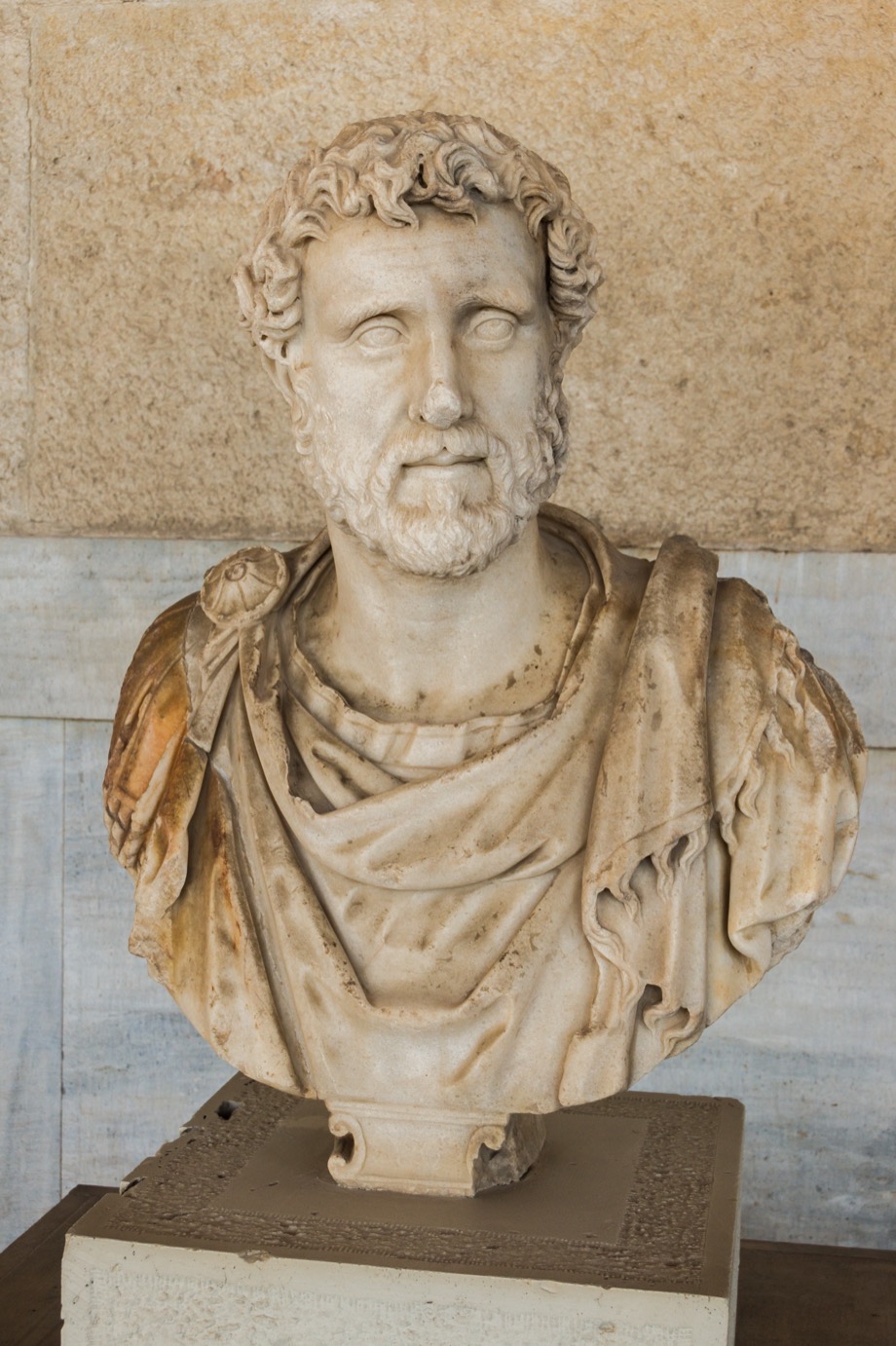
Antoninus Pius
notableThe steward-emperor who reigned twenty-three years, never left Italy, and never attended a single war.
Ariq Böke
notableKublai's brother who fought for the old steppe ways — the ISTJ traditionalist on history's losing side.
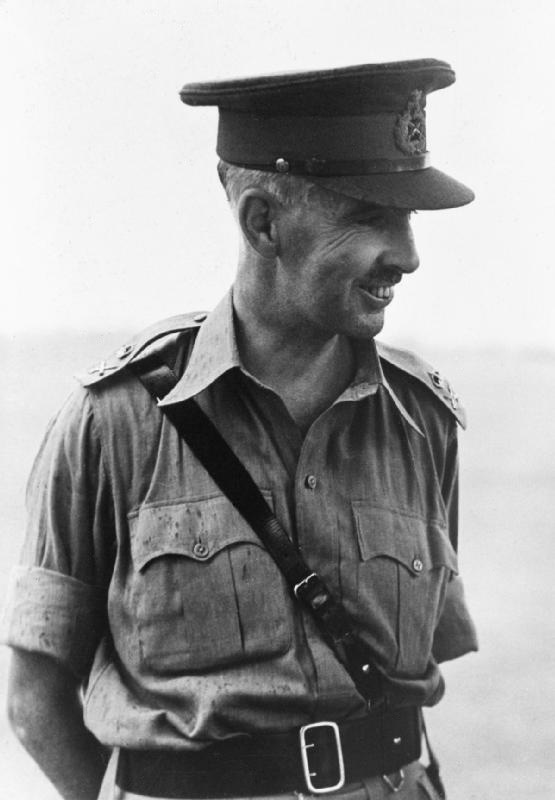
Arthur Percival
notableThe general who surrendered Singapore in Britain's worst military defeat.
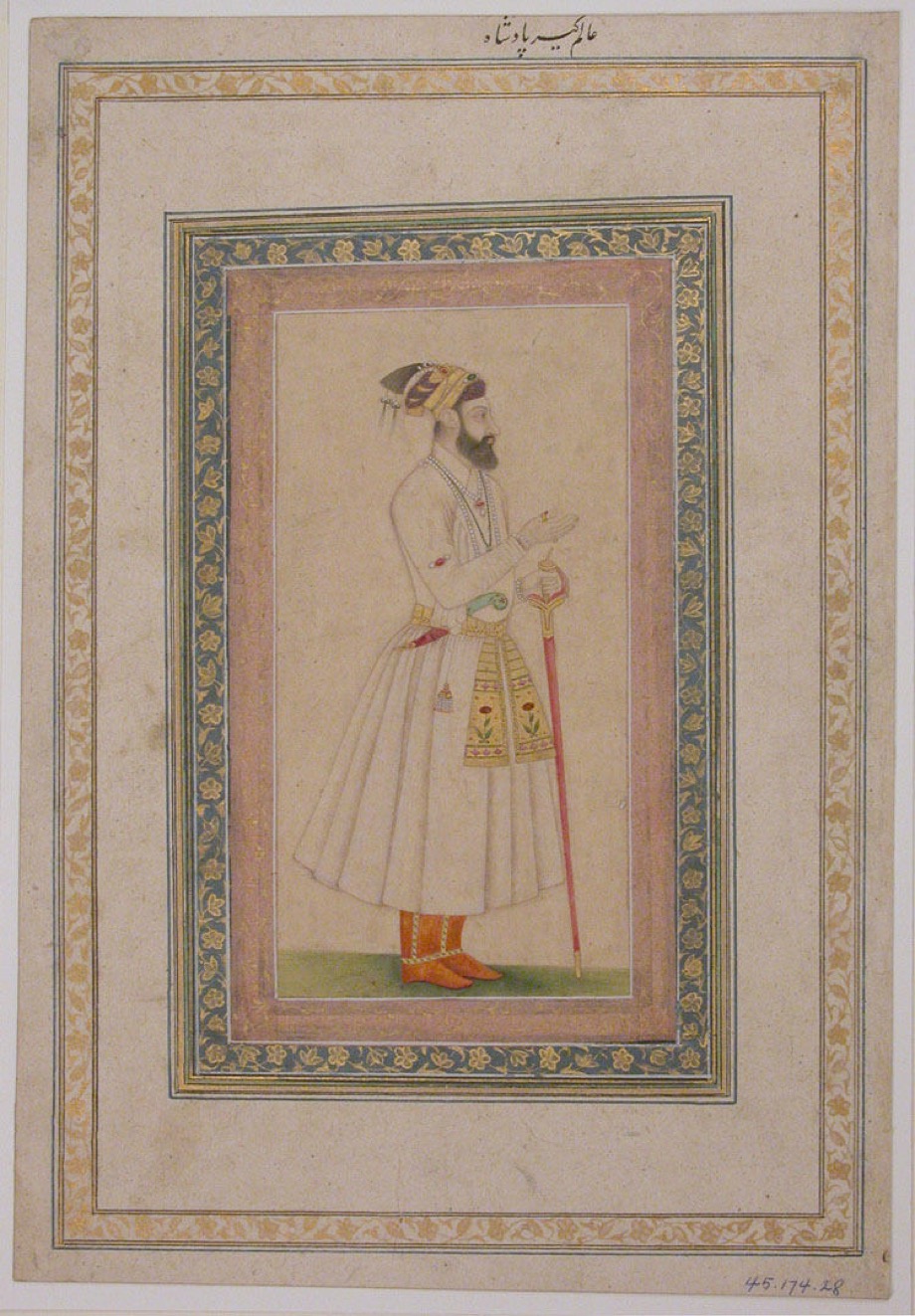
Aurangzeb
renownAurangzeb’s disciplined government and territorial expansion imposed commitments that his empire struggled to sustain.
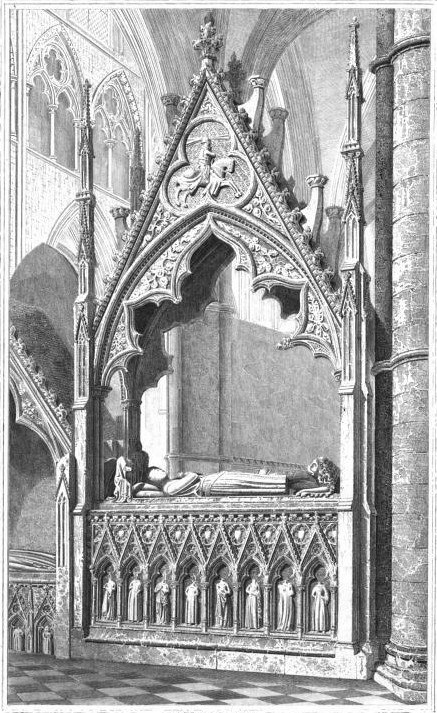
Aymer de Valence
notableEdward II's steadiest statesman, the moderate who tried to hold the middle — the dutiful ISTJ caught between extremes.
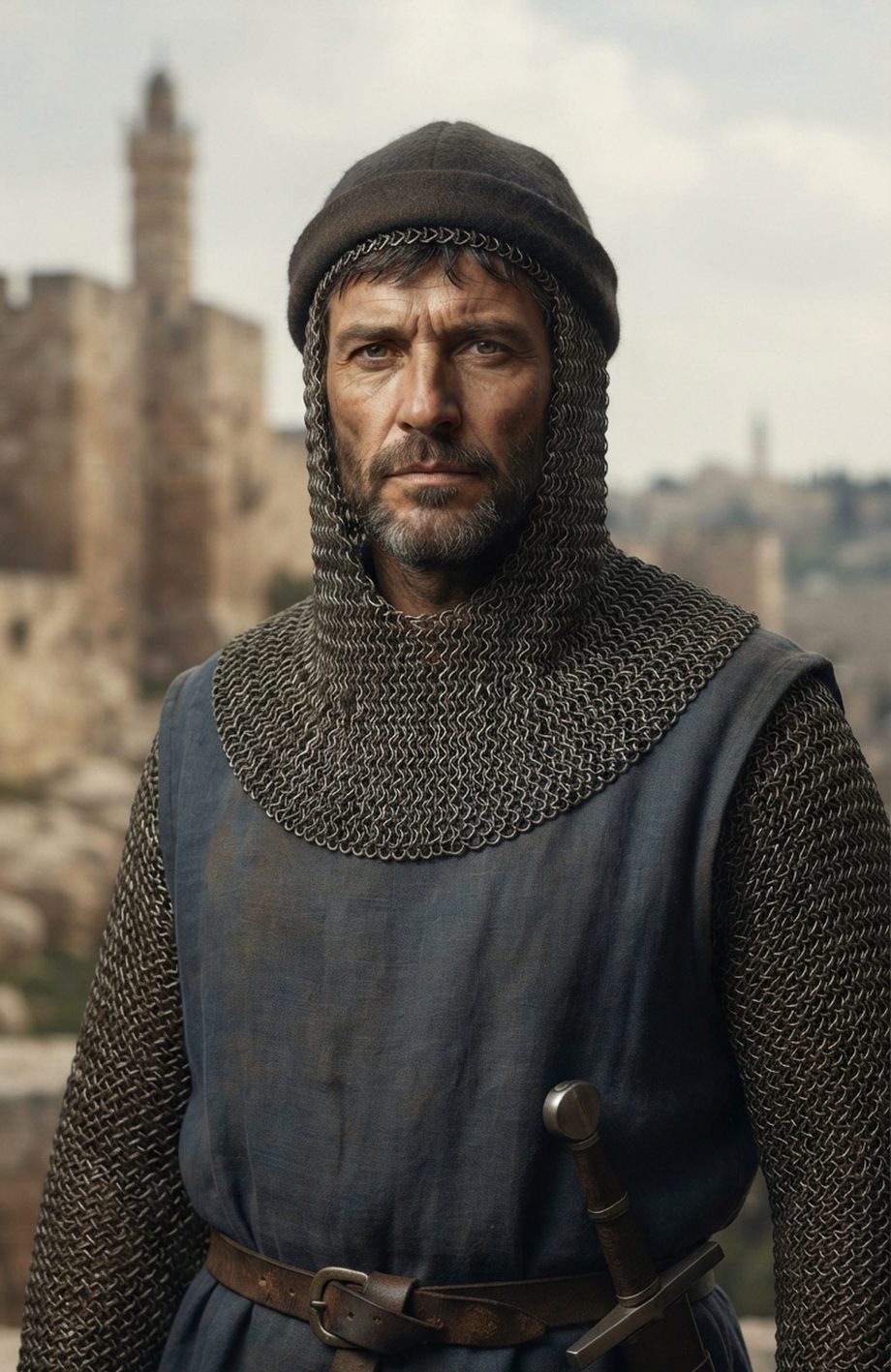
Balian of Ibelin
notableThe baron who, with a hopeless hand, bargained the survival of Jerusalem's people out of Saladin — the honorable ISTJ realist.
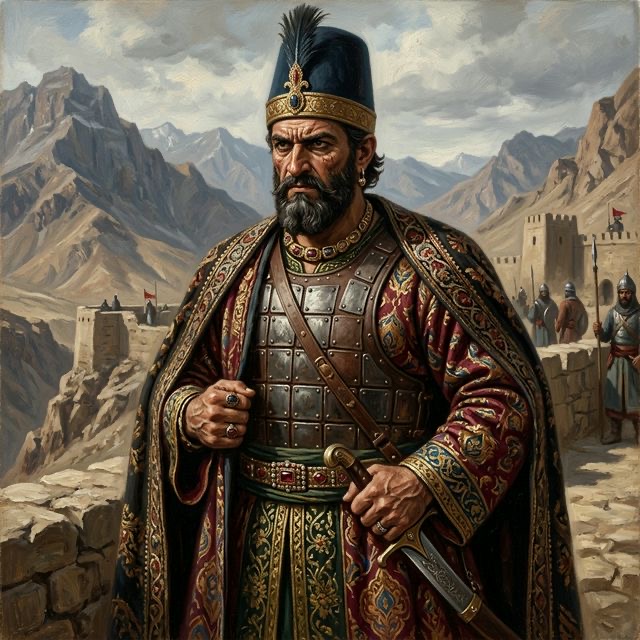
Barsaentes
The satrap of Arachosia who conspired against Darius, fled to India, and was executed.
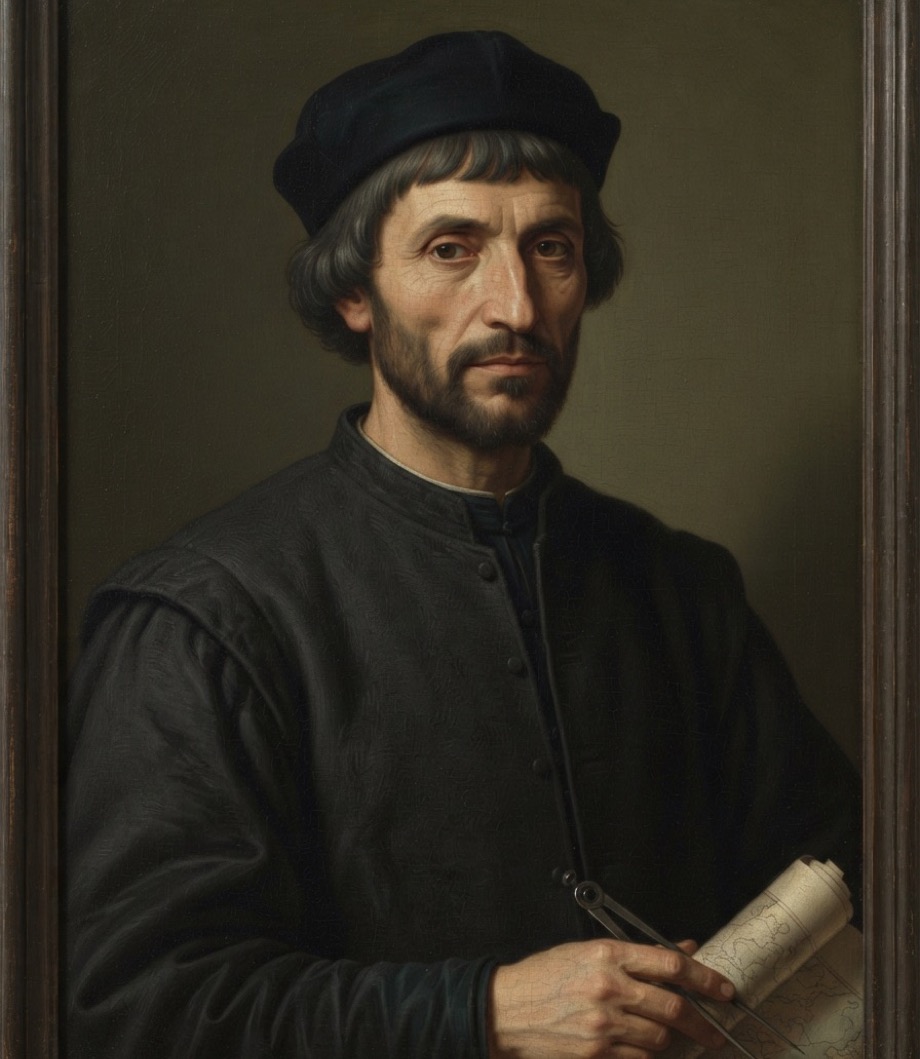
Bartholomew Columbus
obscureThe brother who actually governed Santo Domingo while Christopher mythologized.
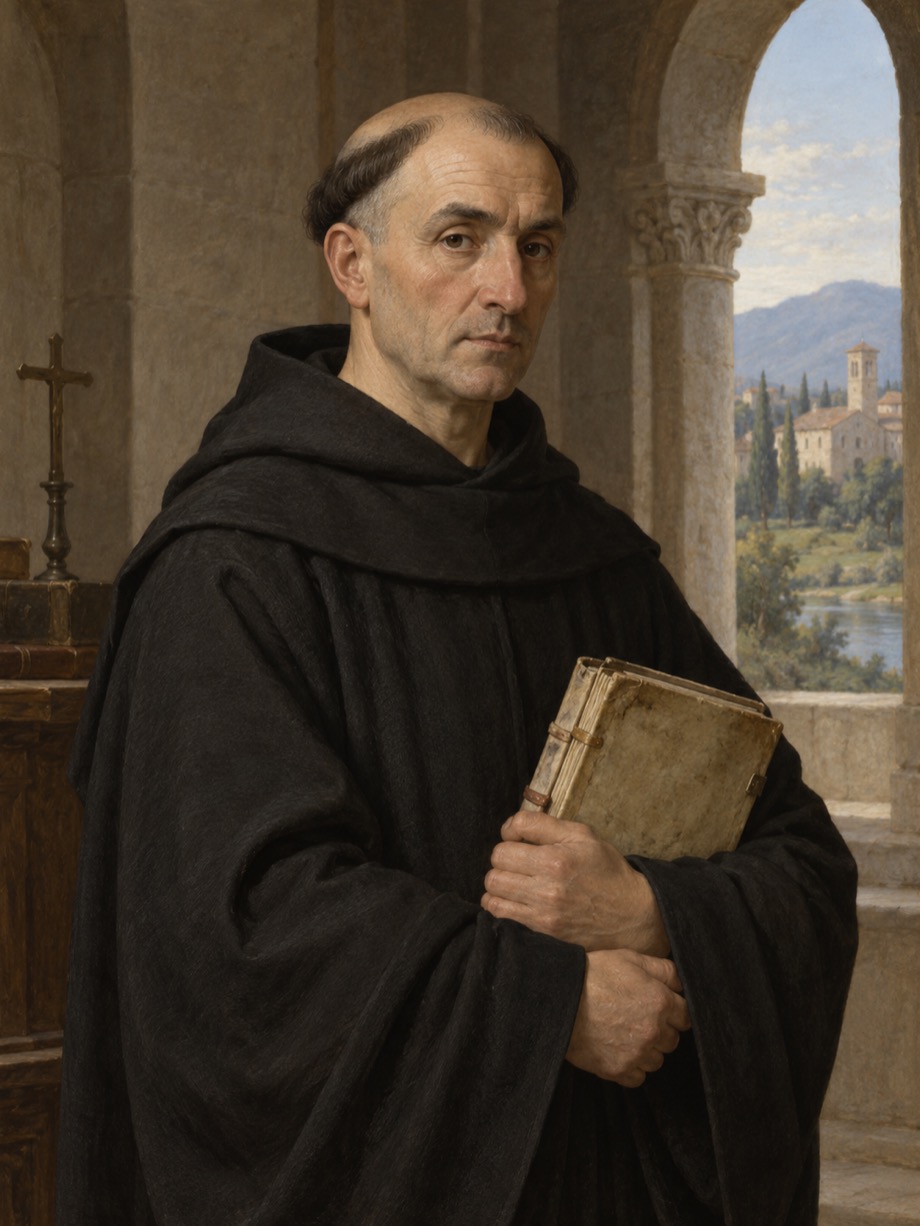
Benedict of Aniane
notableThe monastic reformer who helped Louis the Pious turn shared religious ideals into common observance.
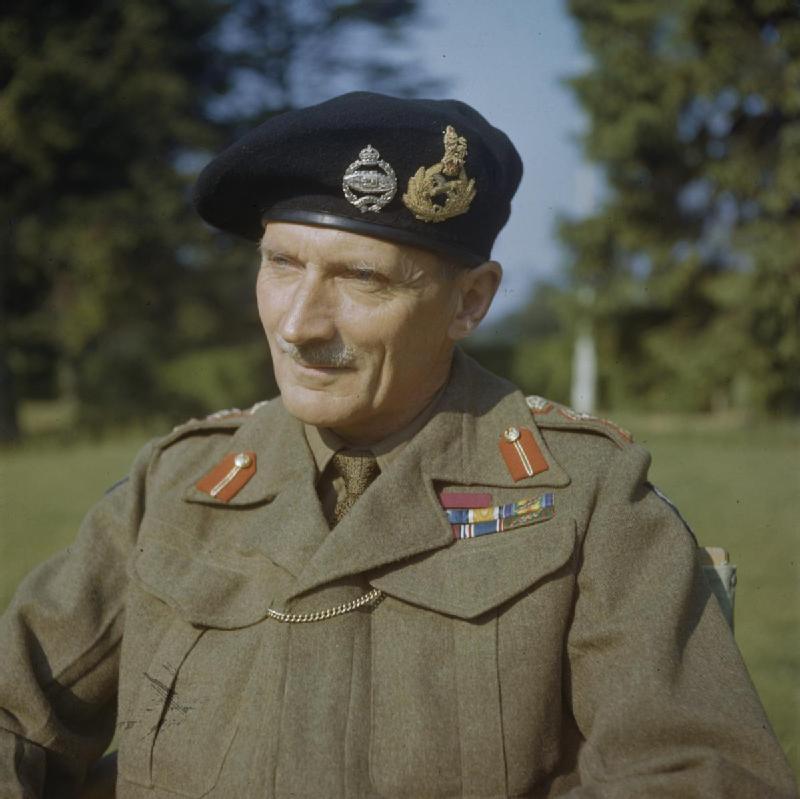
Bernard Montgomery
renownThe methodical general who refused to attack until certain, and beat Rommel at El Alamein.
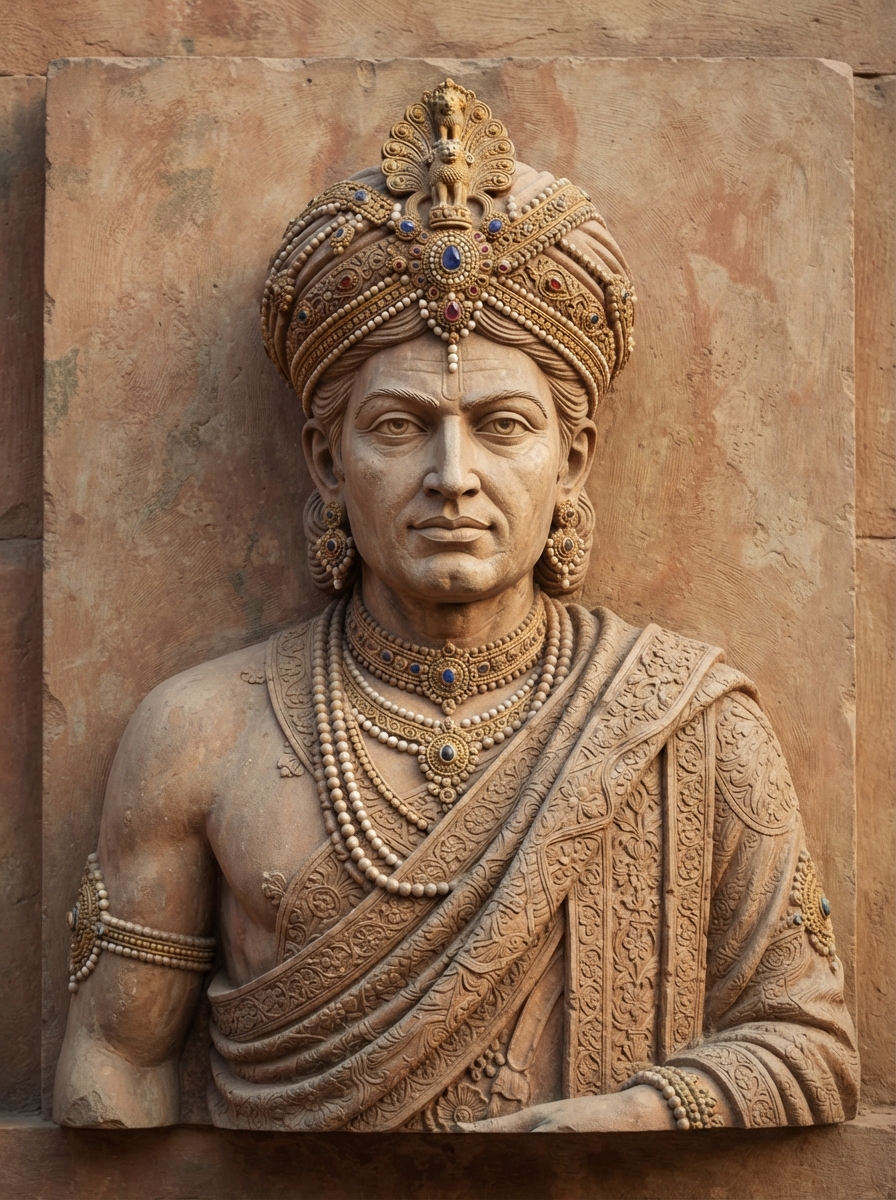
Bindusara
notableThe quiet emperor who held the Mauryan realm together between two legends.
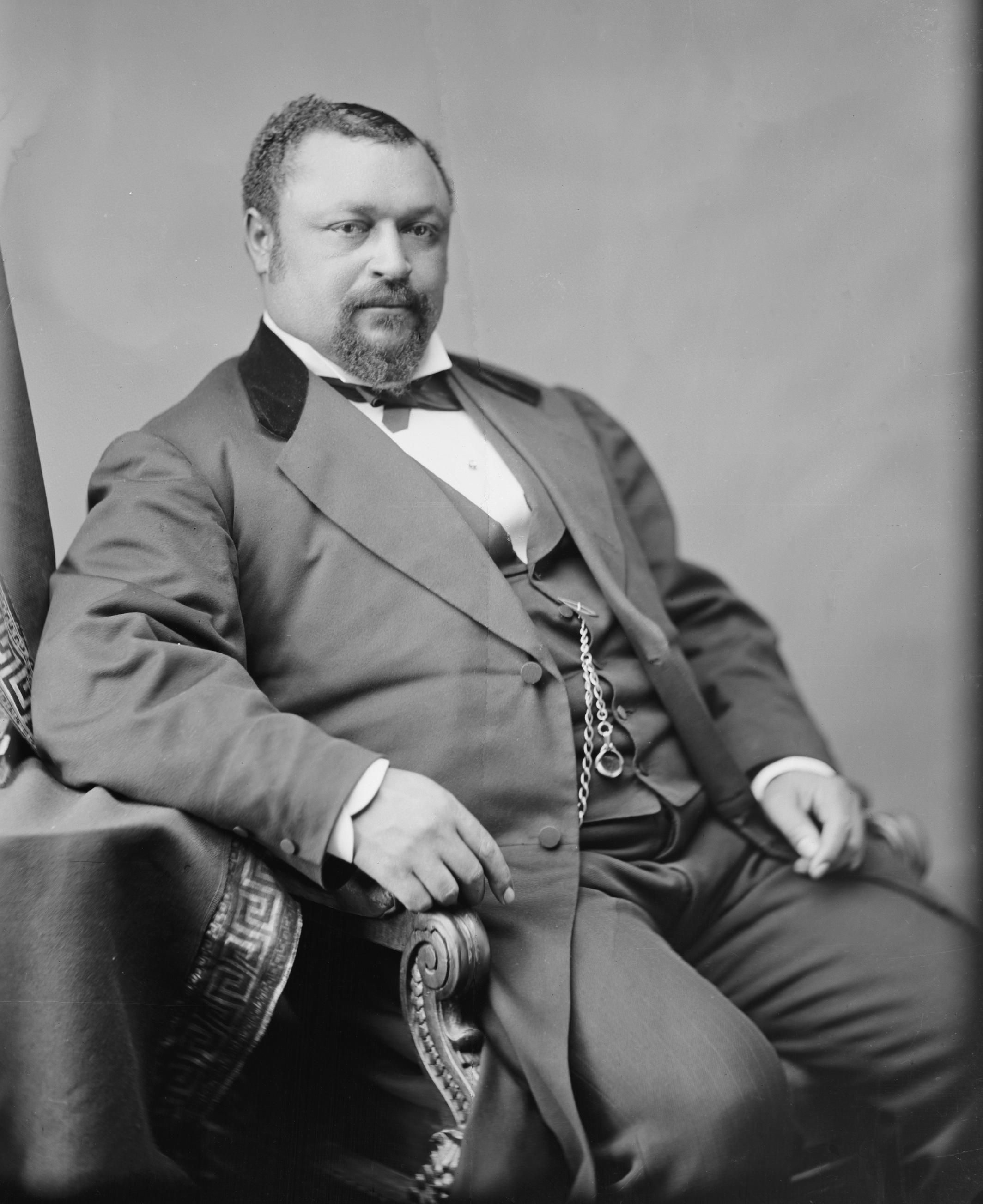
Blanche K. Bruce
notableThe formerly enslaved senator who built his own security first
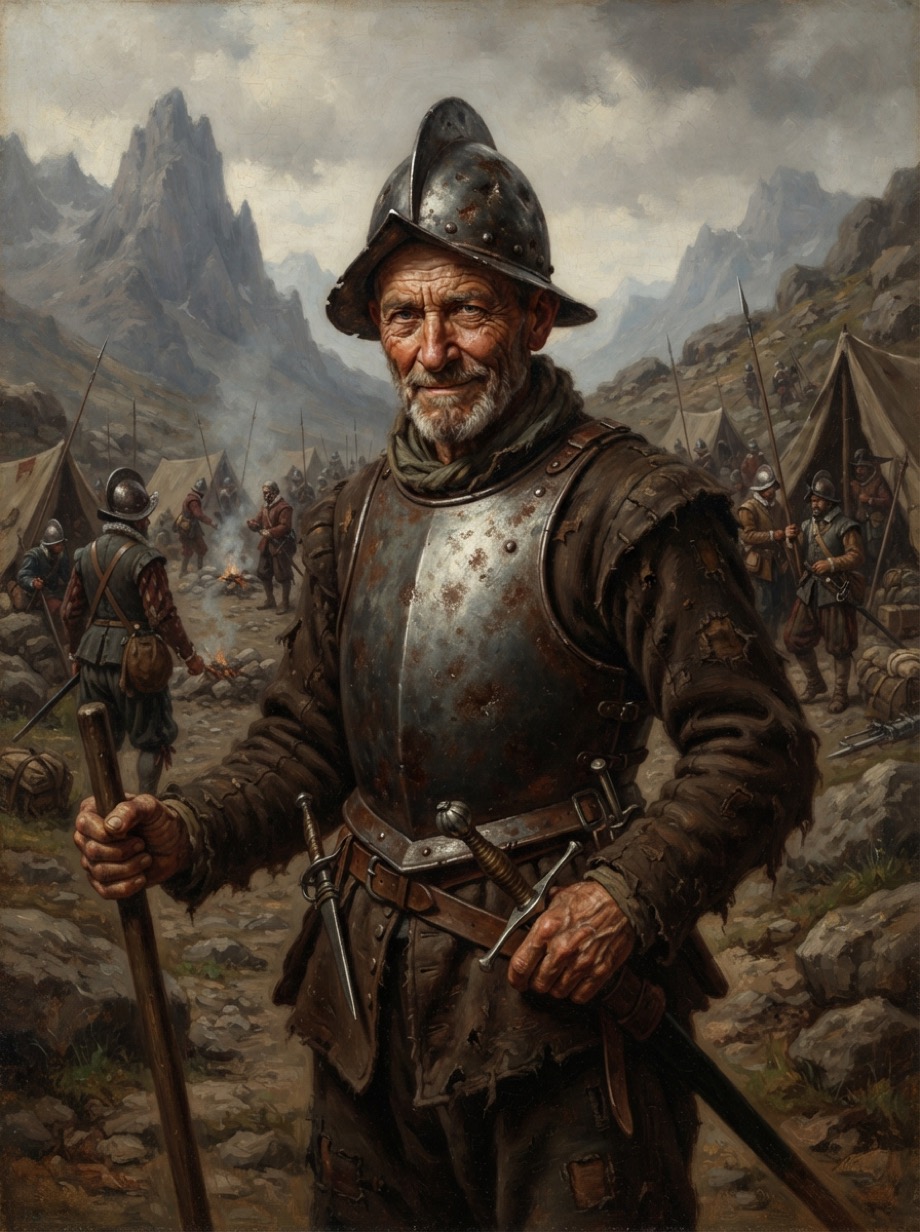
Blasco Núñez Vela
notableThe first viceroy of Peru, so rigid he stabbed a subordinate in his own palace — beheaded by the rebellion he provoked.
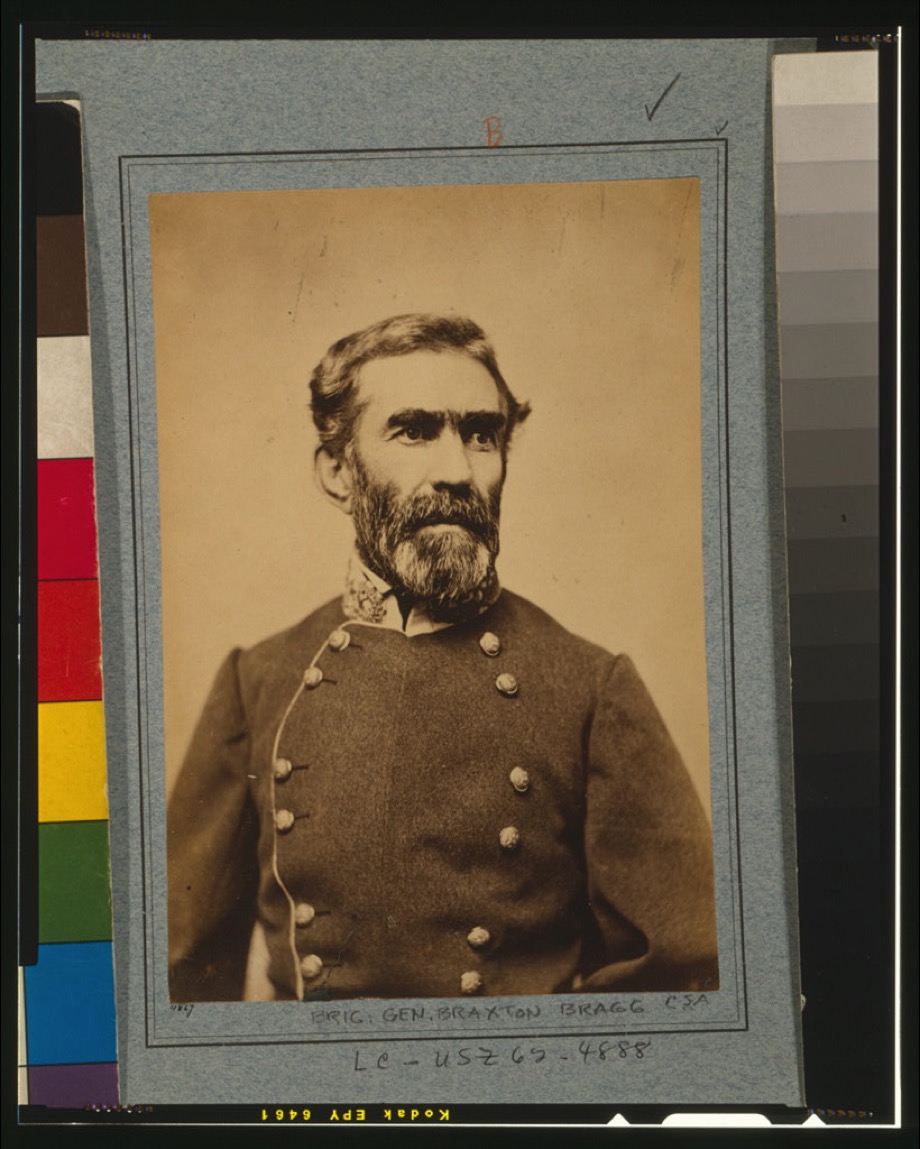
Braxton Bragg
obscureThe rigid disciplinarian general his own officers tried to have removed
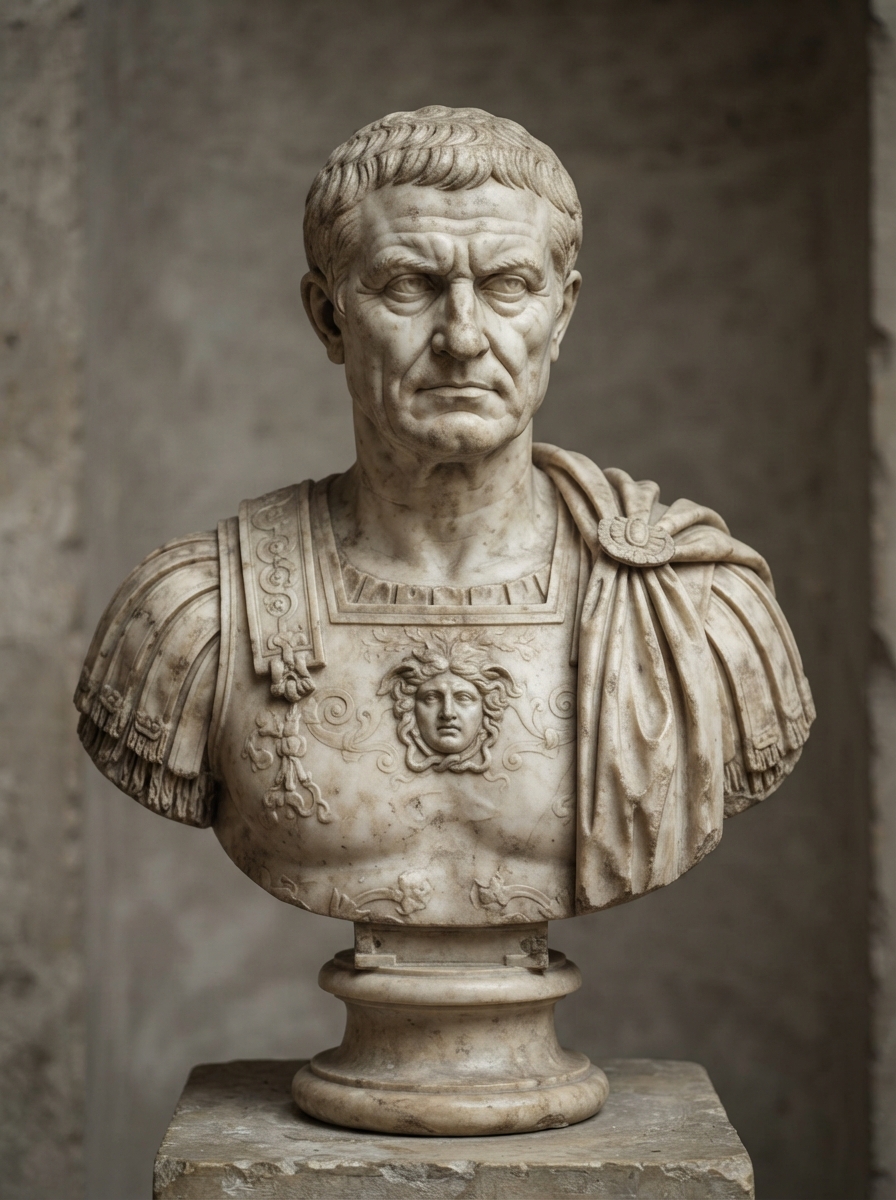
Burrus
obscureThe blunt Praetorian prefect who, with Seneca, restrained Nero's early reign through steady duty.
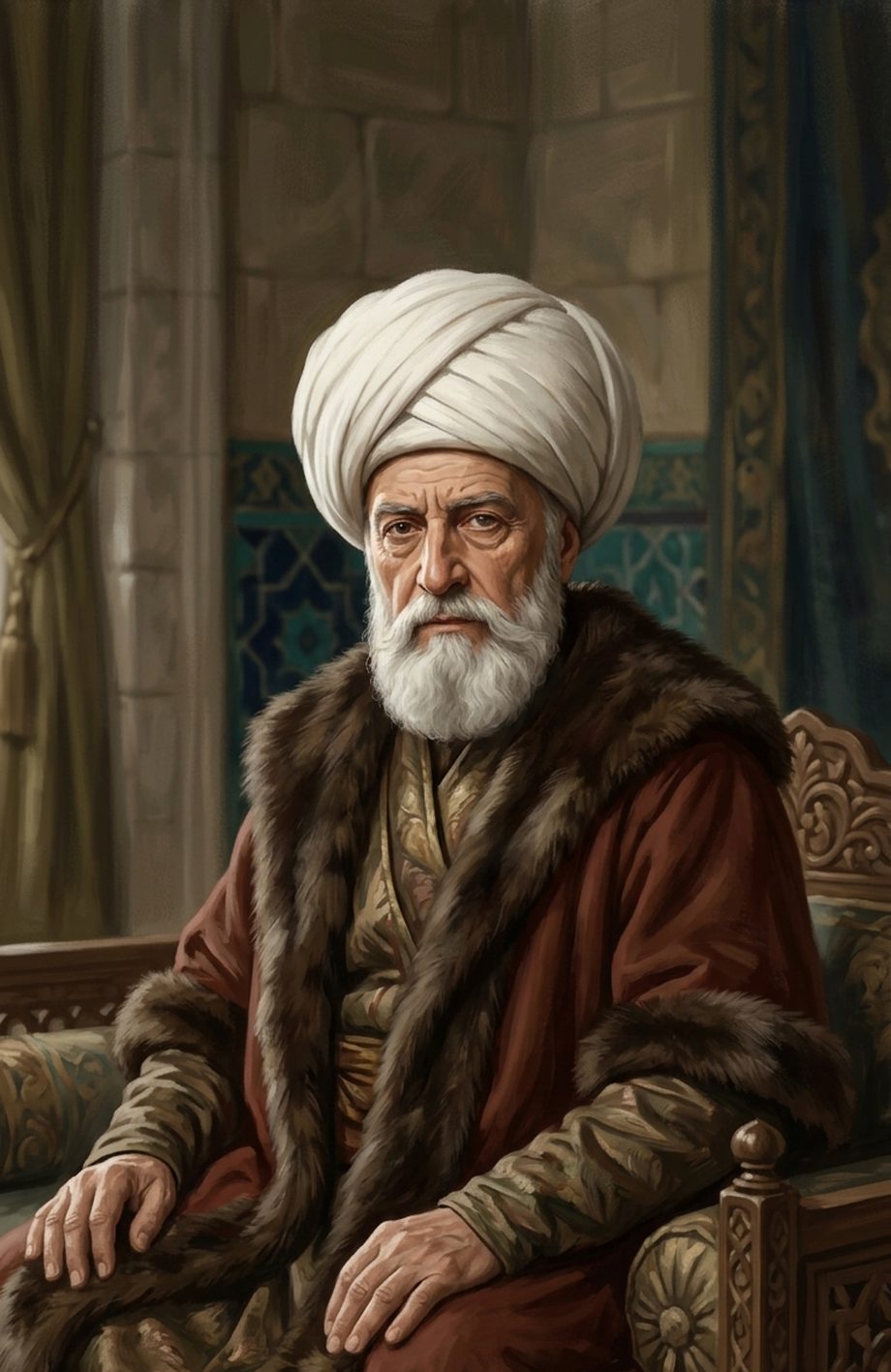
Çandarlı Halil Pasha
notableThe cautious grand vizier who warned against the siege and was executed for being right — the precedent-bound ISTJ.
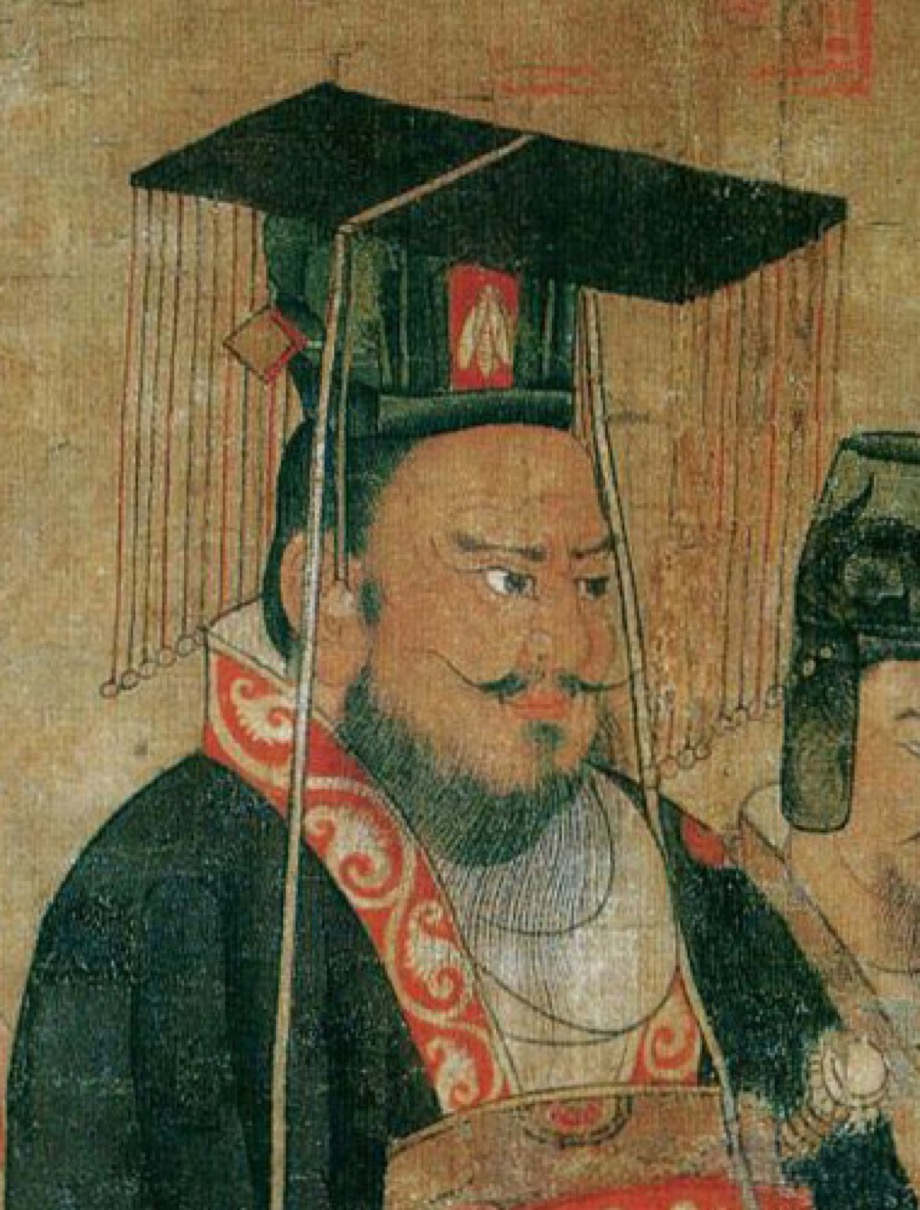
Cao Pi
renownThe son who ended four centuries of Han rule with a perfectly staged ceremony
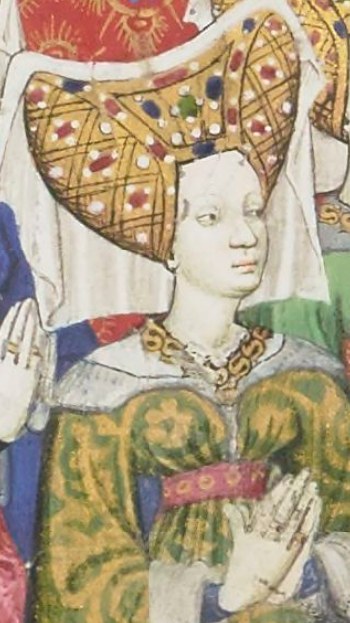
Cecily Neville
notable'The Rose of Raby,' the proud, pious matriarch who bore two kings and outlived every loss — the steadfast ISTJ of York.
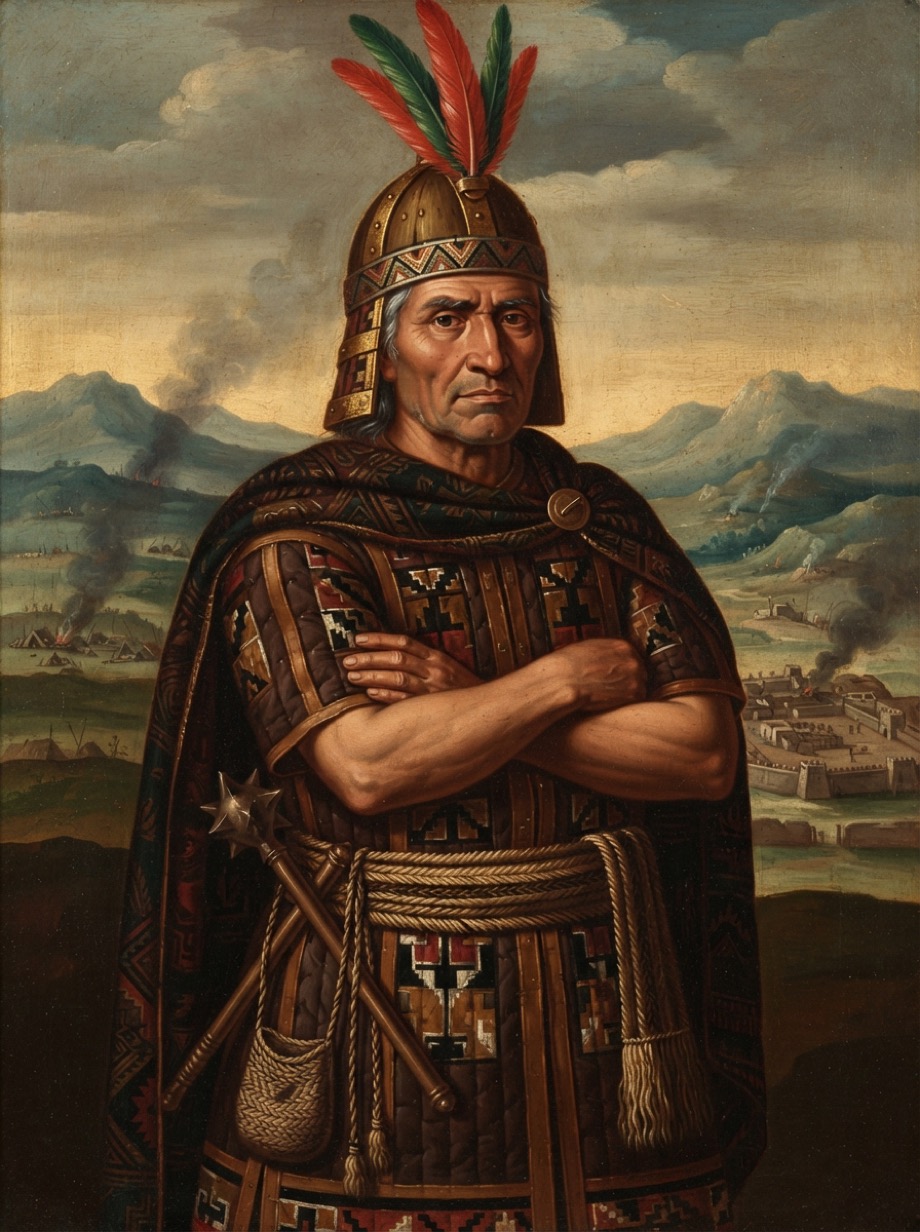
Chalcuchimac
notableAtahualpa's strategist general, burned alive at Jaquijahuana refusing baptism to the end.
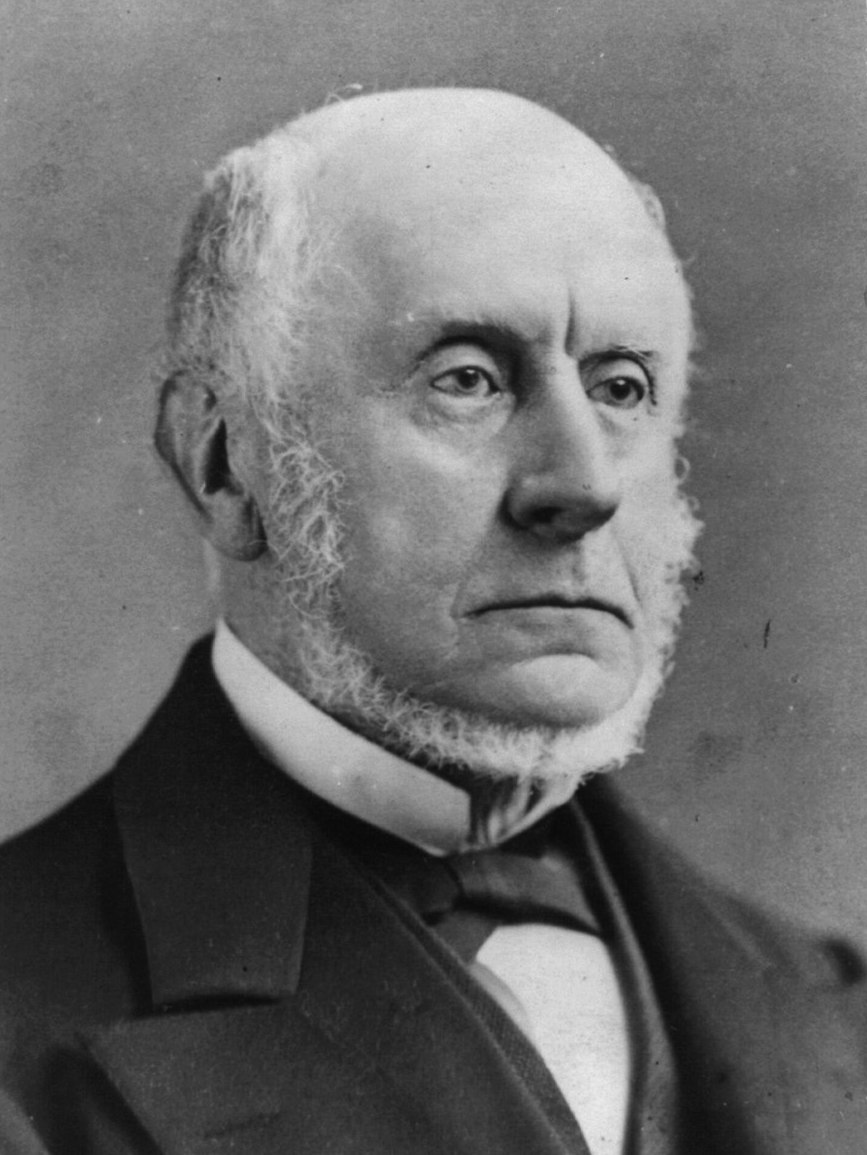
Charles Francis Adams Sr.
notableSon of John Quincy Adams, grandson of John Adams — America's dynastic diplomat
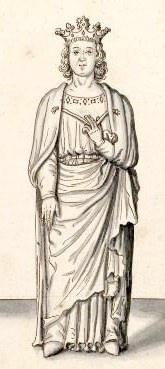
Charles IV
notableThe last direct Capetian, whose heirless death in 1328 sparked the Hundred Years' War — the dutiful ISTJ king.
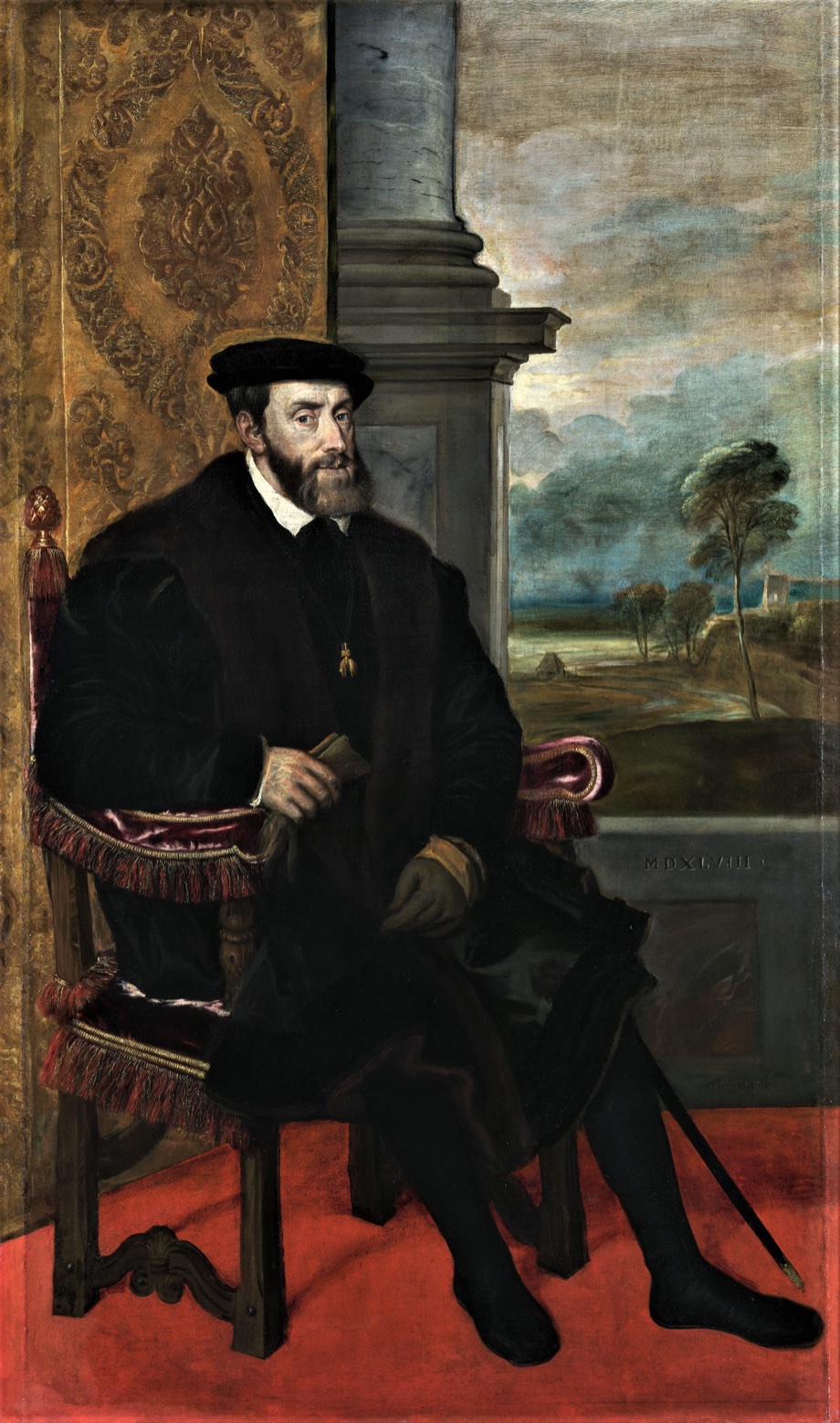
Charles V
renownThe emperor of a realm on which the sun never set, who fought Luther, the Turk, and France at once and abdicated exhausted — the dutiful steward ISTJ.
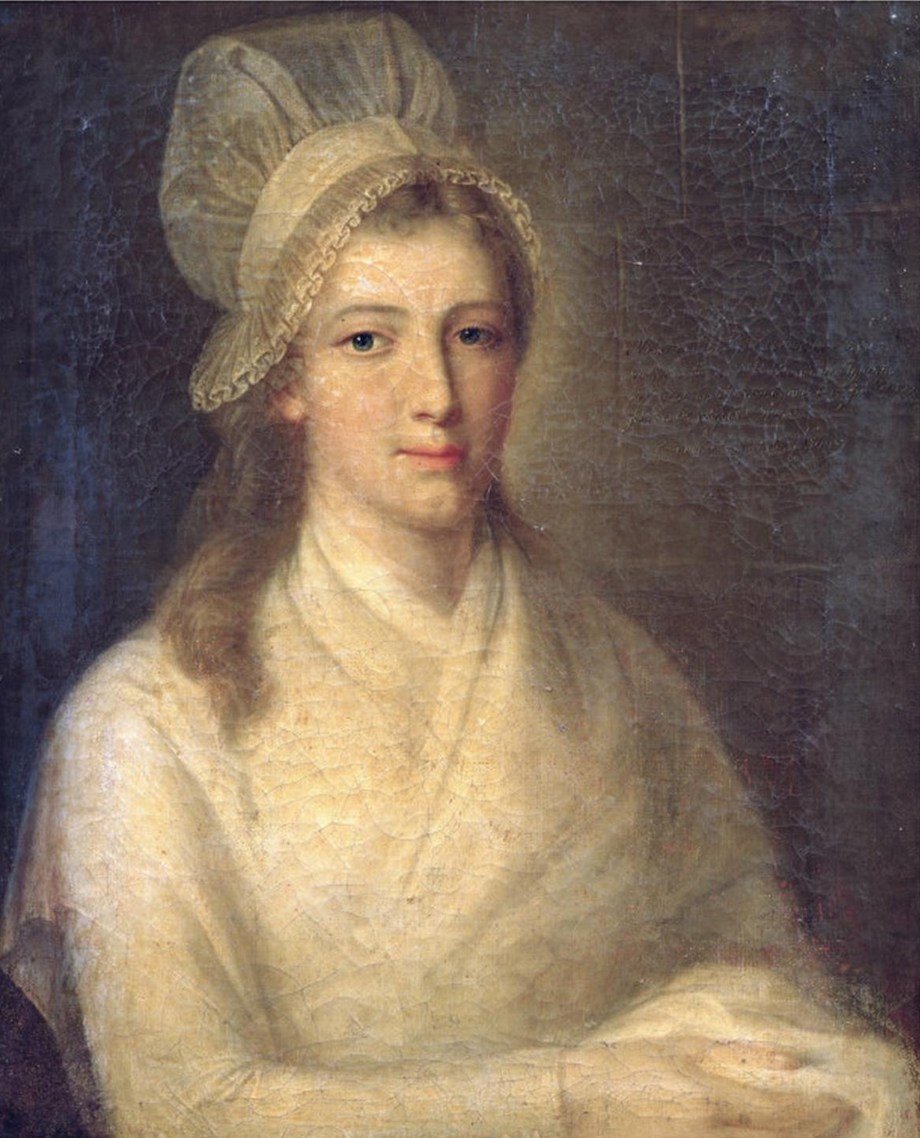
Charlotte Corday
notableThe Angel of Assassination — the ISTJ who killed Marat with settled conviction and methodical calm, not the visionary martyr of legend
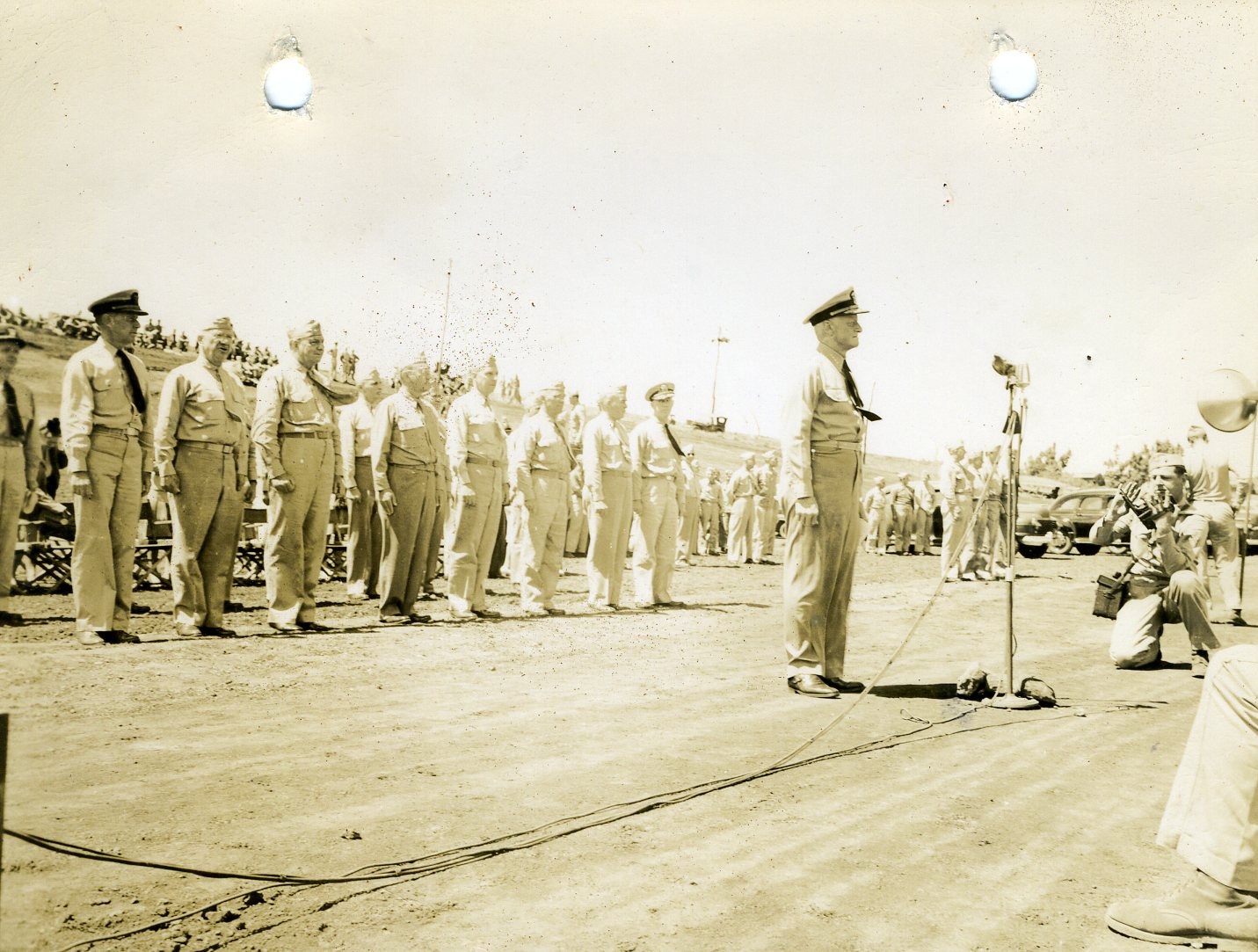
Chester Nimitz
renownThe steady admiral who rebuilt a wrecked fleet into the instrument of Pacific victory.
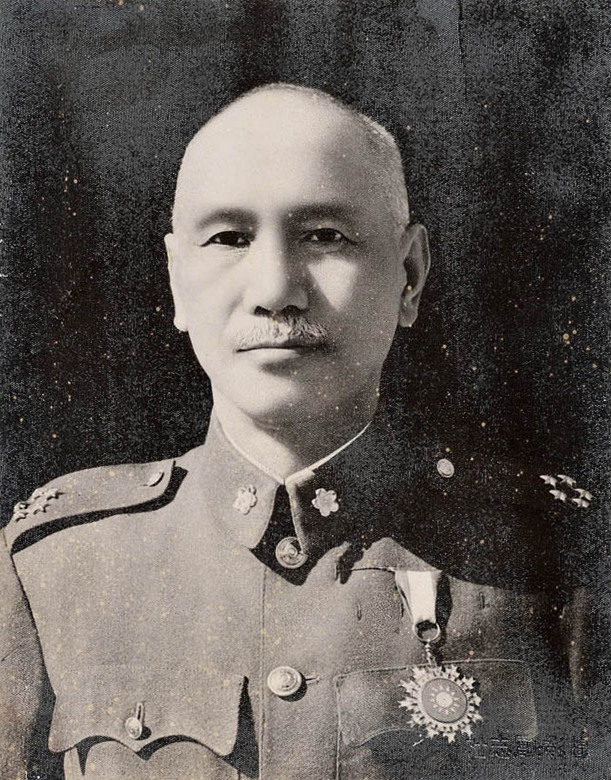
Chiang Kai-shek
renownThe generalissimo who fought Japan while conserving strength for the civil war to come.
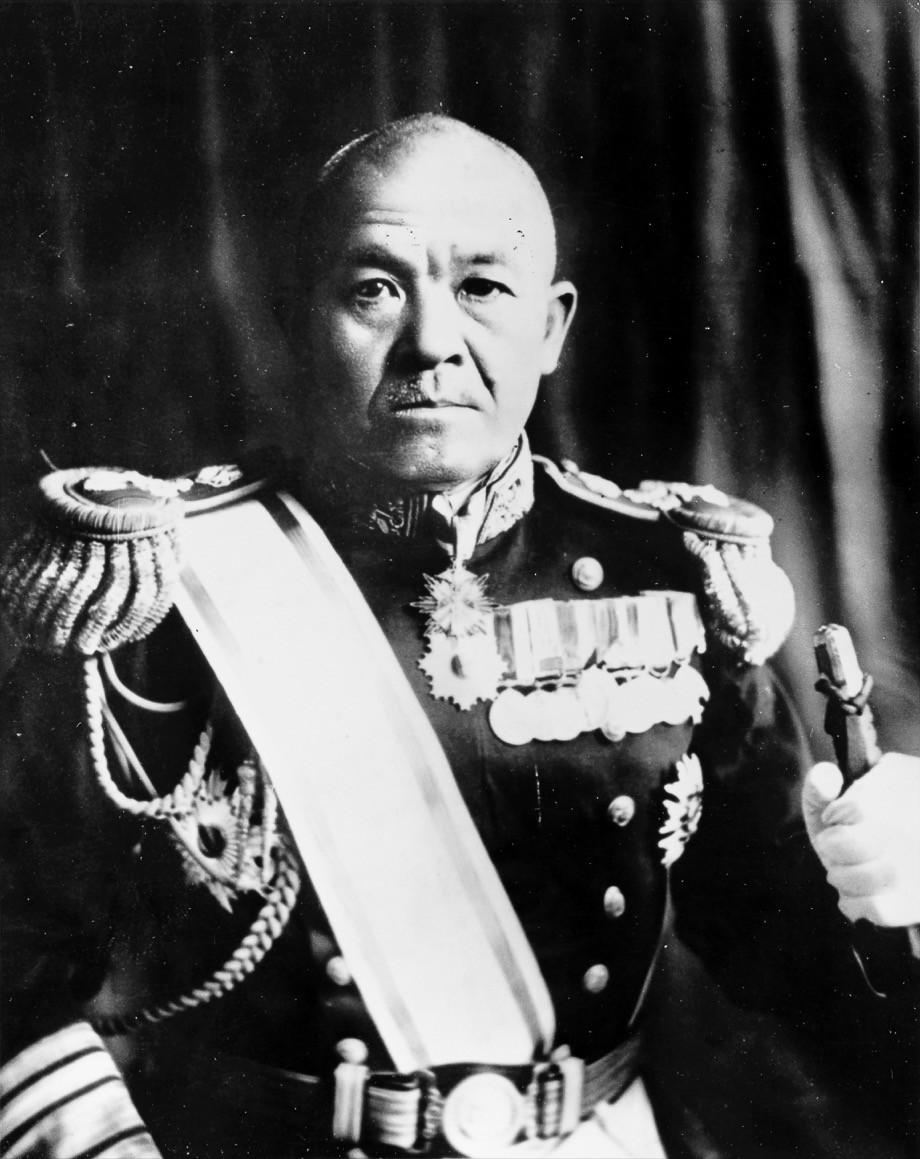
Chuichi Nagumo
notableThe carrier commander whose caution launched Pearl Harbor and lost Midway.
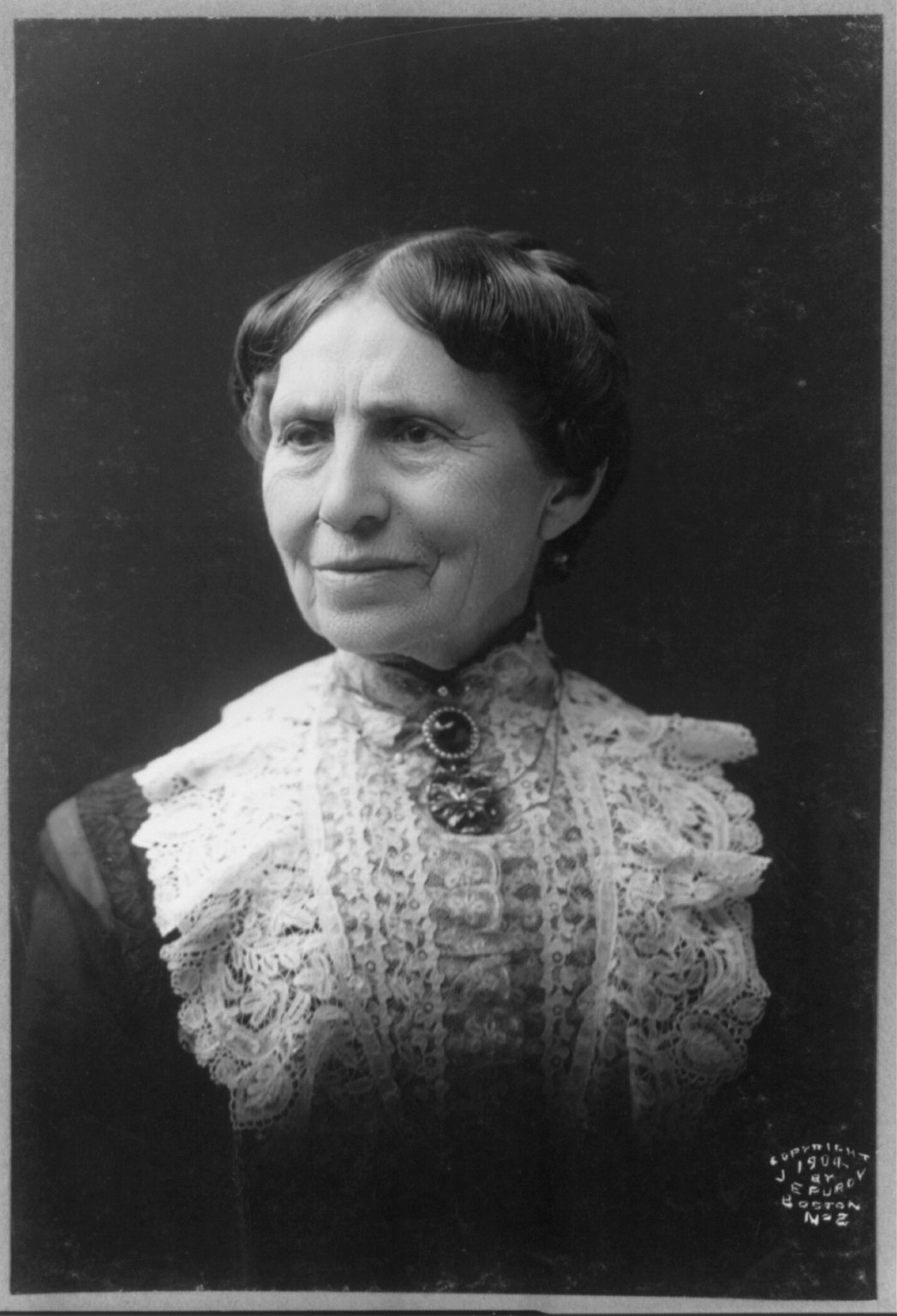
Clara Barton
renownThe 'Angel of the Battlefield' who founded the American Red Cross
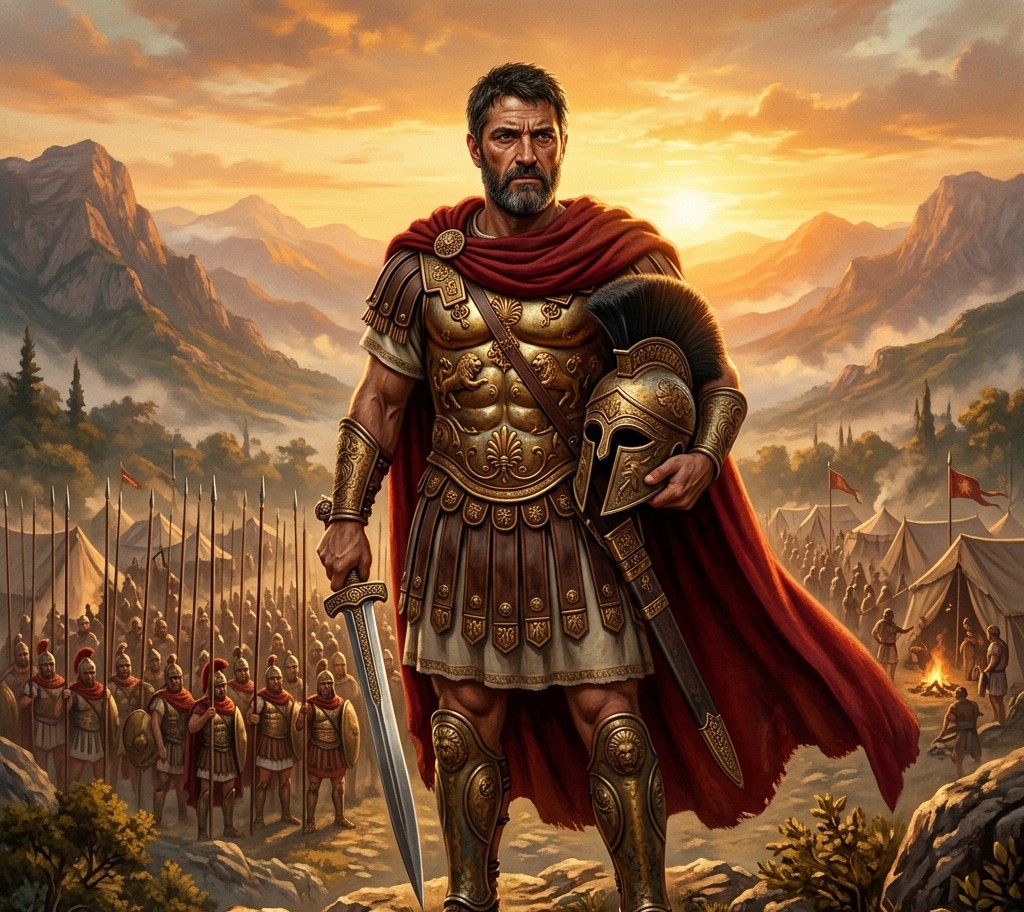
Craterus
notableAlexander's most trusted general — the soldier's soldier whose loyalty to old Macedon made him the ISTJ rock in an age of adventurers
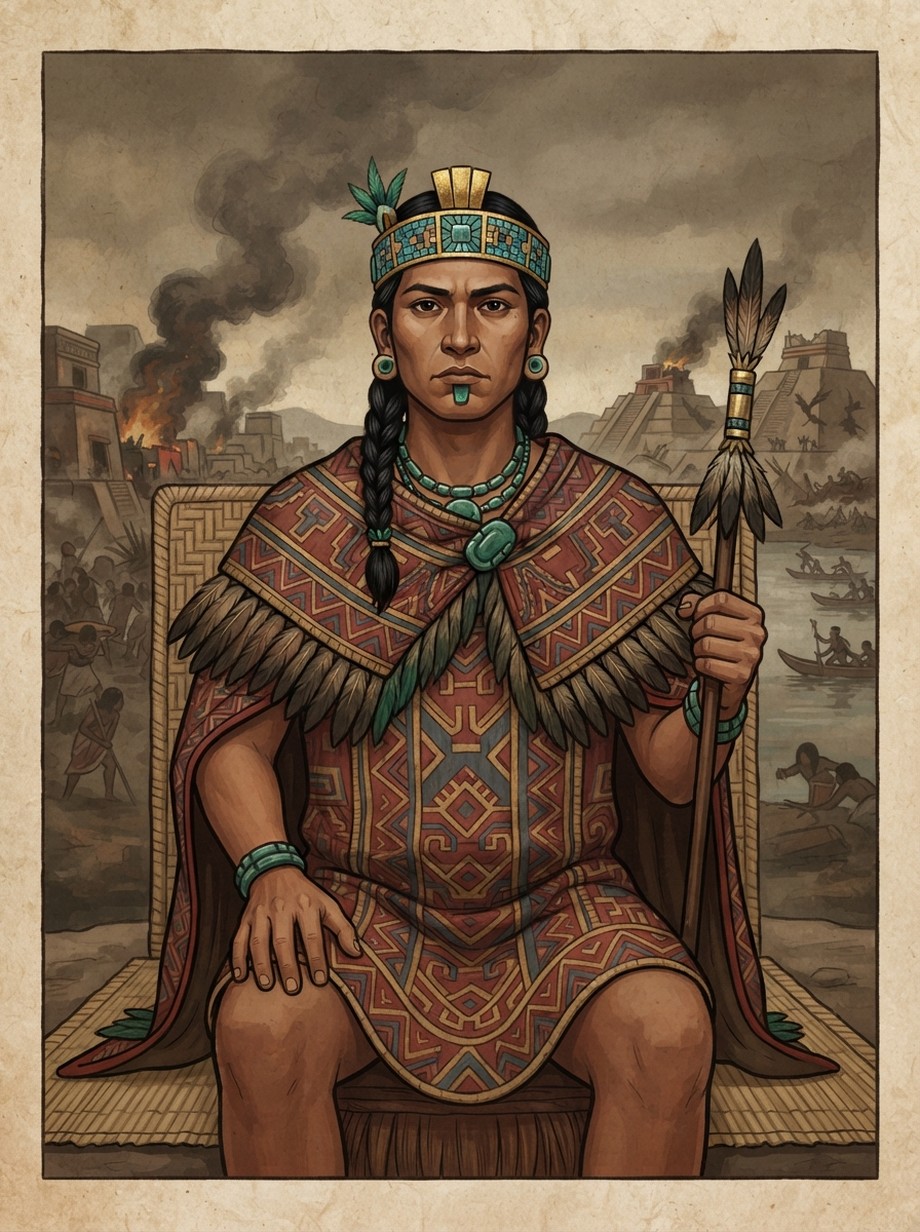
Cuauhtémoc
renownThe last tlatoani, who held the causeways ninety-three days and would not name the gold.
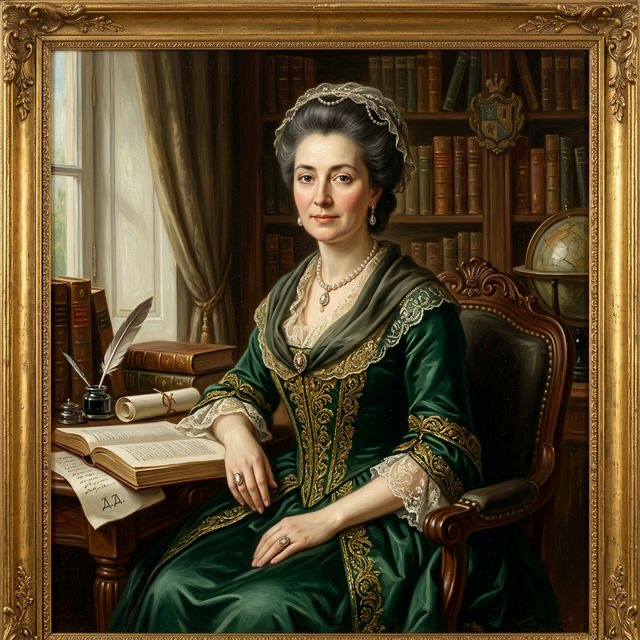
Darya Dyakova
Derzhavin's second wife, nicknamed Milena — a practical, intelligent noblewoman who managed his household and outlived the great poet by decades.
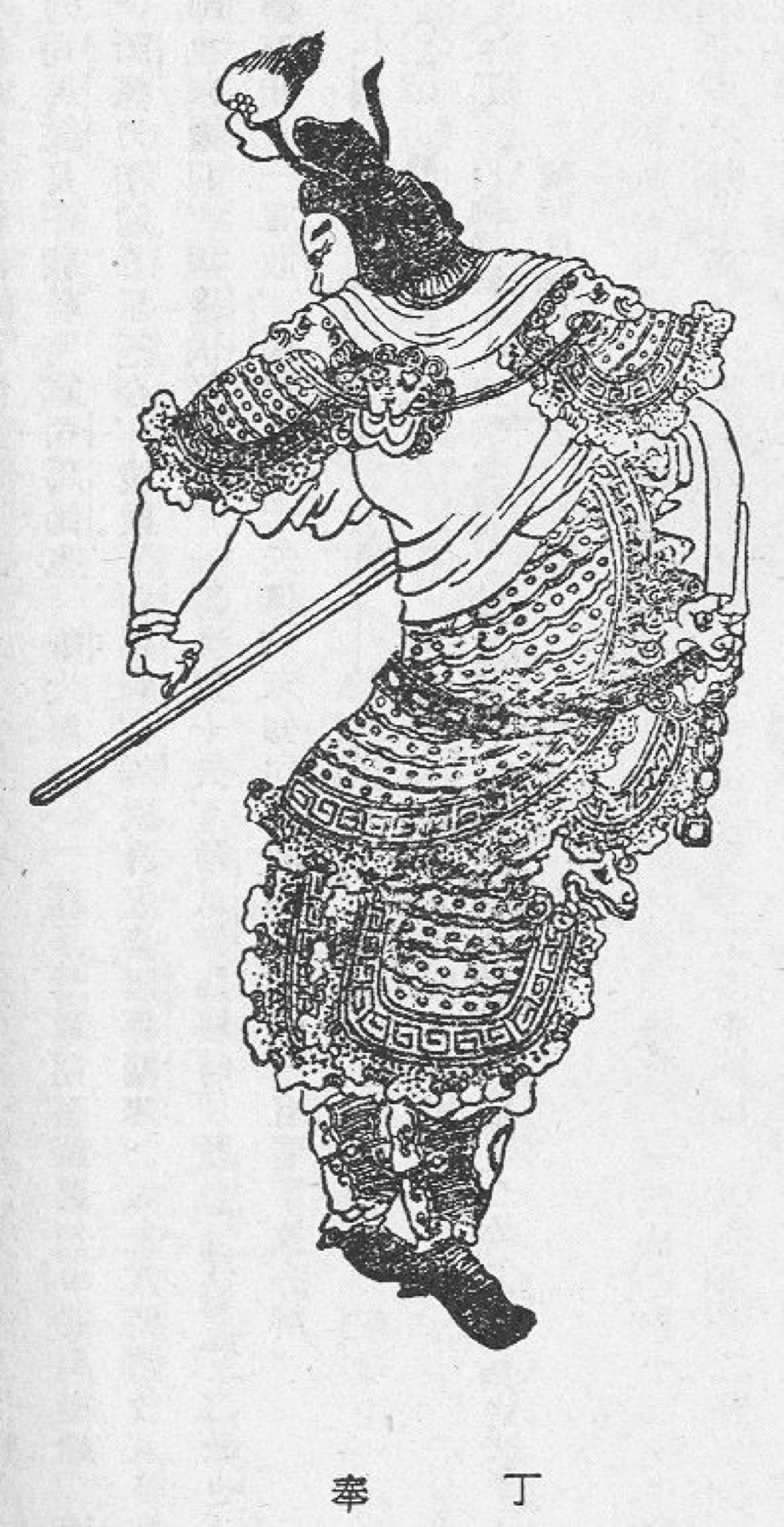
Ding Feng
obscureWu's last great general, who won the Snow Battle and outlived his era
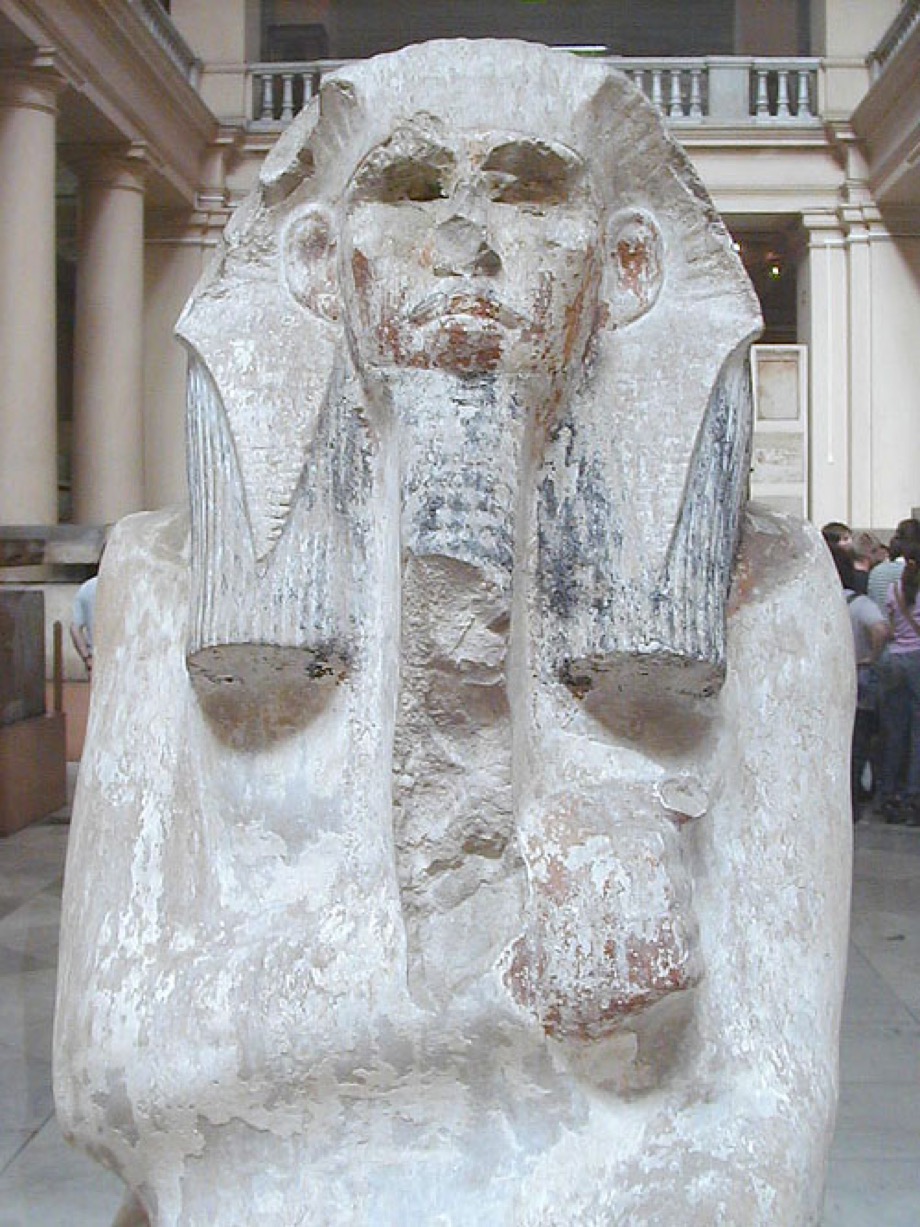
Djoser
notableThe king whose backing turned Imhotep's vision into Egypt's first stone monument.
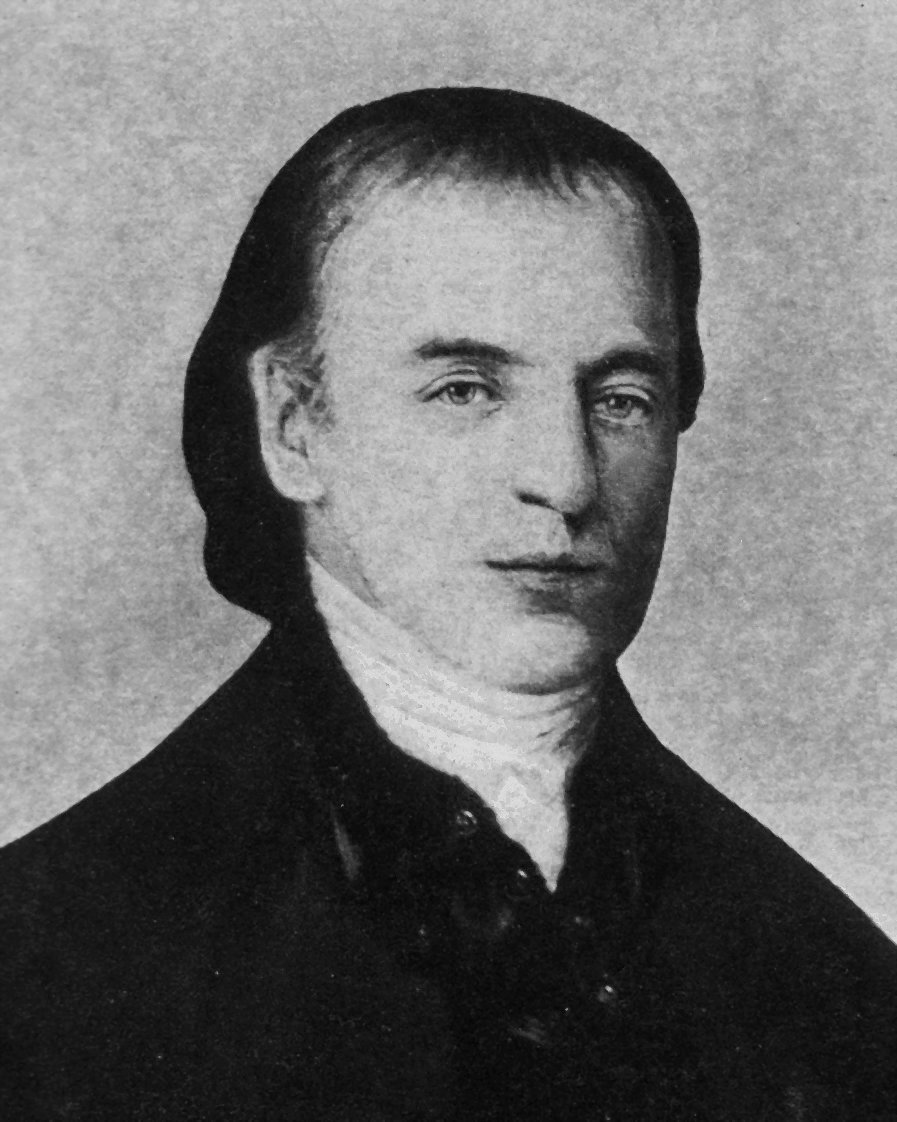
Dr. James Craik
George Washington's personal doctor — who was there when he died
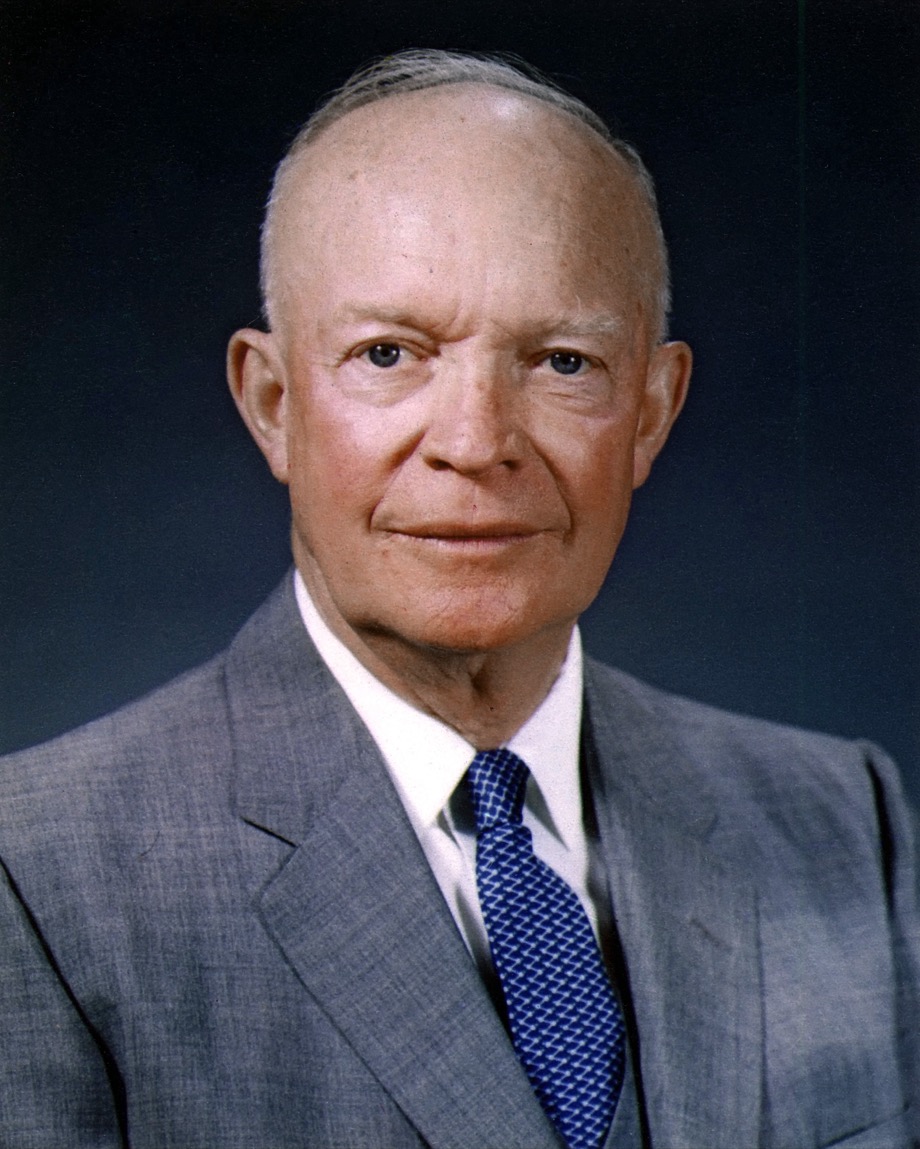
Dwight Eisenhower
Supreme Allied Commander who won the war through coalition management, not battlefield genius
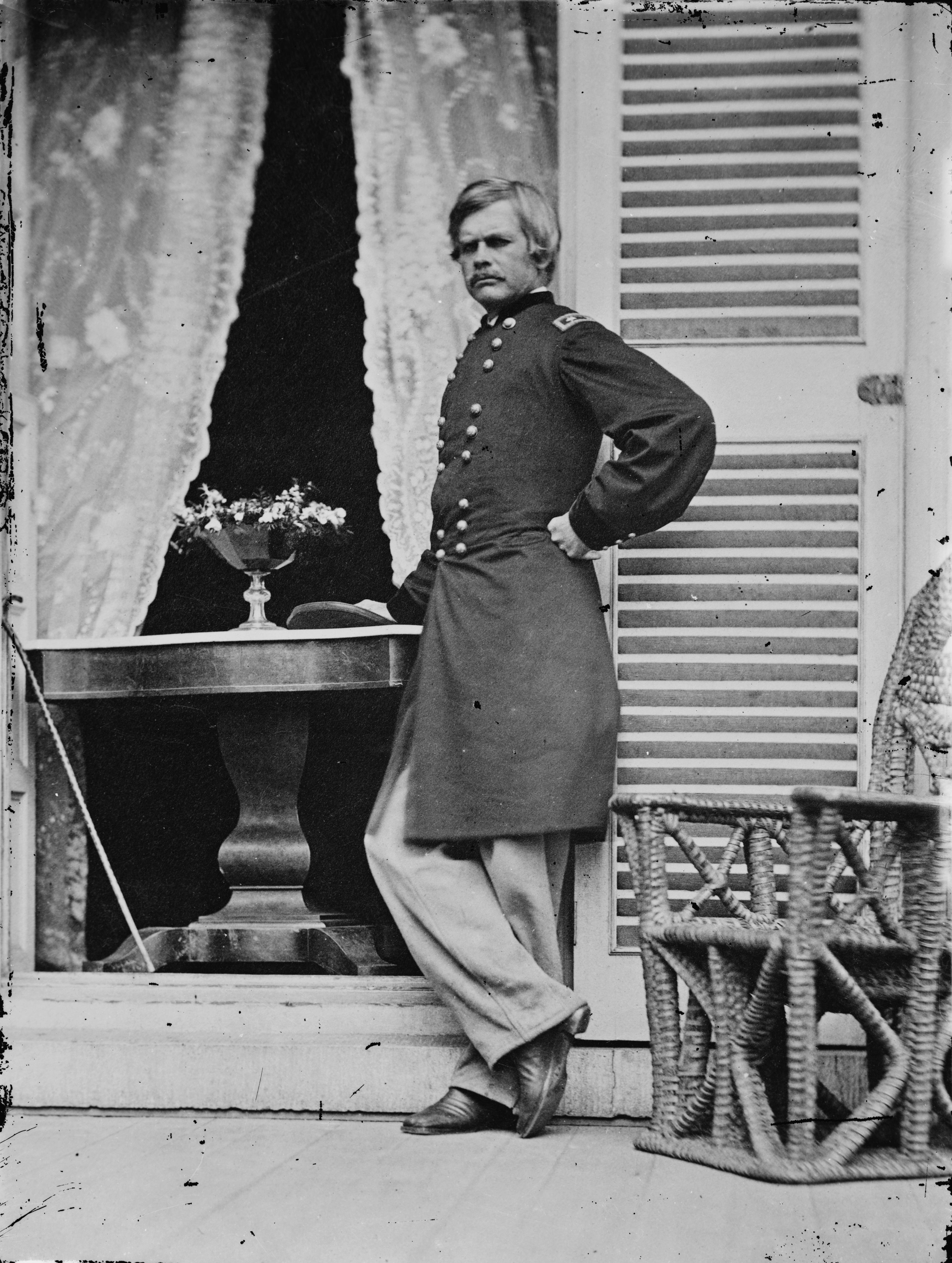
Edward Ord
obscureThe steady Union general who helped close the noose at Appomattox
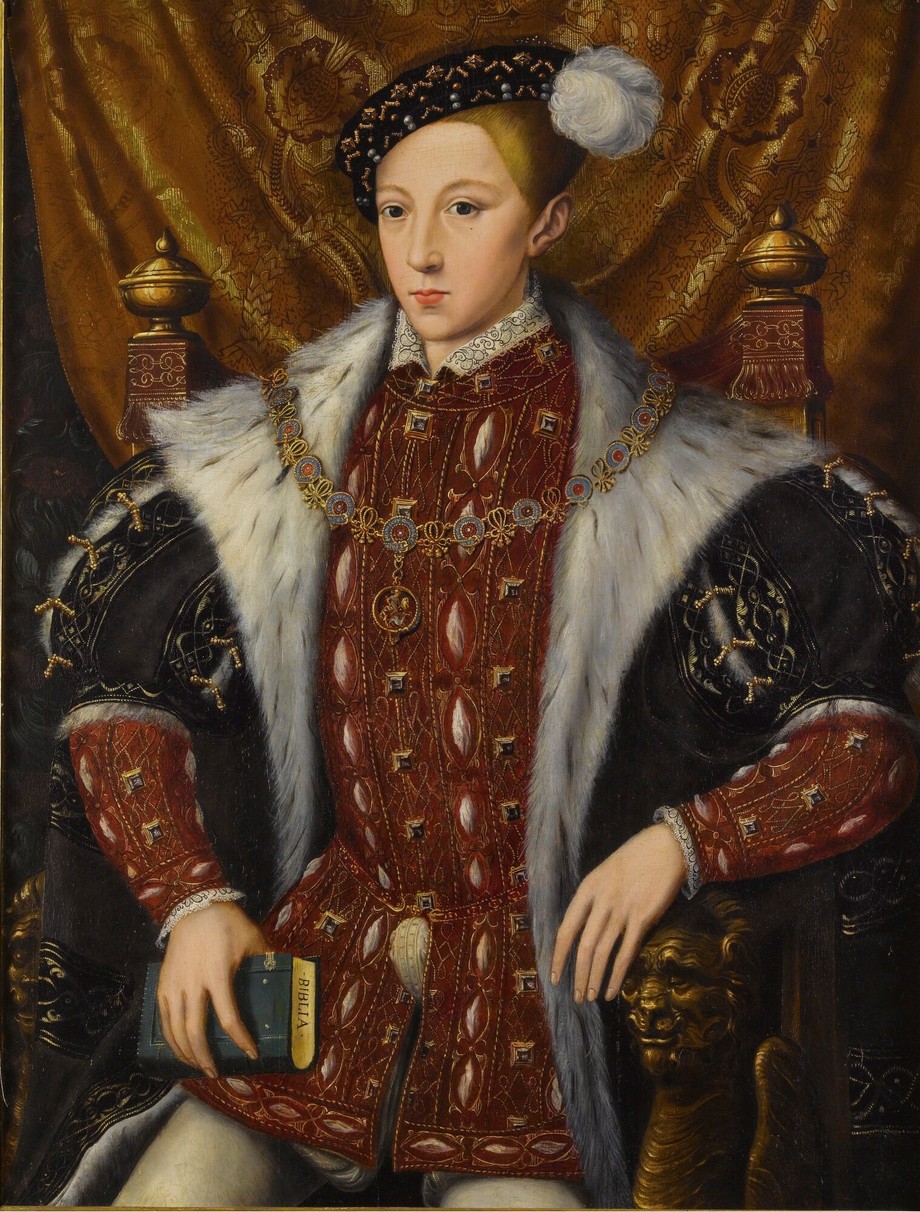
Edward VI
notableHenry VIII's Protestant boy king — a cold, dutiful ISTJ who recorded his own reign in a dry private ledger and died at fifteen
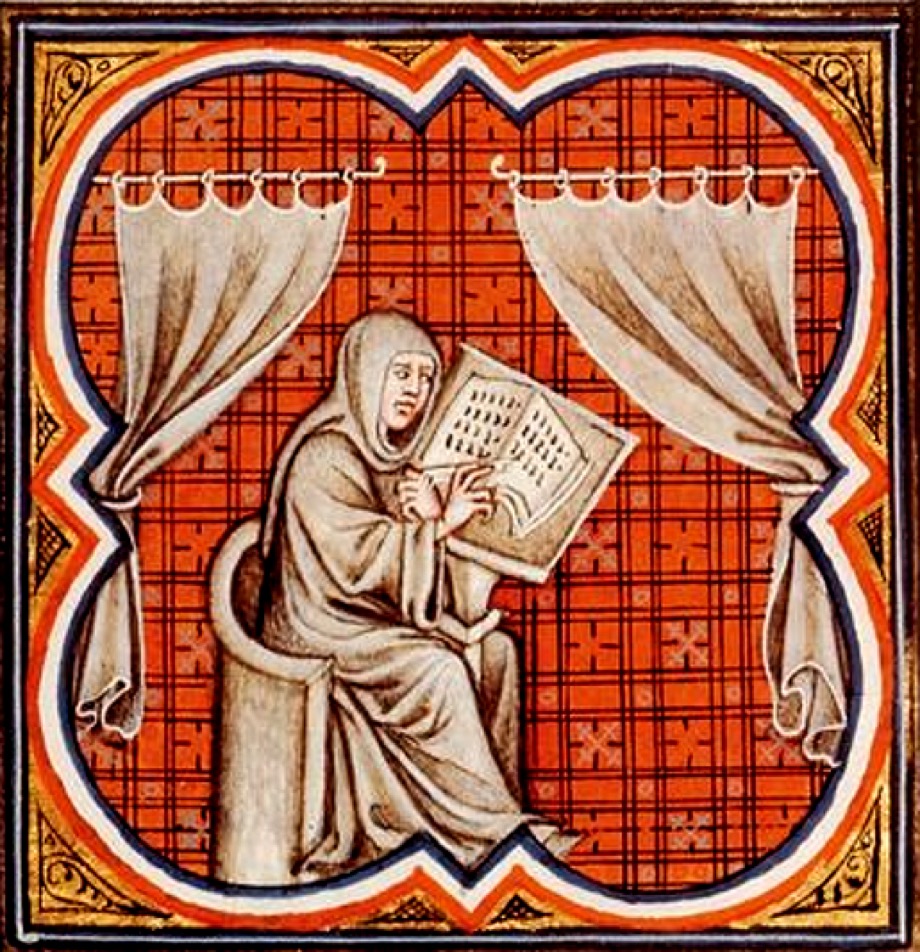
Einhard
renownEinhard preserved Charlemagne’s memory through a carefully organized biography shaped by personal witness, classical models, and gratitude.
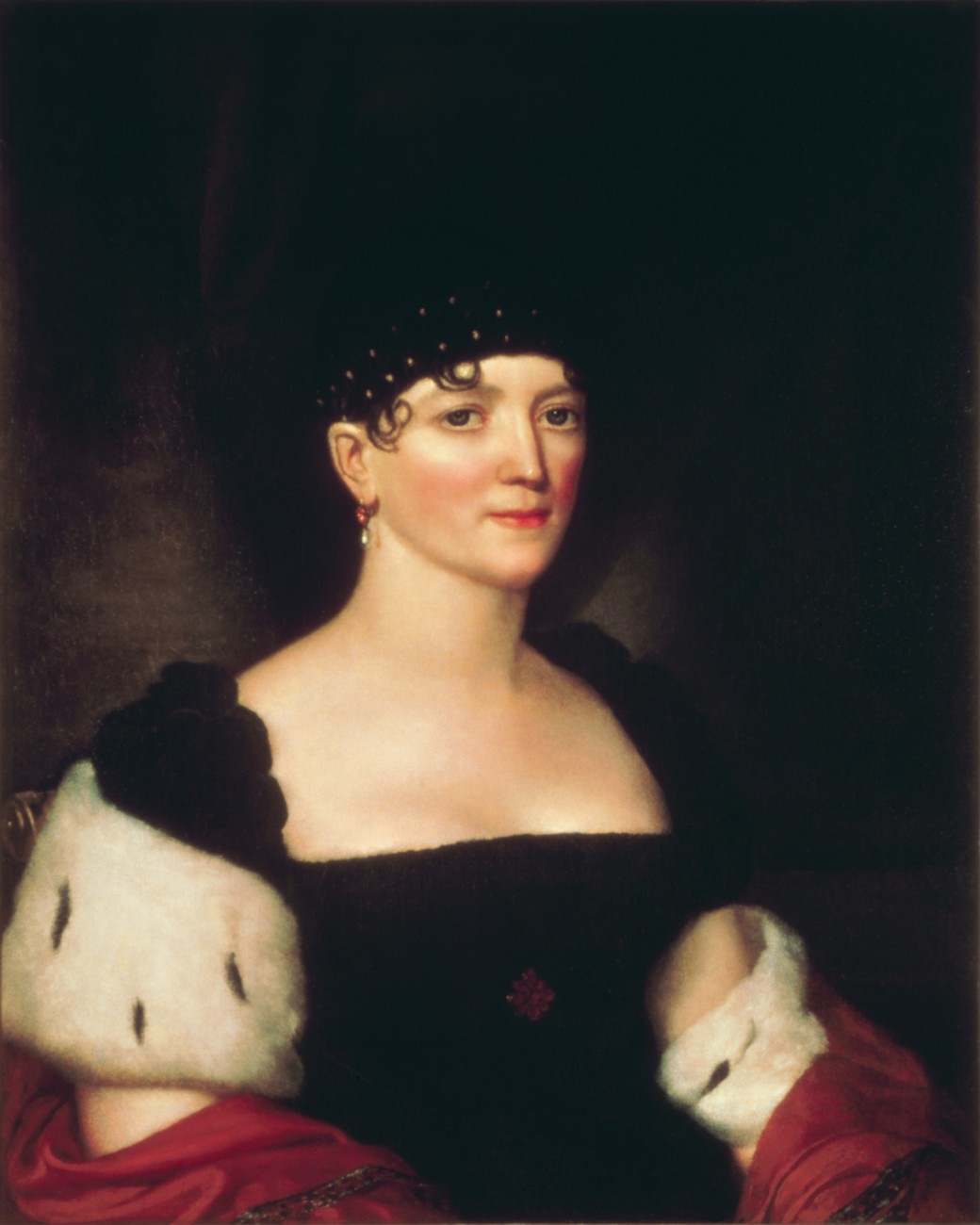
Elizabeth Kortright Monroe
notableJames Monroe's wife — called 'La Belle Américaine' in Paris

Elizabeth Sanders Mulligan
Hercules Mulligan's wife — cover for one of Washington's best spies
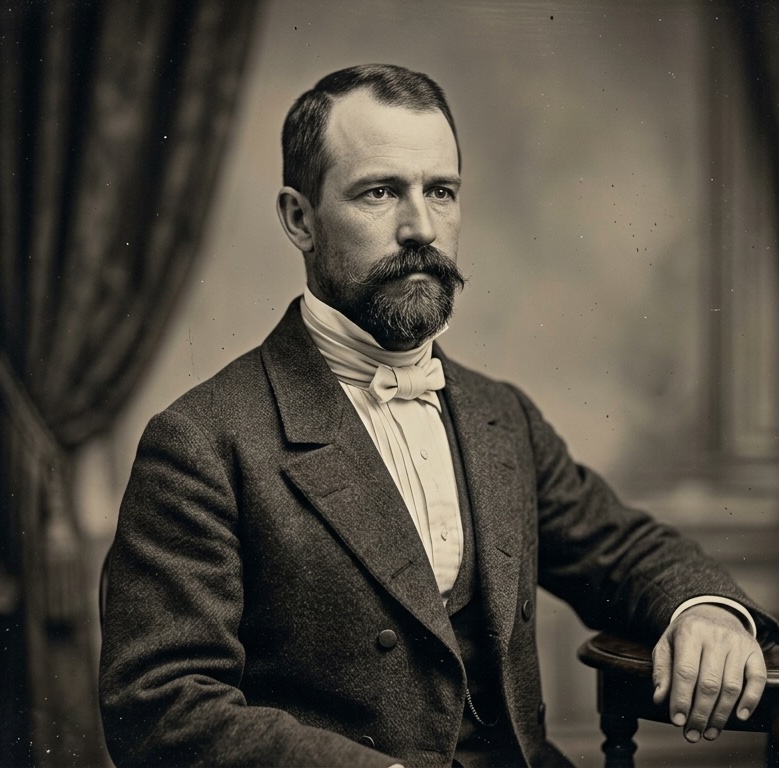
Elmore Douglass
Not the moment. The routine.
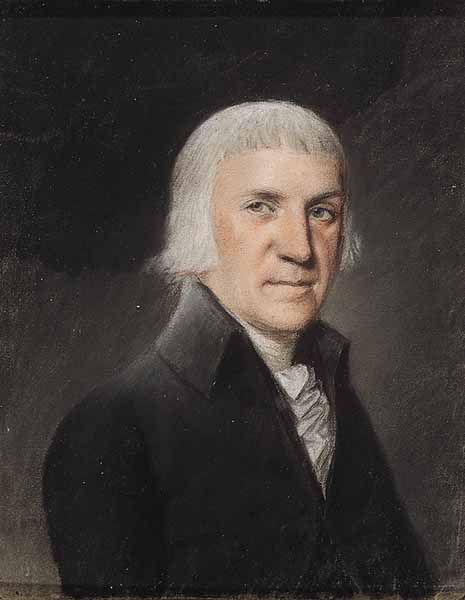
Francis Dana
notableJohn Adams's companion to Russia — young John Quincy's first mentor abroad
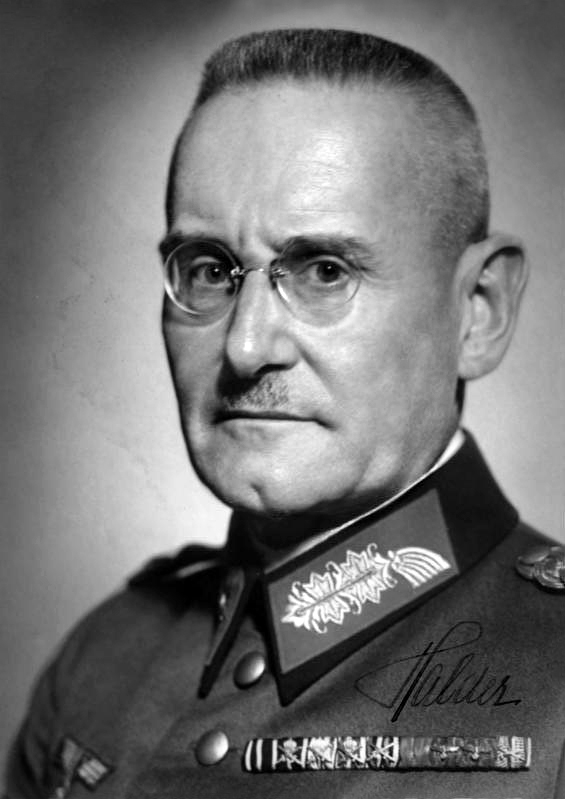
Franz Halder
notableThe chief of staff whose diary is one of the war's key sources, and who ended it in a concentration camp.
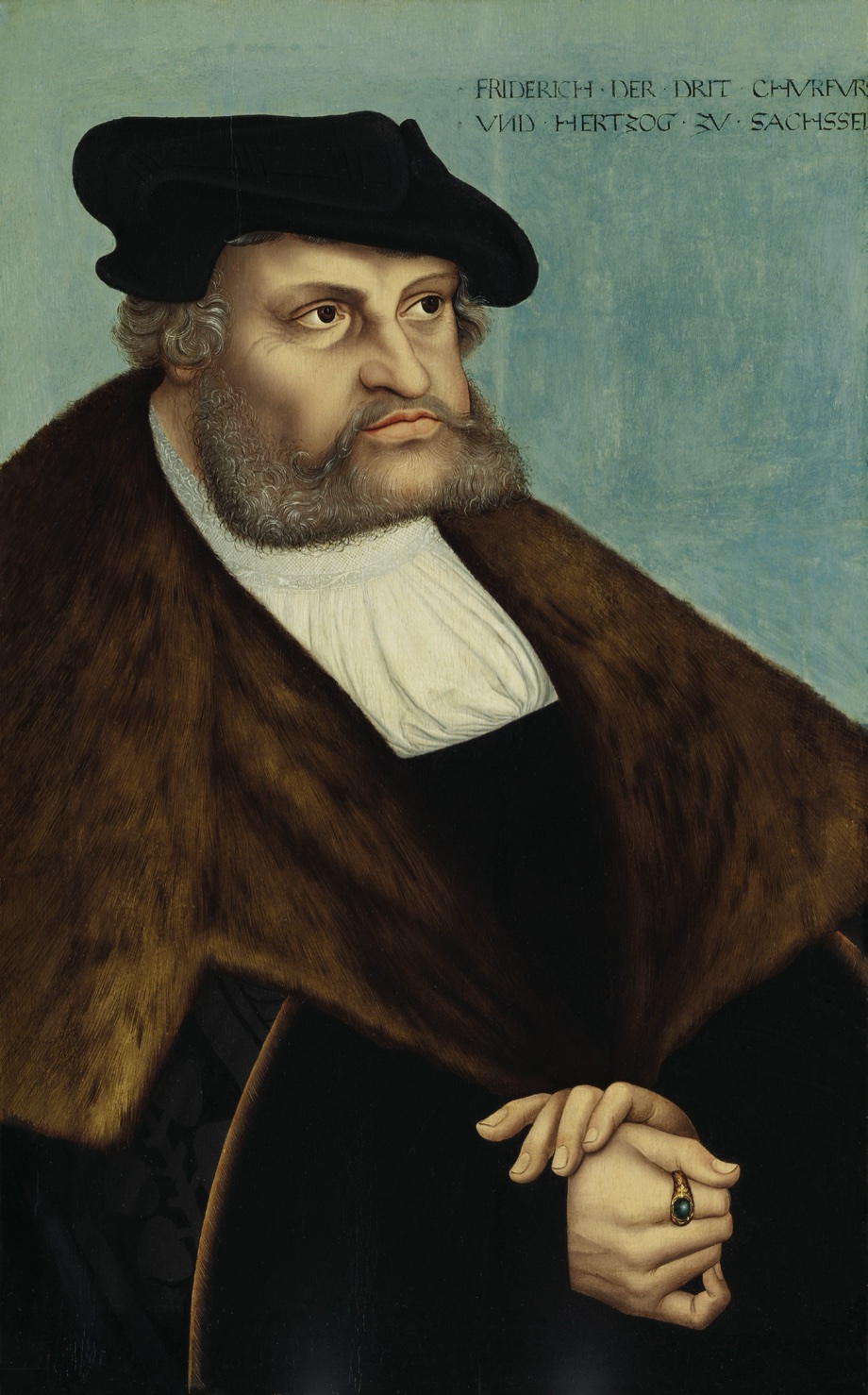
Frederick the Wise
notableThe cautious Elector of Saxony who shielded Luther out of principle without ever once meeting him — the correct, dutiful ISTJ.
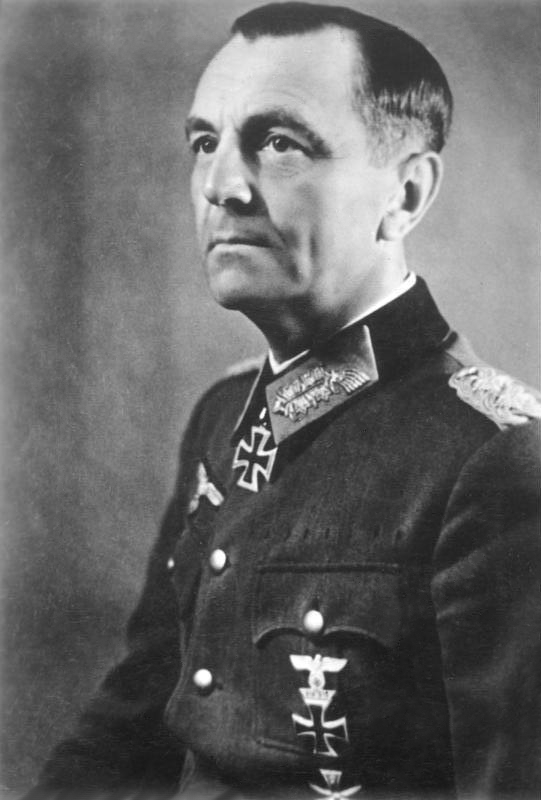
Friedrich Paulus
notableThe staff officer who could not disobey even to save his own army at Stalingrad.
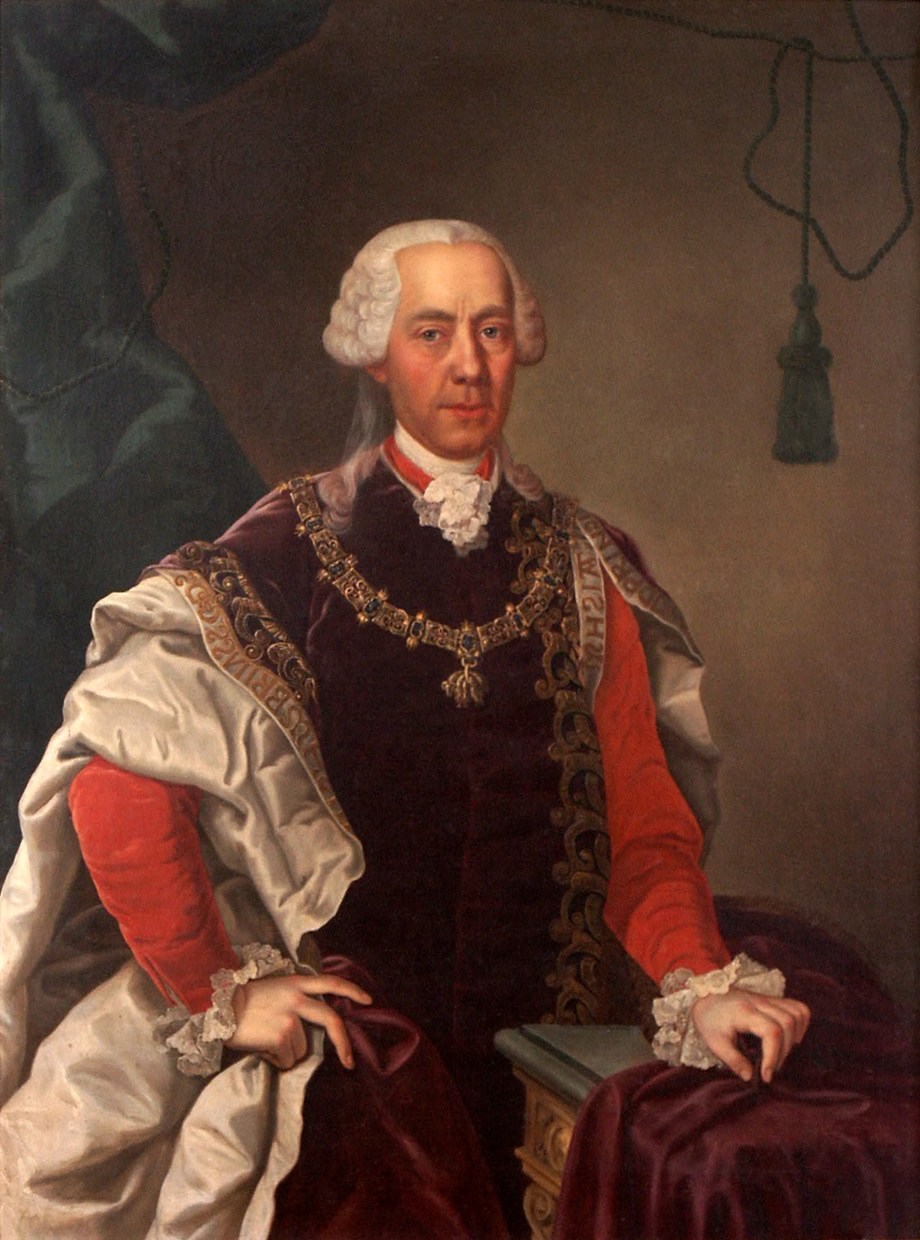
Friedrich Wilhelm von Haugwitz
notableThe administrator who quietly rebuilt the Habsburg state's machinery for Maria Theresa — the methodical, behind-the-desk ISTJ
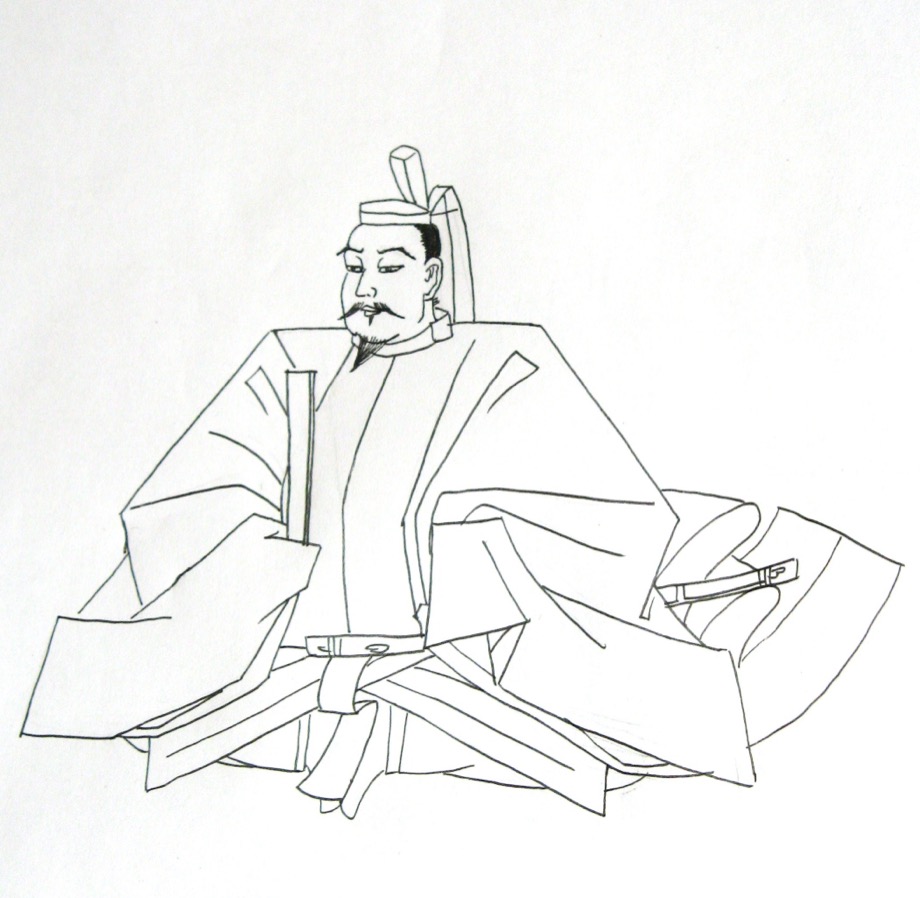
Fujiwara no Yorimichi
notableThe long-serving Fujiwara regent who inherited a political household and transformed its Uji estate into Byodoin.
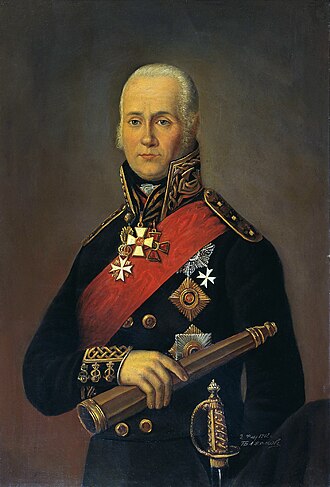
Fyodor Ushakov
notableRussia's greatest admiral and an Orthodox saint — in 43 naval engagements he never lost a ship and never abandoned a sailor.
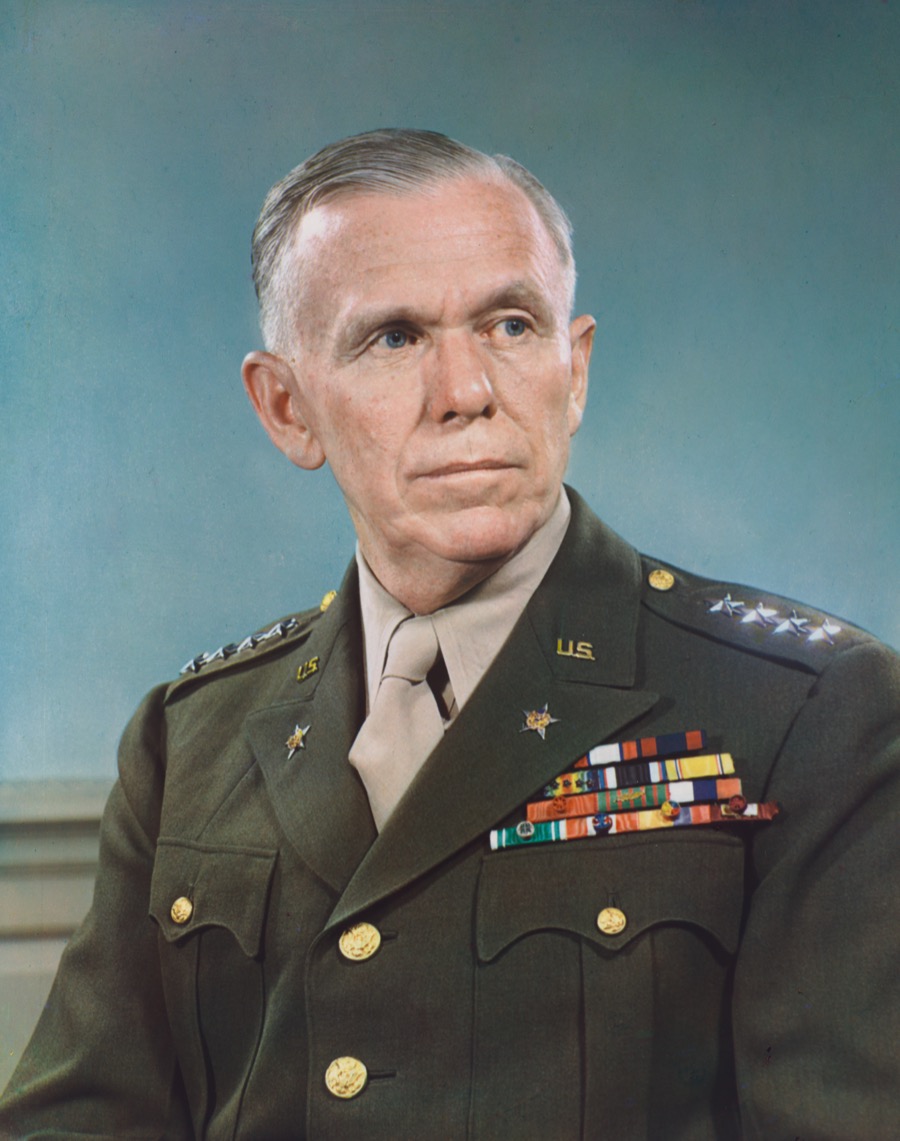
George Marshall
renownThe Army Chief of Staff Churchill called the organizer of victory.
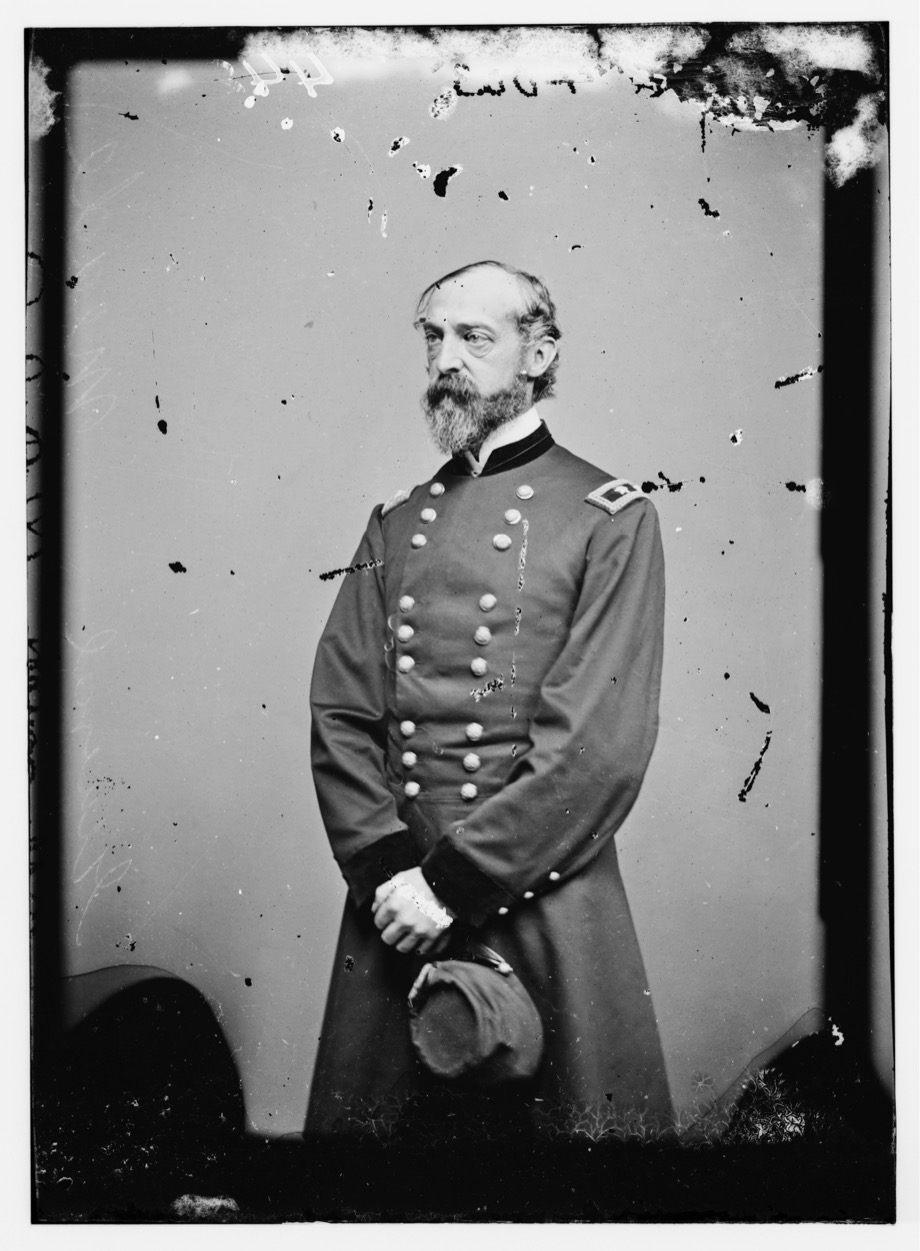
George Meade
renownThe irritable, methodical general handed command three days before Gettysburg — and won it
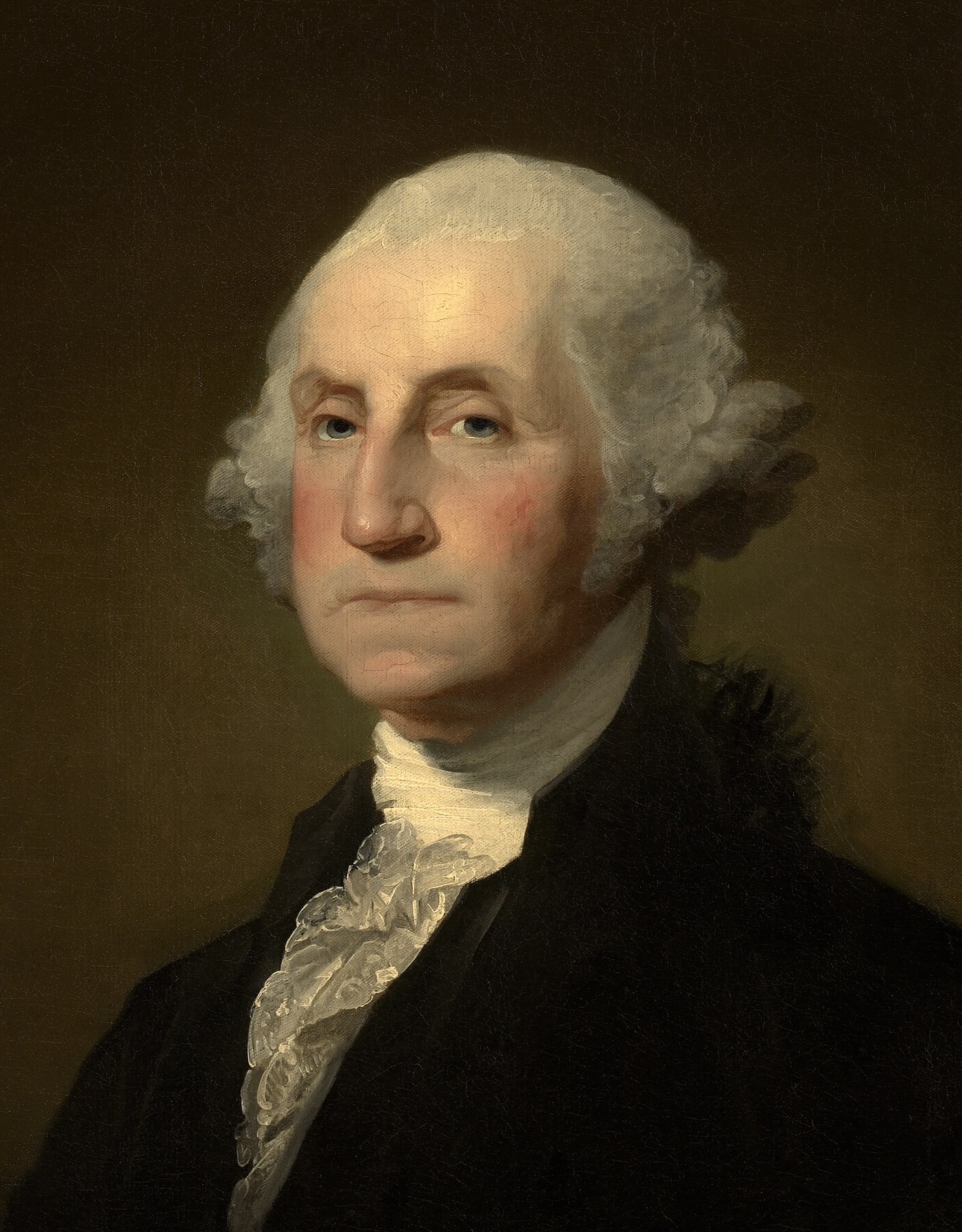
George Washington
General, statesman, and first President of the United States.
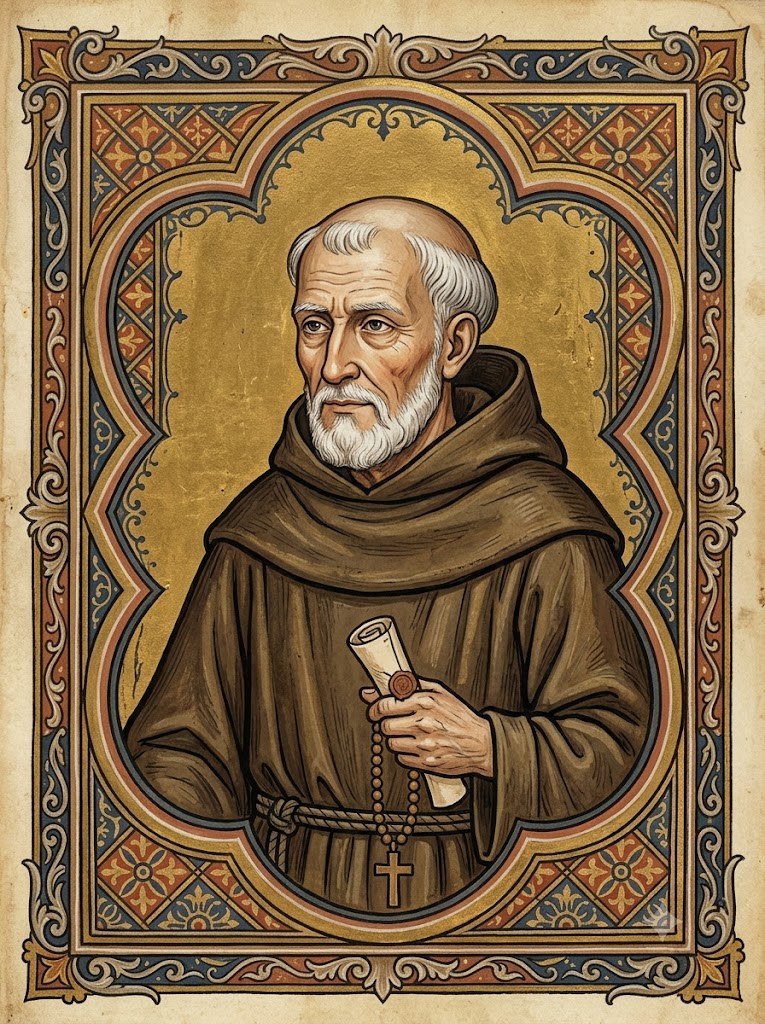
Giovanni da Pian del Carpine
notableThe aged friar who made the first papal embassy to the Mongols — the dutiful ISTJ who mapped the terror from within.
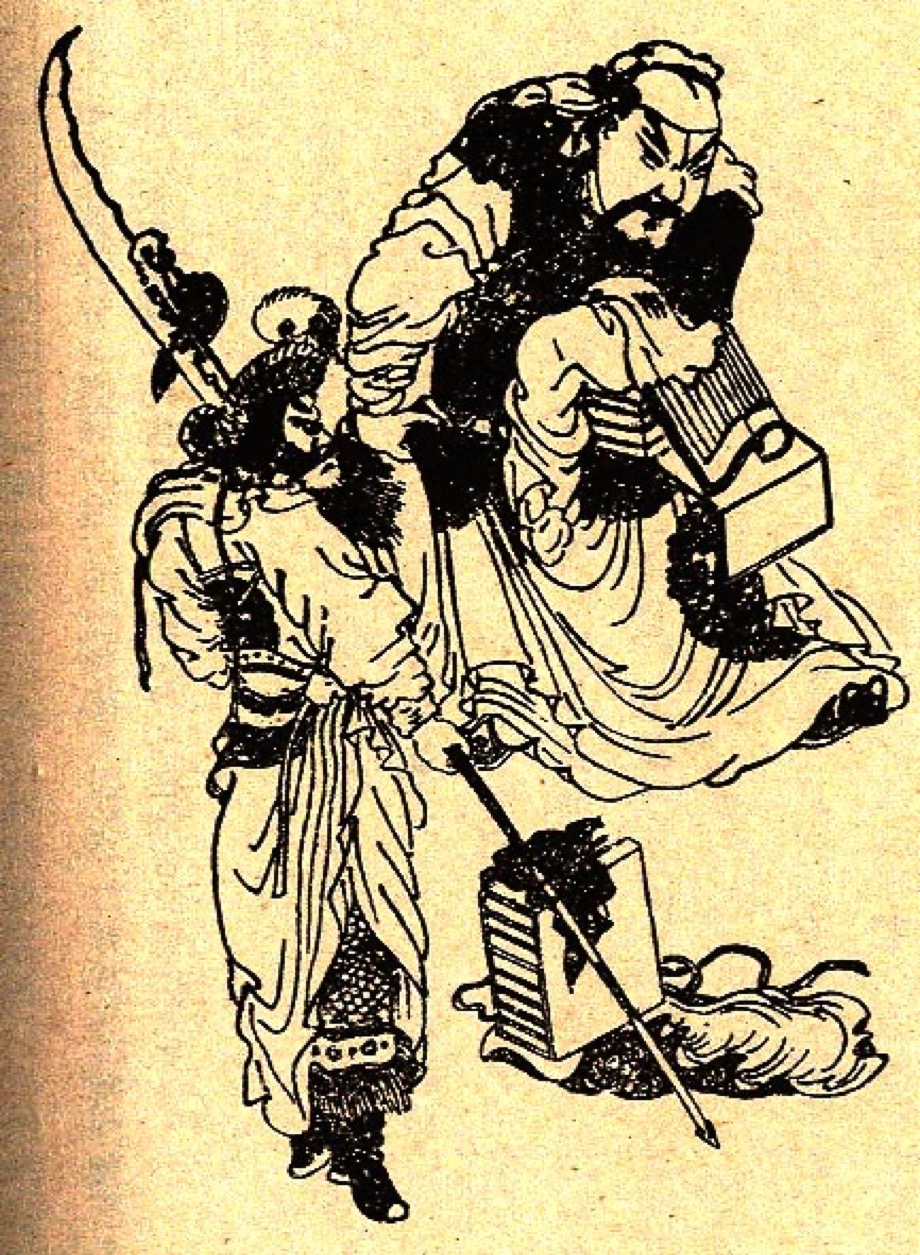
Guan Yu
Liu Bei's sworn brother, later deified across China as the god of war and loyalty.
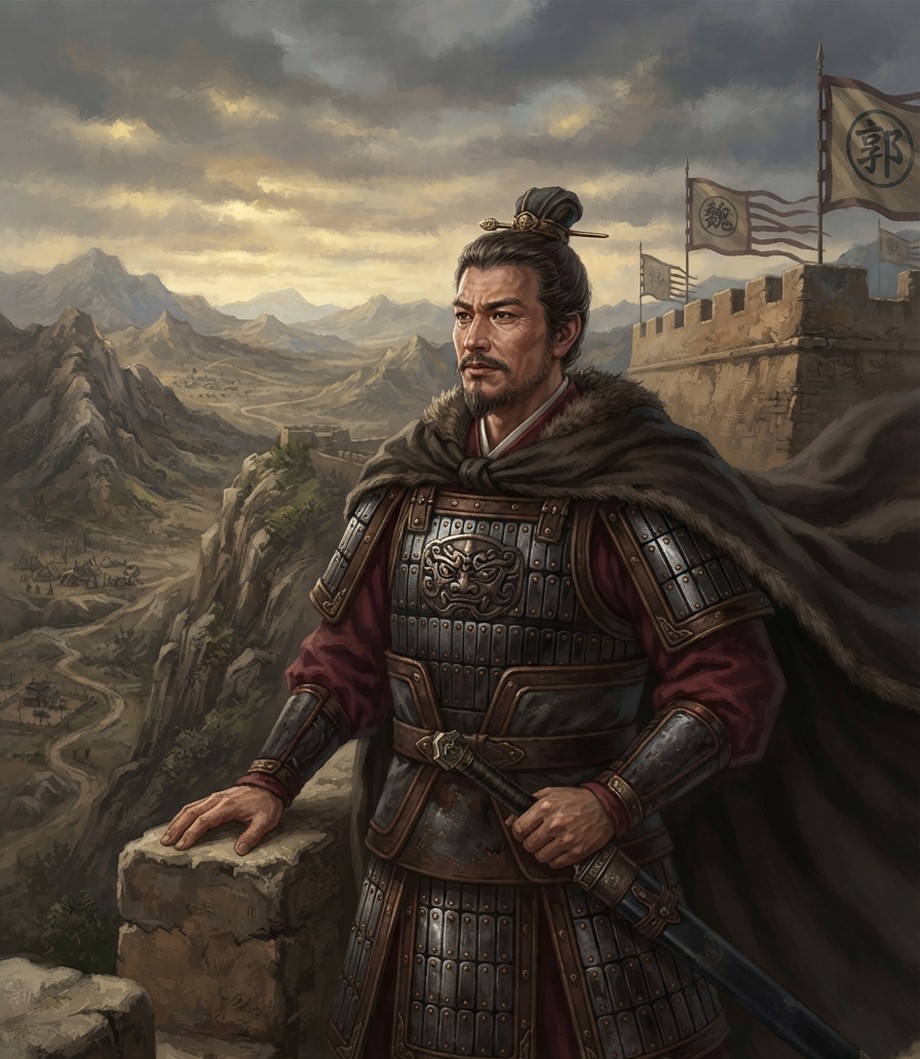
Guo Huai
obscureThe unglamorous general who held Wei's western frontier for two decades
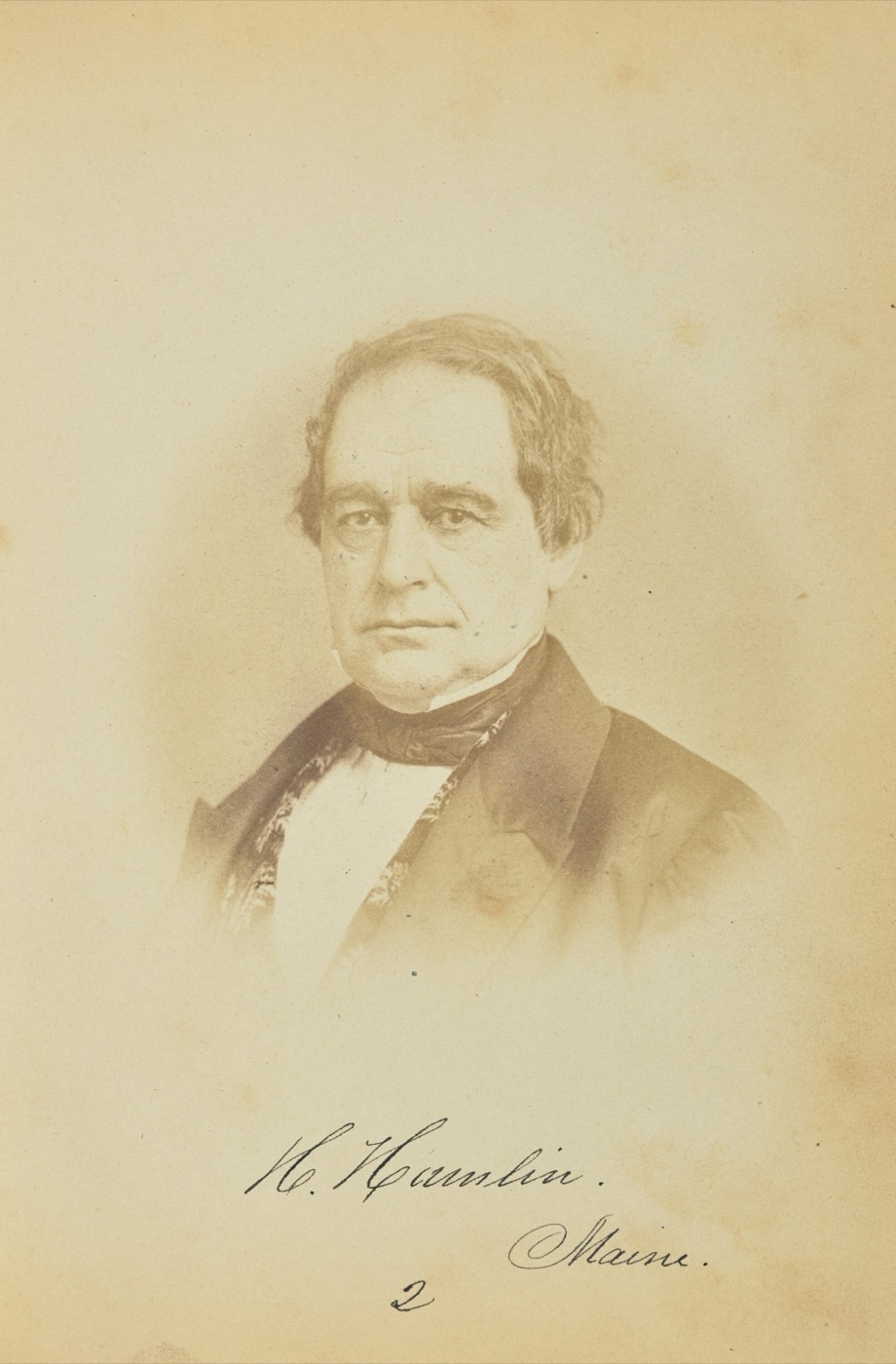
Hannibal Hamlin
obscureLincoln's first vice president, sidelined by an office with almost nothing to do
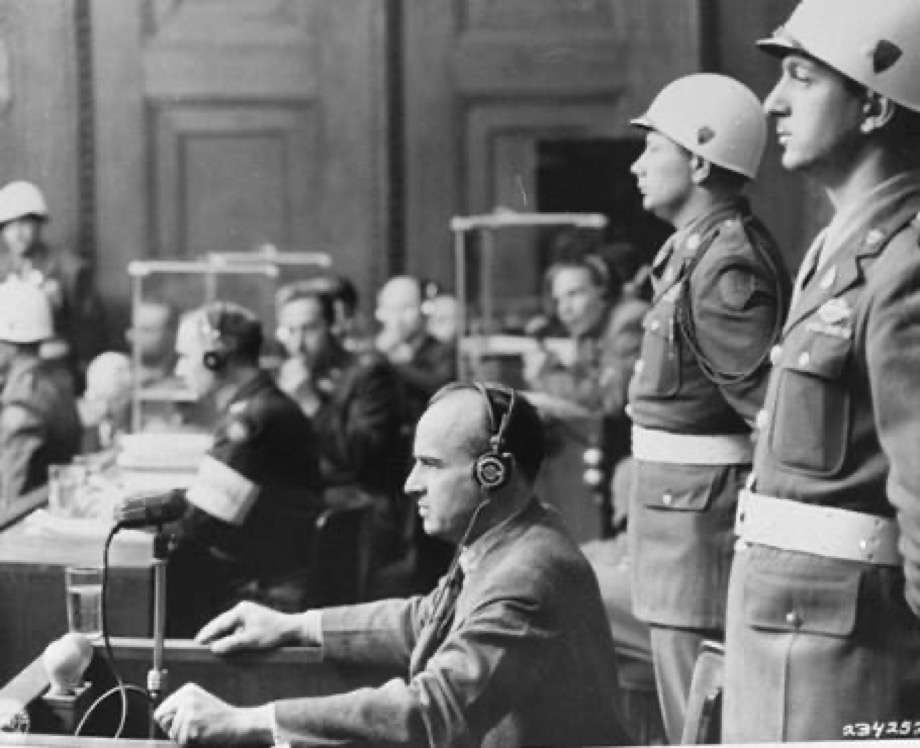
Hans Frank
infamousThe Nazi governor of Poland whose crimes preceded a startling Nuremberg confession
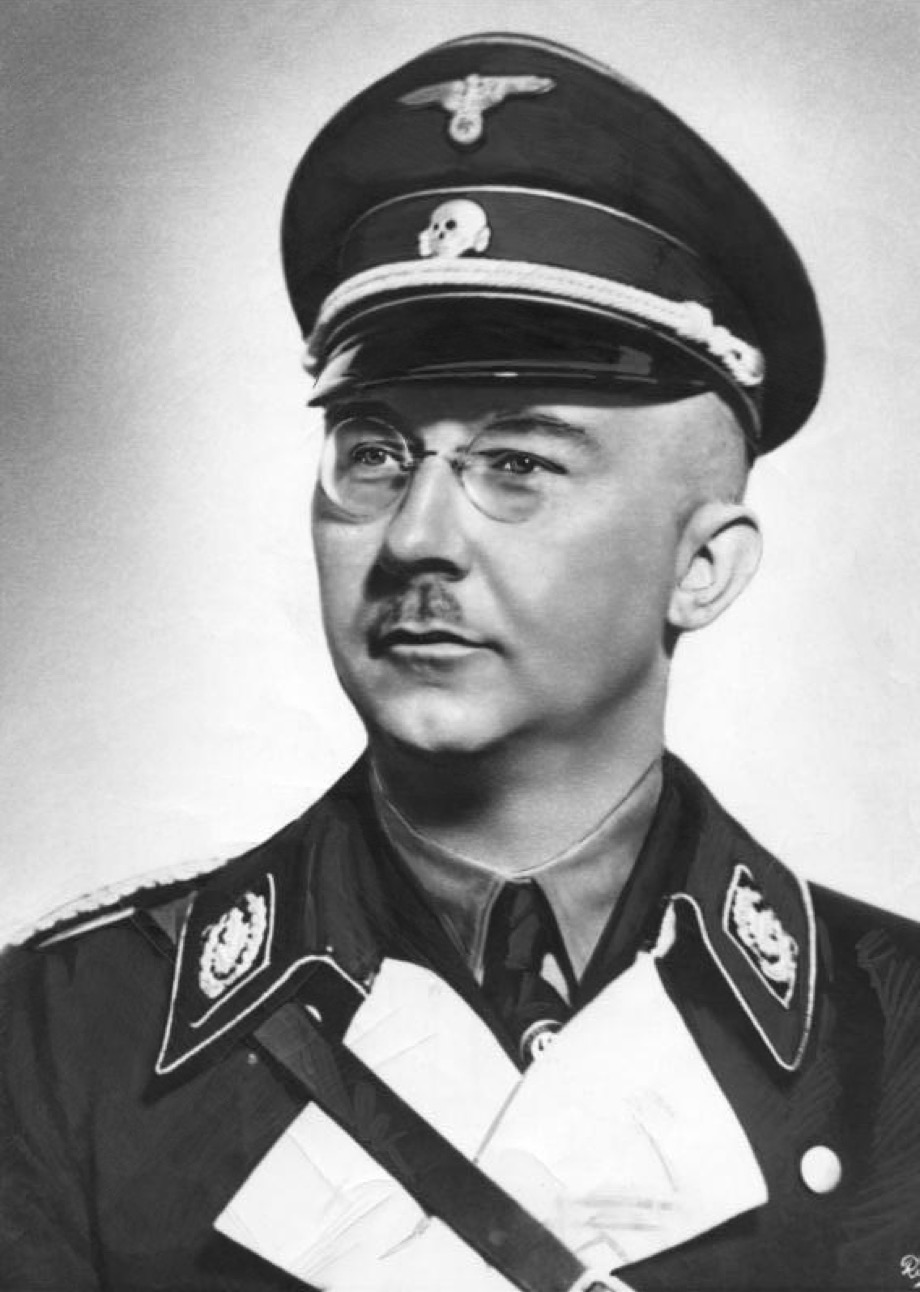
Heinrich Himmler
infamousThe fastidious bureaucrat who built and administered the entire Nazi camp and genocide apparatus.
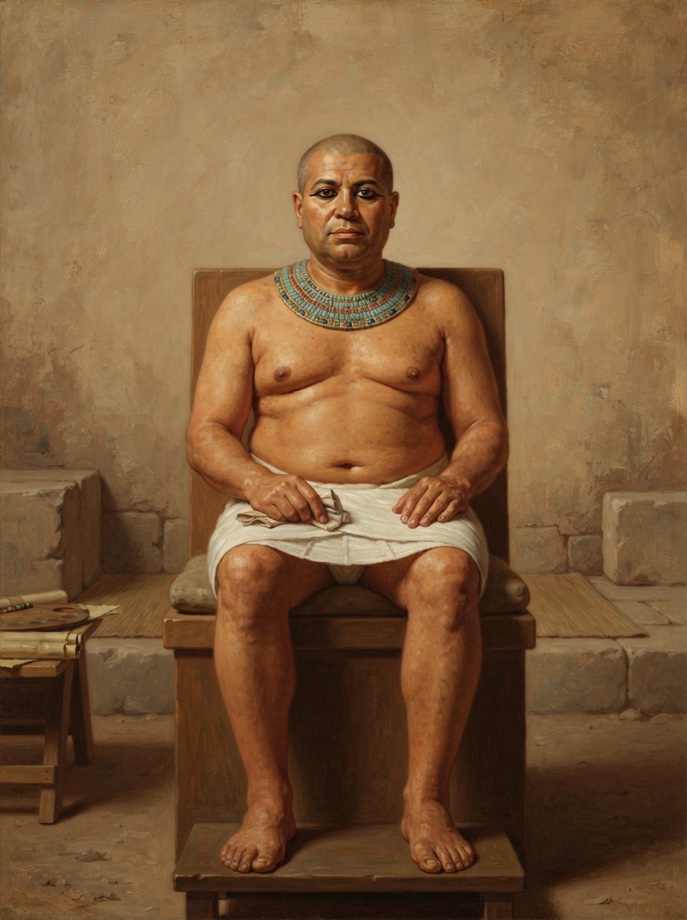
Hemiunu
notableThe vizier and architect whose organizational mastery made the Great Pyramid possible.
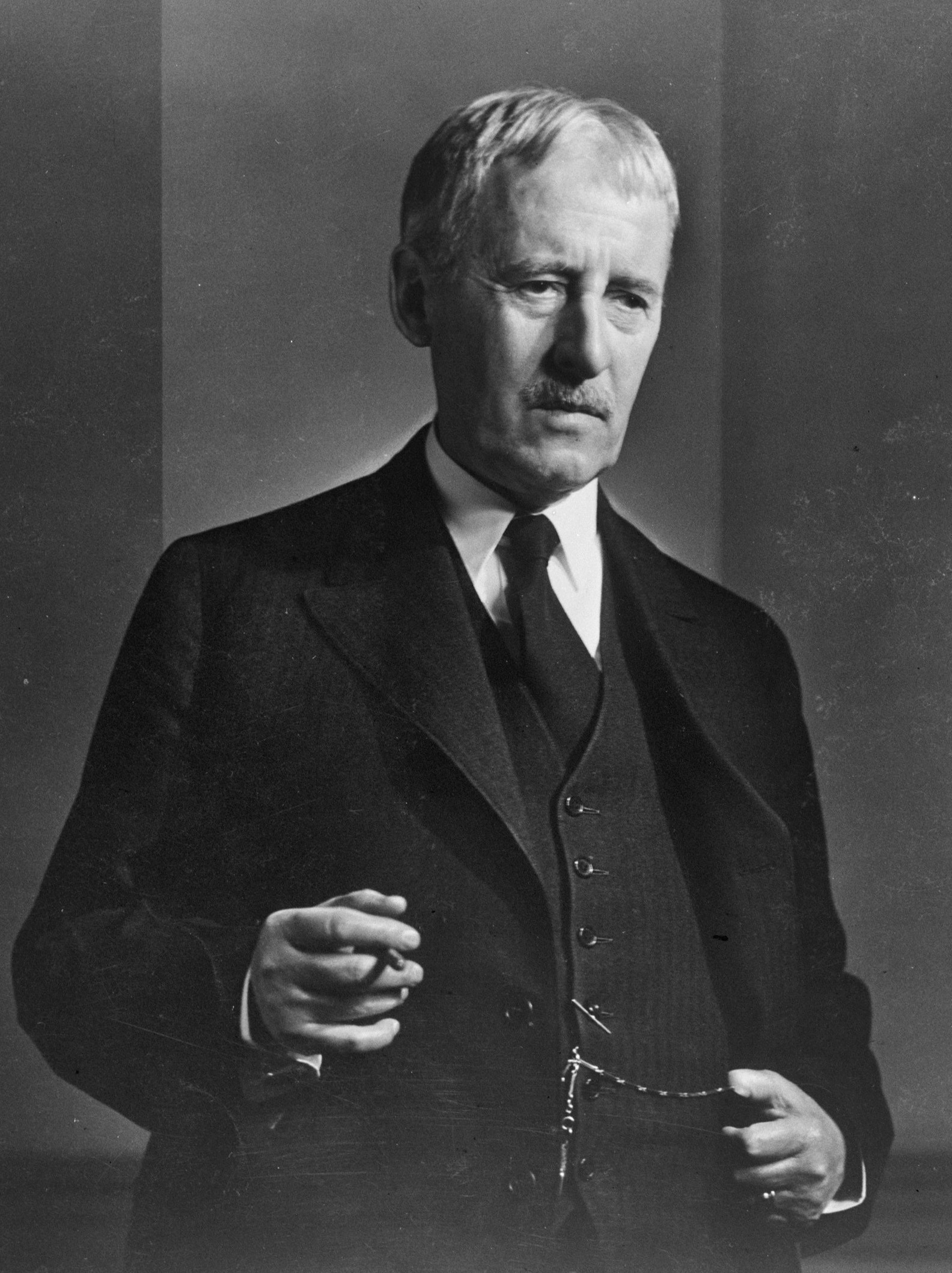
Henry Stimson
notableThe elder statesman who guarded the bomb's secret across four administrations
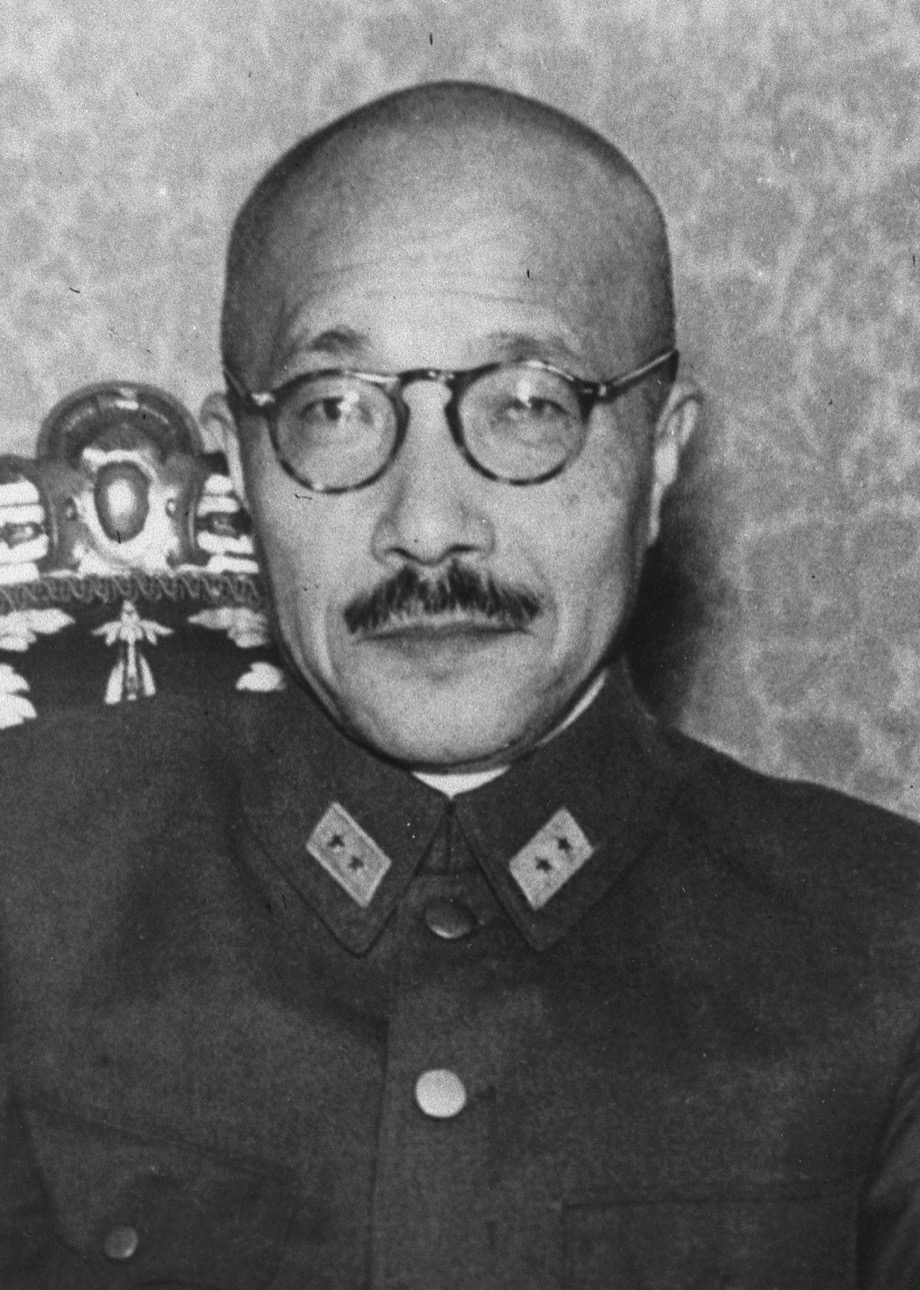
Hideki Tojo
infamousThe filing-cabinet bureaucrat who ran Japan's war and hanged for it.
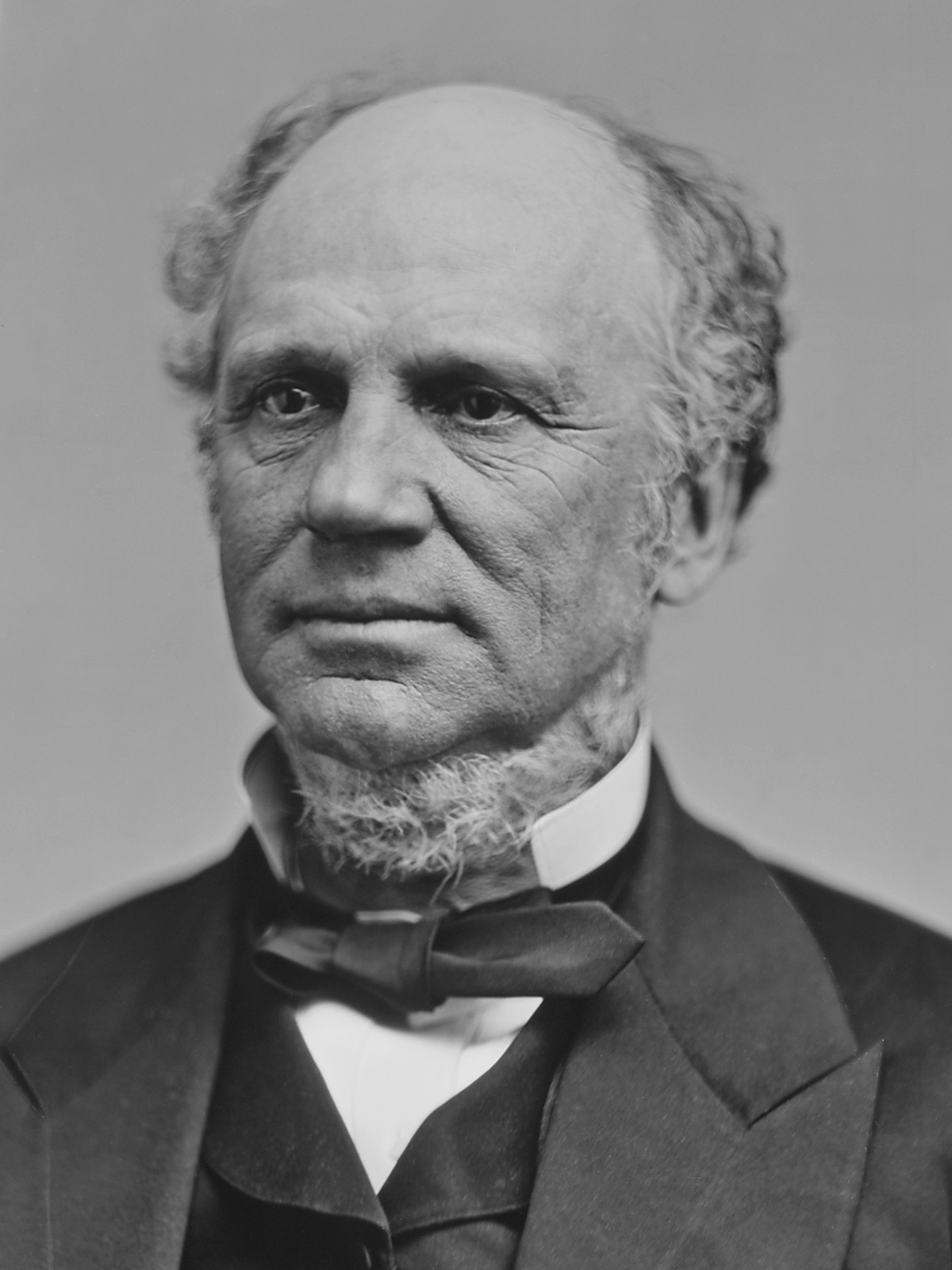
Horatio Seymour
notableThe governor whose 'my friends' haunted the Draft Riots
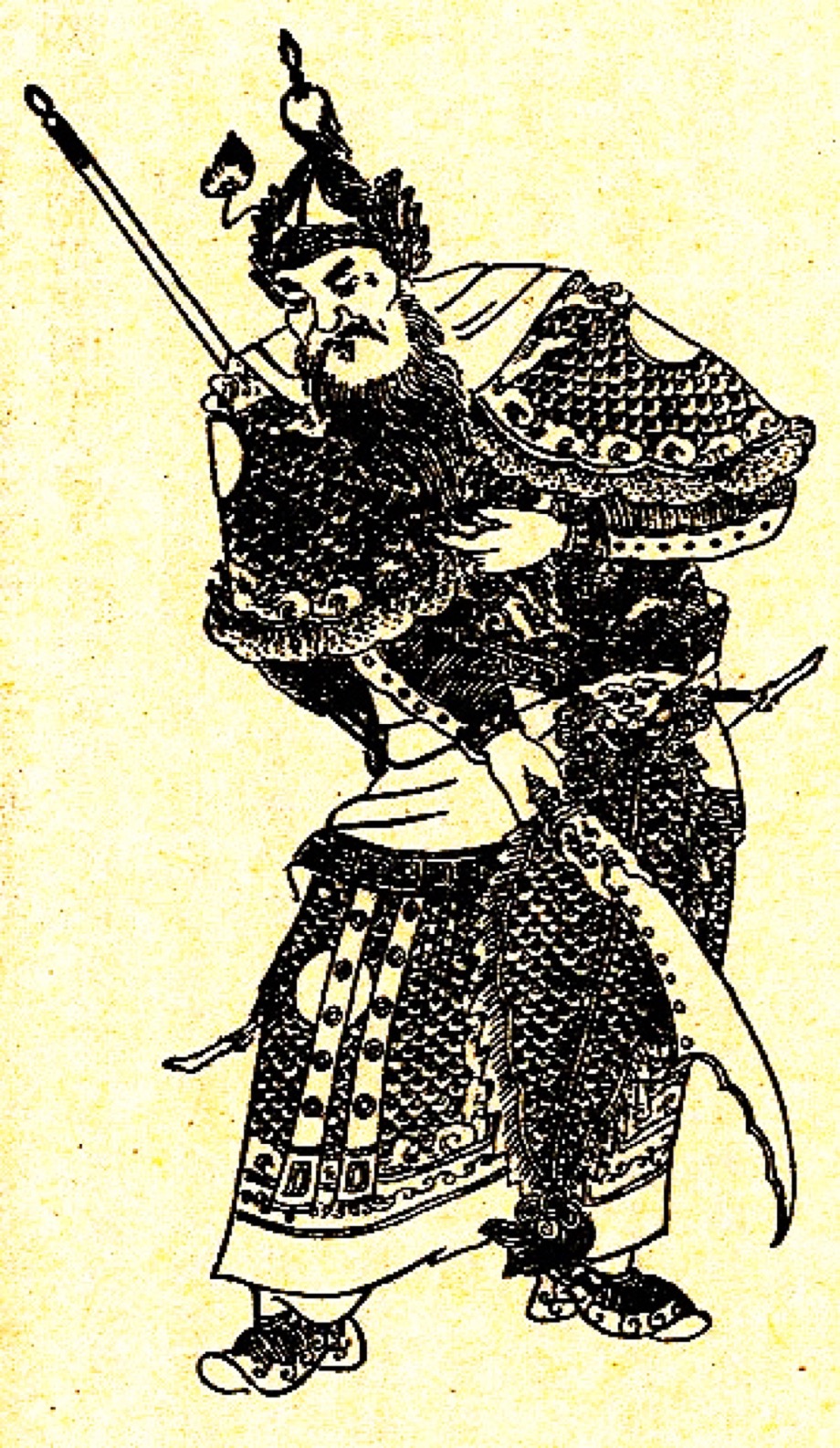
Huang Zhong
notableThe old general whose late-life archery secured Hanzhong
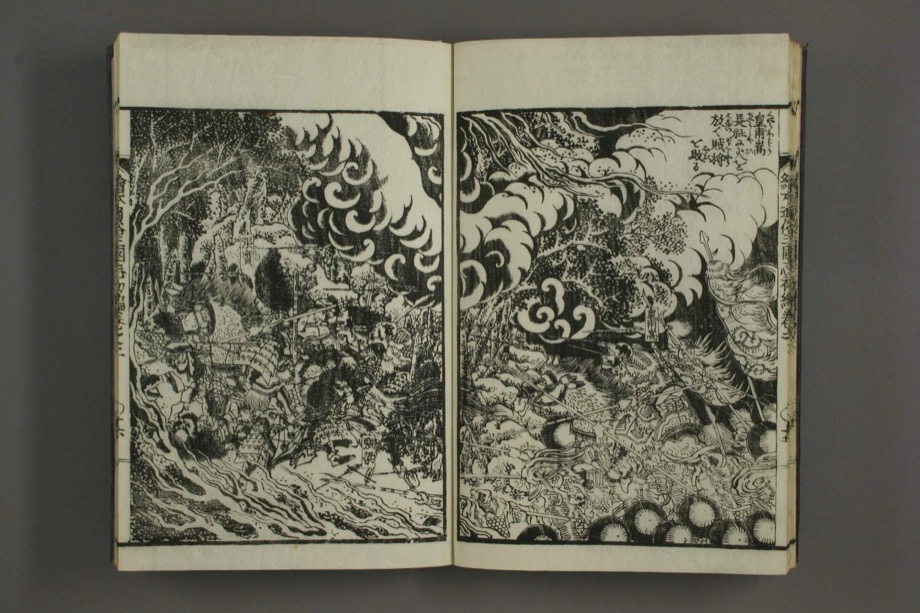
Huangfu Song
obscureThe general who crushed the Yellow Turbans and refused to seize the power he'd won.
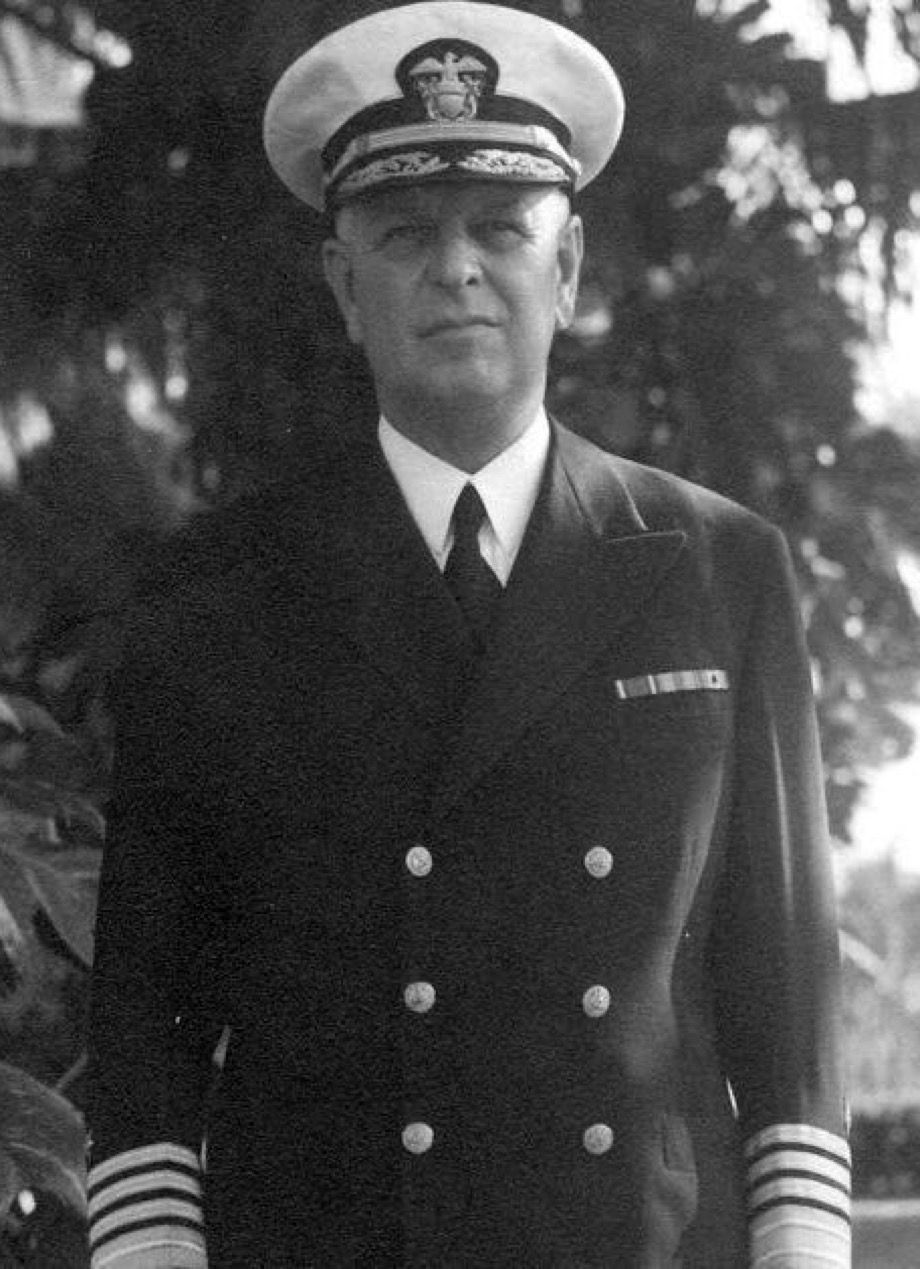
Husband E. Kimmel
notableThe Pacific Fleet commander scapegoated for the surprise he was denied the intelligence to see.
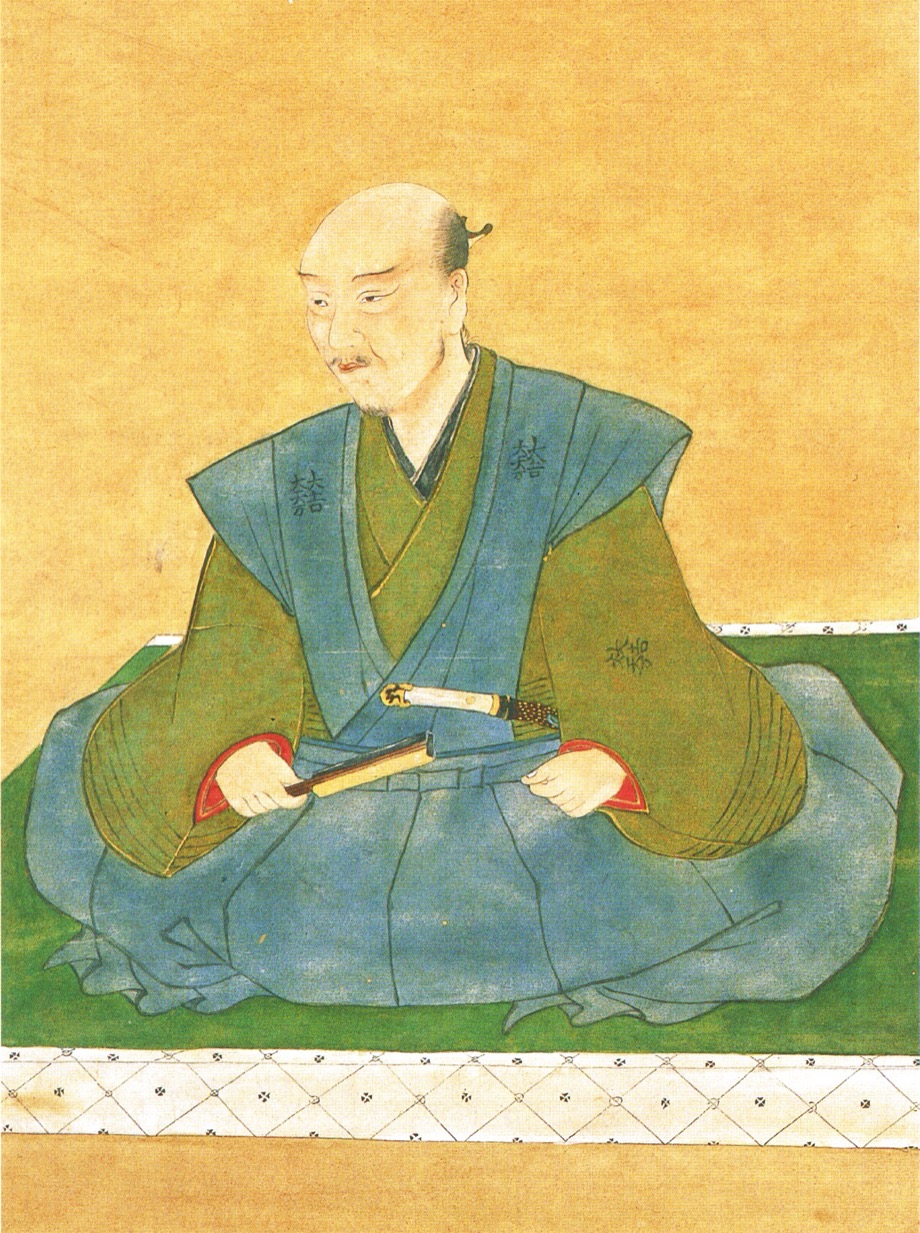
Ishida Mitsunari
renownHideyoshi's brilliant, rigid administrator, right in his cause and undone by his own inflexibility at Sekigahara — the principled loser ISTJ.
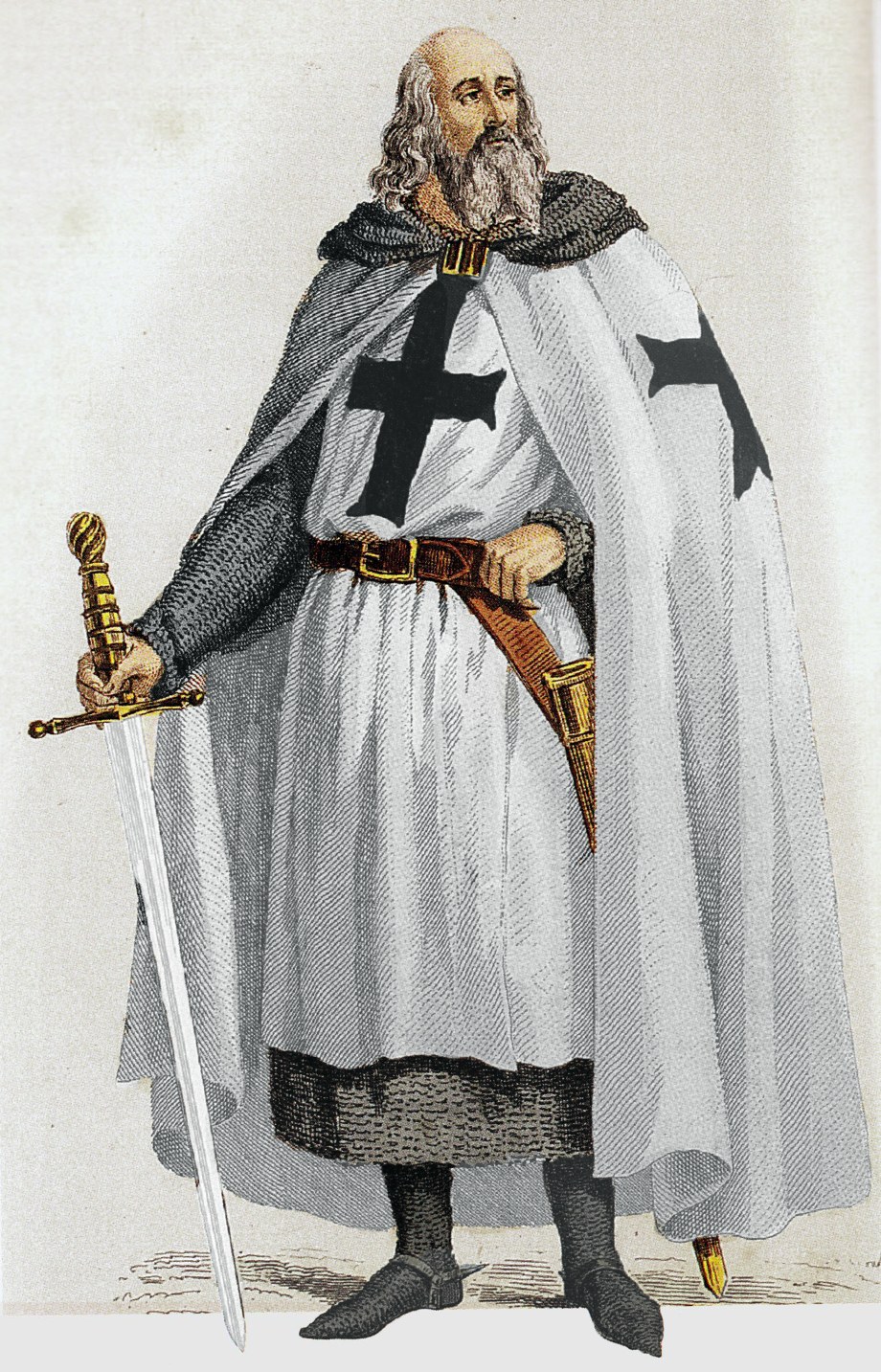
Jacques de Molay
renownThe last Templar Grand Master, burned at the stake cursing his king — the ISTJ who found his honor in the fire.
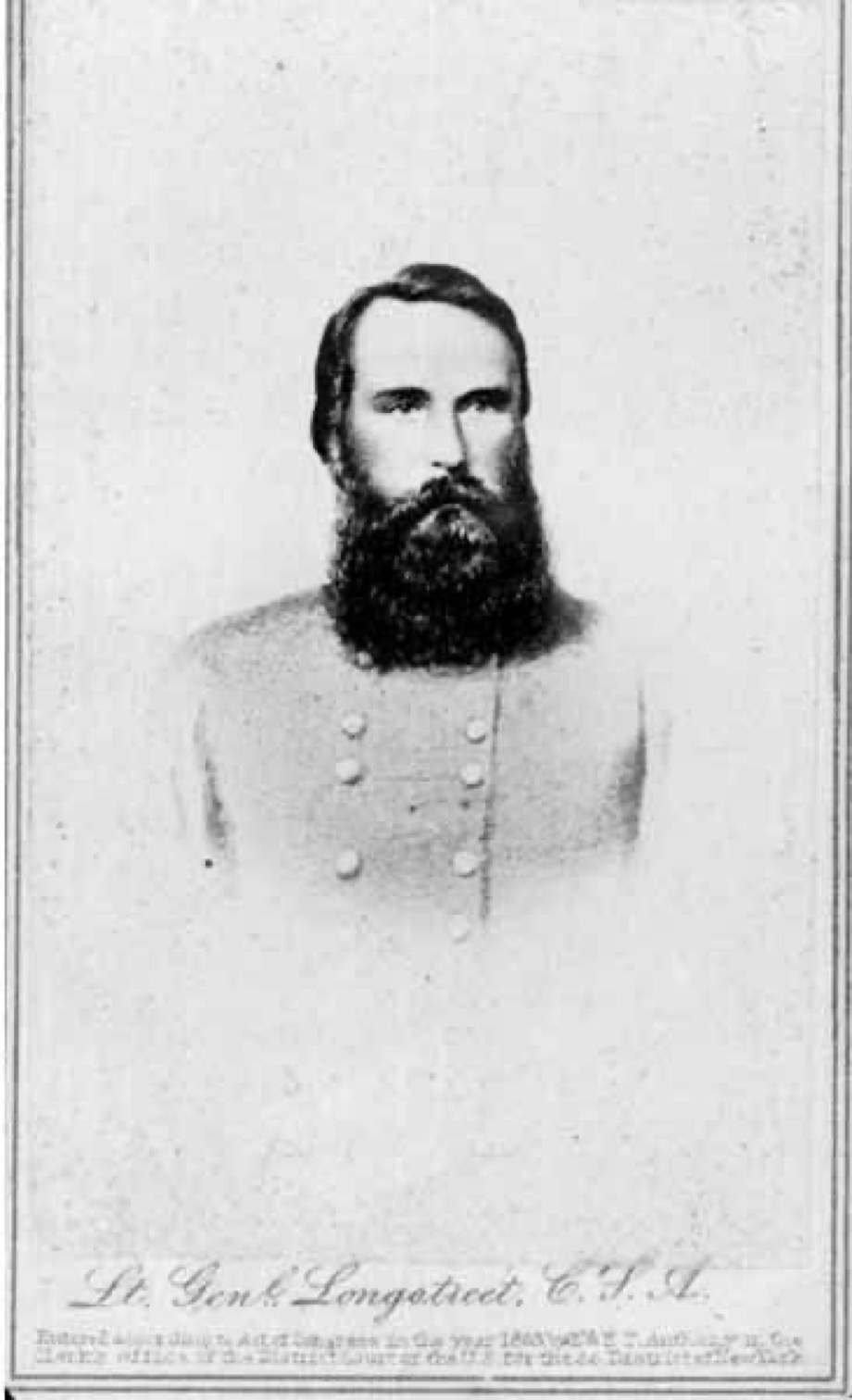
James Longstreet
notableLee's steadiest corps commander, who argued against Pickett's Charge and was overruled
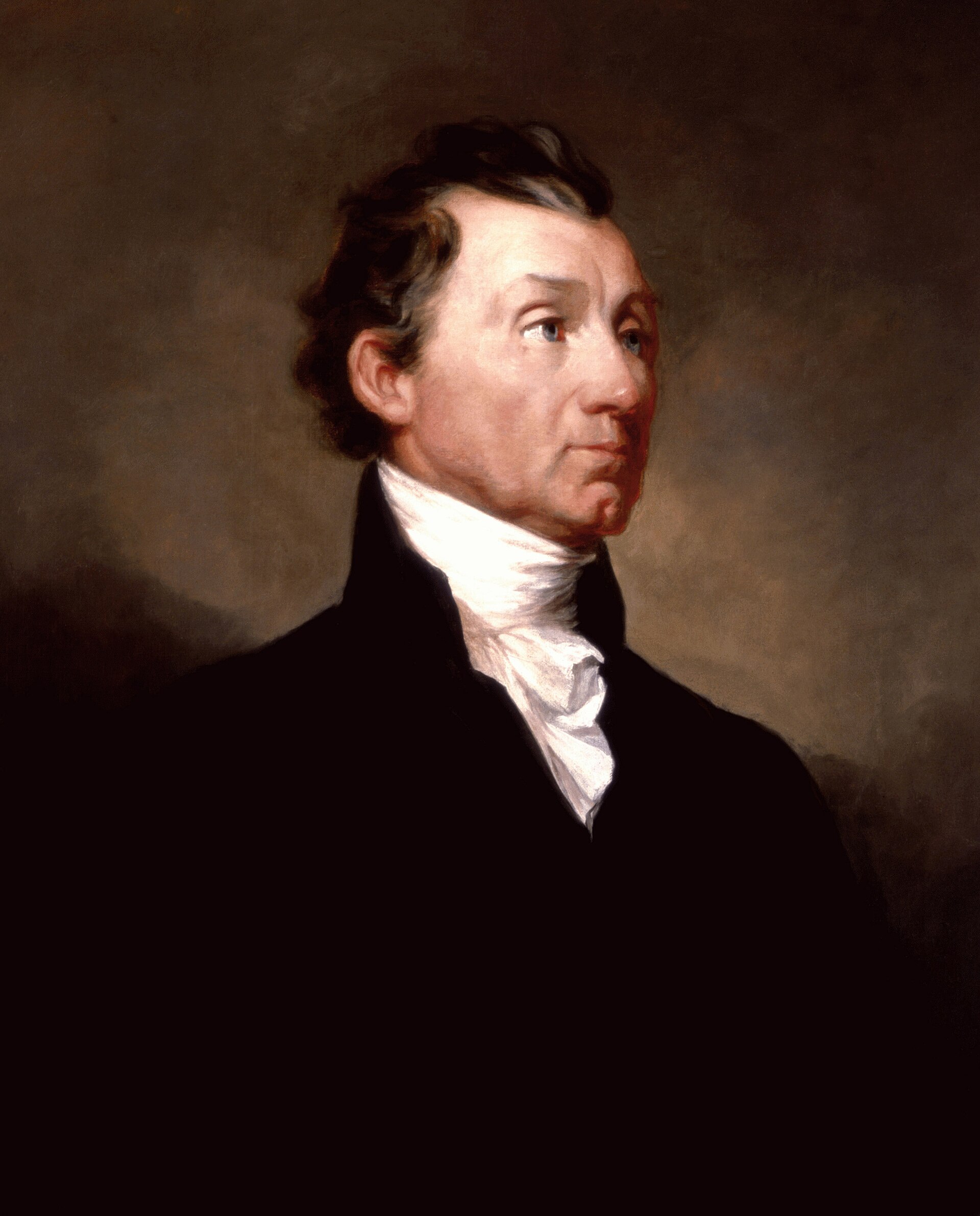
James Monroe
notableSoldier, diplomat, and steady steward of the early American republic.
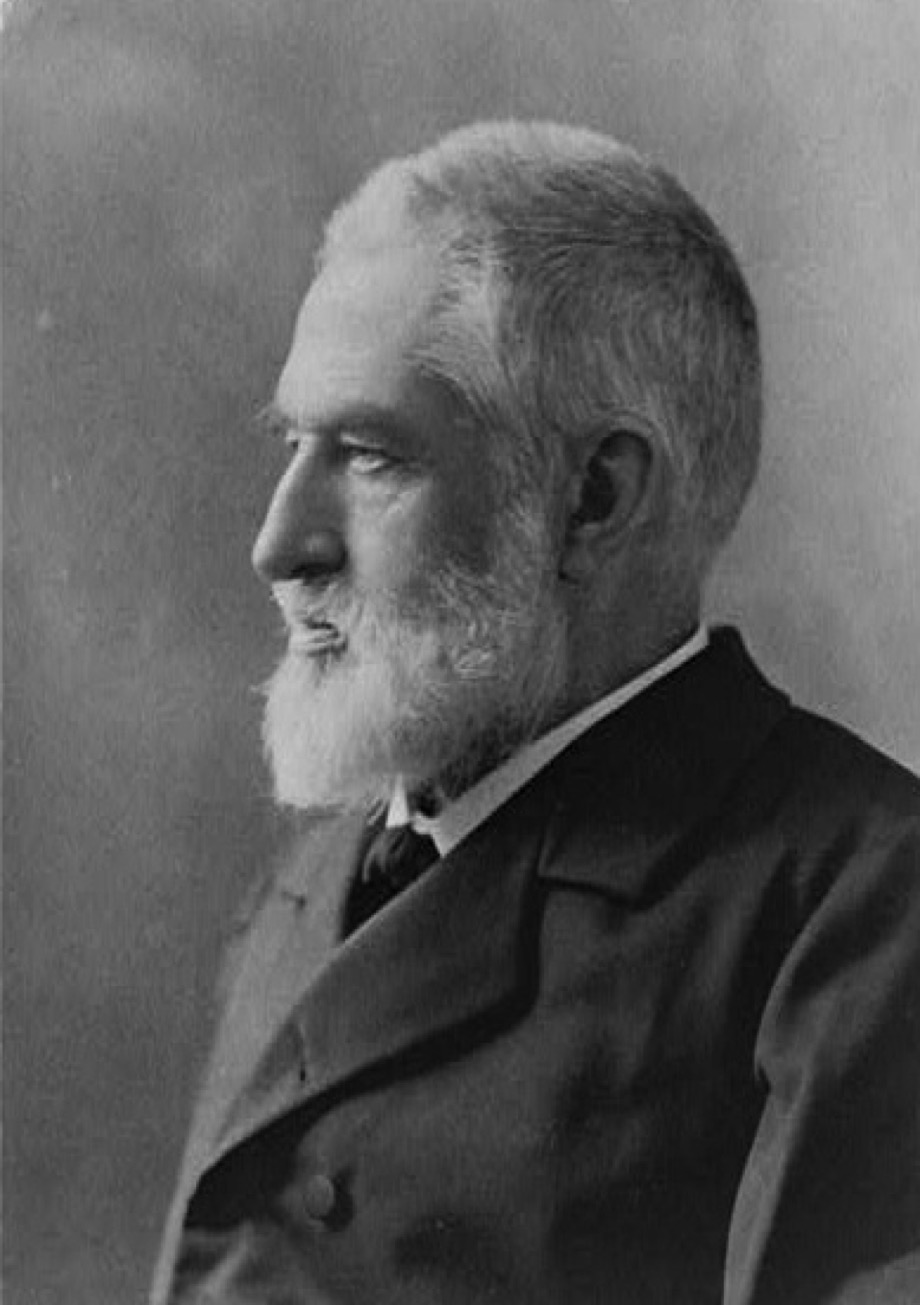
Jedediah Hotchkiss
obscureThe mapmaker whose meticulous surveys turned Virginia's terrain into Jackson's secret weapon
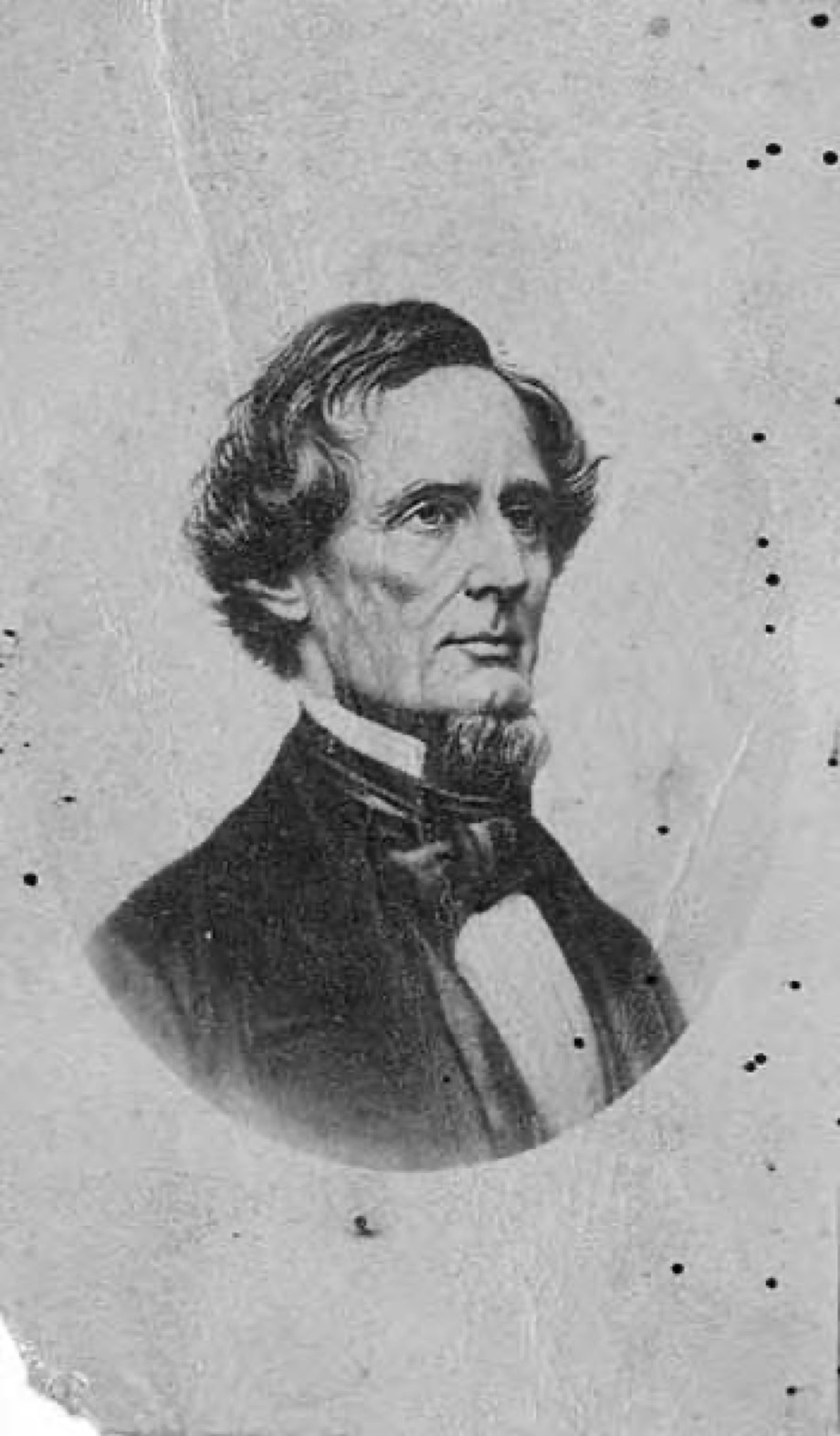
Jefferson Davis
renownThe reluctant, rule-bound president who tried to run a revolution by the book
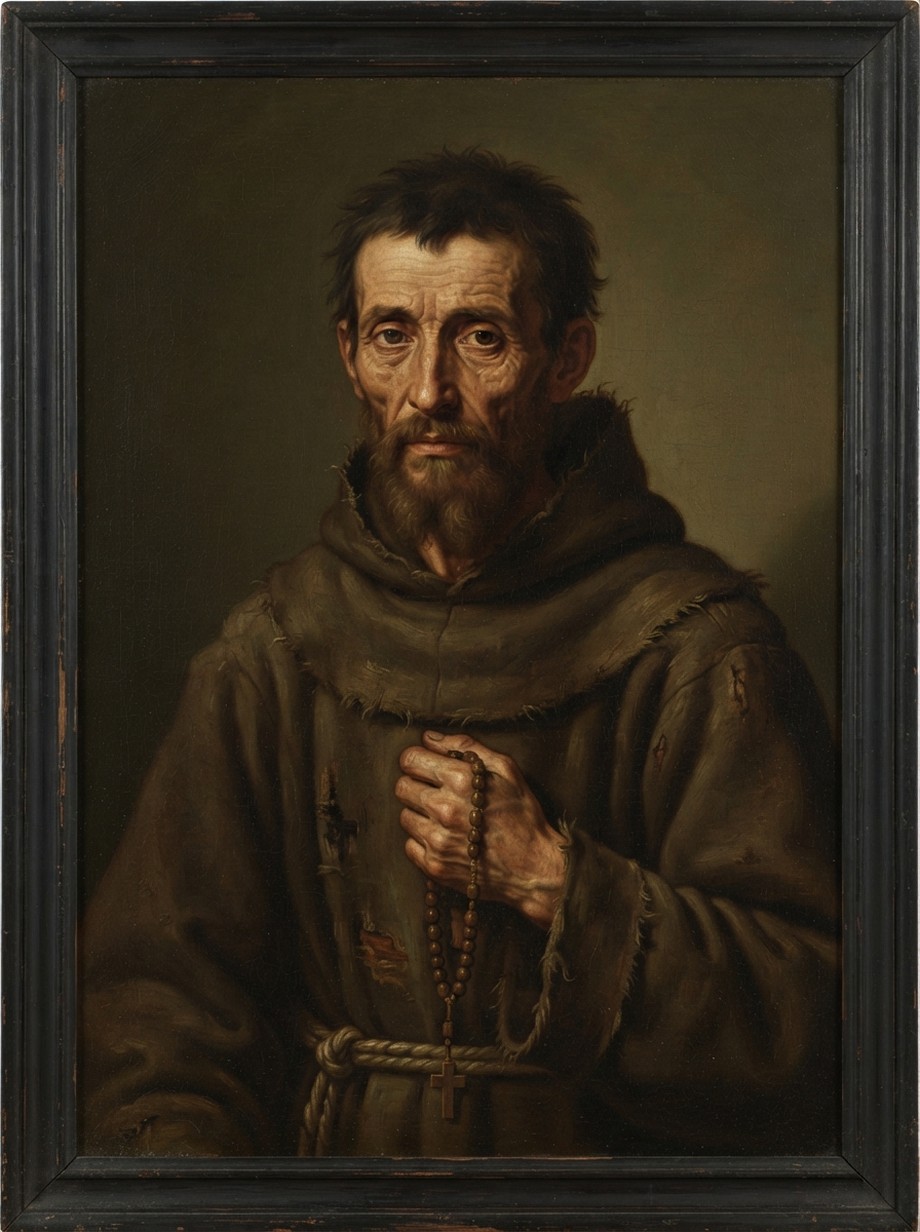
Jerónimo de Aguilar
obscureThe shipwrecked friar who kept his faith through eight years of captivity and became Cortés's translator.
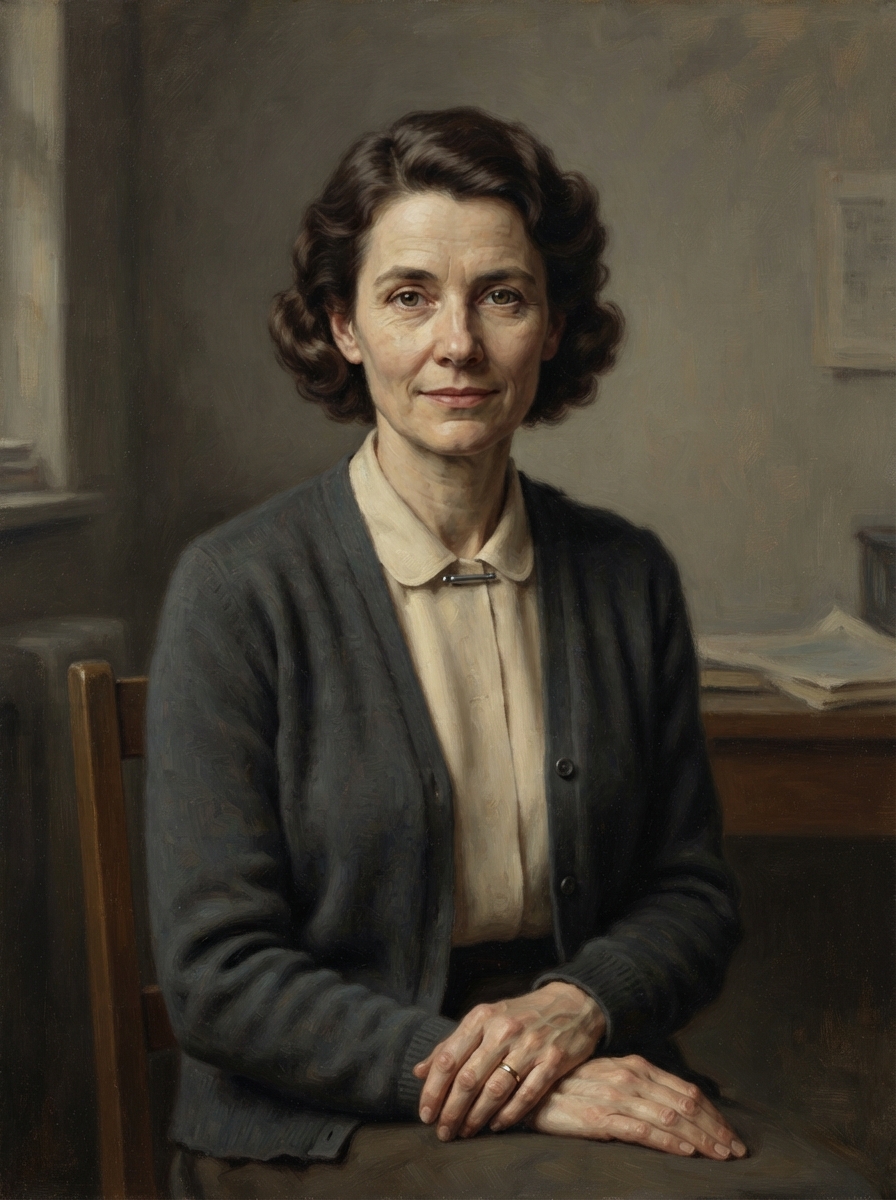
Joan Clarke
notableThe Bletchley cryptanalyst whose technical excellence won her a rare wartime promotion on merit.
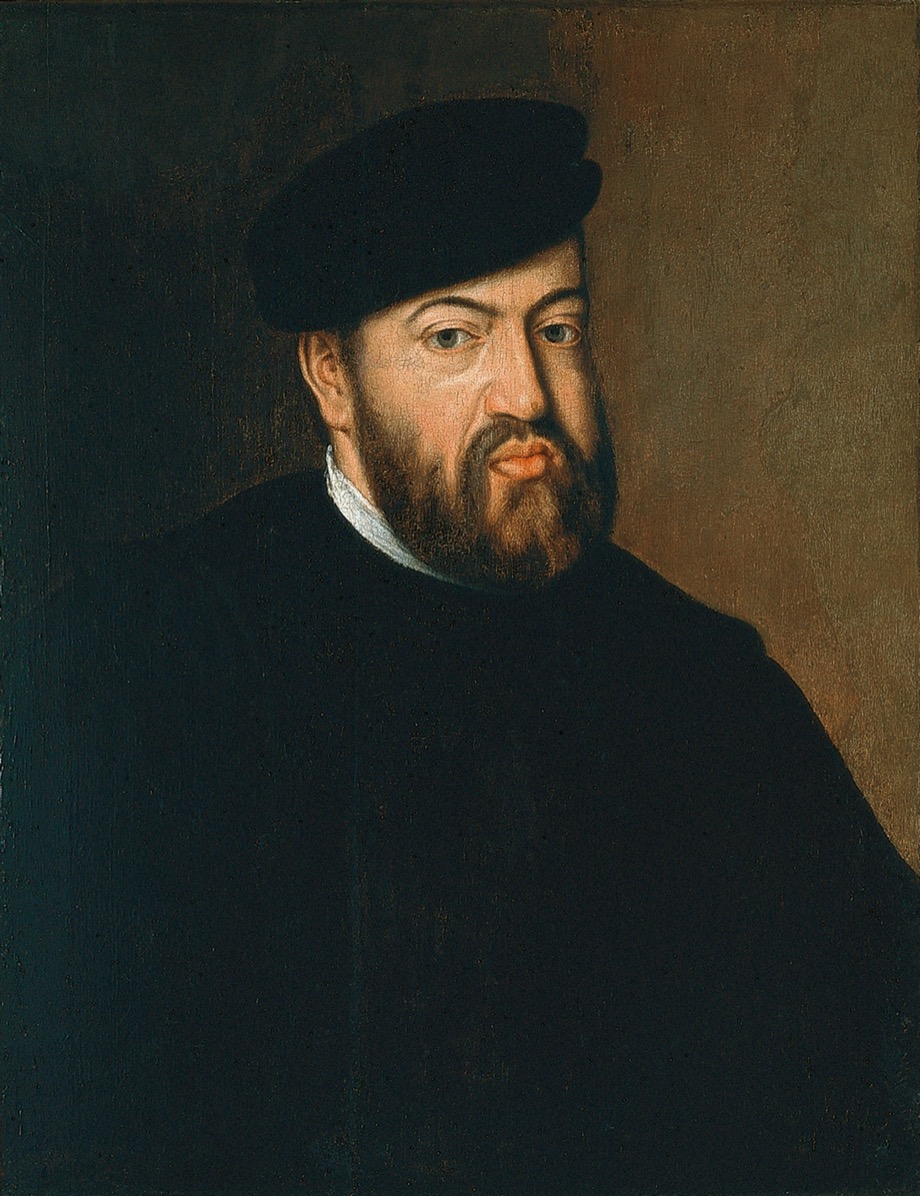
João III of Portugal
notableThe ledger king who audited an empire, colonised Brazil, and let the Inquisition into Portugal.
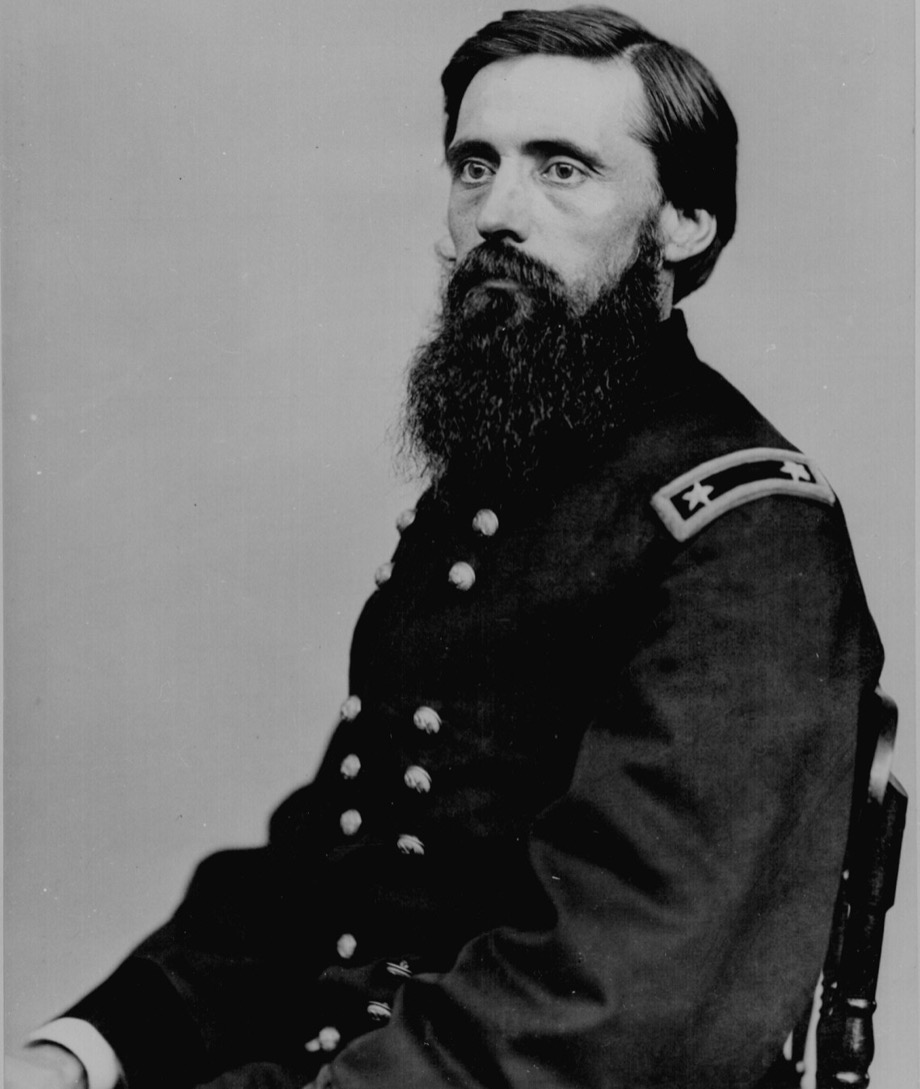
John A. Rawlins
obscureGrant's closest friend and chief of staff — the one man willing to confront his drinking
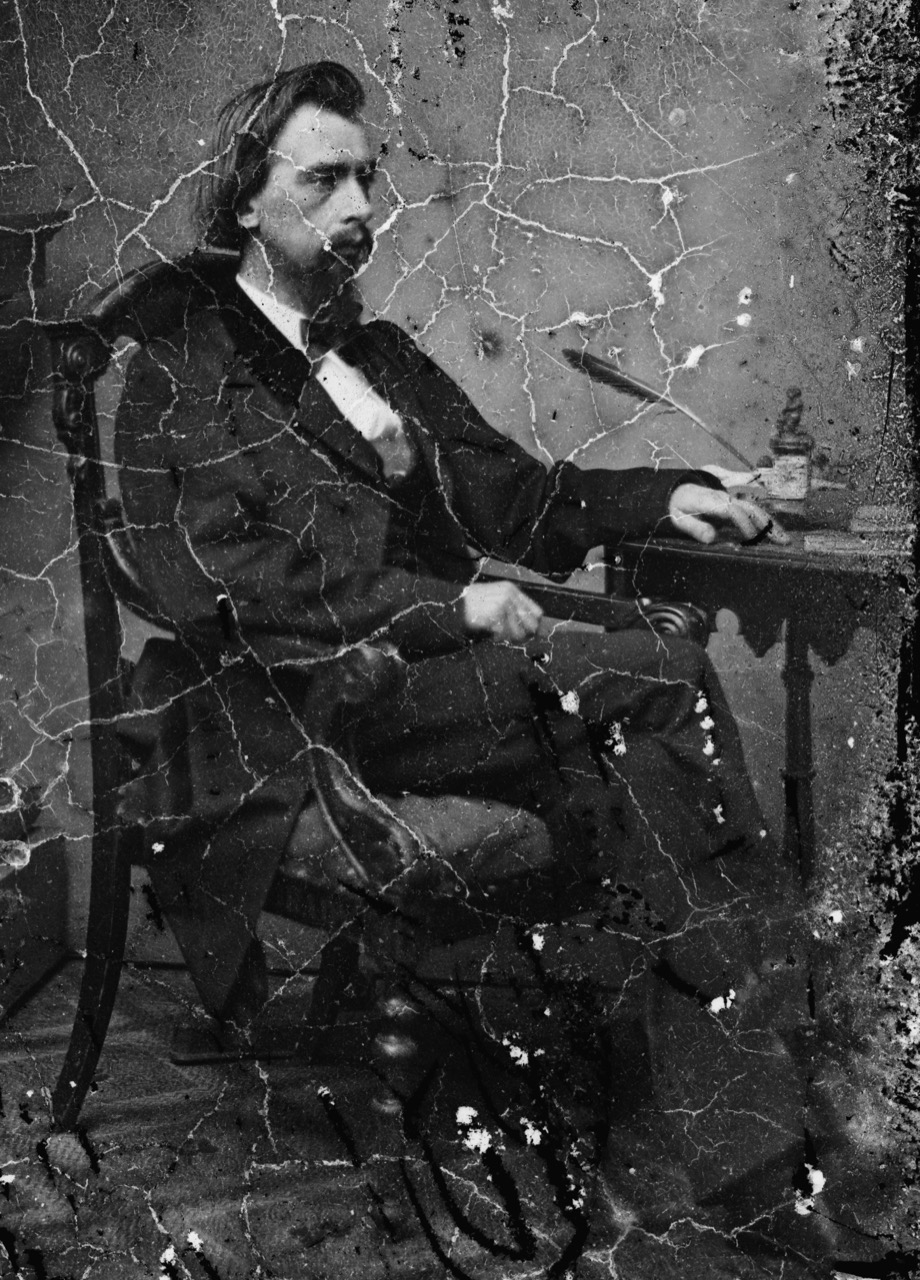
John G. Nicolay
obscureLincoln's senior secretary and gatekeeper, who spent decades afterward guarding his archive
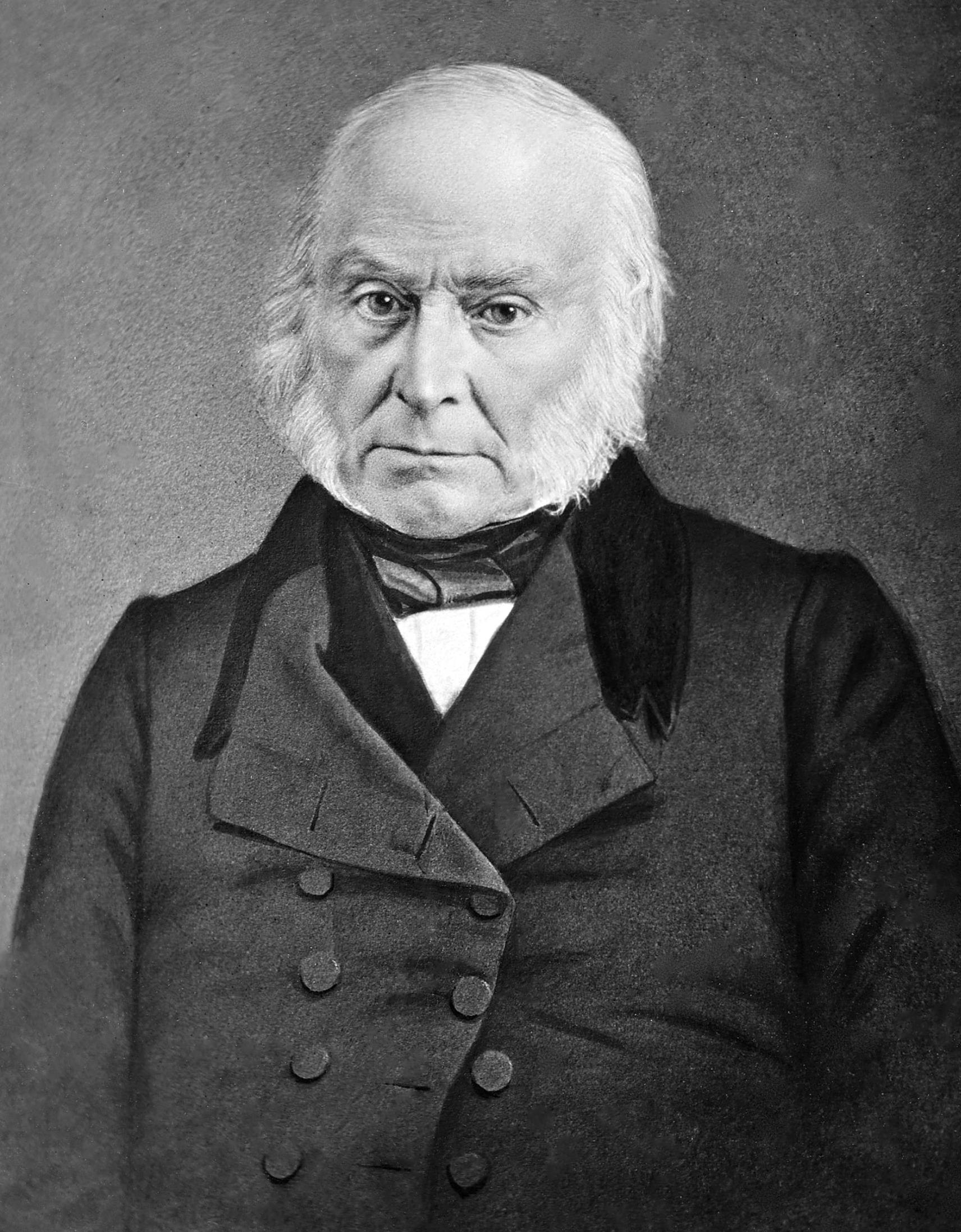
John Quincy Adams
renownSon of a president, president himself, then a congressman who fought slavery for the rest of his life.
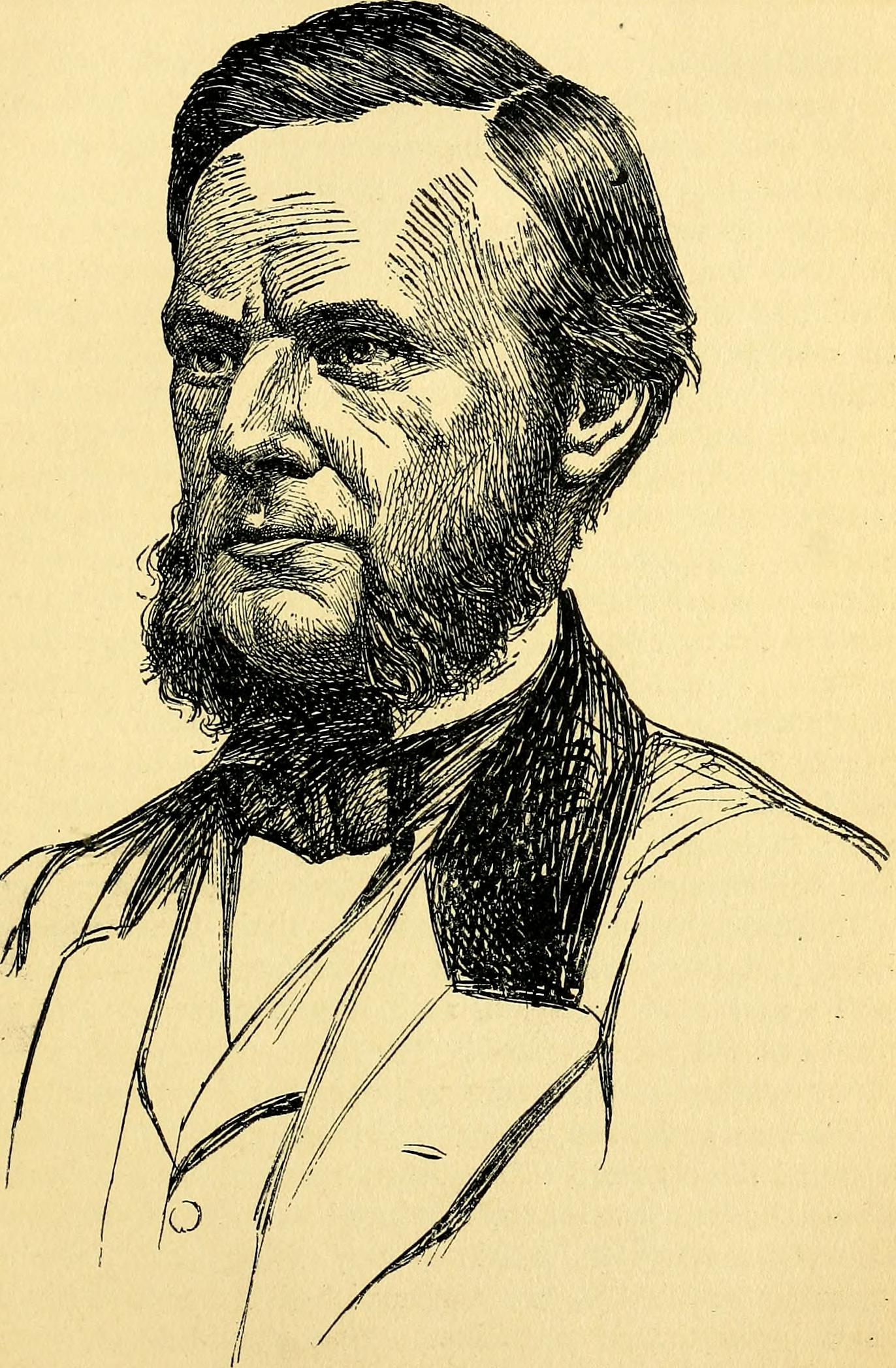
John Sherman
notableThe senator brother who financed the Union's war machine
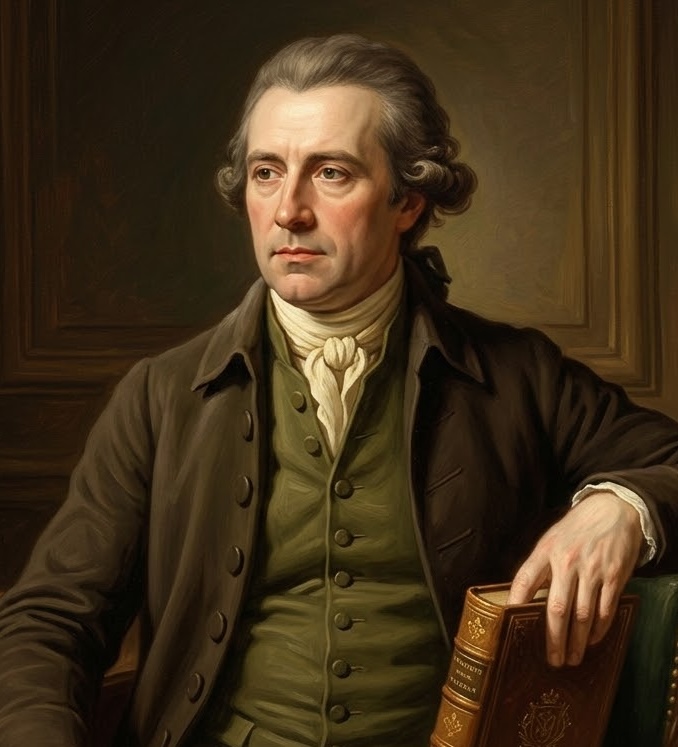
John Thaxter
John Adams's private secretary — who took young John Quincy to Russia
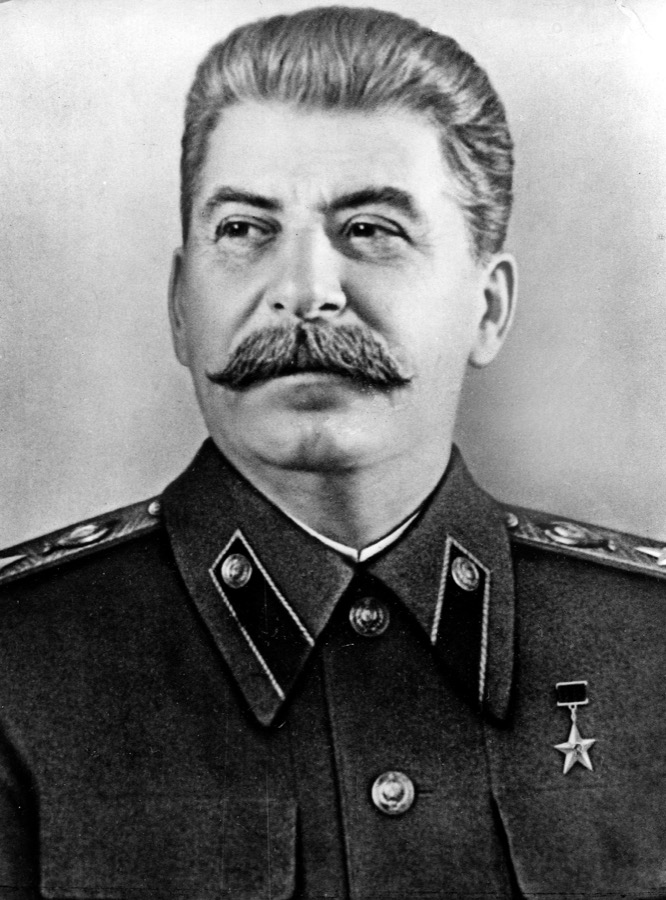
Joseph Stalin
infamousThe bureaucrat who out-administered every rival to become the Soviet Union's absolute dictator.
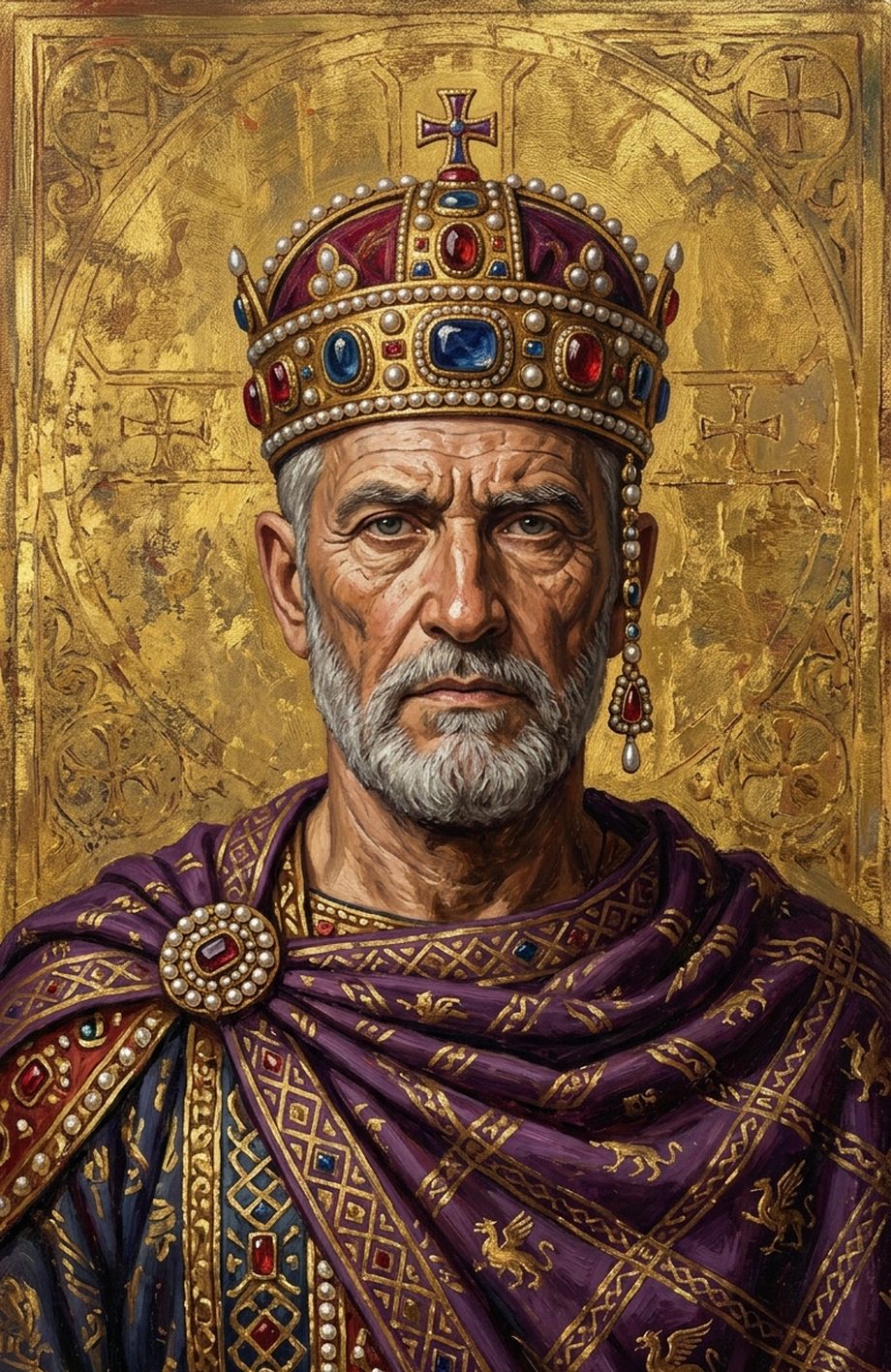
Justin I
notableThe illiterate peasant-soldier who walked to Constantinople with nothing and rose over fifty years to wear the purple — the dutiful ISTJ.
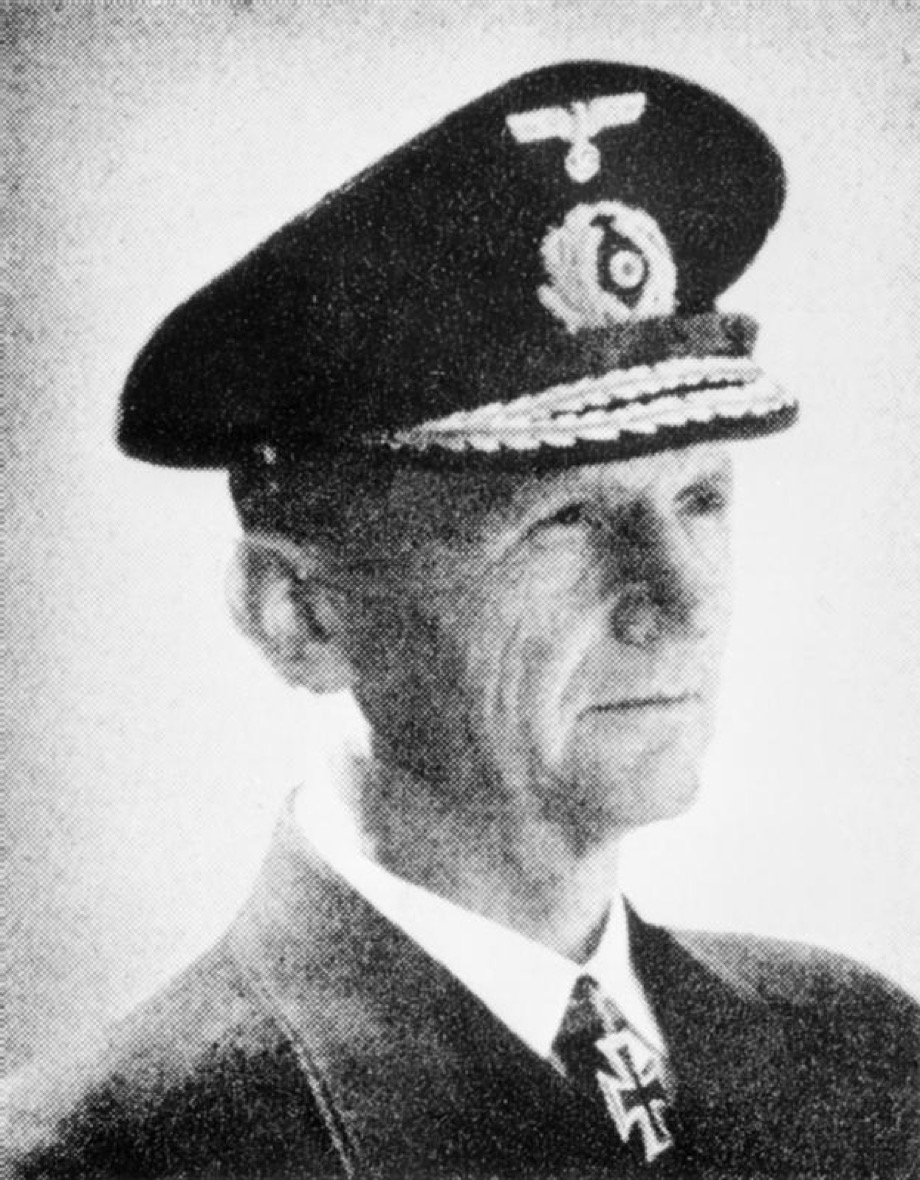
Karl Donitz
notableThe U-boat admiral who inherited the ruins of the Reich for eight days
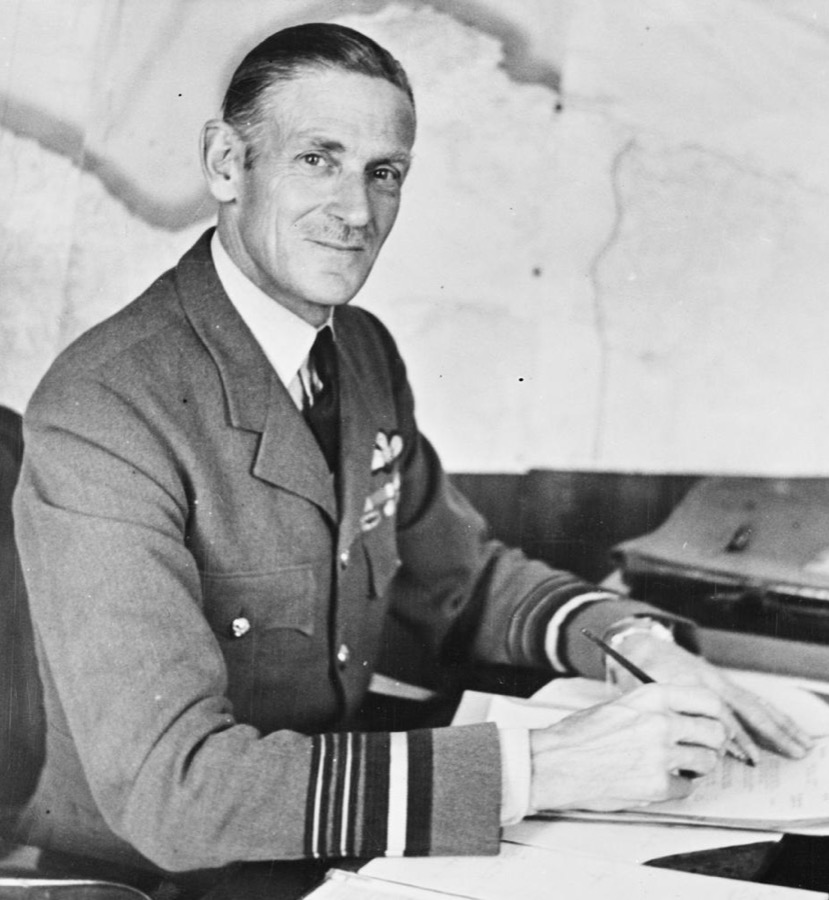
Keith Park
notableThe air commander whose disciplined interception doctrine bore the brunt of the Battle of Britain.
Leonidas of Epirus
The harsh tutor who forged Alexander's early discipline through austerity.
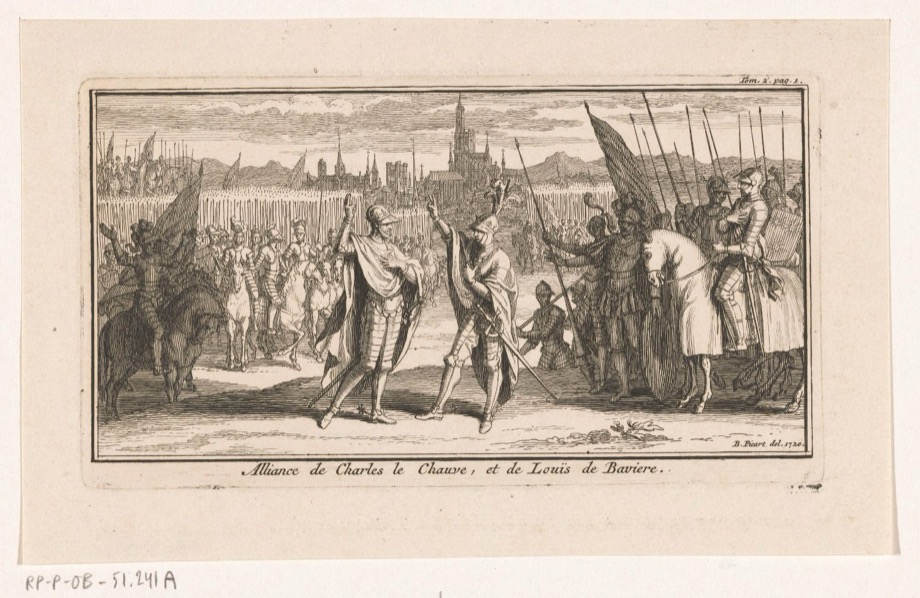
Louis the German
renownLouis the German sustained an eastern Carolingian kingdom through dynastic conflict, formal alliances, and practical consolidation.
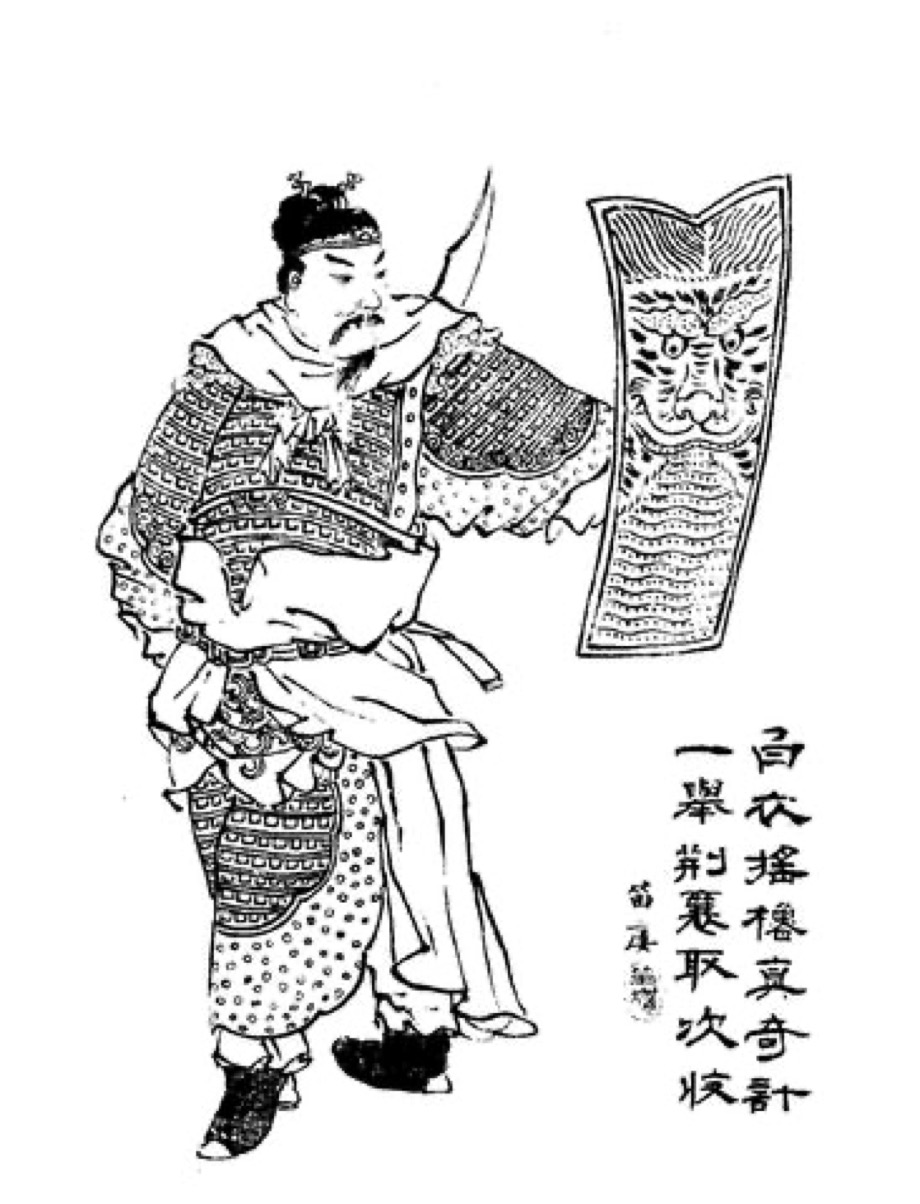
Lu Meng
notableThe illiterate soldier who remade himself and captured Guan Yu's Jing Province
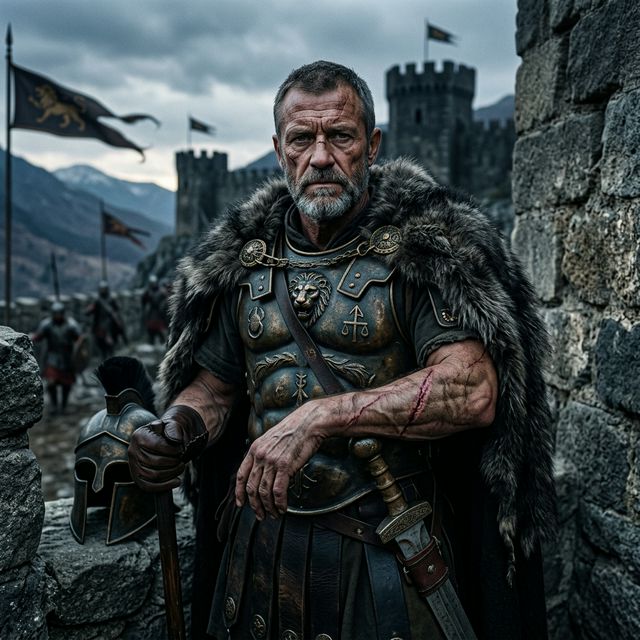
Lysimachus
notableThe harsh king of Thrace and guardian of the straits.
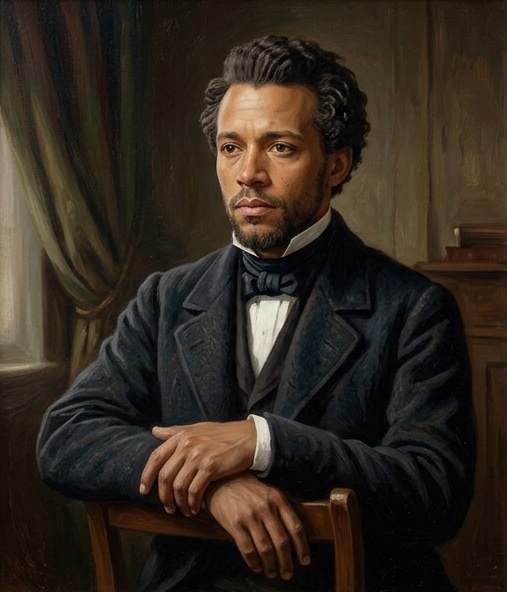
Madison Hemings
notableThomas Jefferson's son — who publicly told the truth about it
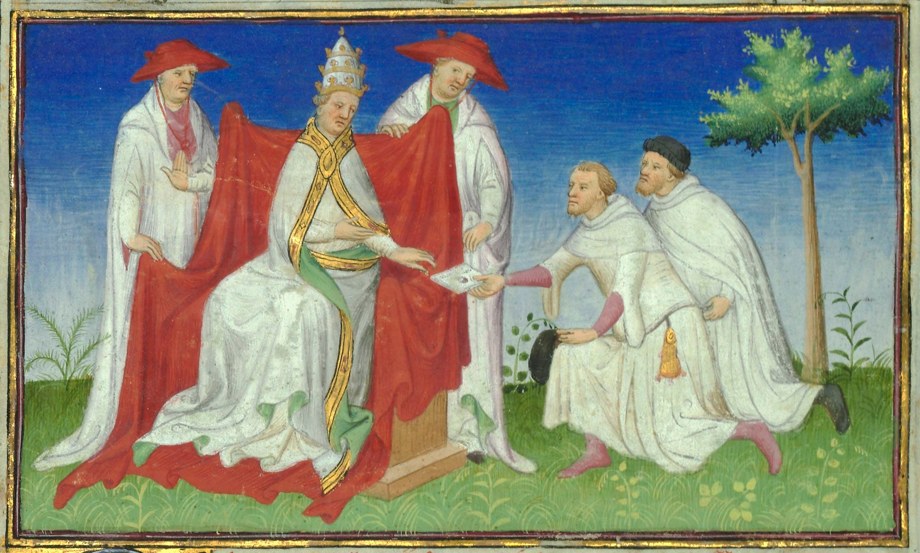
Maffeo Polo
notableThe steady uncle who anchored the Polos' journeys — the dependable ISTJ partner behind the famous adventure.
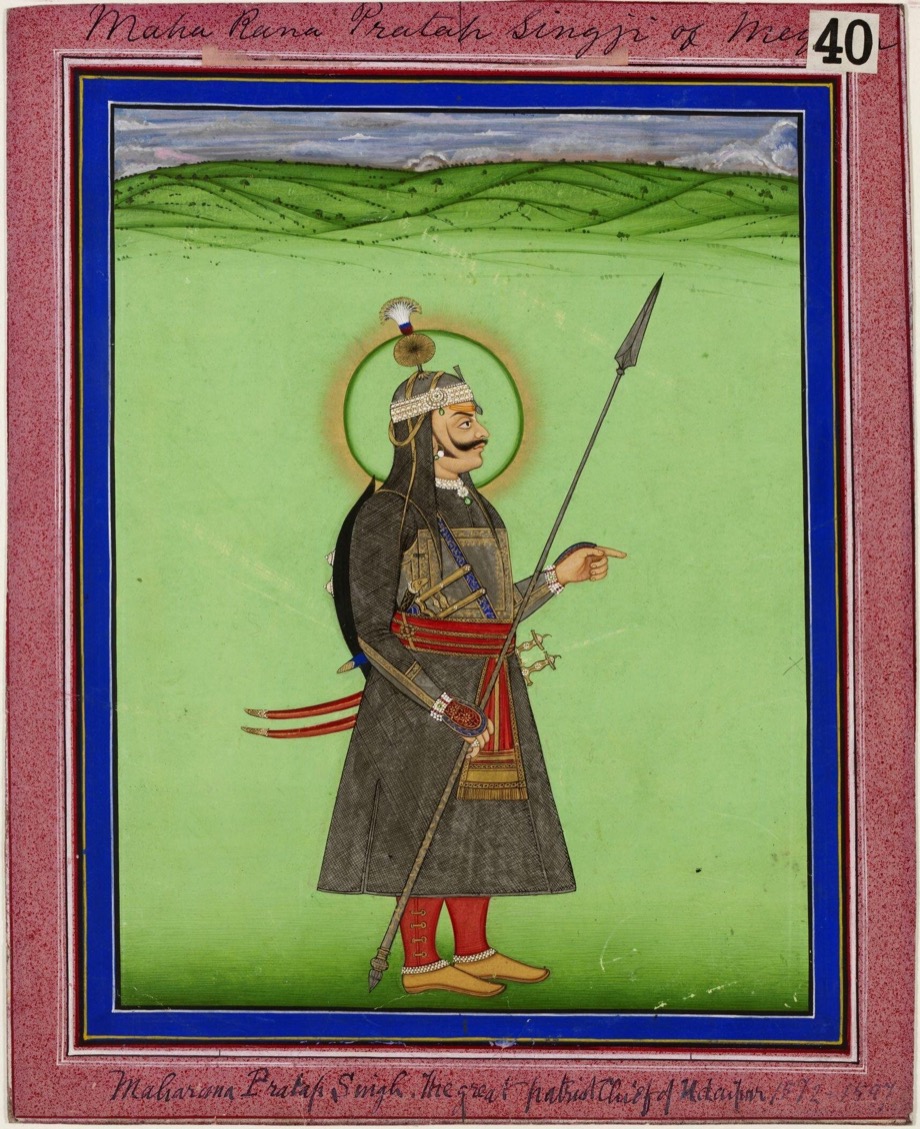
Maharana Pratap
renownMewar’s ruler sustained an inherited claim to sovereignty through defeat and prolonged resistance to Akbar.
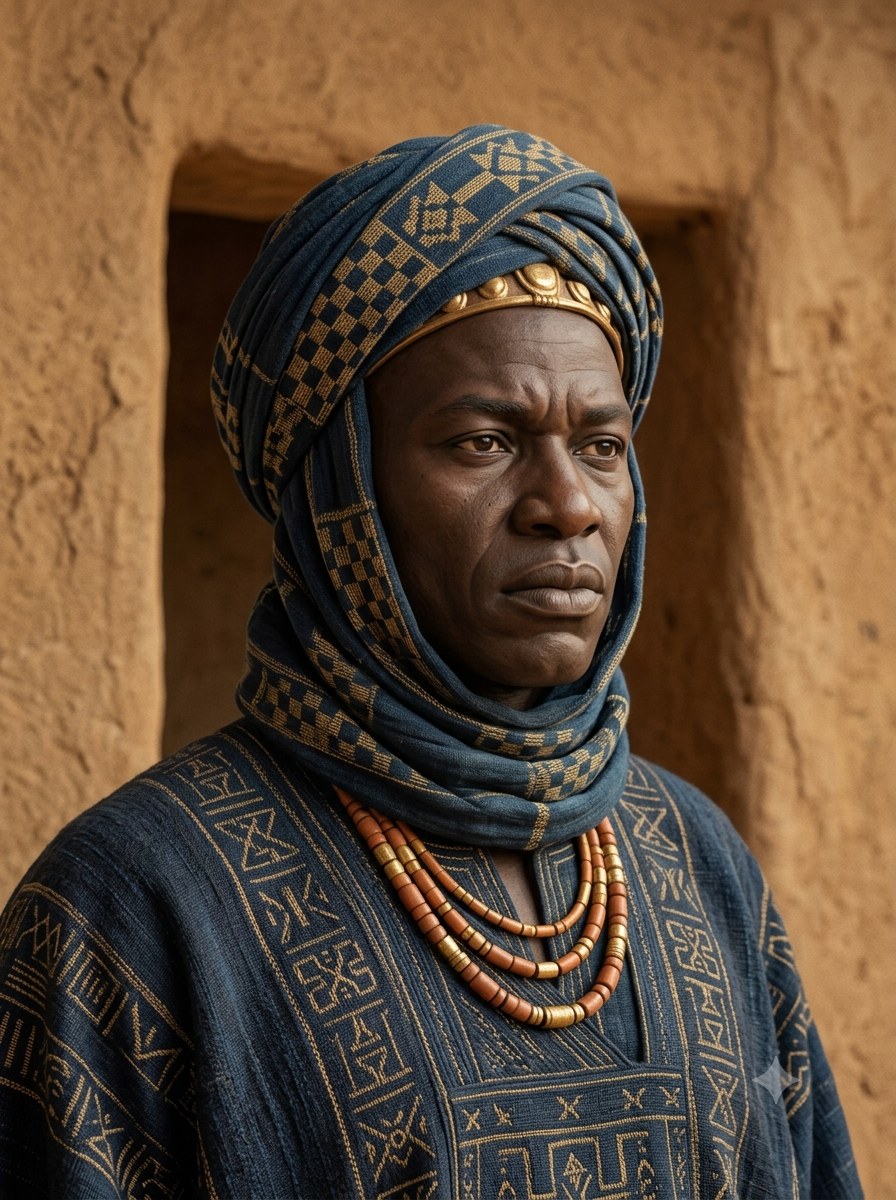
Mansa Suleyman
notableMusa's frugal brother who kept Mali safe and just — the ISTJ steward Ibn Battuta found orderly but stingy.
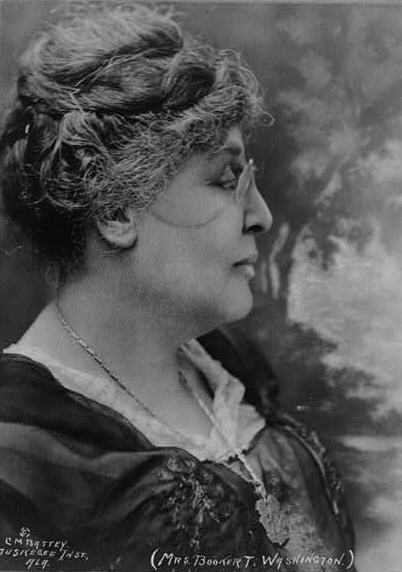
Margaret Murray Washington
notableBooker T. Washington’s third wife — who ran Tuskegee’s women’s programs
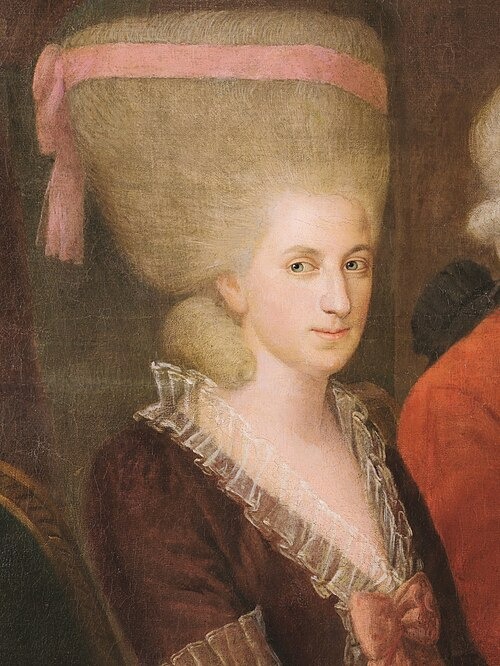
Maria Anna Mozart (Nannerl)
notableMozart's older sister — also a prodigy, but forbidden from touring once she came of age
Mariamne Ewell Craik
George Washington's personal doctor's wife
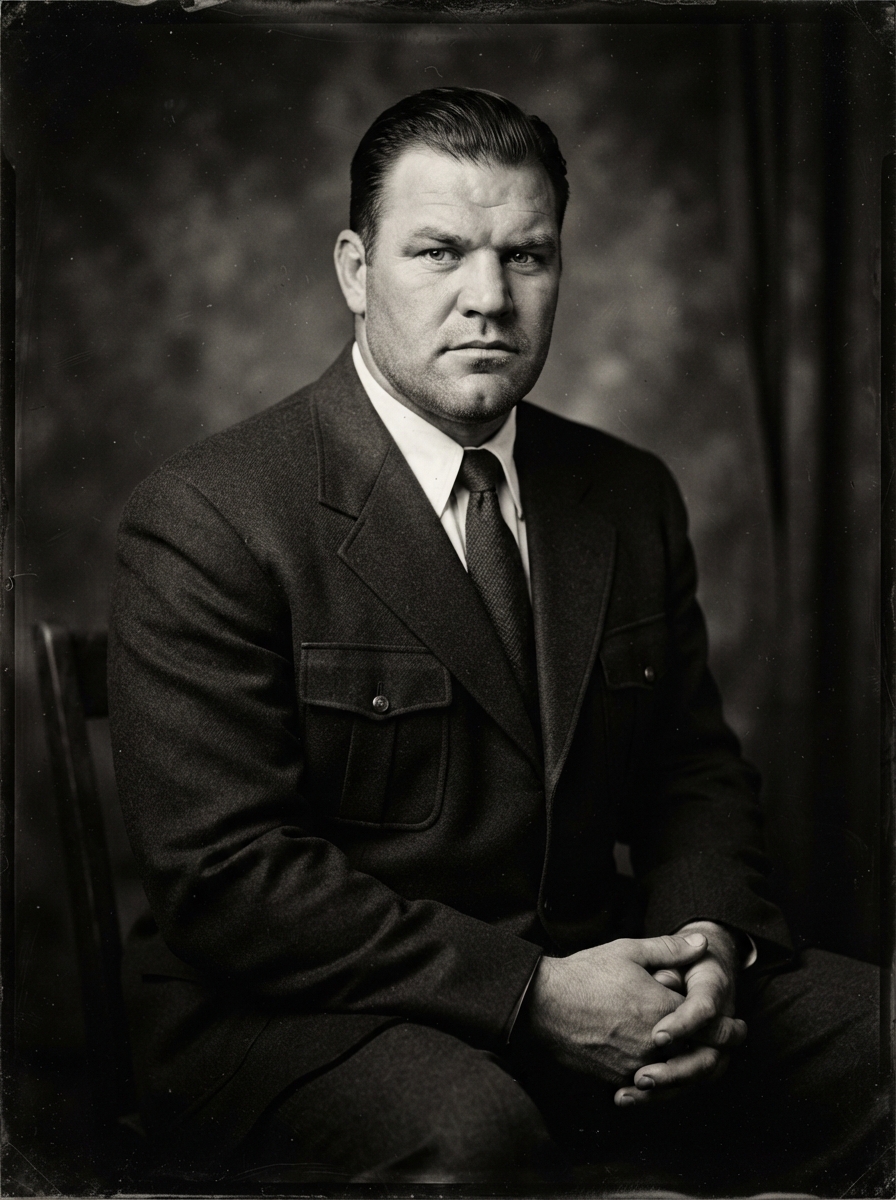
Martin Bormann
infamousThe secretary who controlled access to Hitler and vanished at the war's end
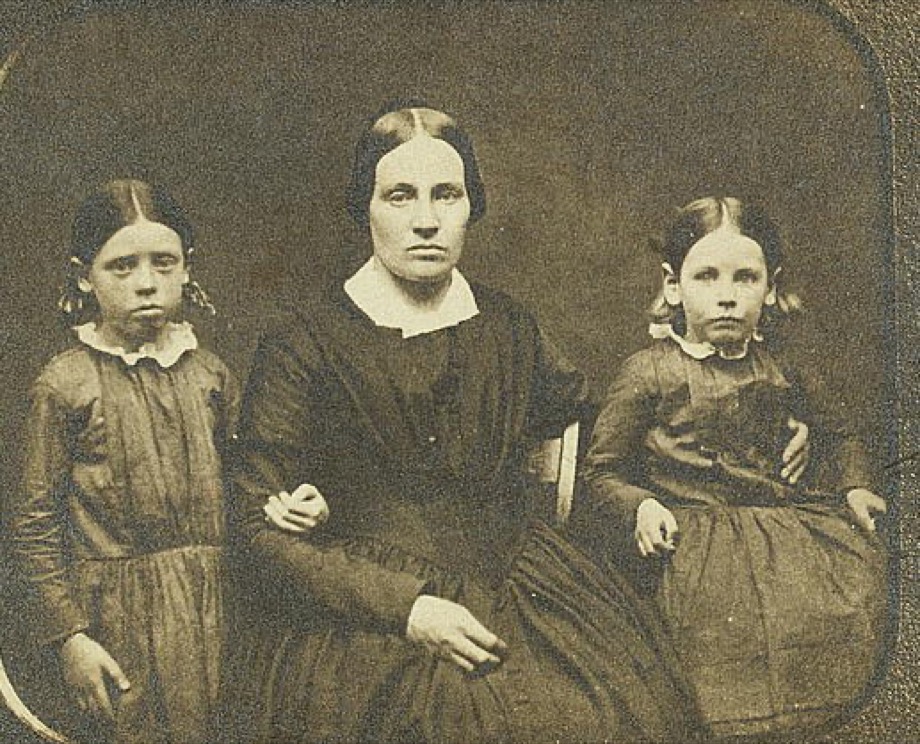
Mary Ann Day Brown
obscureJohn Brown's wife, who raised thirteen children and buried the ones the raid and the cause did not spare
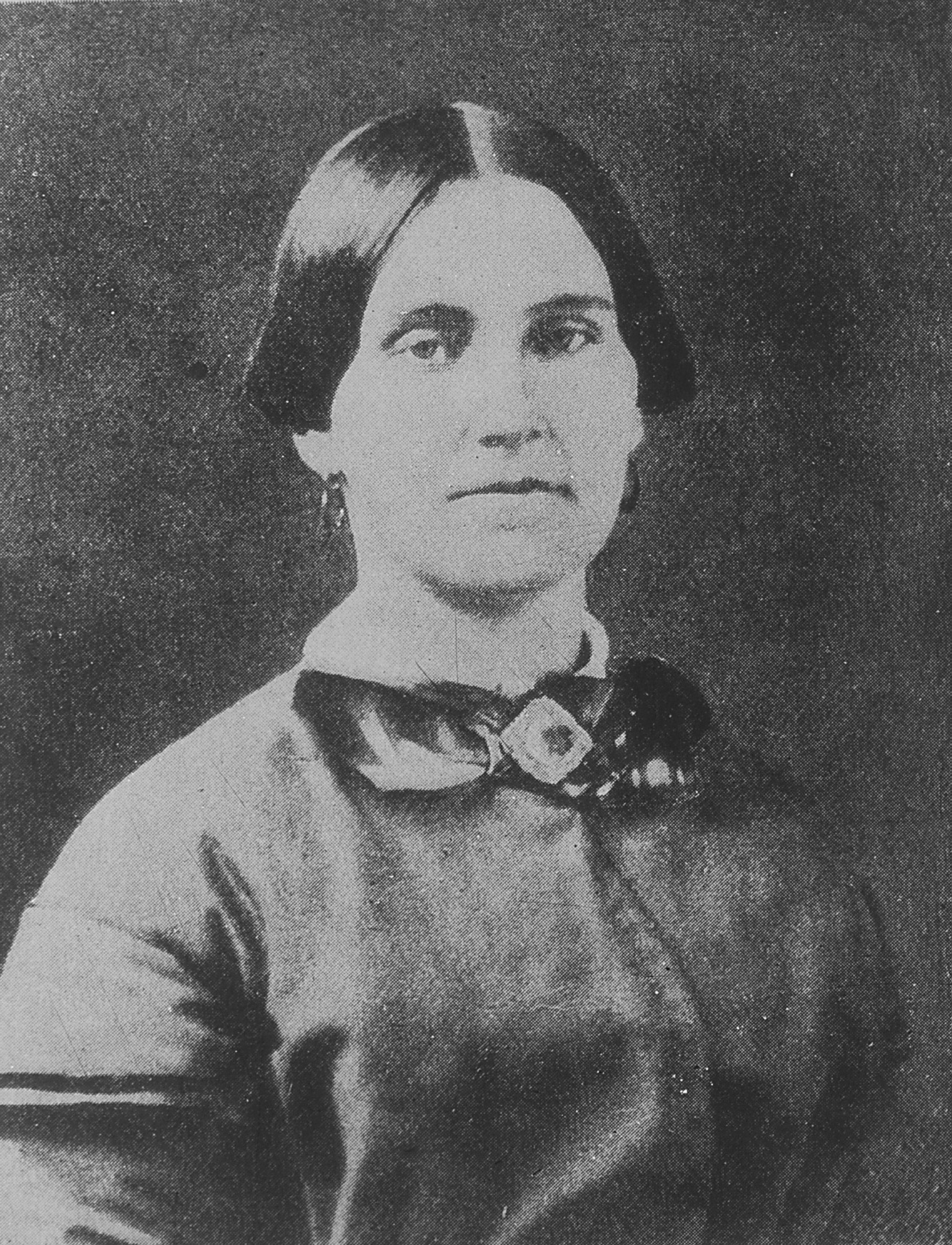
Mary Surratt
notableThe boardinghouse keeper hanged for a conspiracy she may not have known
Megasthenes
obscureThe Greek envoy whose account of Chandragupta's court is history's fullest window on ancient India.
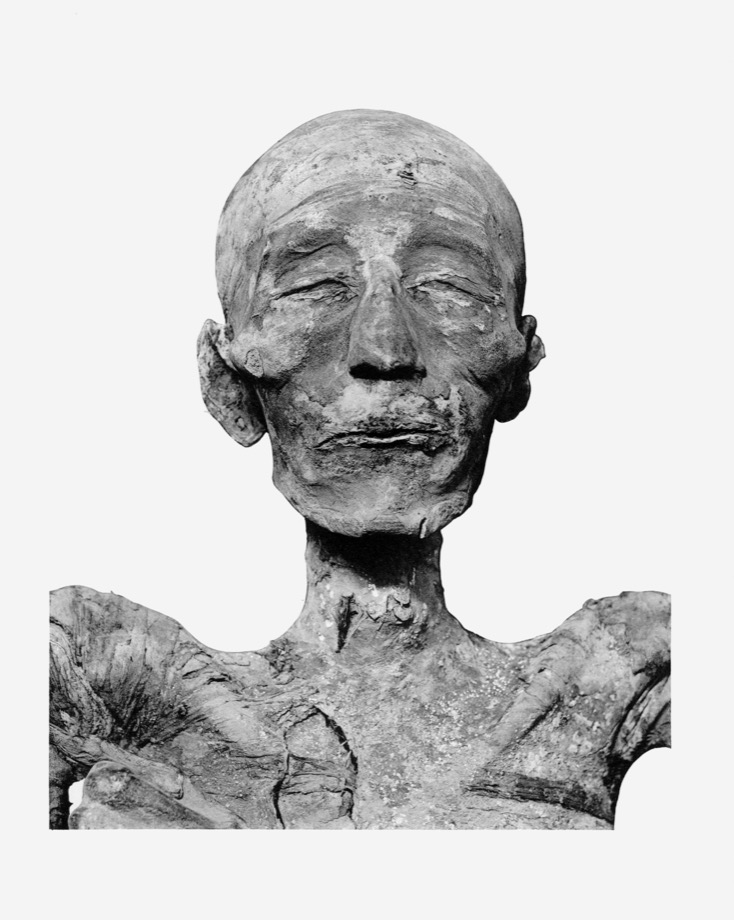
Merneptah
notableAn elderly heir who beat back the Sea Peoples and left the earliest record of Israel.
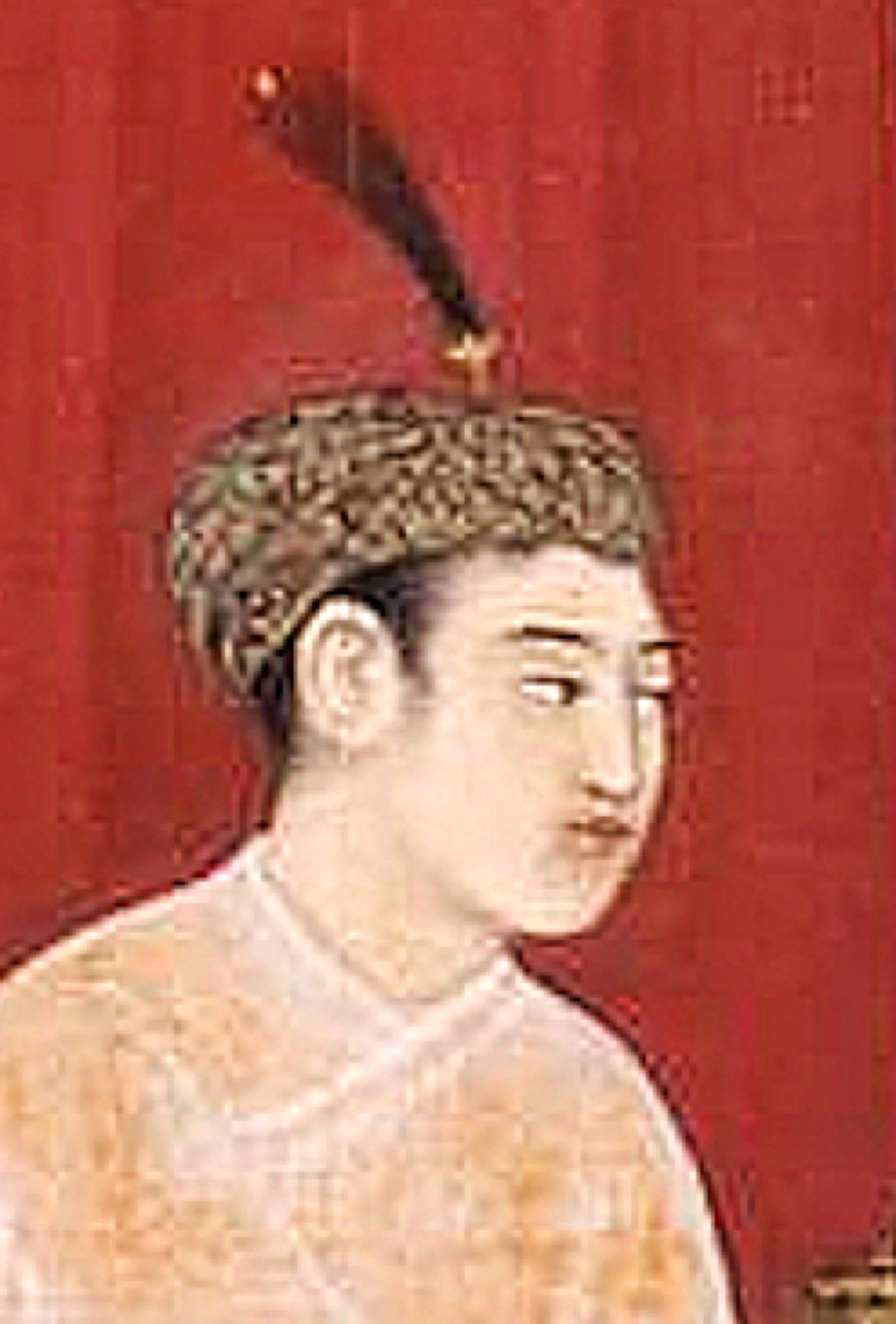
Mirza Aziz Koka
notableMirza Aziz Koka carried the claims of foster kinship, inherited conviction, and imperial service through the reigns of Akbar and Jahangir.
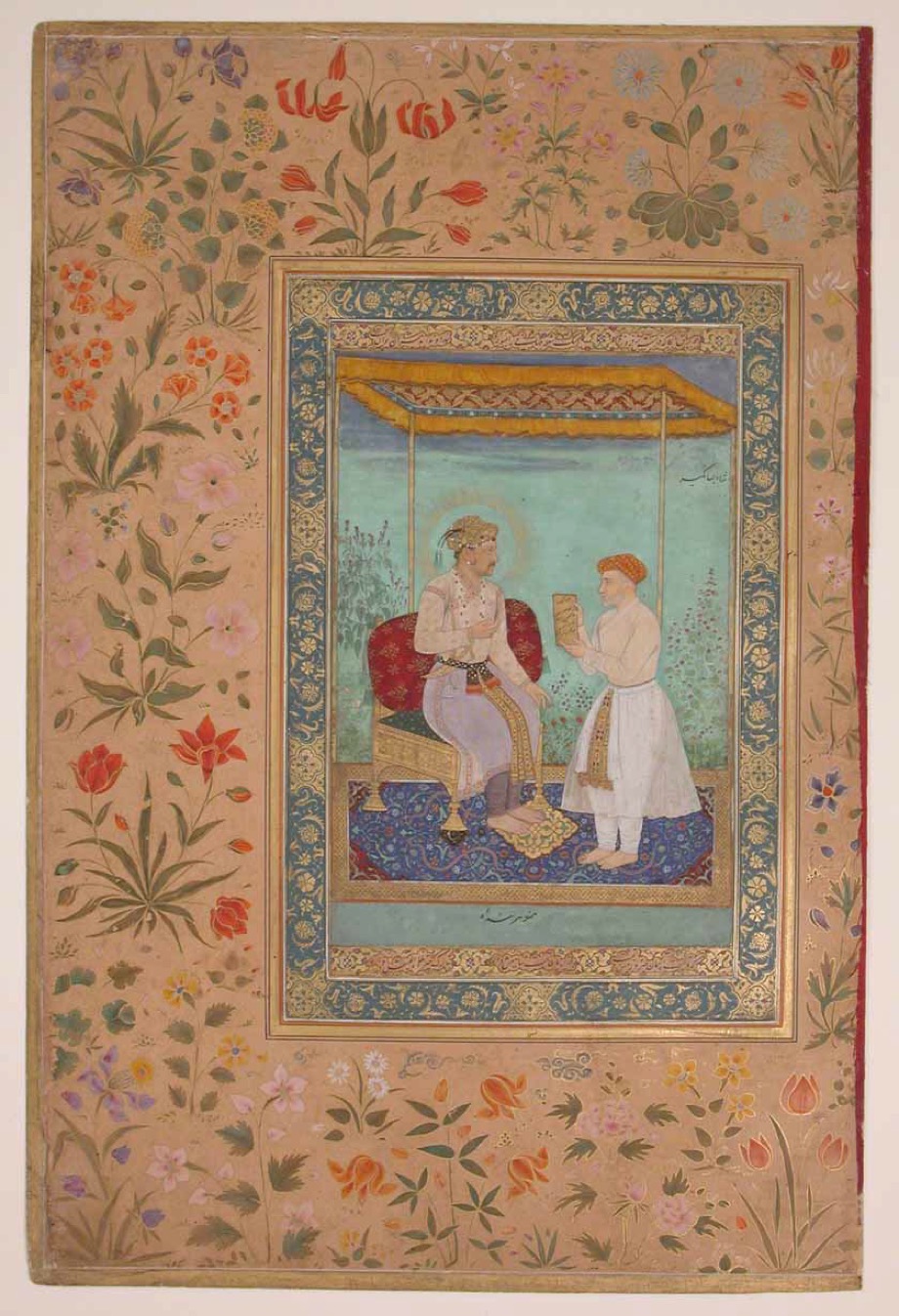
Mirza Ghiyas Beg
notableThe Persian migrant and Mughal administrator whose long service preceded his daughter Nur Jahan’s ascent to imperial power.
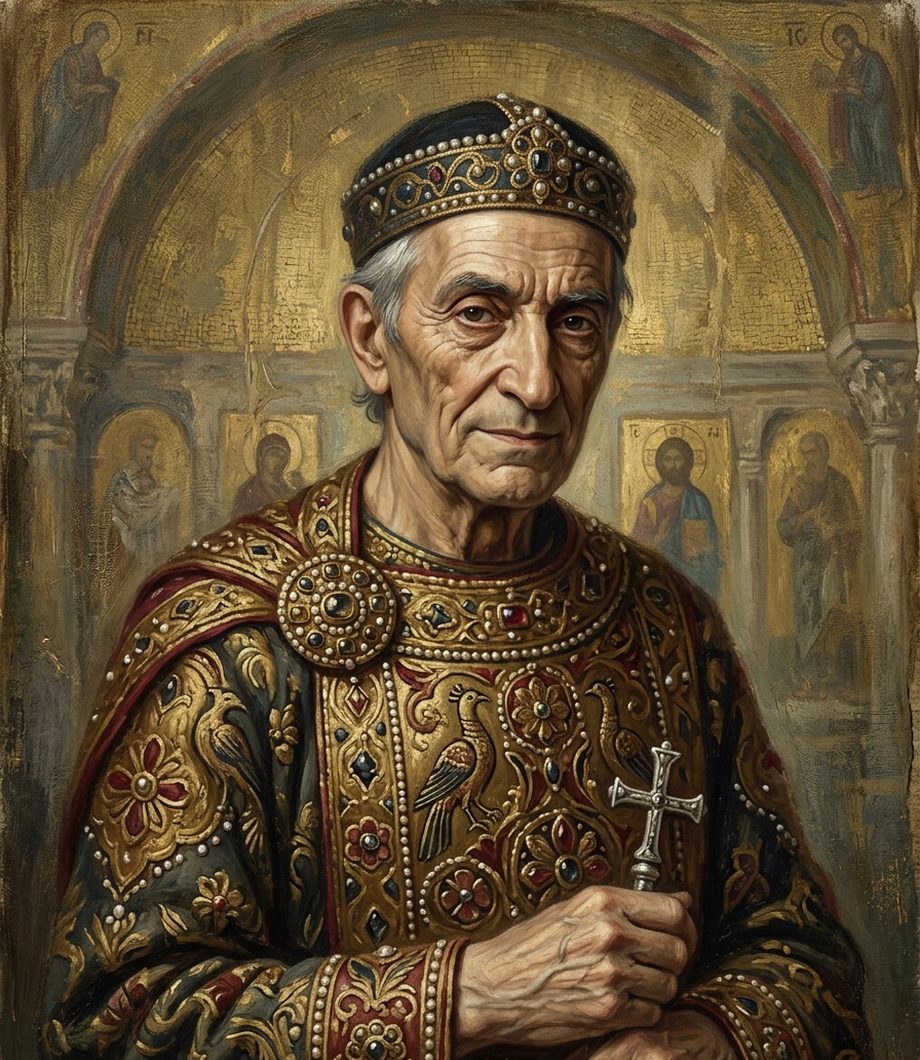
Narses
renownThe eunuch chamberlain who, at seventy-five, took an army to Italy and finished the war Belisarius began — the patient, methodical ISTJ.
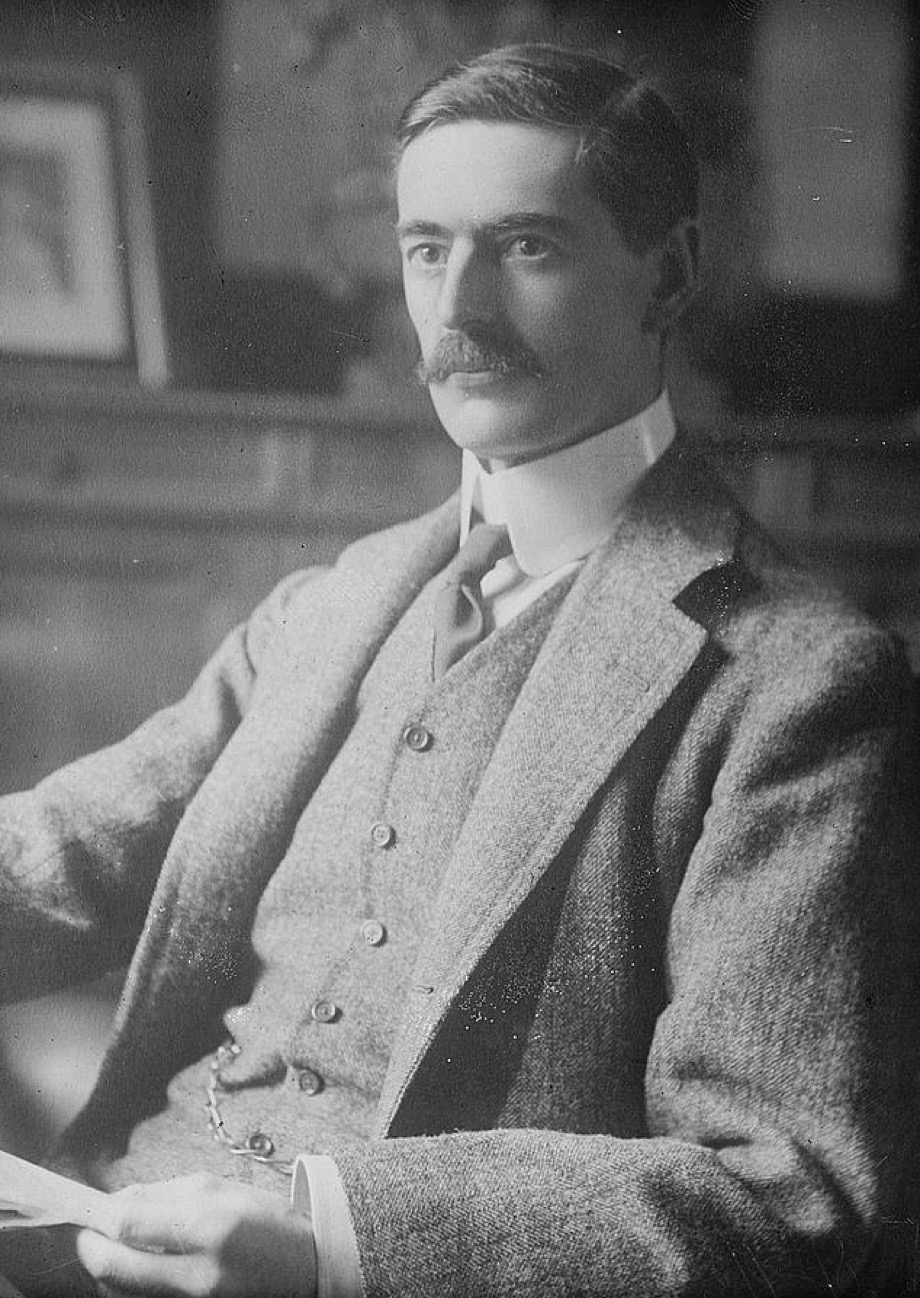
Neville Chamberlain
renownThe prime minister who signed the Munich Agreement believing he had bought Europe's peace.
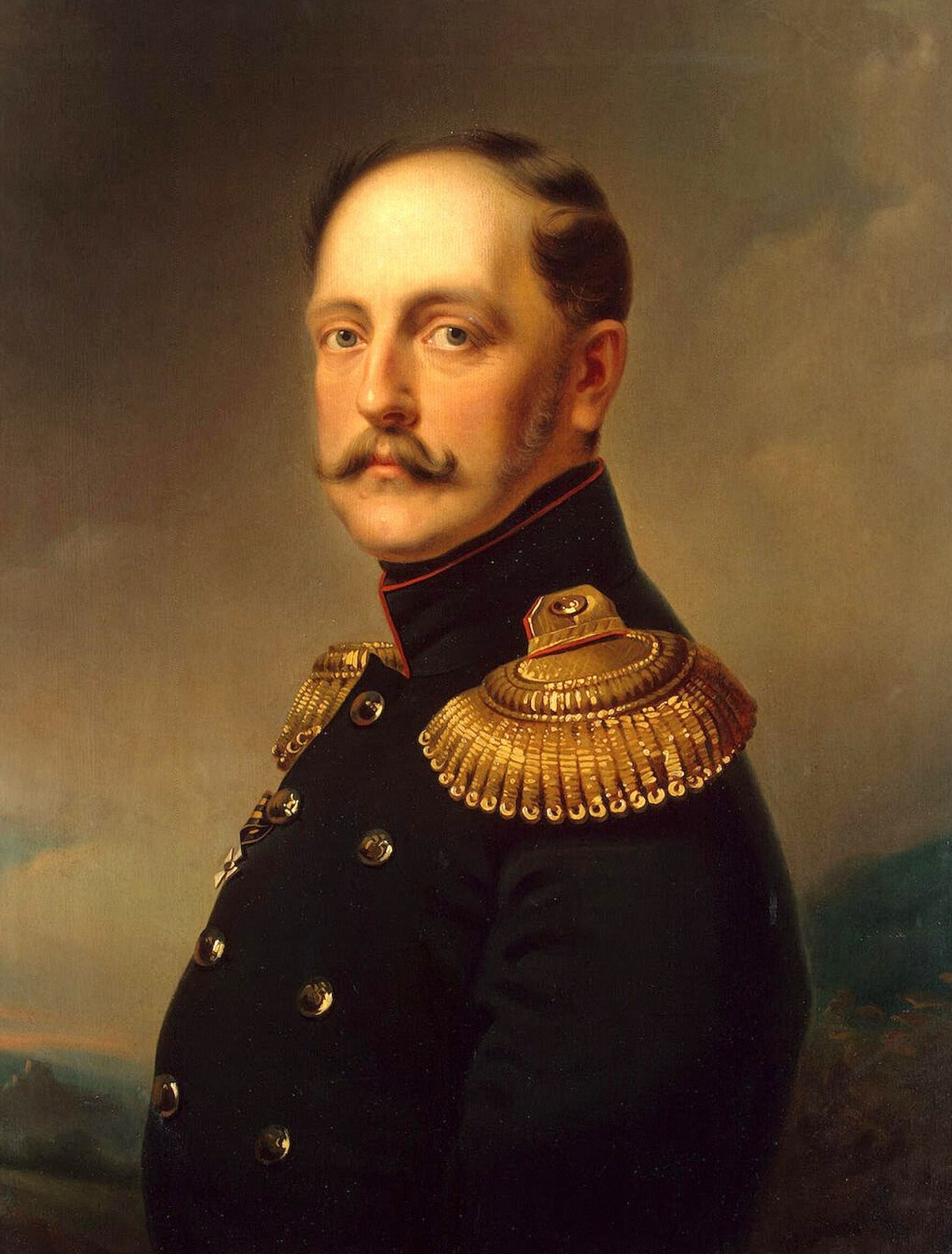
Nicholas I
notableThe ISTJ tsar who crushed the Decembrists on day one and ruled by order, duty, and rigid autocracy until Crimea broke him.
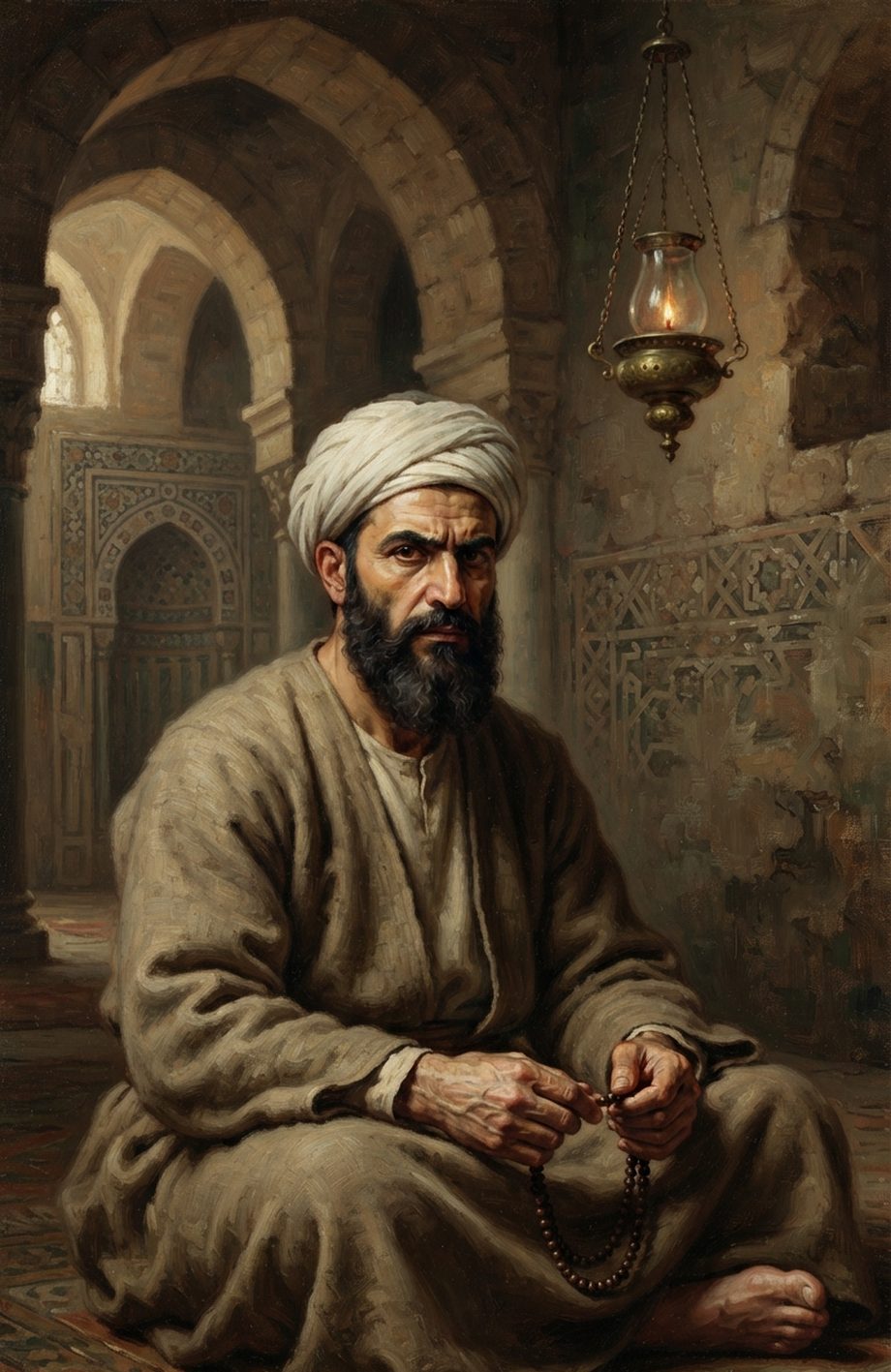
Nur ad-Din
notableThe austere, pious warlord who unified Muslim Syria and forged the jihad Saladin inherited — the disciplined ISTJ.
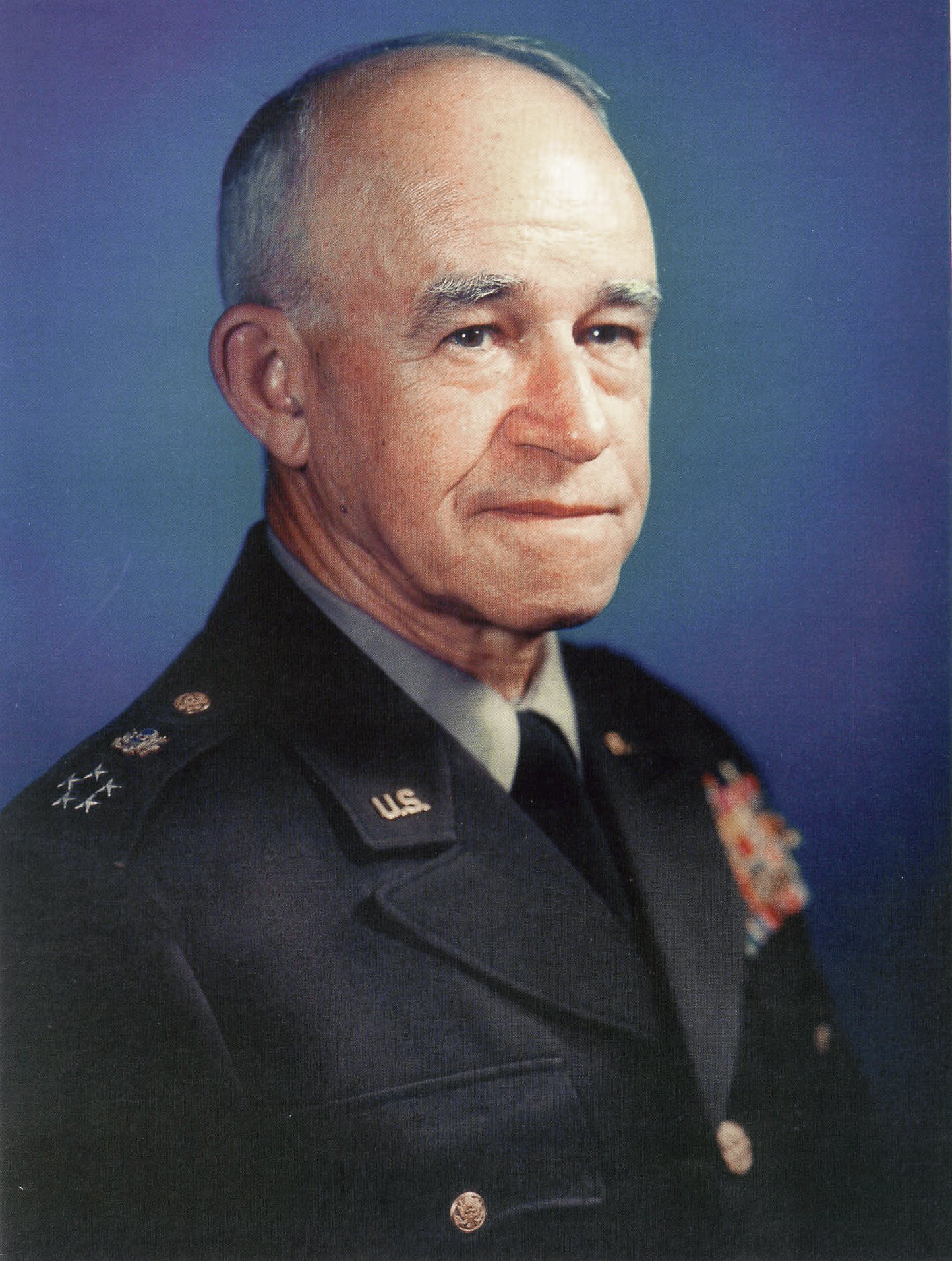
Omar Bradley
renownThe soldier's general — quiet competence commanding the largest American field army in history
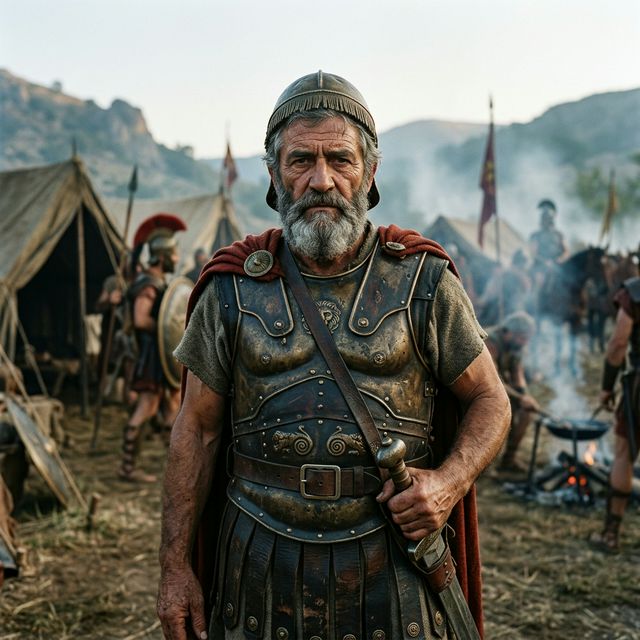
Parmenion
notableThe veteran general and the steady hand of the Macedonian machine.
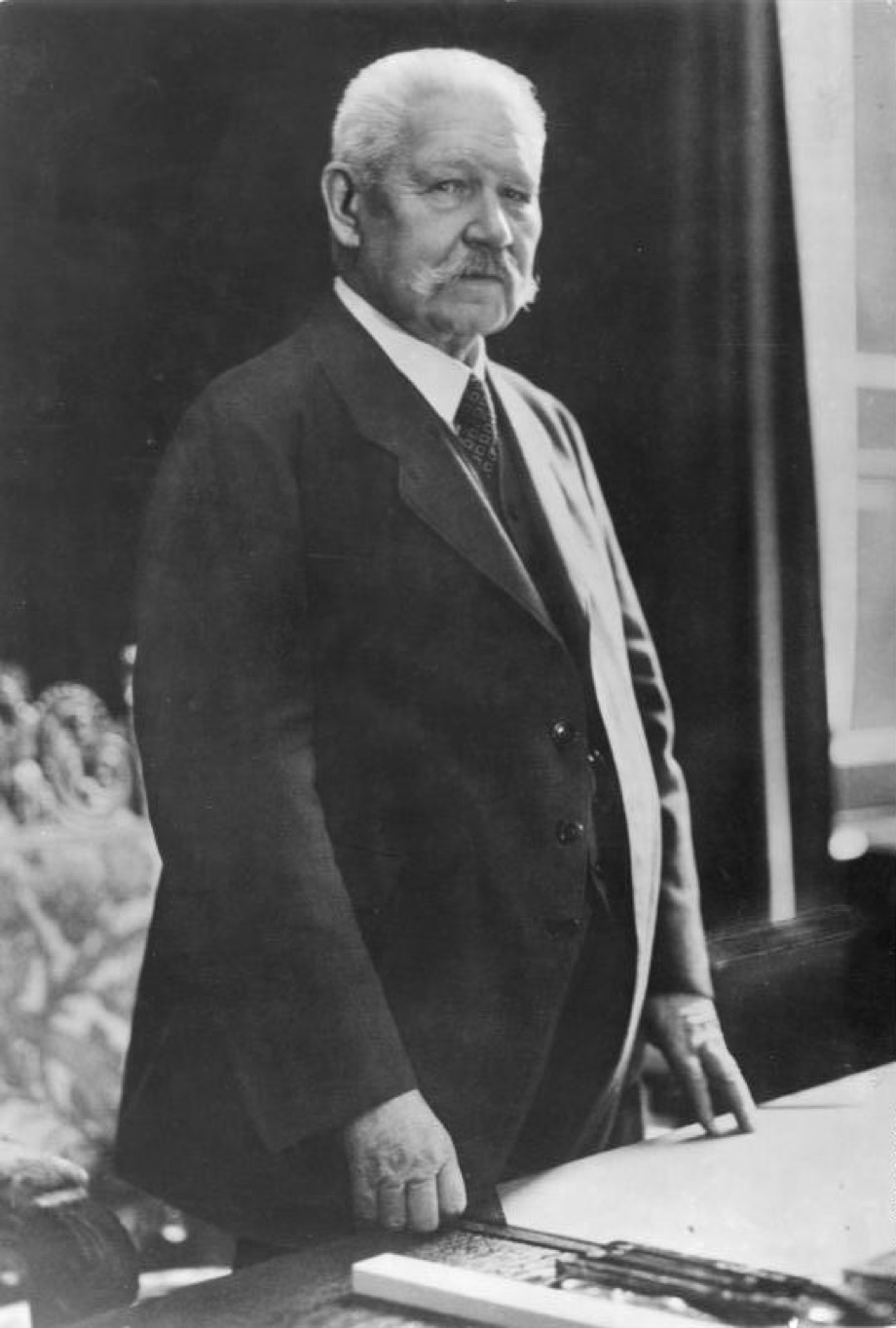
Paul von Hindenburg
renownThe aging field marshal who despised Hitler personally and appointed him chancellor anyway.
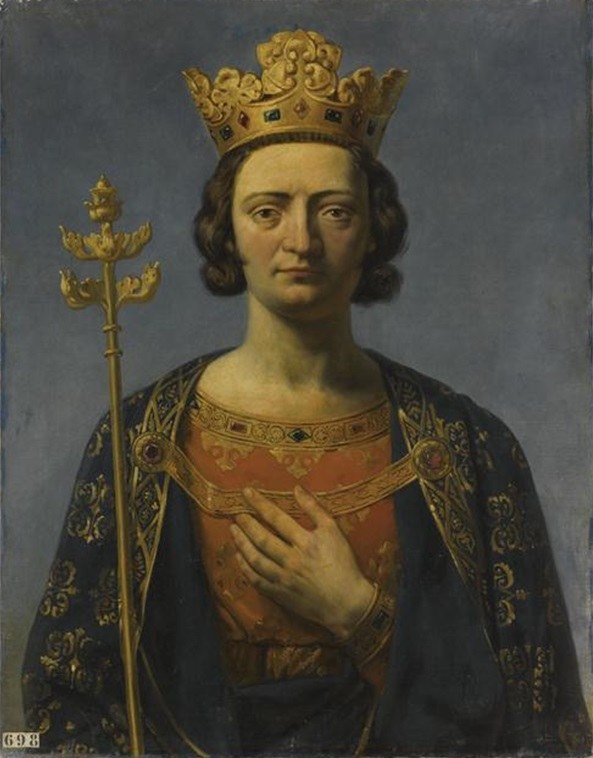
Philip V
notablePhilip IV's ablest son, who seized the throne and reformed France's coin and law — the ISTJ standardizer-king.
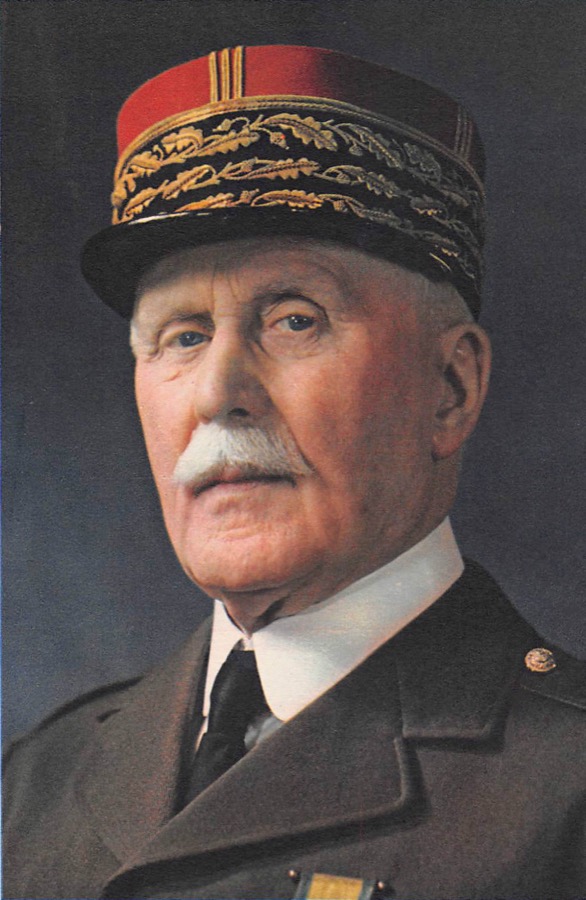
Philippe Pétain
infamousThe revered WWI hero whose Vichy regime collaborated in deporting France's Jews.
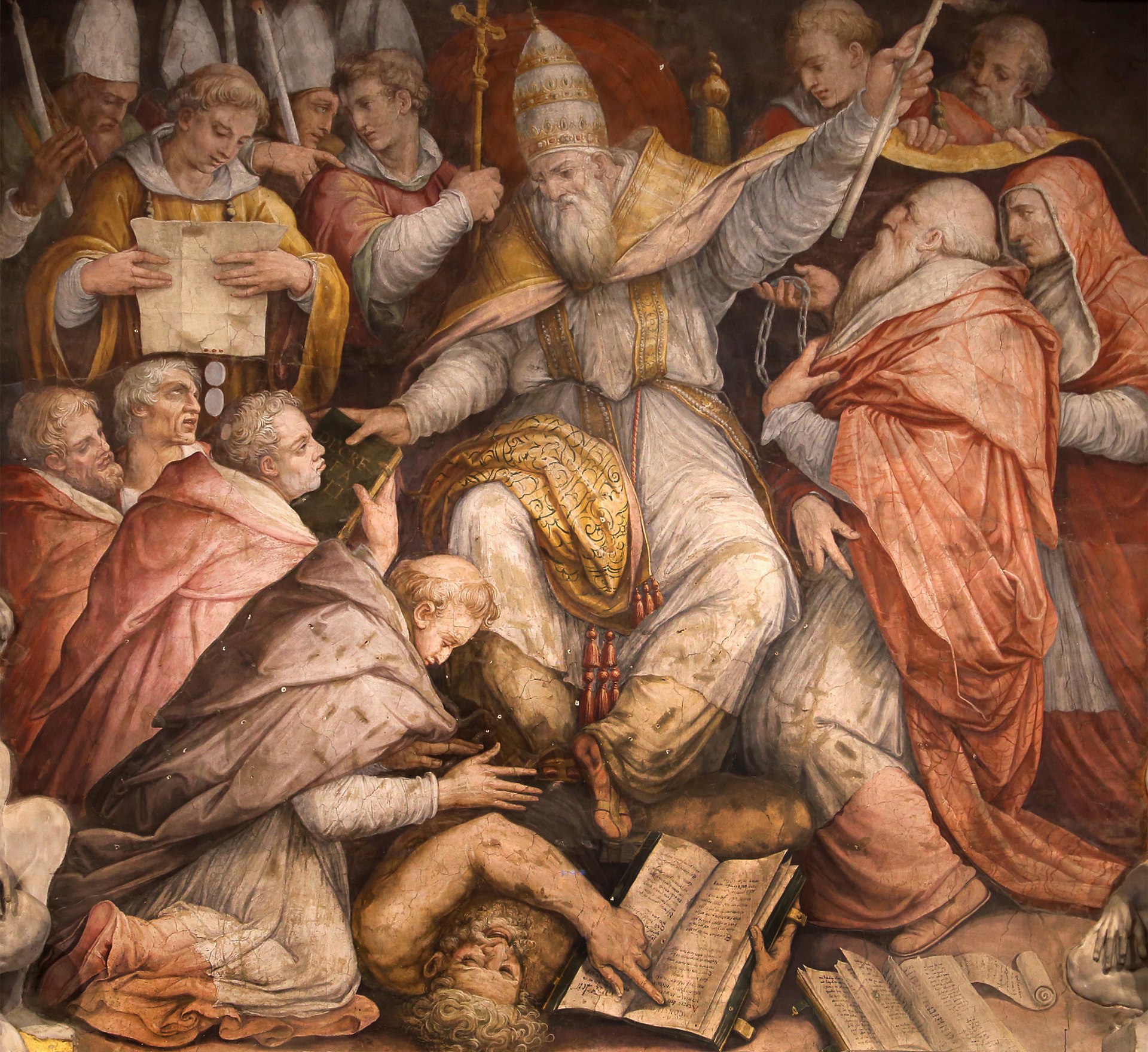
Pope Gregory IX
notableThe pope who excommunicated Frederick II — twice
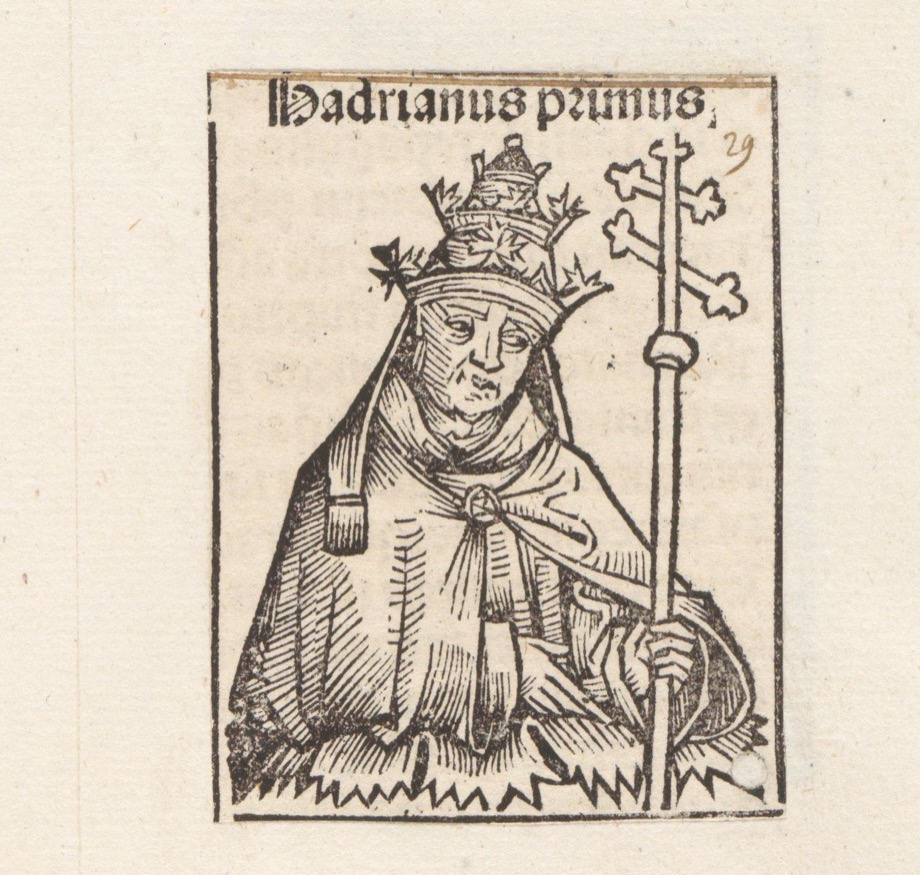
Pope Hadrian I
notableThe pope who defended Roman claims through a long alliance with Charlemagne while restoring the city’s churches and infrastructure.
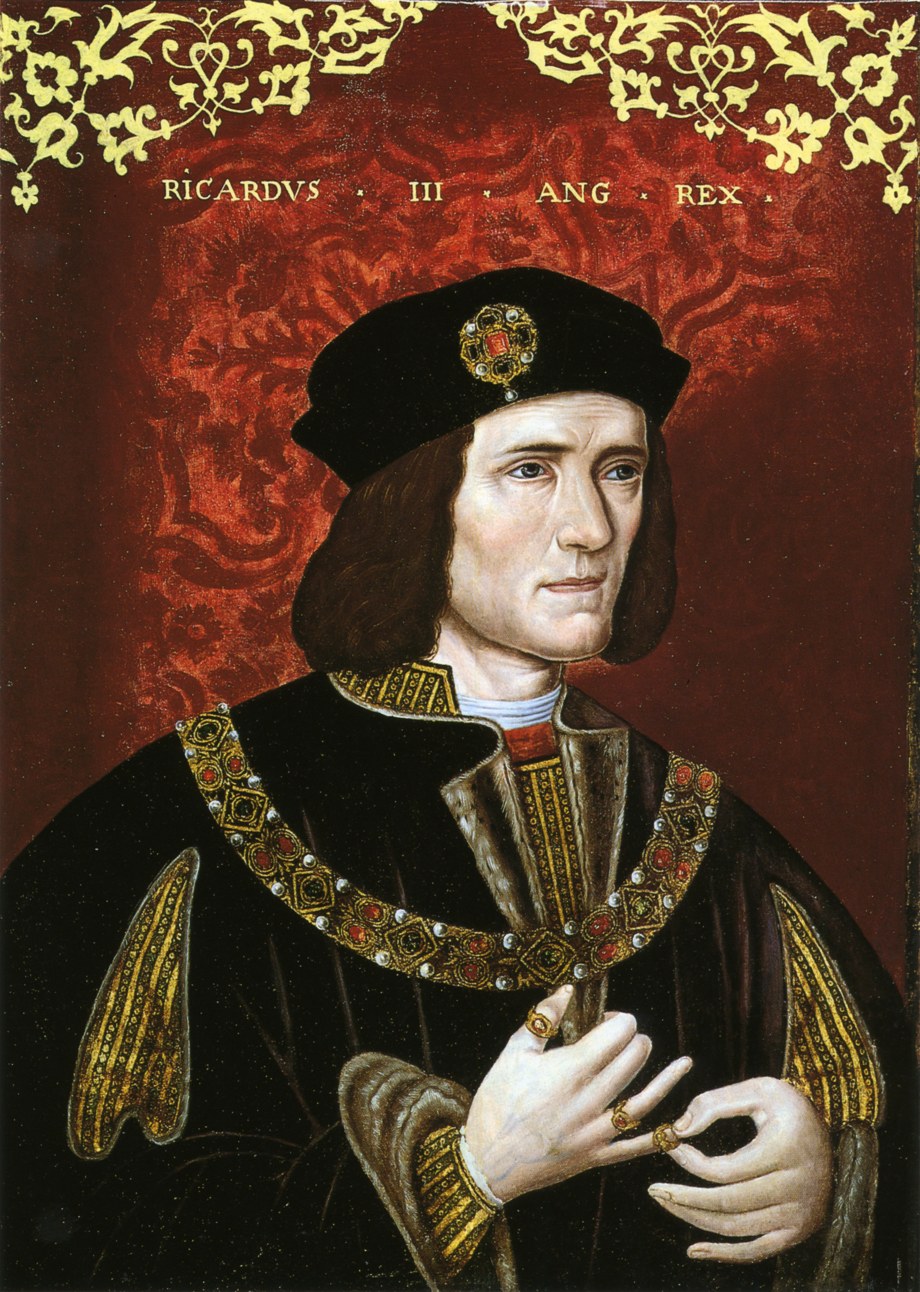
Richard III
The loyal brother turned usurper, last king to die in battle, found beneath a car park — dutiful ISTJ or villain?
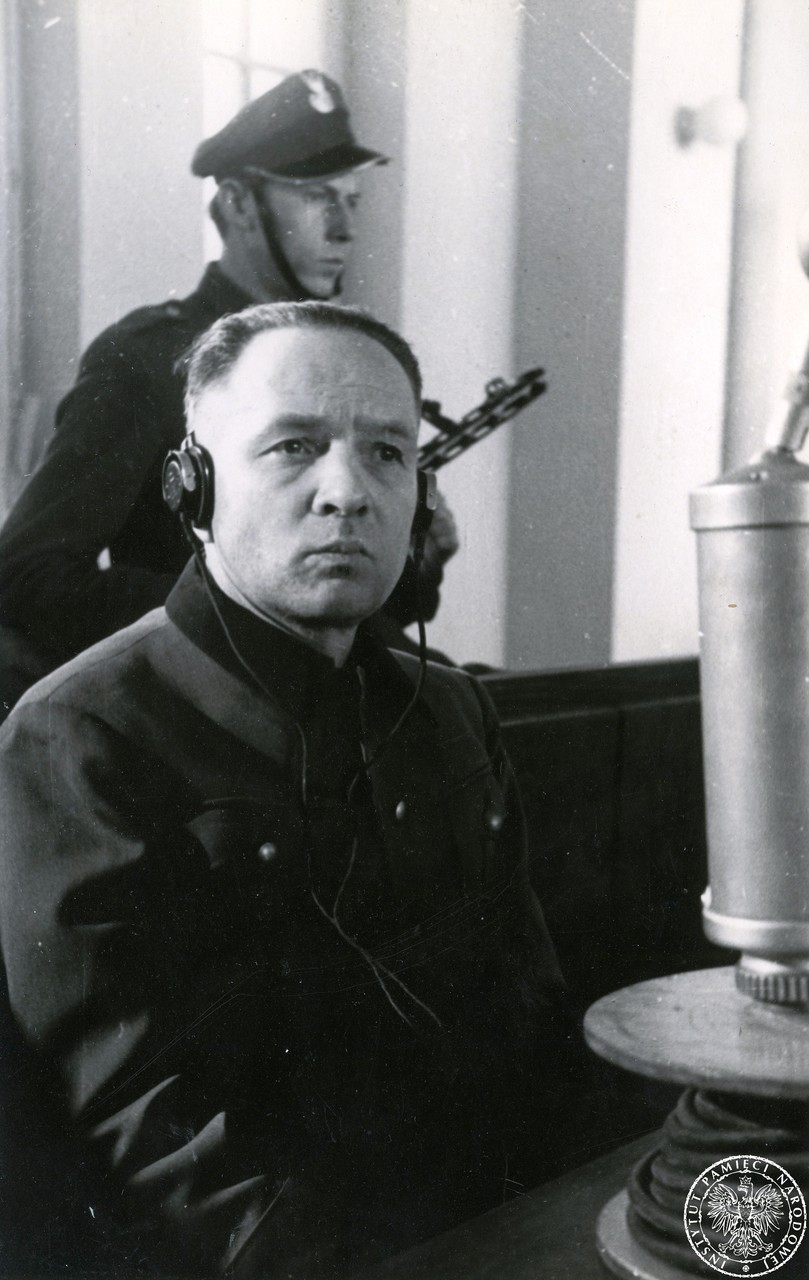
Rudolf Hoss
infamousThe commandant who industrialized murder at Auschwitz
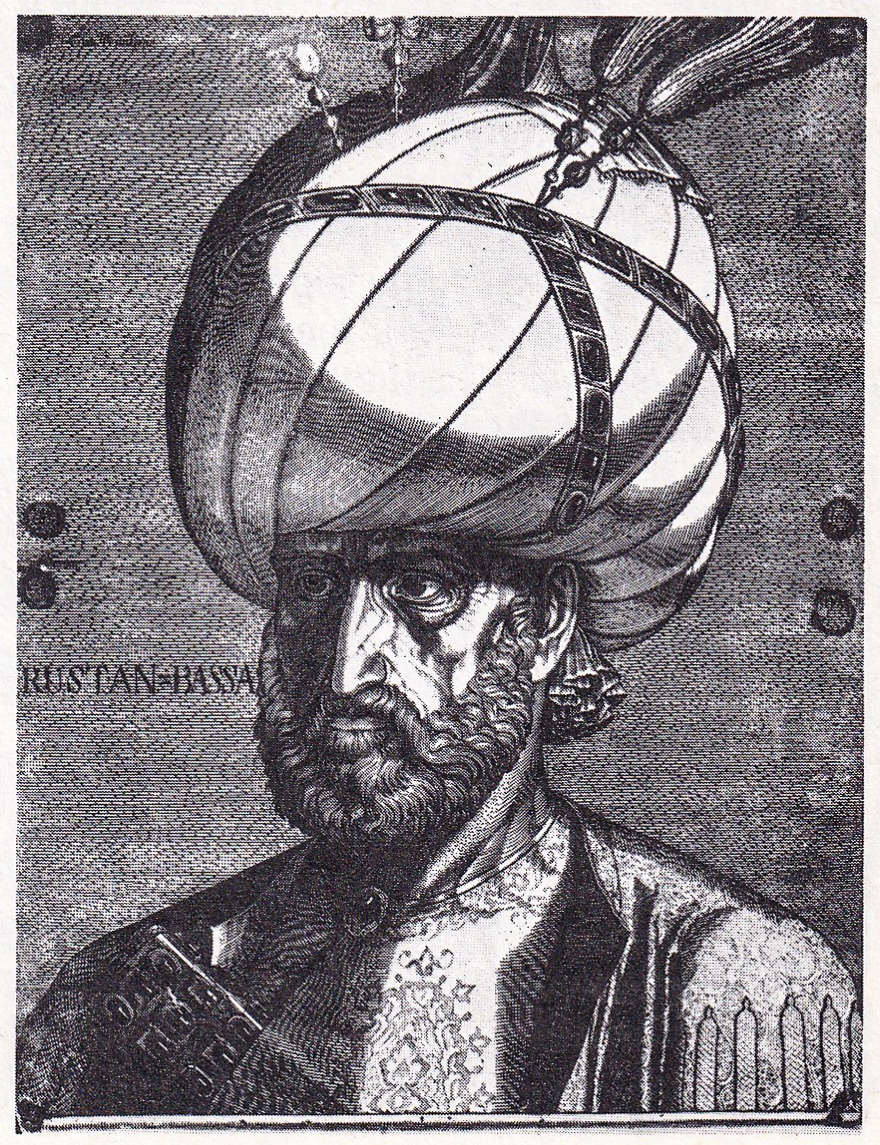
Rüstem Pasha
notableThe cold financier-vizier who filled the treasury and forged a prince's ruin — the meticulous ISTJ bureaucrat.
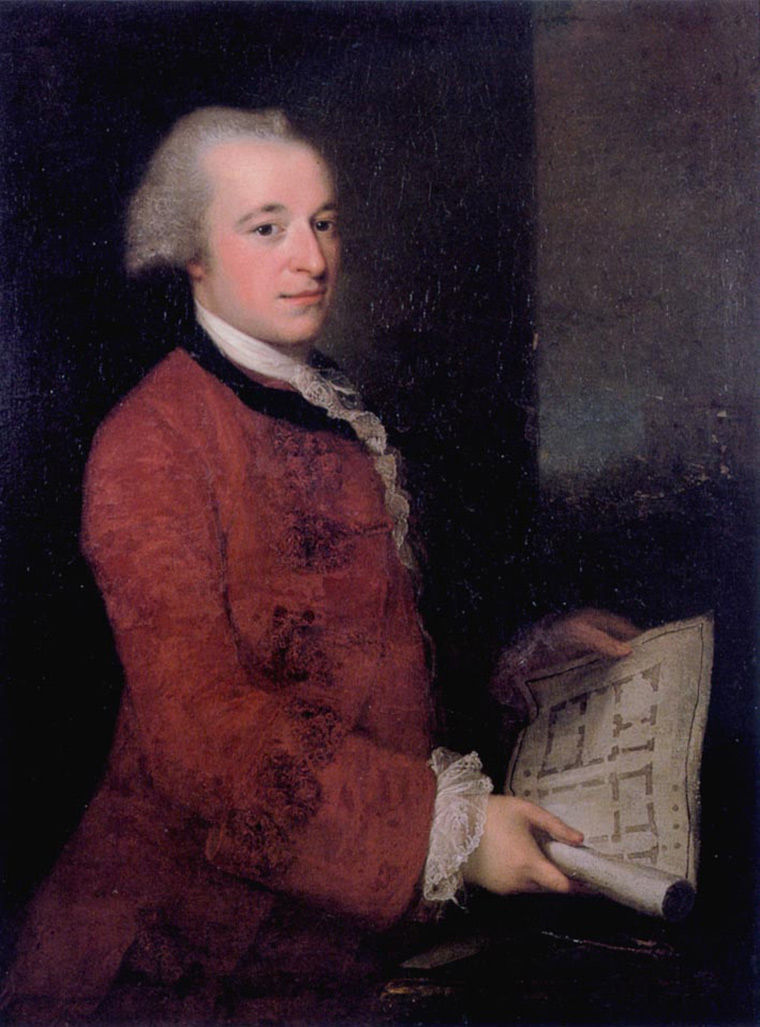
Samuel Powel
notablePhiladelphia's last colonial mayor and first American mayor — Washington's closest friend in the city
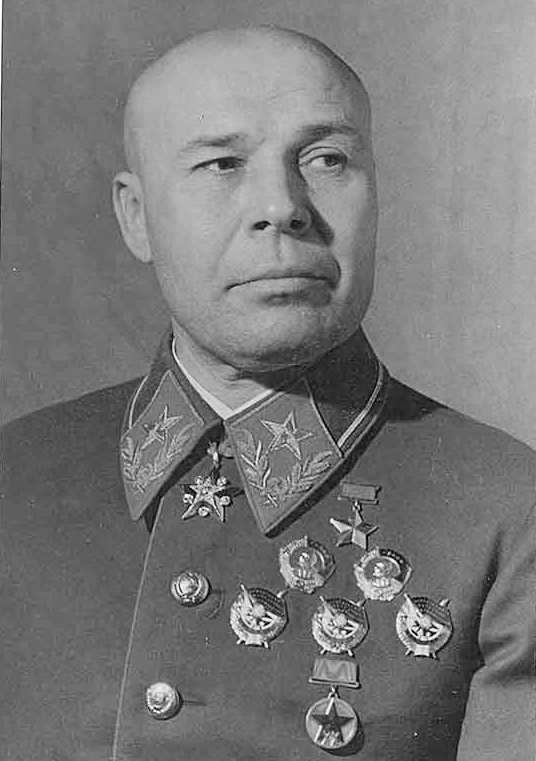
Semyon Timoshenko
notableThe old-guard marshal who tried to stem the Red Army's catastrophic 1941 collapse.
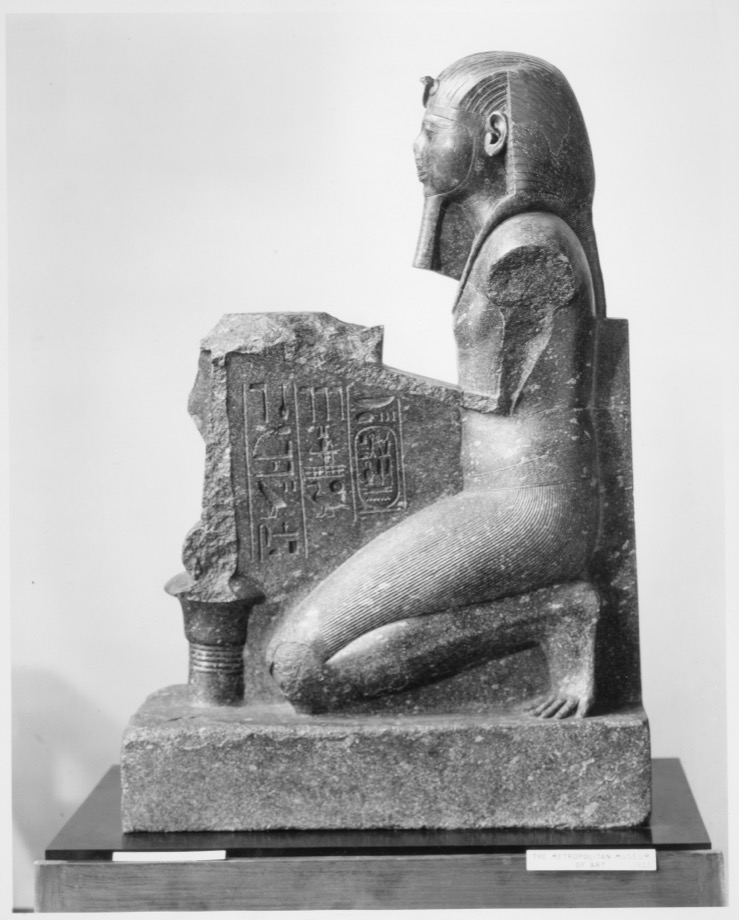
Seti I
renownThe restorer whose Abydos reliefs are the finest carving Egypt ever produced.
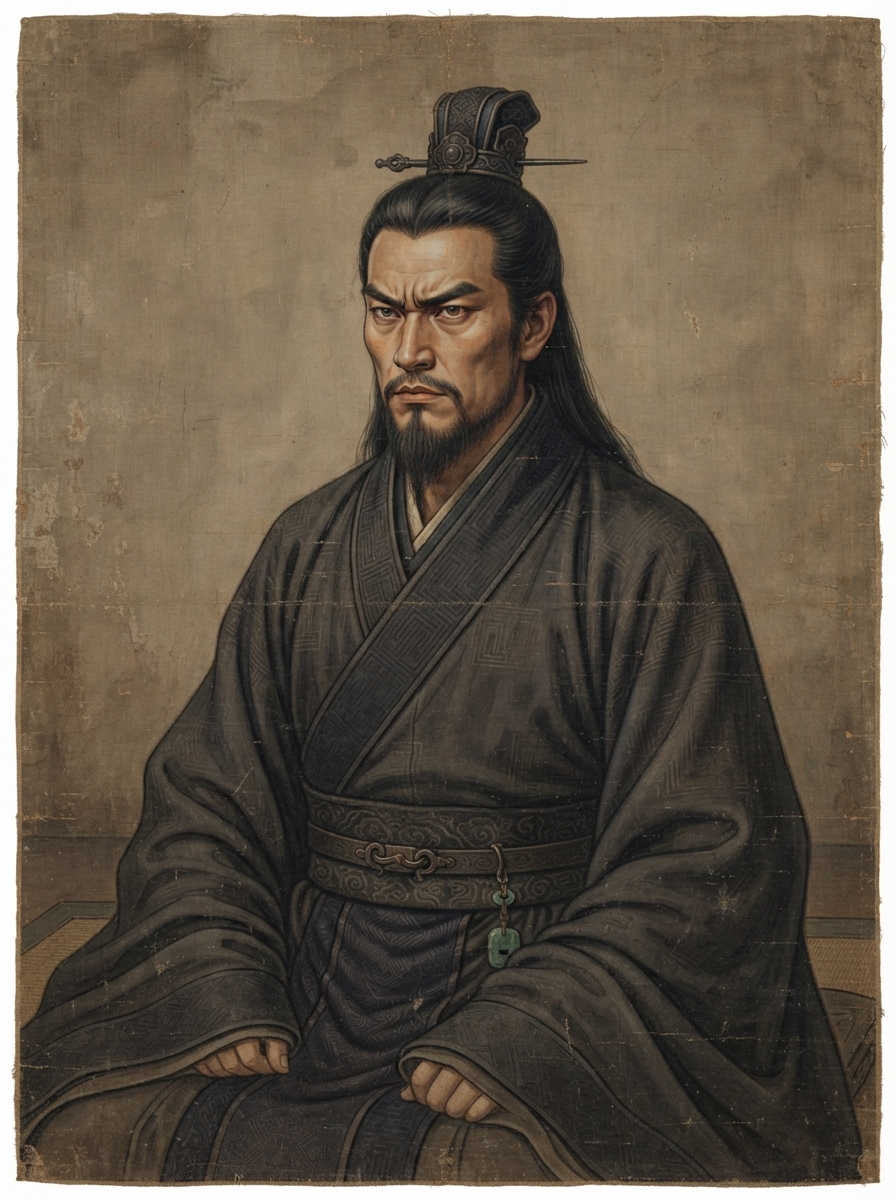
Shang Yang
notableThe Legalist reformer whose ruthless laws built Qin's rise — and finally consumed him.
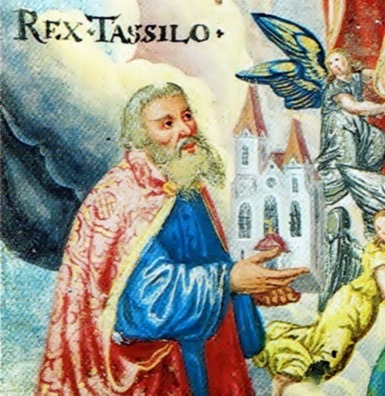
Tassilo III
notableThe Bavarian duke whose hereditary authority and religious patronage were overtaken by a Frankish trial built around contested charges.
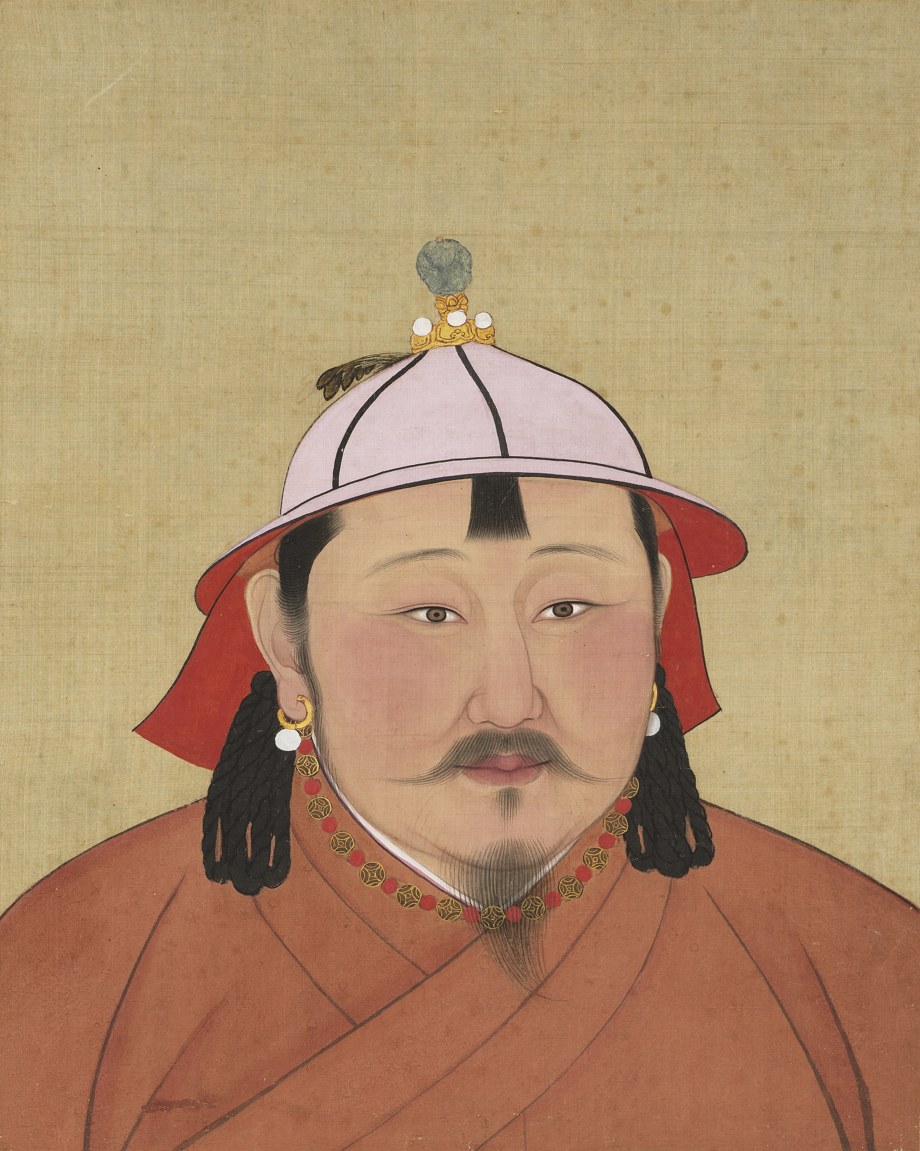
Temür Khan
notableKublai's heir who ended the wars and briefly reunited the khanates — the ISTJ steward who consolidated an empire.
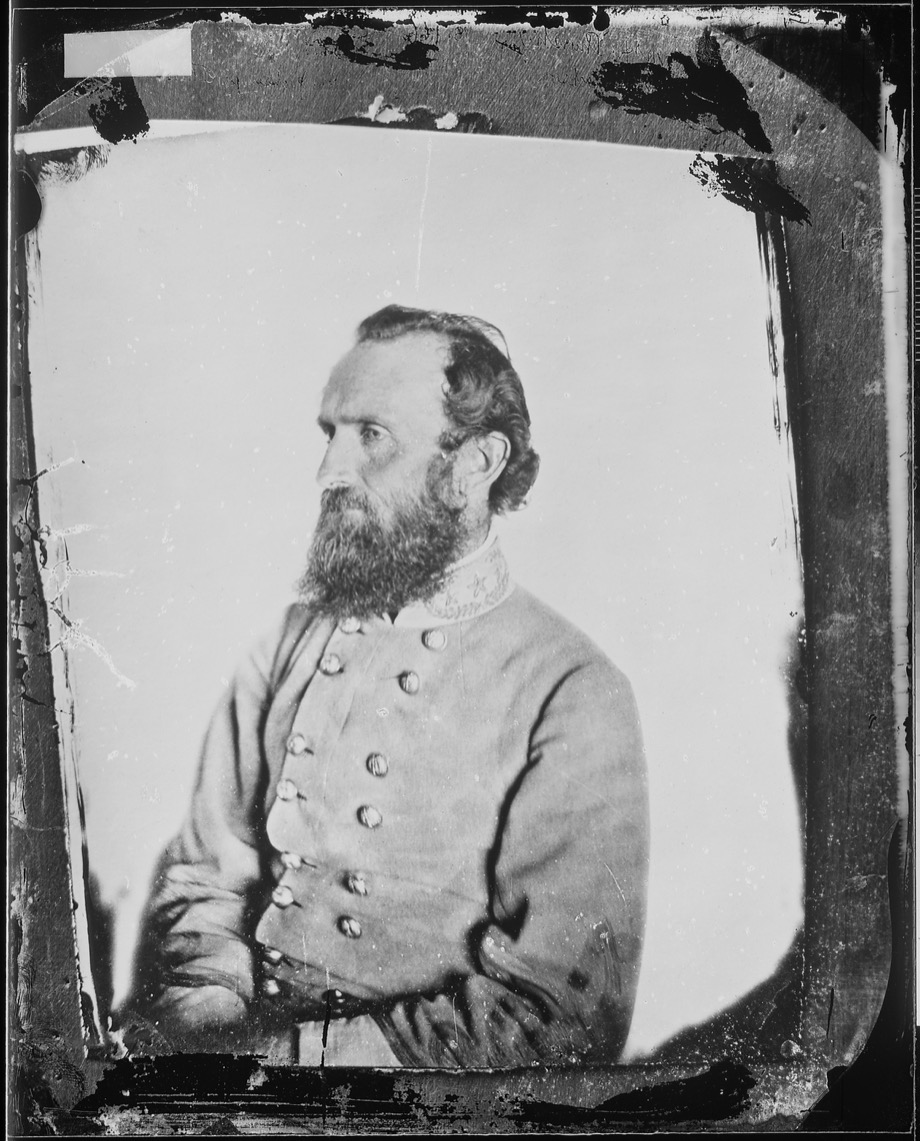
Thomas J. "Stonewall" Jackson
renownThe Confederate general whose iron discipline and lightning marches made him Lee's most feared weapon
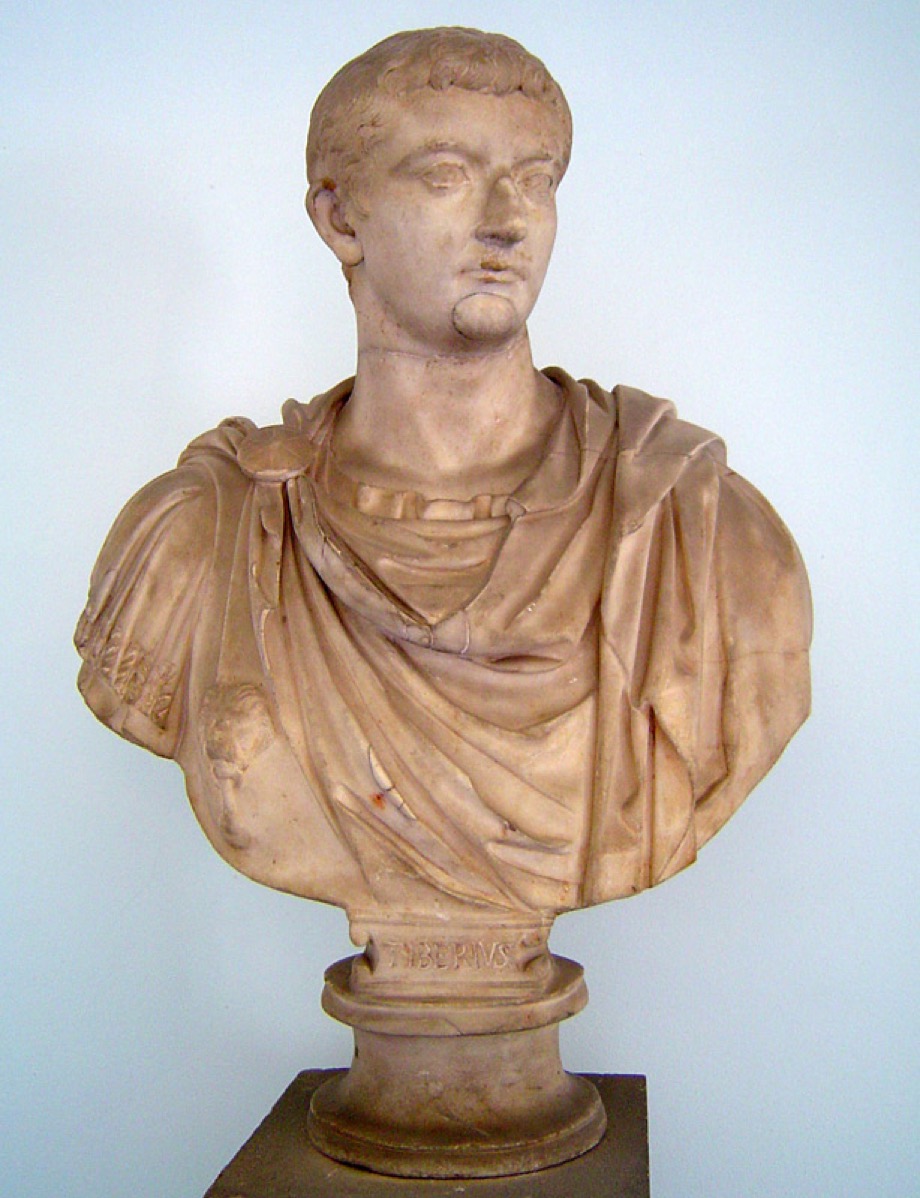
Tiberius
renownLivia's son and Rome's reluctant second emperor, who ran a finished empire faithfully for two decades before retreating to Capri and destroying Sejanus with a single letter — the ISTJ steward.
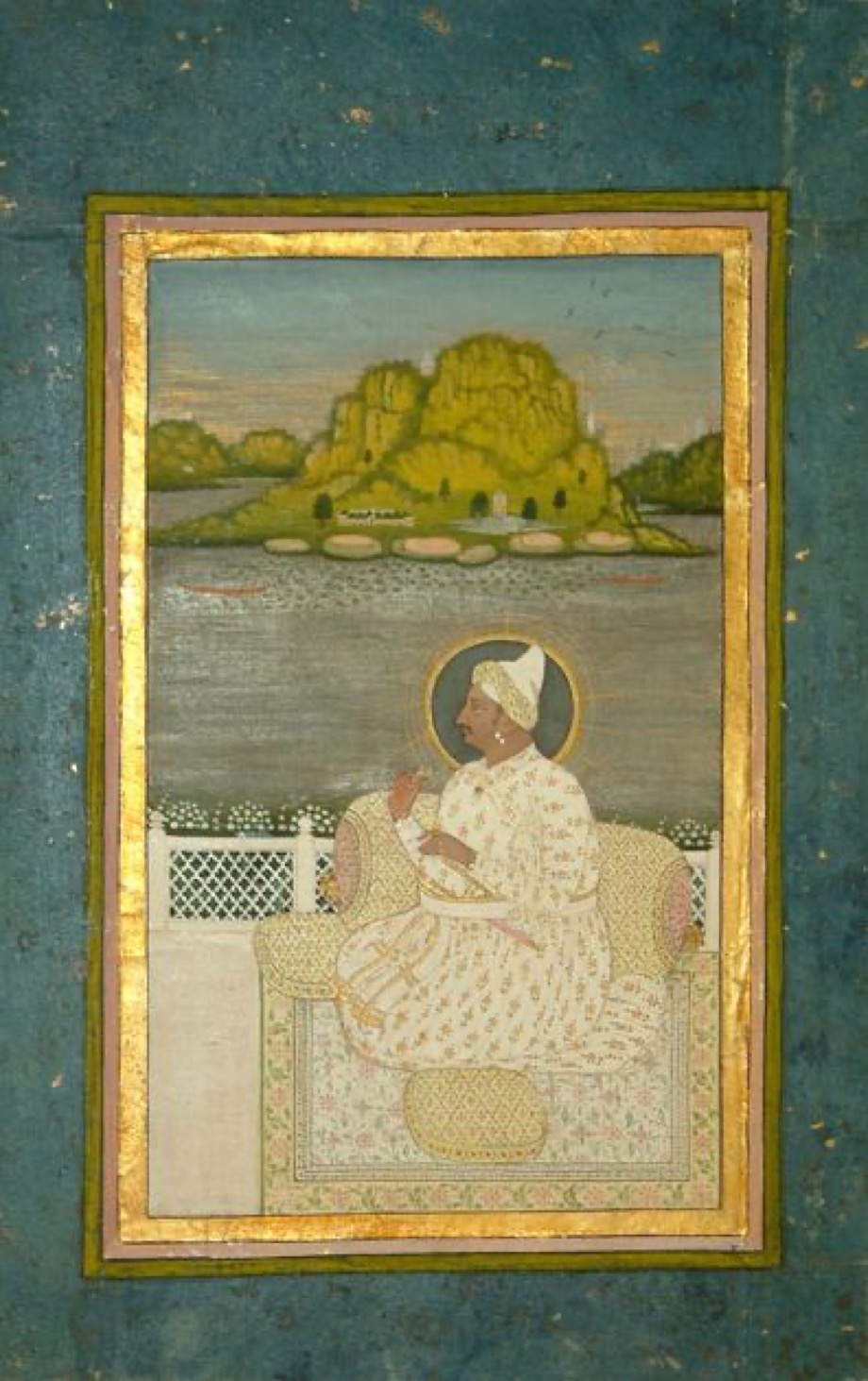
Todar Mal
renownTodar Mal helped connect Mughal revenue demands to measured land, accumulated records, and enforceable administrative responsibilities.
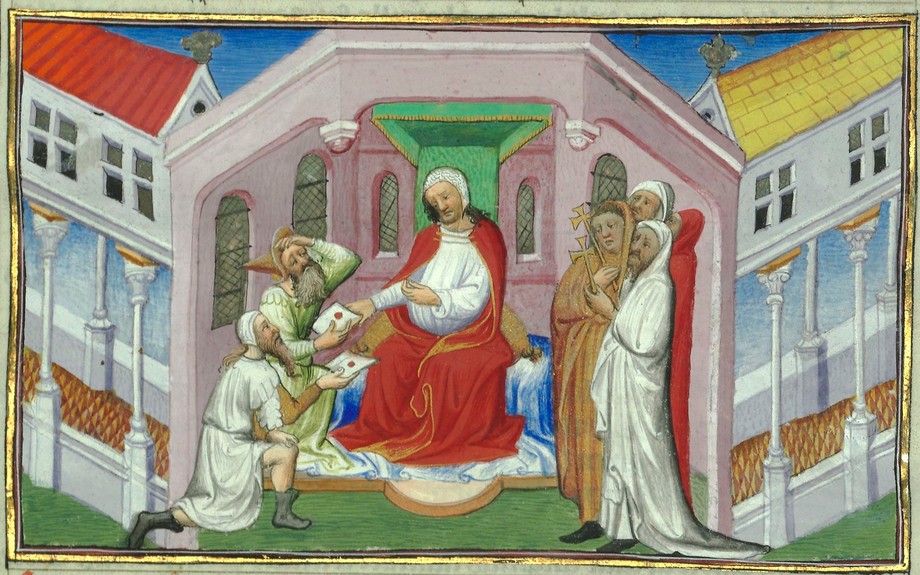
Toghrul
notableThe Ong Khan — the cautious ISTJ patron whose jealousy turned him against the protégé Temüjin he had raised, destroying the old order
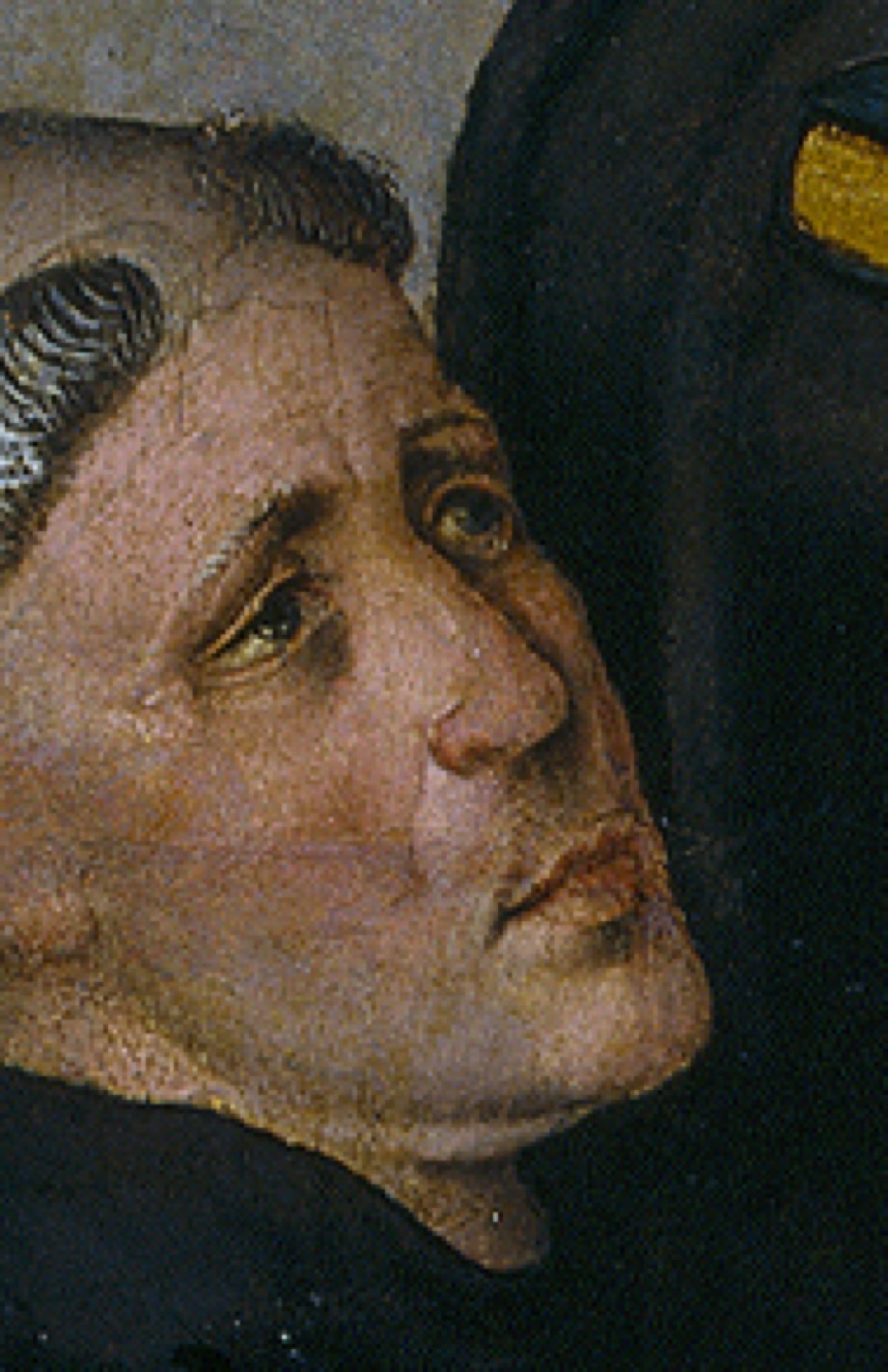
Tomás de Torquemada
infamousSpain's first Grand Inquisitor, who turned religious terror into procedure and precedent.
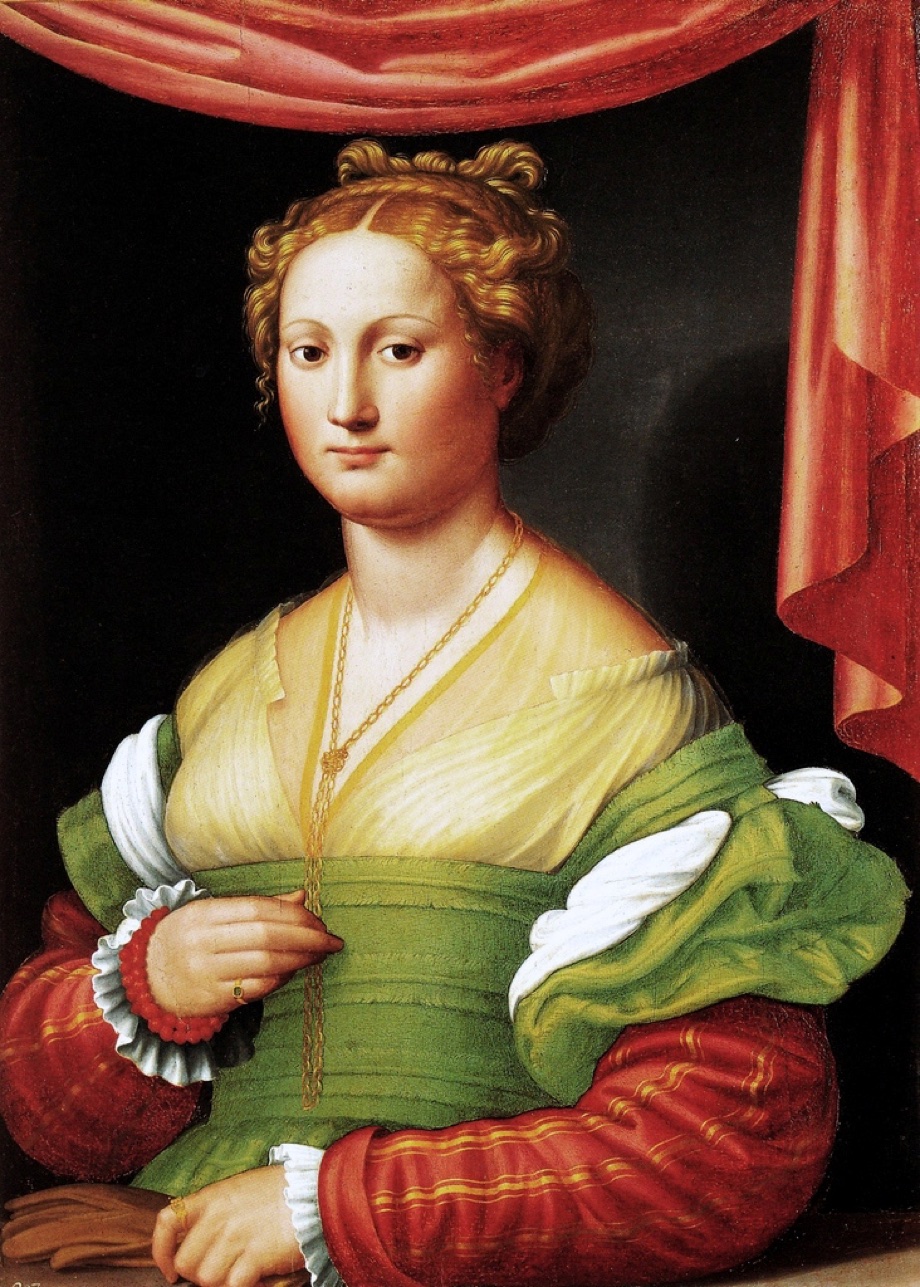
Vannozza dei Cattanei
notableThe shrewd Roman businesswoman and mother of the Borgias who built, kept, and outlived them all — the durable matriarch ISTJ.
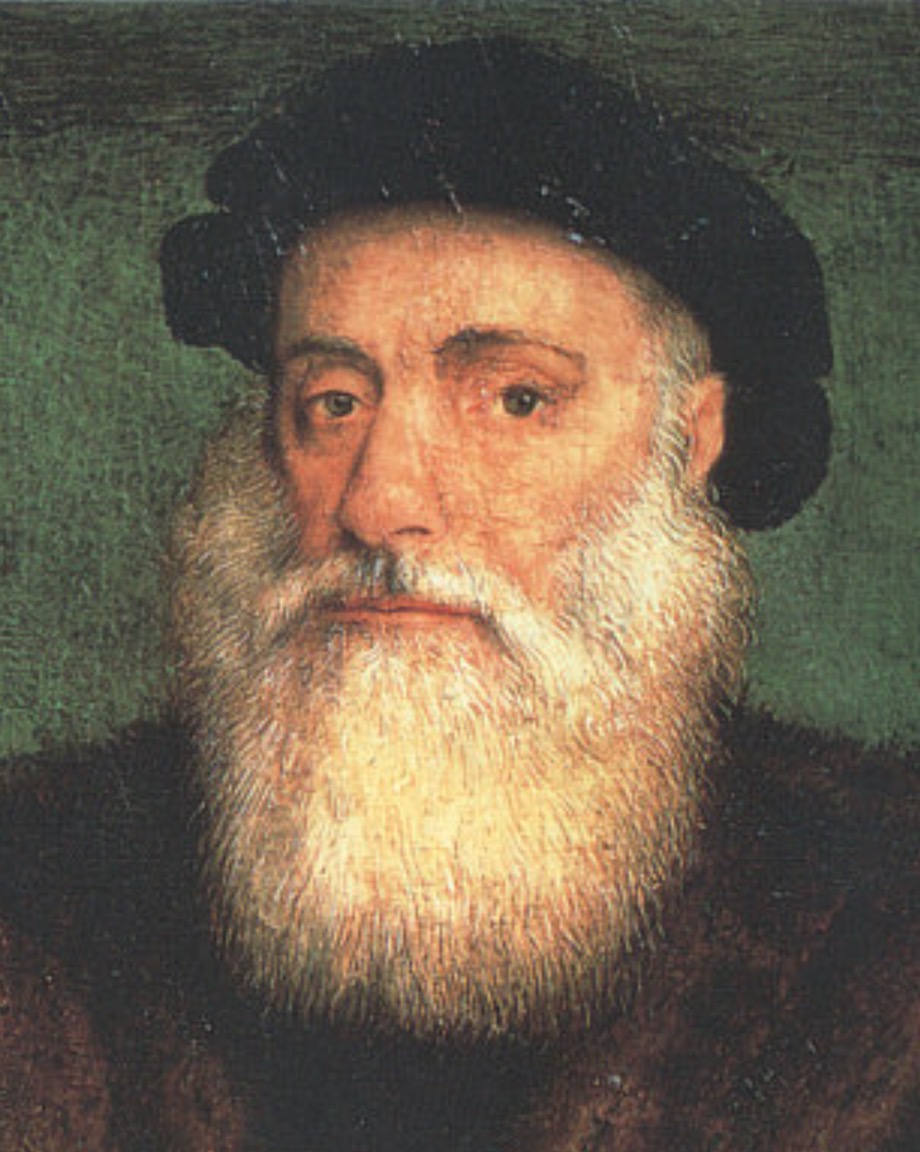
Vasco da Gama
The navigator who opened the Cape route by taking a royal instruction literally — and burned a ship of pilgrims to prove it.
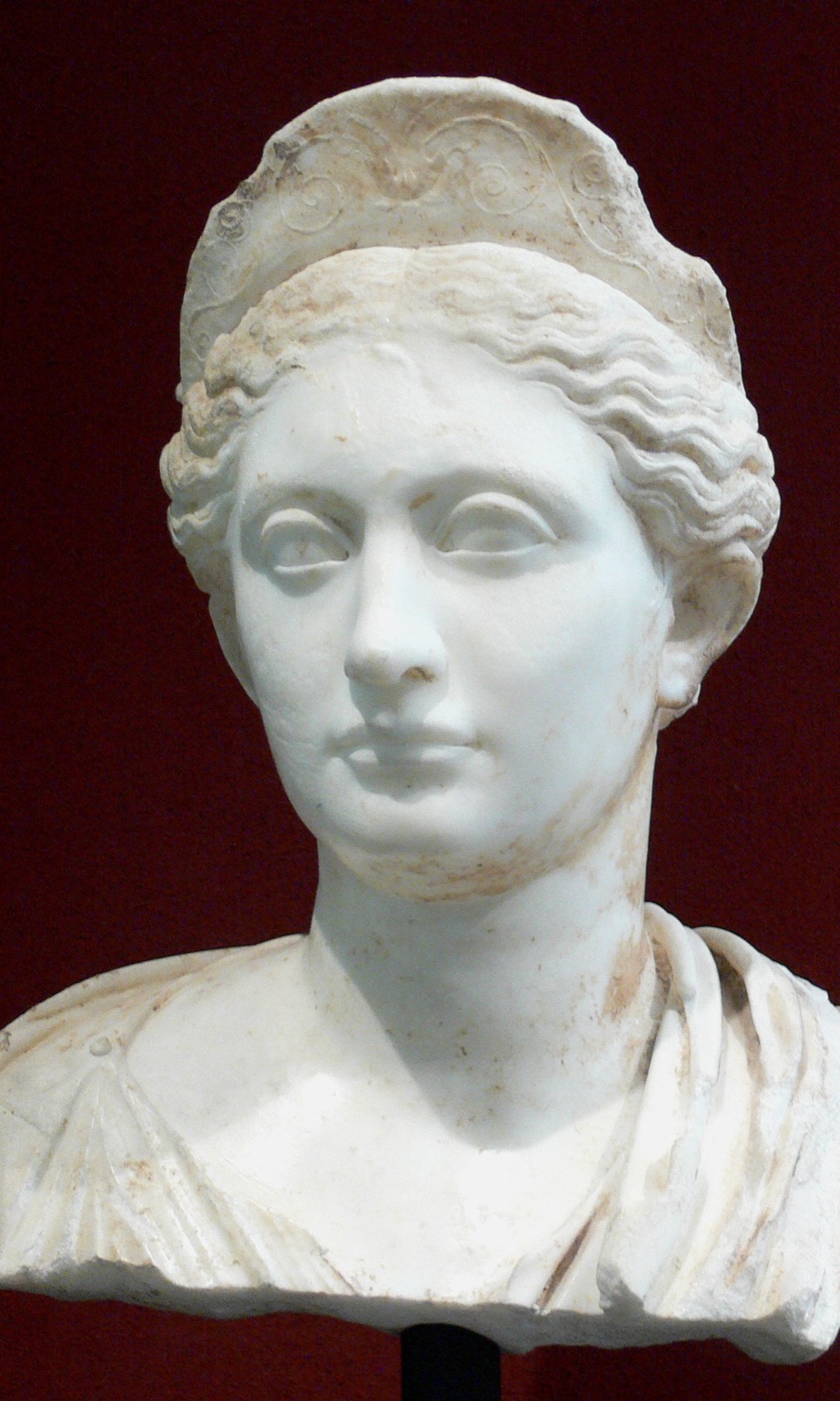
Vibia Sabina
obscureHadrian's wife in a famously cold, childless marriage arranged for dynastic convenience rather than affection.
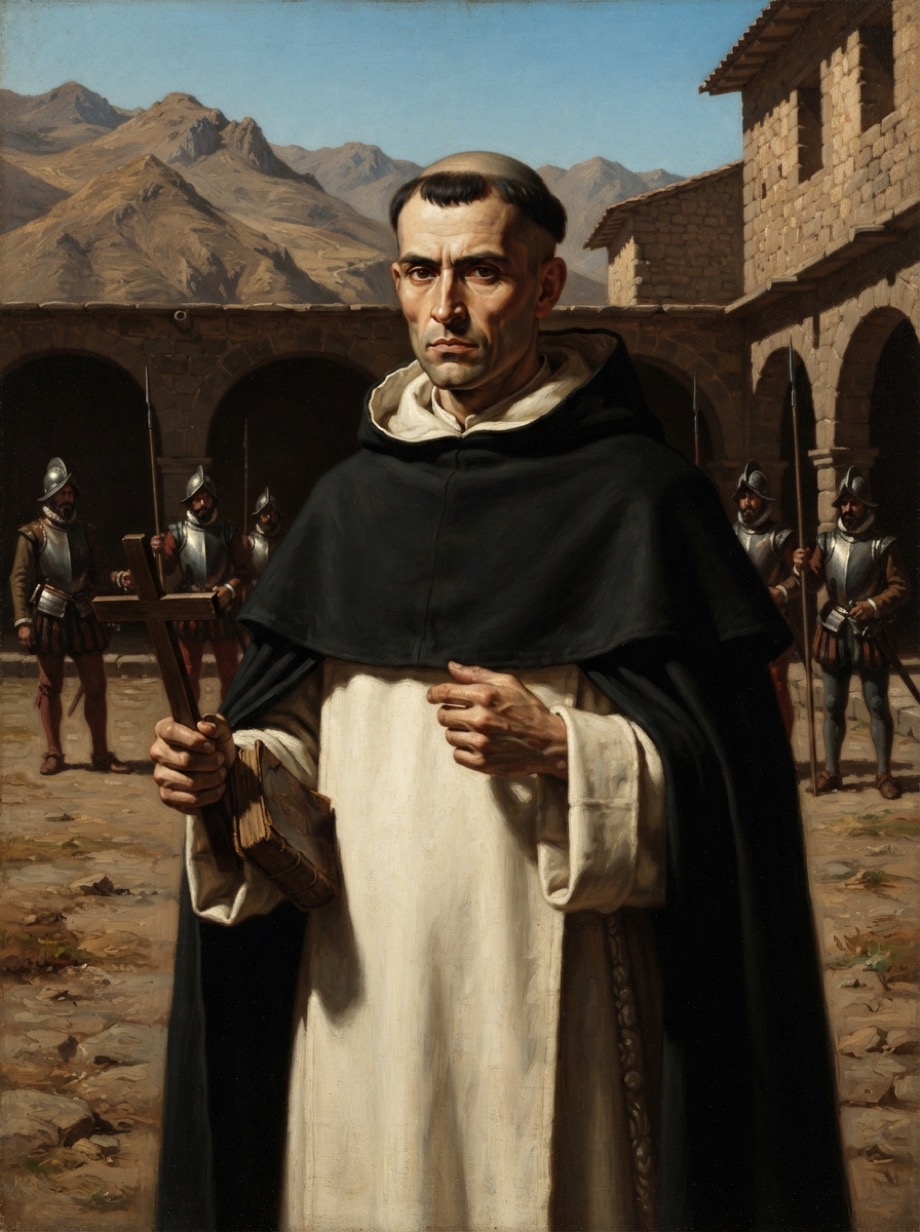
Vicente de Valverde
notableHanded Atahualpa a breviary he could not read, then argued for his execution.
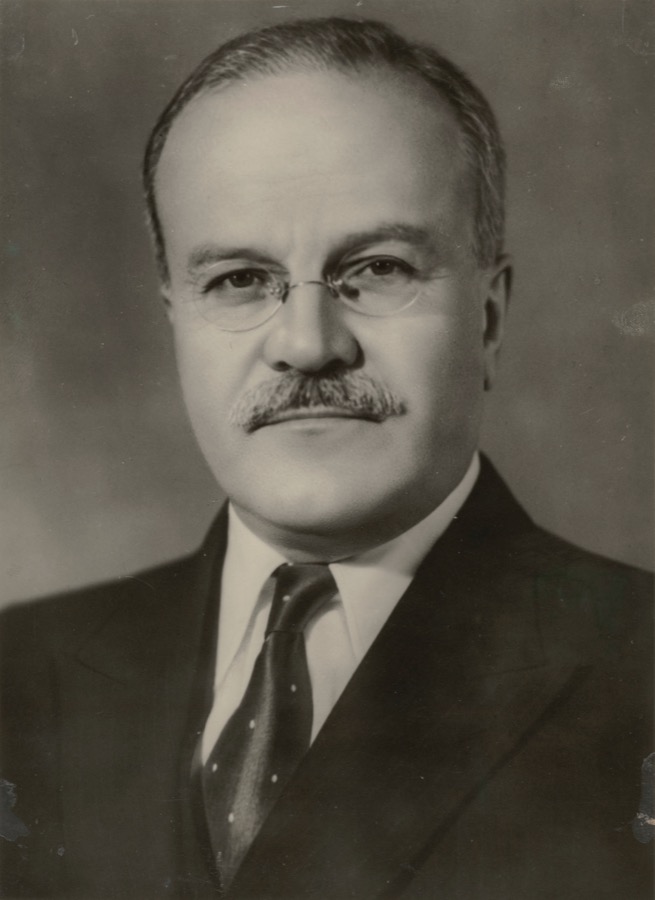
Vyacheslav Molotov
notableThe dour foreign minister whose name attached itself to the 1939 Nazi-Soviet Pact.
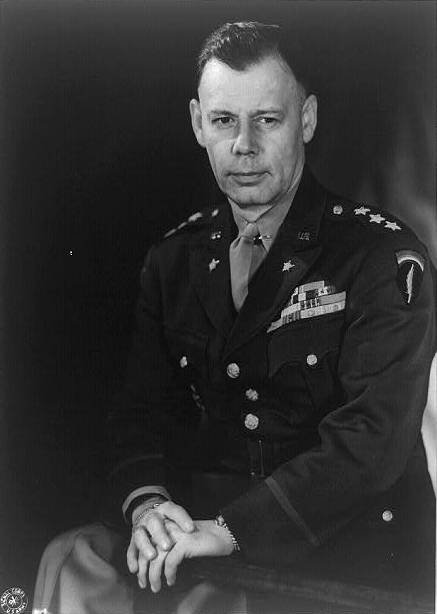
Walter Bedell Smith
notableEisenhower's chief of staff — the iron bulldog who ran SHAEF's machinery
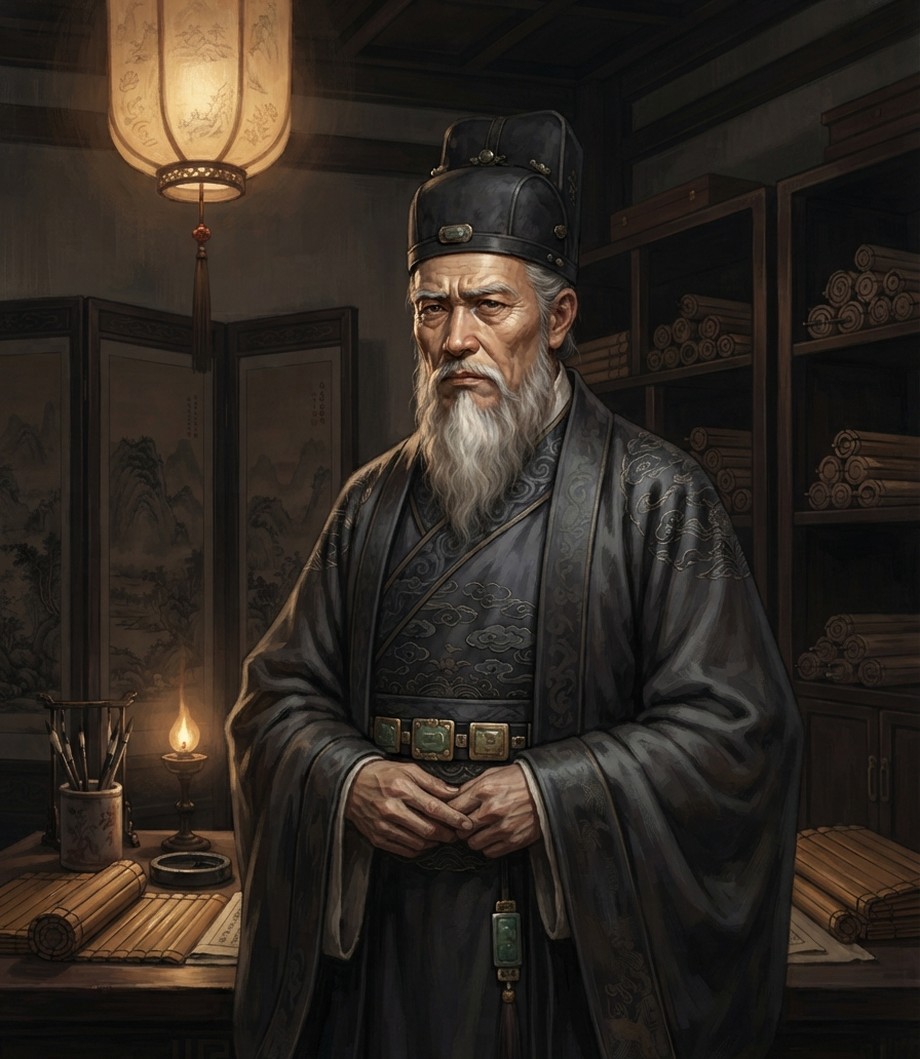
Wang Yun
notableThe minister who killed a tyrant and then destroyed the peace that followed.
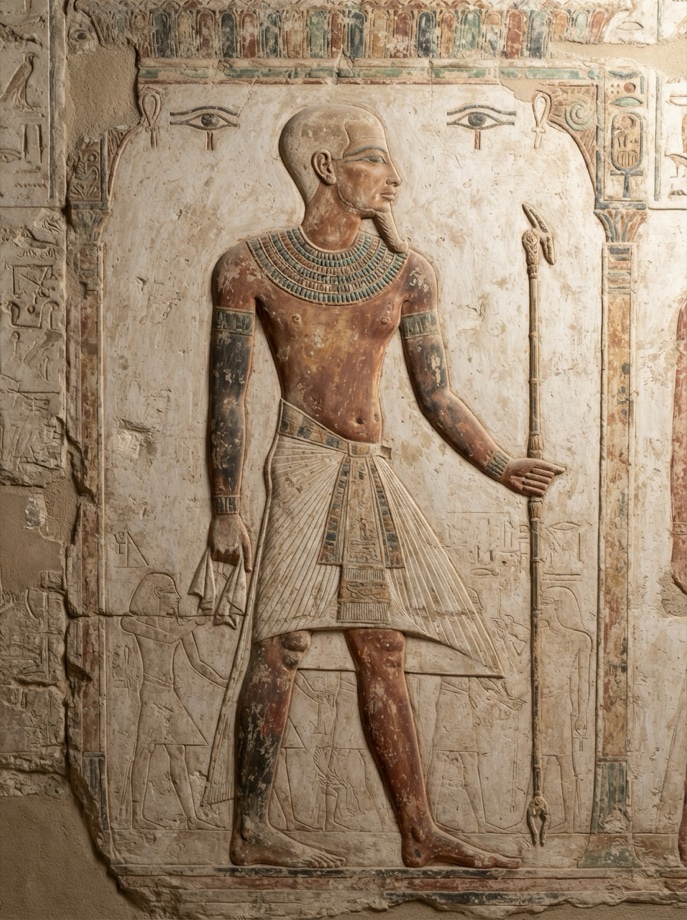
Weni
obscureA career bureaucrat who rose through three reigns and left one of Egypt's earliest resumes.
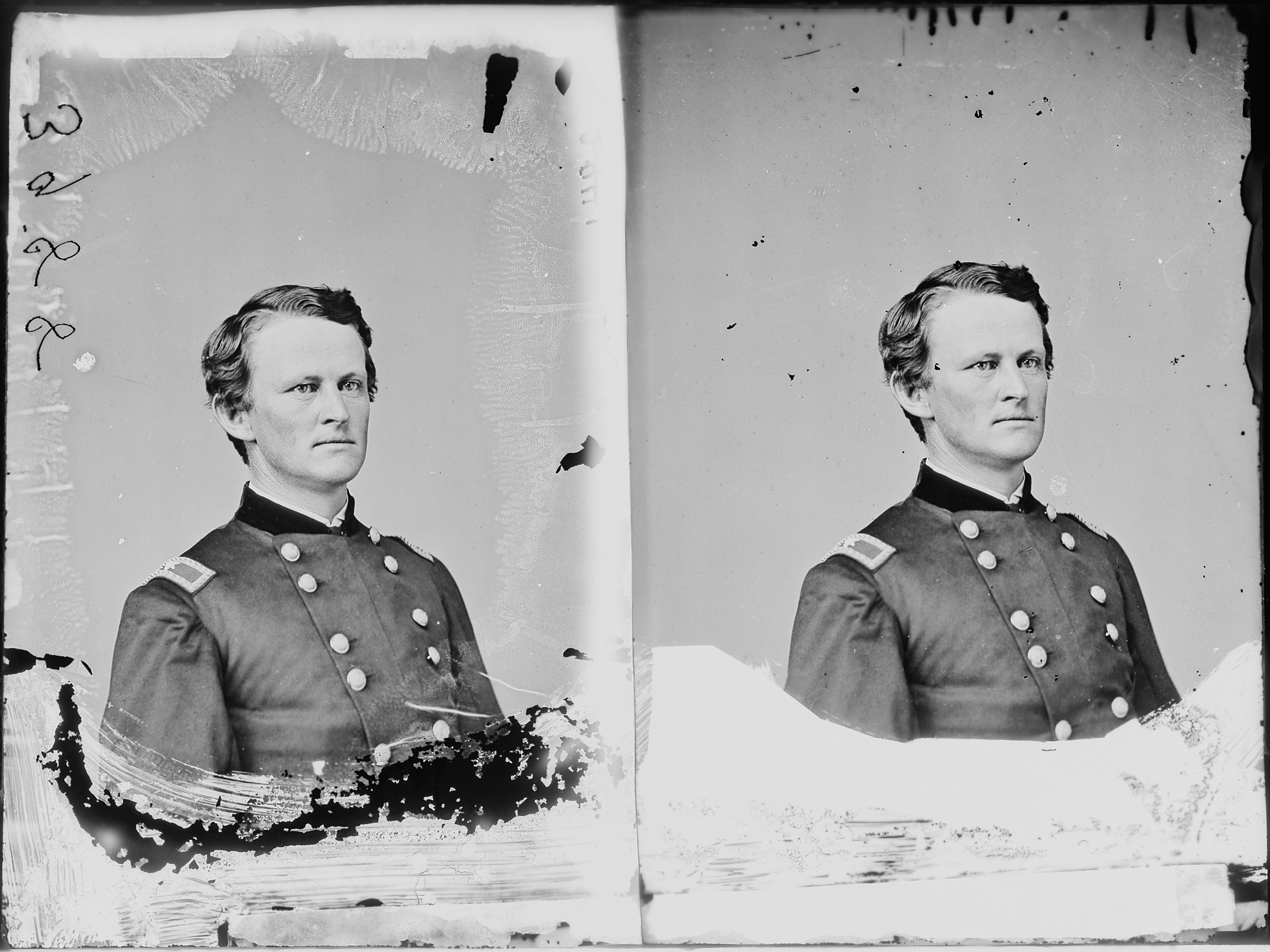
Wesley Merritt
obscureSheridan's steady, unglamorous cavalry commander
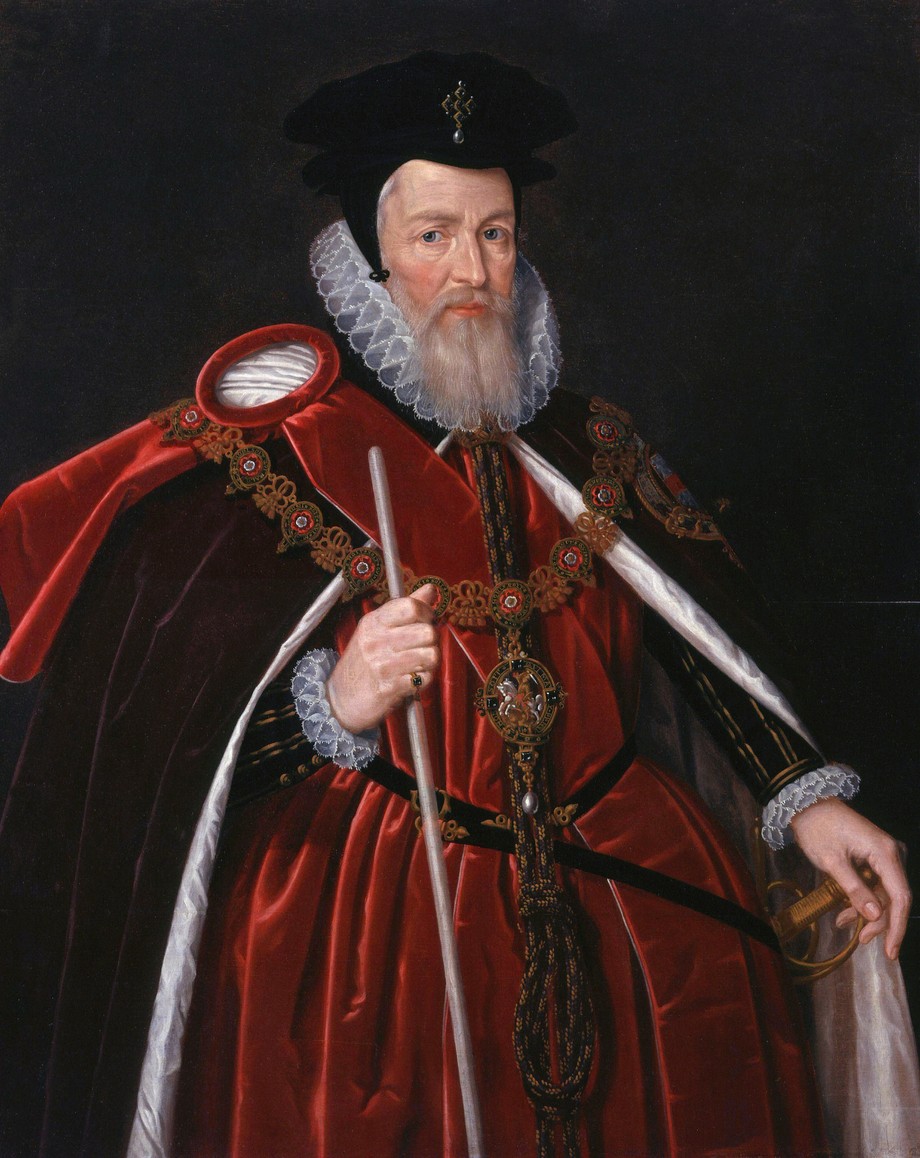
William Cecil
notableLord Burghley — Elizabeth's indispensable minister for forty years, the ISTJ whose quiet diligence built her golden age
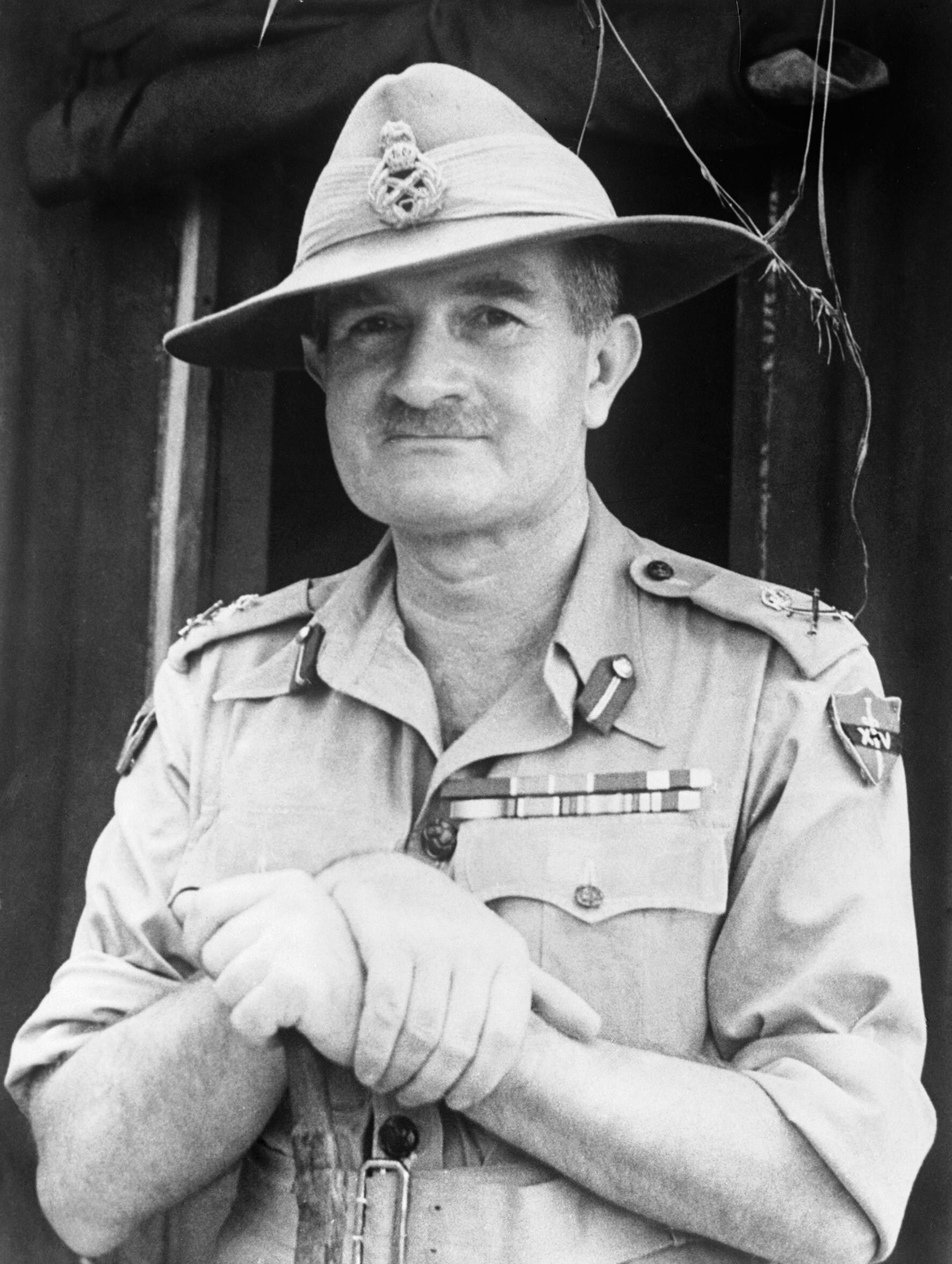
William Slim
renownThe general who rebuilt a beaten army from scratch and reconquered Burma.
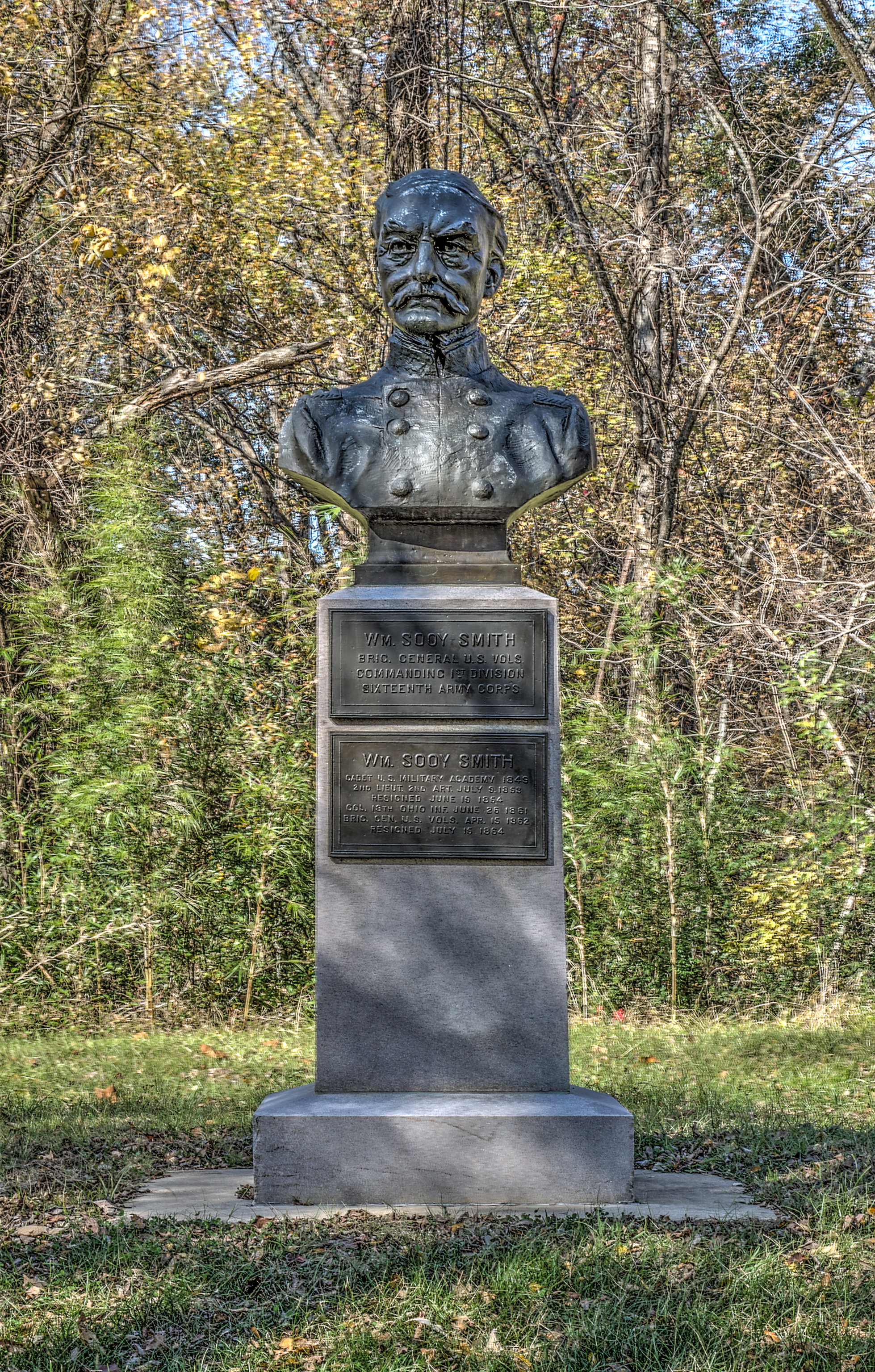
William Sooy Smith
obscureThe engineer-general outmaneuvered by Forrest at Okolona
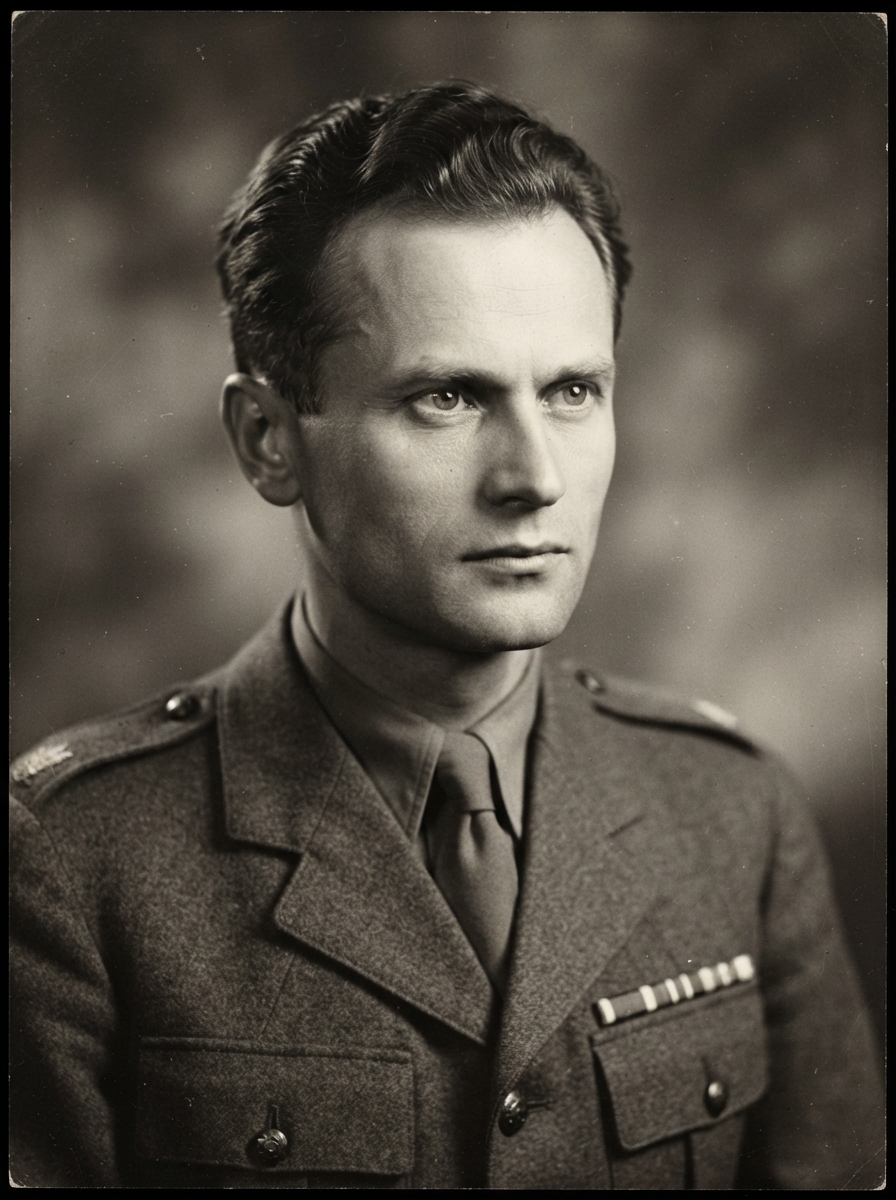
Witold Pilecki
renownThe volunteer who let himself be sent to Auschwitz to report on it
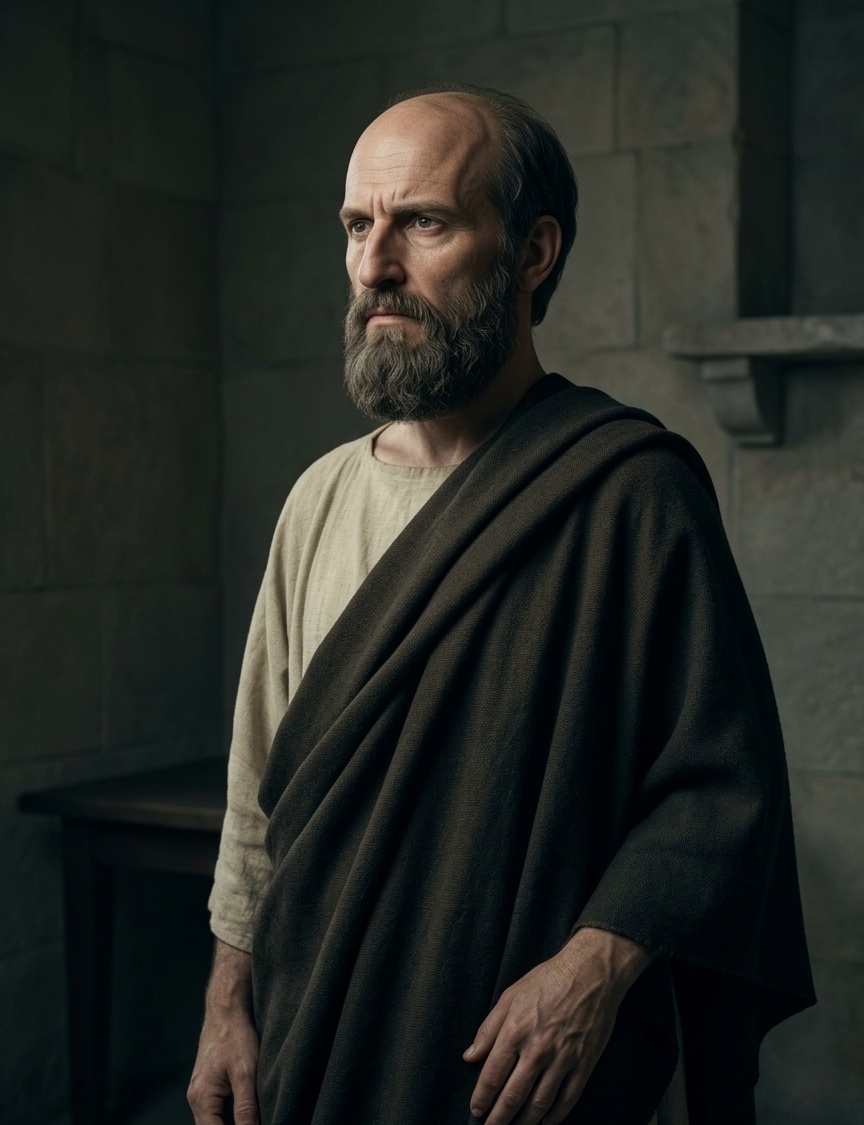
Xenocrates
notableThe man Plato trusted to run his Academy — the one nobody remembers
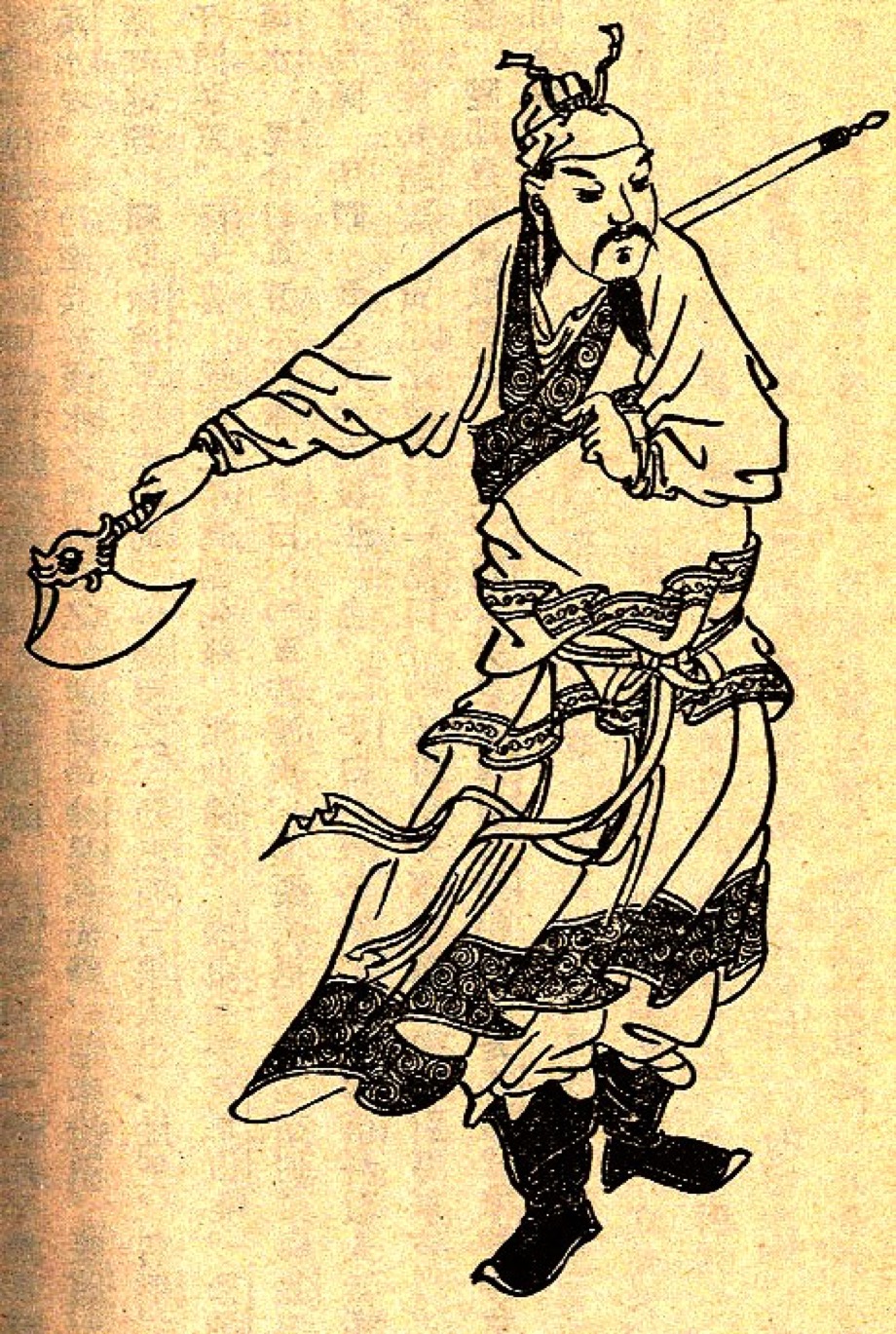
Xu Huang
notableThe disciplined general who broke Guan Yu's siege of Fan Castle
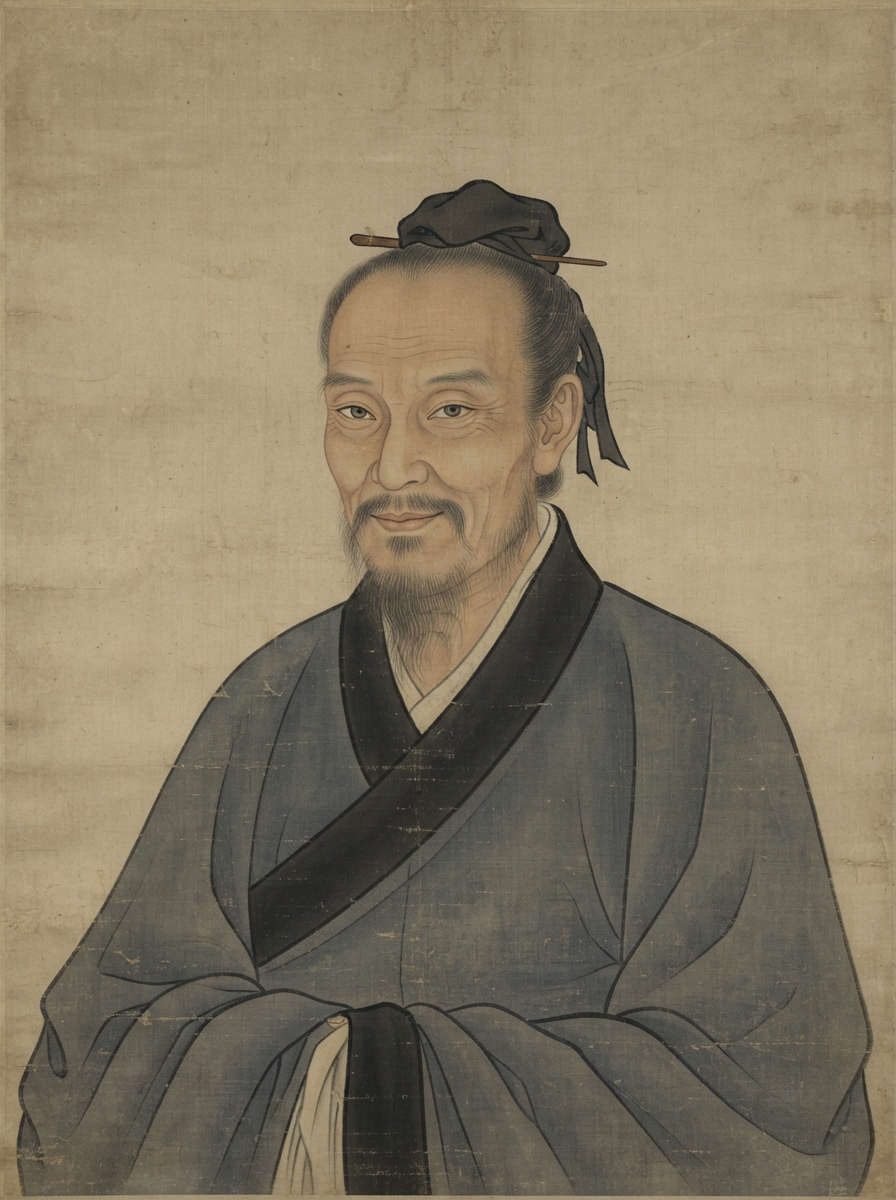
Yan Ying
obscureThe short statesman of Qi whose wit and frugality outlasted three rulers.
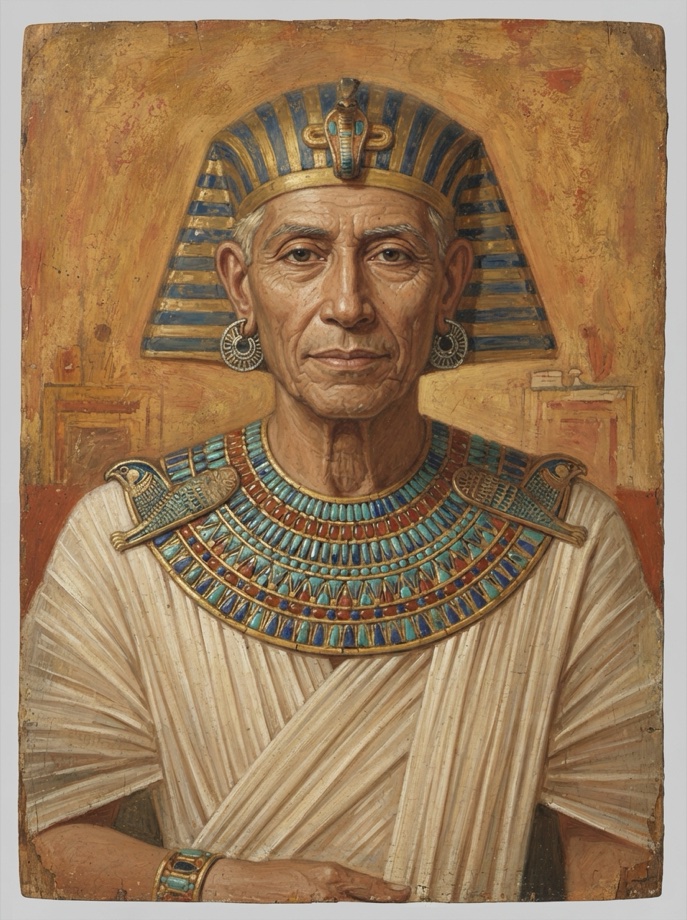
Yuya
obscureA provincial courtier whose daughter's marriage made him father-in-law to a pharaoh.
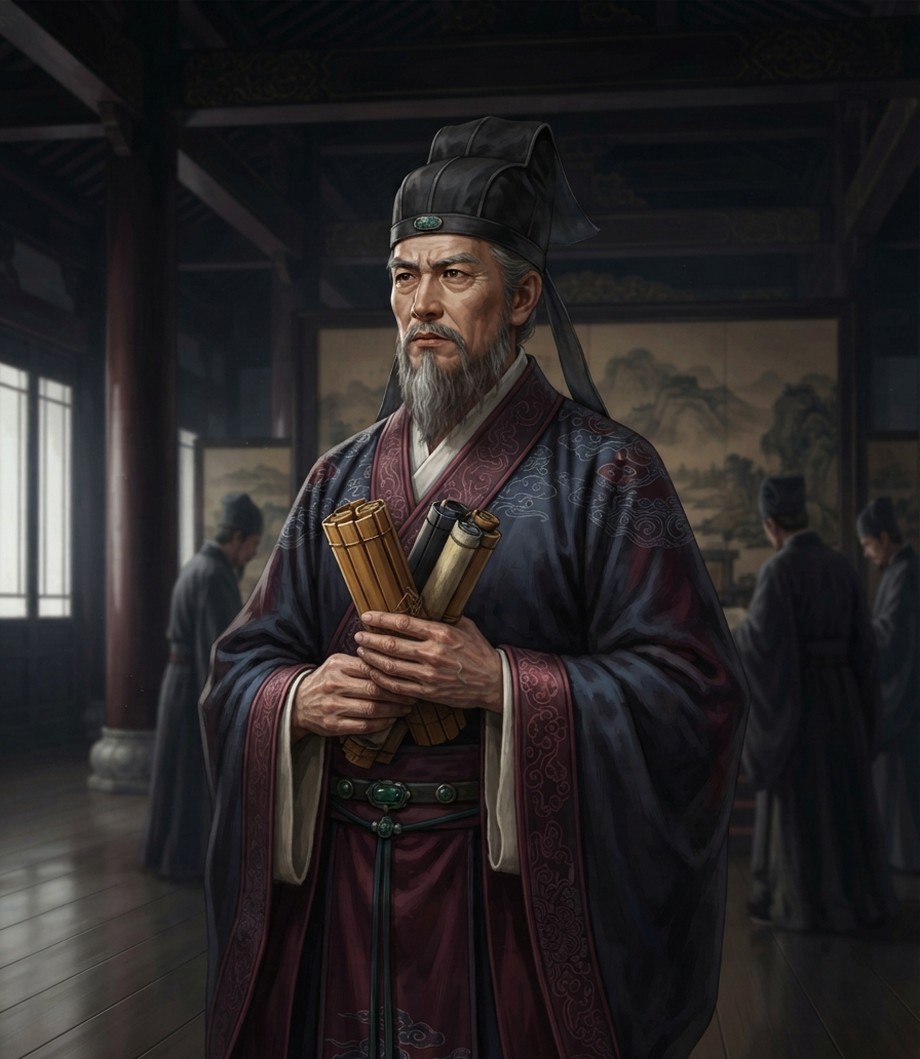
Zhang Zhao
obscureWu's elder statesman, remembered for the one argument he lost
Explore Other Types
