 Historical Figure MBTI
Psychological Profile
Efficient administrators who organize reality through structured systems and a sense of duty.
Dominant Te means the ESTJ's first move in any situation is to impose logical order — to identify who is responsible for what, which procedures apply, and by what standard results will be measured — and this is experienced not as rigidity but as an almost moral clarity about how a well-run world ought to function. Auxiliary Si supplies the institutional memory that makes this order credible: it is not abstract efficiency the ESTJ demands but efficiency proven by experience, grounded in the reliable methods that have held organizations together across time. Tertiary Ne provides just enough tactical flexibility to prevent the system from becoming brittle — an ability to spot when the established approach is genuinely failing and to incorporate a new strategy without losing the structural integrity that makes everything else work. The inferior Fi is the function the ESTJ is least comfortable admitting: the interior world of personal value and individual feeling that their objective, system-oriented mind tends to treat as inefficient — yet which quietly fuels the moral conviction that structure and duty are not merely useful, but right.
Extraverted Thinking
The ESTJ's primary mode is the active imposition of logicial order on the external world. They are the enforcers of structure, focused on productivity, clear hierarchies, and the tangible results that keep societies and organizations running.
Introverted Sensing
Si provides the data and precedent for the ESTJ's execution. It ensures that their management is grounded in experience and reliable information, leading them to value tradition and established procedures above all else.
Extraverted Intuition
Ne allows the ESTJ to see alternative strategies when the old ways clearly fail. It provides a degree of tactical flexibility, enabling them to incorporate new ideas into their existing systems when they see a logical benefit.
Introverted Feeling
Personal values and internal emotional states are often dismissed as inefficient. Inferior Fi can manifest as a difficulty in understanding individual needs that clash with structural goals, though it remains a source of their underlying sense of duty.
The Historical Role
High-functioning administrators and structural enforcers. They appear in history as the masters of the external world in its most practical and unapologetic form — figures who arrive at a disordered situation, survey it with brisk efficiency, and proceed to build the structure that will make it work. They are the administrators who ran vast enterprises with ledgers and rules, the military commanders whose genius lay not in battlefield improvisation but in the logistics of keeping an army fed and moving, the magistrates and mayors who kept the machinery of civic life grinding forward. The ESTJ's legacy is institutional: the organization that kept functioning after the crisis passed, the code that outlasted the legislature that wrote it, the system that ran so reliably that no one thought to ask who built it.
ESTJs appear in history as the masters of the external world—the ones who manage estates, lead armies, and ensure that the practical machinery of society functions with precision.
Historical Figures
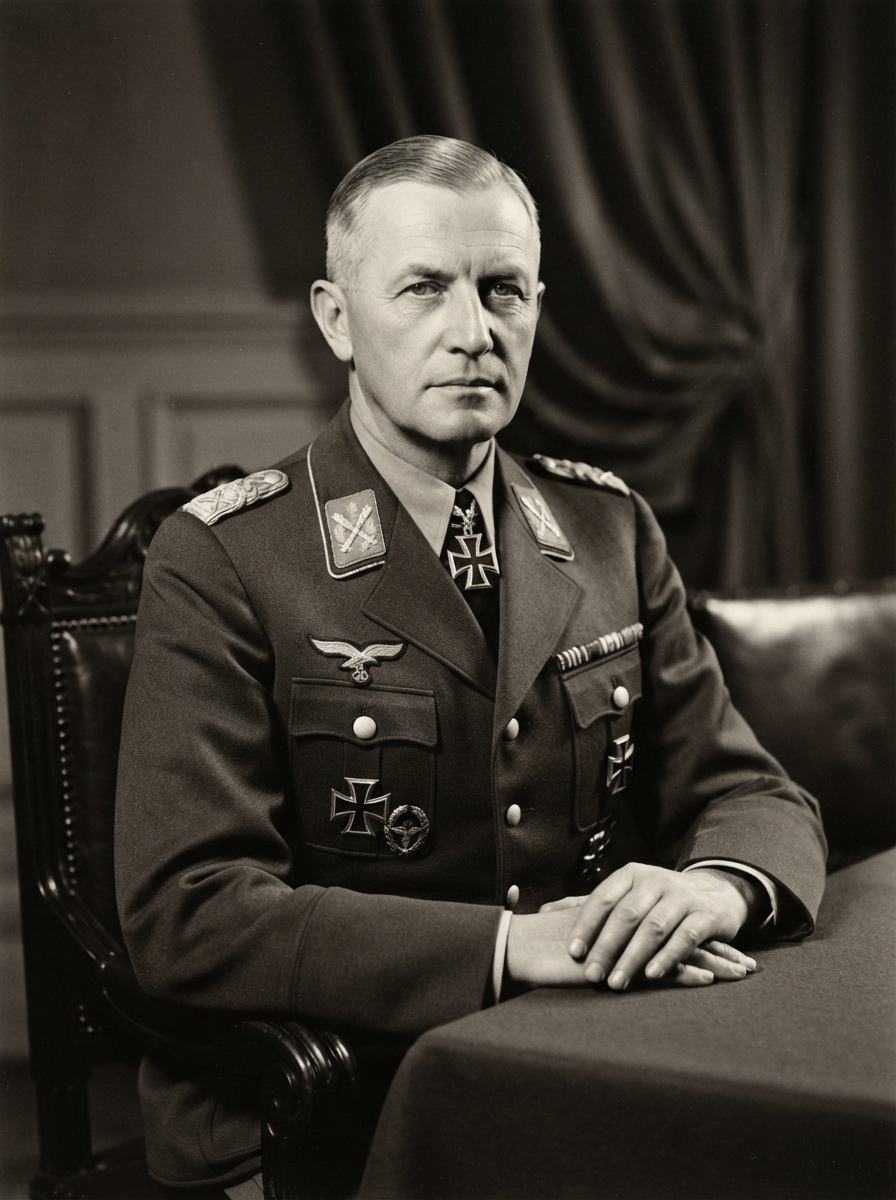
Albert Kesselring
notable'Smiling Albert' — the commander who ran a textbook retreat up a losing Italy
Alcetas
The blunt commander and brother of Perdiccas who chose force over diplomacy.
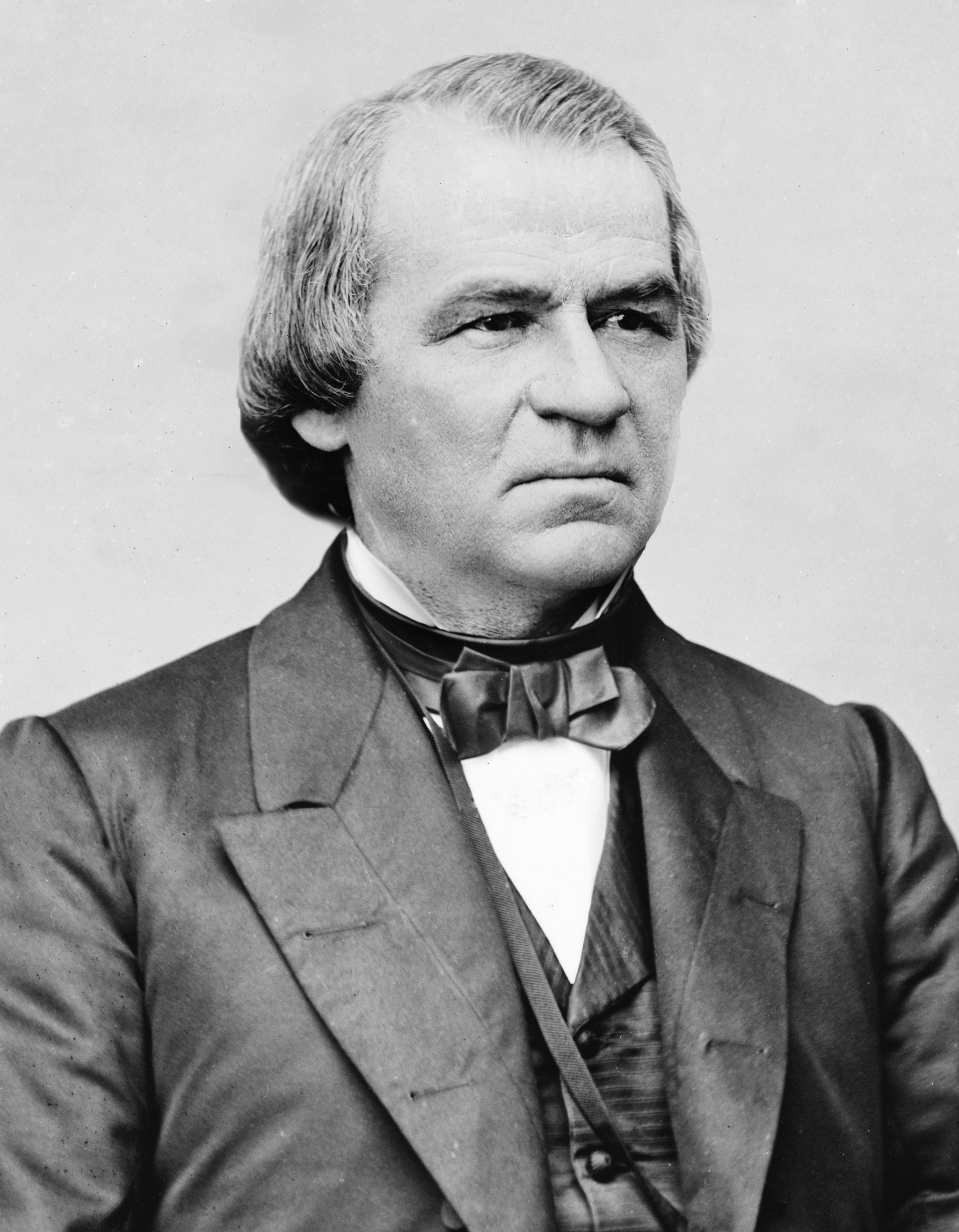
Andrew Johnson
renownThe self-made president who nearly lost his office to Reconstruction
Anytus
Athenian statesman and principal accuser in the trial of Socrates.
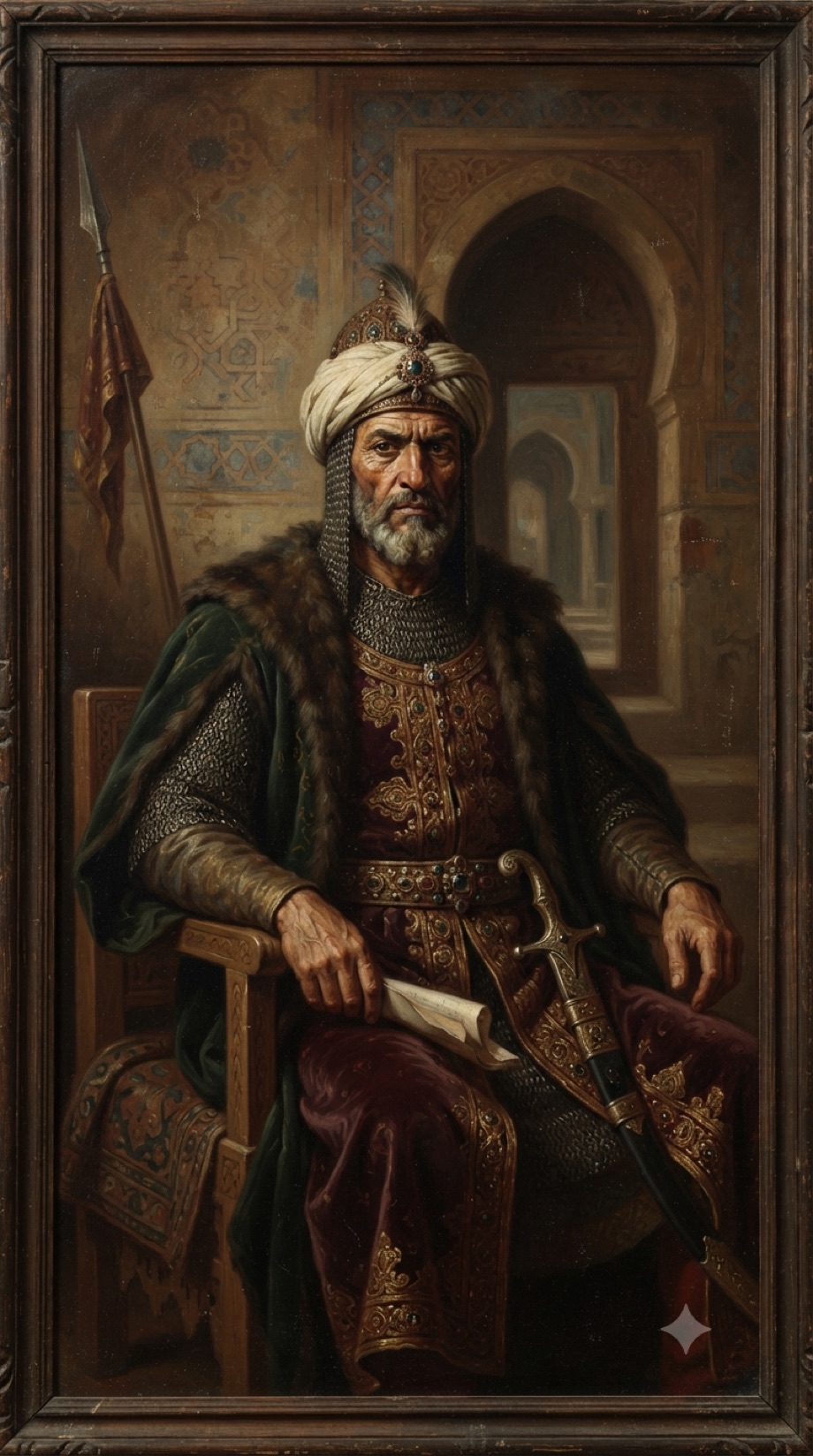
Aybak
notableThe first Mamluk sultan, a compromise strongman crushed between a brilliant wife and a fractious elite — the forceful ESTJ.
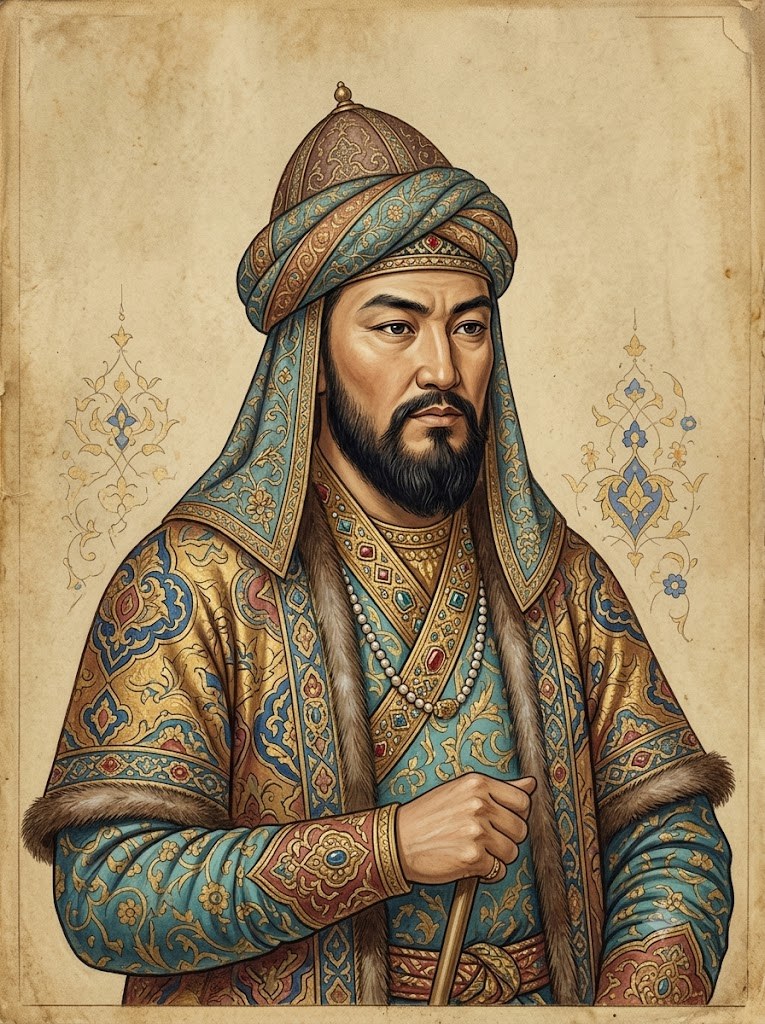
Berke Khan
notableThe first Muslim Mongol khan, who warred his cousin over Baghdad — the ESTJ ruler of order and conviction.
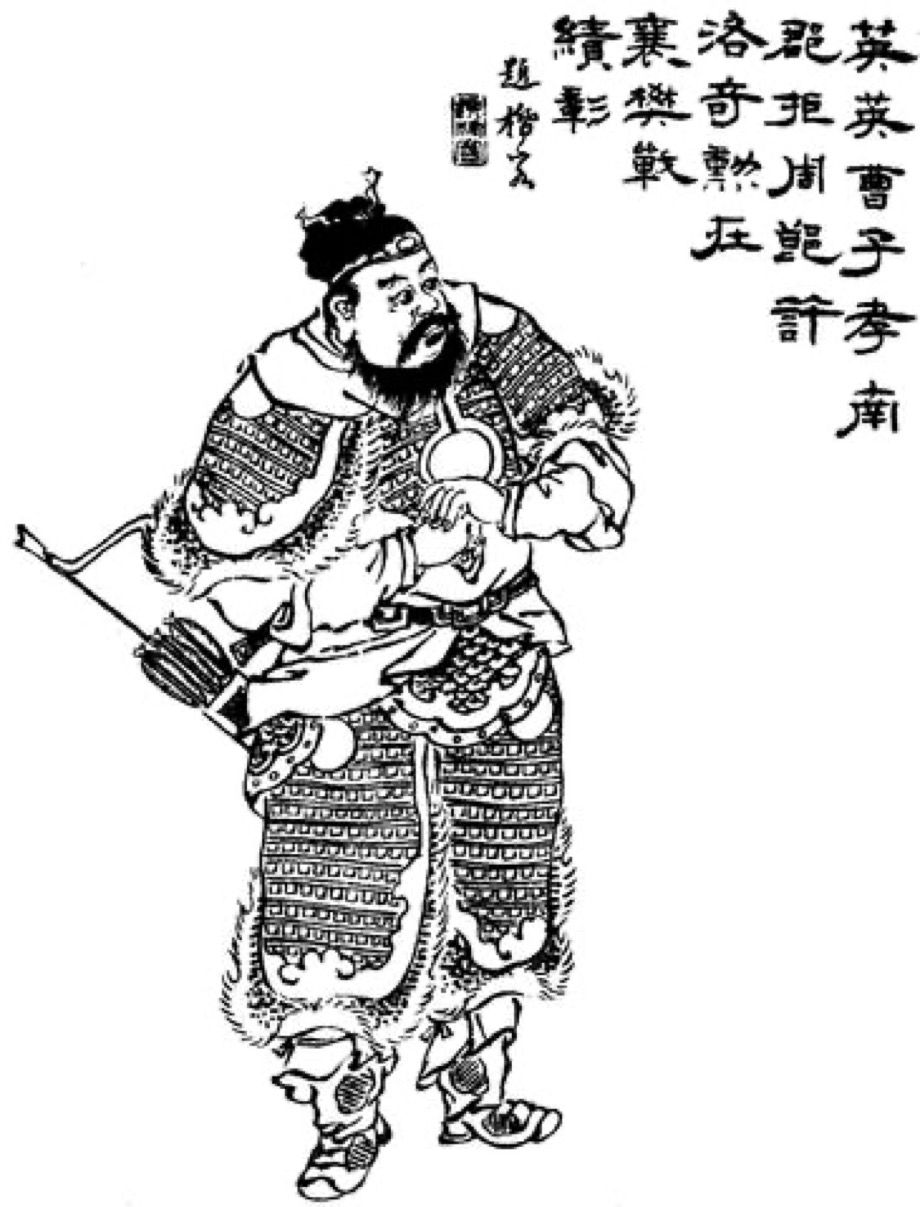
Cao Ren
notableThe iron wall who held Fan Castle against Guan Yu's flood
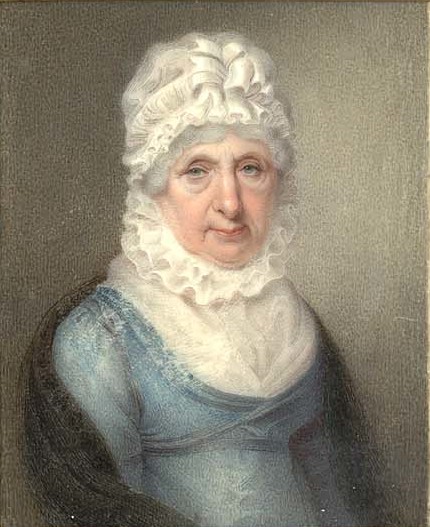
Catherine Van Rensselaer Schuyler
notablePhilip Schuyler's wife — mother of Angelica, Eliza, and Peggy
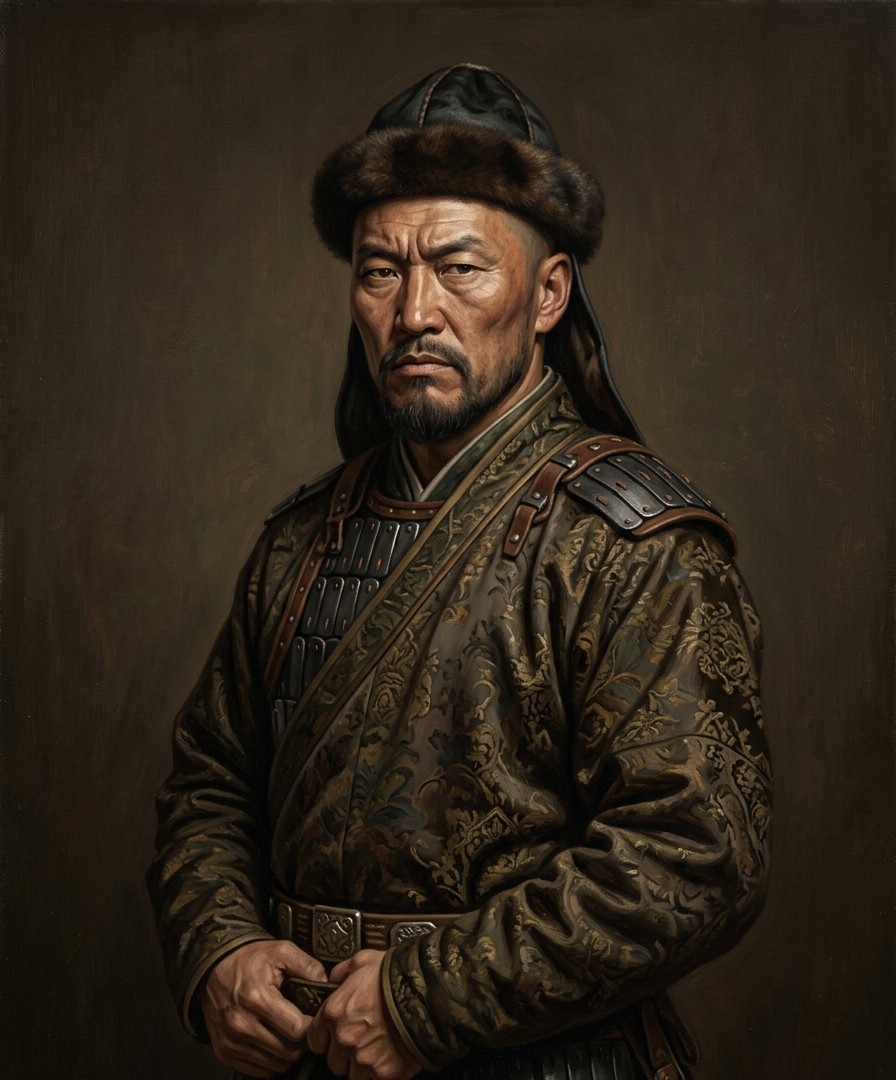
Chagatai
notableThe rigid second son of Genghis Khan who guarded the Yassa law and broke his own brother on it — an ESTJ disciplinarian
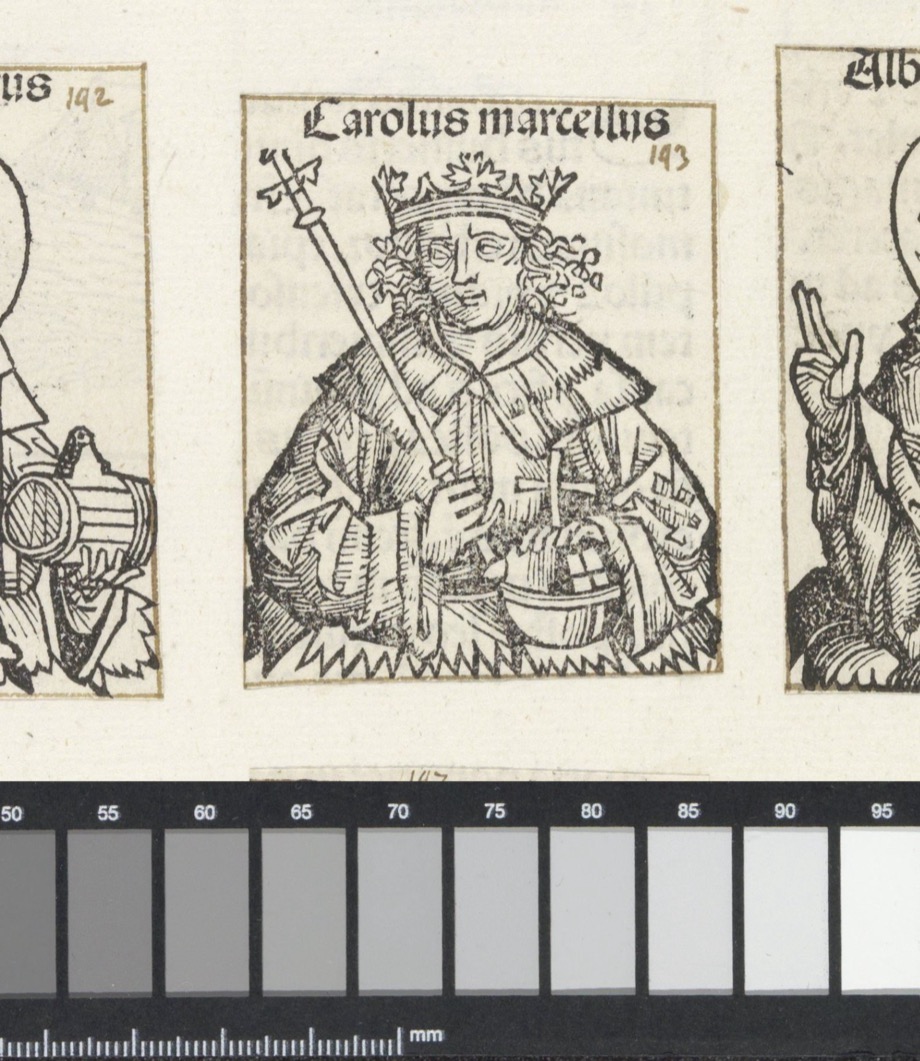
Charles Martel
renownCharles Martel made military success and inherited office into durable Frankish authority, while later legend reduced his career to a single battle.
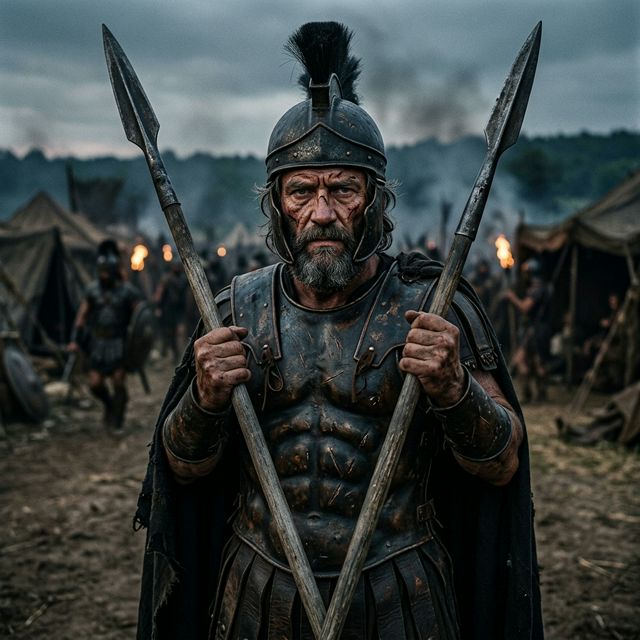
Cleitus the Black
notableThe veteran who saved the king's life — and lost his own to the king's pride.
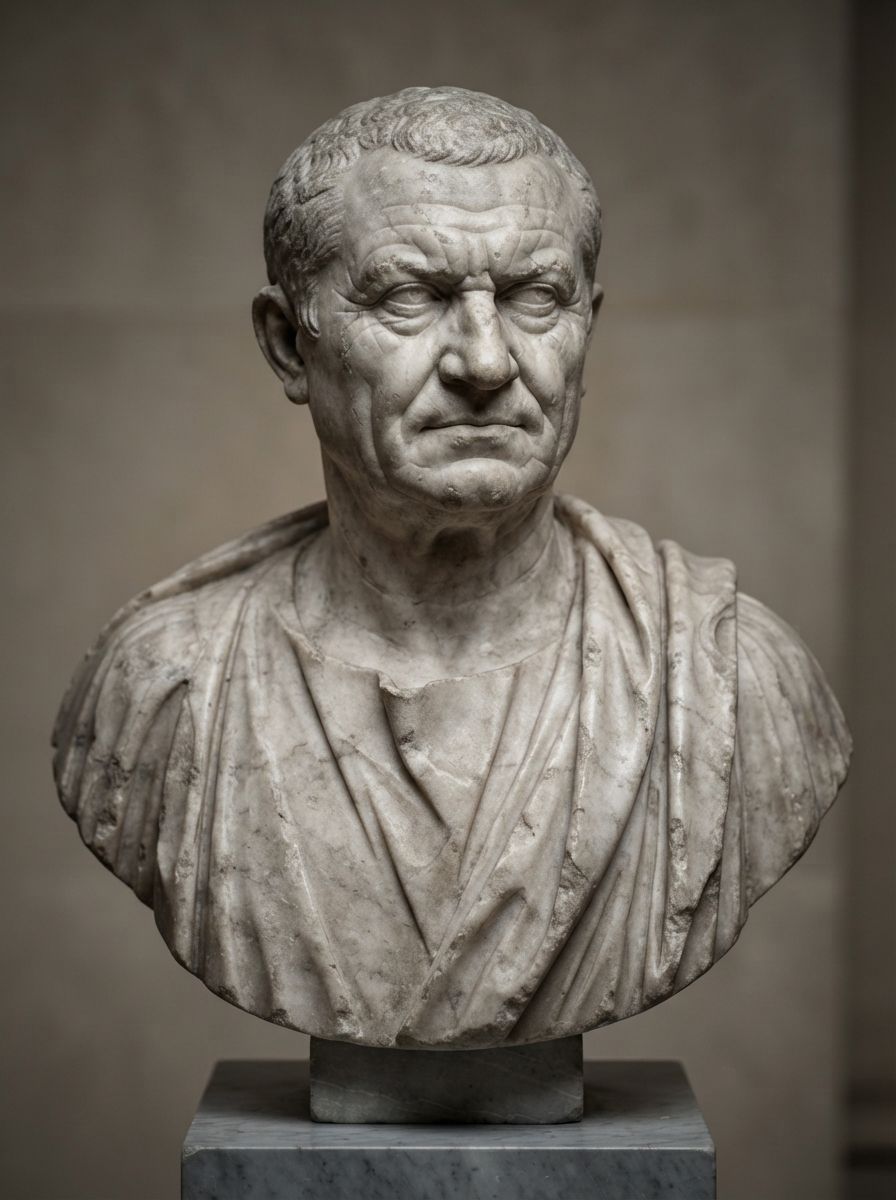
Crassus
renownRome's richest man, who bought his way to power and died reaching for the glory money couldn't.
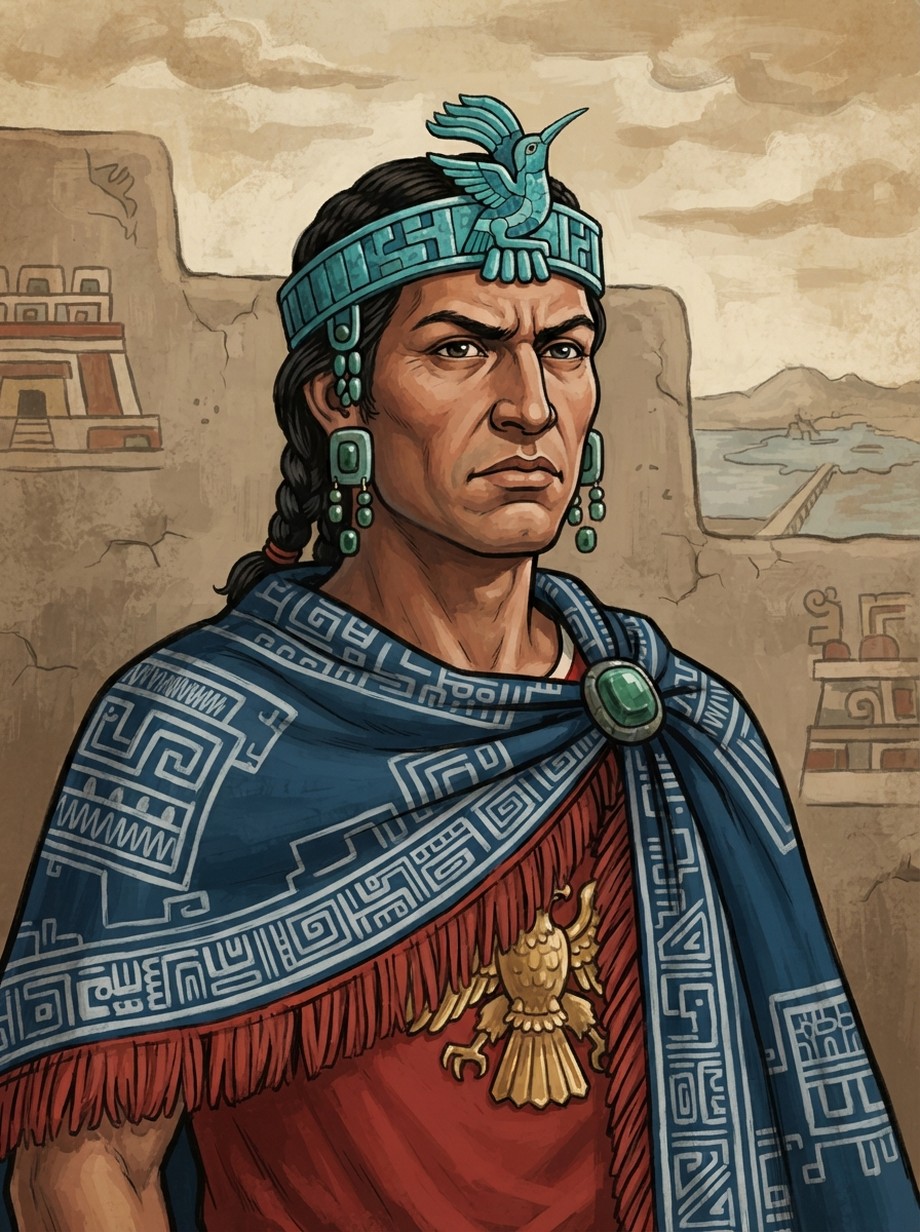
Cuitláhuac
notableThe tenth tlatoani who expelled Cortés from Tenochtitlan and died of smallpox eighty days later.
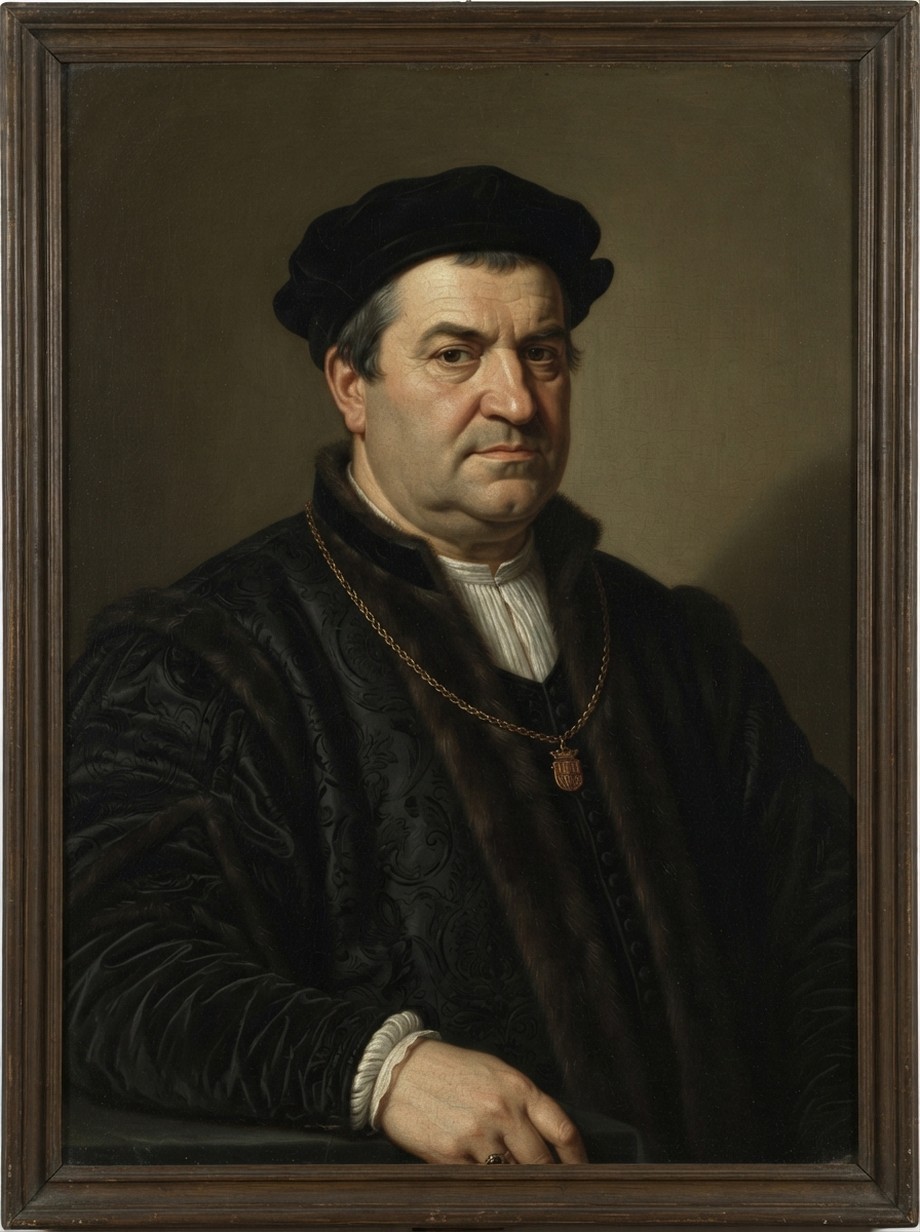
Diego Velázquez de Cuéllar
notableThe governor of Cuba who commissioned Cortés's expedition and spent his last years trying to reclaim it.
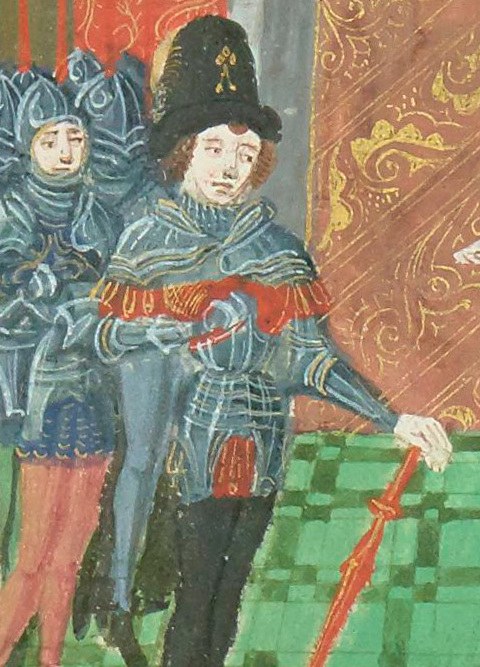
Edmund Beaufort, Duke of Somerset
notableHenry VI's favorite and York's hated rival, killed at the war's first battle — the position-guarding ESTJ of Lancaster.
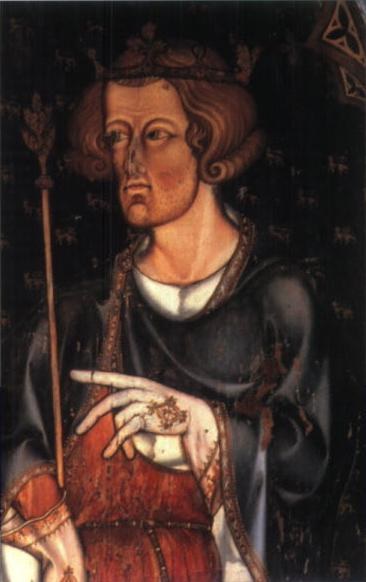
Edward I
The towering 'Hammer of the Scots' who conquered Wales and codified England's law — the iron ESTJ warrior-king.
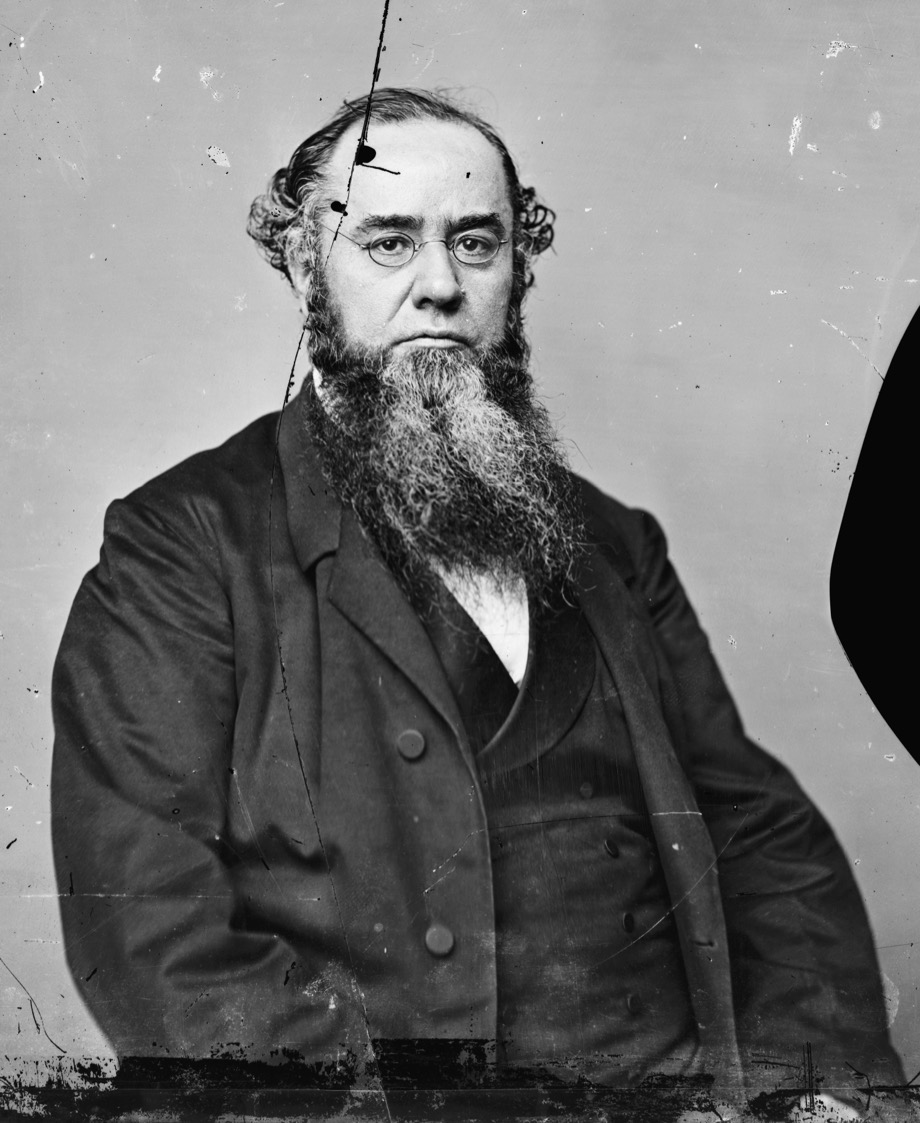
Edwin M. Stanton
notableThe War Secretary who turned a corrupt department into the machine that ran the Union war effort

Elena Nikitichna
Princess Trubetskaya who married Attorney General Alexander Vyazemsky and outlived him by nearly forty years — the steady household beneath the pillar of Catherine's state.
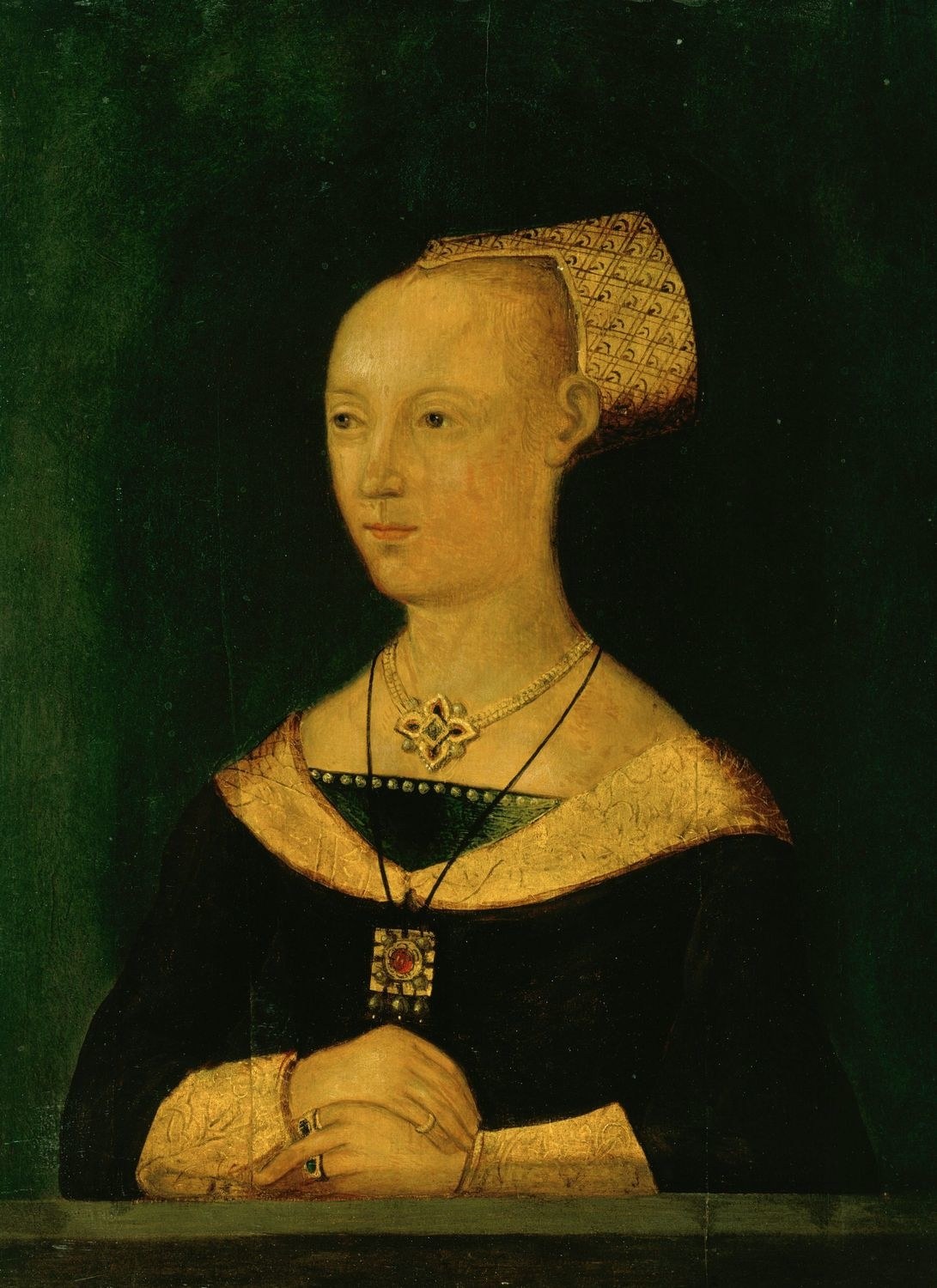
Elizabeth Woodville
renownThe commoner who married Edward IV for love, lost her sons in the Tower, and still founded the Tudors — the shrewd ESTJ.
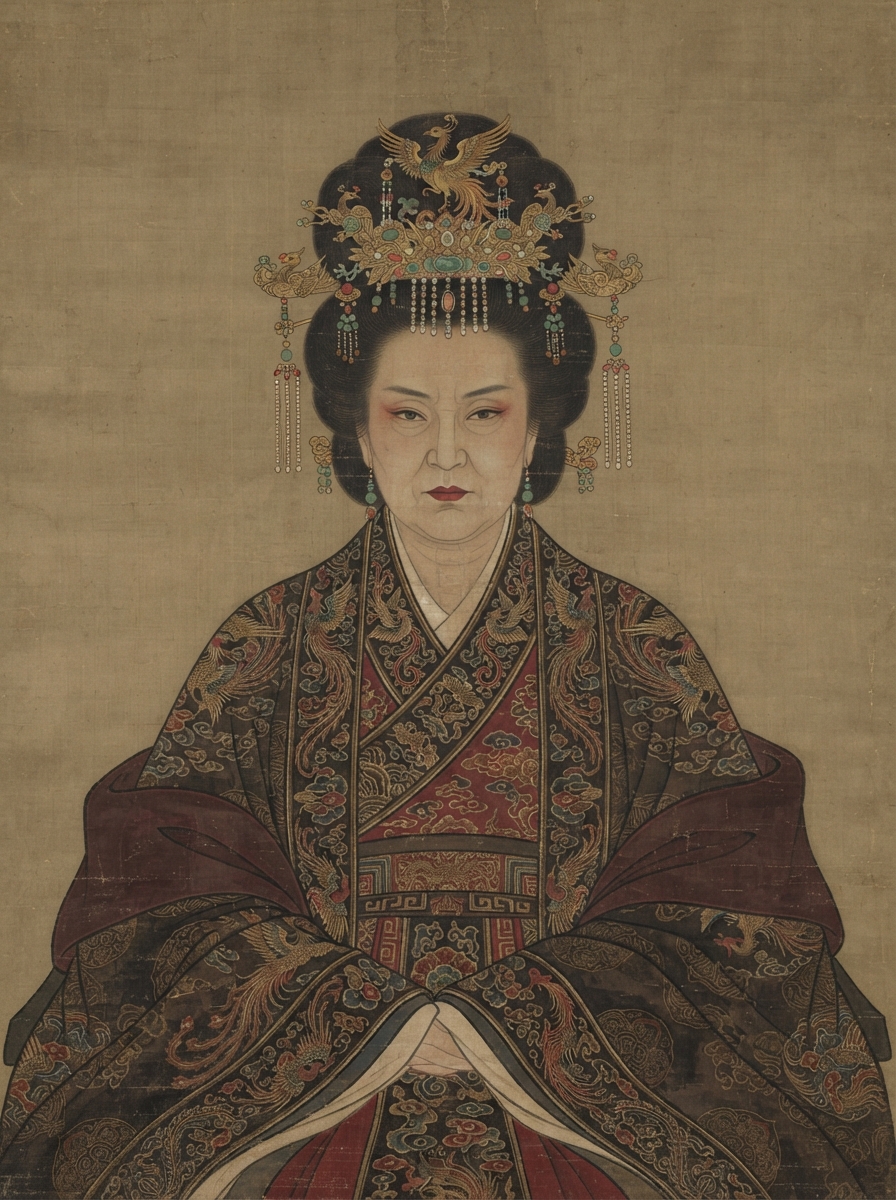
Empress Lü Zhi
notableThe empress who ruled Han China for fifteen years and took brutal revenge on a rival.
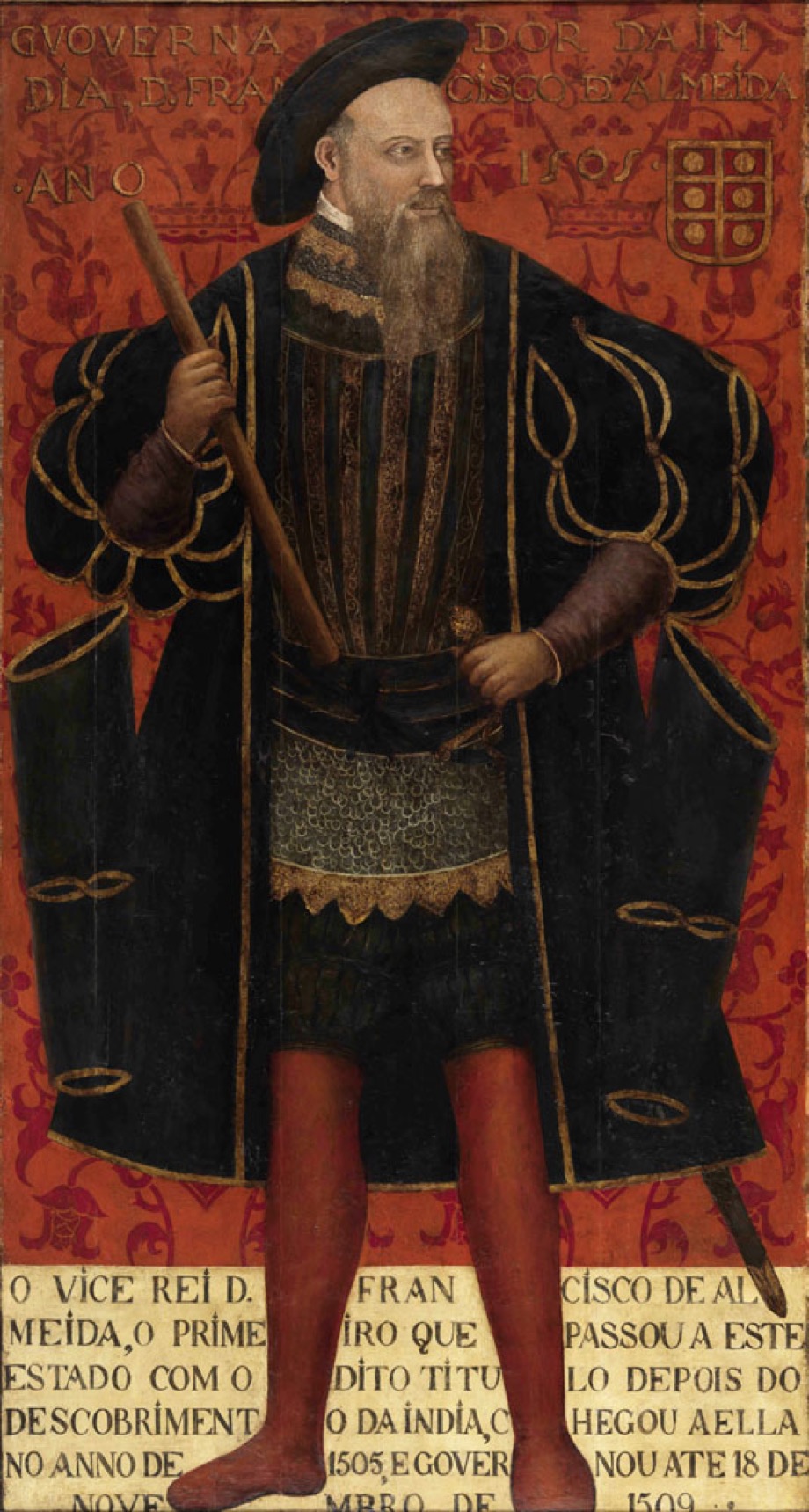
Francisco de Almeida
notableThe first Viceroy of India, who insisted power should stay afloat, avenged his son at Diu, and died in a beach skirmish.
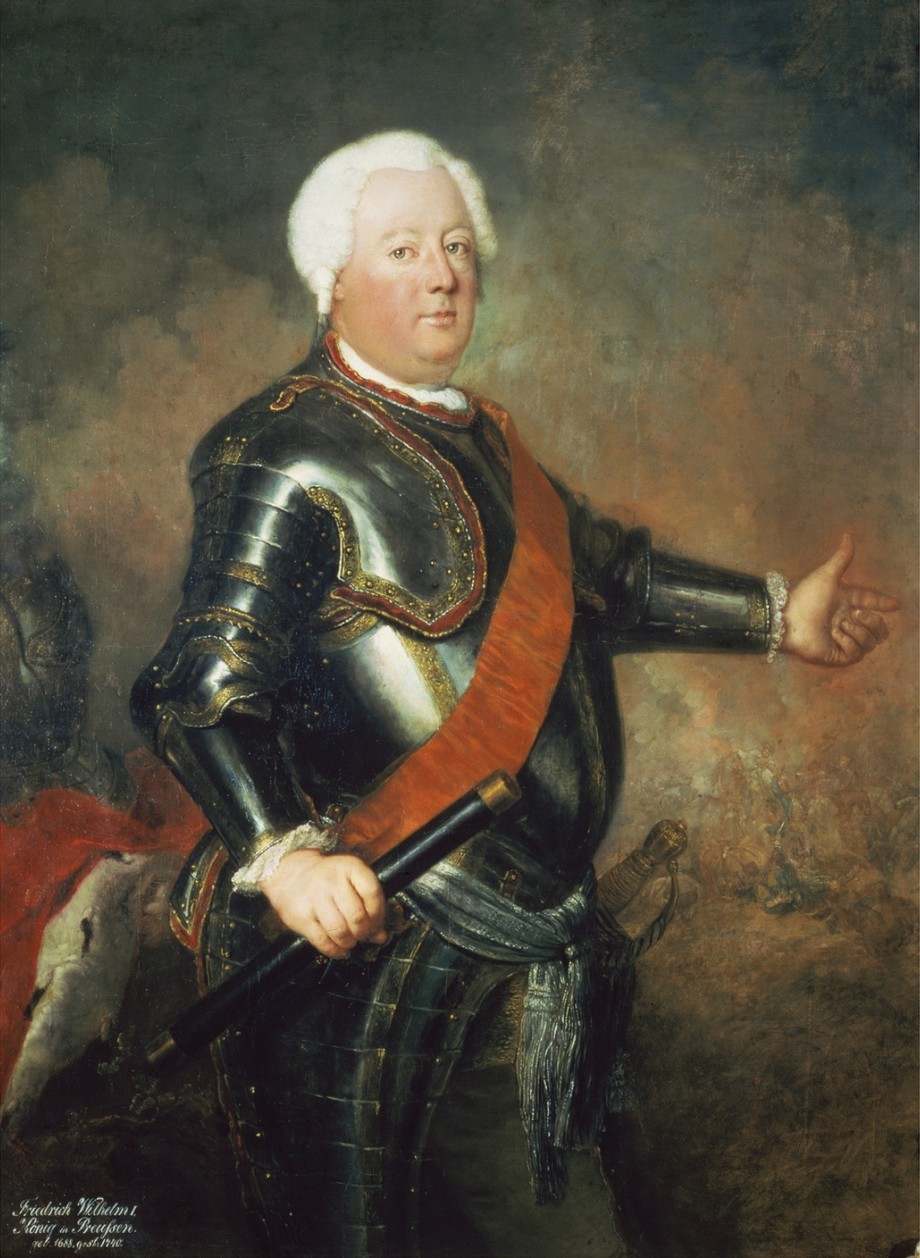
Frederick William I
notableThe architect of the Prussian state who forged an army, treasury, and bureaucracy by iron will — and beat and broke the son who would inherit it
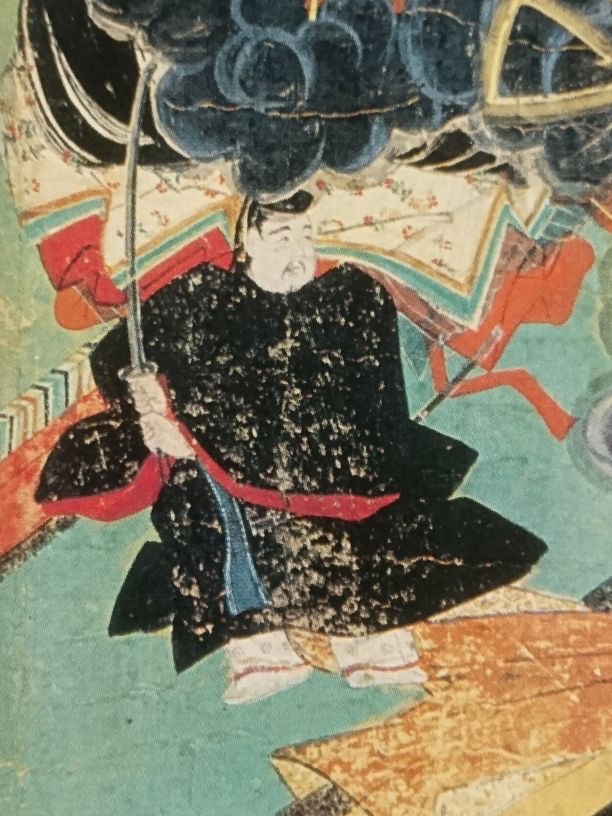
Fujiwara no Tokihira
notableThe senior minister whose administrative work must be separated from the villain assigned to him in Tenjin legend.
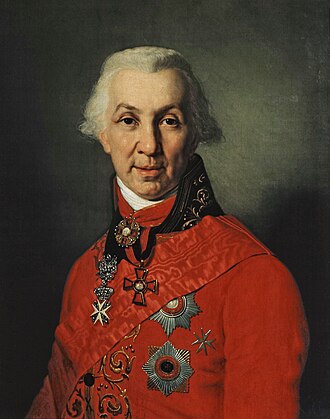
Gavrila Derzhavin
notableThe greatest Russian poet before Pushkin — an ESTJ statesman-bard who praised Catherine in magnificent odes and served the empire under three tsars.
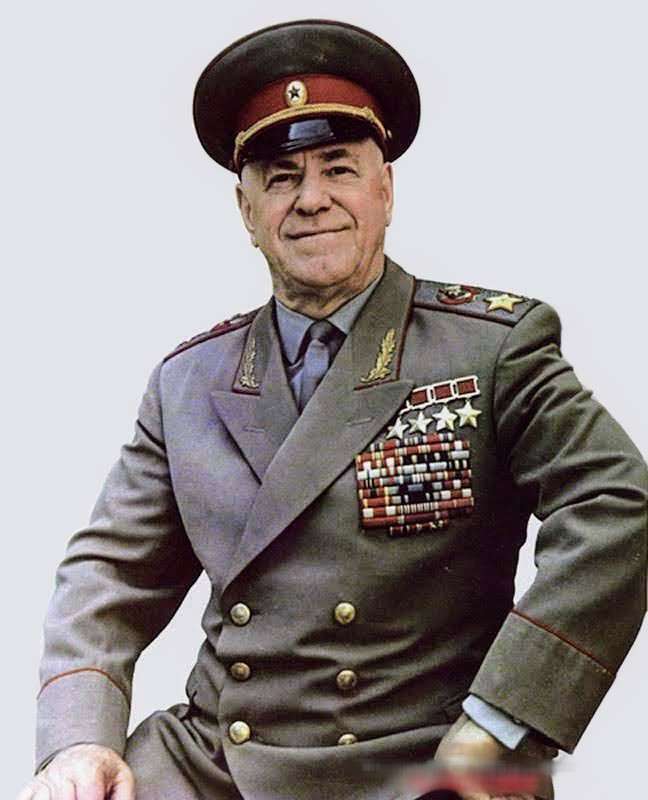
Georgy Zhukov
renownThe marshal who won by mass and method, and the only man who argued with Stalin and lived.
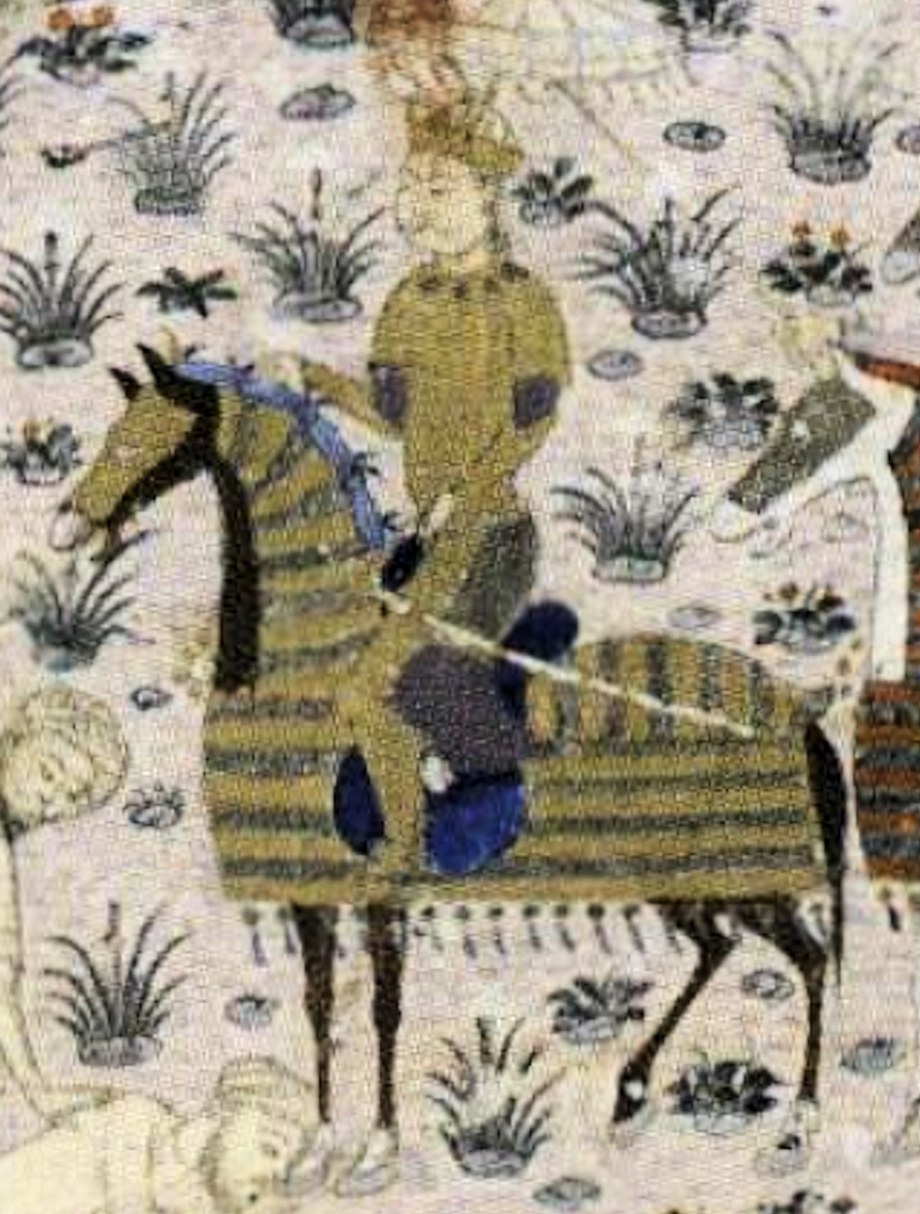
Ghiyath al-Din Tughluq
notableThe frontier general who founded the Tughluq dynasty and restored order to Delhi — the capable ESTJ soldier-king.
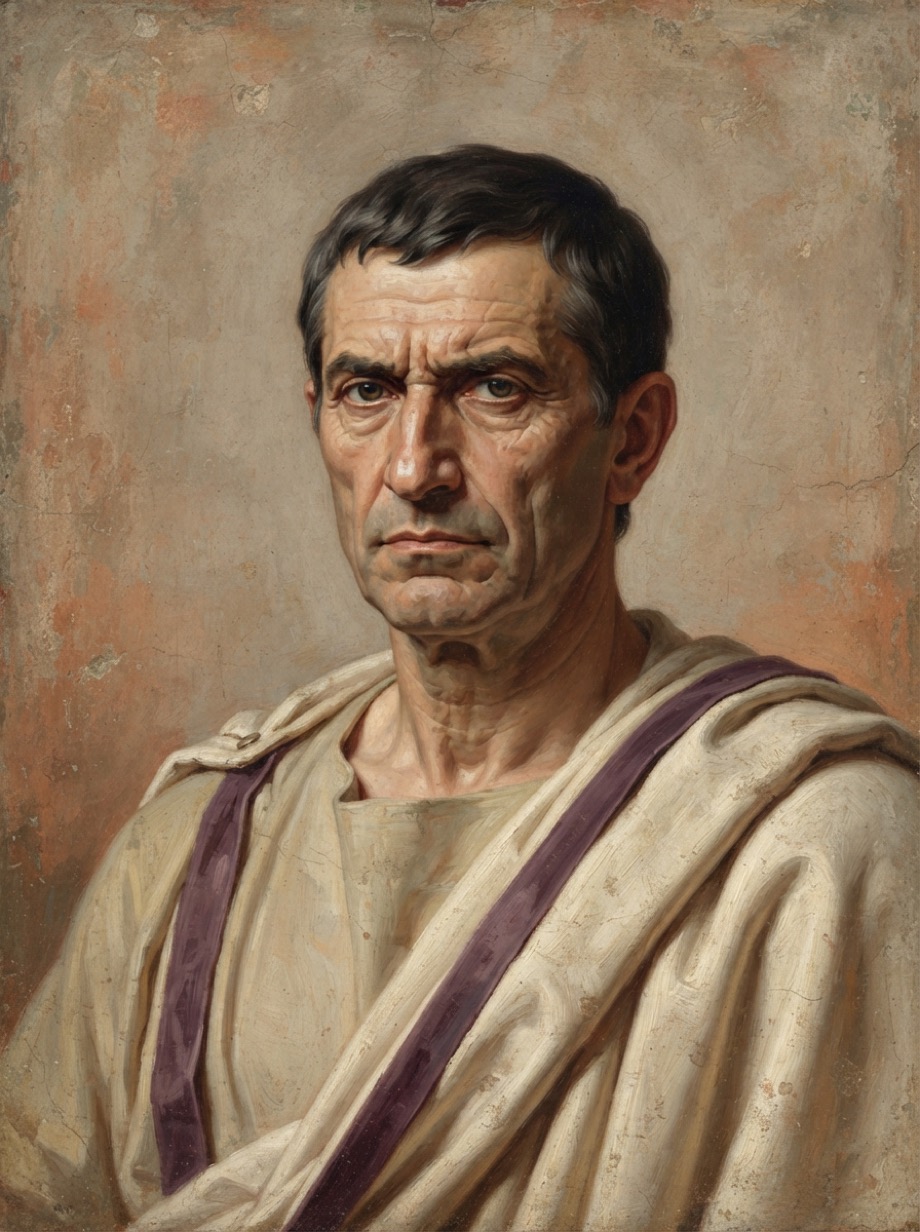
Gnaeus Calpurnius Piso
obscureThe governor of Syria who defied Germanicus by force and died by his own hand rather than face the Senate's verdict — blunt institutional authority as the ESTJ's only mode.
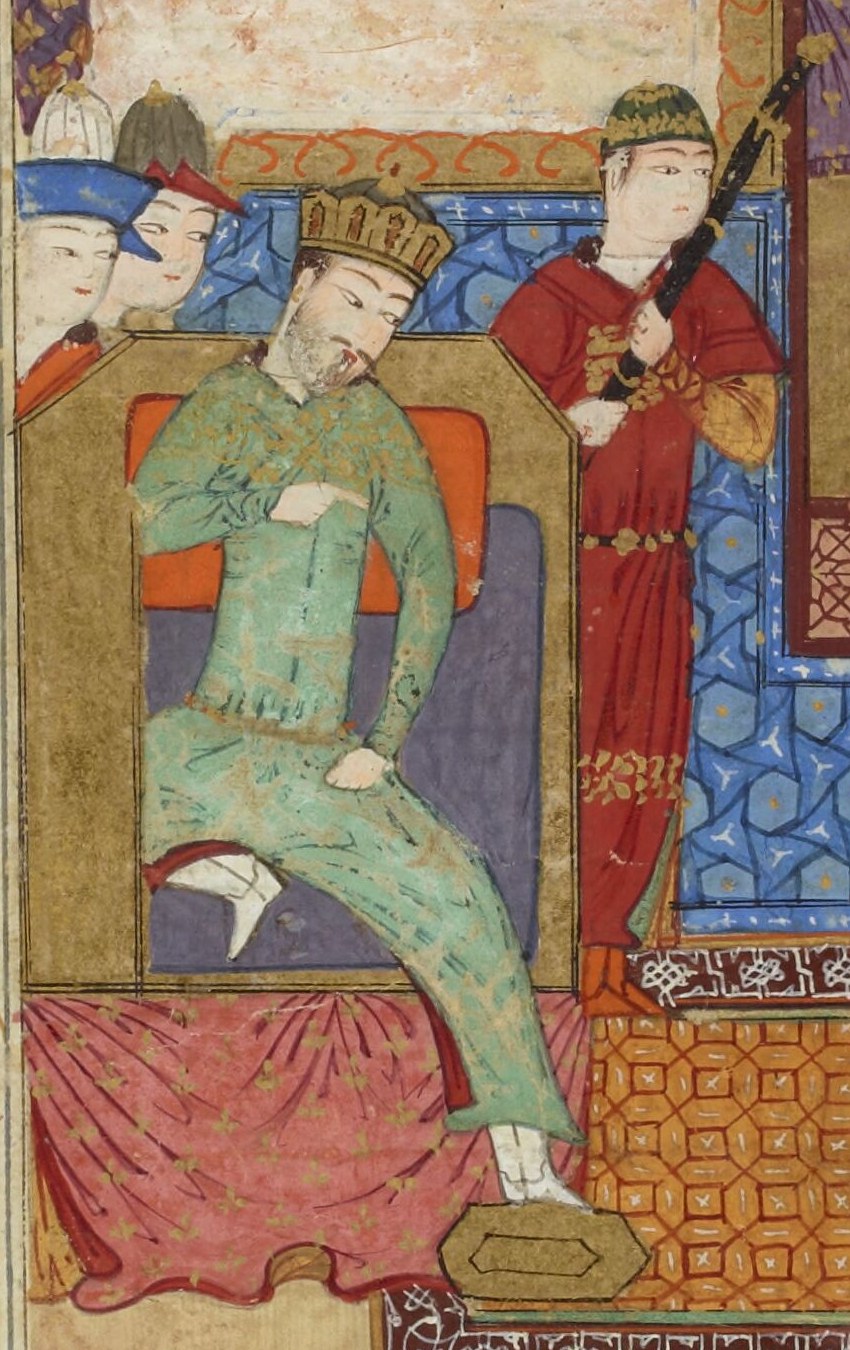
Güyük Khan
renownThe haughty third Great Khan who told the Pope to submit — the ESTJ heir who enforced an empire but built nothing.
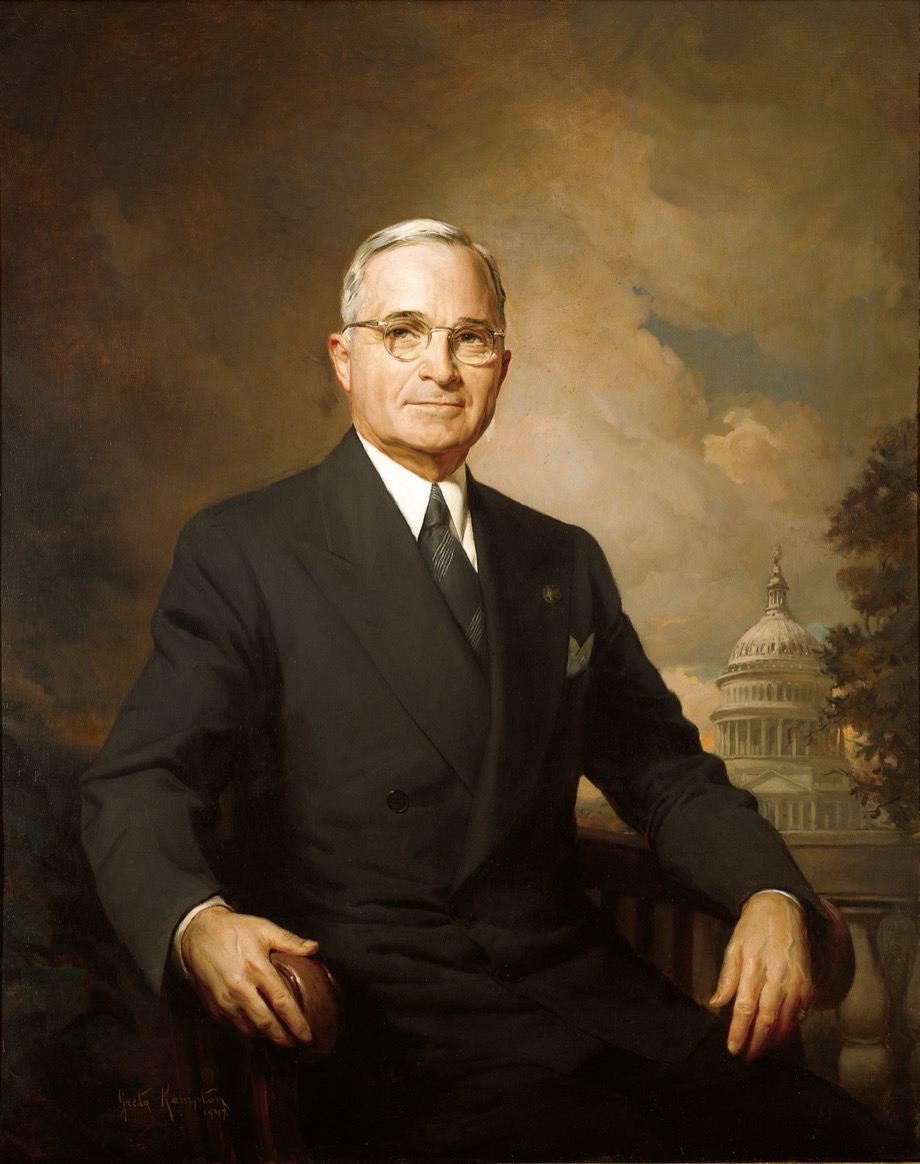
Harry Truman
The accidental president who ordered the atomic bombings and never looked back
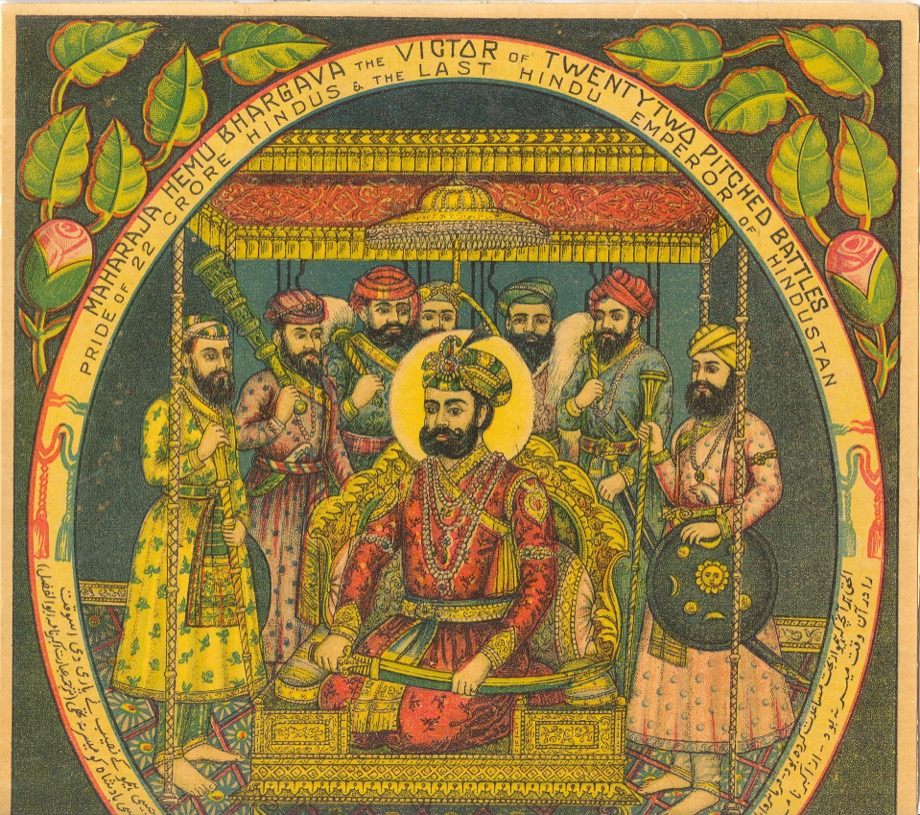
Hemu
renownThe Sur administrator and commander whose capture of Delhi briefly threatened Akbar’s inheritance.
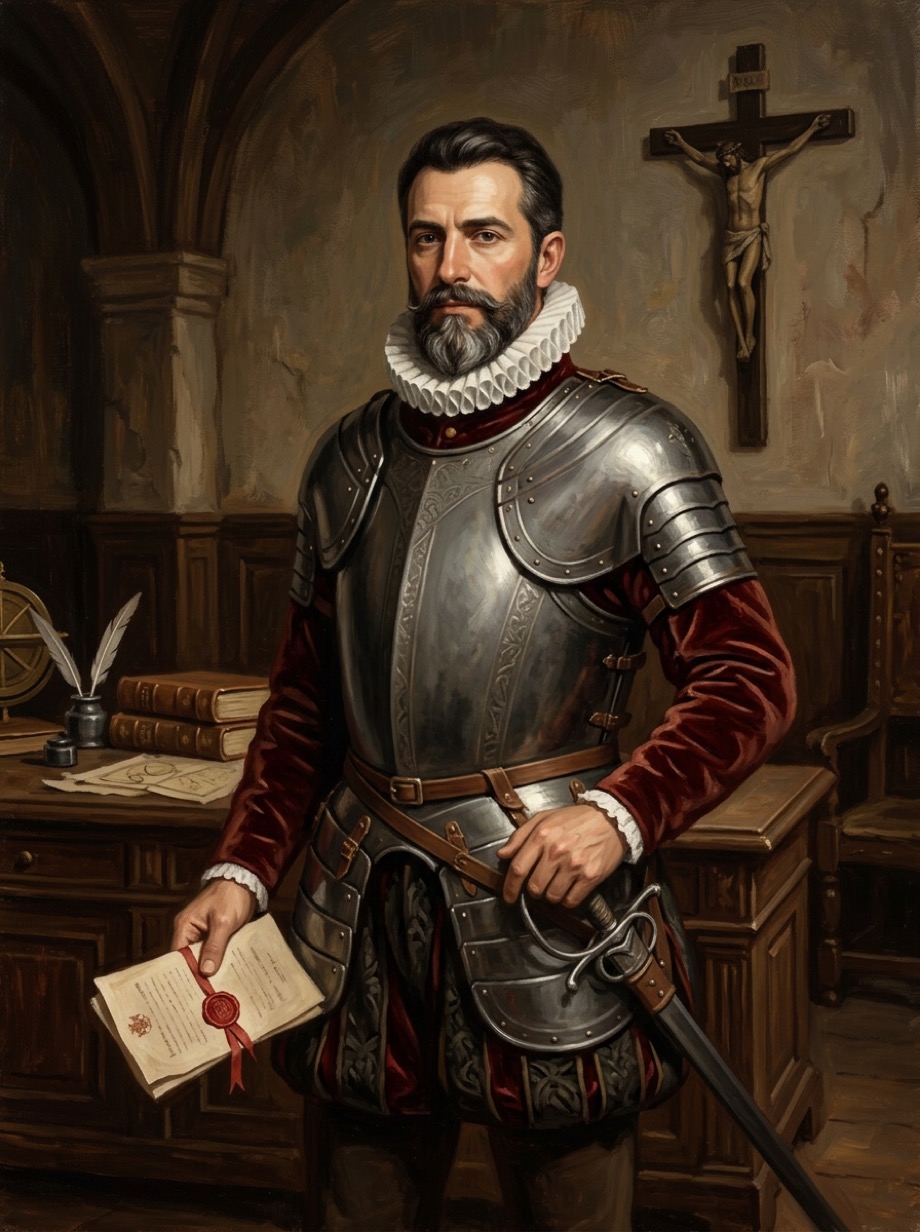
Hernando Pizarro
notableThe one legitimate, literate Pizarro brother — carried the ransom gold to Spain and executed Almagro.

Hoelun
notableThe mother who would not let the future of the world starve — the ESTJ matriarch and iron will at the root of Genghis Khan's empire
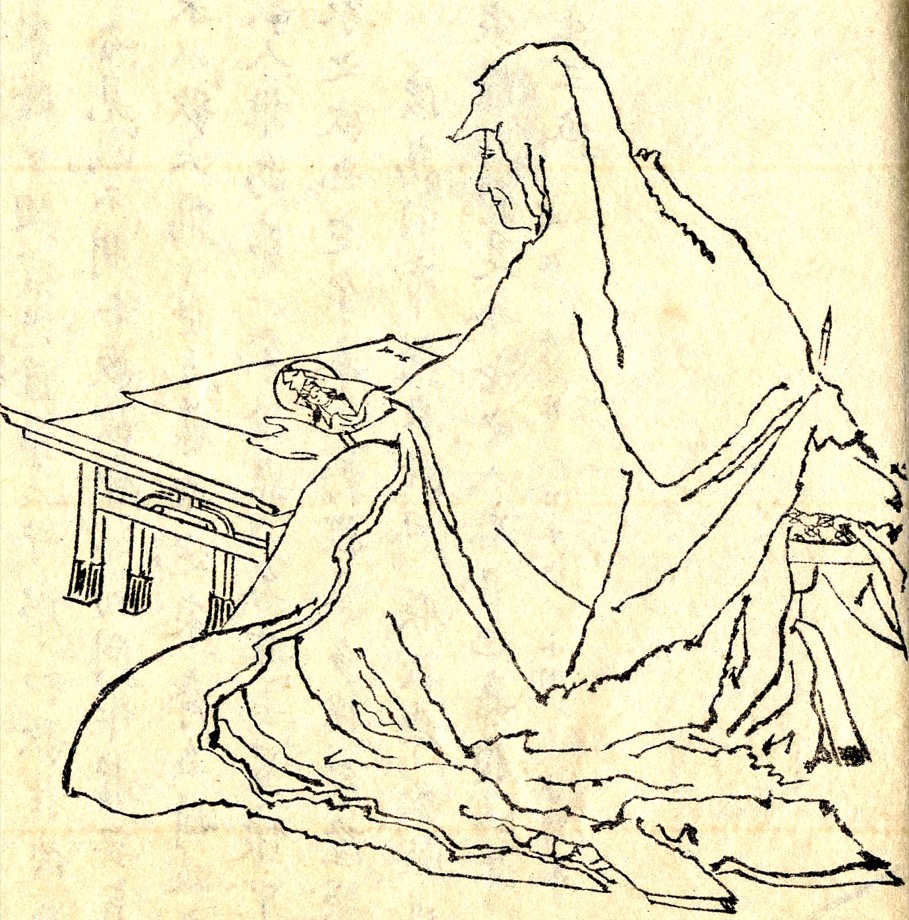
Hōjō Masako
renownHōjō Masako helped preserve the Kamakura government through succession crises and the challenge of the Jōkyū War.
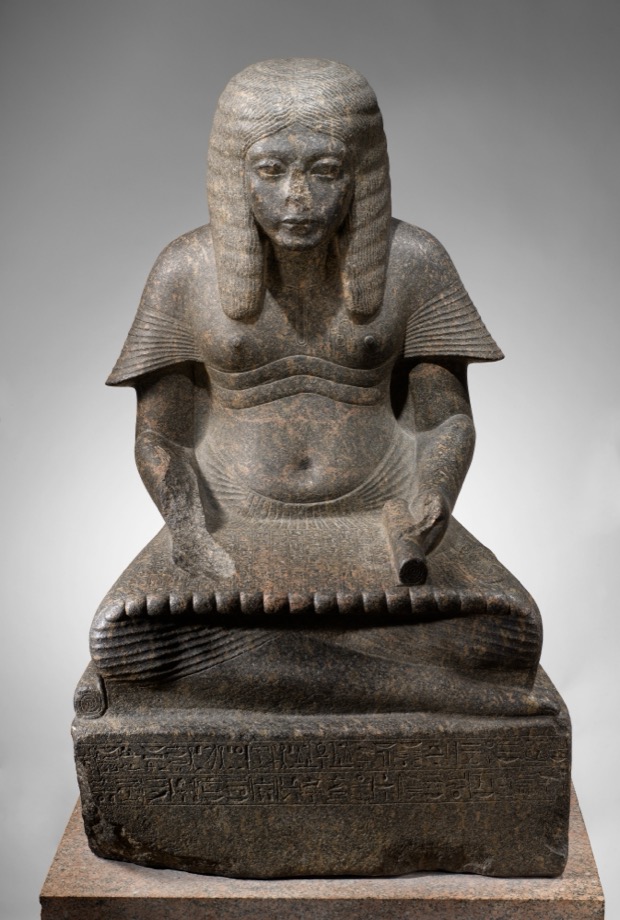
Horemheb
renownThe general who restored order and erased the Amarna revolution from memory.
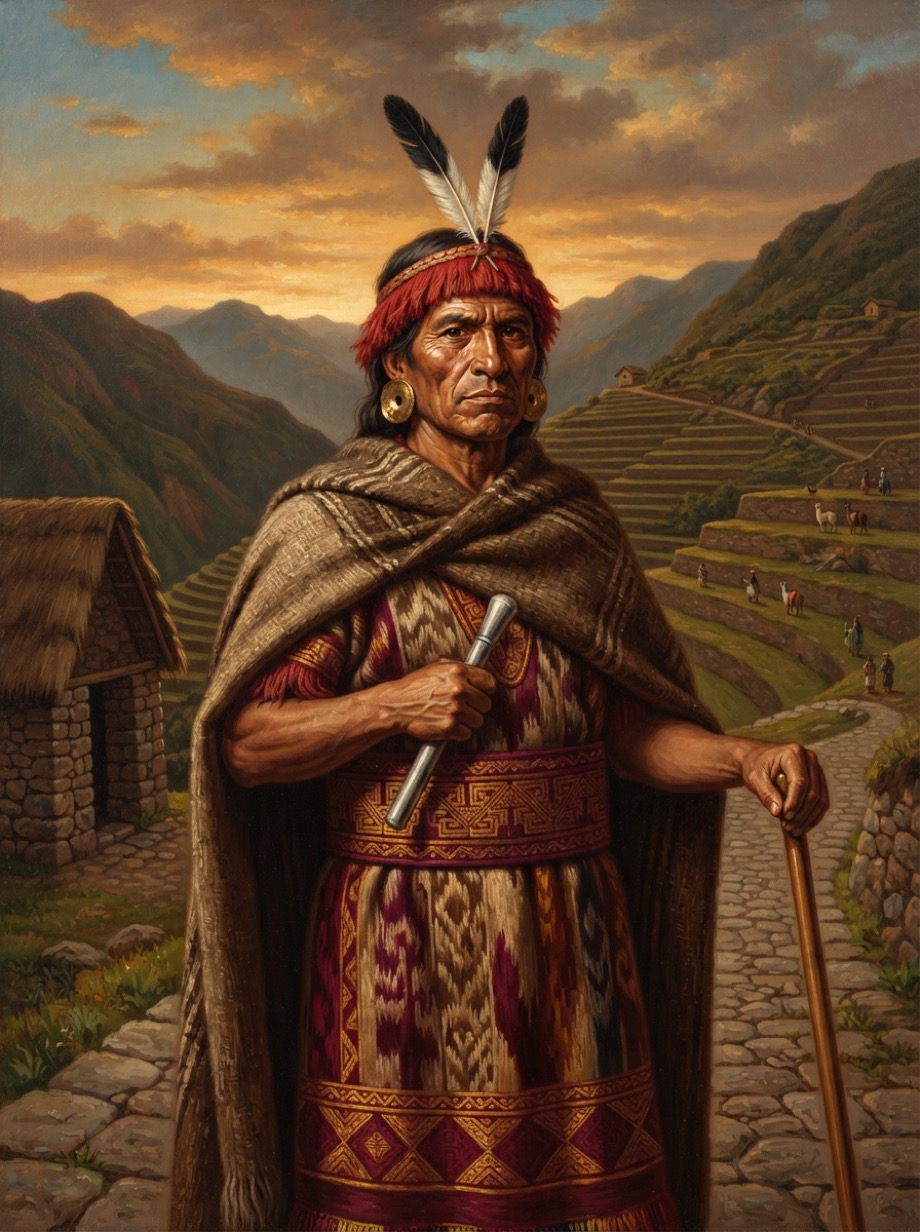
Huayna Capac
renownRan the empire by constant inspection, then died of a disease he never saw coming, from a continent he never saw.
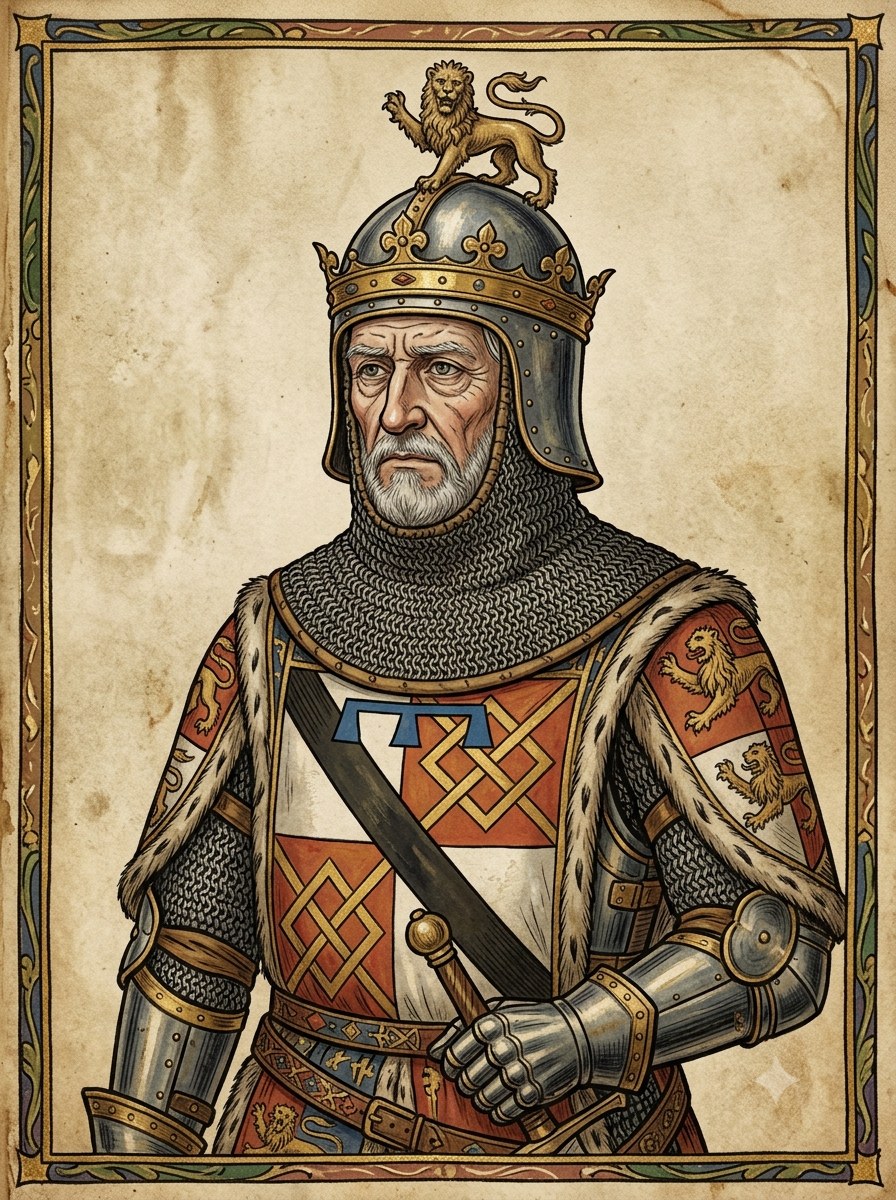
Hugh Despenser the Elder
notableThe loyal old servant hanged in his armour for a doomed king and a grasping son — the dutiful ESTJ Despenser.
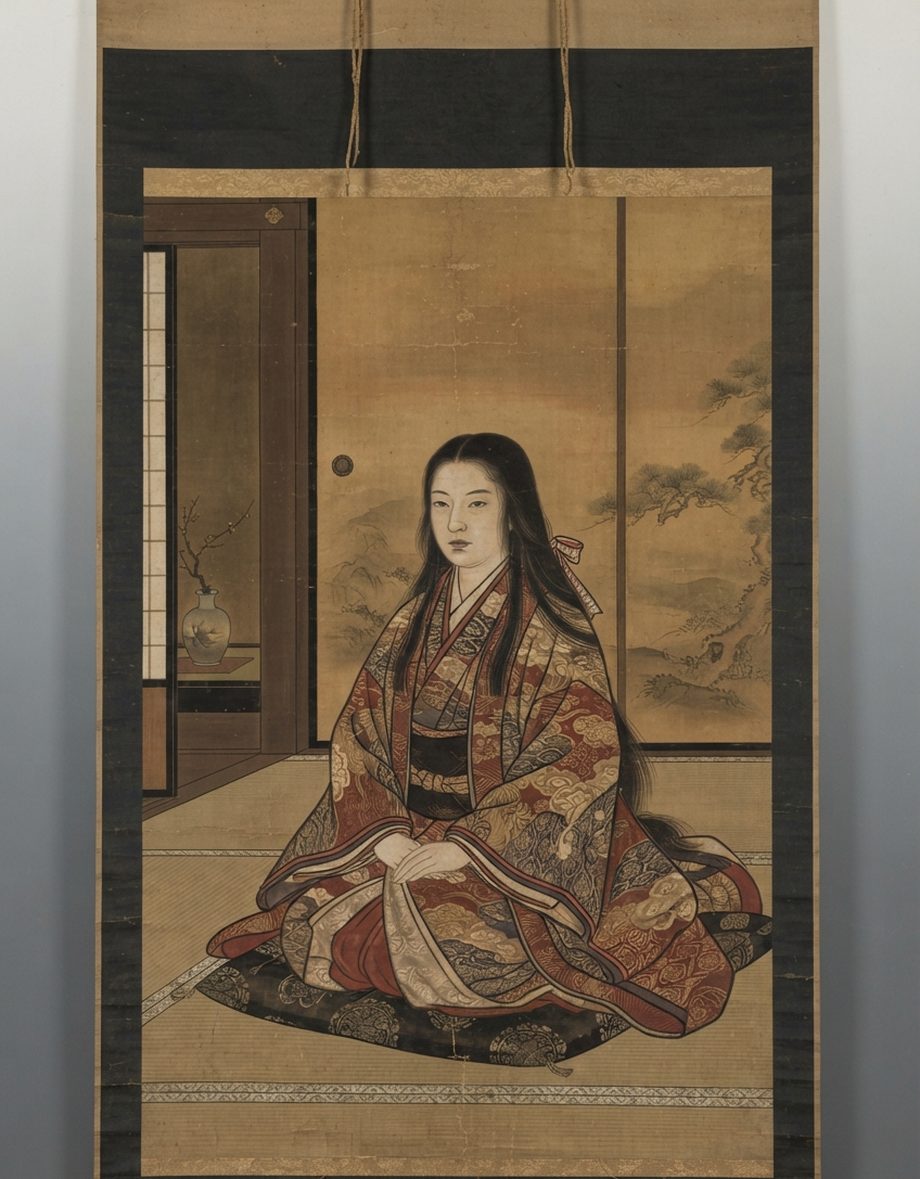
Ii Naotora
notableThe woman who took command of a shattered clan and kept its heir alive to become one of Ieyasu's greatest generals — the caretaker-ruler ESTJ.
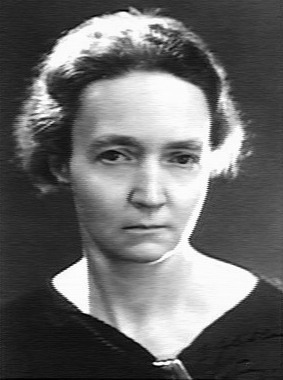
Irène Joliot-Curie
notableMarie Curie's daughter — who won her own Nobel Prize in Chemistry
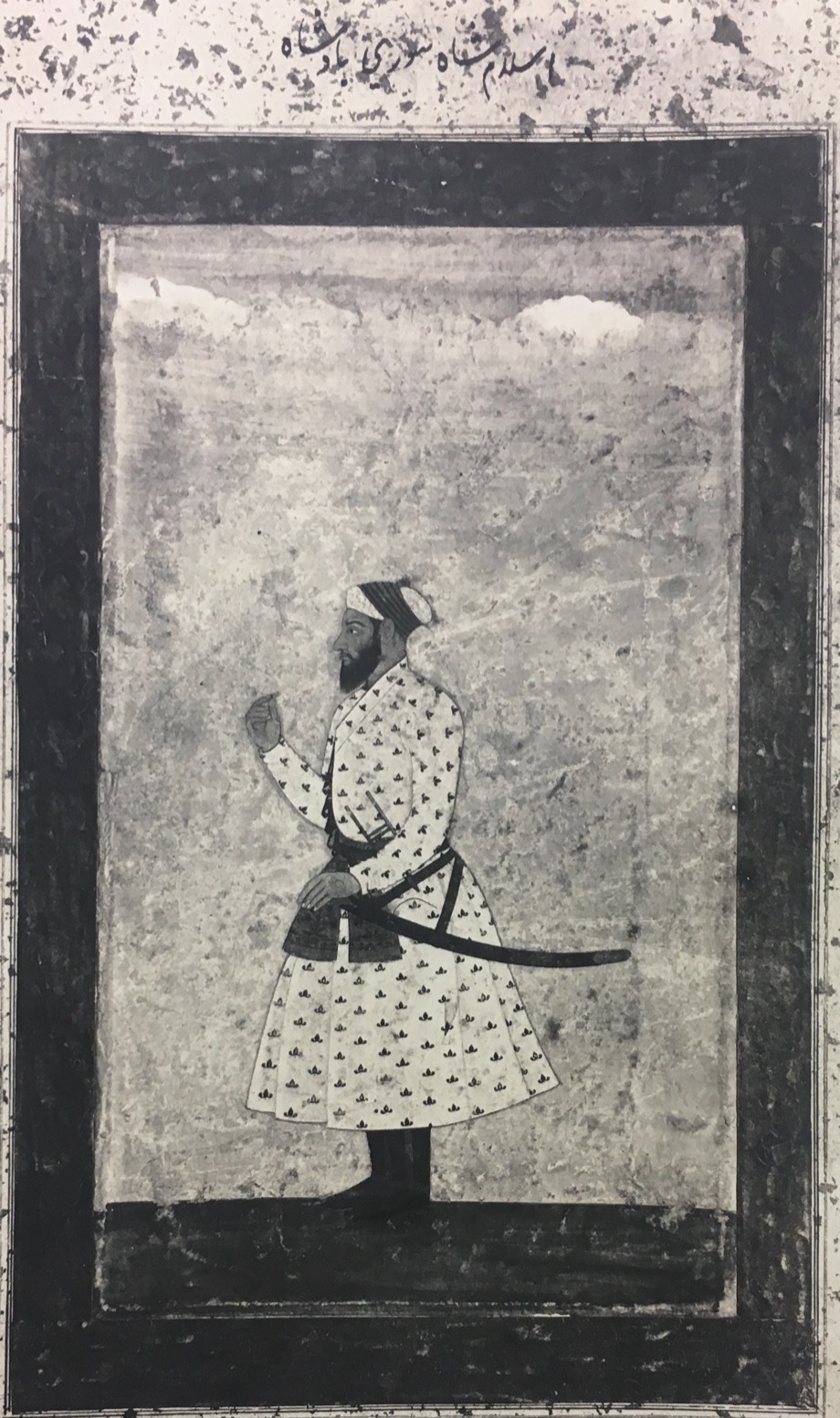
Islam Shah Suri
notableSher Shah’s successor, whose consolidation of the Sur state sharpened its conflicts with powerful nobles.
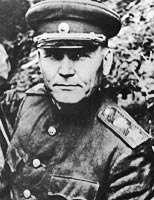
Ivan Konev
notableZhukov's lifelong rival, driving his armies west in the race to Berlin.
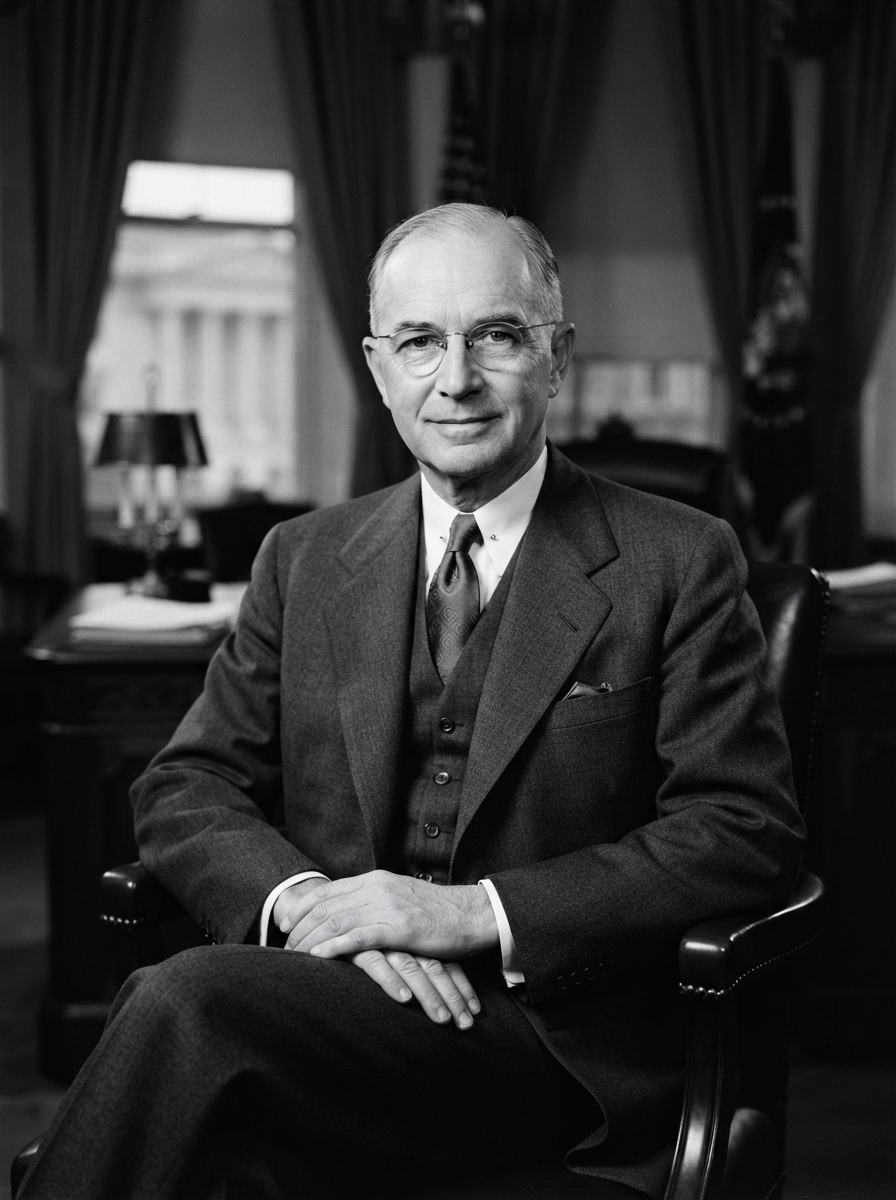
James F. Byrnes
notableThe 'assistant president' who pivoted US policy toward confronting Stalin
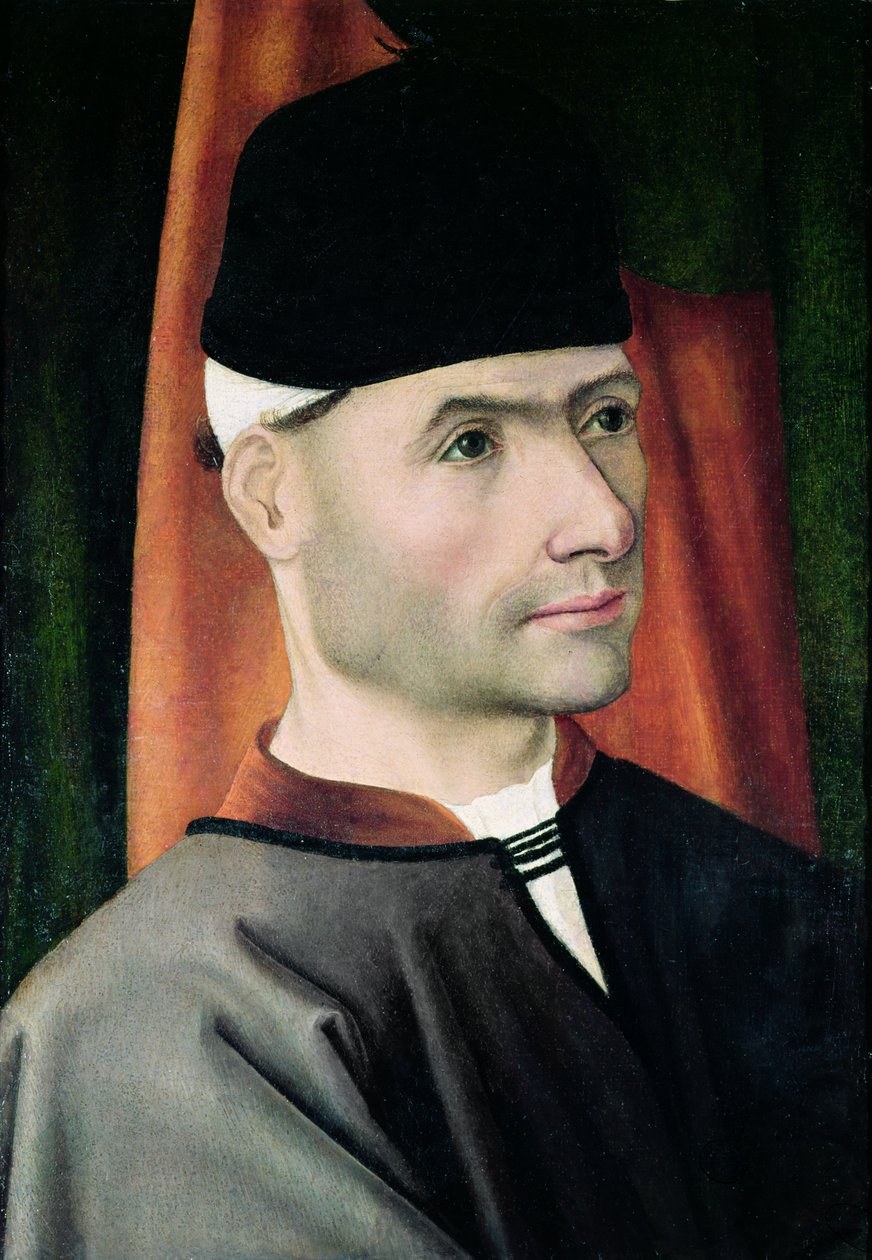
Jean de Dunois
notableThe 'Bastard of Orléans' who held the city, embraced Joan, and won France back — the loyal, capable ESTJ soldier.
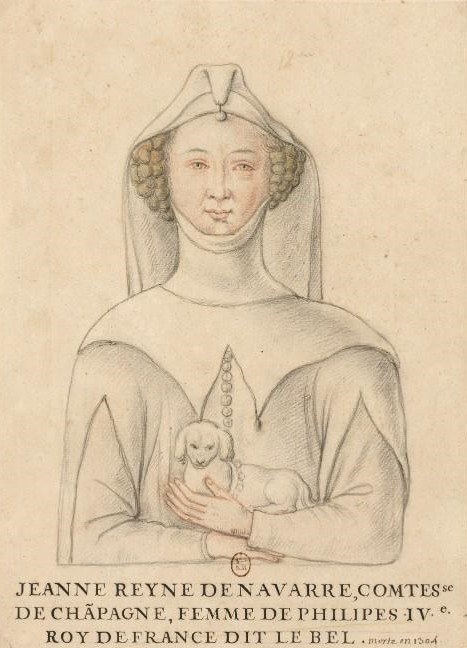
Joan I of Navarre
notablePhilip IV's wife and a reigning queen in her own right — the ESTJ who defended Champagne and founded a college.
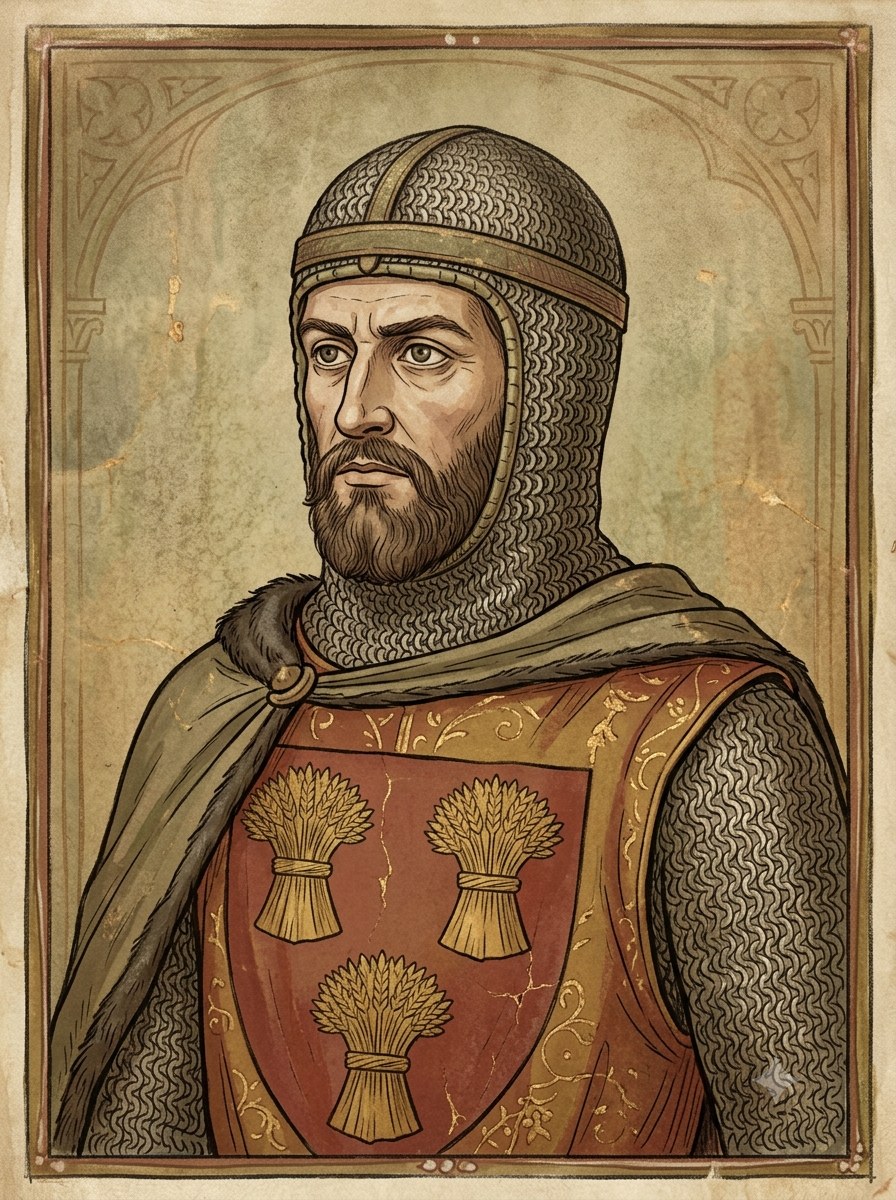
John Comyn
notableBruce's great rival, stabbed to death before a church altar — the ESTJ magnate who stood for the old order and fell.
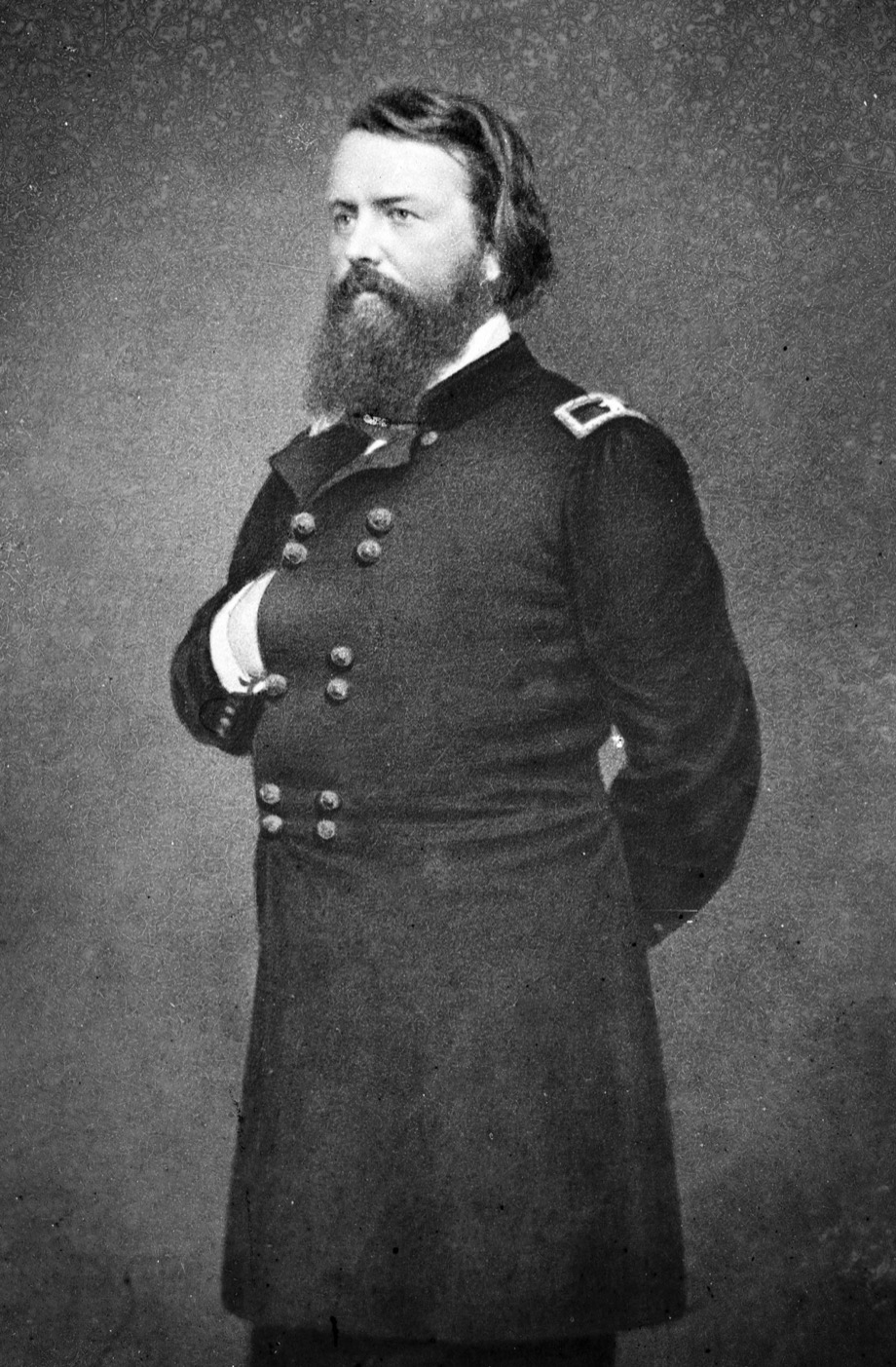
John Pope
obscureThe general whose boastful arrival speech and crushing defeat became a cautionary tale
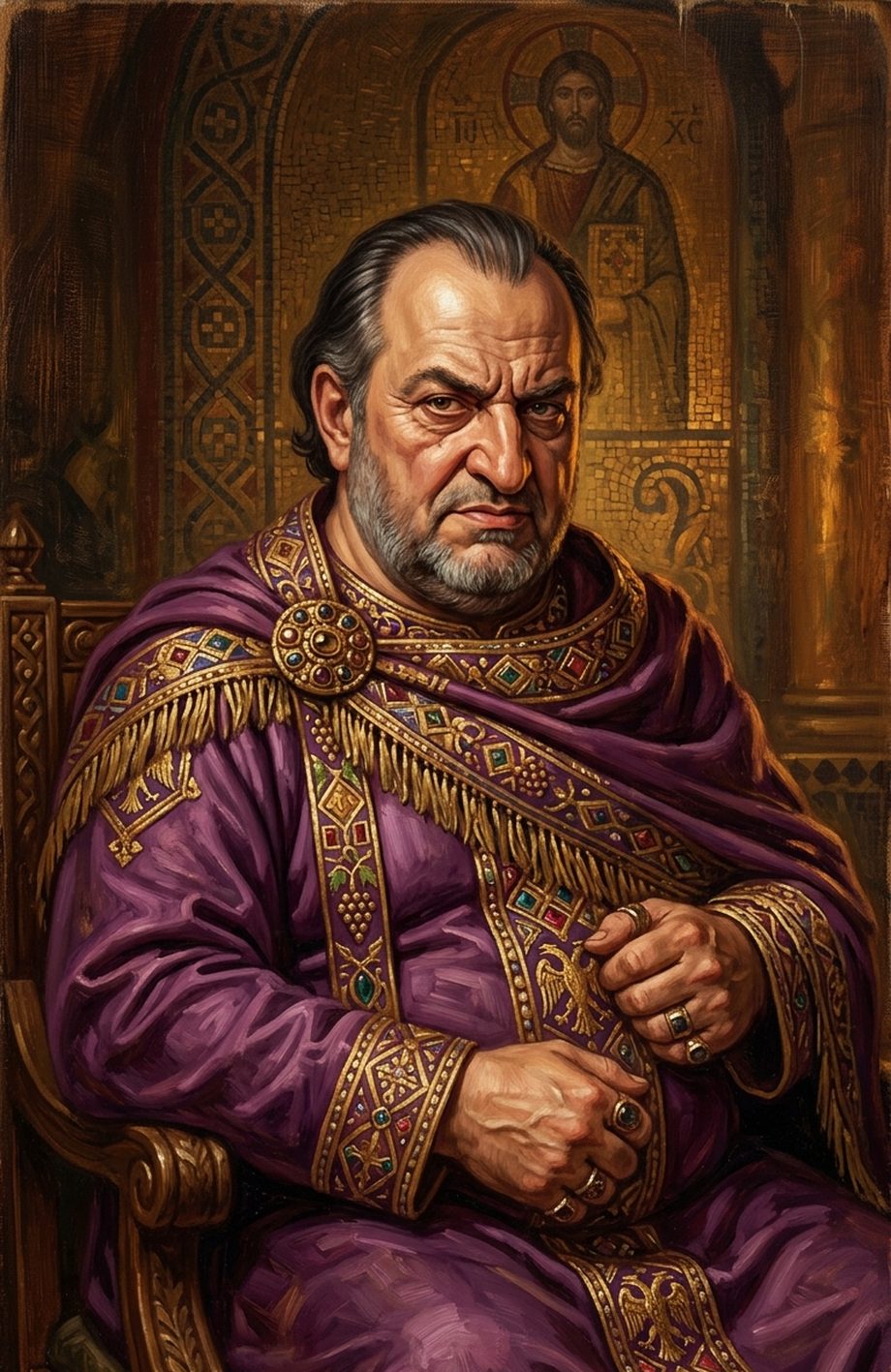
John the Cappadocian
notableThe rapacious tax-master who funded the reconquest and was hated for it, until Theodora destroyed him — the ruthless-efficient ESTJ.
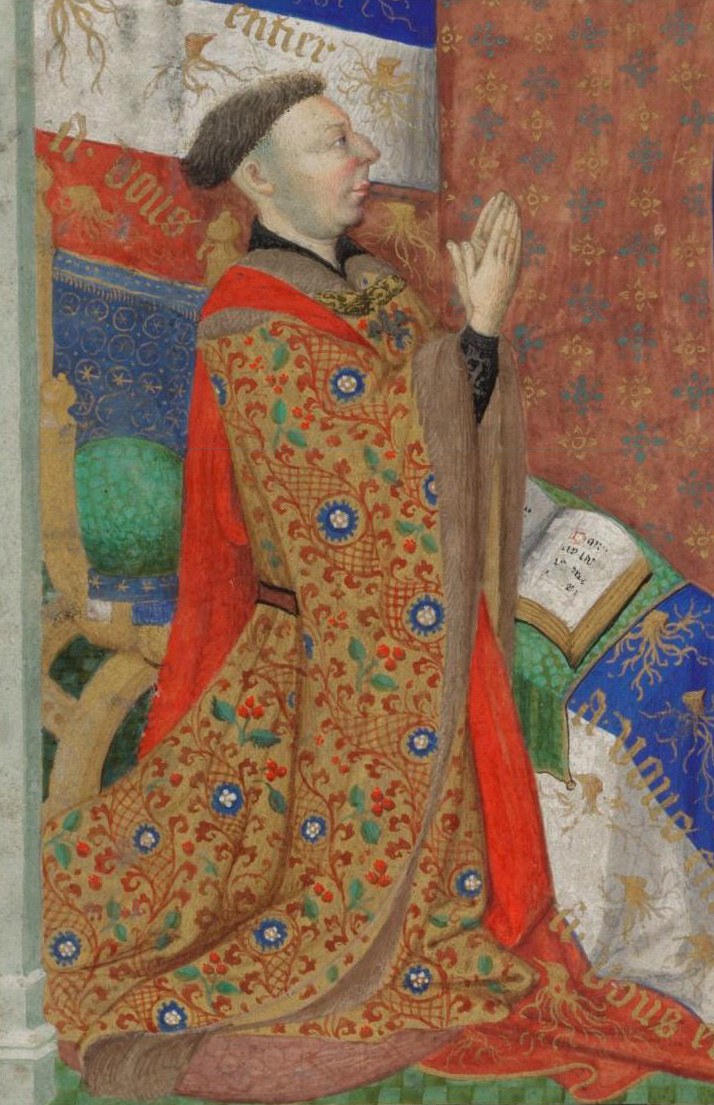
John, Duke of Bedford
renownHenry V's ablest brother, who held the conquest of France together by sheer competence — the dutiful ESTJ regent.
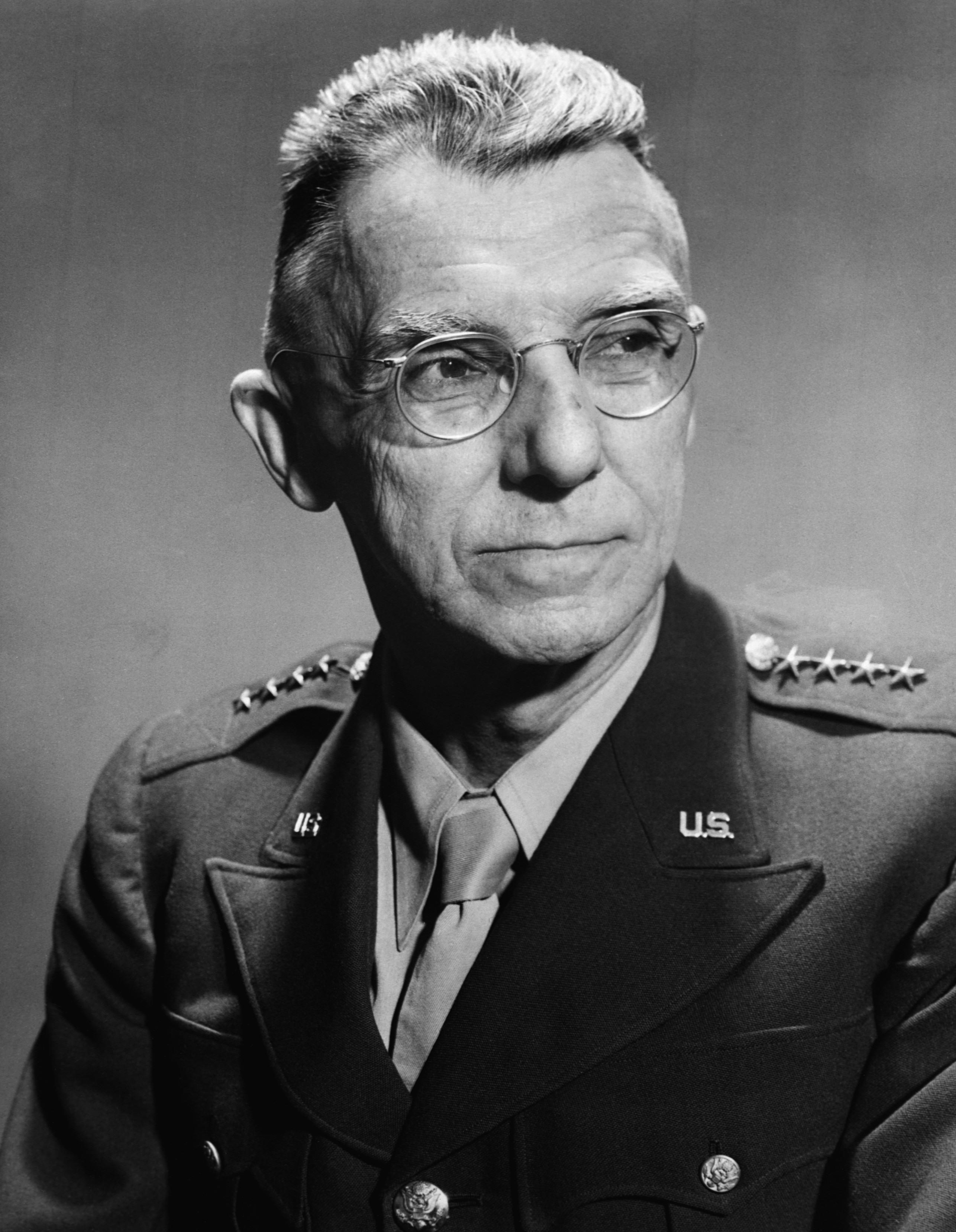
Joseph Stilwell
renown"Vinegar Joe," whose contempt for Chiang Kai-shek was entirely mutual.
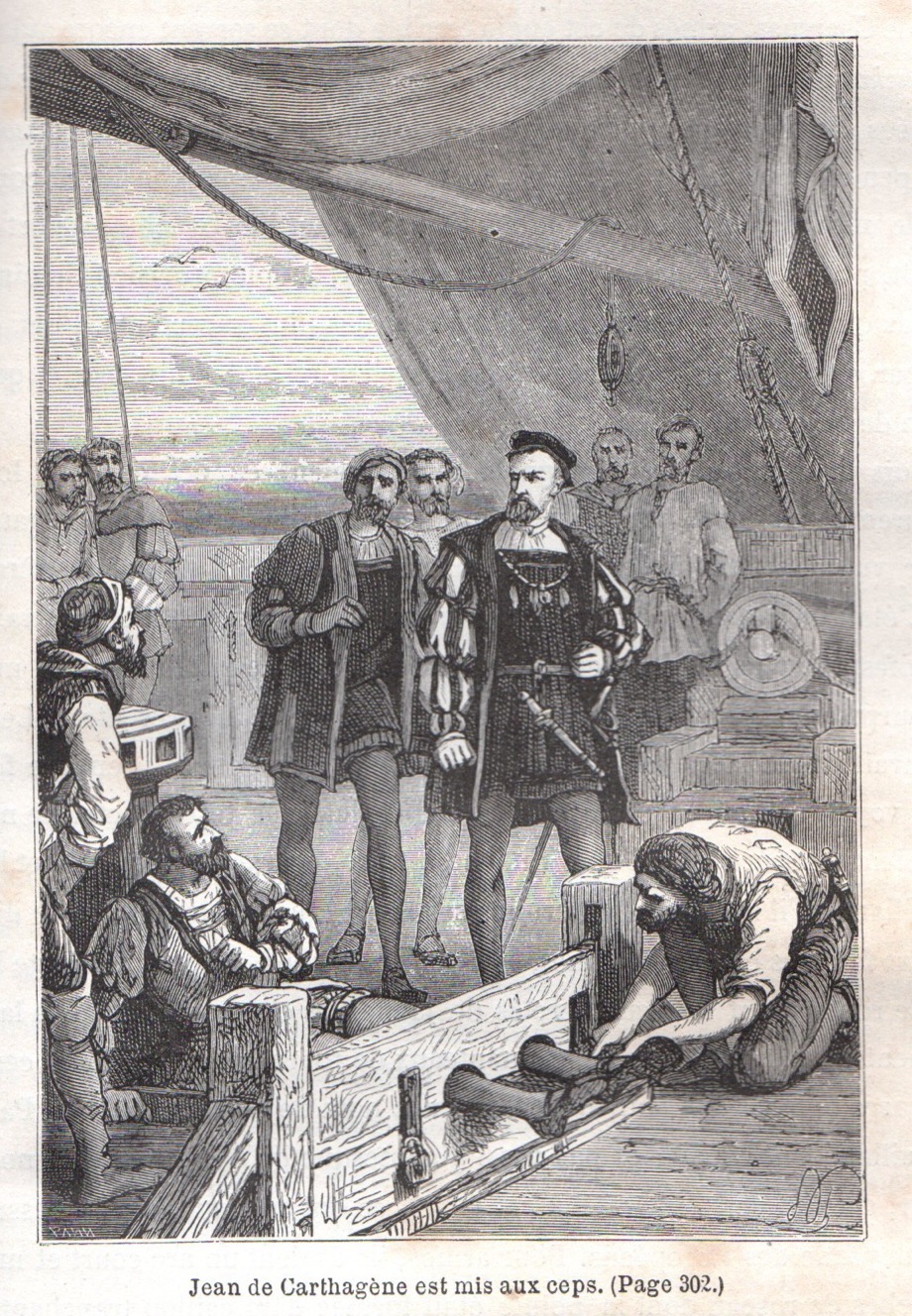
Juan de Cartagena
obscureThe inspector general who mutinied on a point of procedure and was marooned on a barren shore for it.
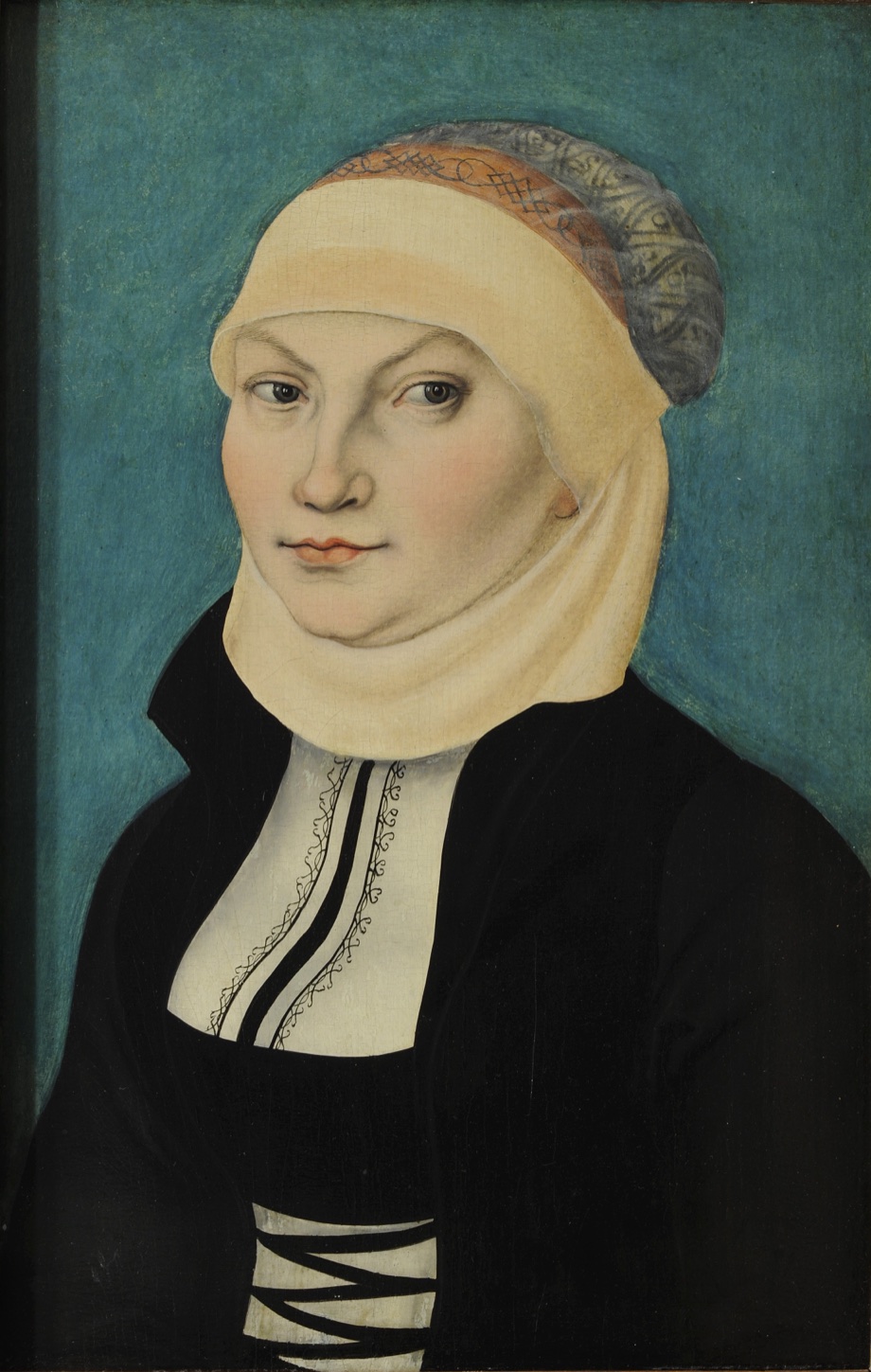
Katharina von Bora
notableThe runaway nun who married Luther and ran the Reformation's most famous household as a thriving enterprise — the formidable manager ESTJ.
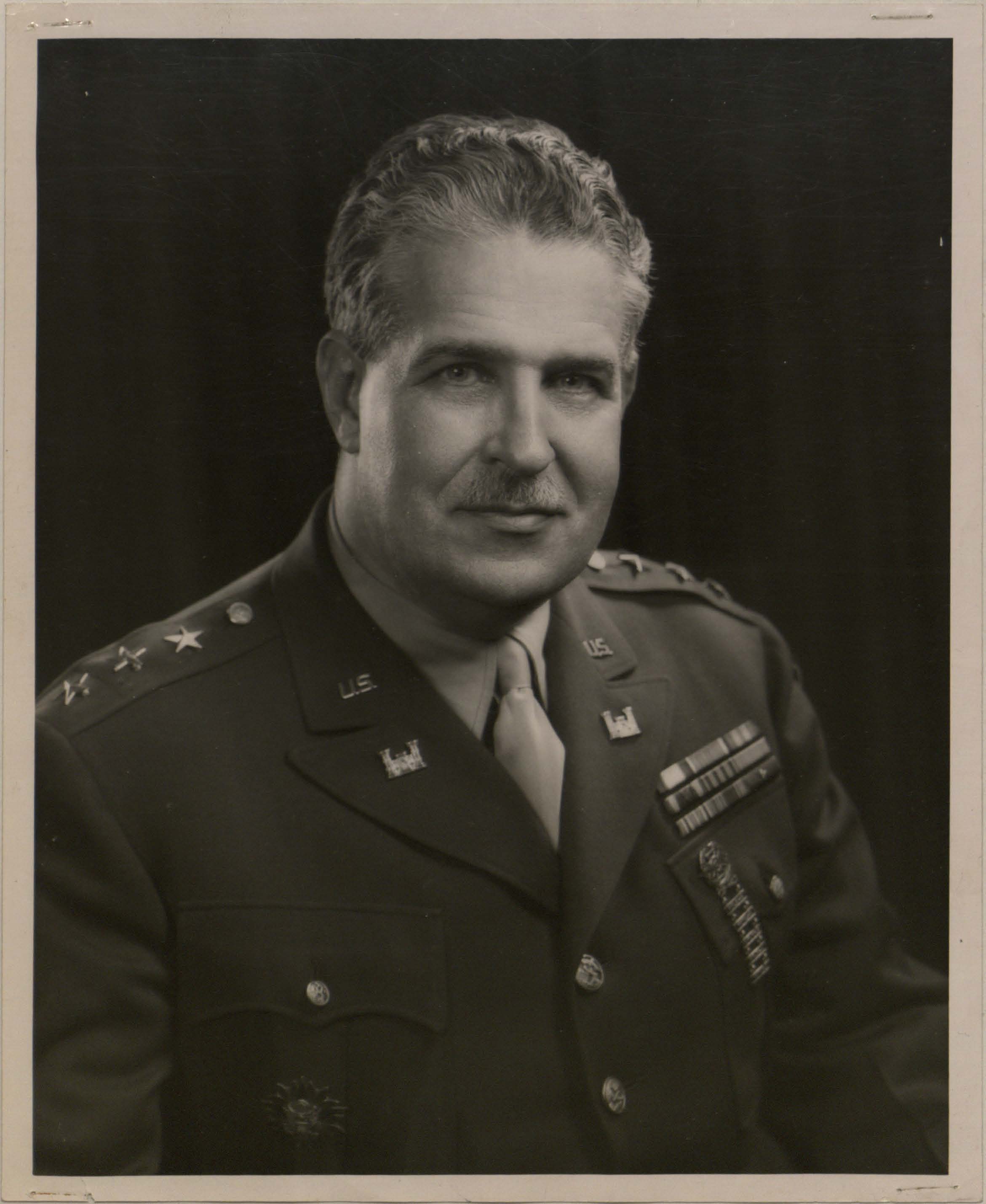
Leslie Groves
renownThe general who built the Manhattan Project's secret industrial empire on schedule
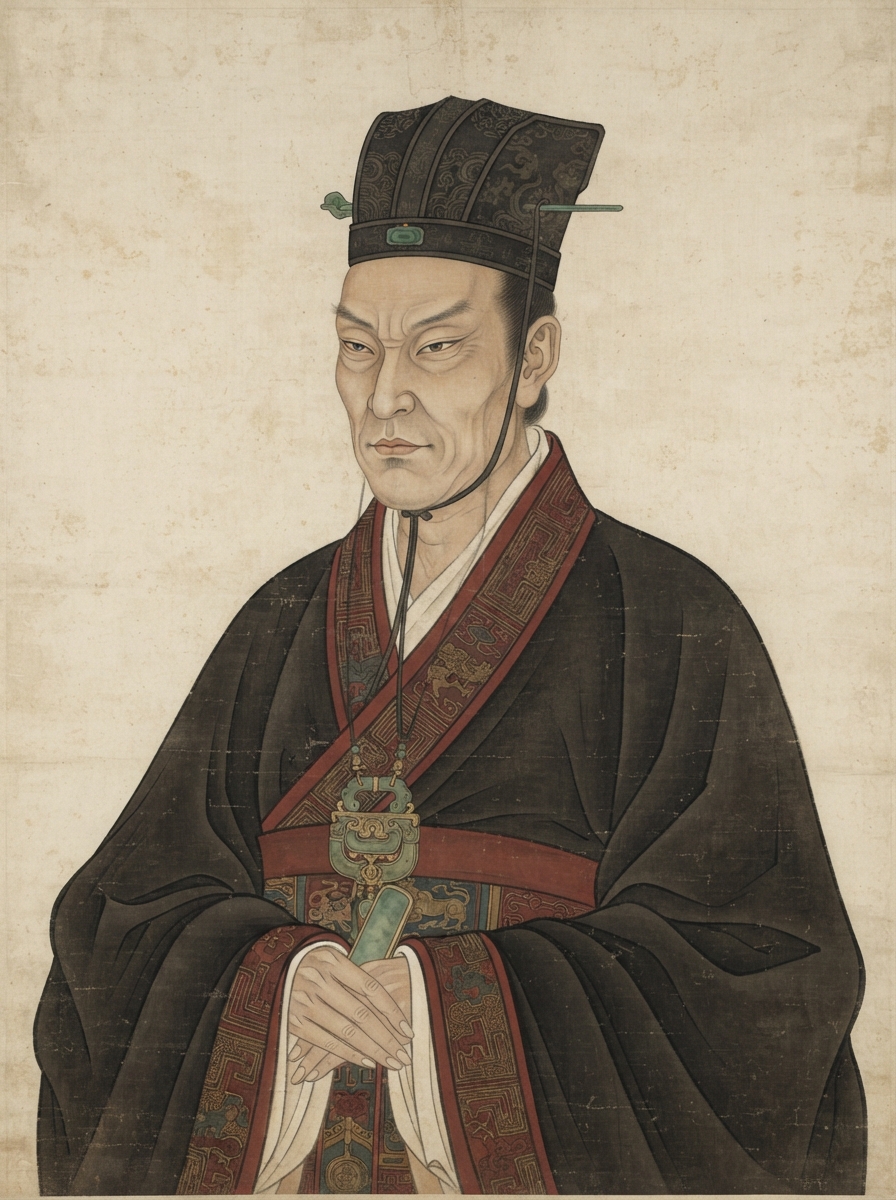
Li Si
notableThe chancellor who unified China's script and law, then forged the will that doomed it.
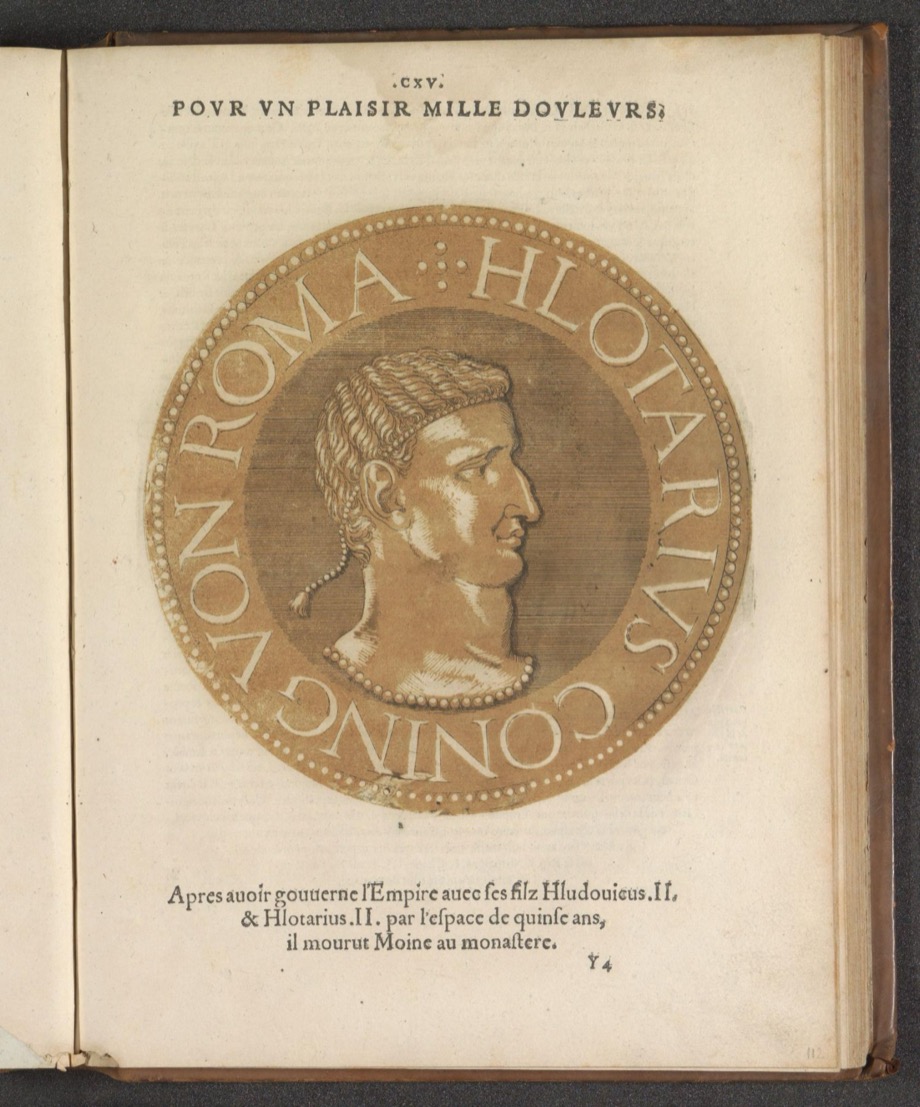
Lothair I
renownLothair I pursued senior imperial authority through dynastic conflict, military resistance, and negotiated accommodation.
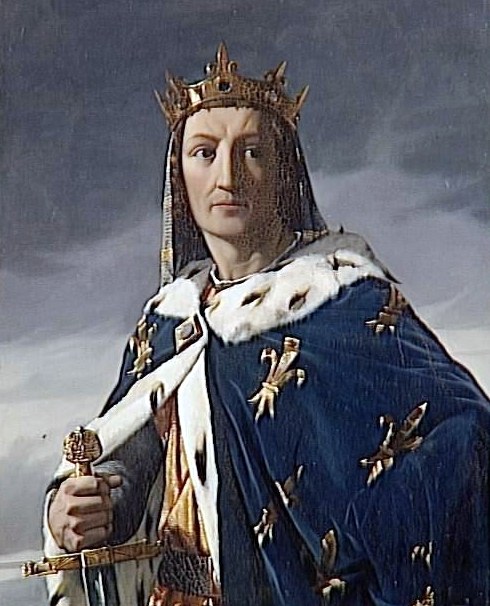
Louis VIII
notableThe Lion who nearly took the English crown and crushed the Cathars in a three-year reign — Louis IX's ESTJ father.
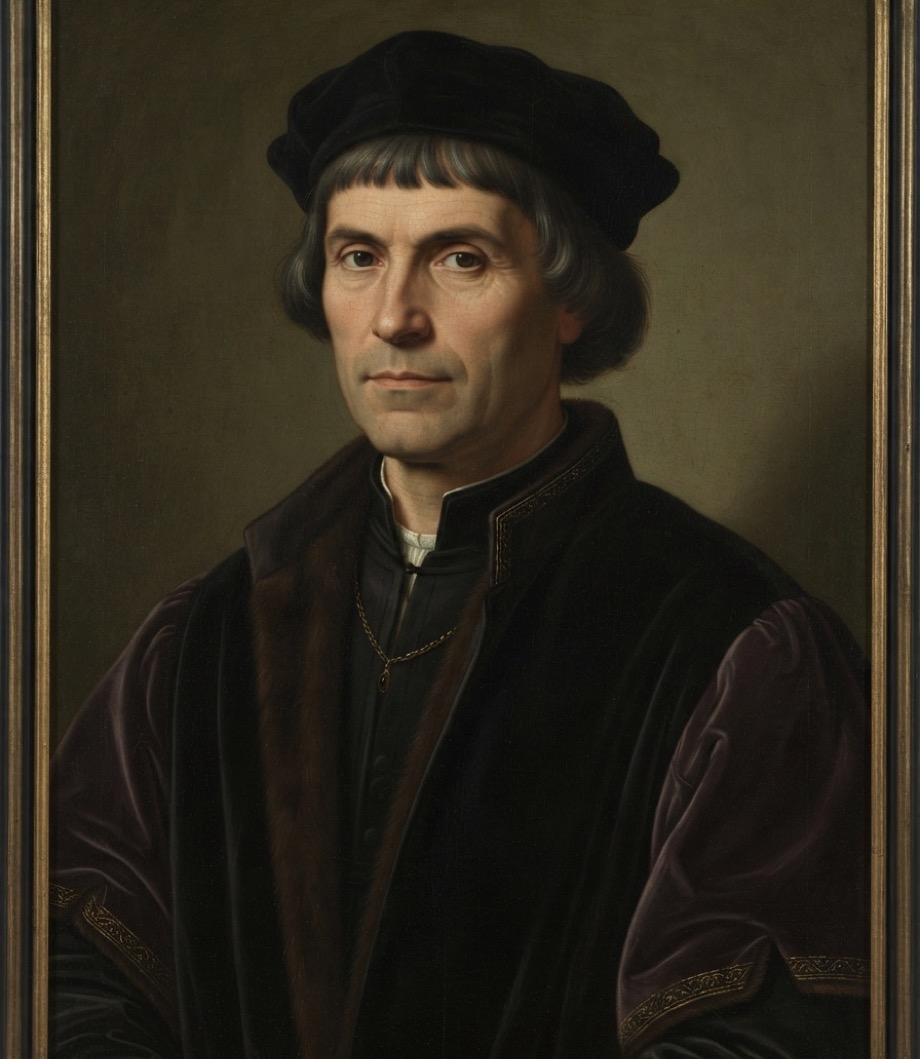
Luis de Santángel
obscureThe converso treasurer who talked a queen into funding a voyage she'd already refused.
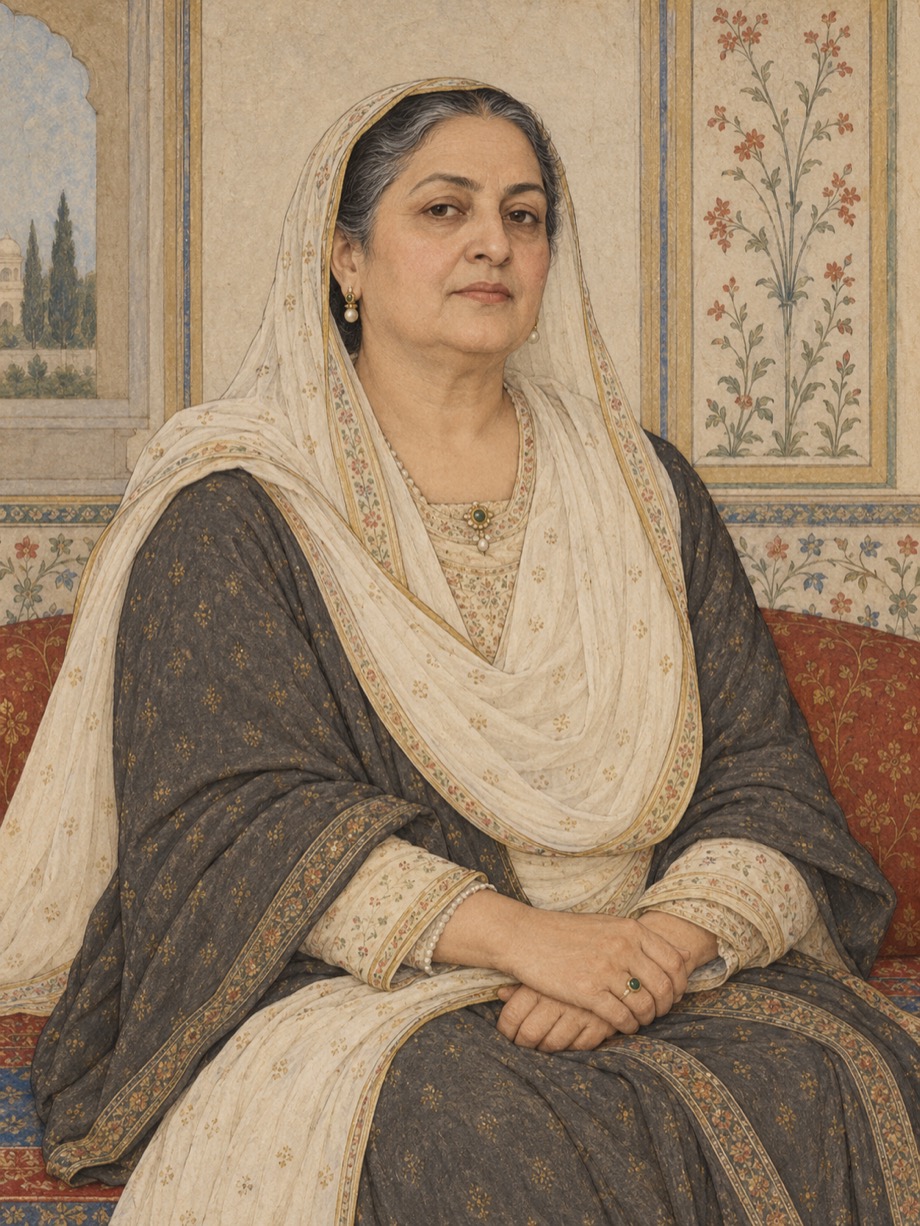
Maham Anga
notableMaham Anga turned long household service into political influence at Akbar’s court, where patronage and sovereignty eventually collided.
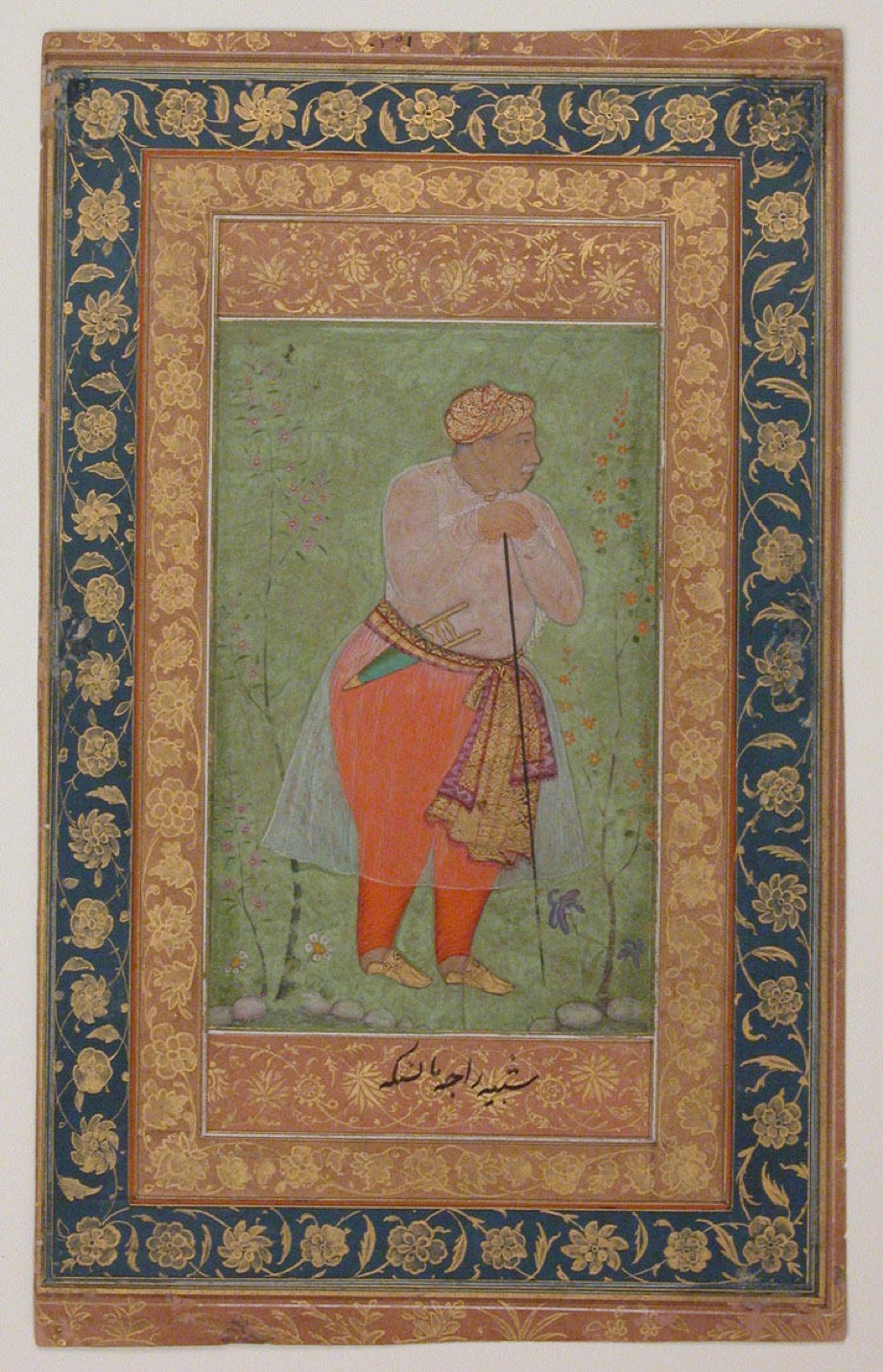
Man Singh I
renownMan Singh I expanded Amber’s power through Mughal command, provincial office, and influence in imperial succession.
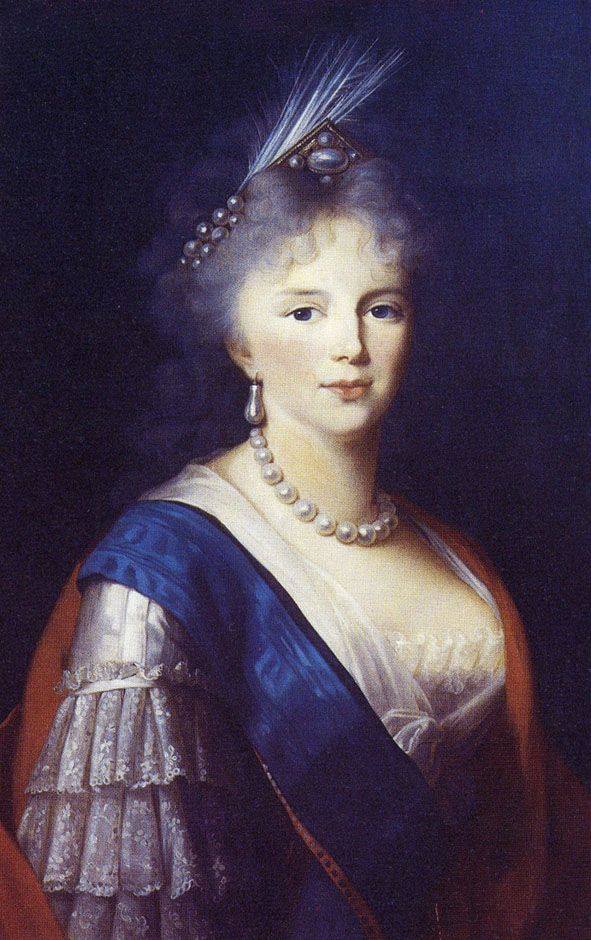
Maria Feodorovna
notableEmpress, mother of two tsars, and tireless ESTJ administrator who built an empire's schools and charities.
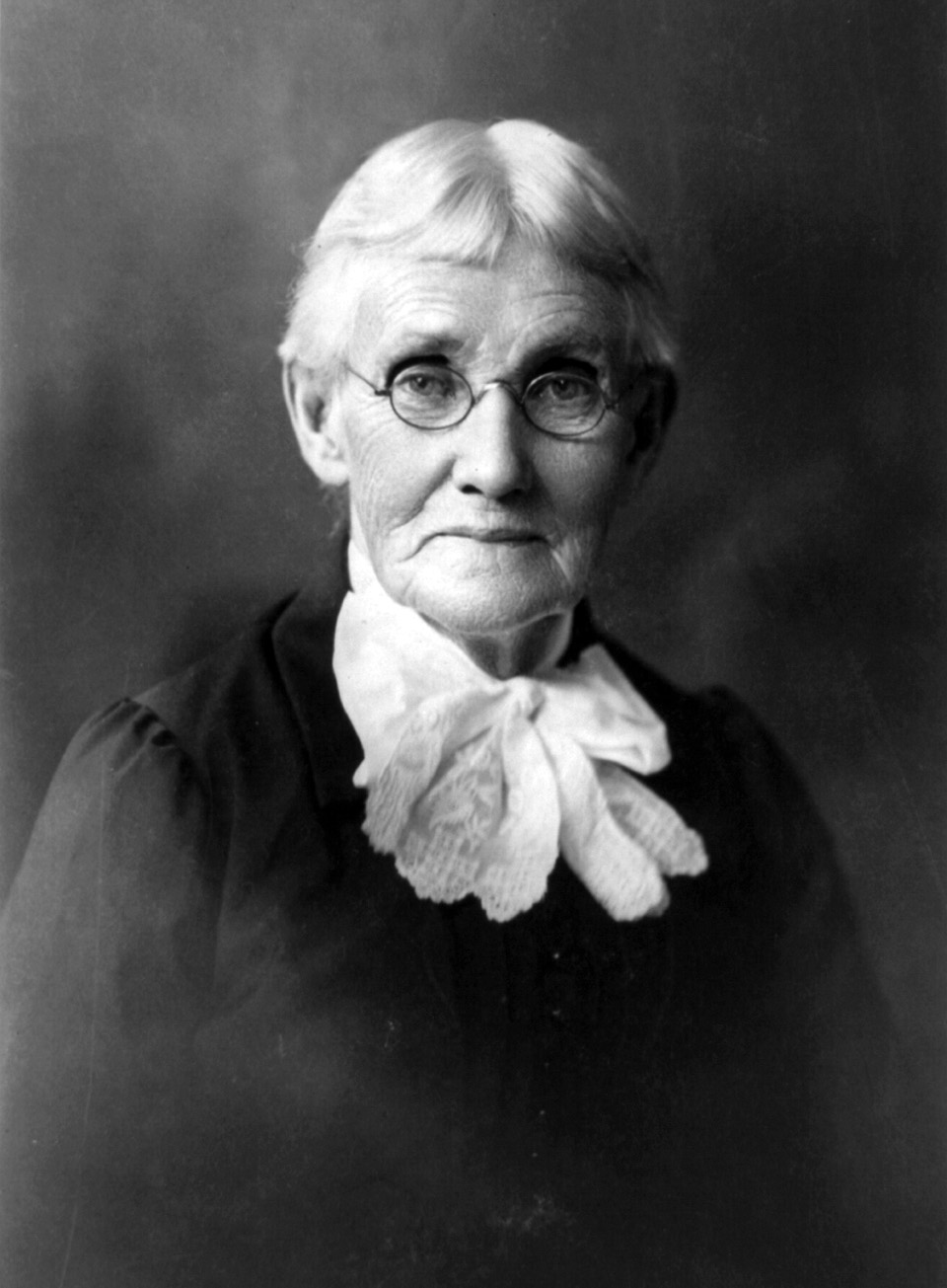
Mary Ann Bickerdyke
obscure'Mother' Bickerdyke, who outranked colonels by sheer will
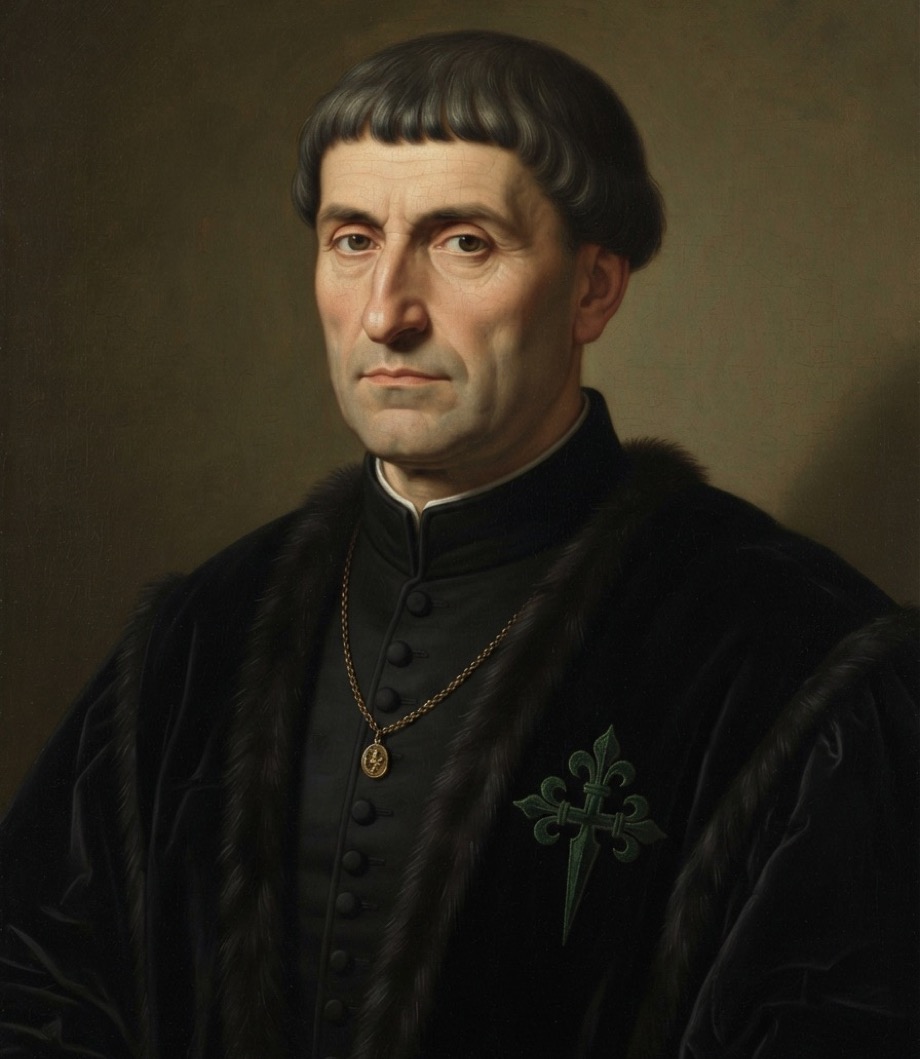
Nicolás de Ovando
notableThe governor who systematized the encomienda and lured a queen's host to her death with a feast.
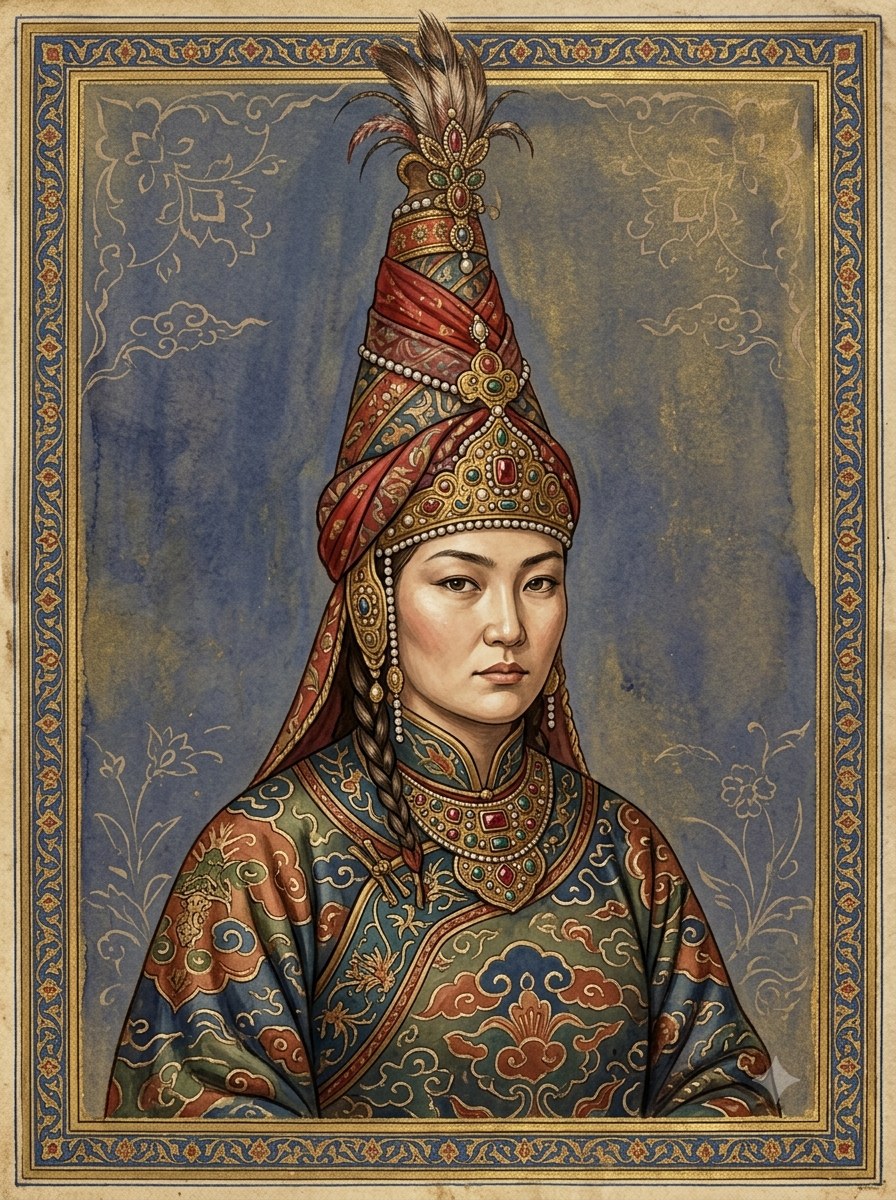
Oghul Qaimish
notableGüyük's widow and regent, swept aside and drowned by the Toluids — the overmatched ESTJ at a dynasty's fall.
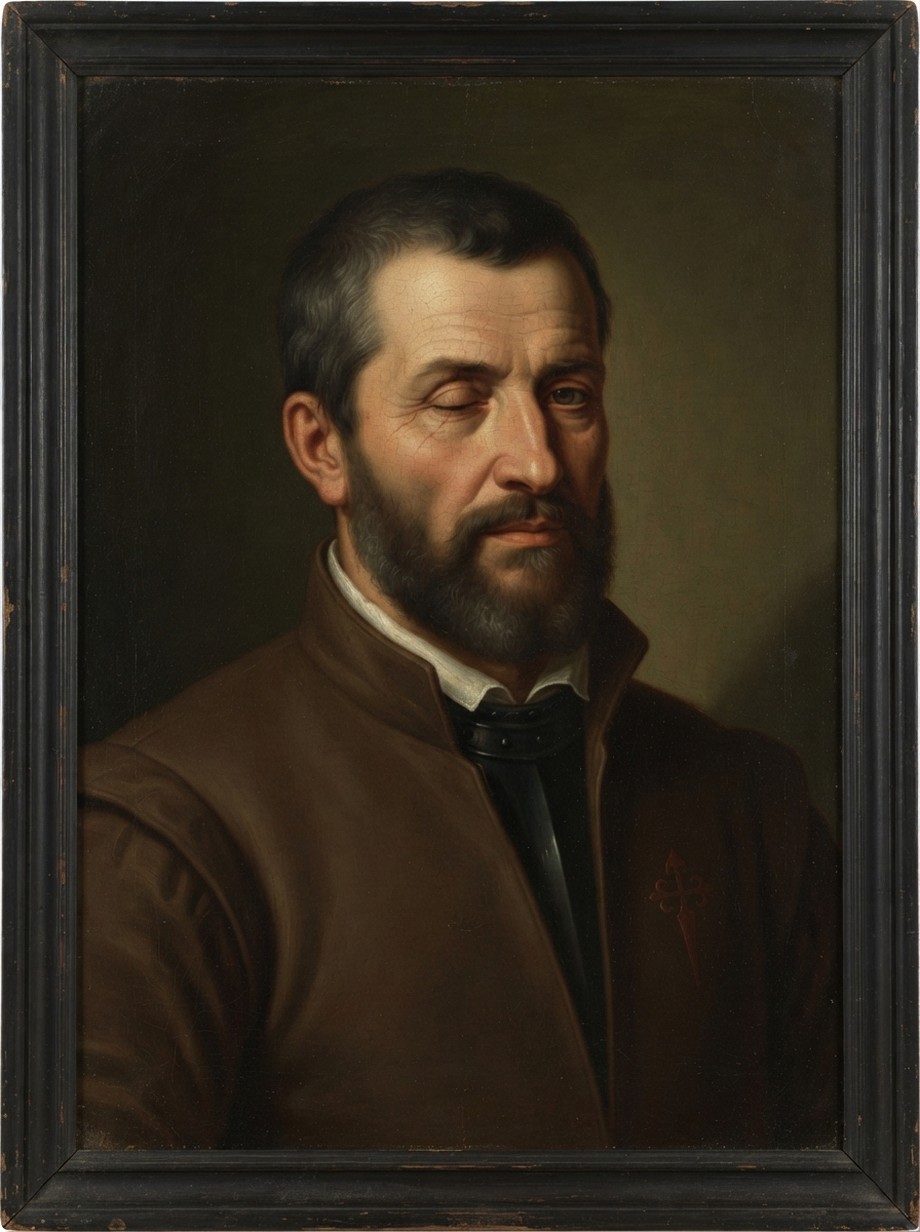
Pánfilo de Narváez
obscureThe by-the-book commander sent to arrest Cortés, defeated, then lost at sea off Florida.
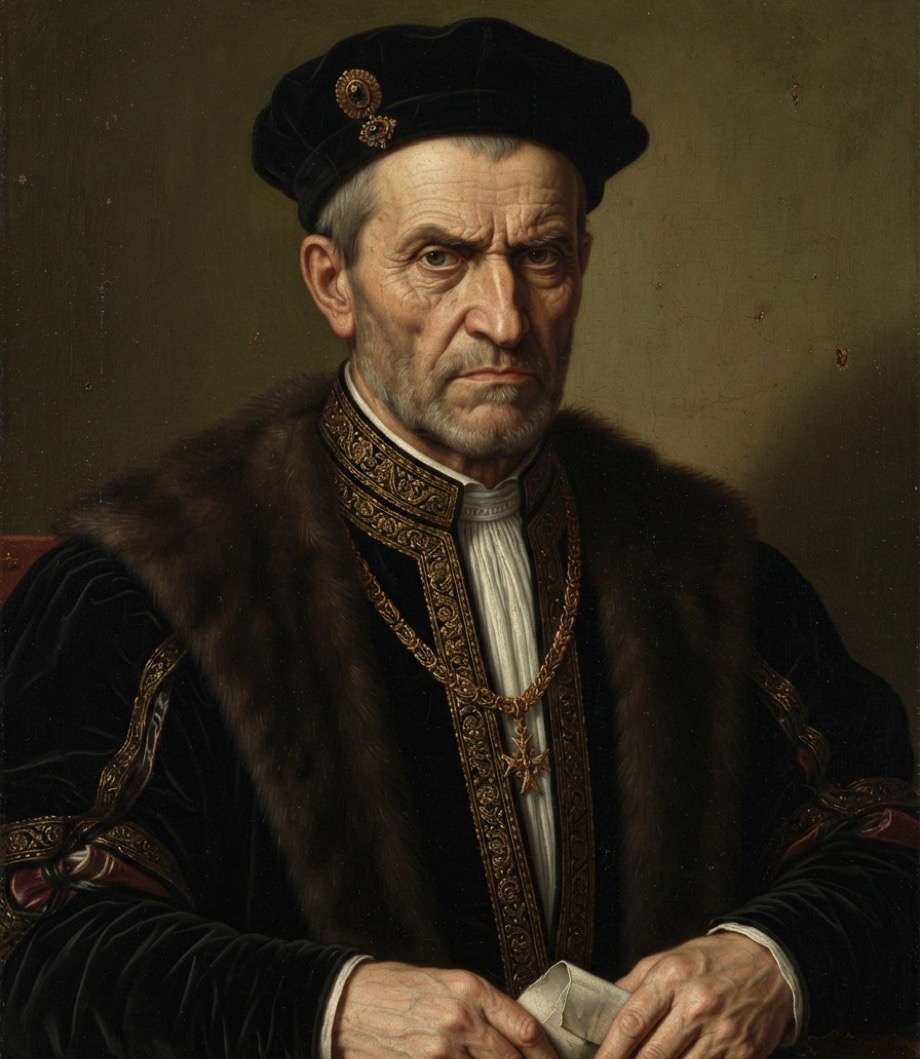
Pedrarias Dávila
infamousThe elderly governor who beheaded his own son-in-law and built an empire on paperwork.
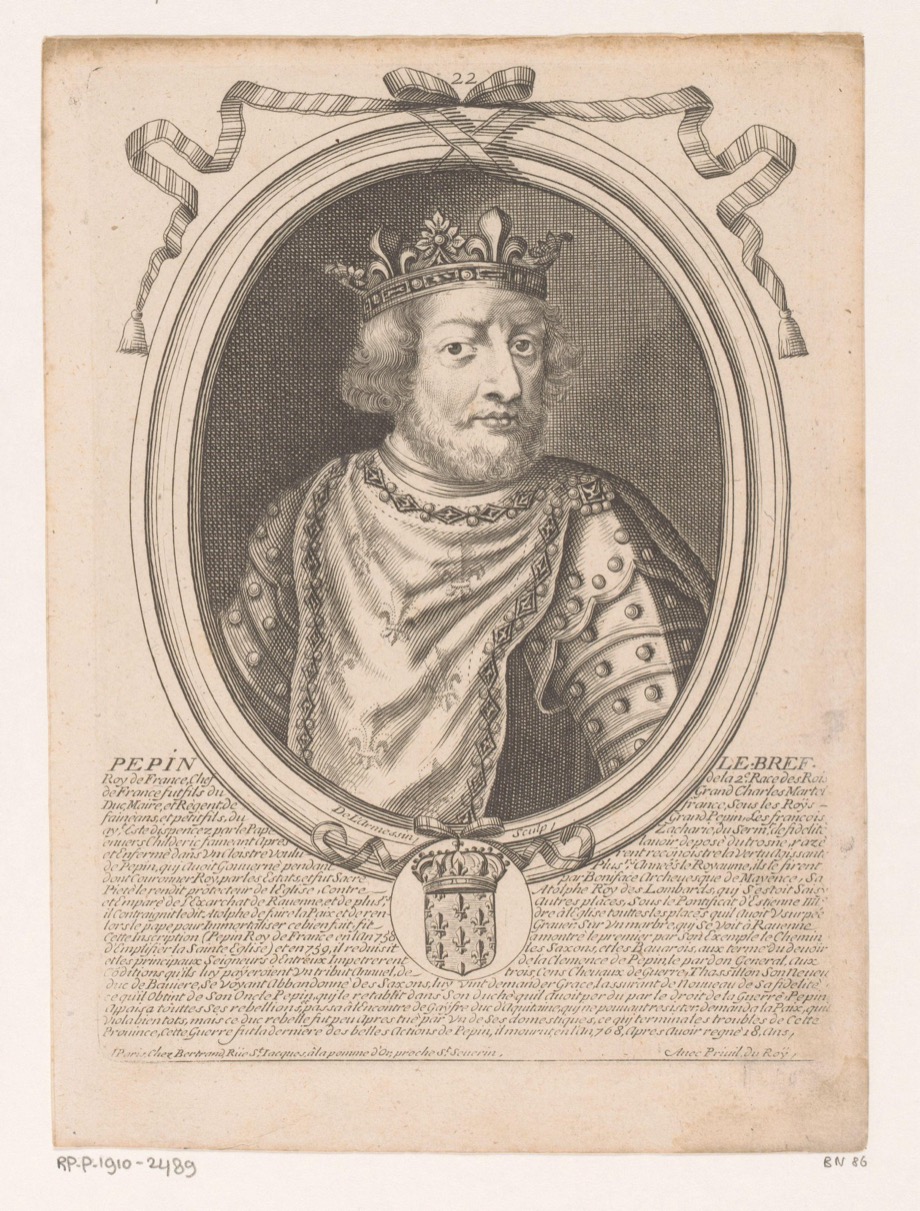
Pepin the Short
renownPepin the Short converted the Carolingian mayoralty into kingship and bound his dynasty to the protection of Rome.
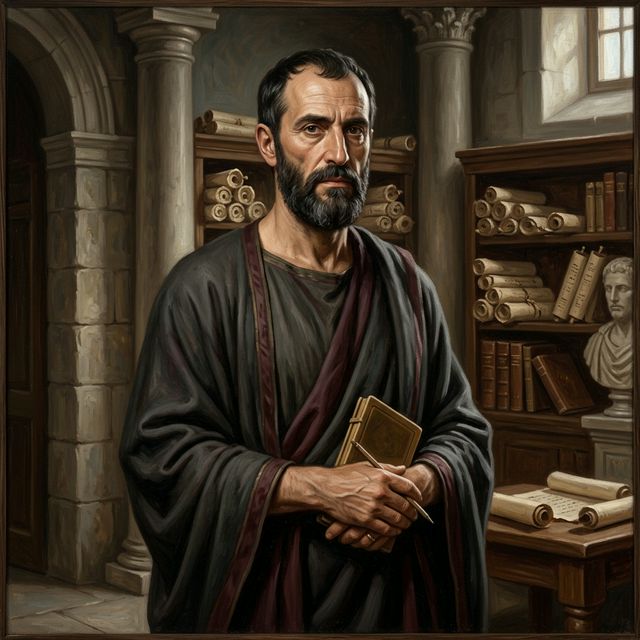
Persaeus
notableThe Stoic who tested theory against the court.
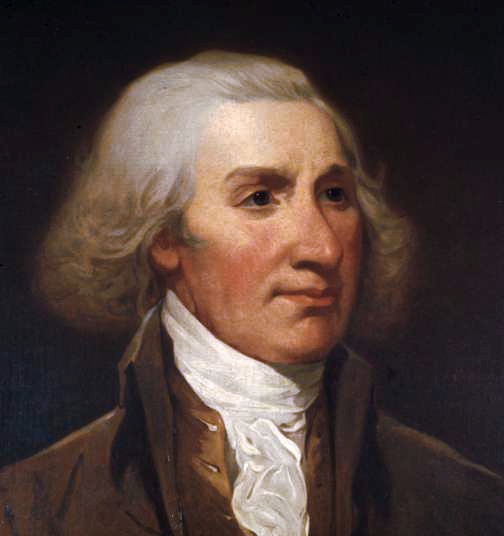
Philip Schuyler
notableHamilton's father-in-law — Revolutionary general and New York's most powerful man
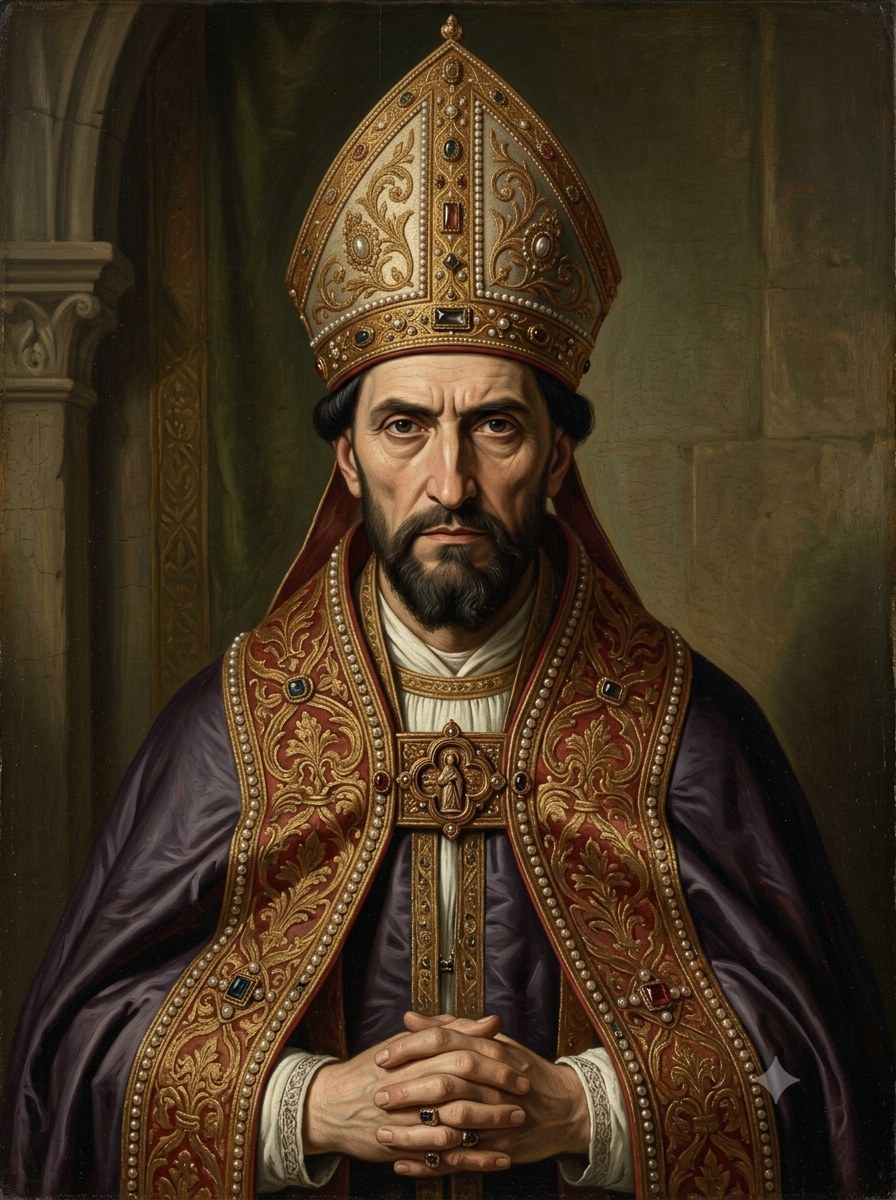
Pierre Cauchon
notableThe pro-English bishop who rigged Joan of Arc's heresy trial for the see he never won — the careerist ESTJ functionary.
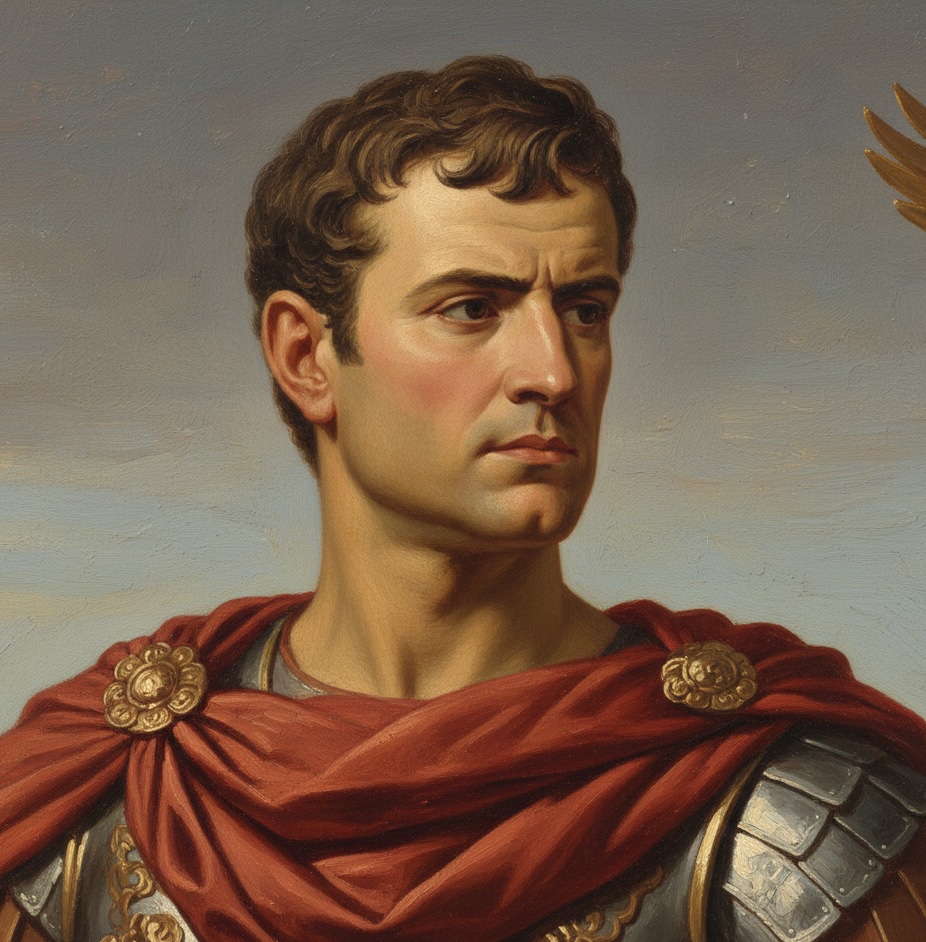
Pompey
renownJulius Caesar's greatest rival — until Caesar crossed the Rubicon
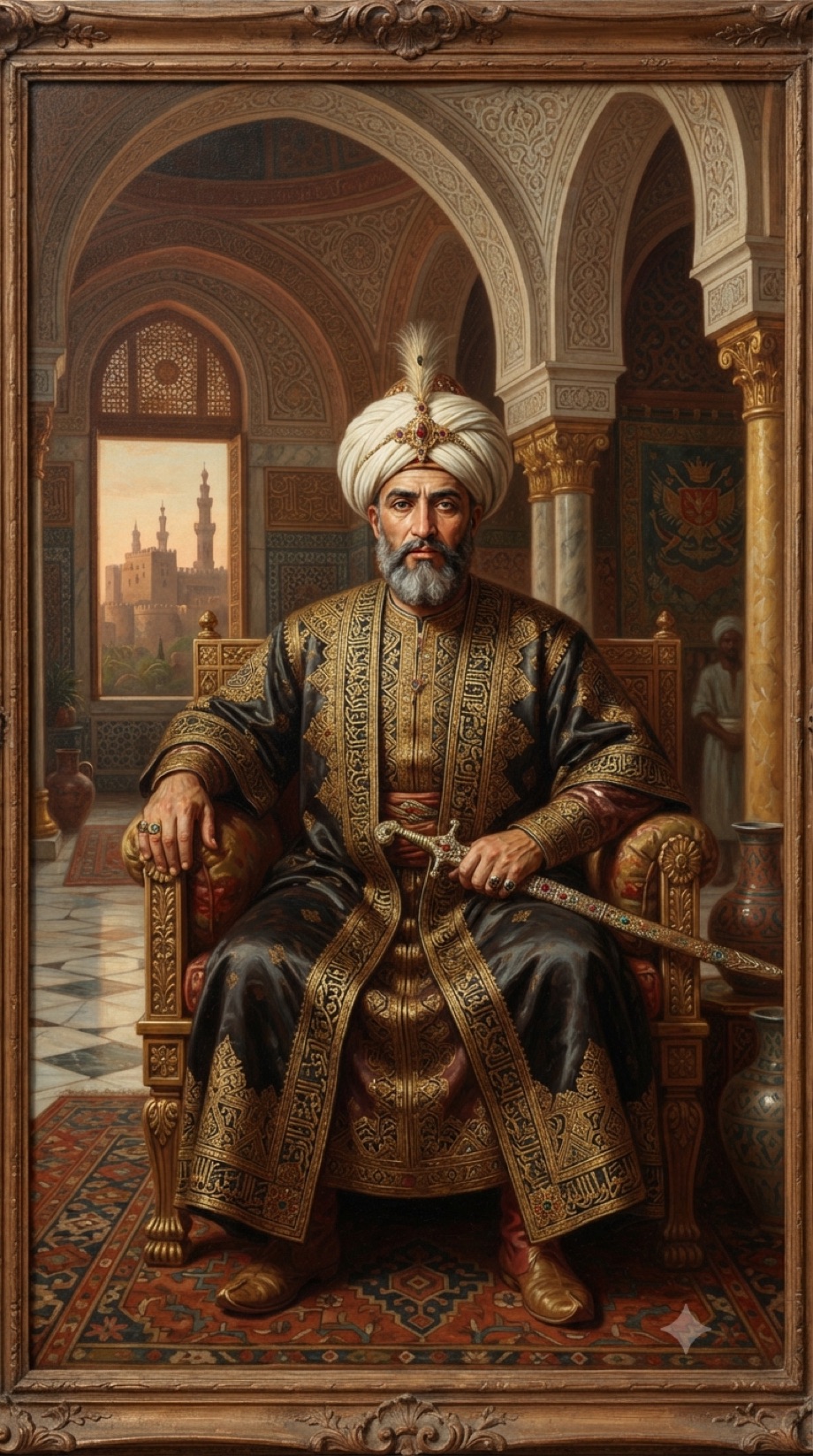
Qalawun
renownBaibars's comrade who turned a warlord's conquests into a century-long dynasty and built Cairo's great hospital — the consolidator ESTJ.
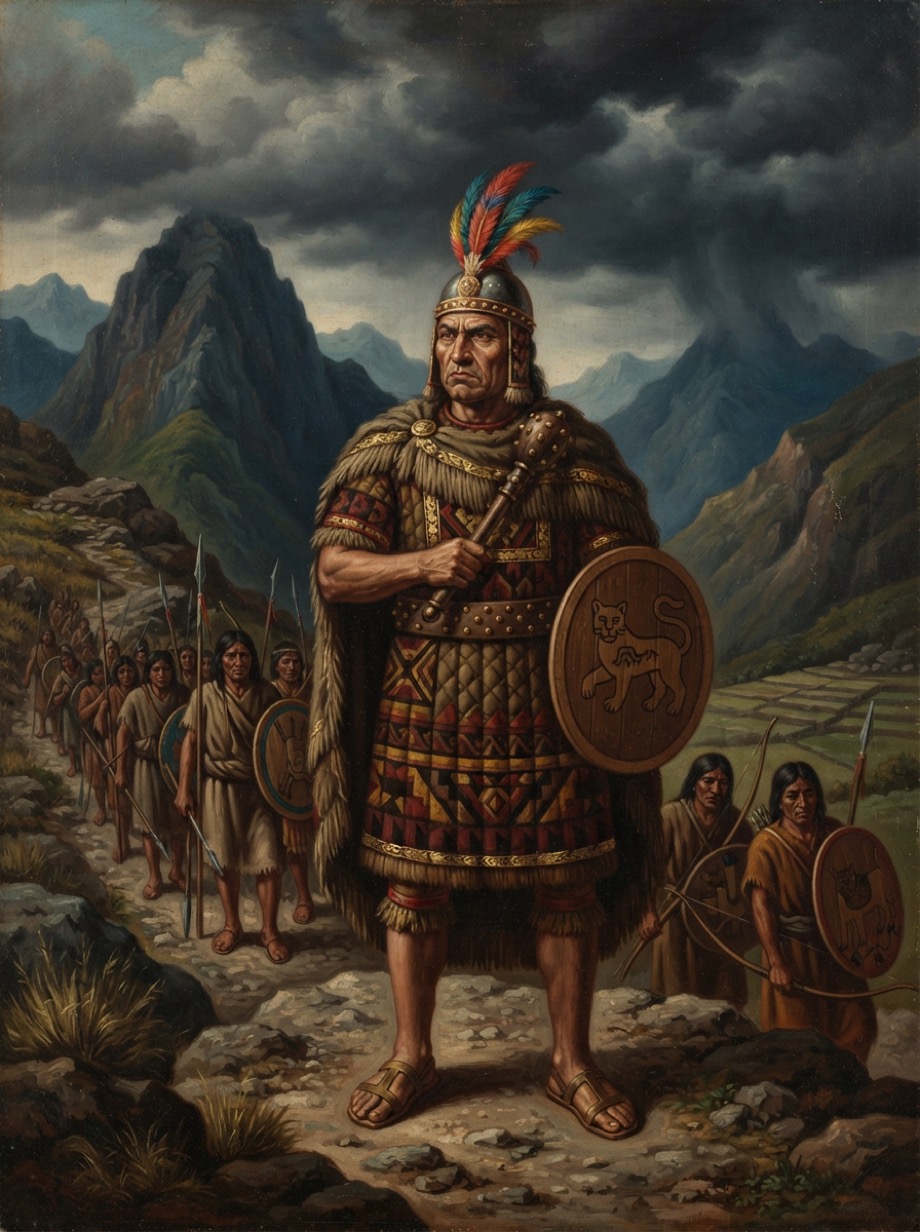
Quizquiz
obscureWon the Inca civil war, then fought two more years after the cause was already lost — killed by his own officers.
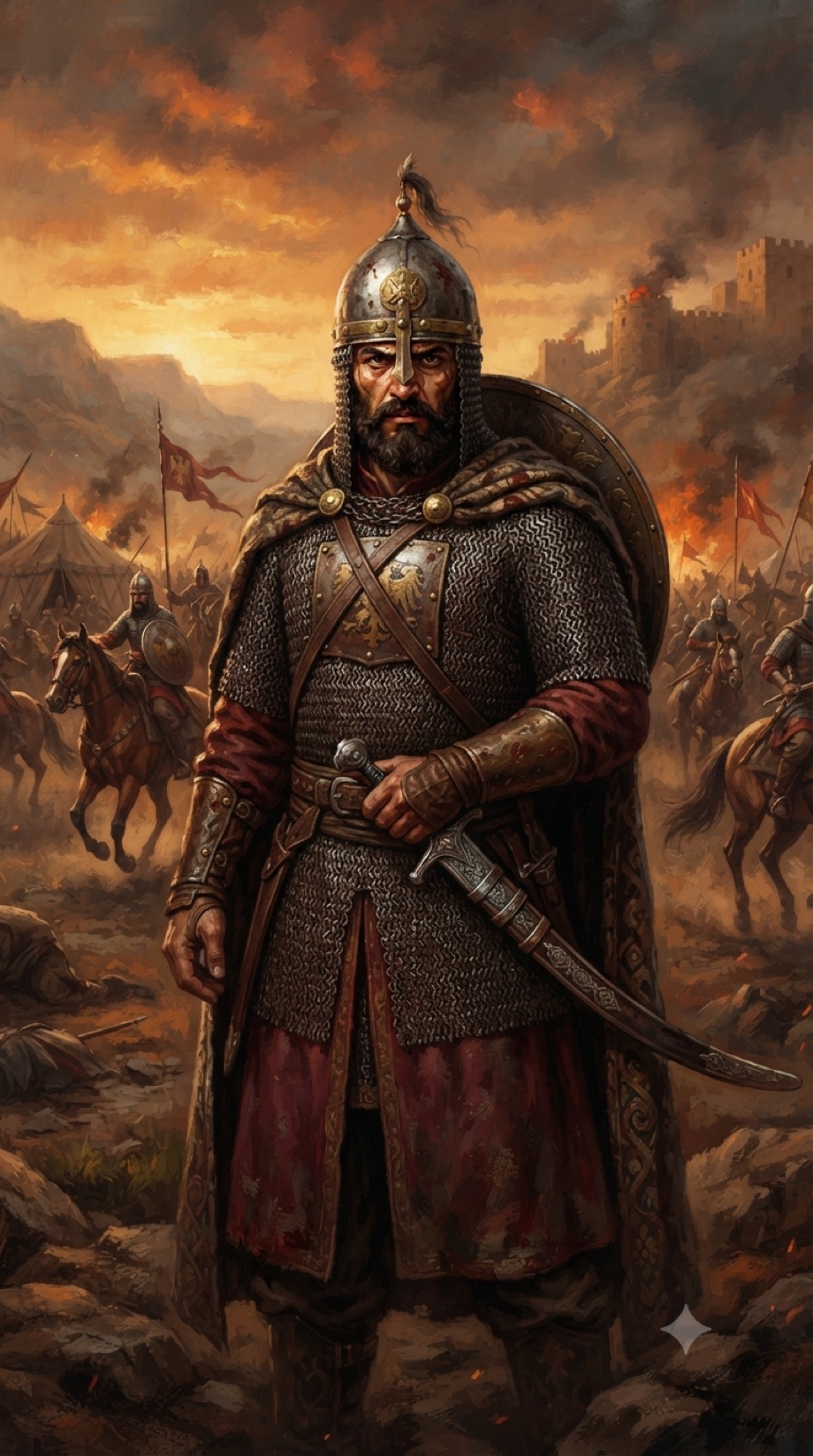
Qutuz
renownThe sultan who defied the Mongols, won Ain Jalut, and was murdered by his own lieutenant weeks later — the dutiful crisis-commander ESTJ.
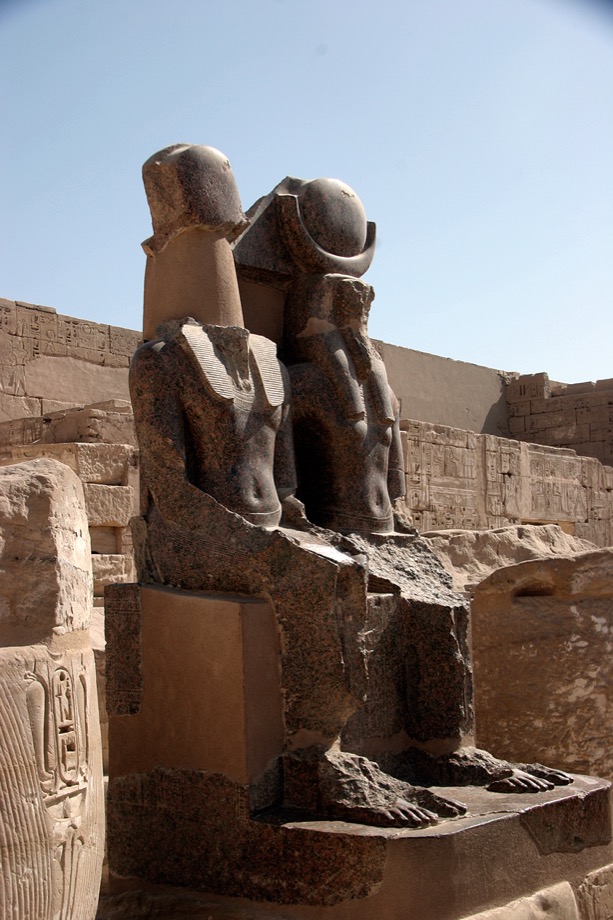
Ramesses III
renownThe last great pharaoh, who beat the Sea Peoples twice and died in a household conspiracy.
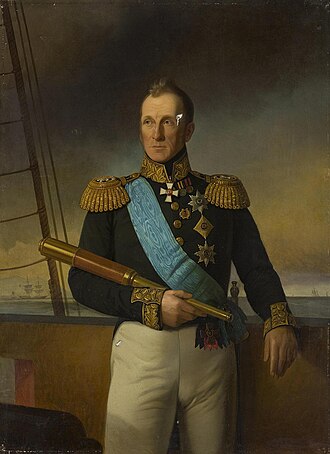
Samuel Greig the Younger
notableThe son of Admiral Samuel Greig who rose to command Russia's Black Sea Fleet — continuing a Scottish-Russian naval dynasty into the nineteenth century.
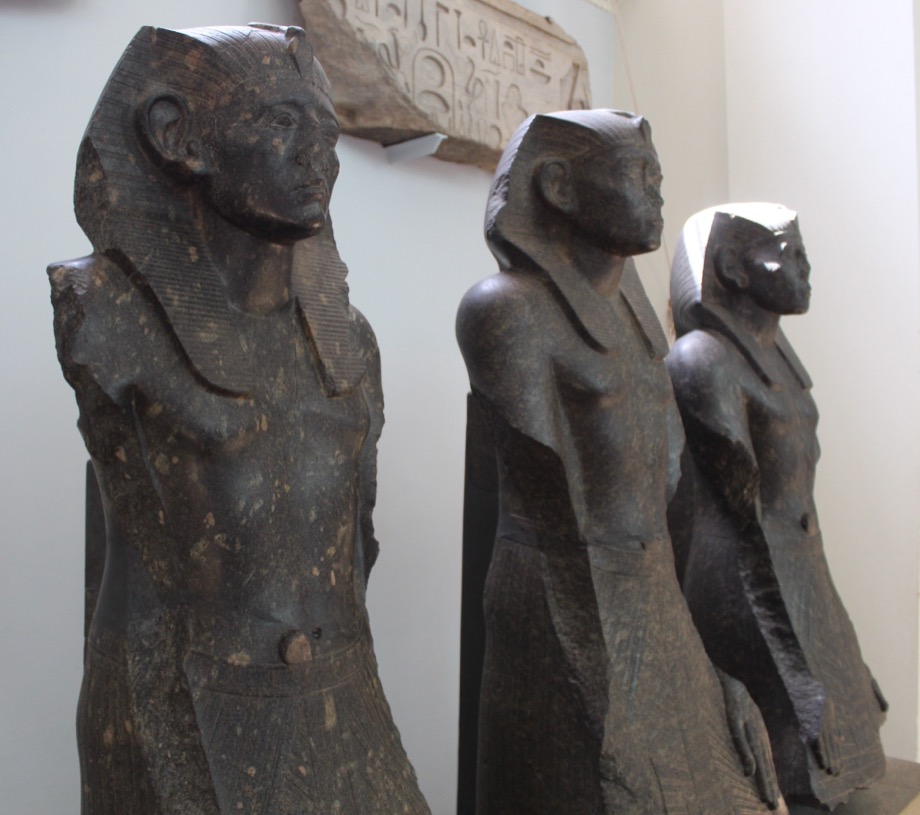
Senusret III
renownThe realist king who broke Egypt's noble families and fortified its Nubian frontier.
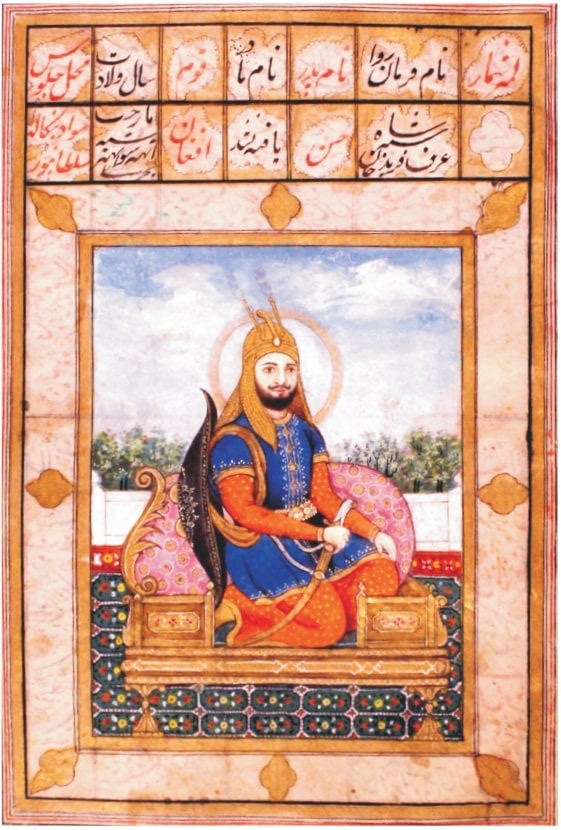
Sher Shah Suri
renownThe Afghan conqueror whose short reign joined military expansion to disciplined administration.
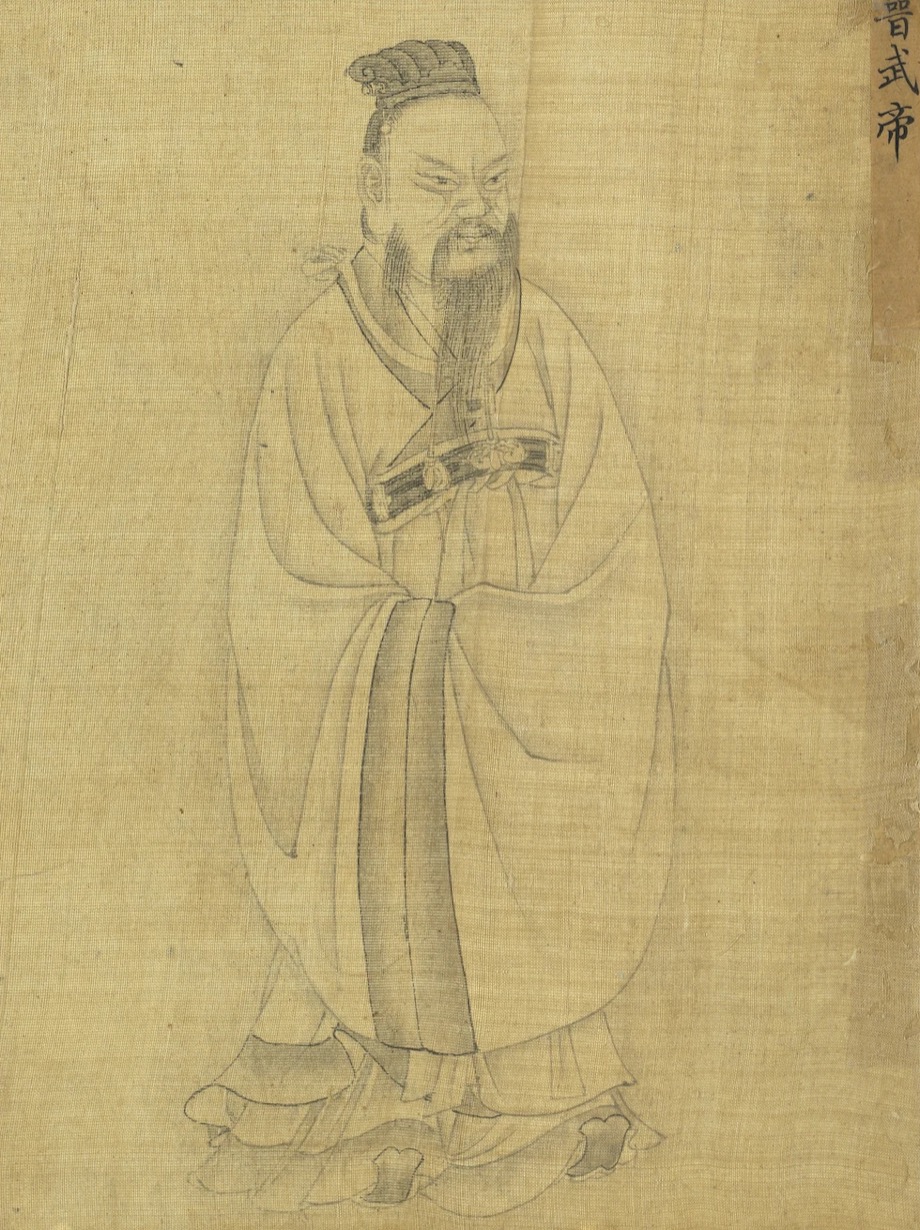
Sima Yan
renownThe emperor who cashed in three generations of patience and reunified China
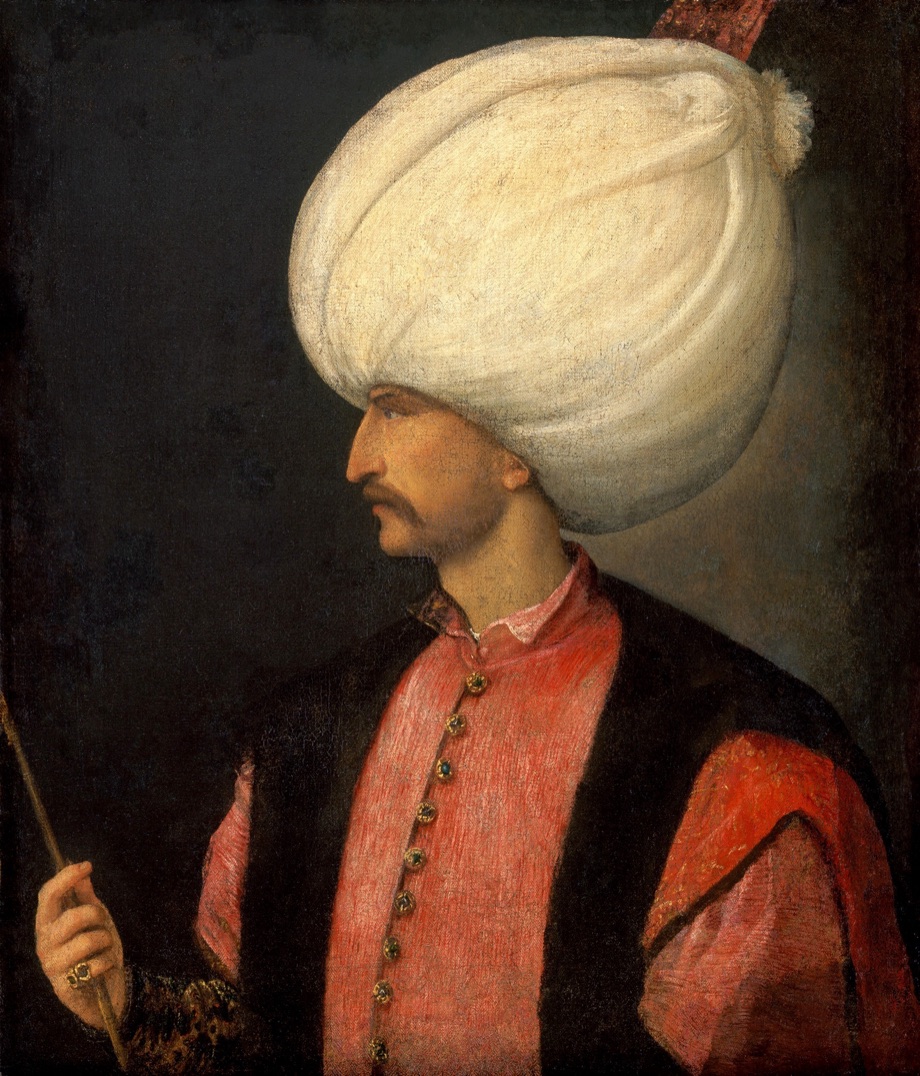
Suleiman the Magnificent
The Lawgiver at the empire's zenith, who ordered and codified what his fathers had conquered — the magnificent consolidator ESTJ.
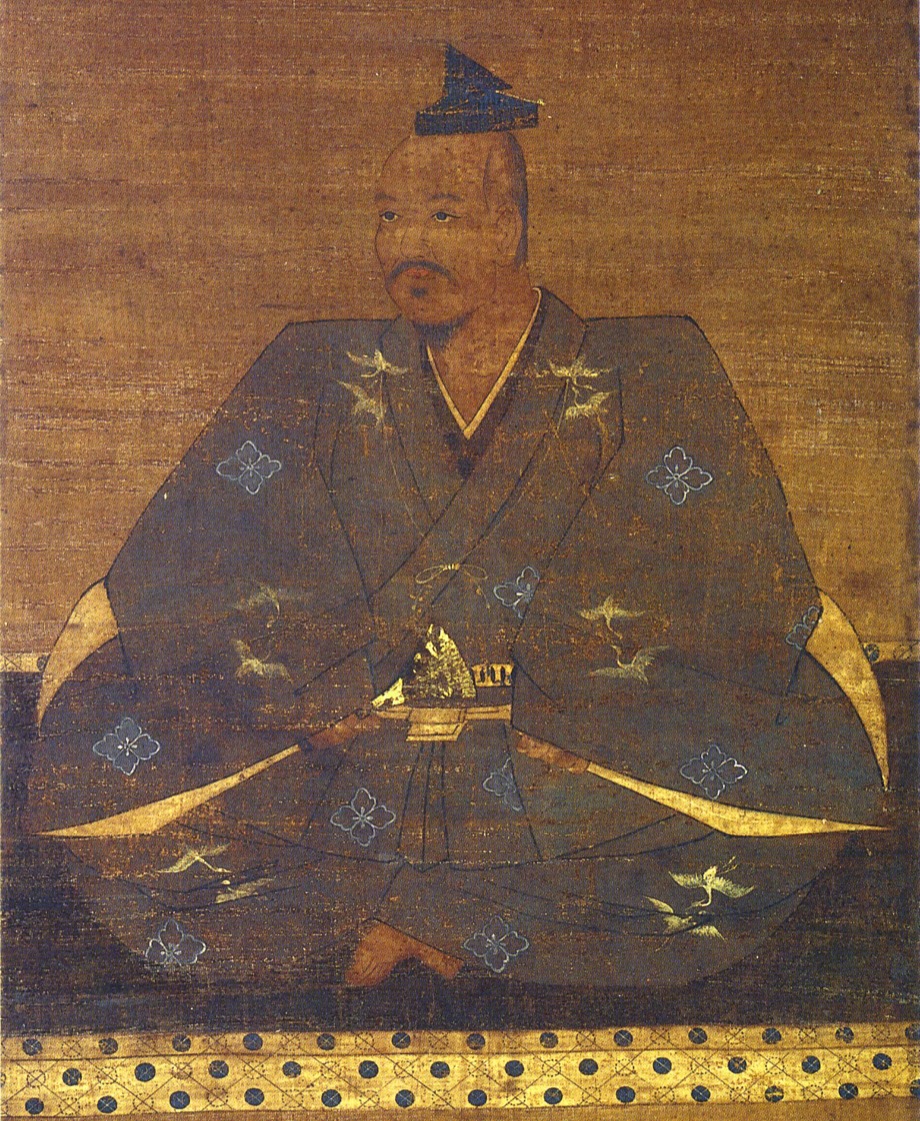
Takeda Shingen
renownThe 'Tiger of Kai,' model warlord and administrator whose banner read 'swift as wind, immovable as mountain' — the masterful ESTJ.
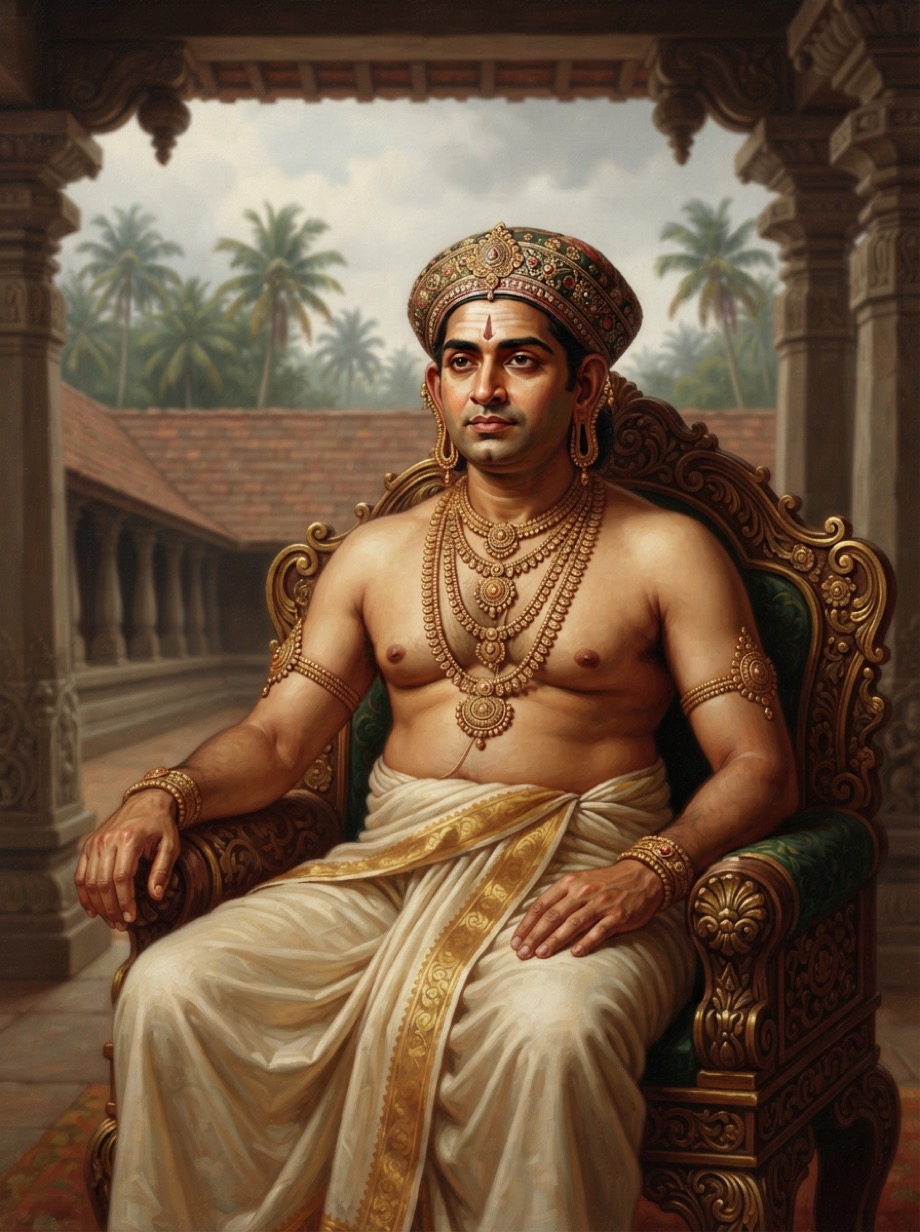
The Zamorin of Calicut
notableThe ruler of the world's richest spice port, who met a demand for monopoly he could not rationally grant.
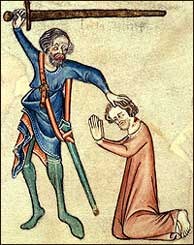
Thomas of Lancaster
notableEdward II's mighty cousin and enemy, beheaded then hailed a saint — the rigid ESTJ magnate who could not use power.
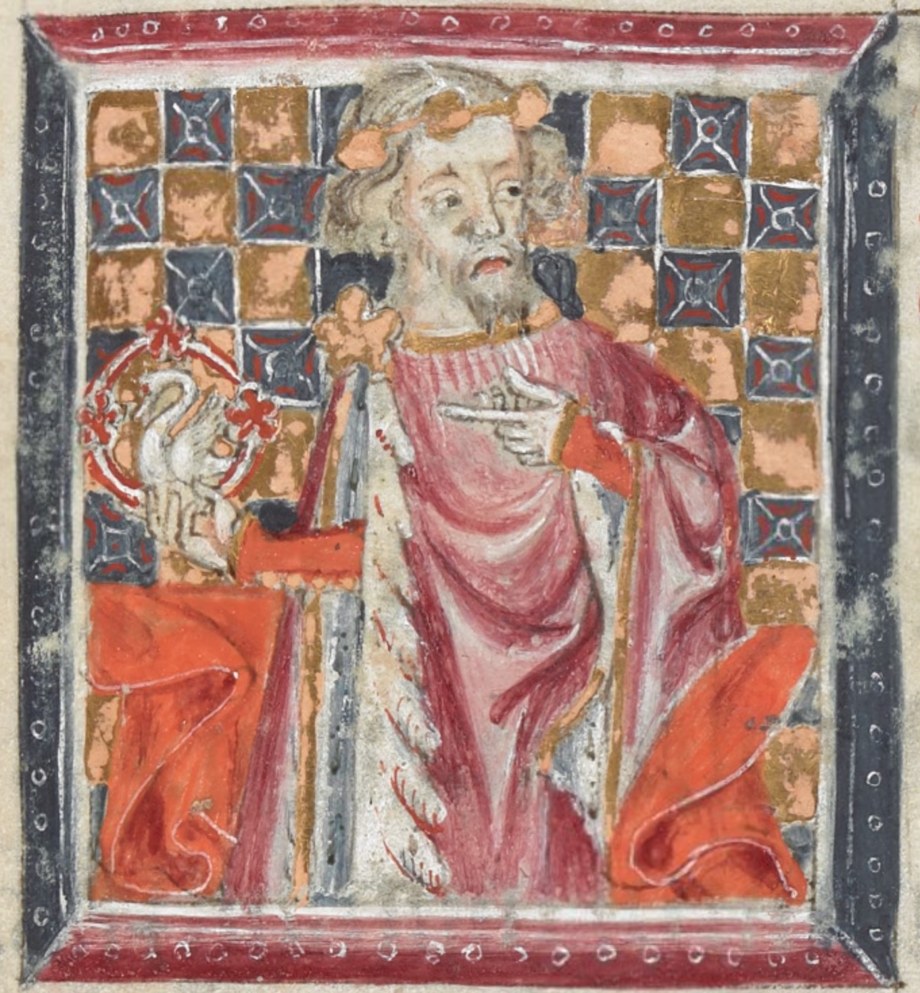
Thomas of Woodstock
notableRichard II's domineering uncle who bullied the king and was murdered for it — the hardline ESTJ Lord Appellant.
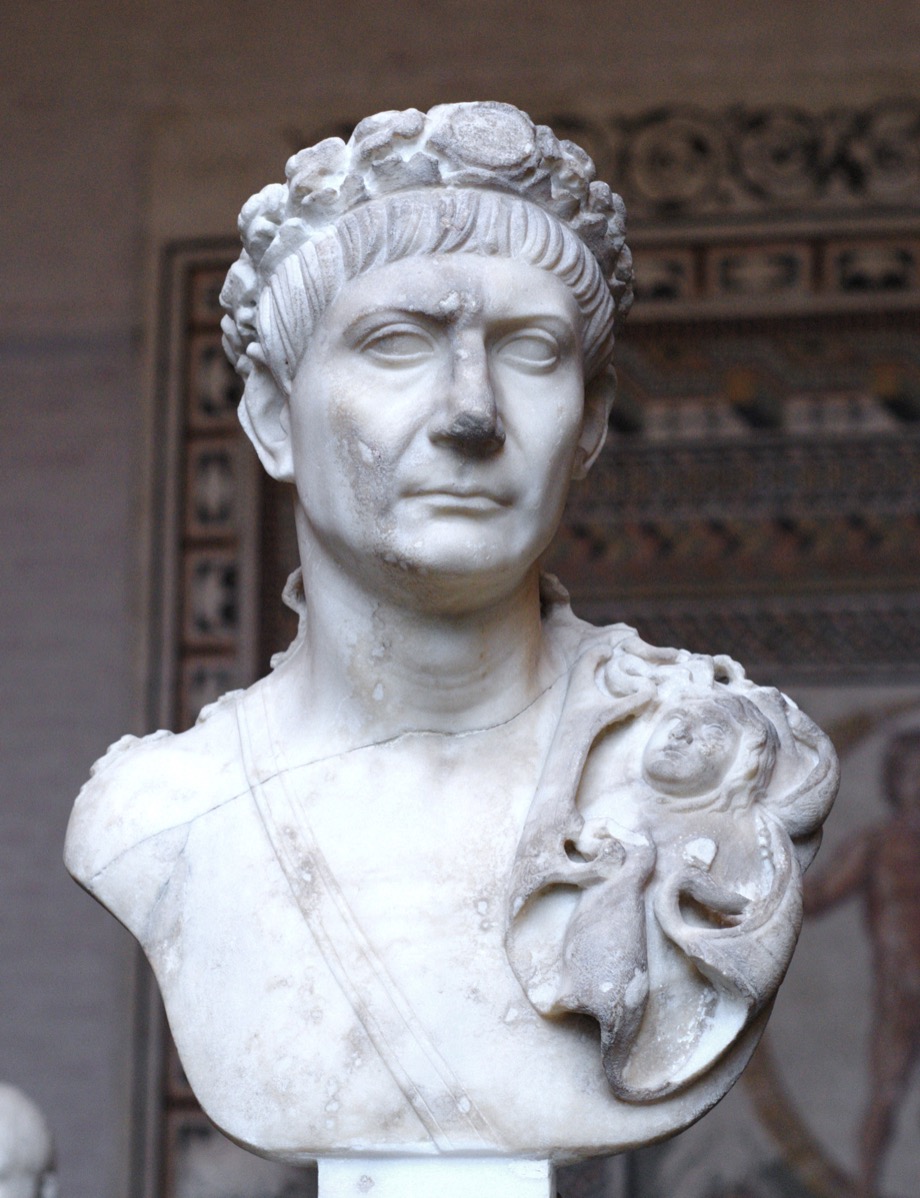
Trajan
renownThe optimus princeps who conquered Dacia and administered the empire so meticulously his correspondence survives as a manual.
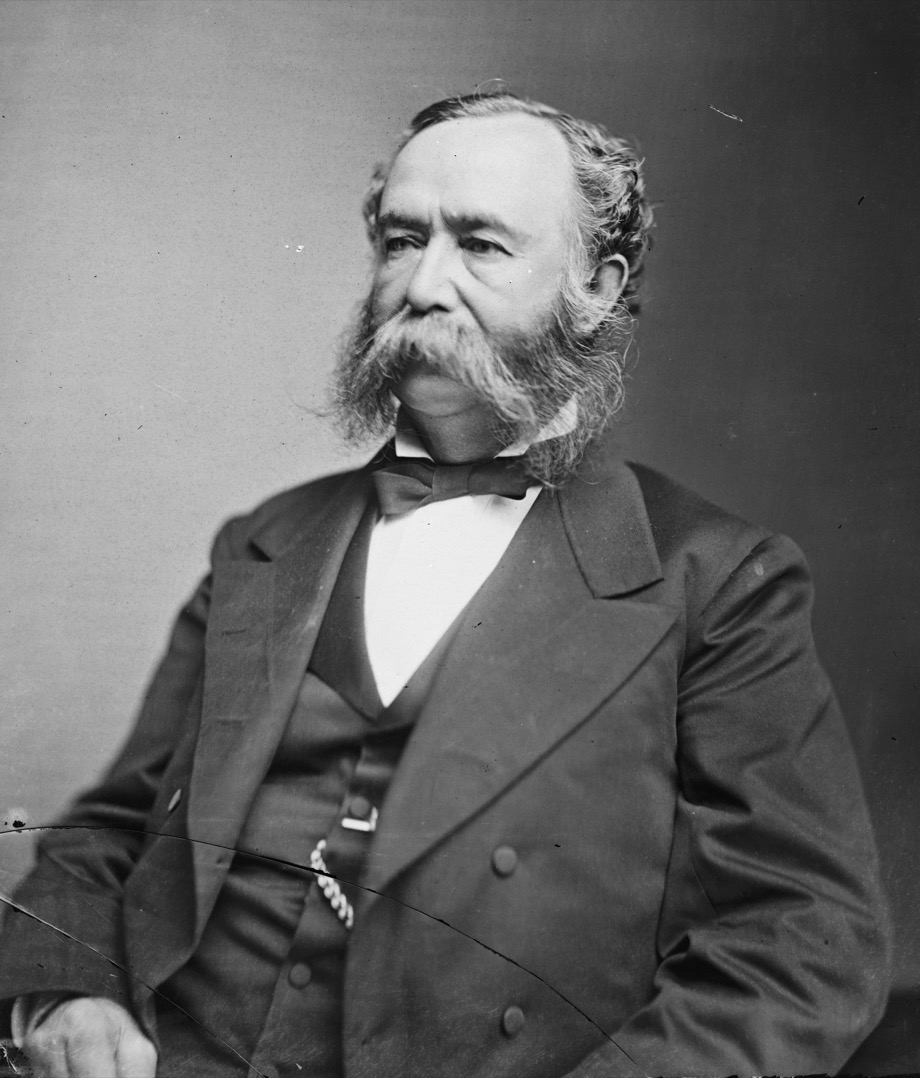
Wade Hampton III
obscureThe wealthiest planter in the South, who funded and led his own legion into war
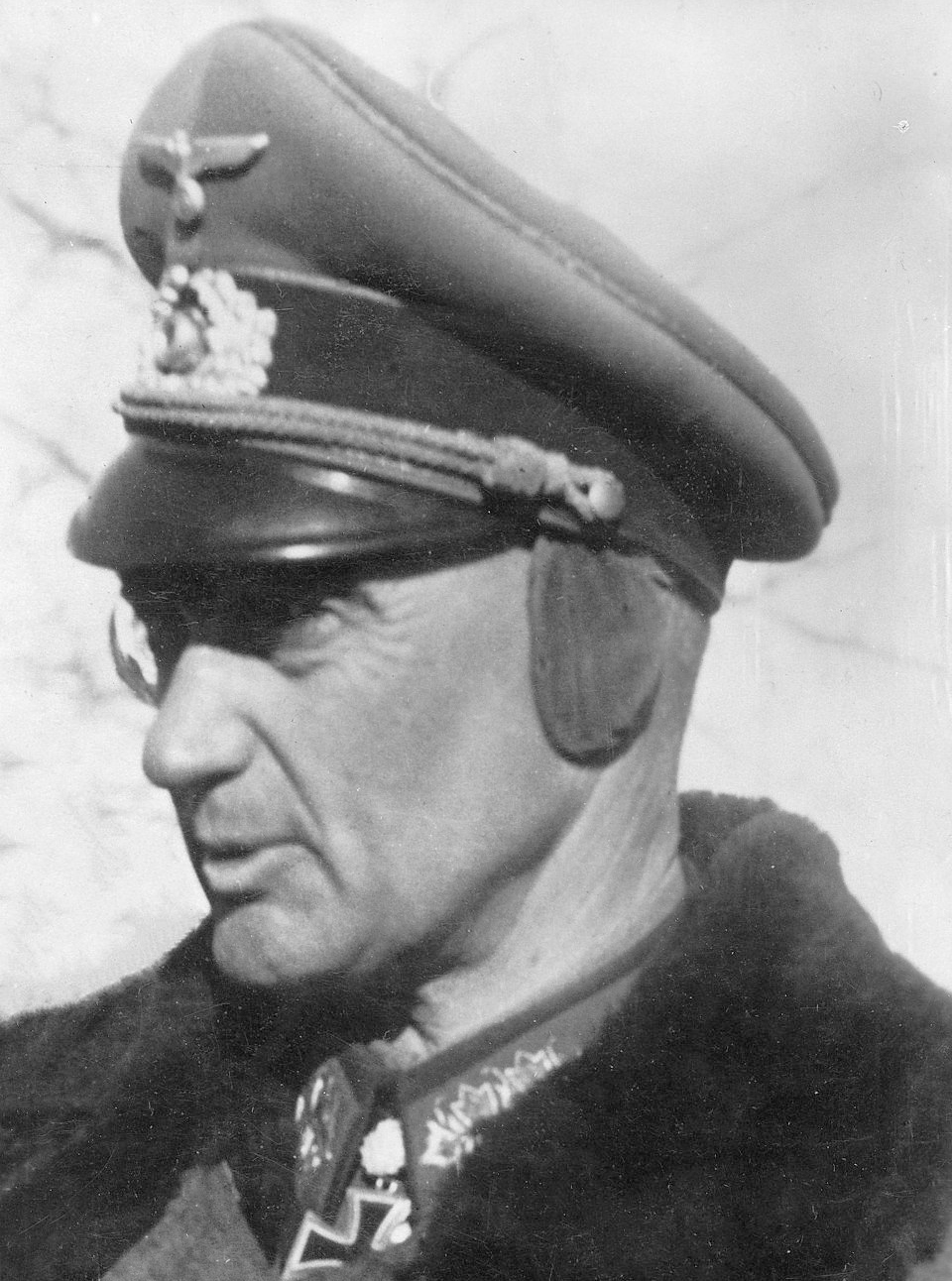
Walter Model
notable"Hitler's Fireman," sent to stabilize every collapsing front until there were none left.
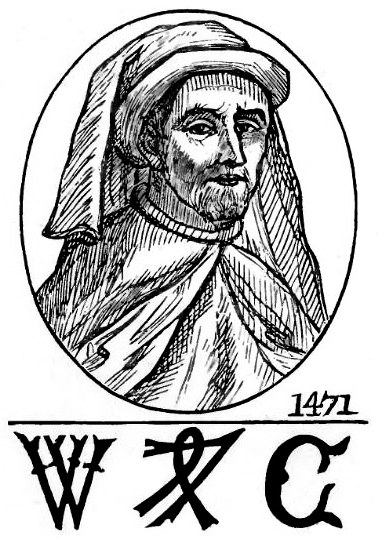
William Caxton
renownThe merchant who brought the printing press to England and printed Chaucer — the practical ESTJ of the English word.
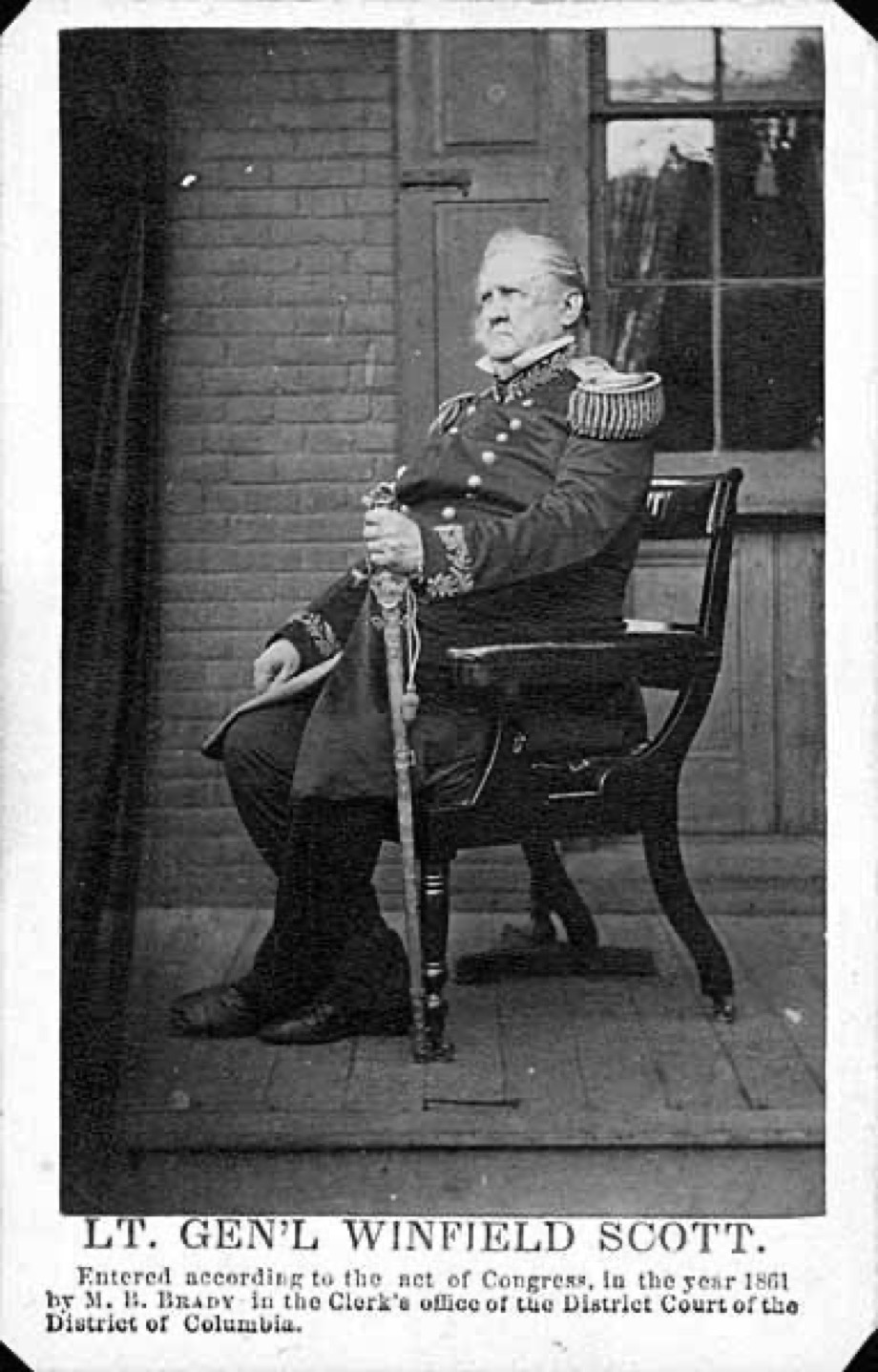
Winfield Scott
notableThe aging general whose mocked 'Anaconda Plan' became the Union's actual winning strategy
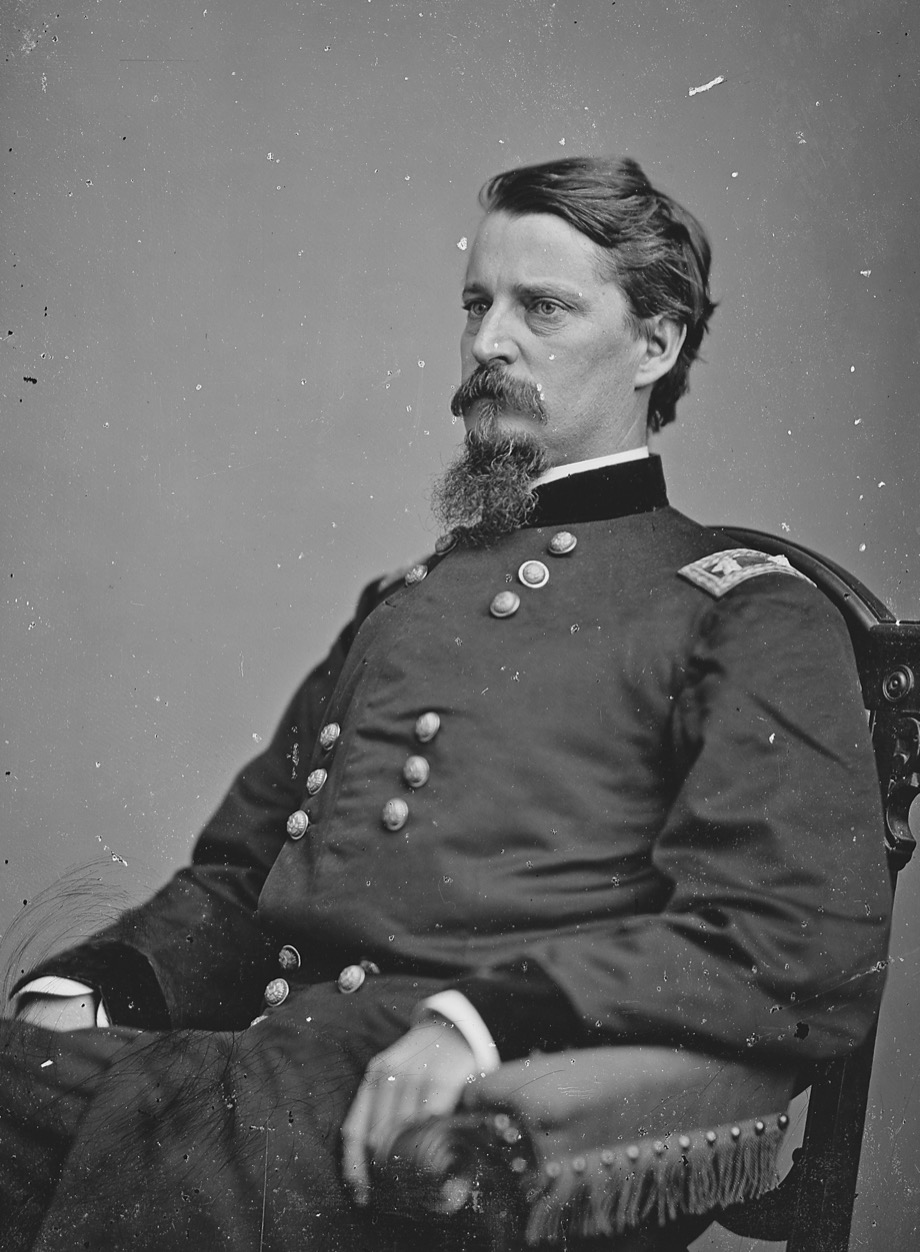
Winfield Scott Hancock
notable"Hancock the Superb" — the general who held the Union center against Pickett's Charge, wound and all
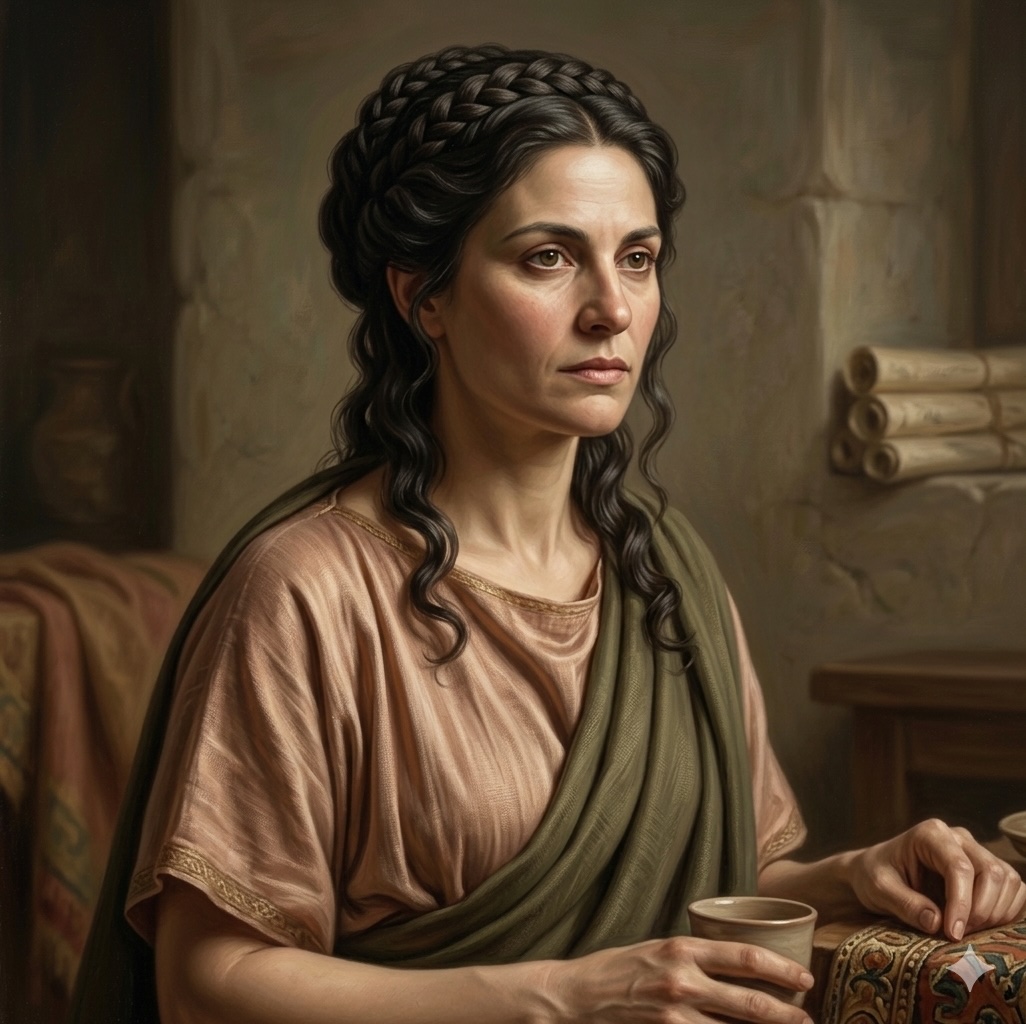
Xanthippe
notableHistory remembered the philosopher. It only echoed the woman beside him.
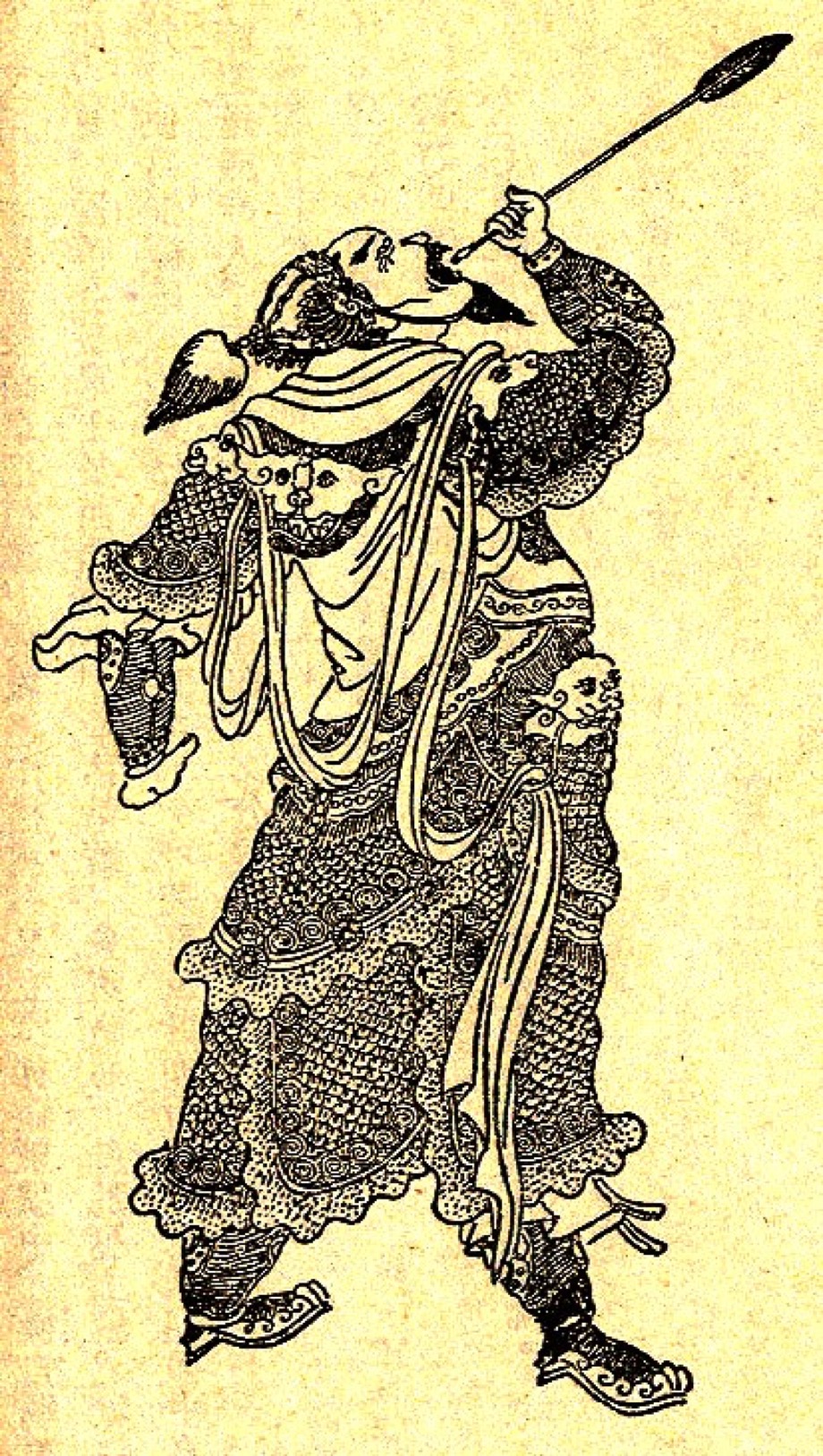
Xiahou Dun
notableCao Cao's kinsman general, who reportedly ate his own severed eye rather than waste it.
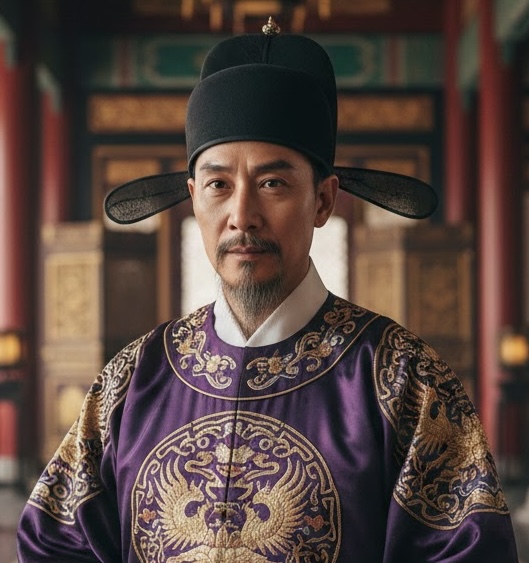
Yang Guozhong
notableCourt Chancellor, Factional Enforcer, and the Administrator Who Misjudged a Storm
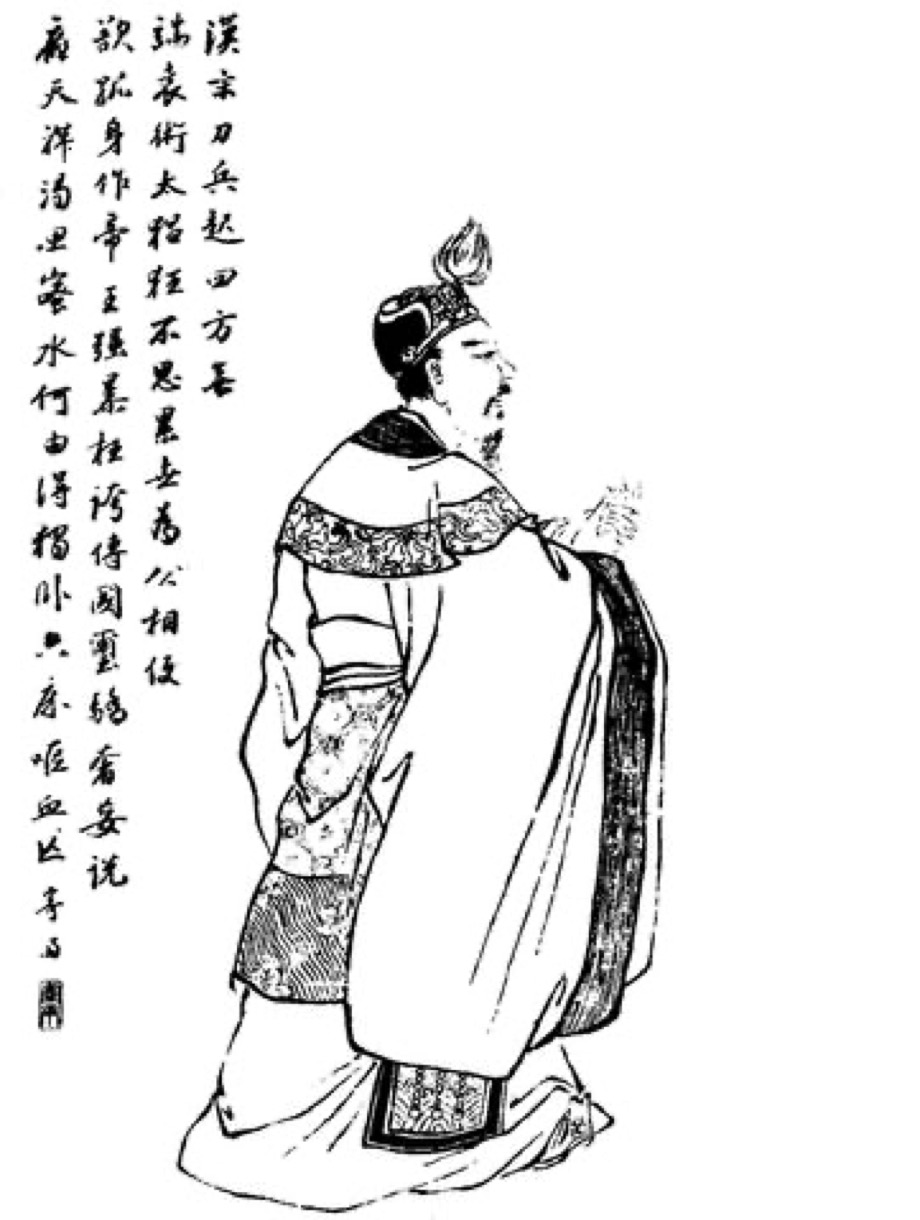
Yuan Shu
notableThe warlord who declared himself emperor on a forged omen and died in poverty.
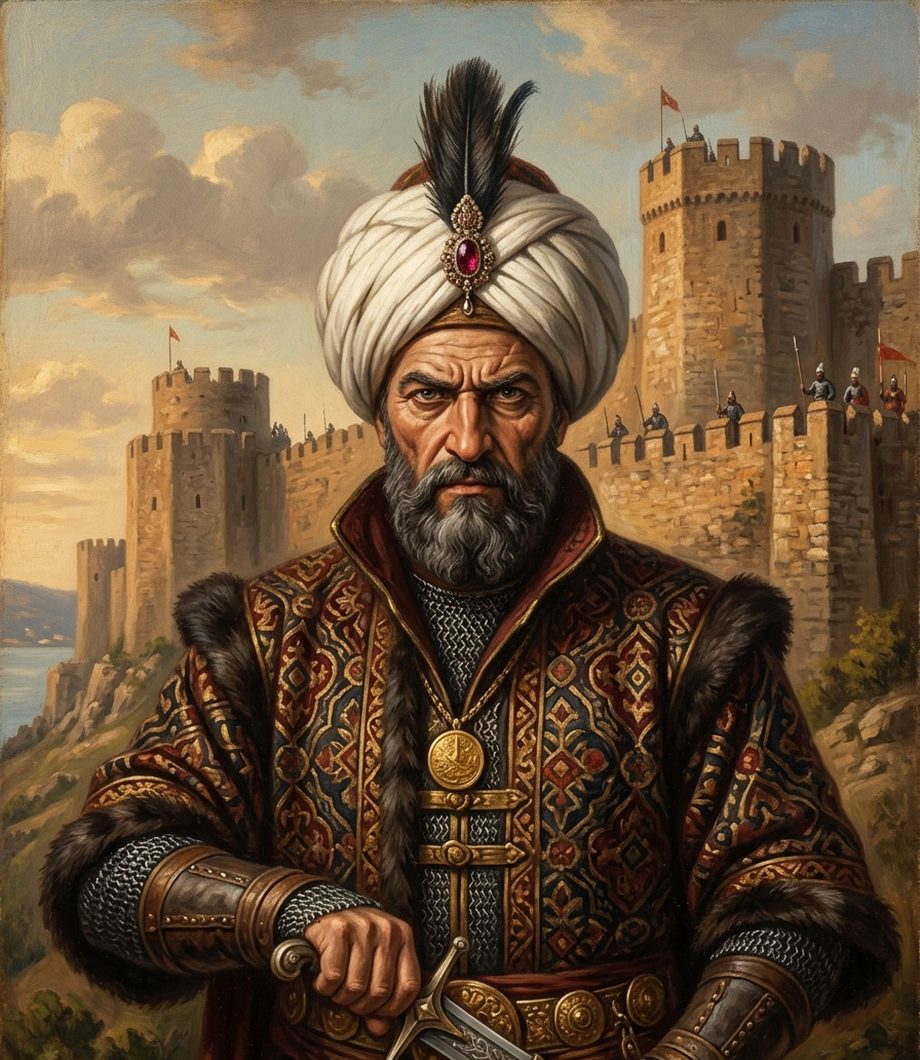
Zaganos Pasha
notableThe devshirme hawk who hardened a young sultan's resolve and dragged a fleet over a hill — the forceful ESTJ.
Explore Other Types
