 Historical Figure MBTI
Psychological Profile
Strategic visionaries driven by an internal model of reality and long-term synthesis.
Dominant Ni functions as a singular, convergent lens through which all of reality is filtered — the INTJ does not merely observe the world but continuously synthesizes it into a private model of how things must ultimately unfold. Auxiliary Te then acts as the instrument through which that interior vision is made tangible: it provides the drive toward efficiency and external structure, allowing the grand architecture of Ni to become an actual system someone else can inhabit. Tertiary Fi quietly animates the whole enterprise with a private moral core, ensuring that what the INTJ chooses to build is not merely clever but personally meaningful — a distinction they may never voice aloud but will never surrender. The inferior Se, meanwhile, sits at the edges of consciousness like an uninvited guest: the messy, spontaneous texture of the immediate physical world, which the INTJ's system-building mind so easily overlooks, and which — precisely because it is neglected — tends to return under stress as an obsessive, almost panicked attention to sensory detail.
Introverted Intuition
The primary mode of existence for an INTJ is intuitive synthesis. They perceive reality through a single, convergent lens, constantly refining an internal model of how the future should be structured. This results in a profound sense of 'knowing' without always being able to explain the immediate steps.
Extraverted Thinking
This function provides the pragmatic backbone for the INTJ's vision. It is the drive toward efficiency, logic, and results-oriented planning that allows them to manifest abstract Ni concepts into functioning external systems and organizations.
Introverted Feeling
Beneath the cold exterior lies a private core of intense values and integrity. Fi provides the 'moral compass' for the INTJ's strategy, ensuring that their long-range plans align with their personal sense of meaning and purpose.
Extraverted Sensing
The sensory reality of the present moment often feels like an afterthought. When stressed, Se can manifest as an obsessive focus on aesthetic perfection or physical data, but generally, the INTJ struggles to ground their grand designs in the messy spontaneity of real-time sensory experience.
The Historical Role
Strategic visionaries who restructured reality. They are the long-range architects of history — the minds that see not the world as it is but as it could be redesigned, and who then quietly set about building the scaffolding to make it so. They appear as the theorists who outlasted the rulers they advised, the system-builders who worked decades ahead of their moment, the strategists behind the strategy. Their defining mark is the willingness to sacrifice the immediate for the coherent: to hold a vision with such convergent clarity that every obstacle becomes merely a problem to be engineered around.
In history, the INTJ appears as the long-range planner. They are the ones who don't just participate in systems, but build them from the ground up, moving toward a single, synthesis-driven vision.
Historical Figures
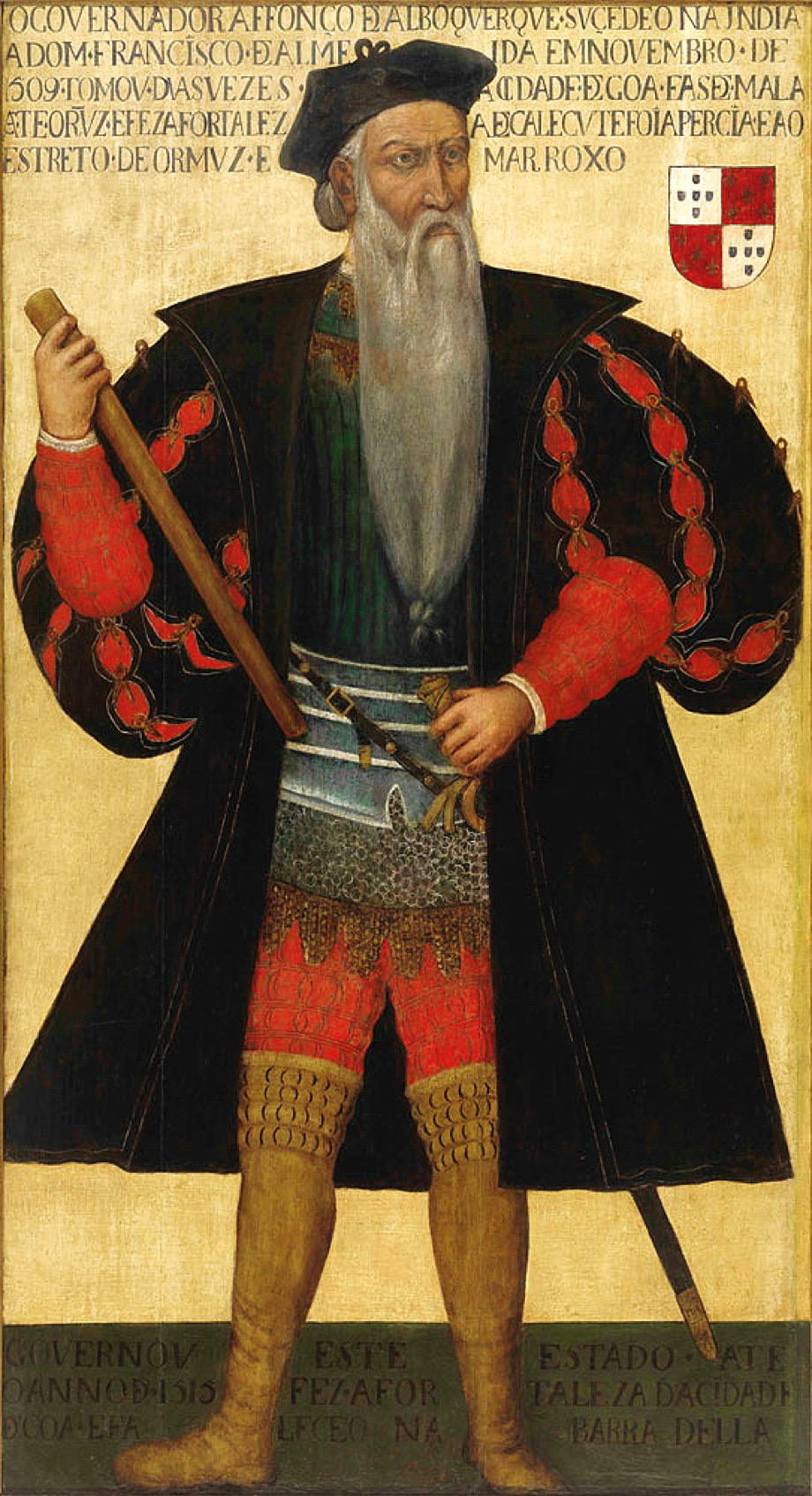
Afonso de Albuquerque
renownThe strategist who looked at an ocean and saw a diagram — Goa, Hormuz, Malacca, and a plan to divert the Nile.
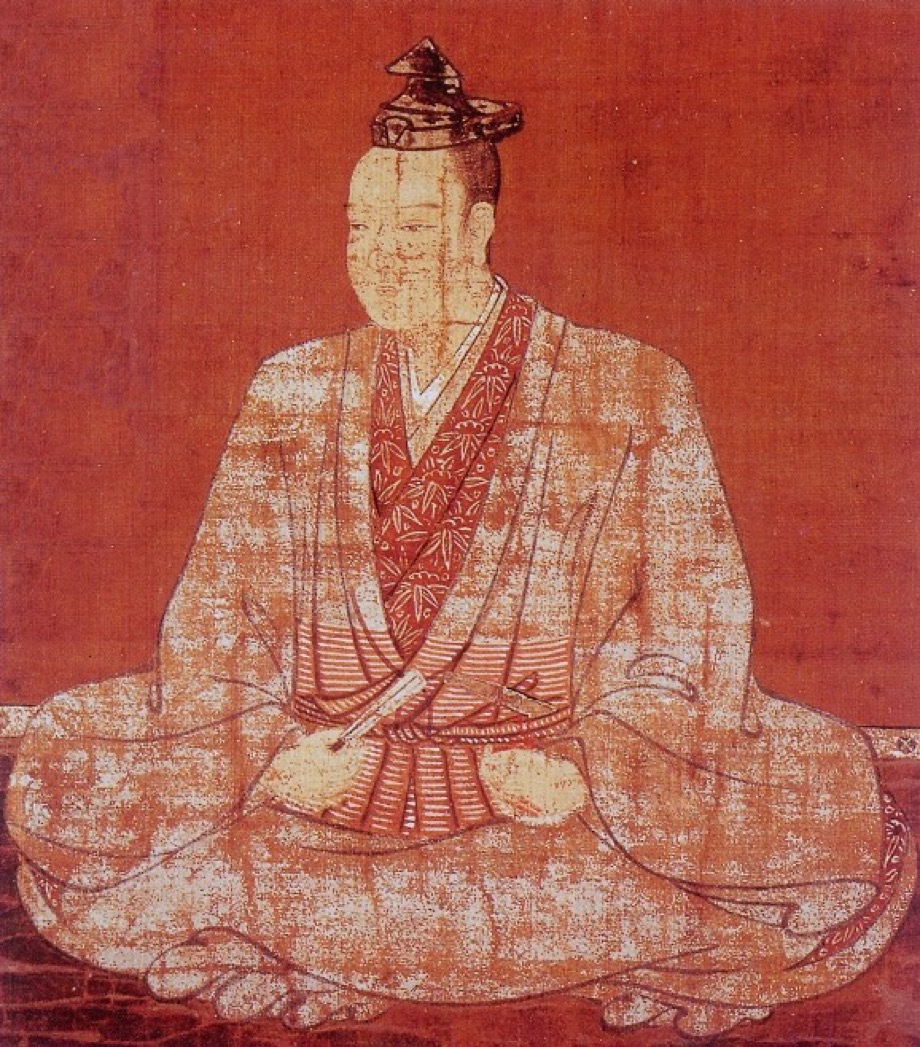
Akechi Mitsuhide
notableThe cultured general who struck down his lord Nobunaga at Honnō-ji and ruled for thirteen days before ruin — the cold, aggrieved gambler INTJ.
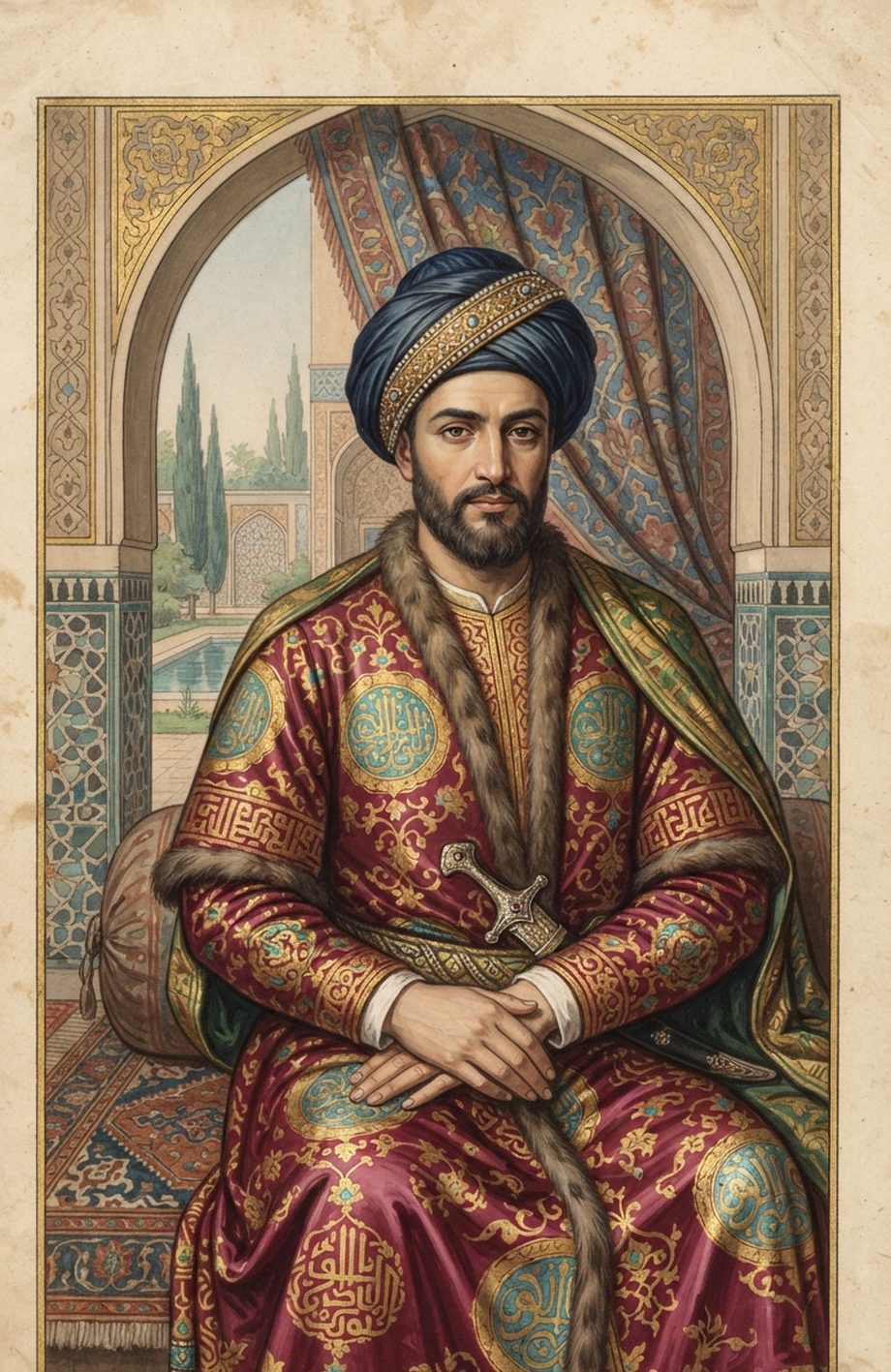
al-Adil
renownSaladin's shrewd brother, who preserved by cold competence the empire the sultan won by charisma — the pragmatic INTJ.
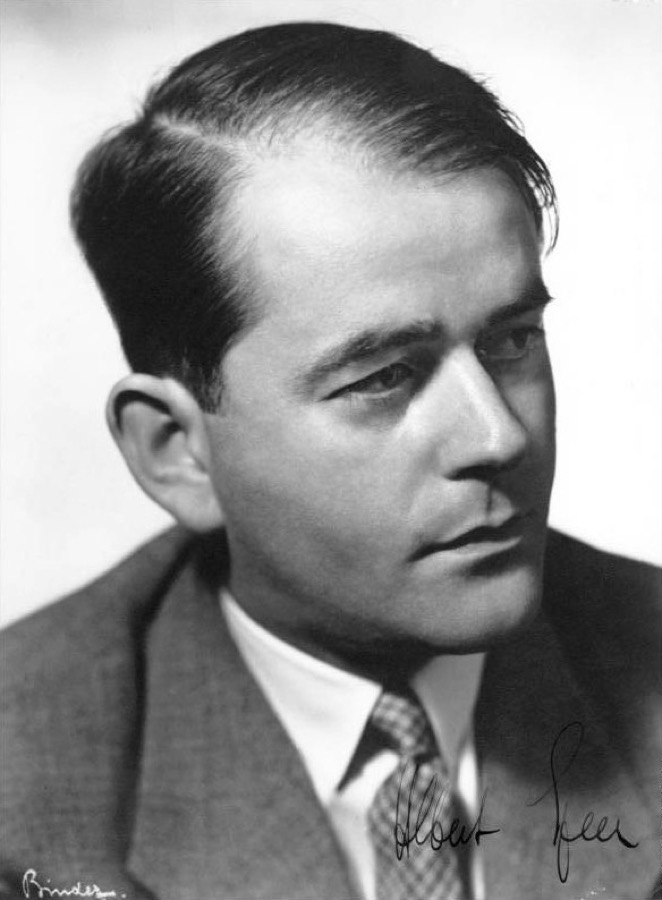
Albert Speer
infamousThe armaments minister who ran Nazi Germany's slave-labor war machine, then spent decades denying he knew.
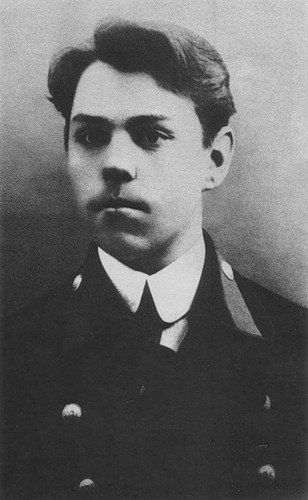
Aleksandr Vasilevsky
notableThe quiet planner behind the Red Army's decisive encirclements.
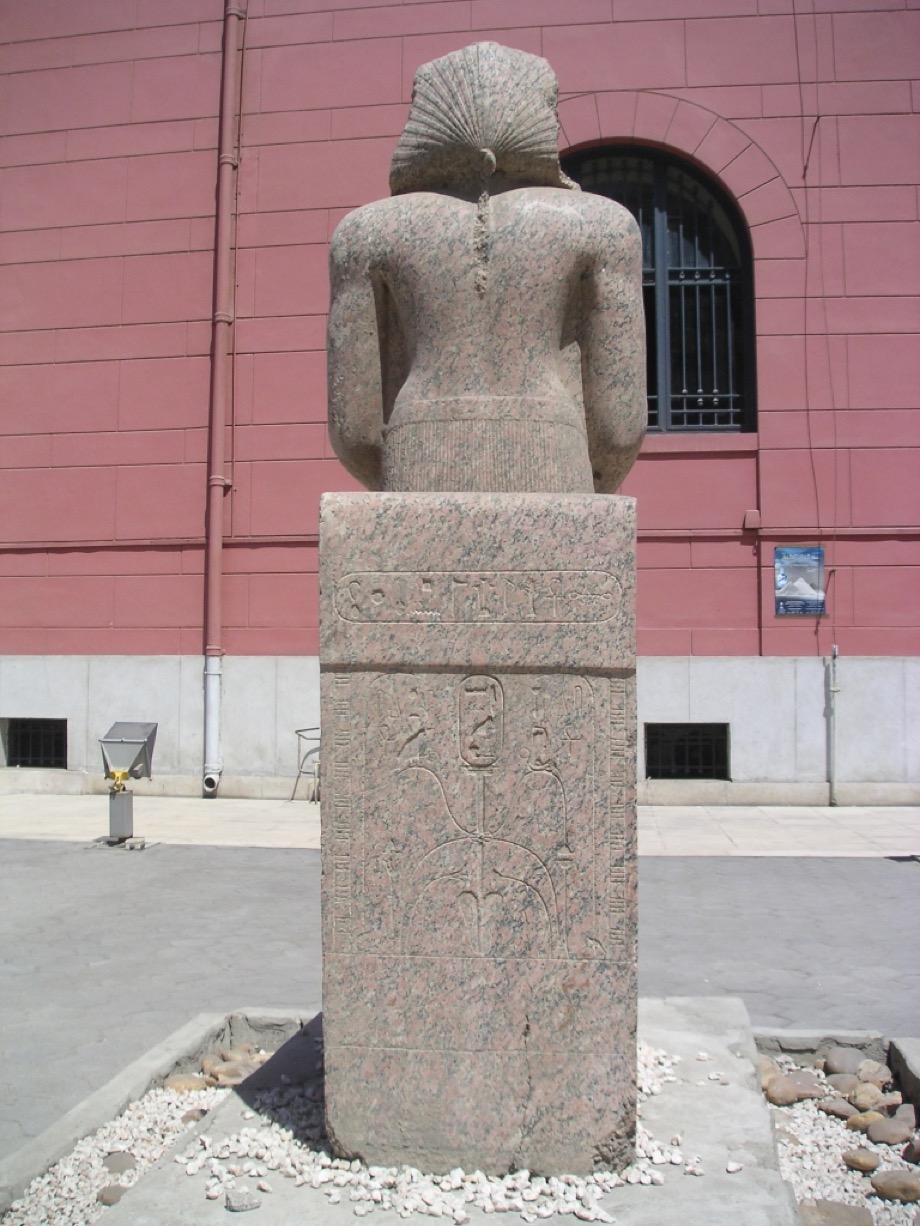
Amenemhat I
notableA vizier who seized the crown and left his heir a paranoid, unforgettable warning.
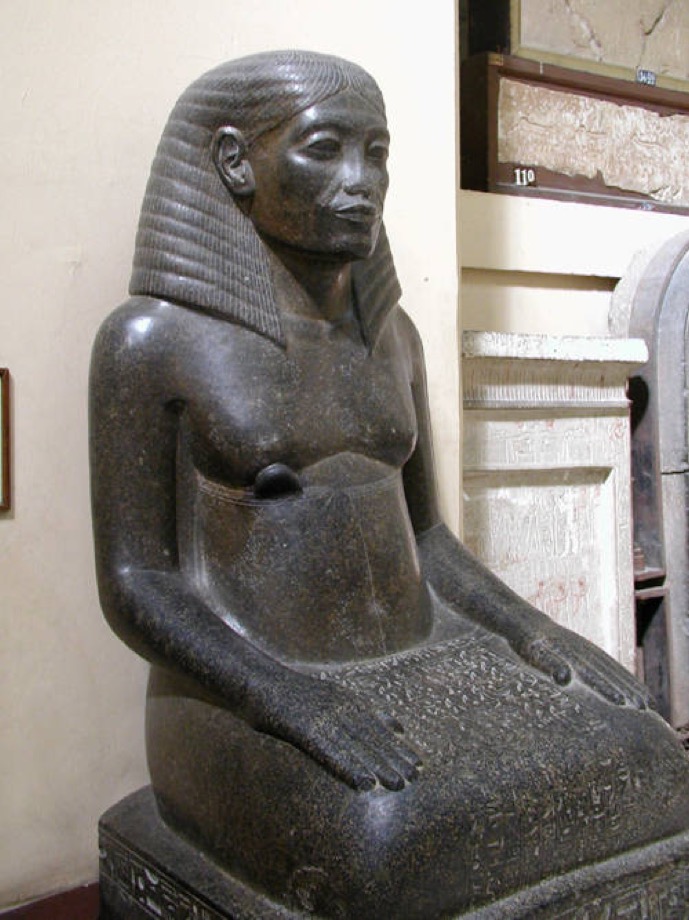
Amenhotep son of Hapu
notableA commoner sage deified for wisdom alone, honored with a temple beside the king's.
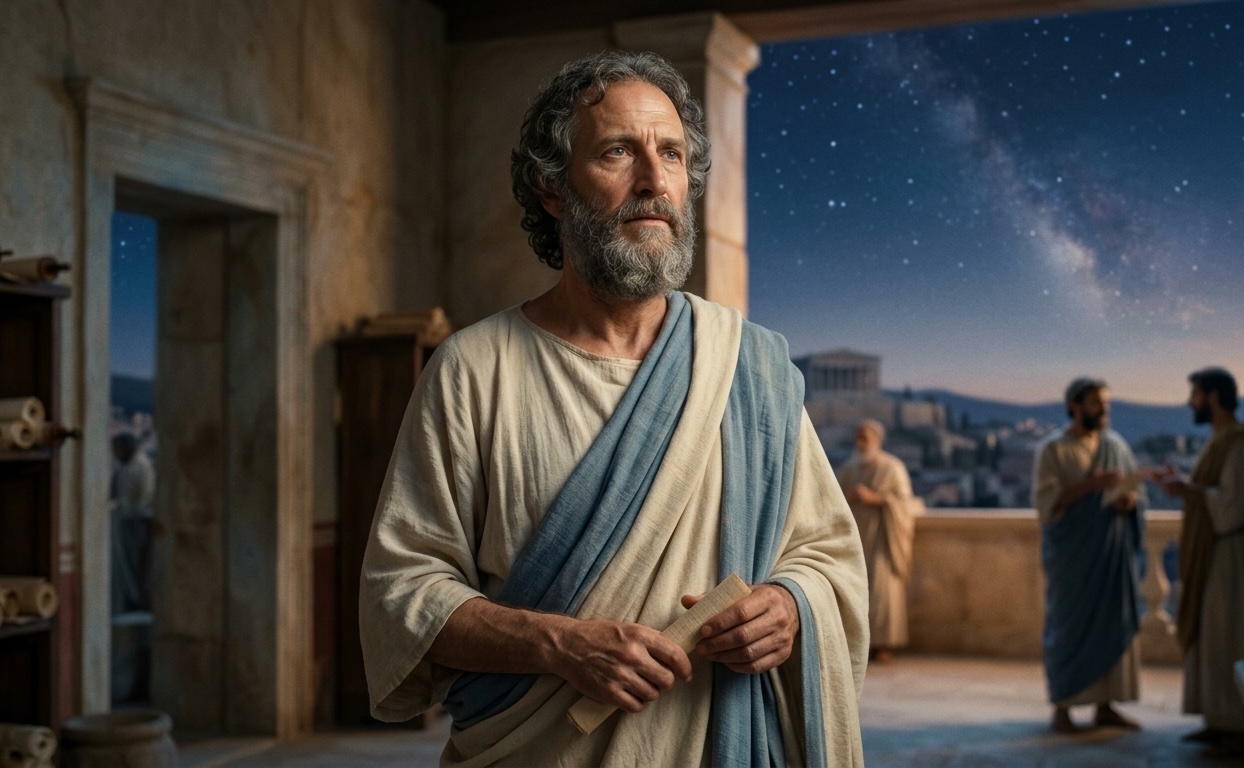
Anaxagoras
notableThe philosopher Pericles called his mentor
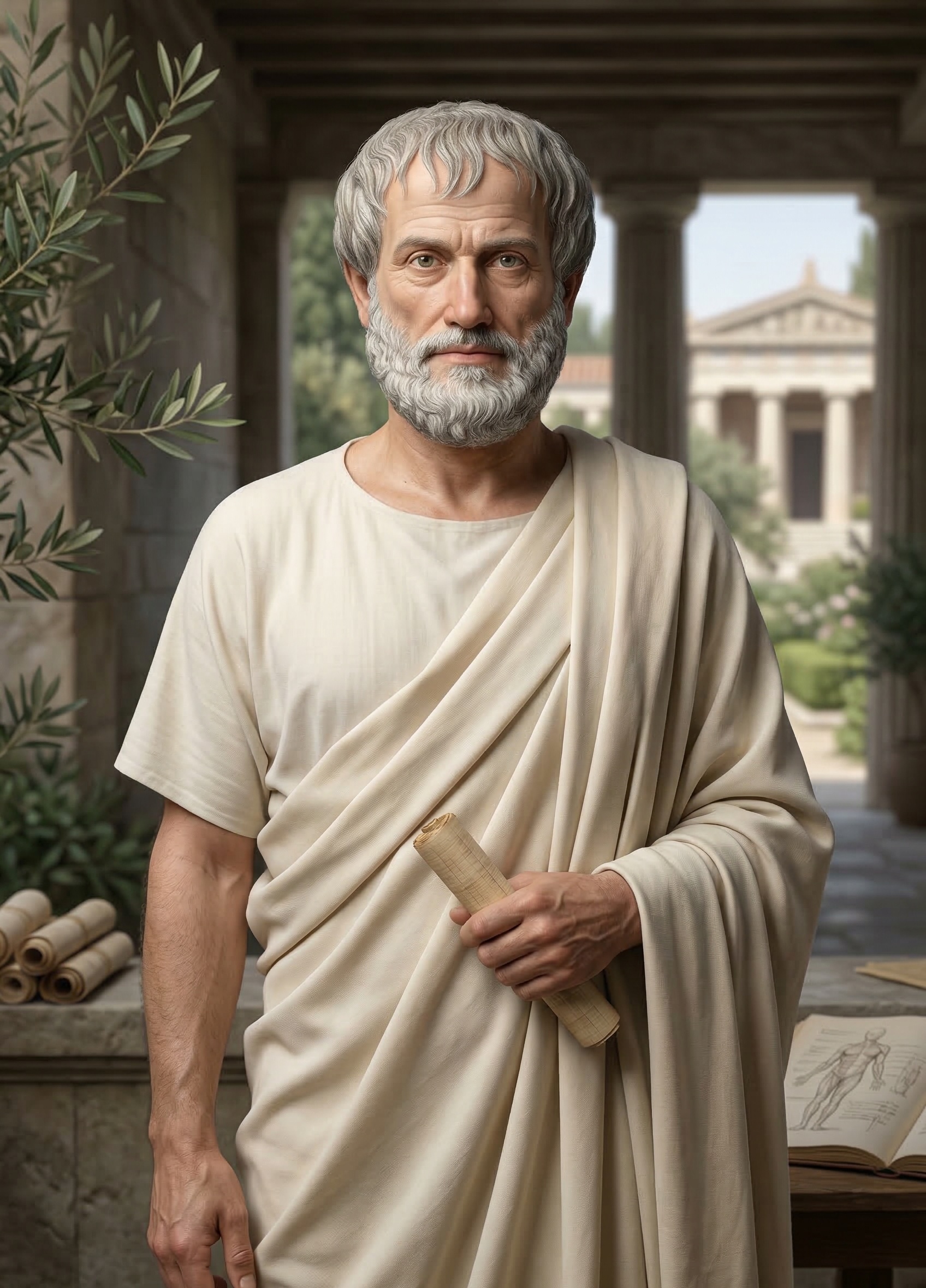
Aristotle
Plato's most famous student — the one who disagreed with everything
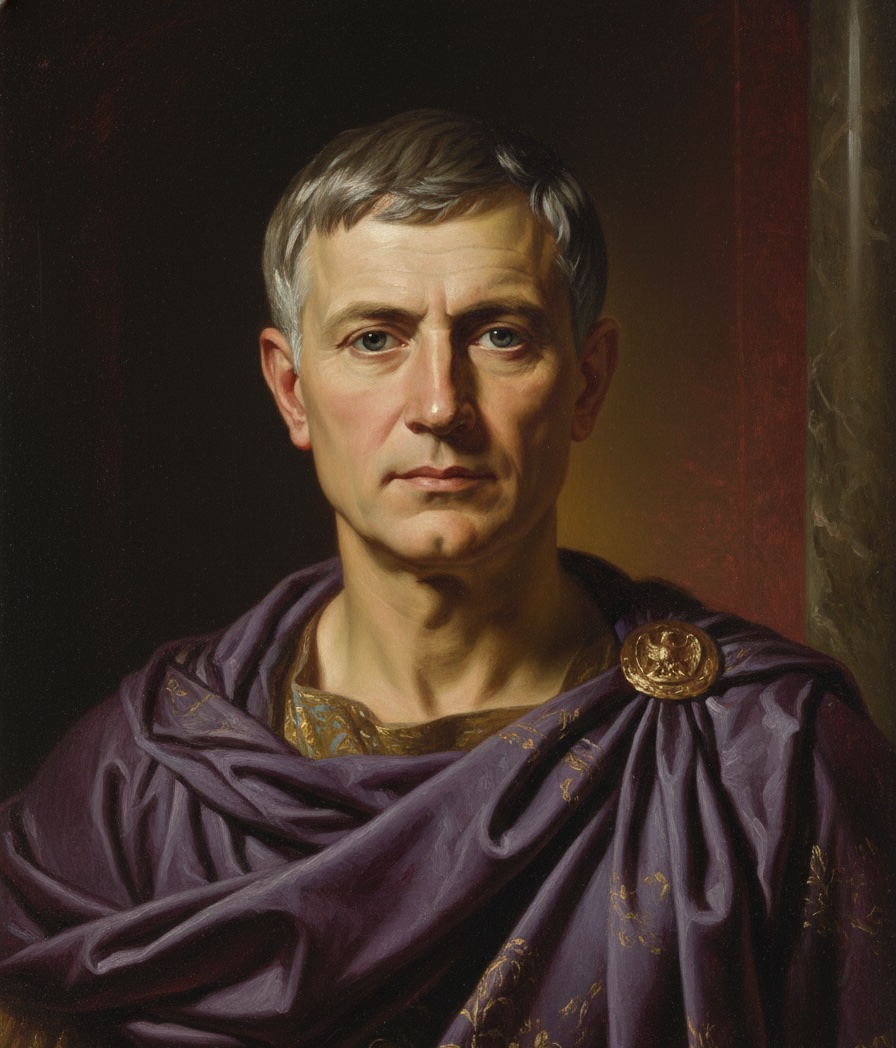
Augustus
Founder of the Principate, architect of Roman stability.
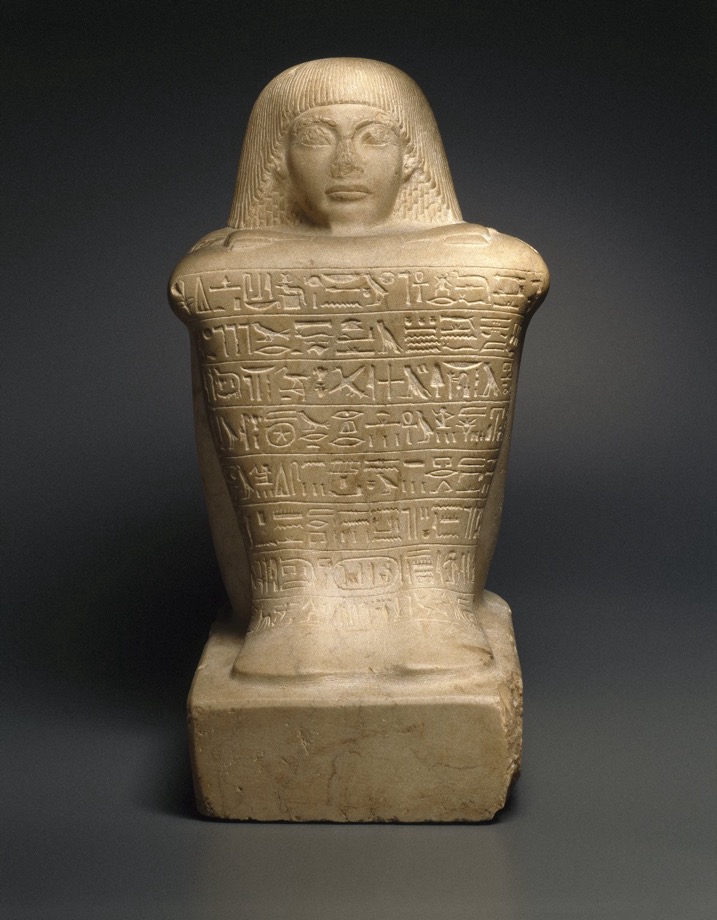
Ay
notableThe old courtier who outlasted three reigns of crisis to take the throne himself.
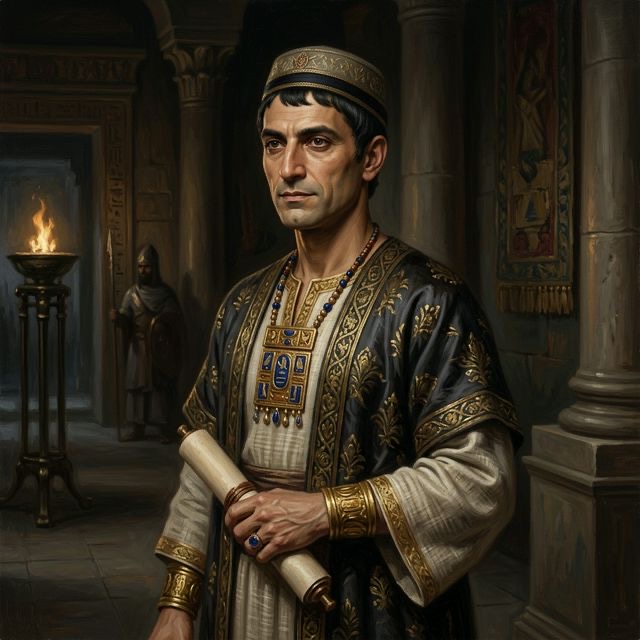
Bagoas the Elder
notableThe Egyptian eunuch minister who poisoned two kings and made Darius III.
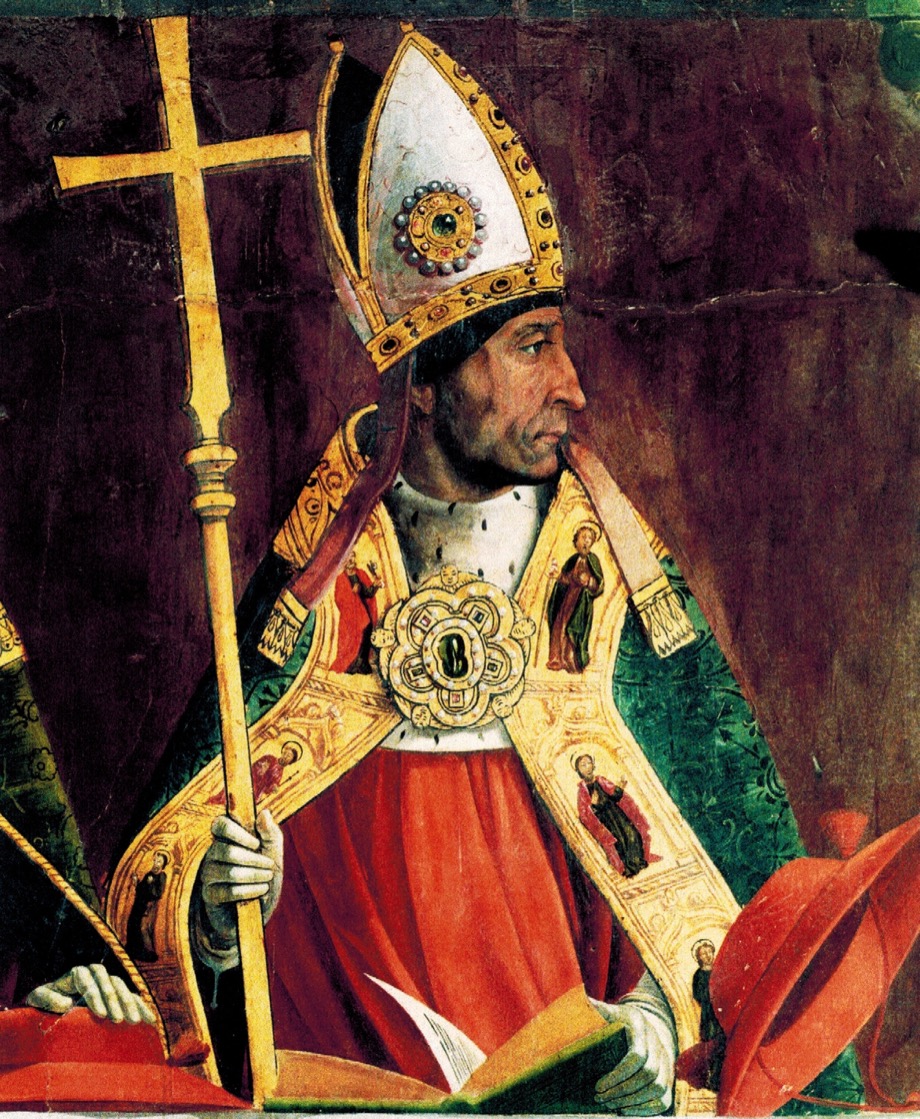
Cardinal Cisneros
notableThe ascetic regent who founded a university and printed Europe's first polyglot Bible.
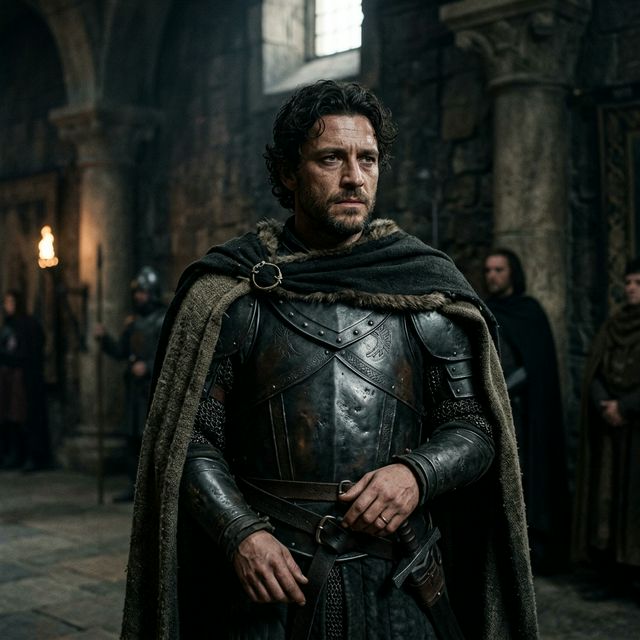
Cassander
notableThe ruthless successor who sought to erase the house of Alexander.
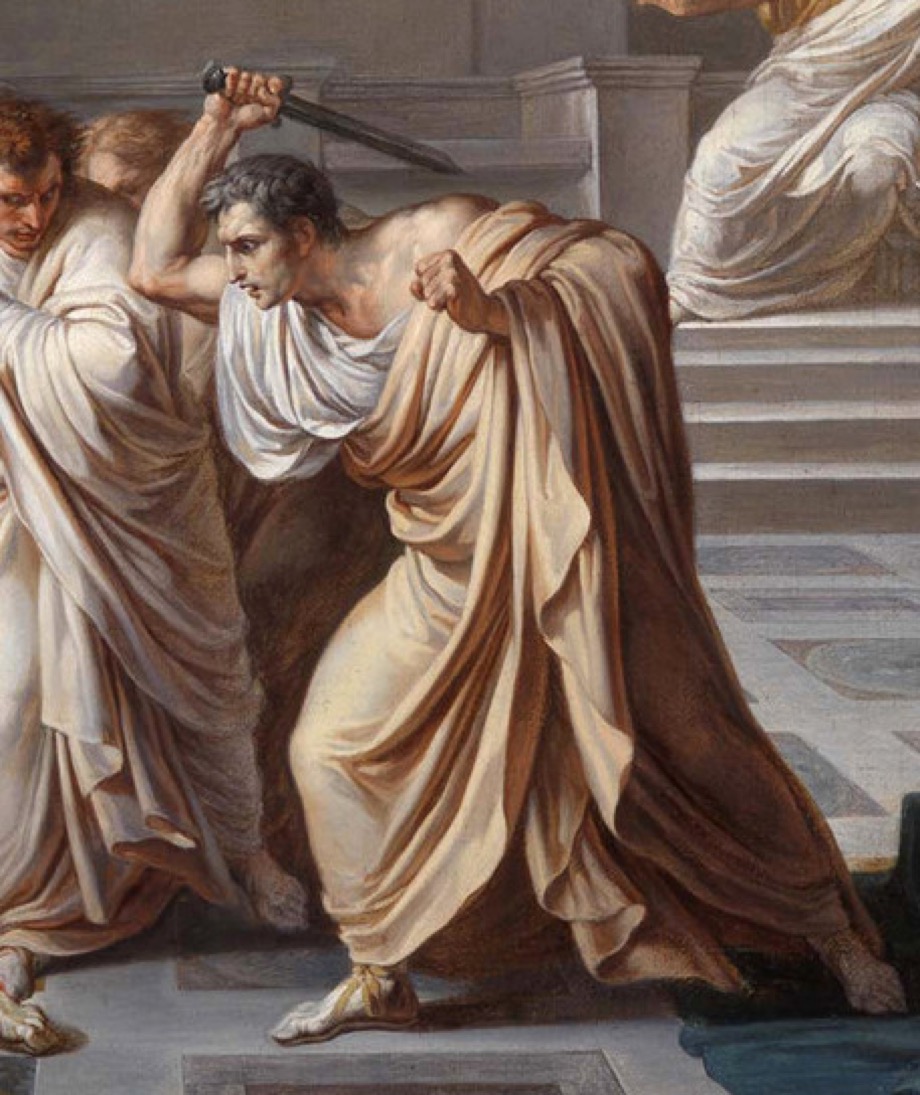
Cassius Longinus
notableThe cold organizer who conceived the plot against Caesar and recruited Brutus to legitimize it.
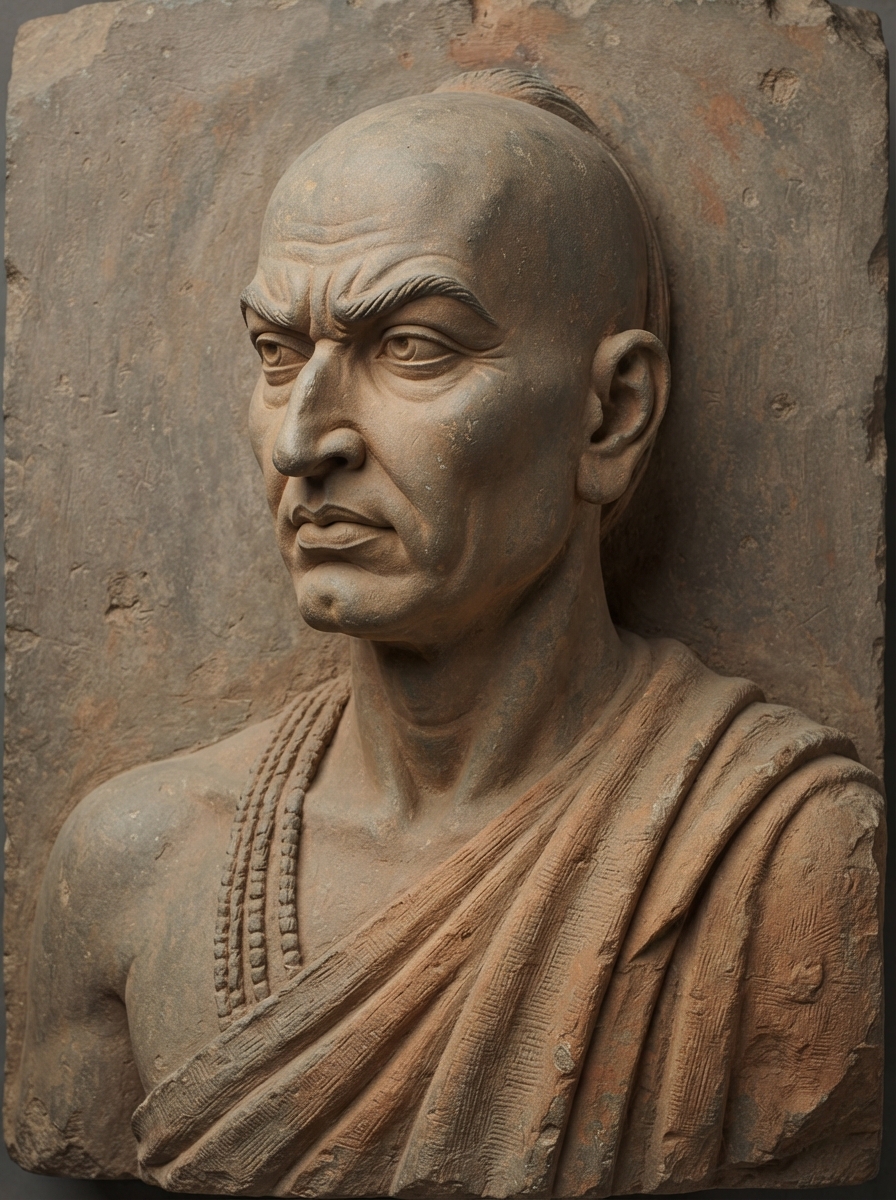
Chanakya
notableThe strategist who turned a personal insult into the fall of a dynasty.
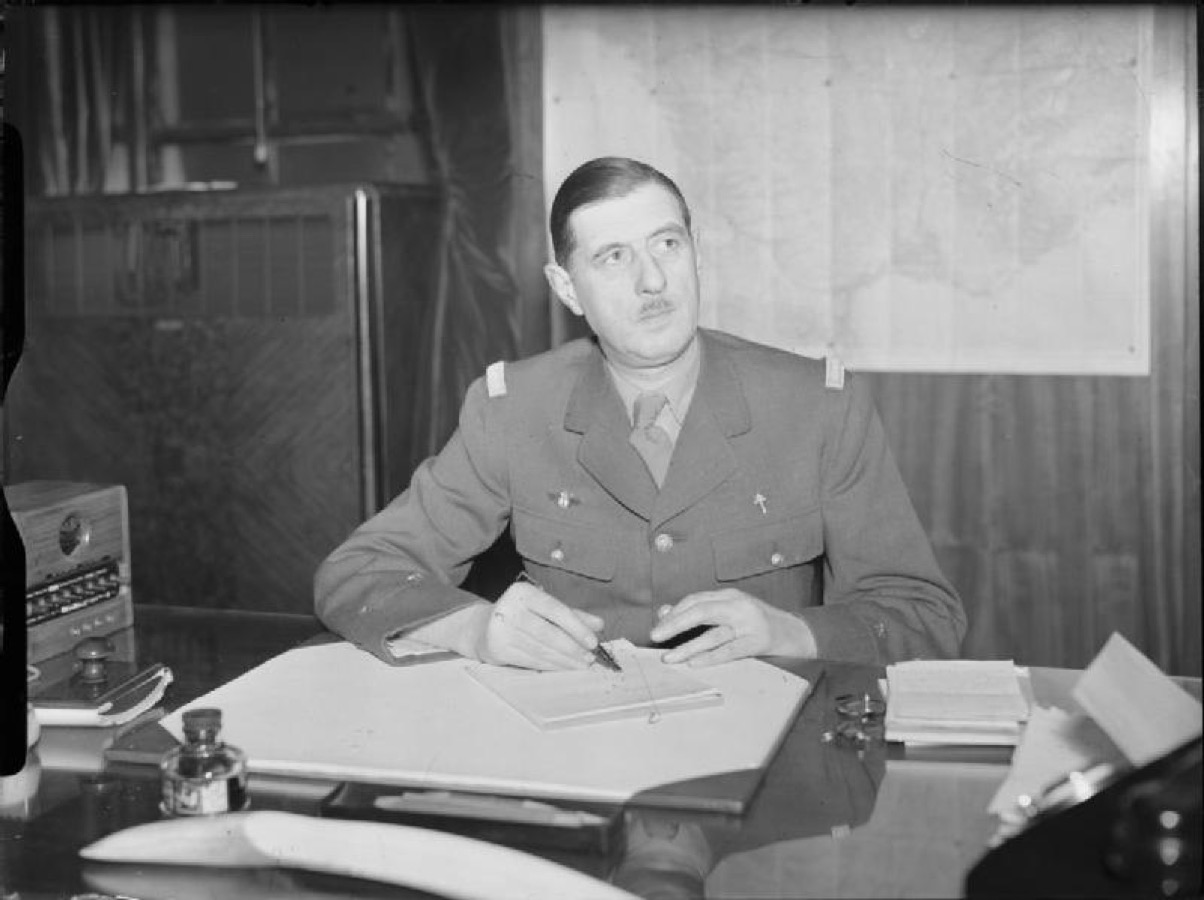
Charles de Gaulle
renownThe junior general who alone refused France's 1940 armistice and built a government from exile.
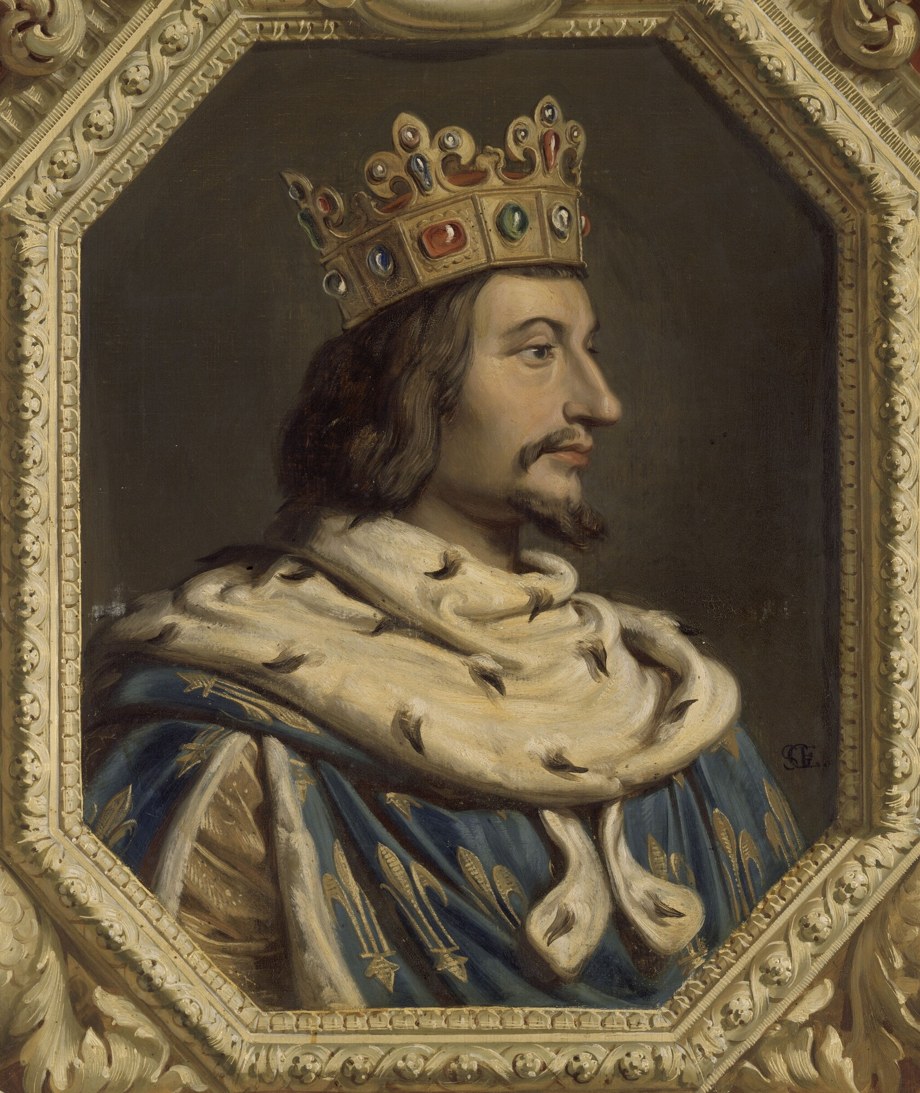
Charles V
renownThe frail scholar-king who won France back by patient attrition — the INTJ strategist who outlasted the English.
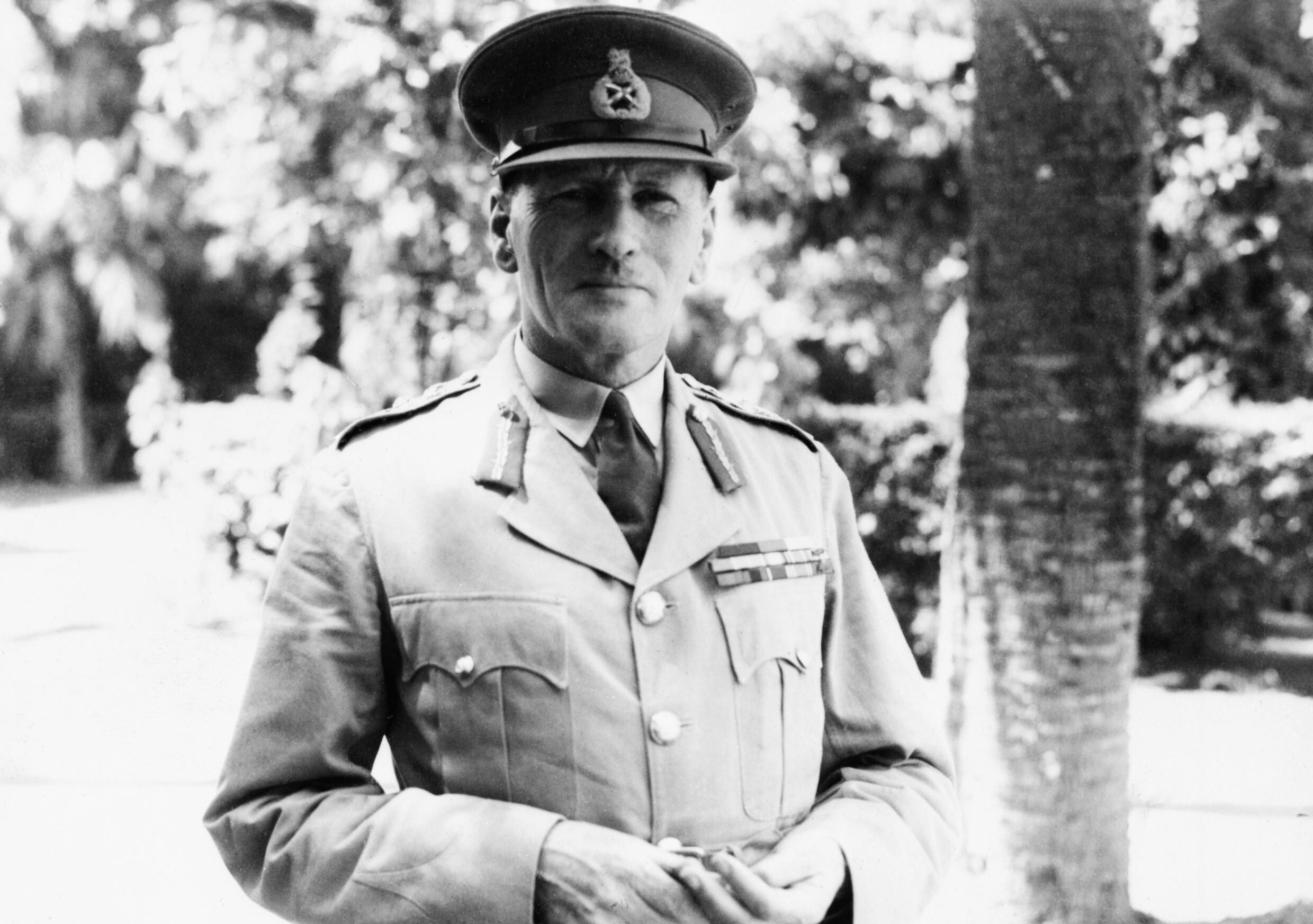
Claude Auchinleck
notableThe general who stopped Rommel at First Alamein and got no credit for it.
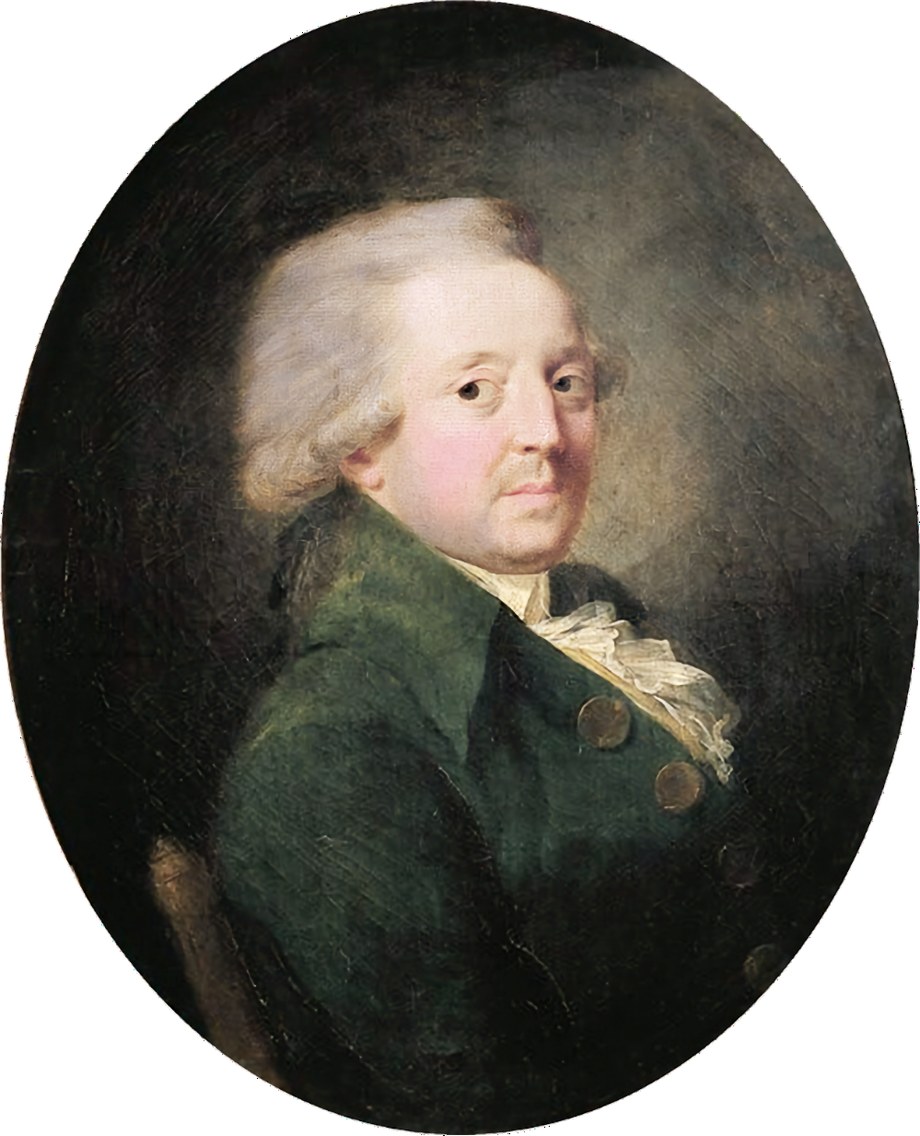
Condorcet
notableCondorcet, the deeply feeling INTJ who wrote the Enlightenment's hymn to human progress under sentence of death
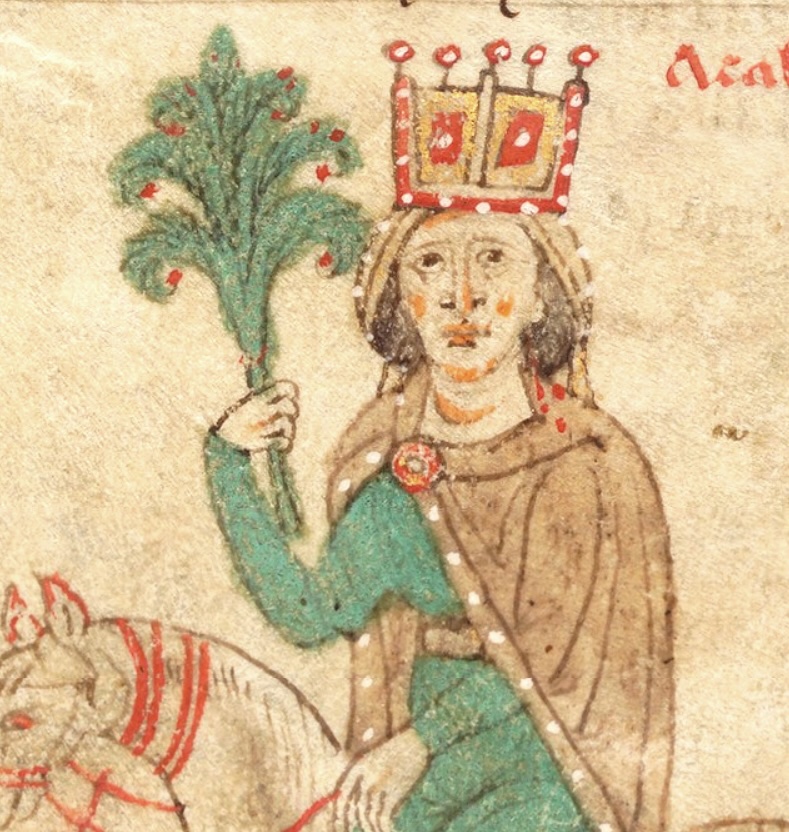
Constance I of Sicily
notableFrederick II's mother — who died giving him the Sicilian throne
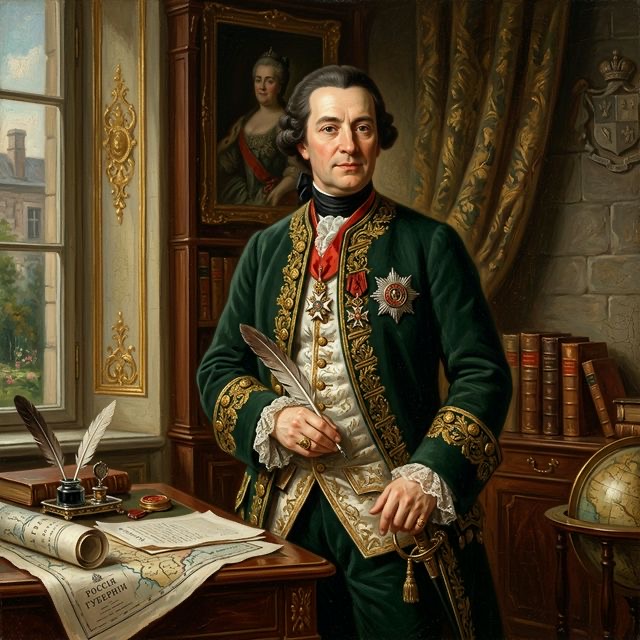
Count Jacob Sievers
notableThe Baltic German governor who redesigned Russian provincial administration under Catherine II — a systematic reformer who built the architecture of Russian local government.
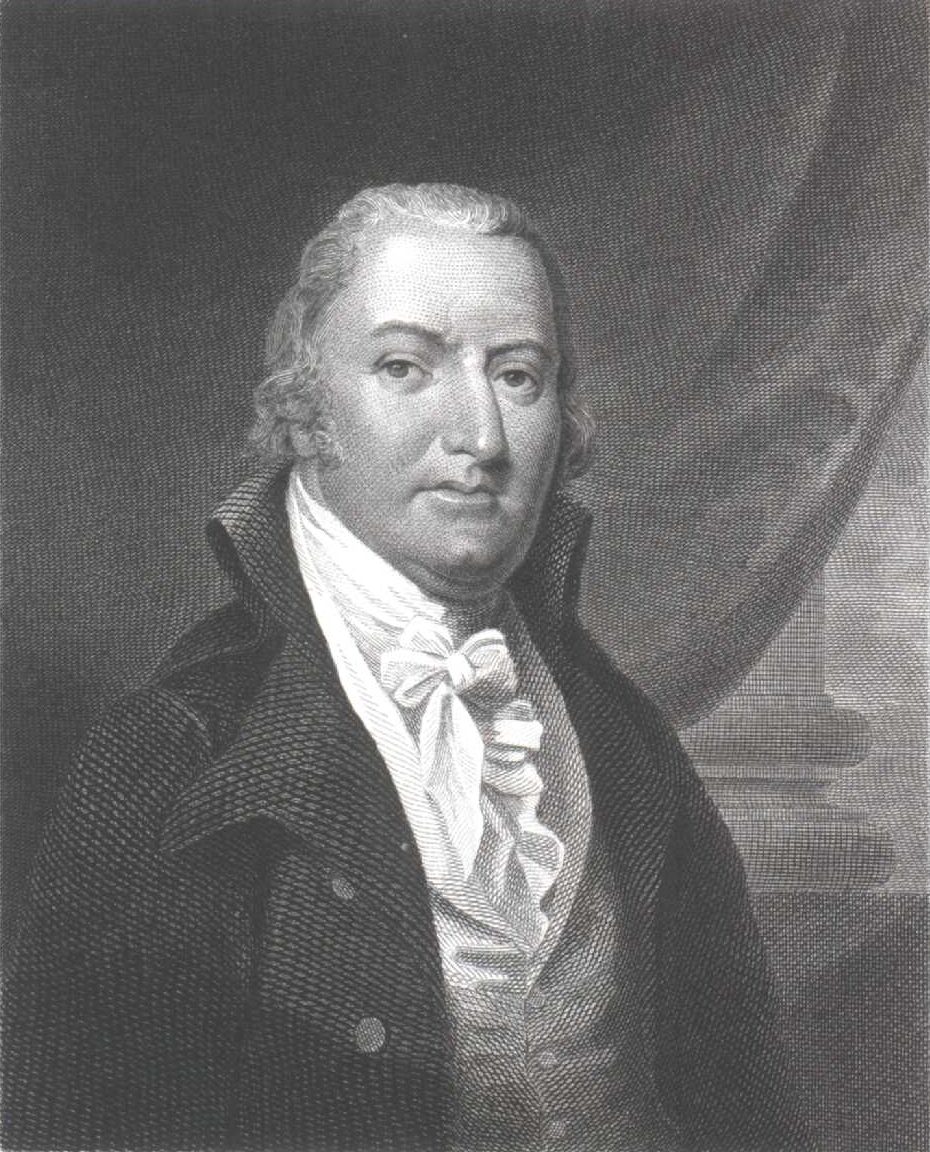
David Ramsay
notableThe Architect of Early American Memory
Dion of Syracuse
notablePlato's student who tried to turn a tyrant's court into a republic — and died for it
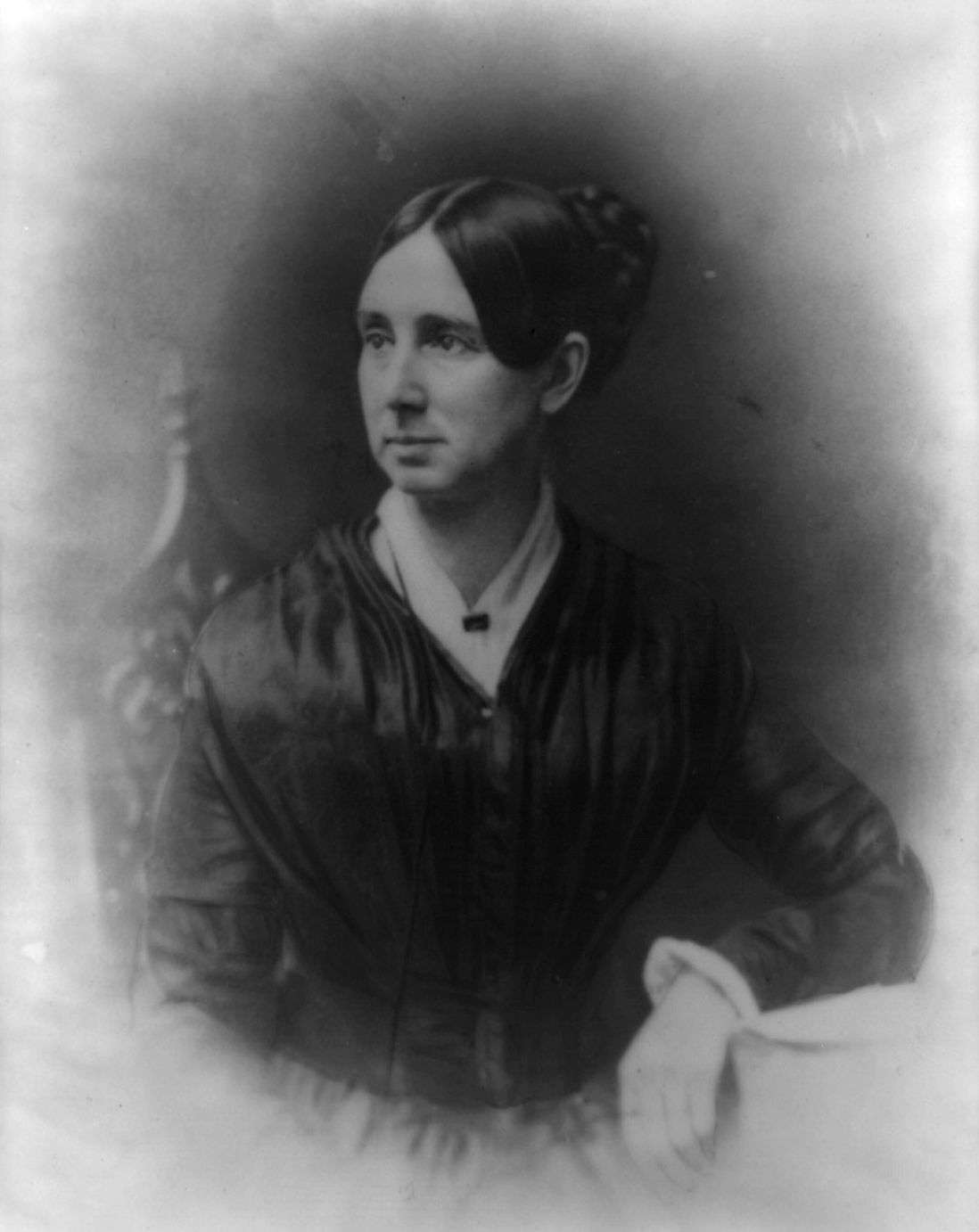
Dorothea Dix
notableThe reformer who imposed order on a nation's asylums and army wards
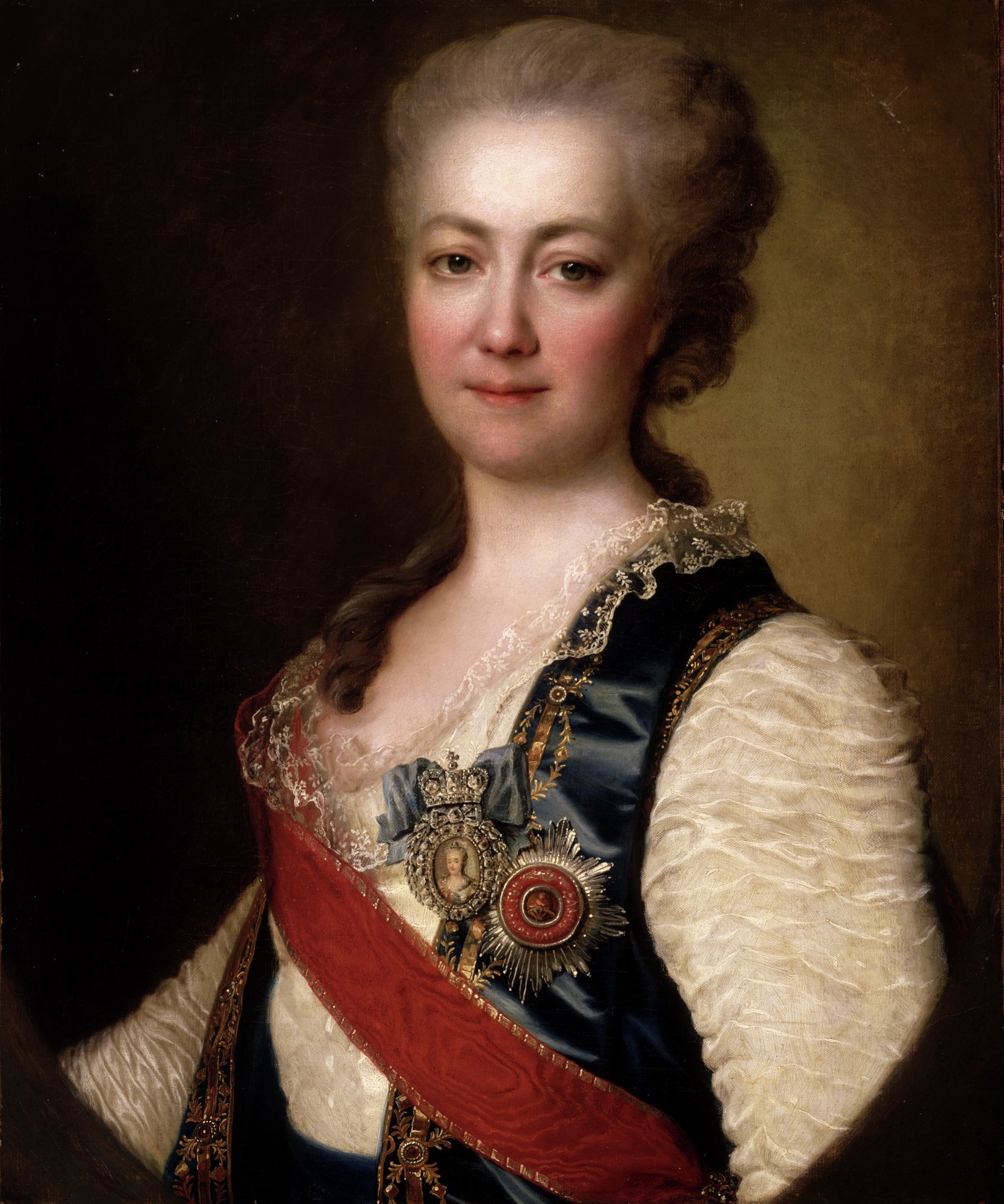
Ekaterina Dashkova
notableFirst woman to head a national academy of sciences and force behind the Russian dictionary — Catherine's abrasive INTJ ally.
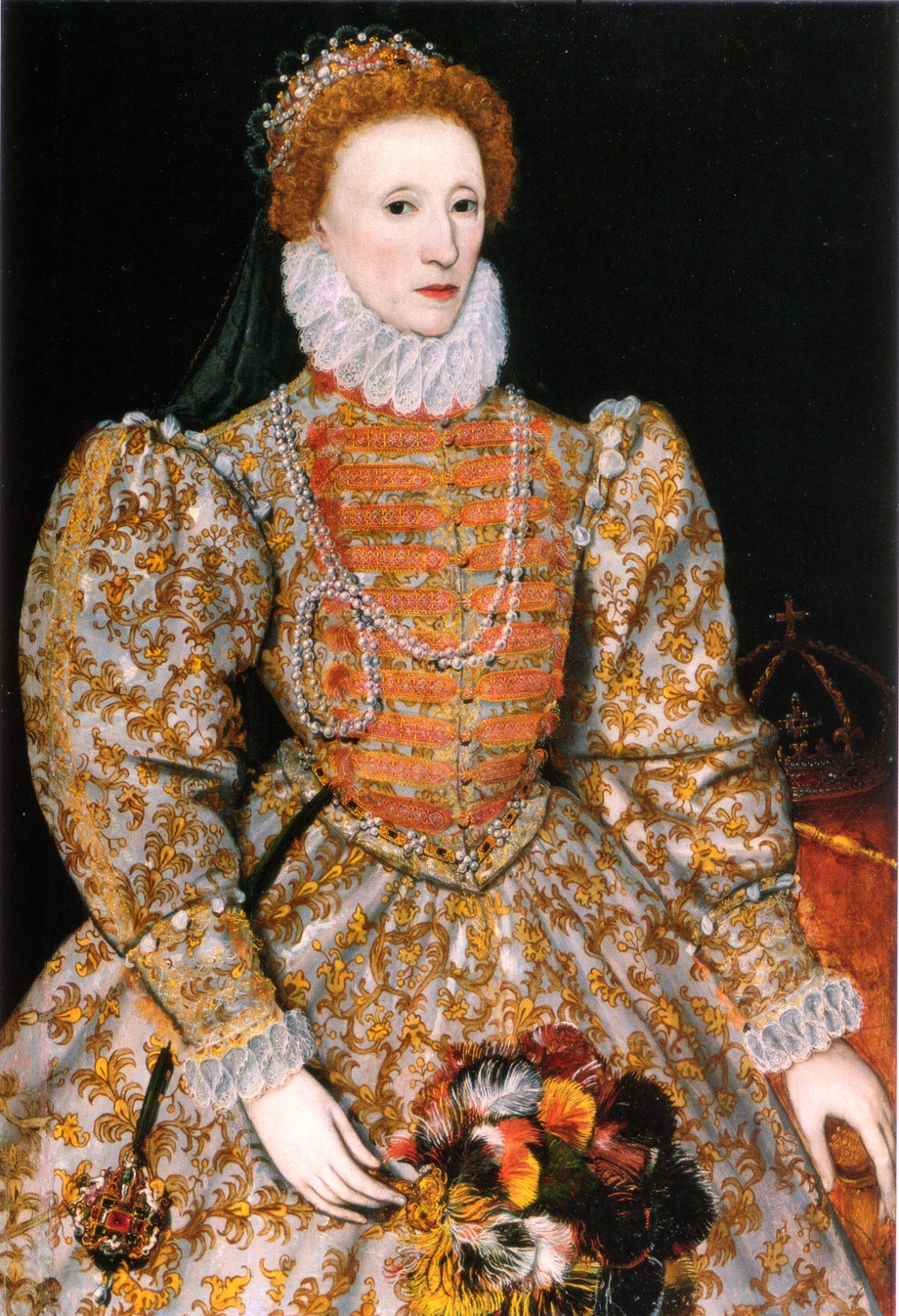
Elizabeth I
Gloriana — the INTJ who turned indecision into strategy and her own unmarried body into a forty-year legend
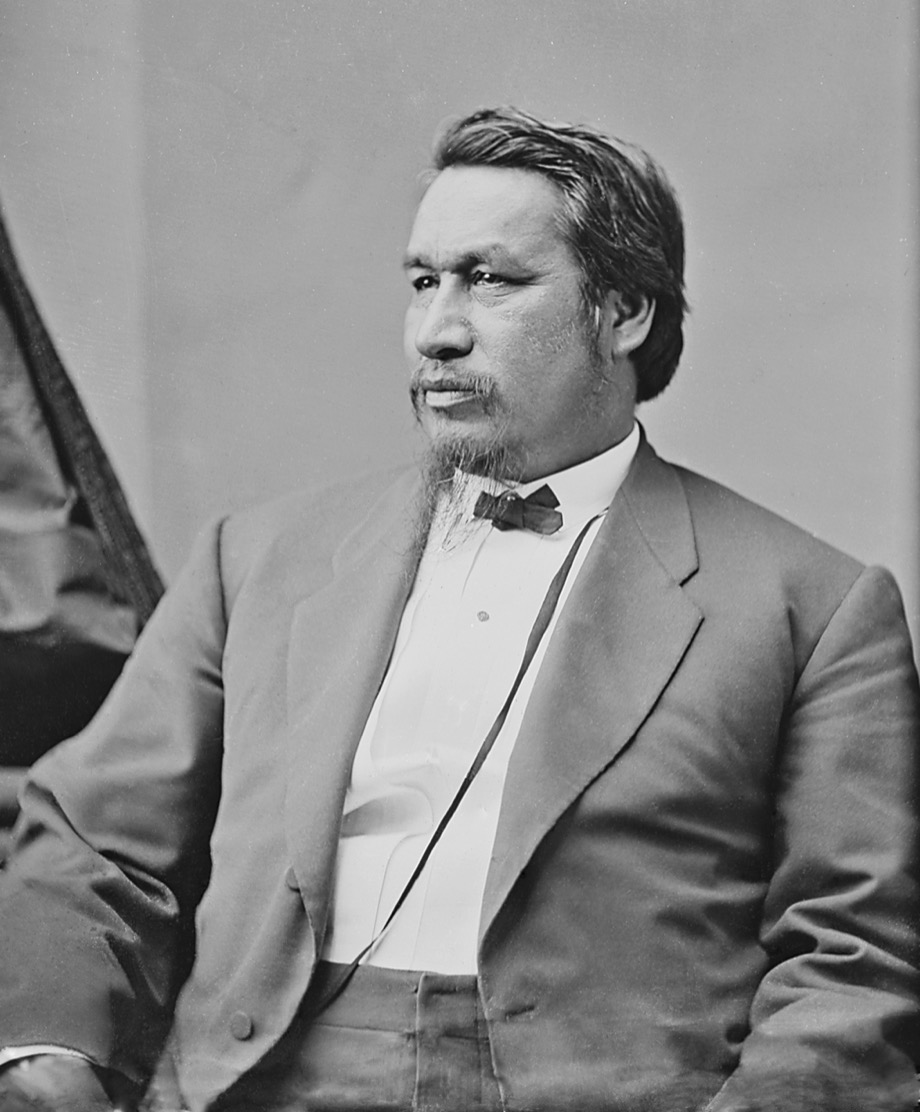
Ely S. Parker
notableThe Seneca chief who wrote out Lee's surrender terms in his own hand at Appomattox
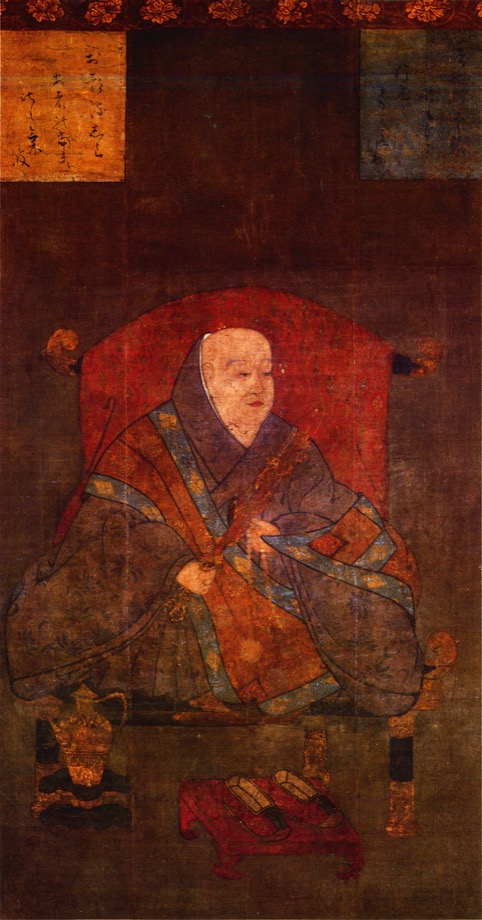
Emperor Uda
notableThe emperor who cultivated learned advisers while testing the limits of Fujiwara authority.
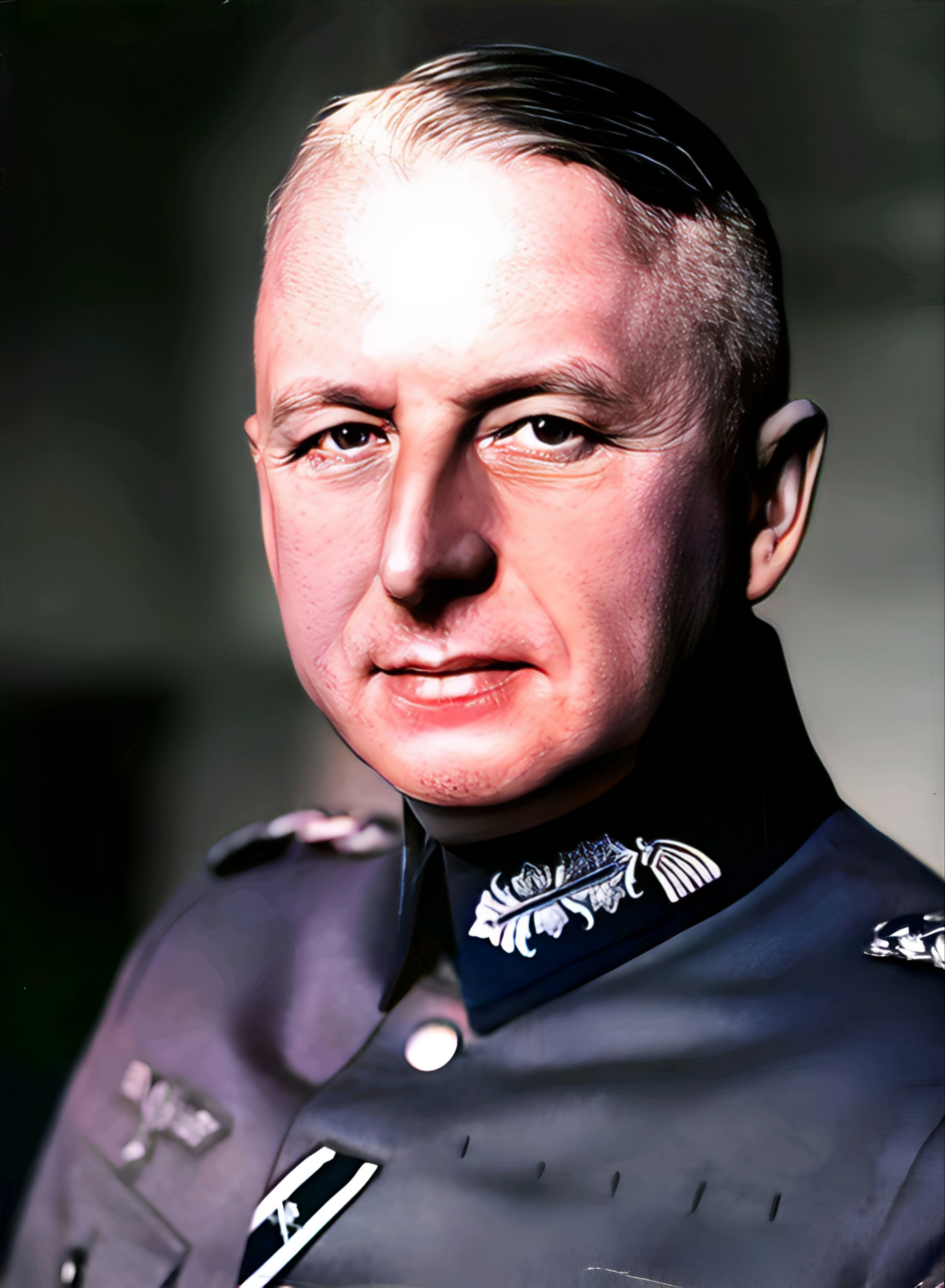
Erich von Manstein
renownThe strategic mastermind whose bestselling memoir built the "clean Wehrmacht" myth.
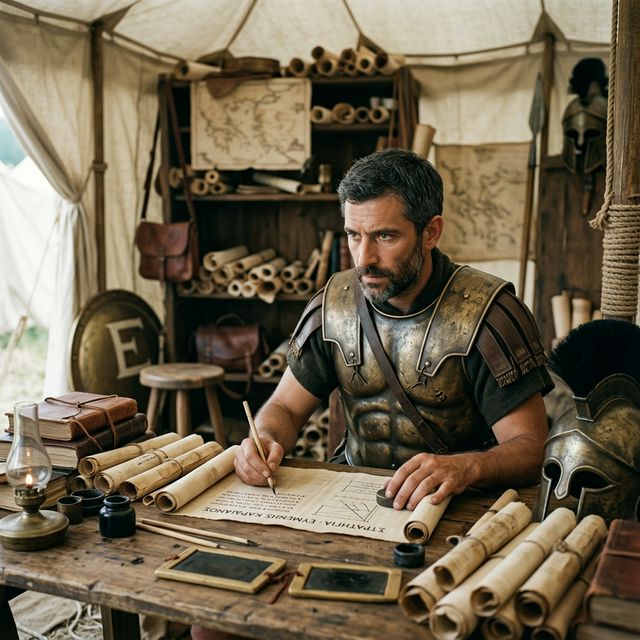
Eumenes of Cardia
The scholar who became a general to defend the ghost of an empire.
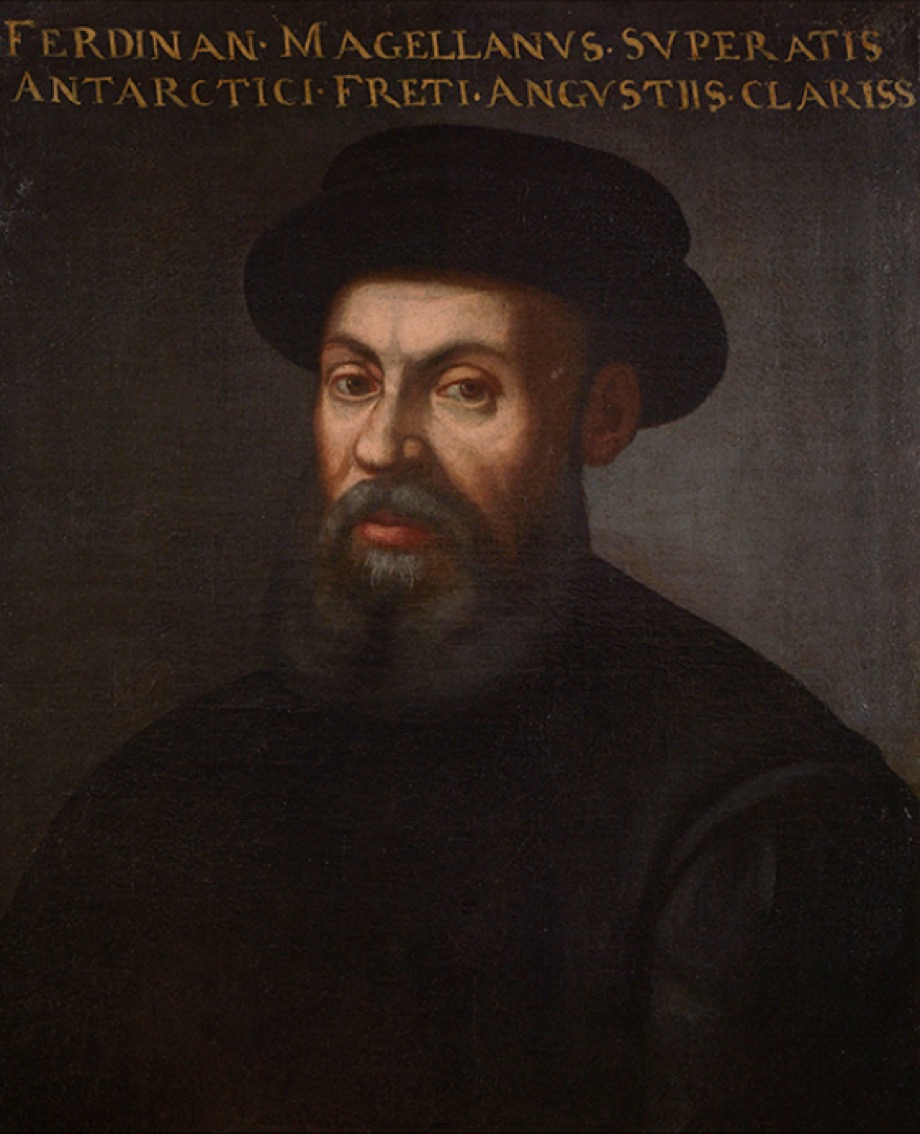
Ferdinand Magellan
He held a strait no chart showed against two crowns and a mutiny — then died on a beach he could not read.
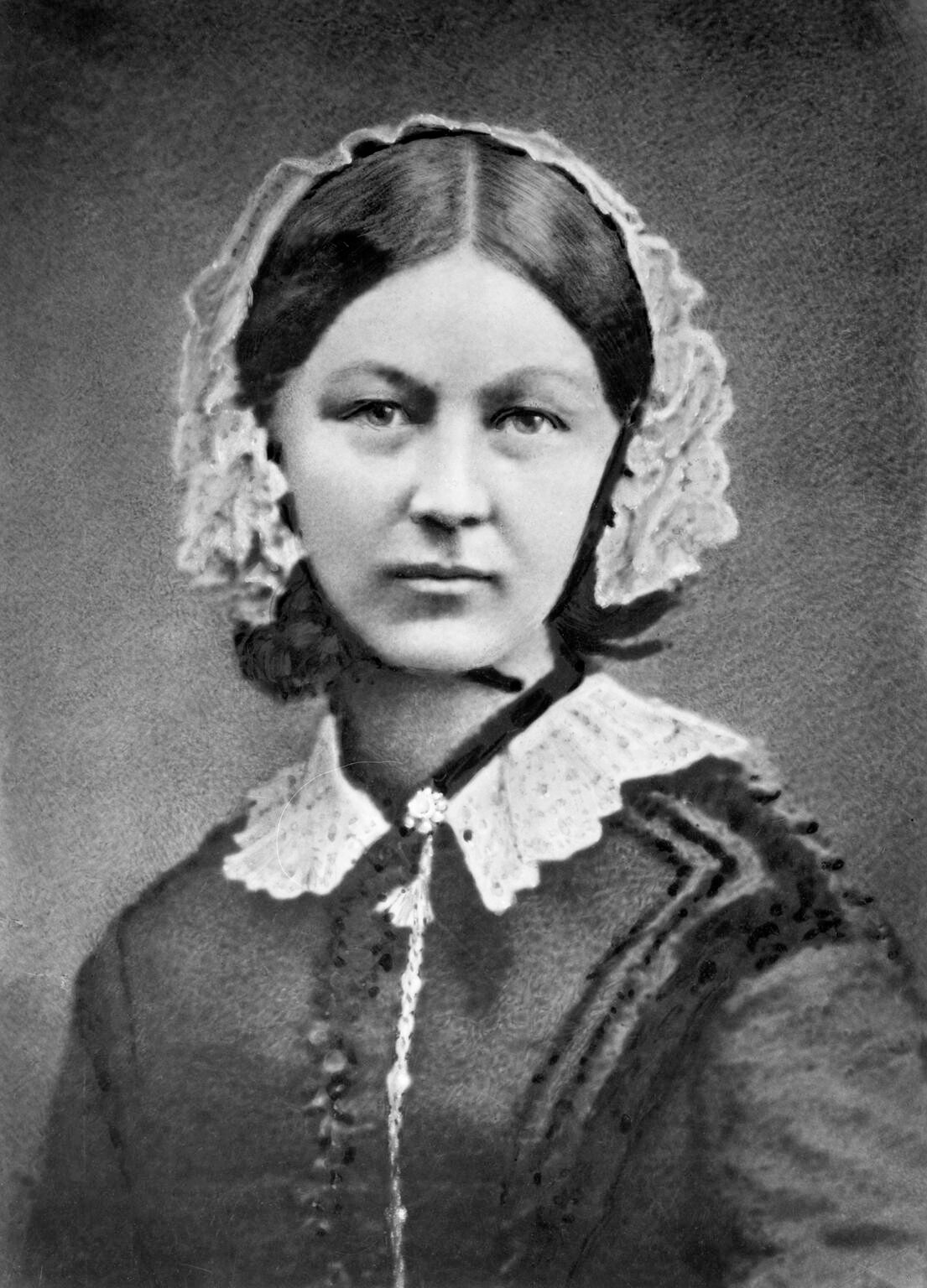
Florence Nightingale
Nurse, statistician, and architect of modern hospital reform.
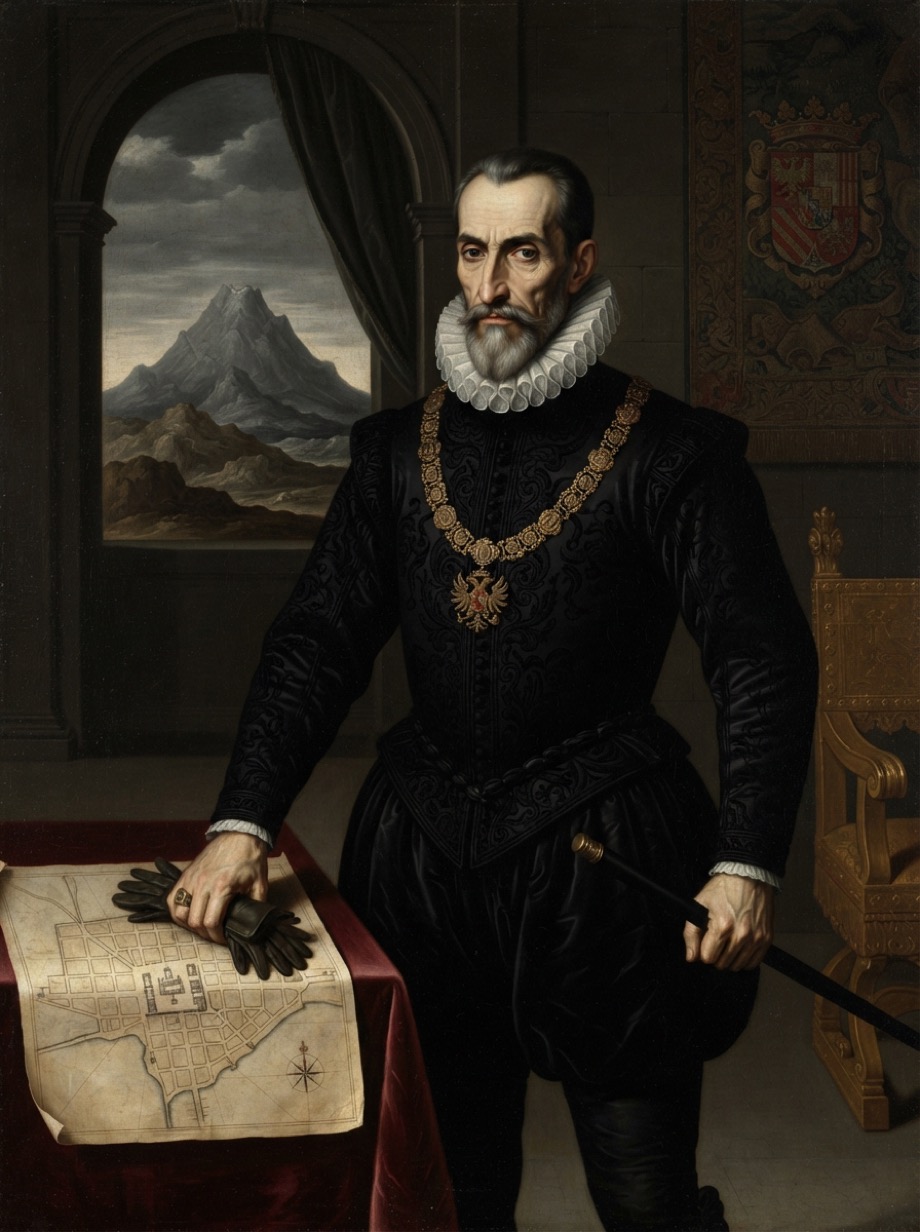
Francisco de Toledo
renownSpent five years personally inspecting his viceroyalty, then built the reducciones and mita machine — and killed the last Inca.
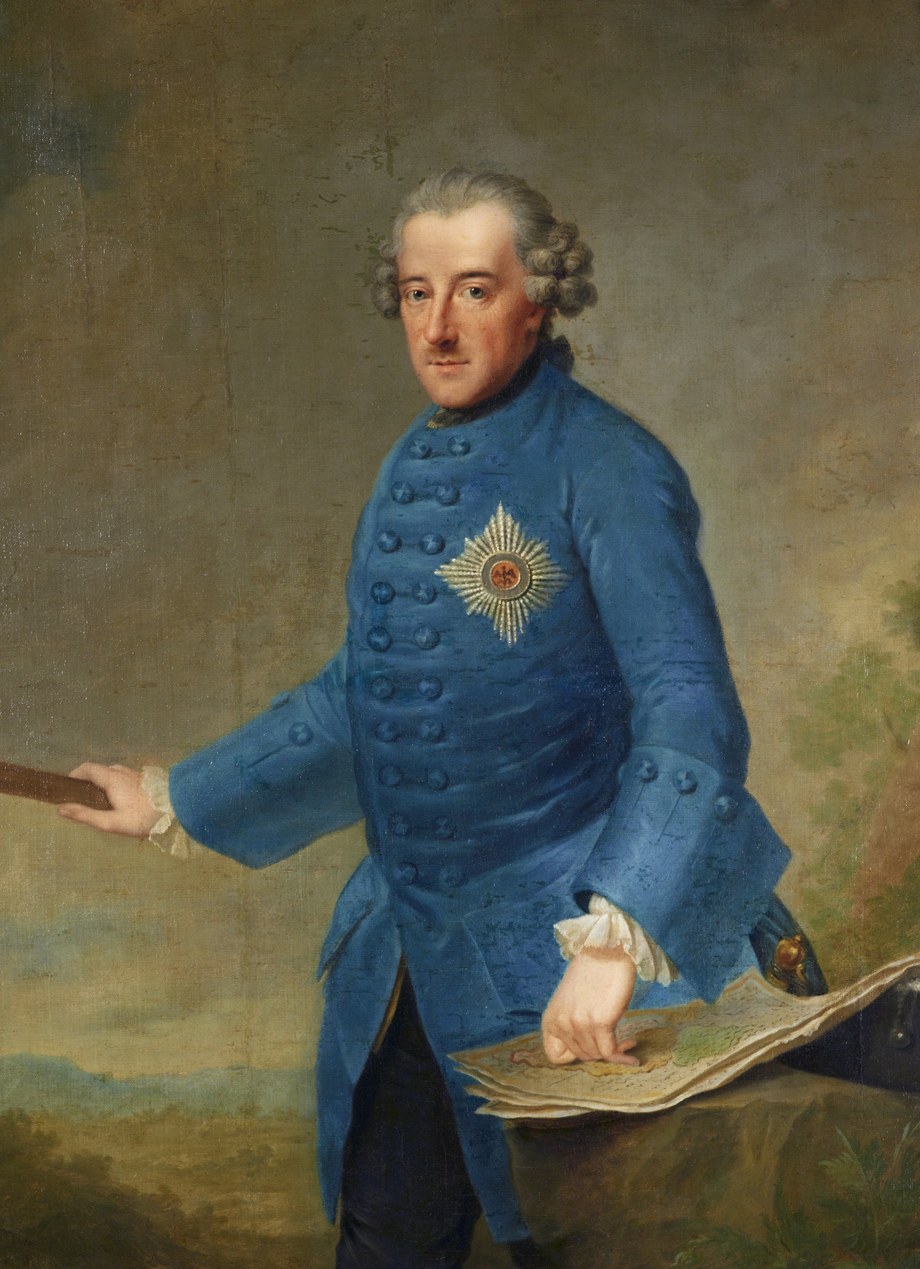
Frederick the Great
renownKing of Prussia, military genius, and reclusive philosopher-king of Sanssouci — the INTJ who ruled from an inner vision and fled the court he had to hold
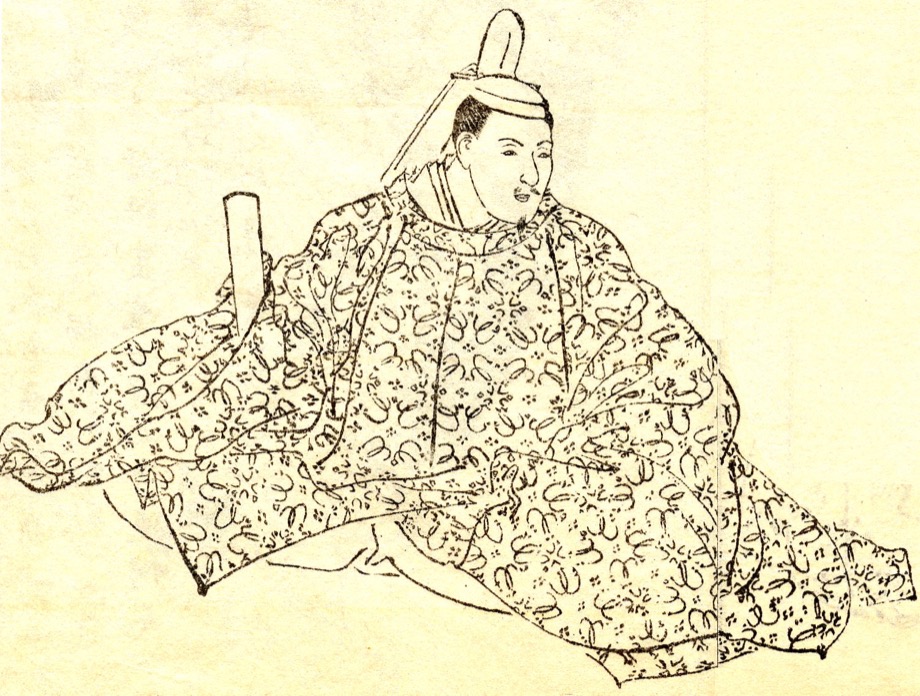
Fujiwara no Teika
renownThe poet and textual scholar whose exacting literary standards worked through composition, criticism, copying, and a remarkably sustained diary.
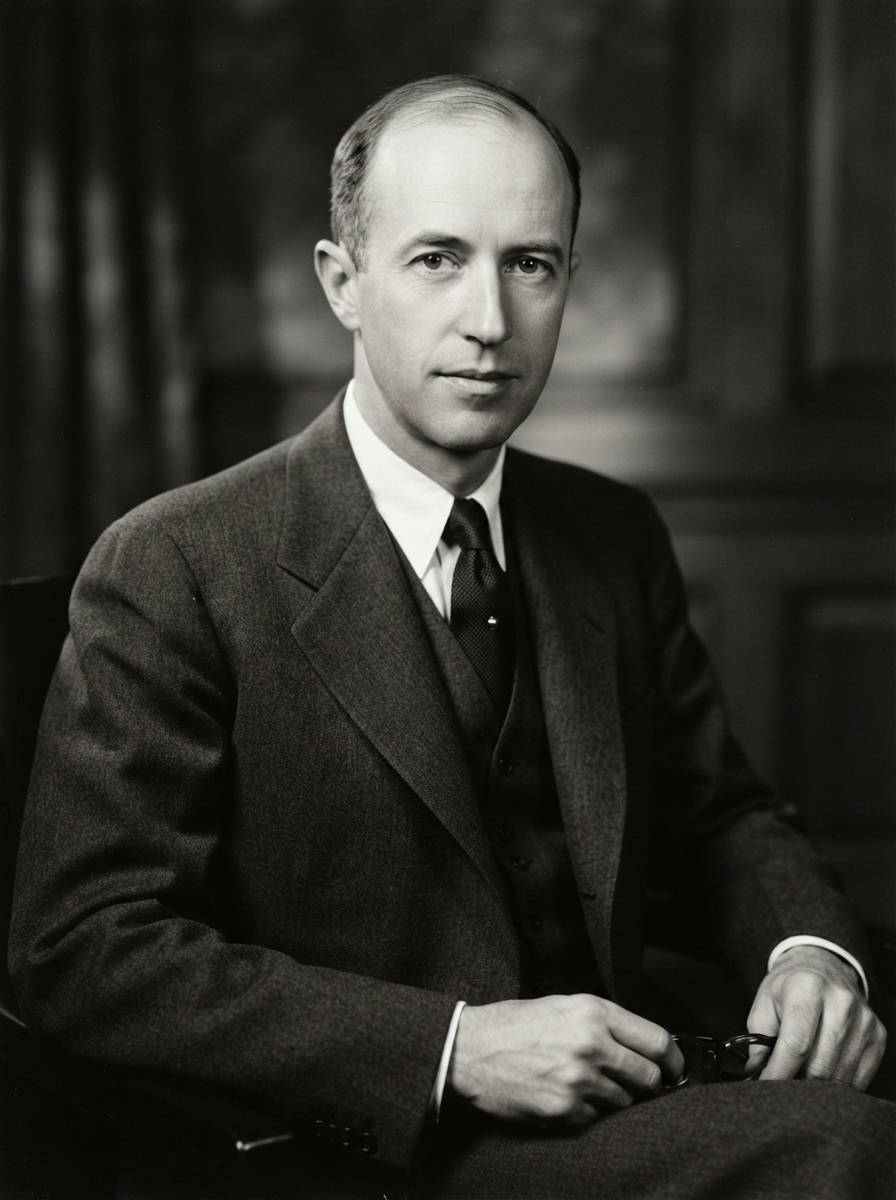
George F. Kennan
renownThe diplomat whose Long Telegram invented Cold War containment
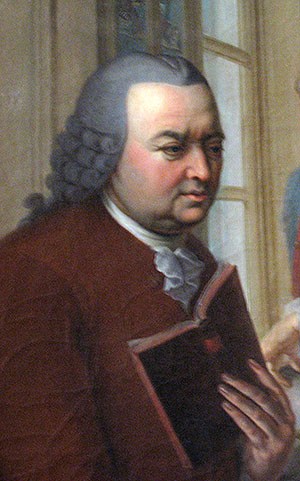
Gerard van Swieten
notableMaria Theresa's reformer who rebuilt Austrian medicine and debunked the empire's vampires with a report — a textbook INTJ
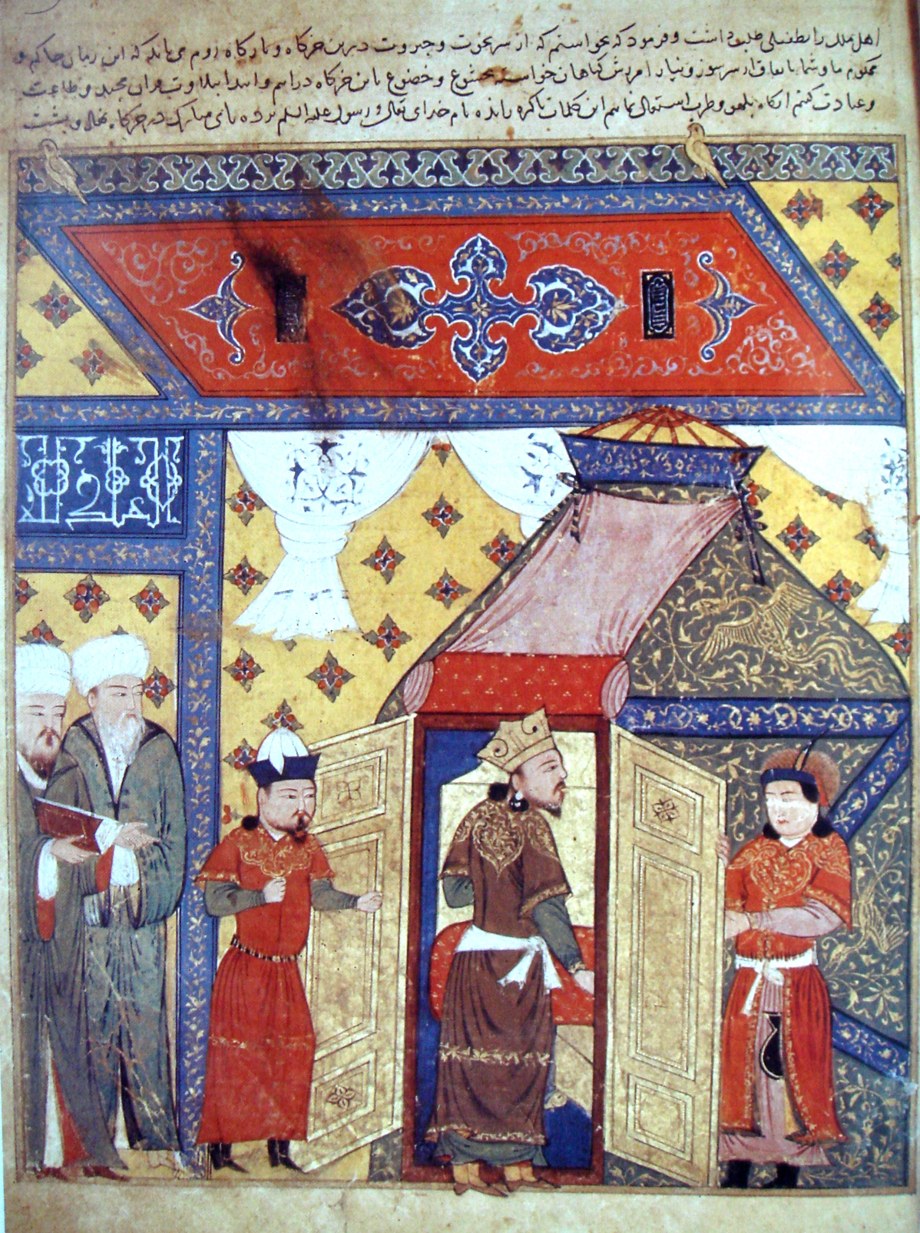
Ghazan
renownThe Ilkhan who embraced Islam and rebuilt Persia — the cerebral INTJ reformer behind the first world history.
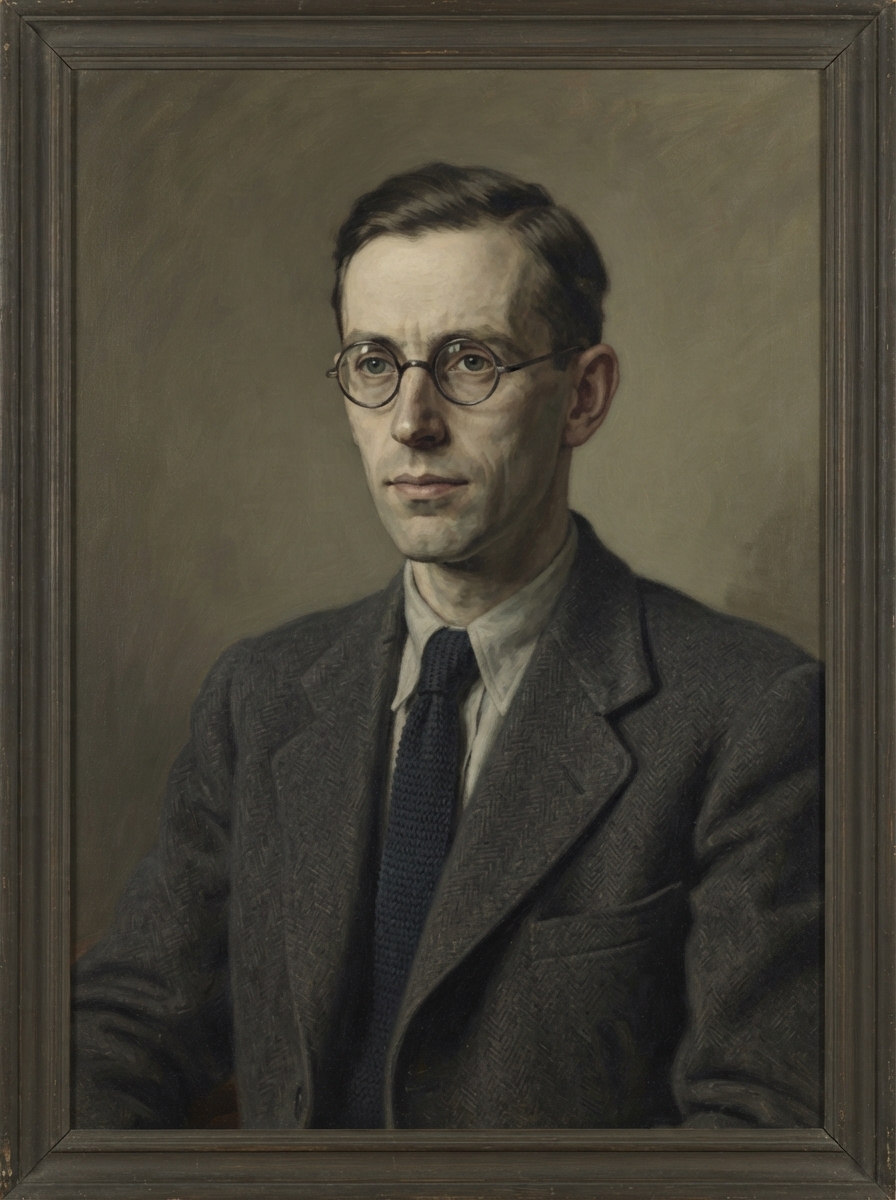
Gordon Welchman
notableThe cryptanalyst whose traffic-analysis insight and diagonal board sped Bletchley's Bombe.
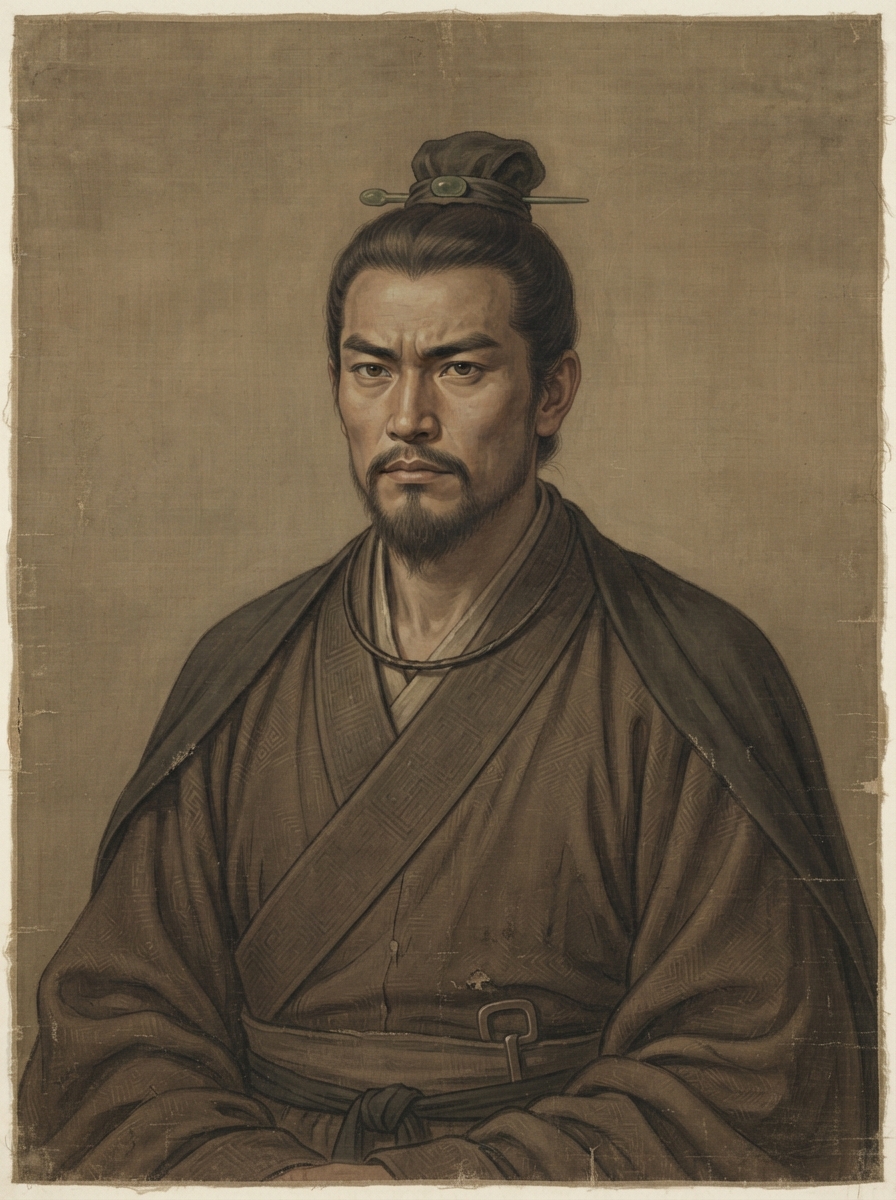
Goujian of Yue
notableThe king who slept on brushwood and tasted gall for years to remember his defeat.
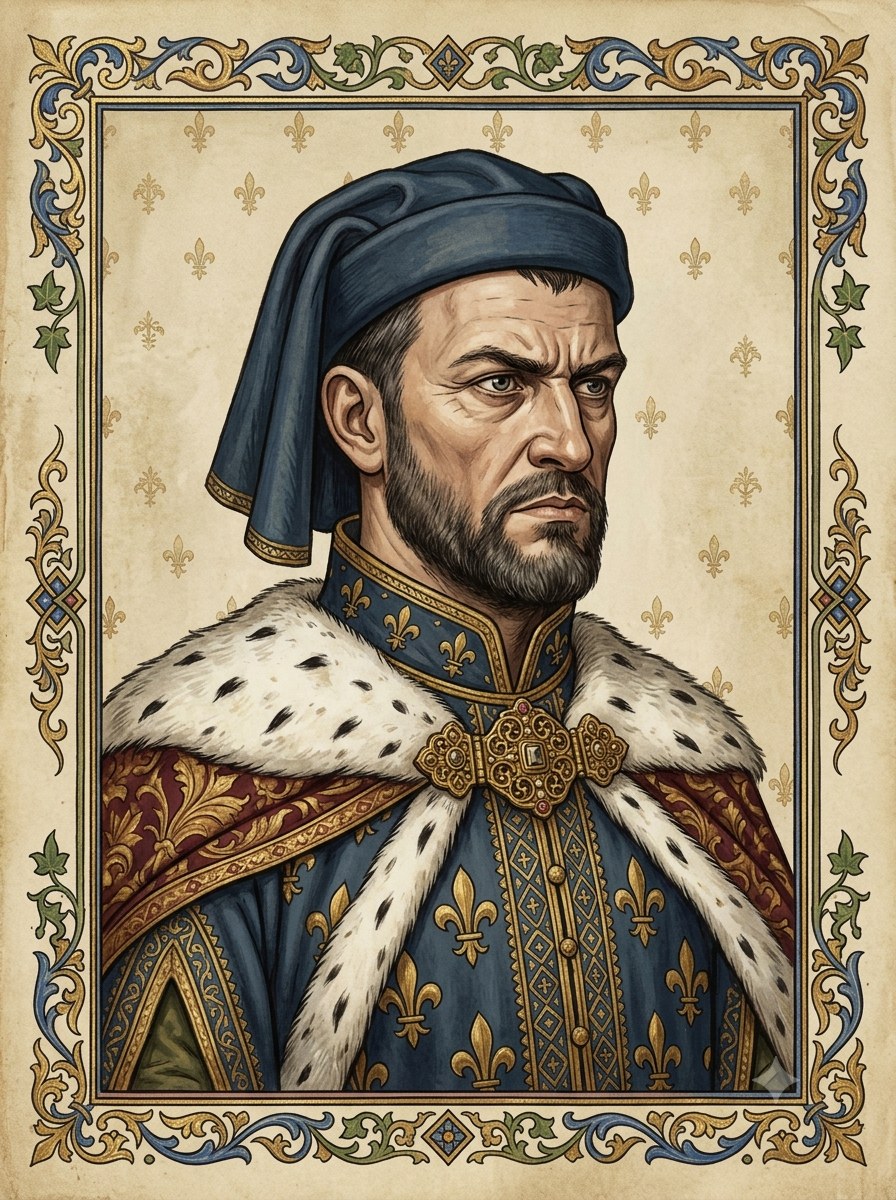
Guillaume de Nogaret
notablePhilip IV's legal enforcer who seized a pope at Anagni and prosecuted the Templars — the INTJ who weaponized the law.
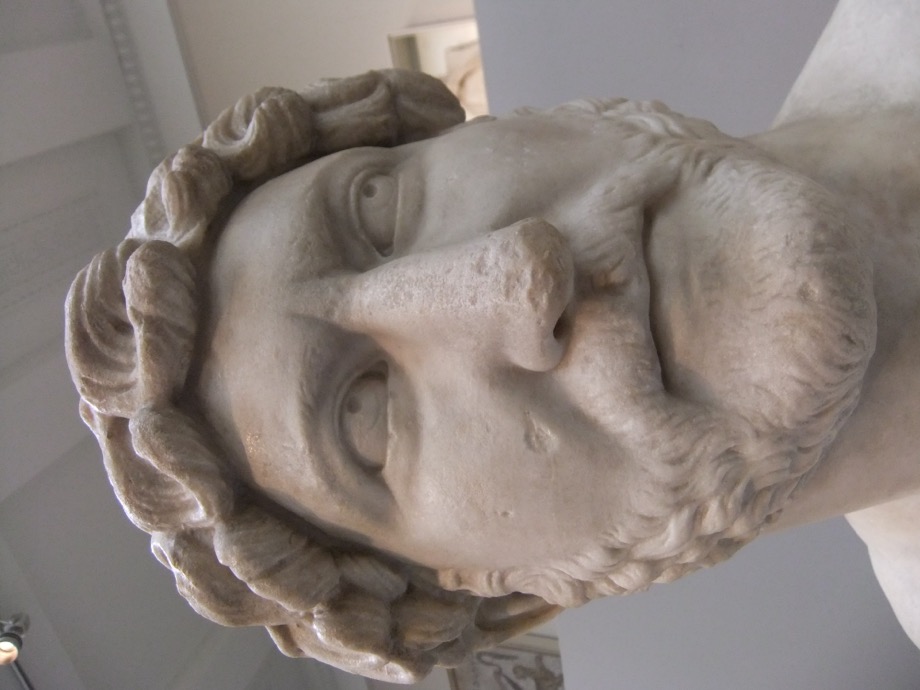
Hadrian
renownThe wandering architect-emperor who built a wall to close the empire's frontier and redesigned the Pantheon over his architect's objections.
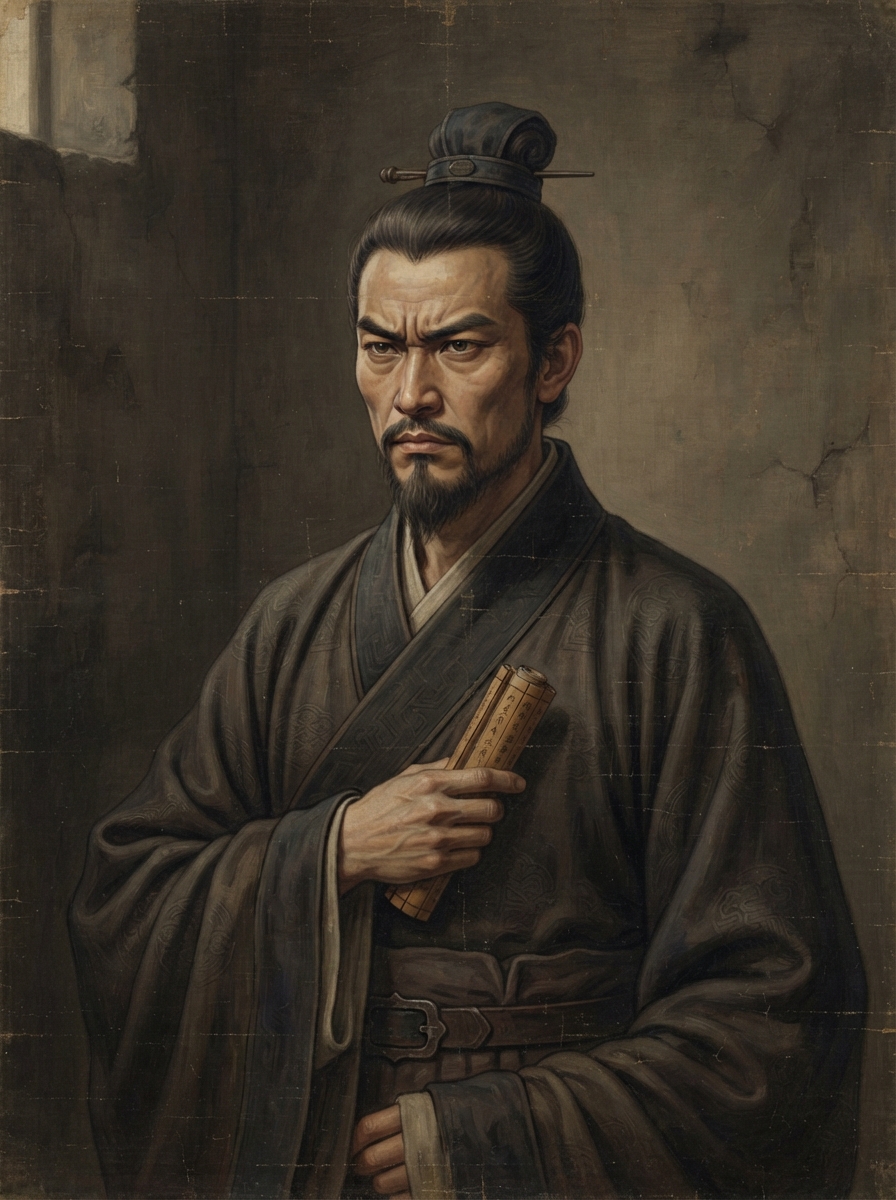
Han Fei
notableLegalism's sharpest theorist, poisoned in prison by the classmate who feared him.
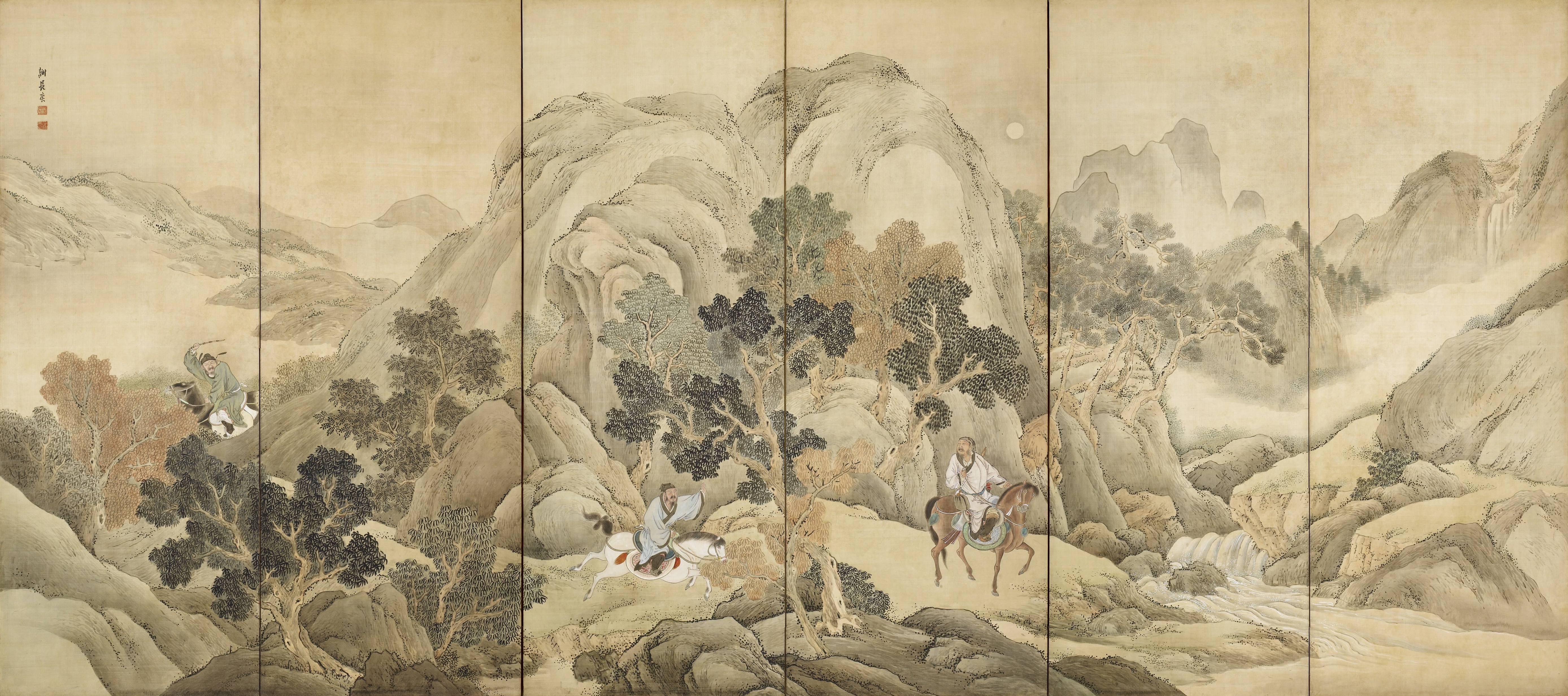
Han Xin
notableThe general who never lost a battle and was executed for it anyway.
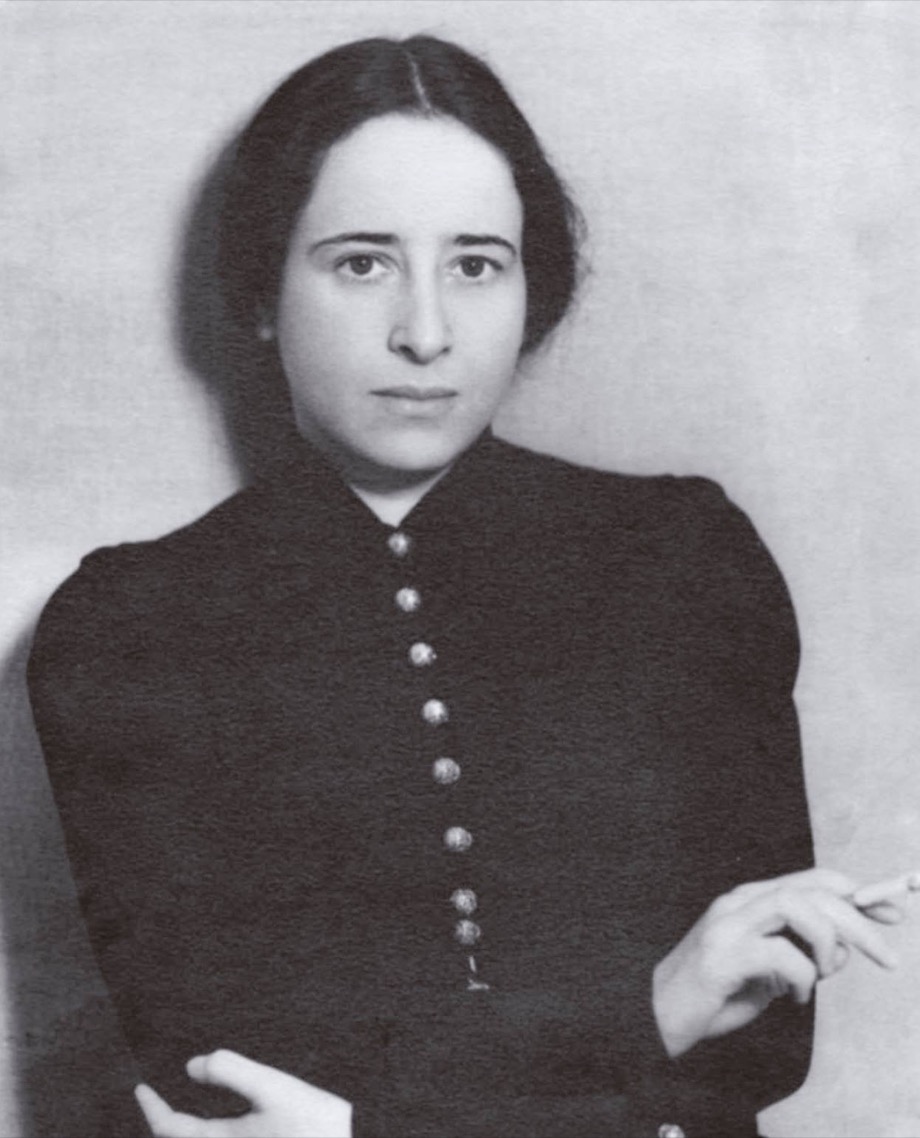
Hannah Arendt
renownThe philosopher who coined 'the banality of evil' at Eichmann's trial
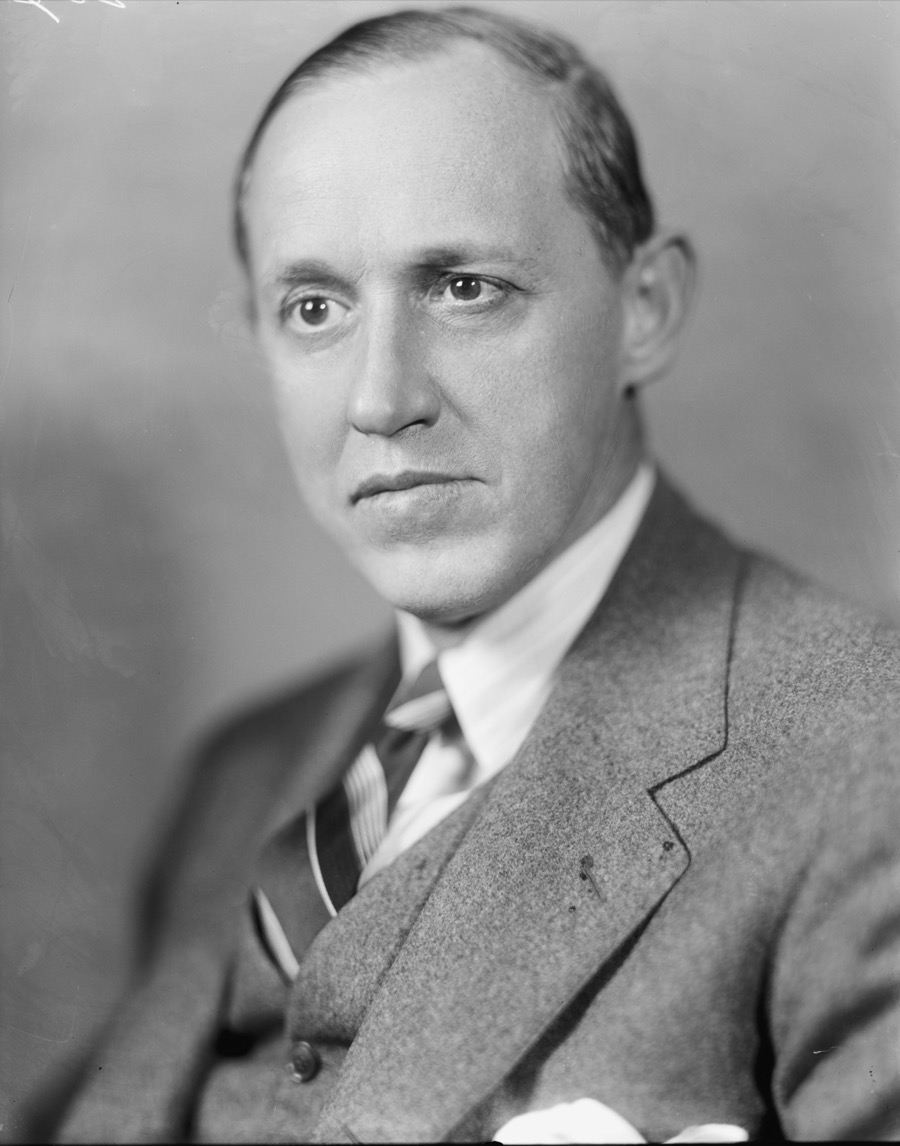
Harry Hopkins
notableFDR's closest adviser, the fixer who made Lend-Lease and Allied coordination actually work.
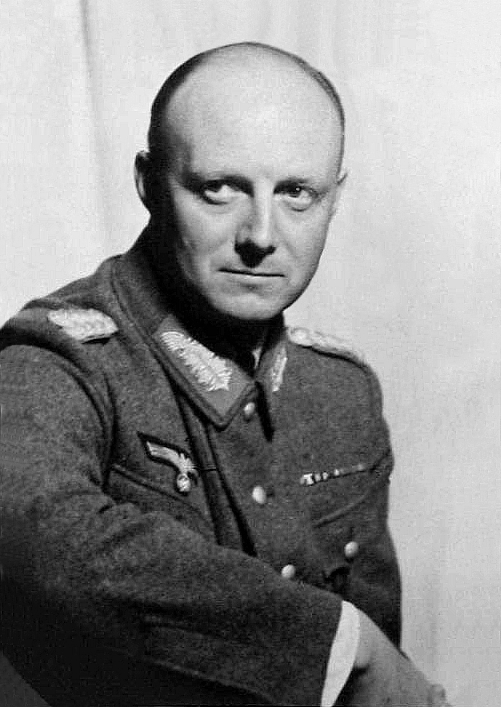
Henning von Tresckow
notableThe strategist behind multiple plots to kill Hitler — 'better a deed than nothing'
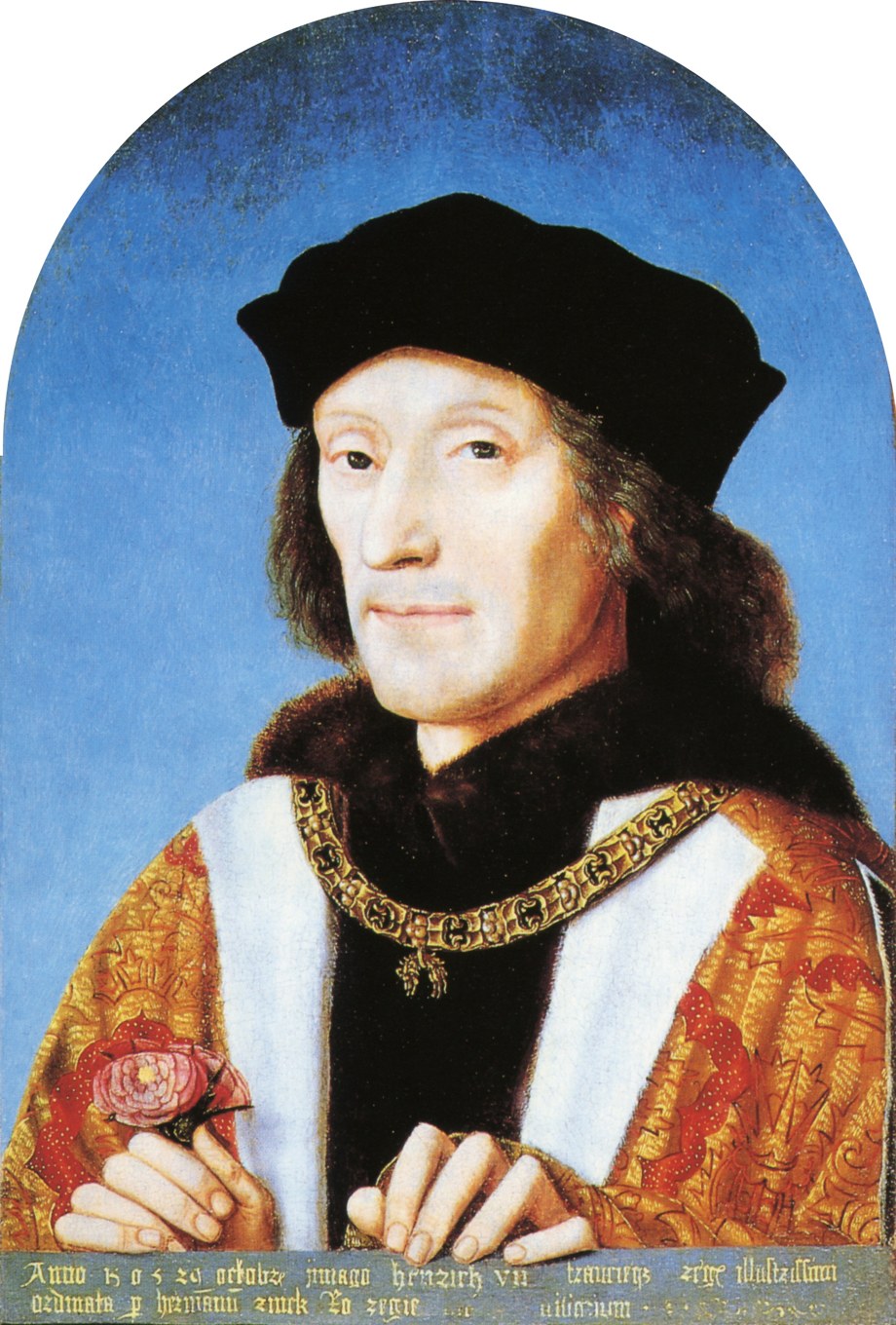
Henry VII
The exile of thin blood who won the crown at Bosworth and built the Tudor state by ledger — the cold INTJ founder.
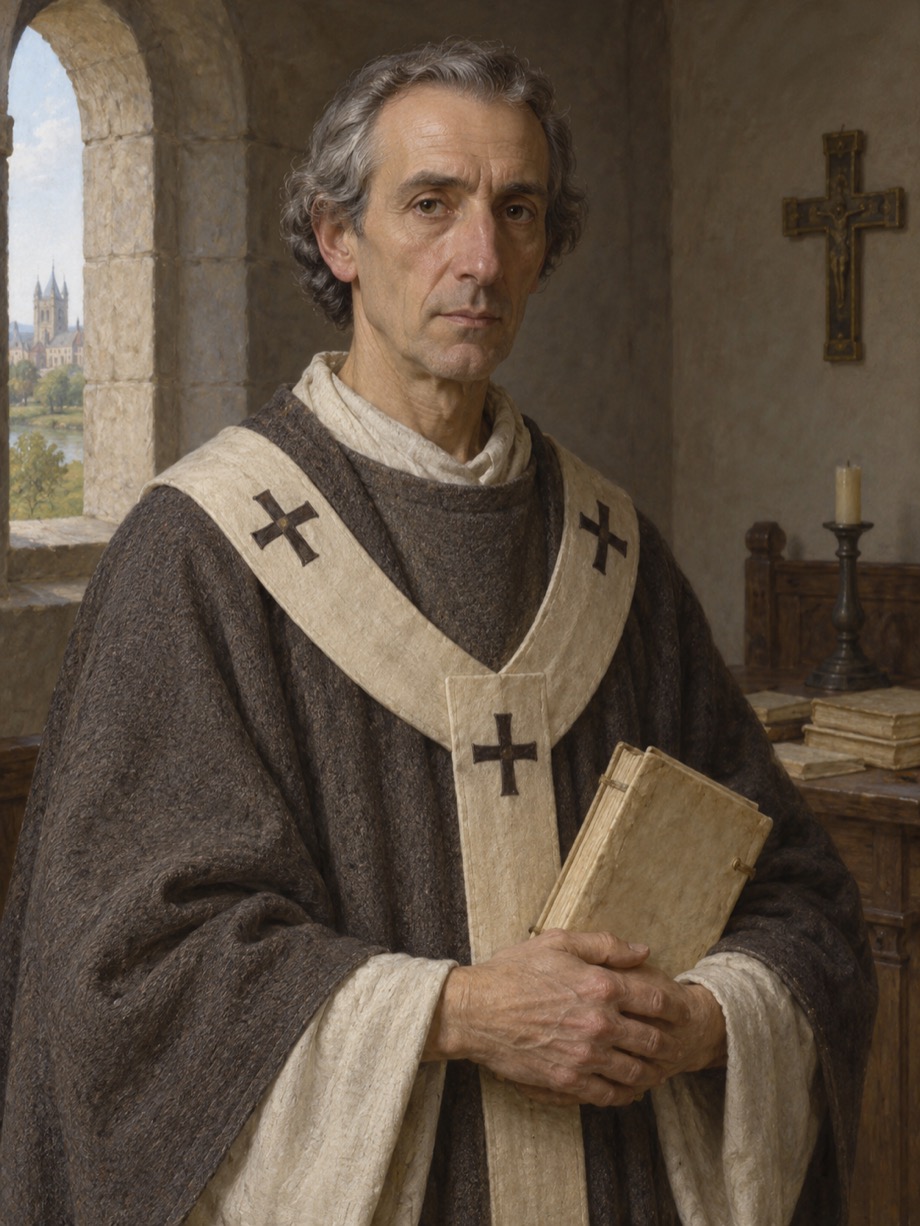
Hincmar of Reims
notableHincmar of Reims defended ecclesiastical authority through counsel, learned argument, and negotiation across Carolingian political divisions.
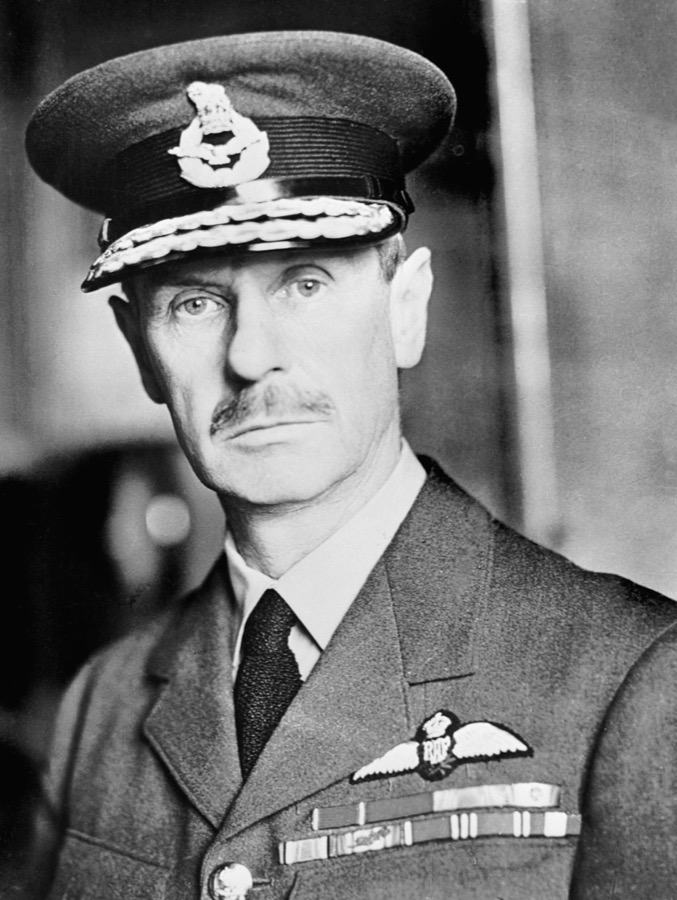
Hugh Dowding
renownThe air chief marshal who built Britain's integrated air-defence system, then was sacked weeks after it won.
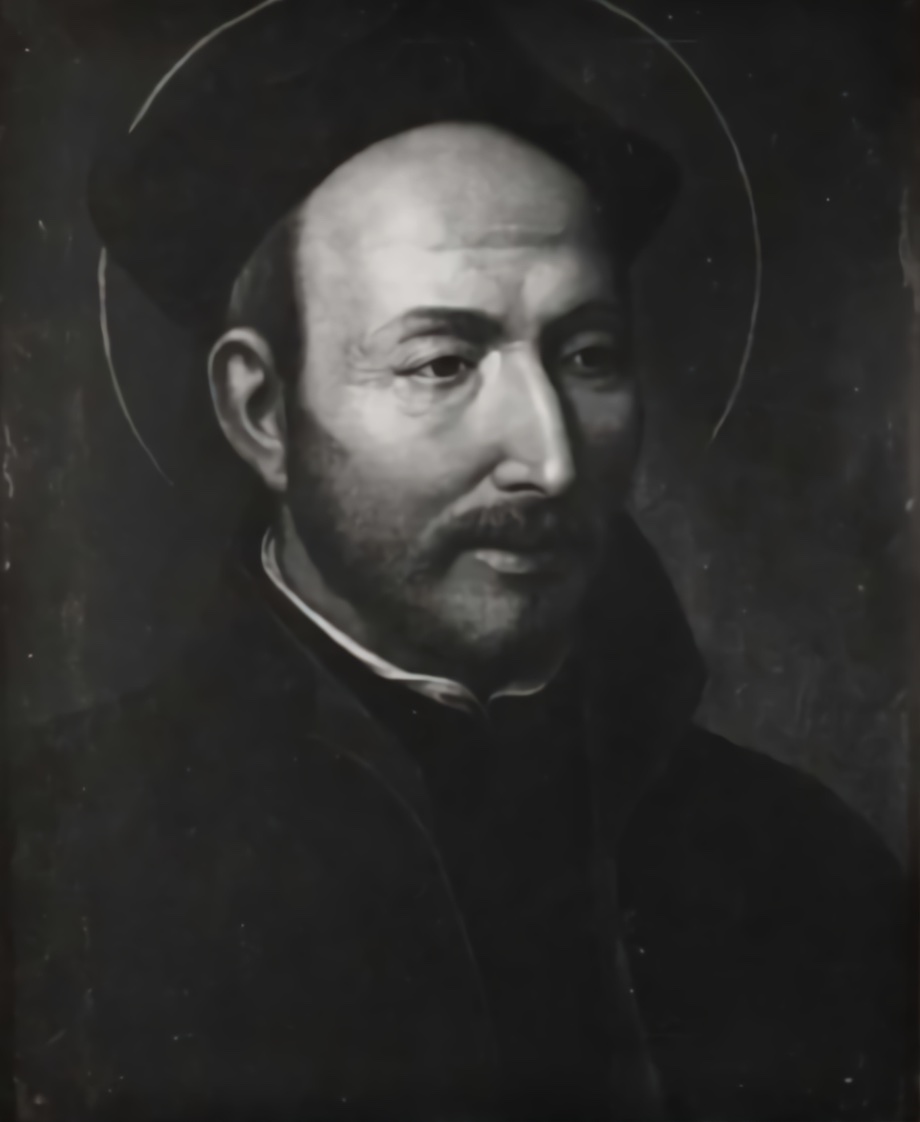
Ignatius of Loyola
renownThe wounded soldier who turned a mystic's vision into a method and founded the Jesuits — the strategic INTJ of the Counter-Reformation.
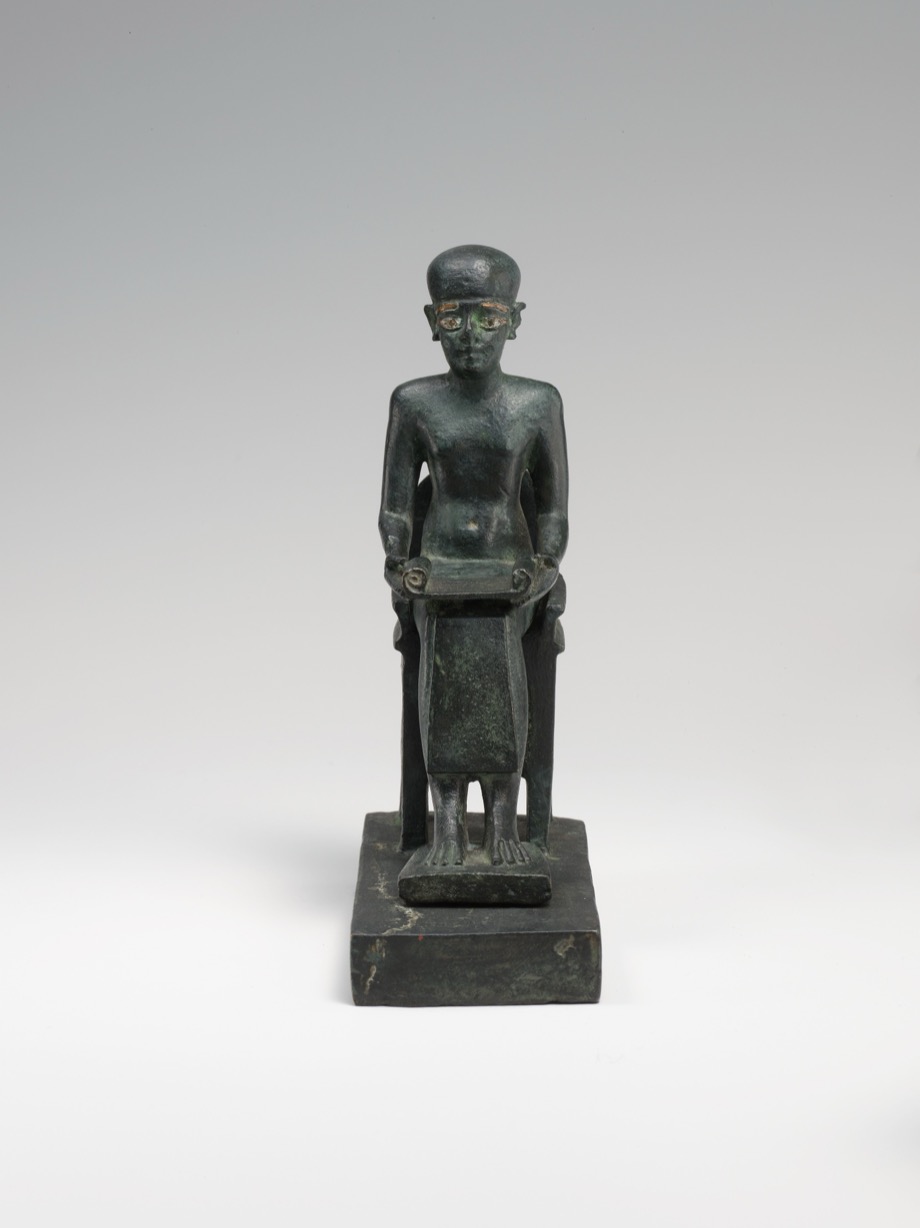
Imhotep
renownThe architect, physician, and vizier who invented monumental stone architecture and was deified for it.
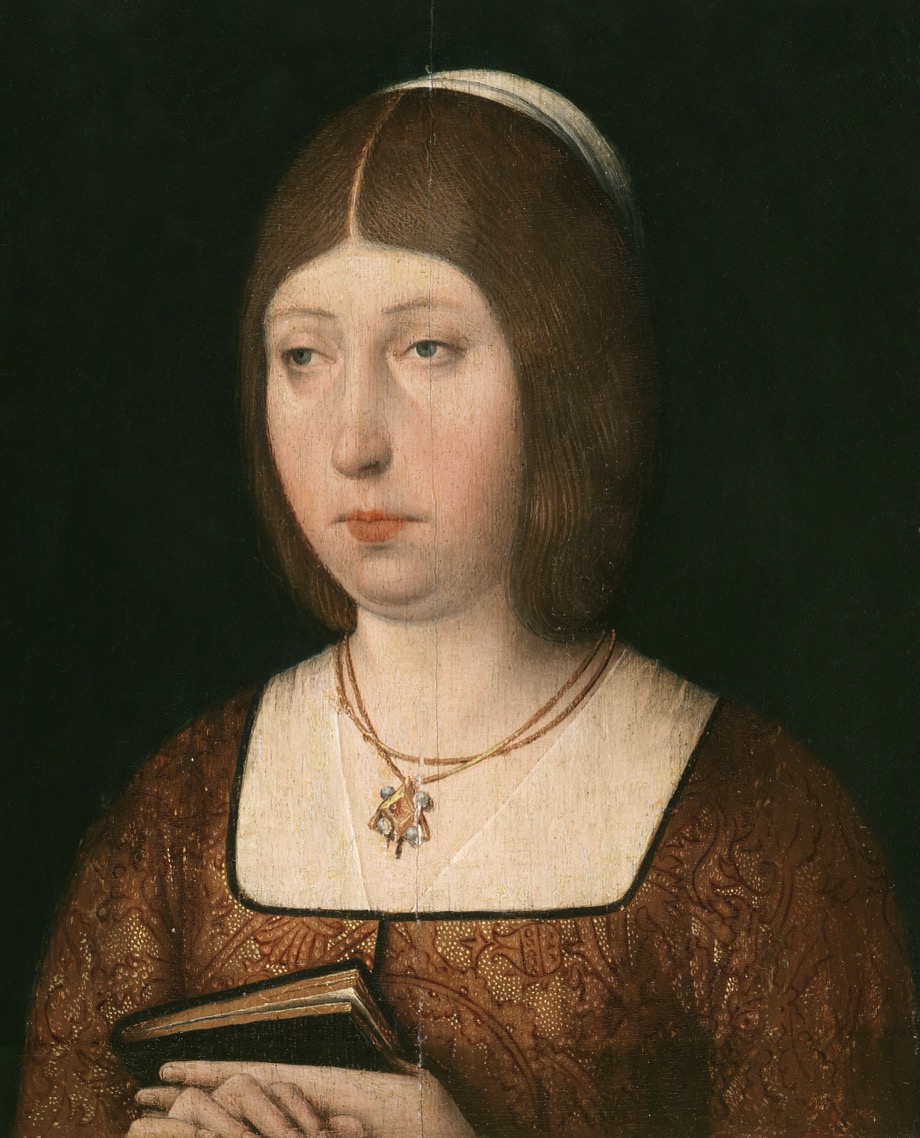
Isabella I of Castile
The queen who unified Spain, finished the Reconquista, and funded Columbus's gamble.
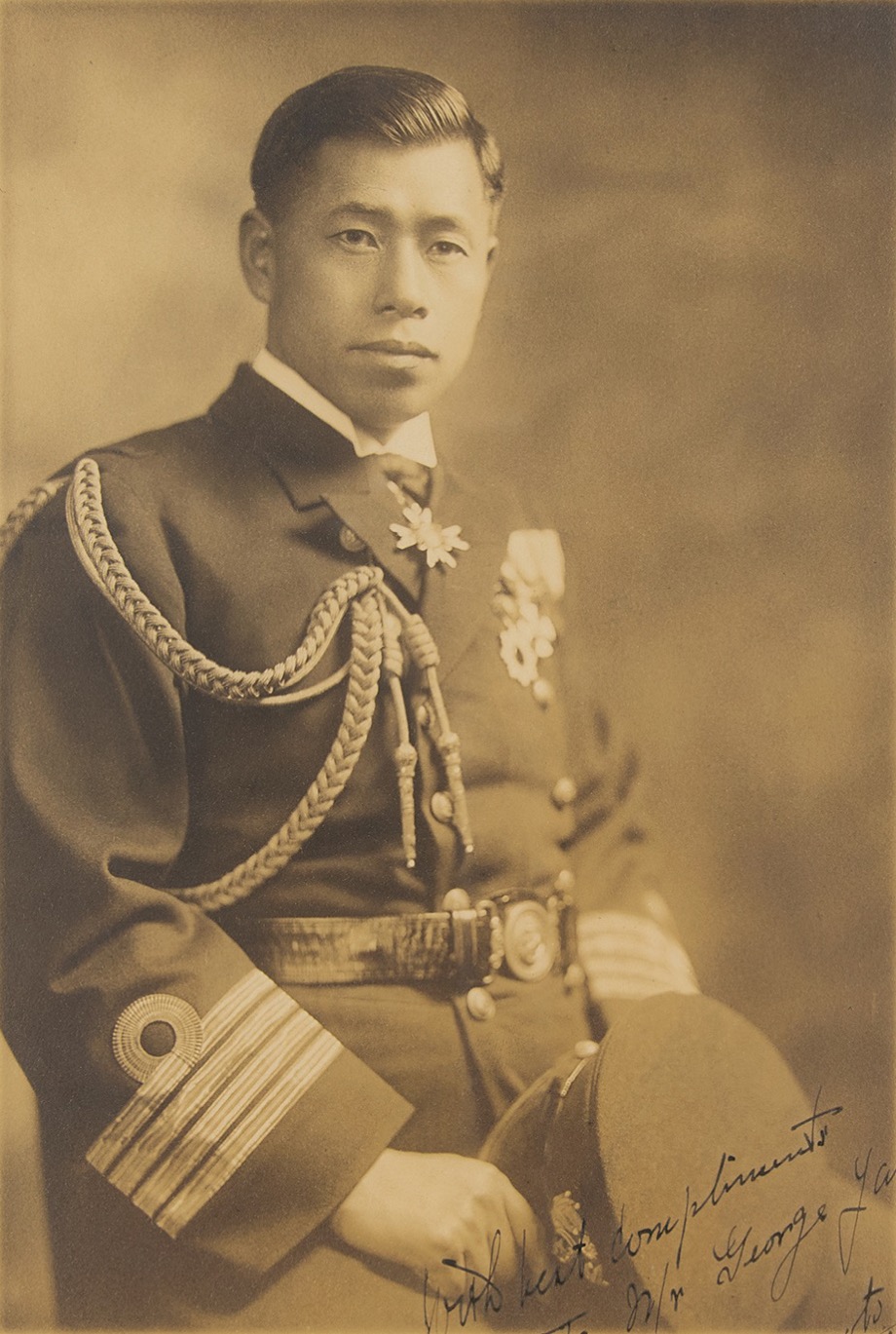
Isoroku Yamamoto
renownThe admiral who warned Japan couldn't win a long war, then designed the strike meant to win it fast.
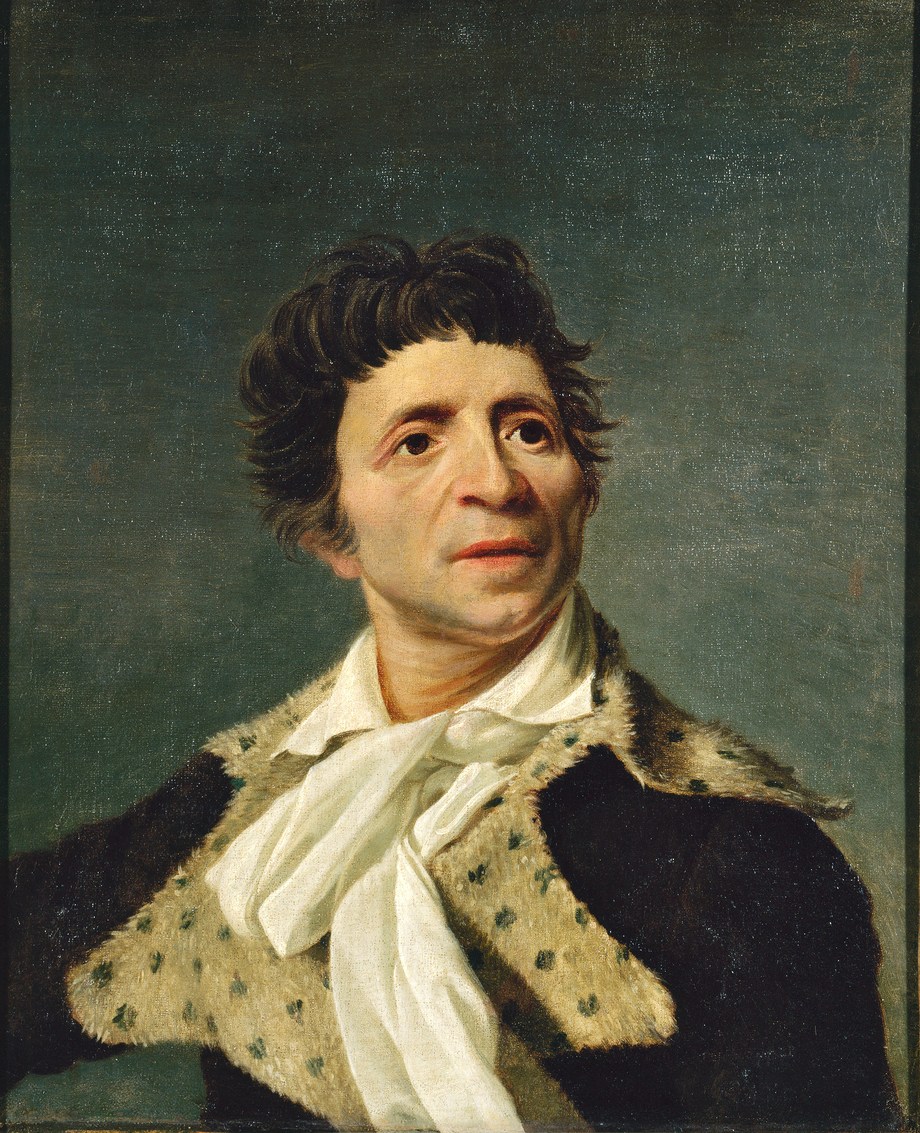
Jean-Paul Marat
infamousThe Friend of the People — a rejected scientist turned conspiratorial INTJ prophet who counted heads from his bath until Corday's knife found him
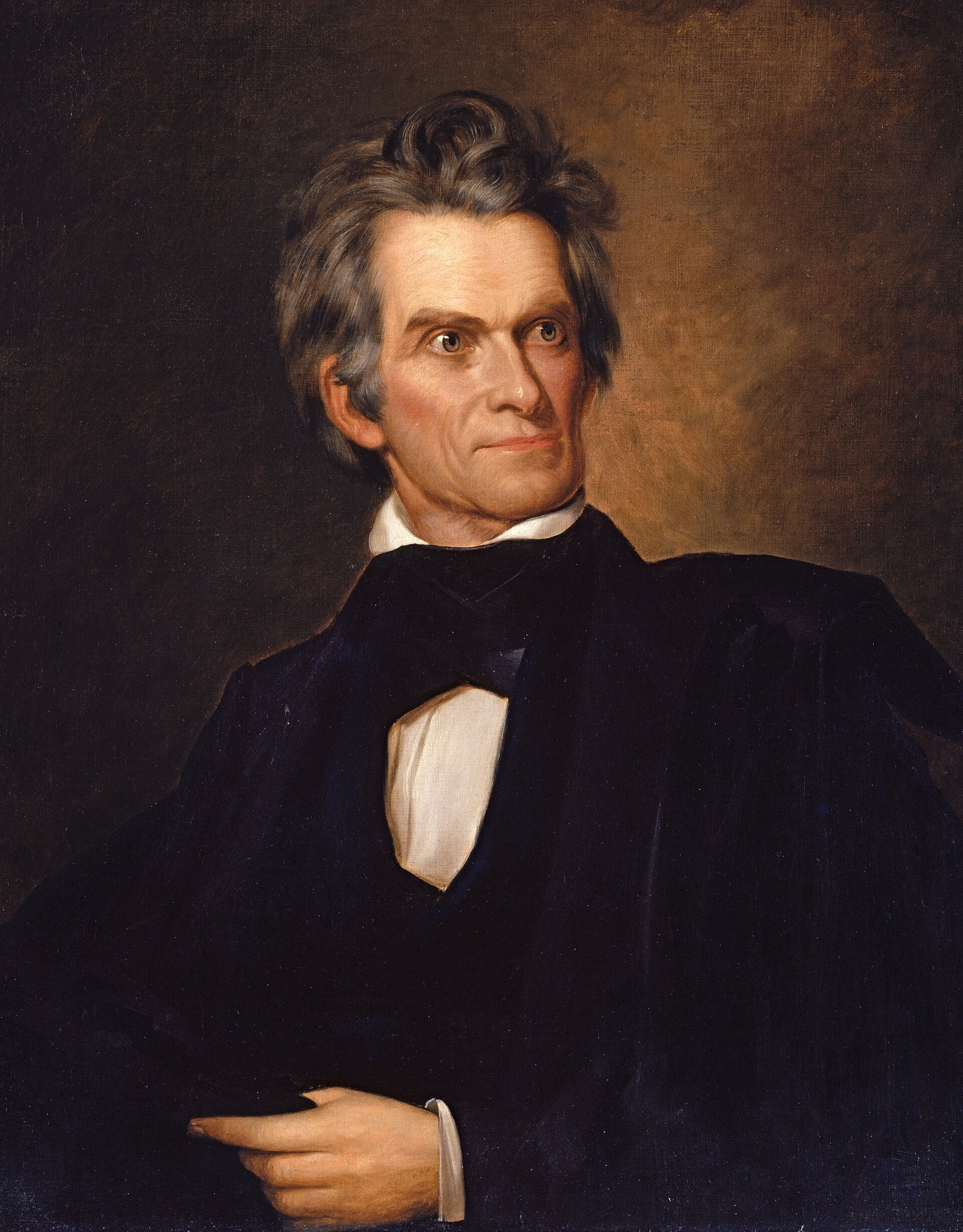
John C. Calhoun
notableNot the loudest voice. But the one that refused to bend.
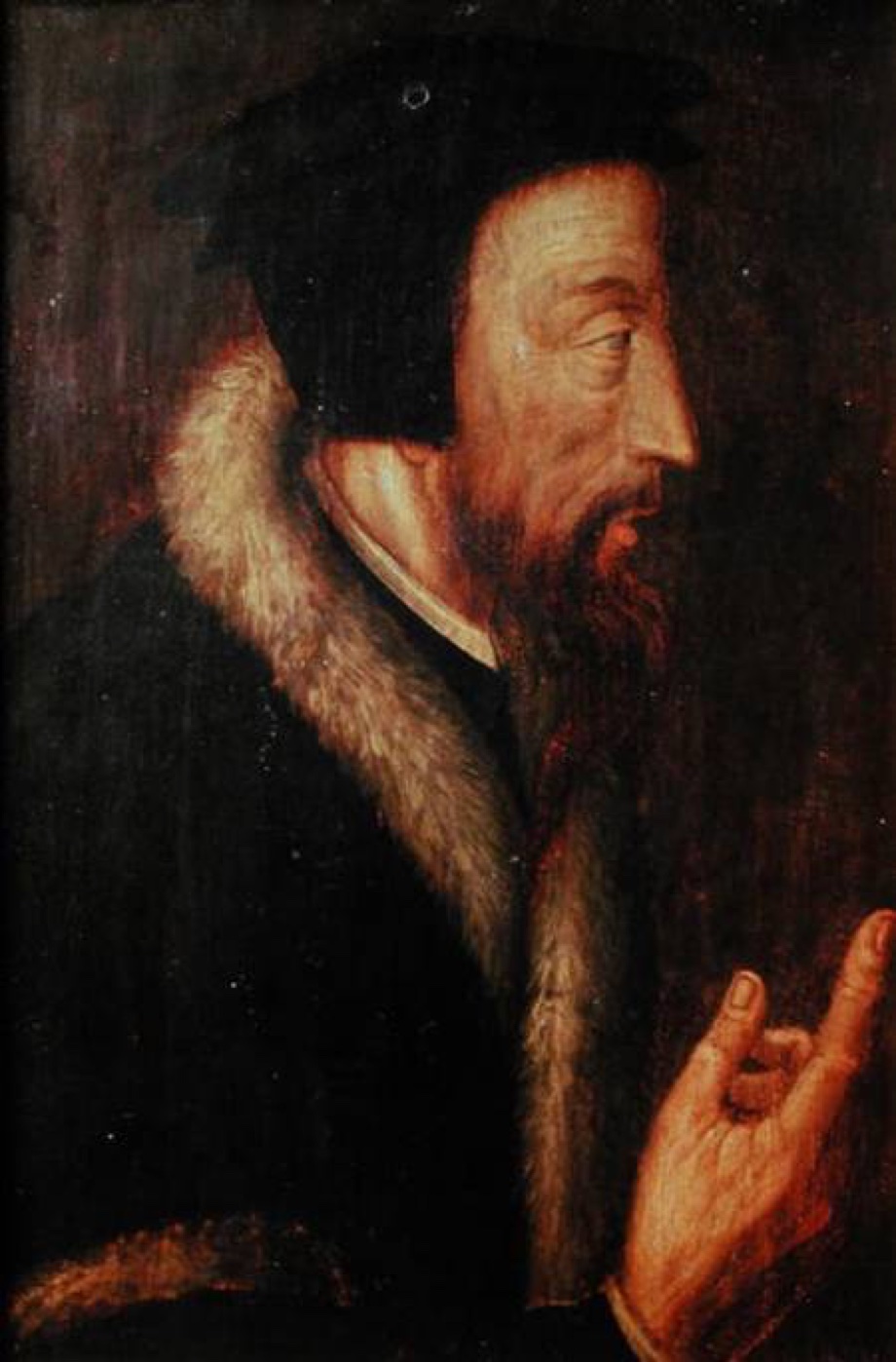
John Calvin
renownThe cold French logician who built Protestantism into a system and Geneva into a theocracy — the severe architect INTJ.
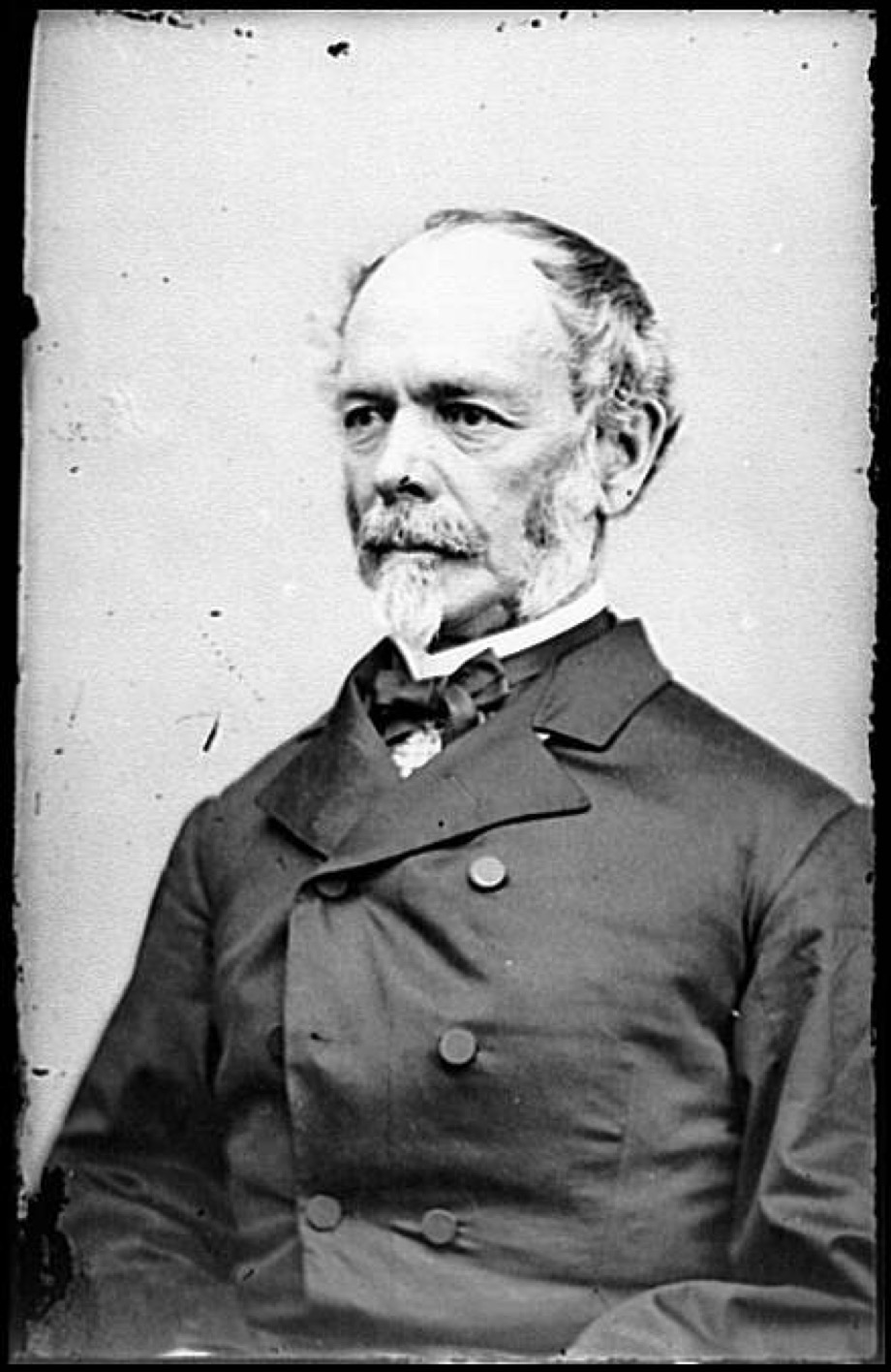
Joseph E. Johnston
notableThe general whose feud with Jefferson Davis over rank outlasted most of his battles
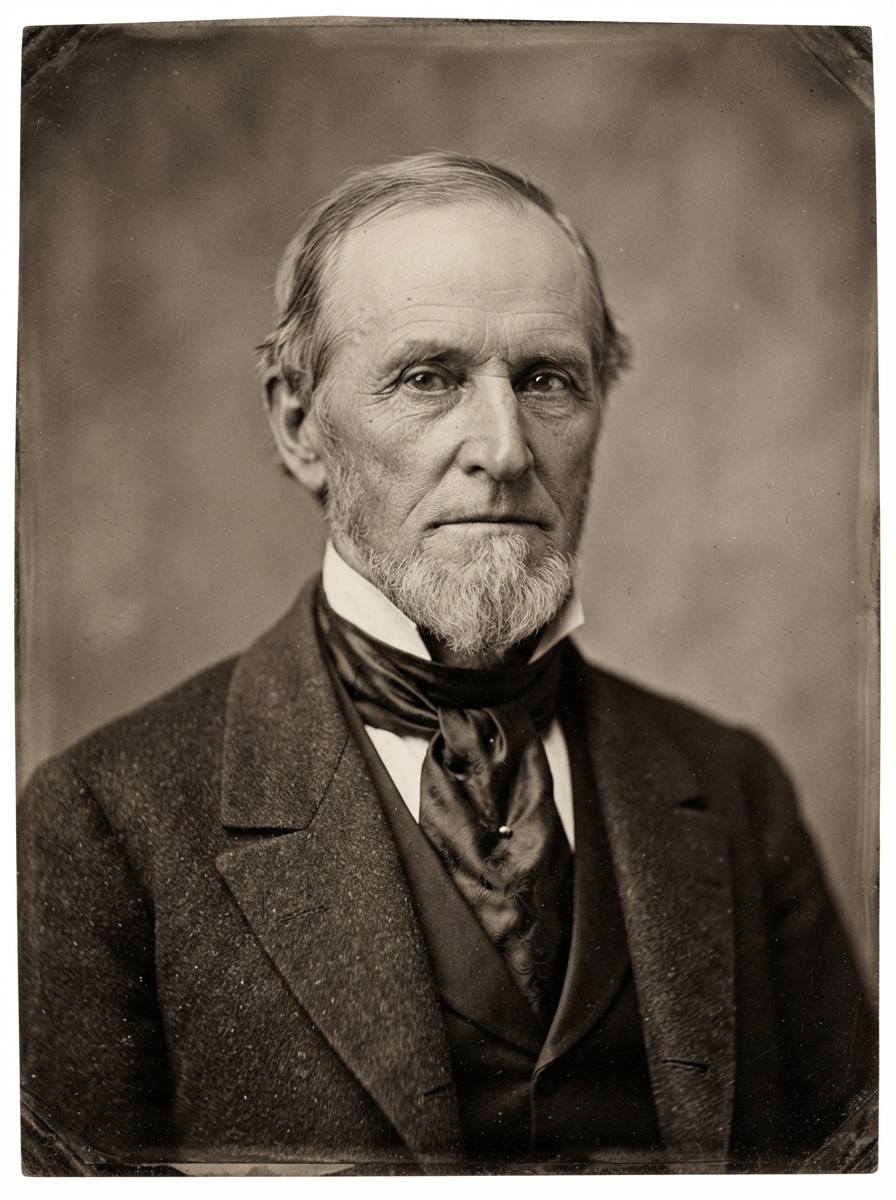
Joseph Emory Davis
obscureThe older half-brother who raised, financed, and shaped Jefferson Davis
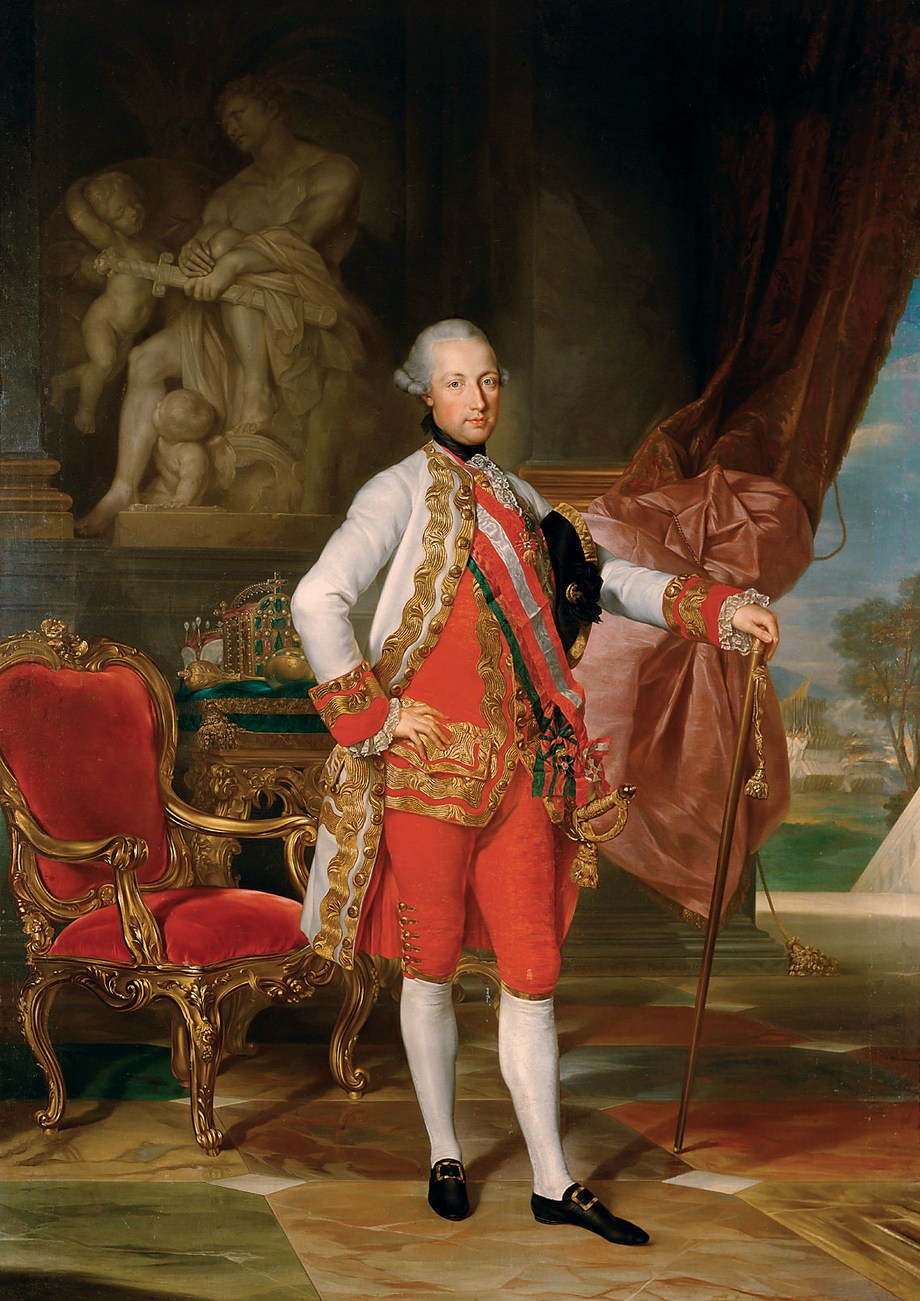
Joseph II
notableThe Habsburgs' most radical reformer, who tried to remake an empire by rational decree — an INTJ enlightened despot whose vision broke against reality
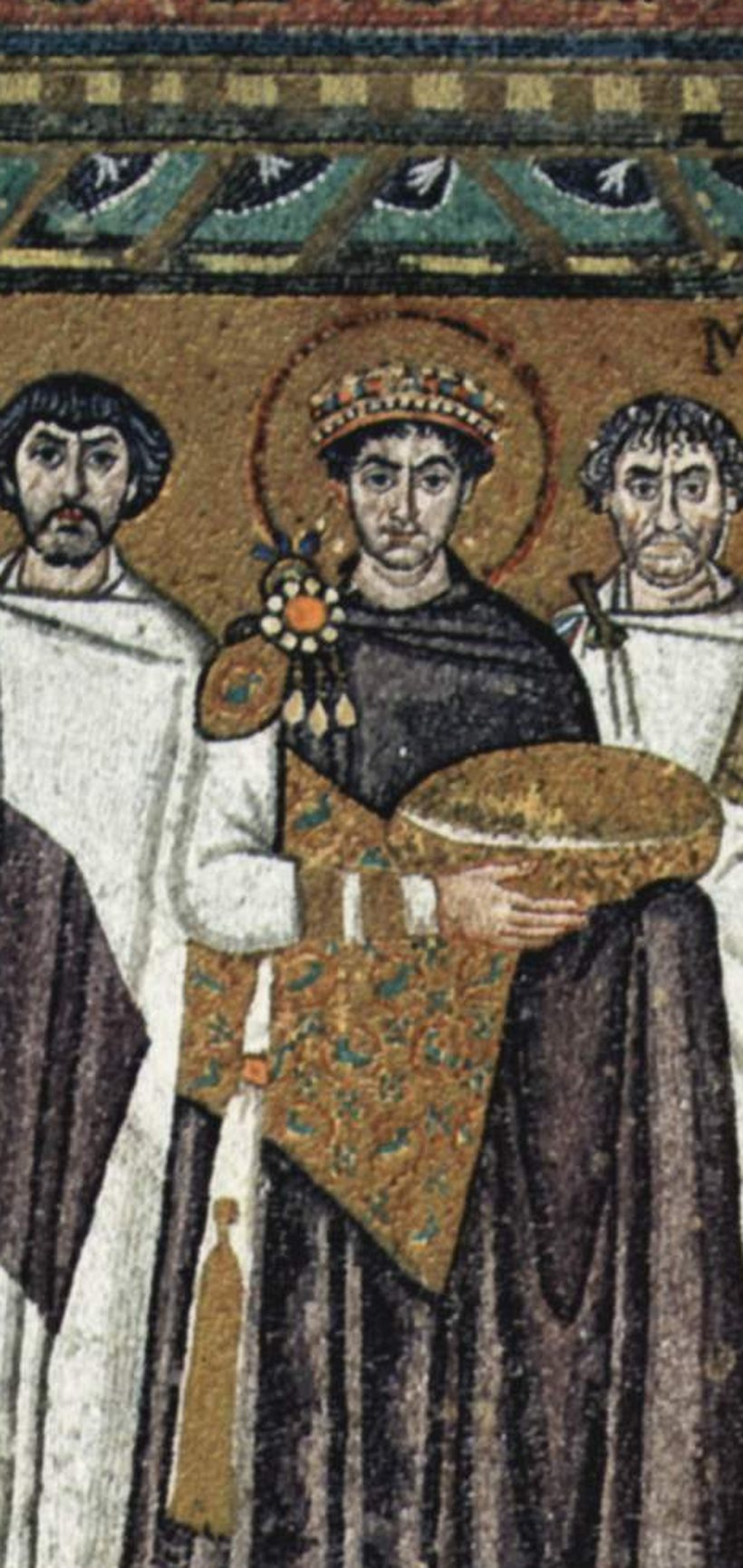
Justinian I
The sleepless emperor who codified Roman law, reconquered the lost West, and raised Hagia Sophia — the visionary systematizer INTJ.
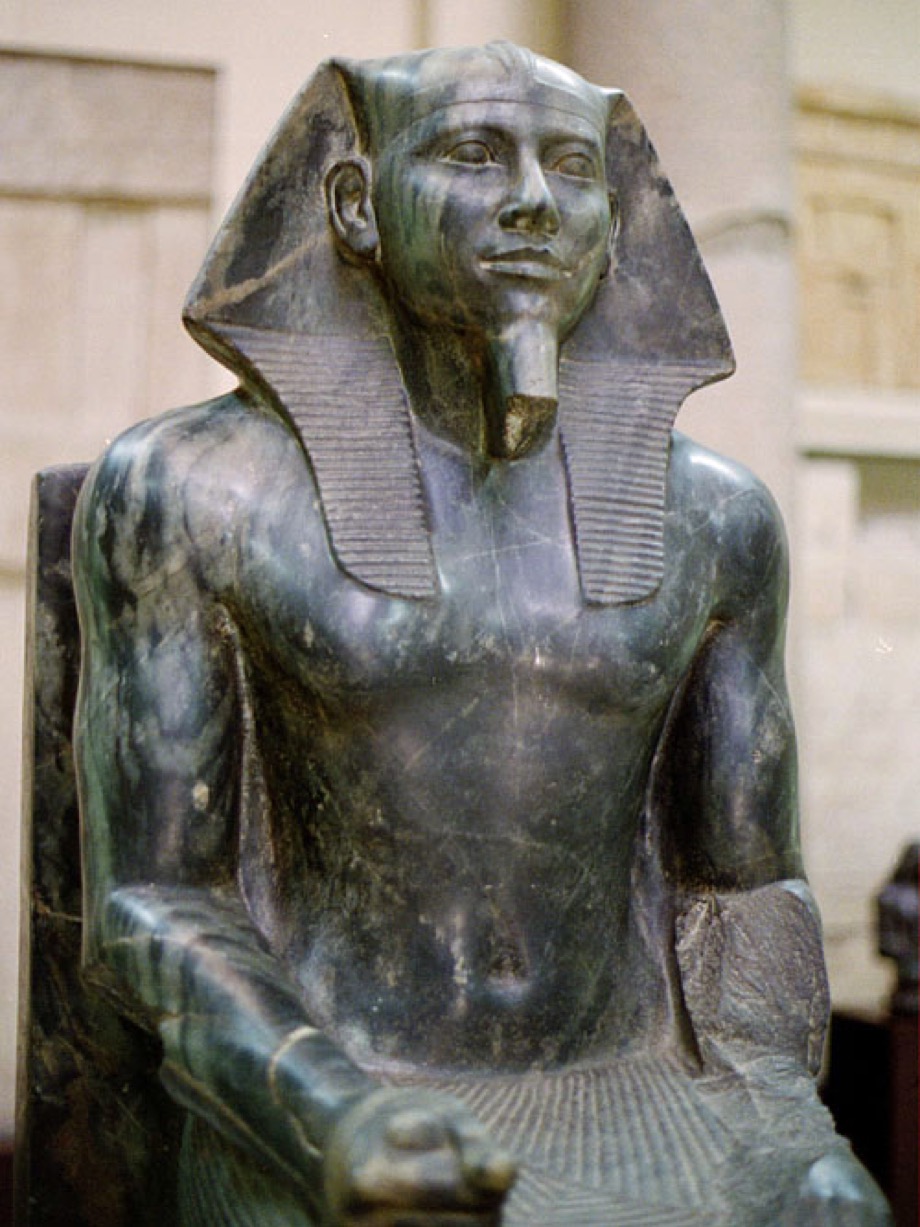
Khafre
renownThe pharaoh of the Sphinx and Giza's second pyramid, carved in cold, self-possessed stone.
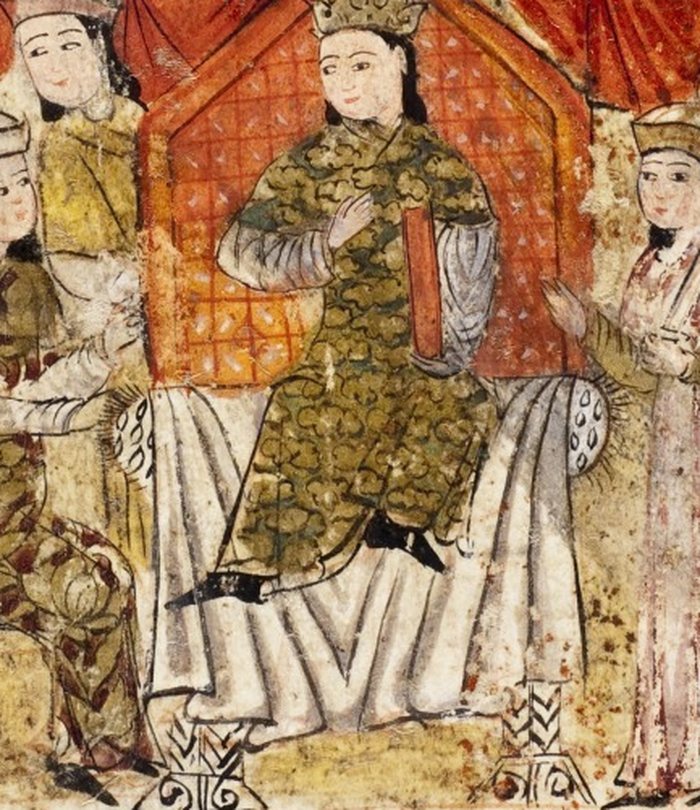
Khosrow I
renownThe great Persian shah, Justinian's philosopher-rival to the east and the model of the just king for a thousand years — the reformer INTJ.
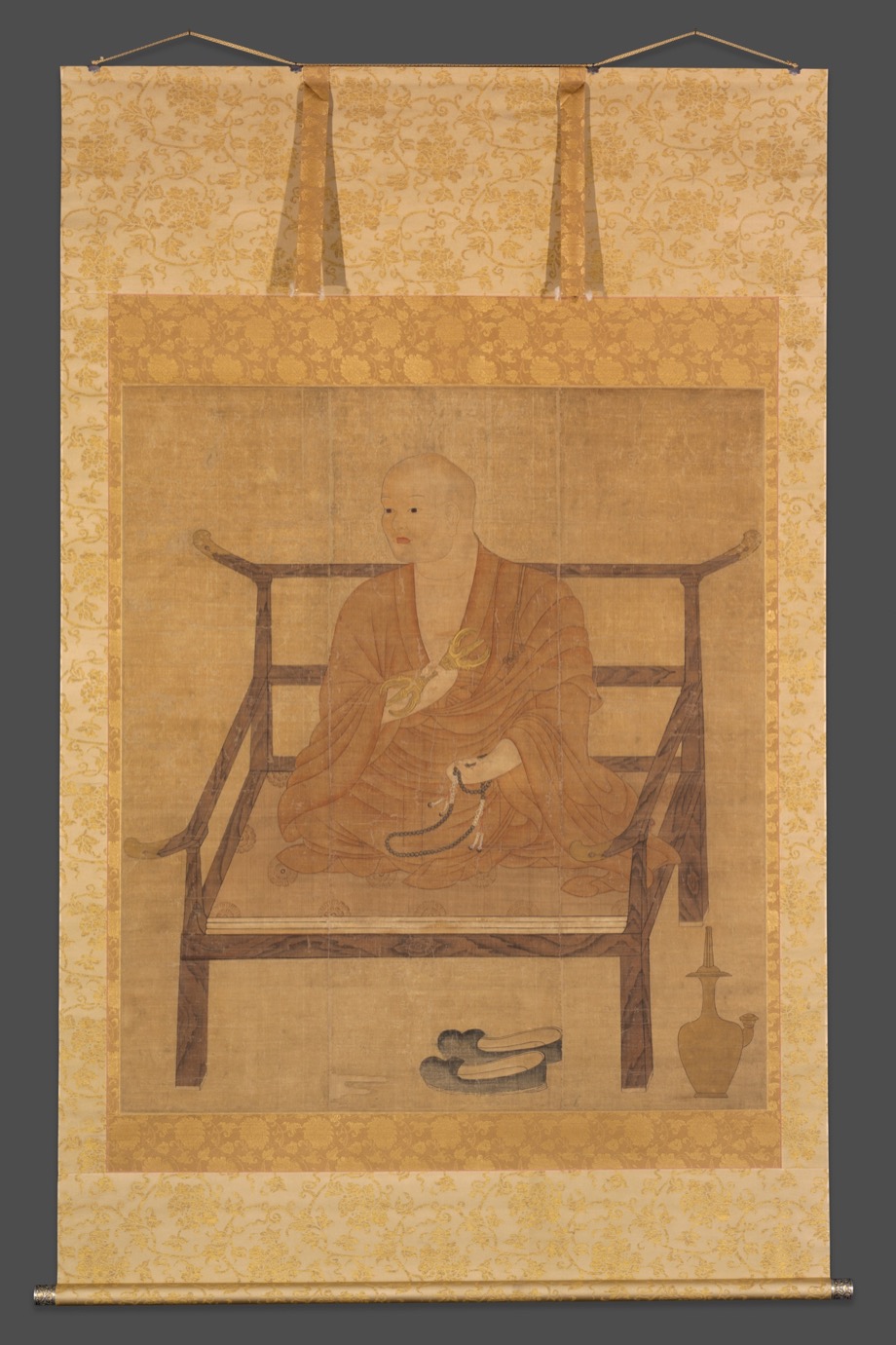
Kūkai
Kūkai organized a vision of esoteric Buddhist awakening into writings, rituals, and institutions, suggesting a qualified INTJ reading.
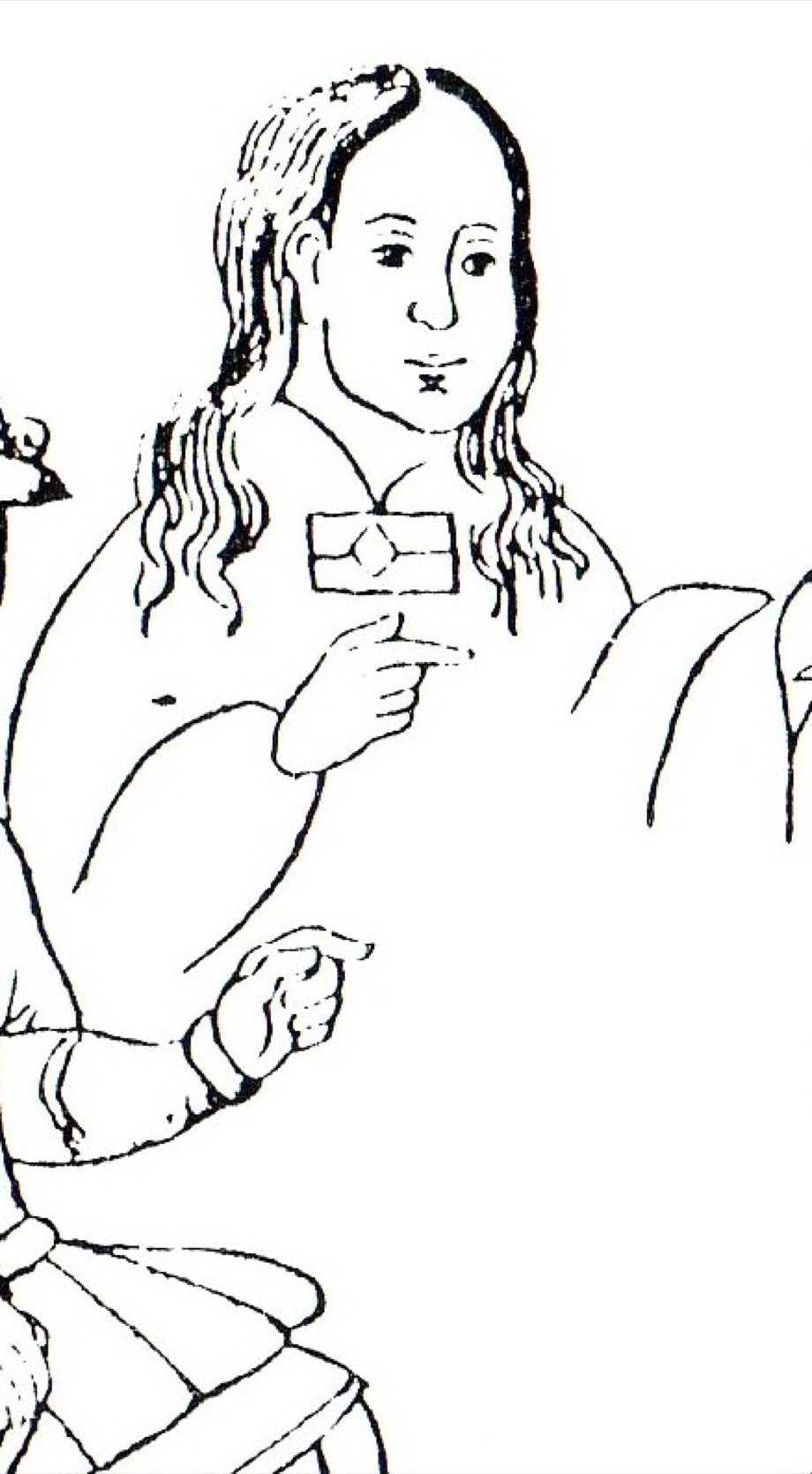
La Malinche
The enslaved interpreter whose voice and judgment shaped the conquest of Mexico.
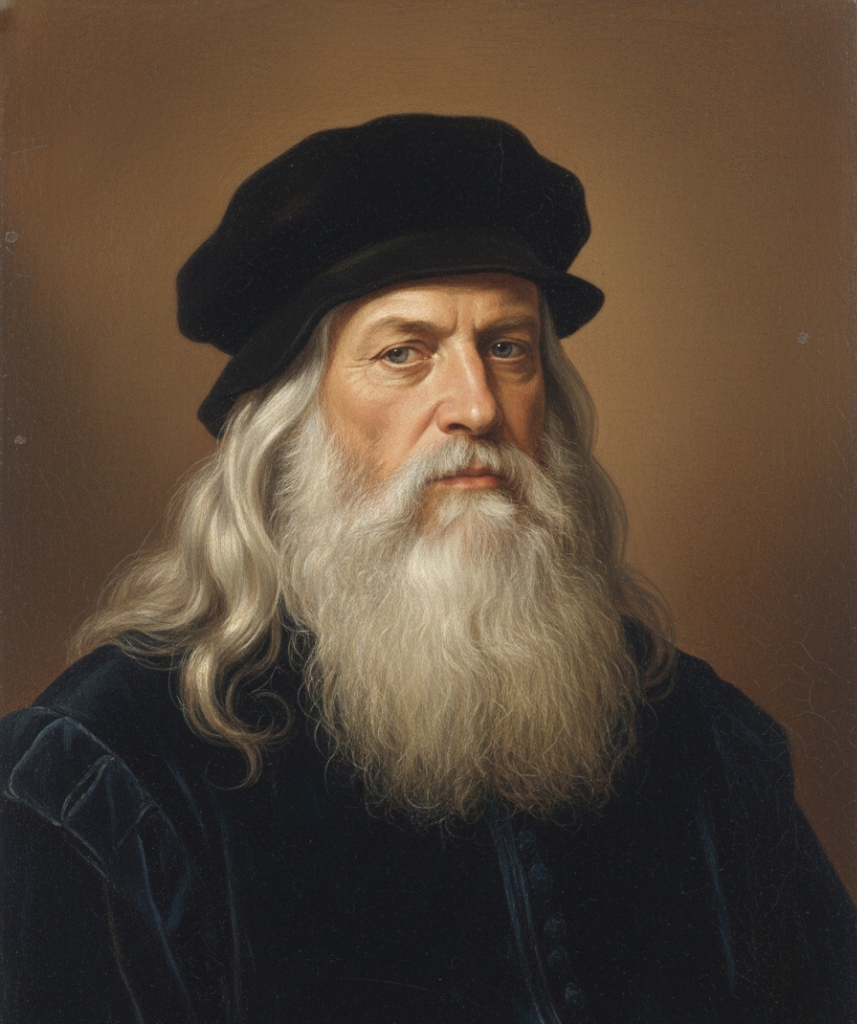
Leonardo da Vinci
The ultimate Renaissance man — painter, inventor, scientist, and dreamer
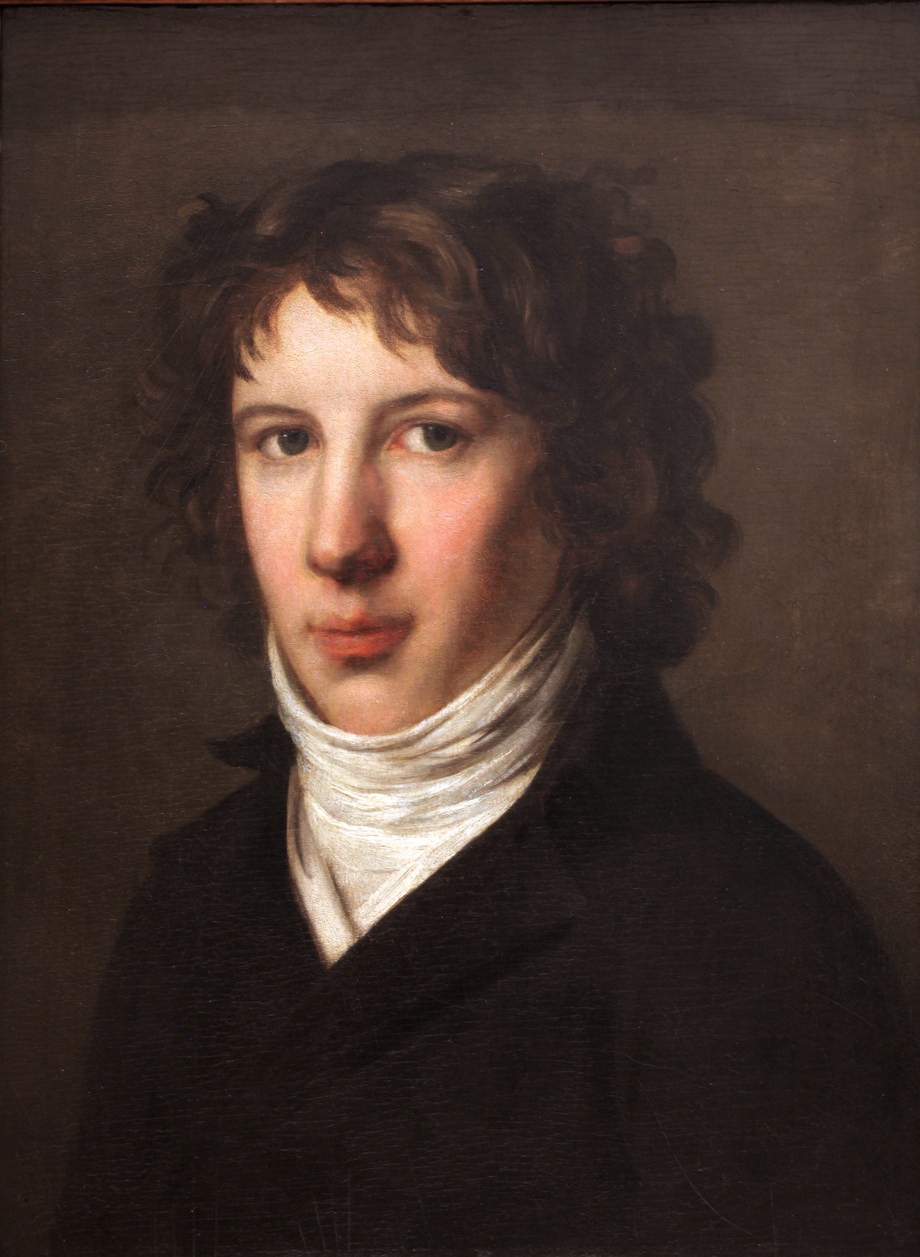
Louis Antoine de Saint-Just
notableThe wild romantic youth who became the Revolution's coldest theorist — Robespierre's INTJ right hand, the Archangel of the Terror
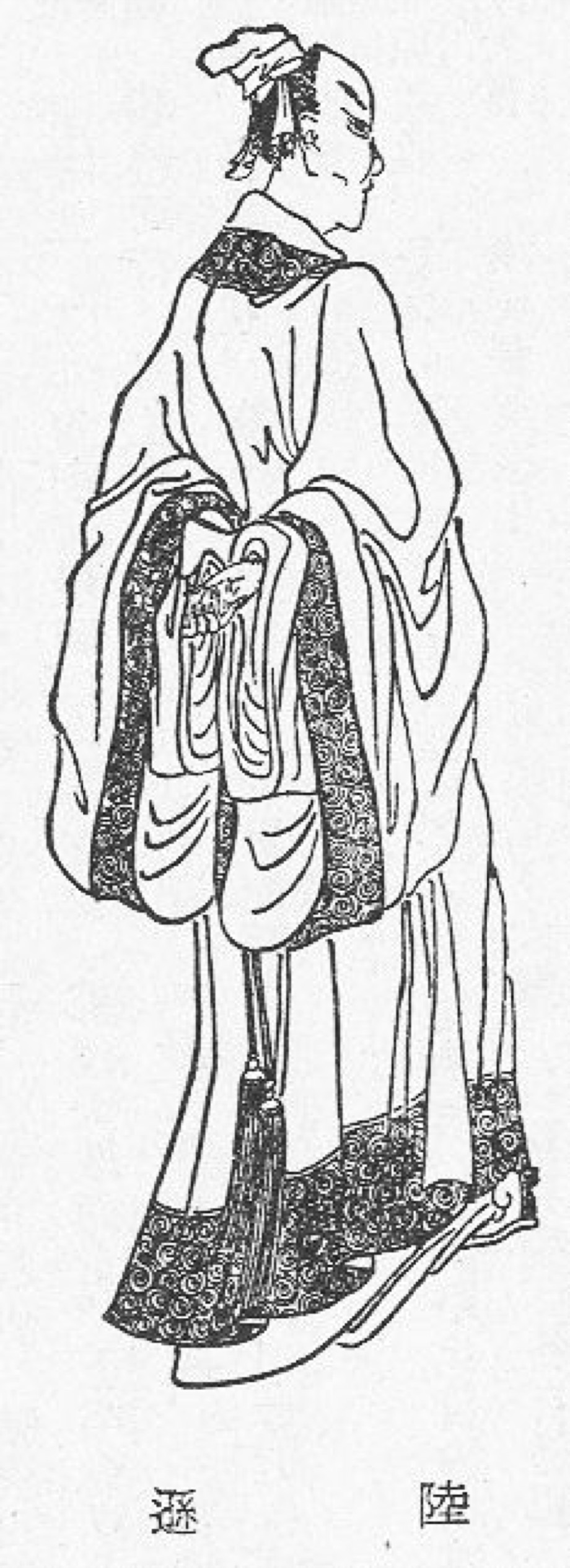
Lu Xun
renownThe scholar-general who burned Liu Bei's army and won Yiling by waiting
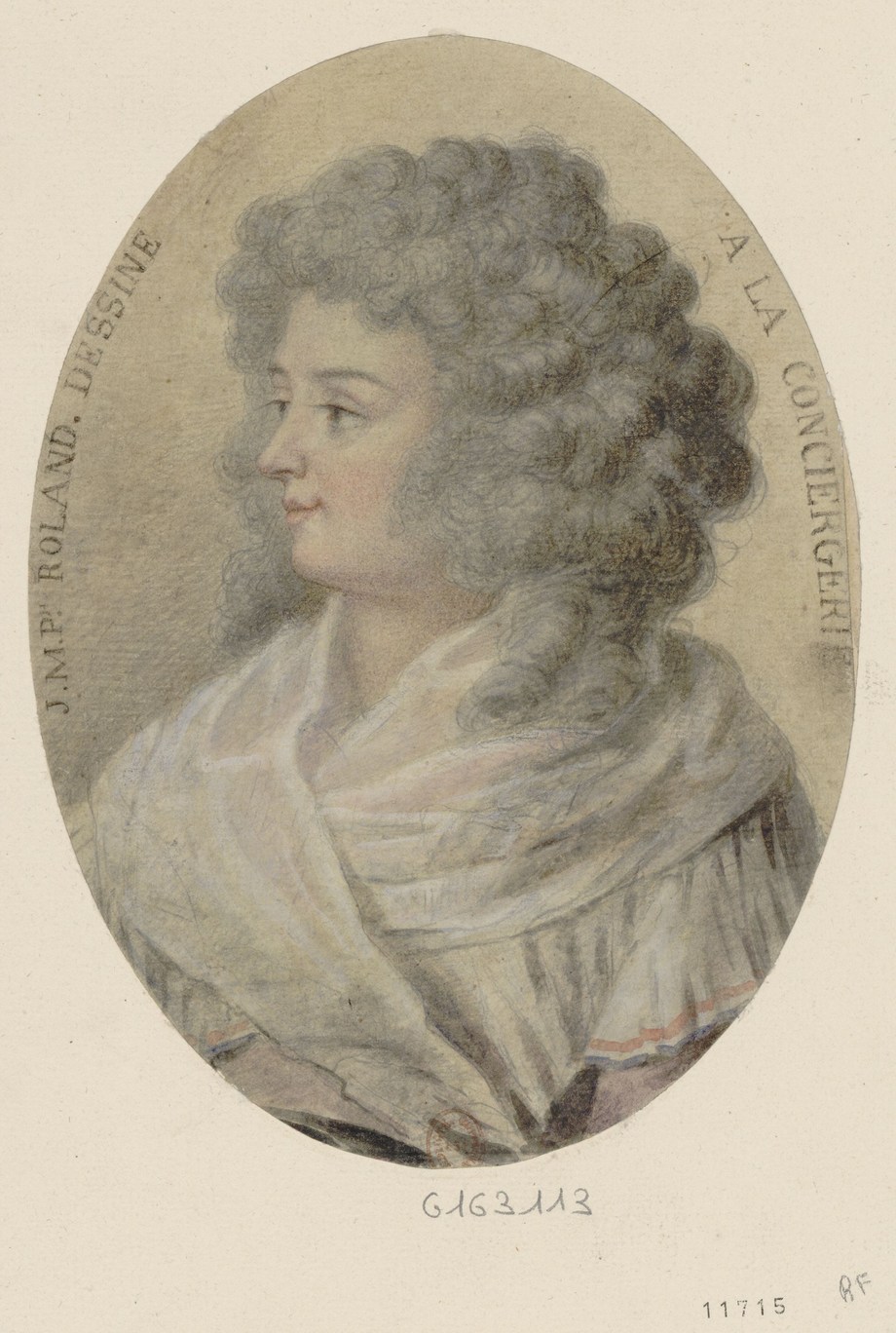
Madame Roland
notableThe INTJ strategist who ruled the Girondins from behind the curtain and died with the Revolution's truest epitaph
Mahavira
renownThe founder of Jainism, who renounced clothing and swept his own path to avoid killing an insect.
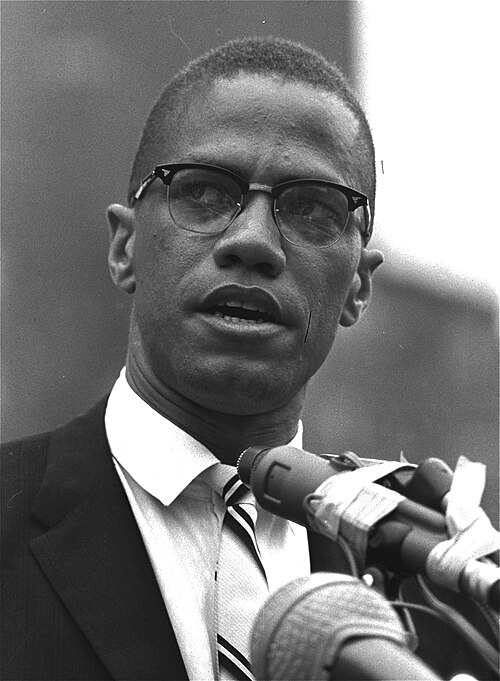
Malcolm X
The Reconstructor
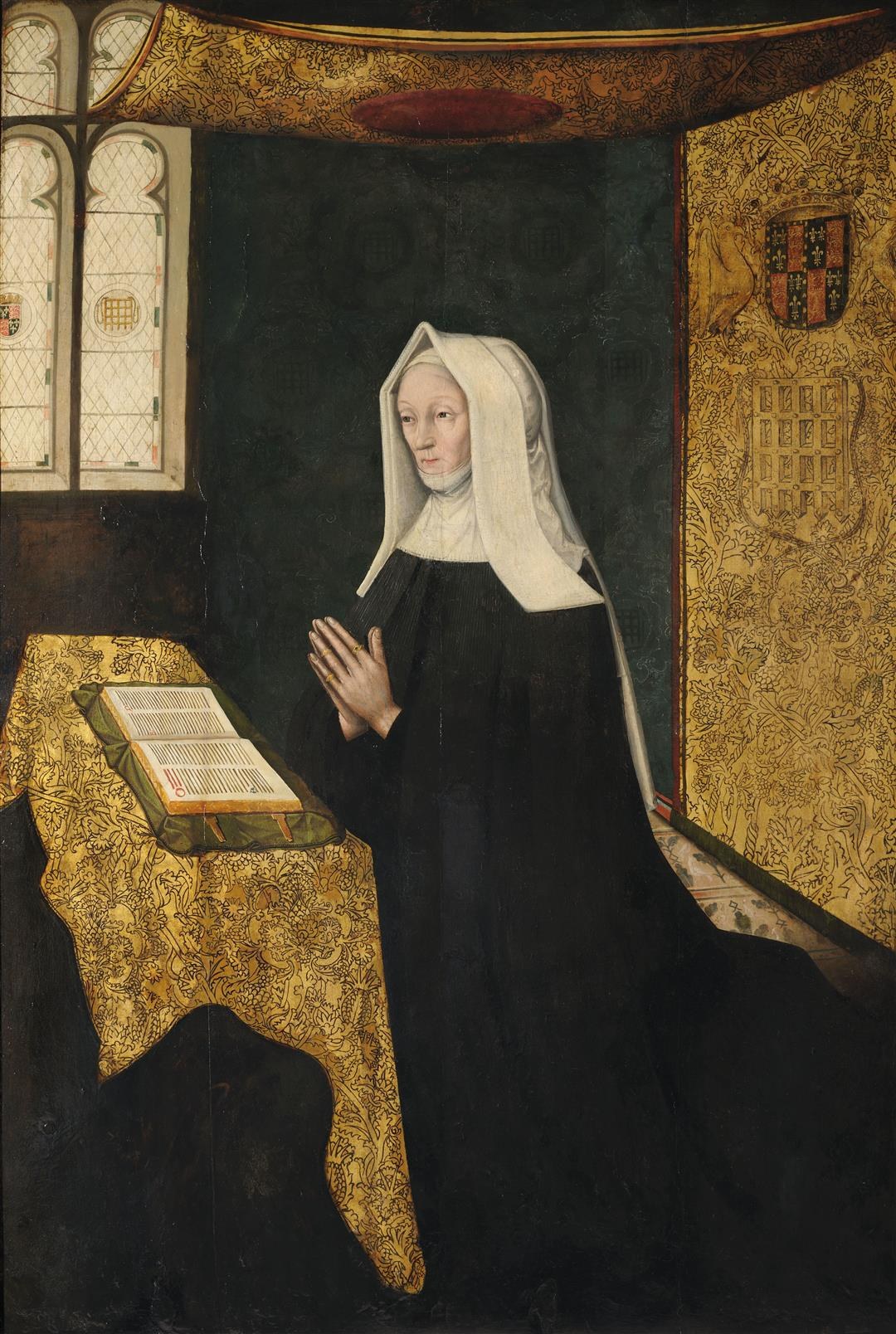
Margaret Beaufort
renownThe mother who willed her son onto the throne against all odds — the iron, devout INTJ who built the Tudor dynasty.
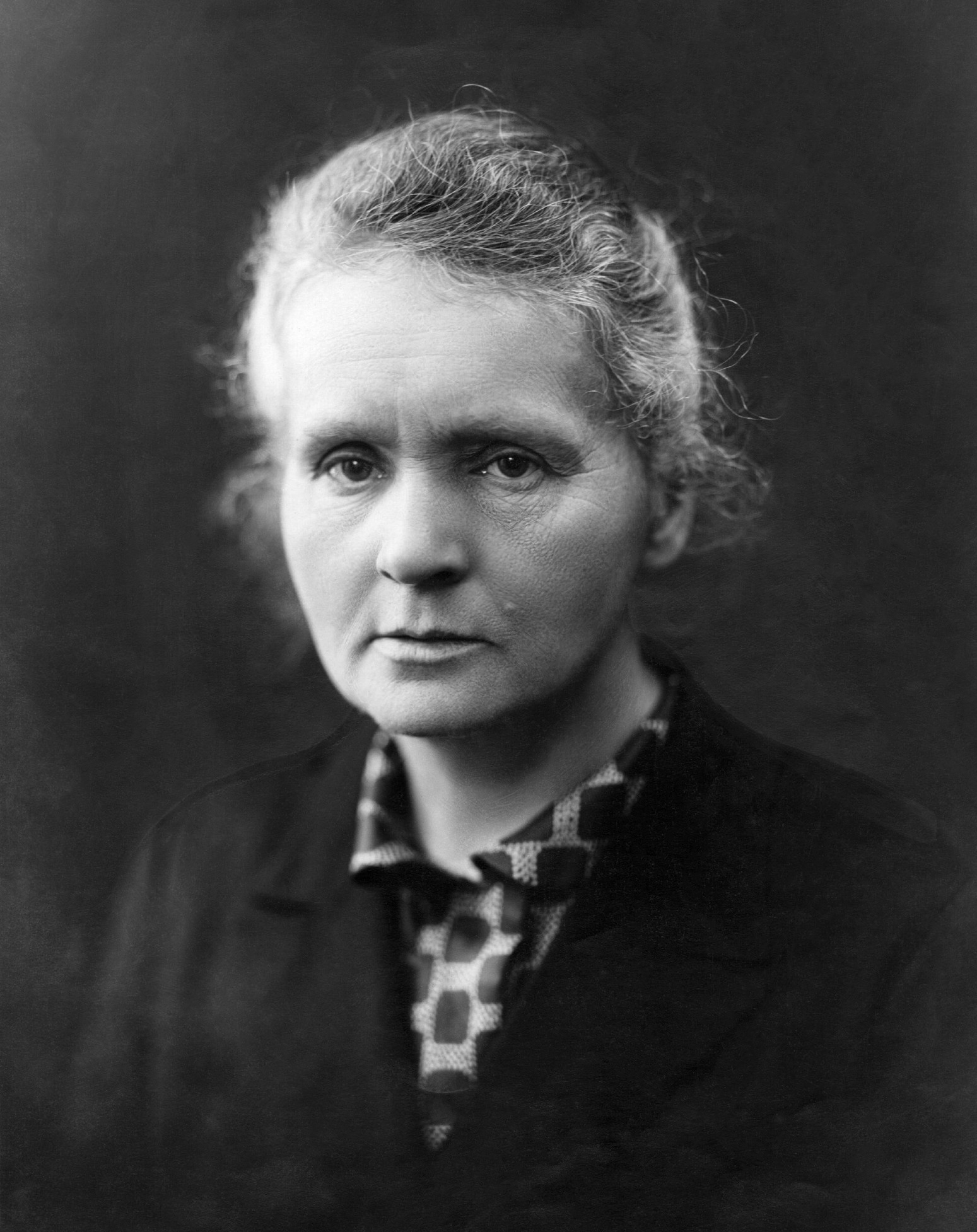
Marie Curie
Physicist, chemist, and architect of radioactivity.
Martin Delany
notableThe "Father of Black Nationalism" who broke with Douglass over what freedom would actually require
Mazaeus
notableThe satrap of Babylon who surrendered the city to Alexander and continued to govern it.
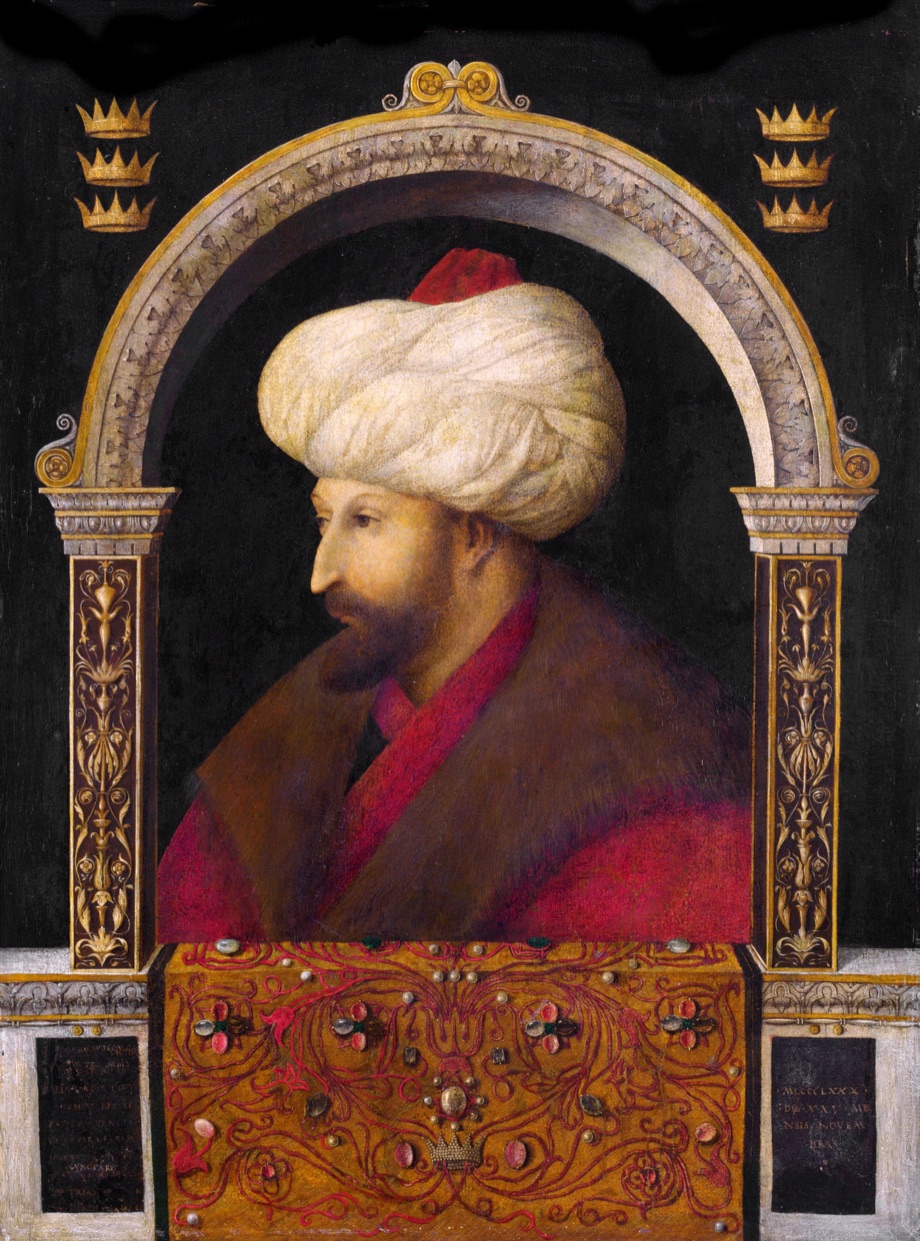
Mehmed II
The twenty-one-year-old who took Constantinople, ended the thousand-year Roman Empire, and declared himself Caesar — the secretive visionary-conqueror INTJ.
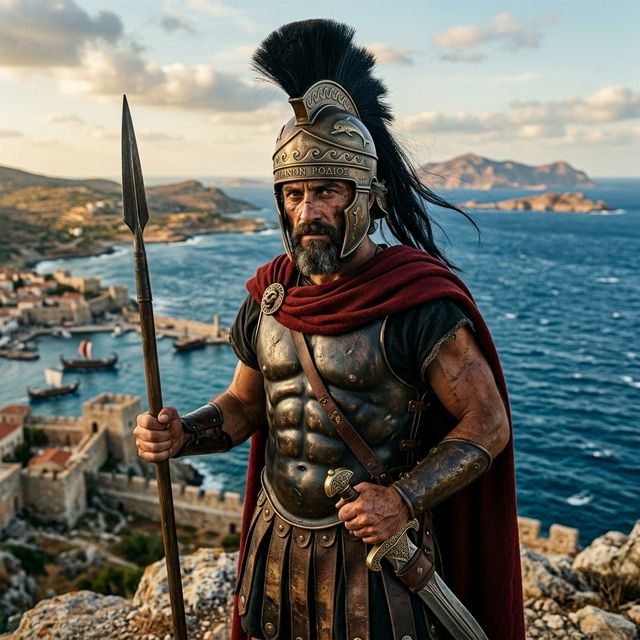
Memnon of Rhodes
notableThe brilliant Greek mercenary who nearly halted the Macedonian advance.
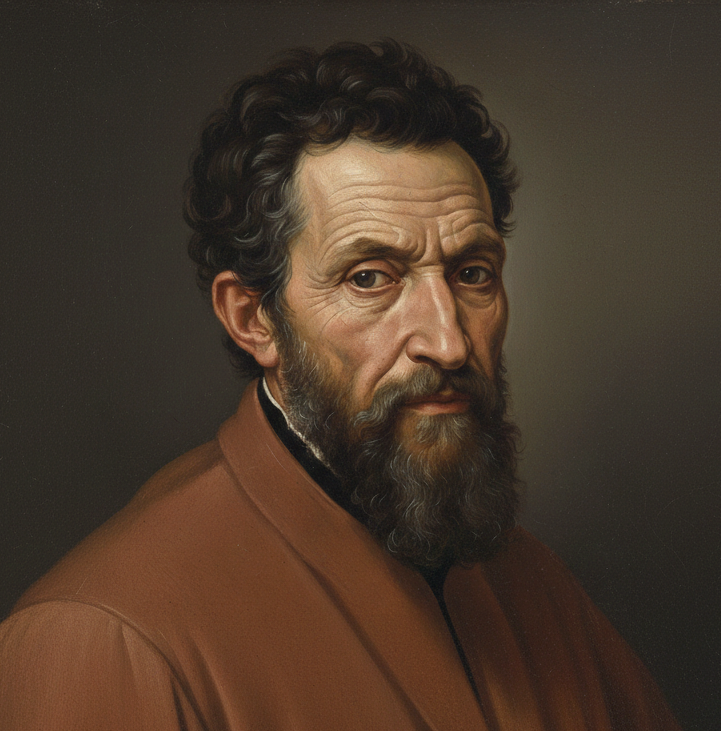
Michelangelo Buonarroti
Sculptor, painter, architect, and poet of the High Renaissance.
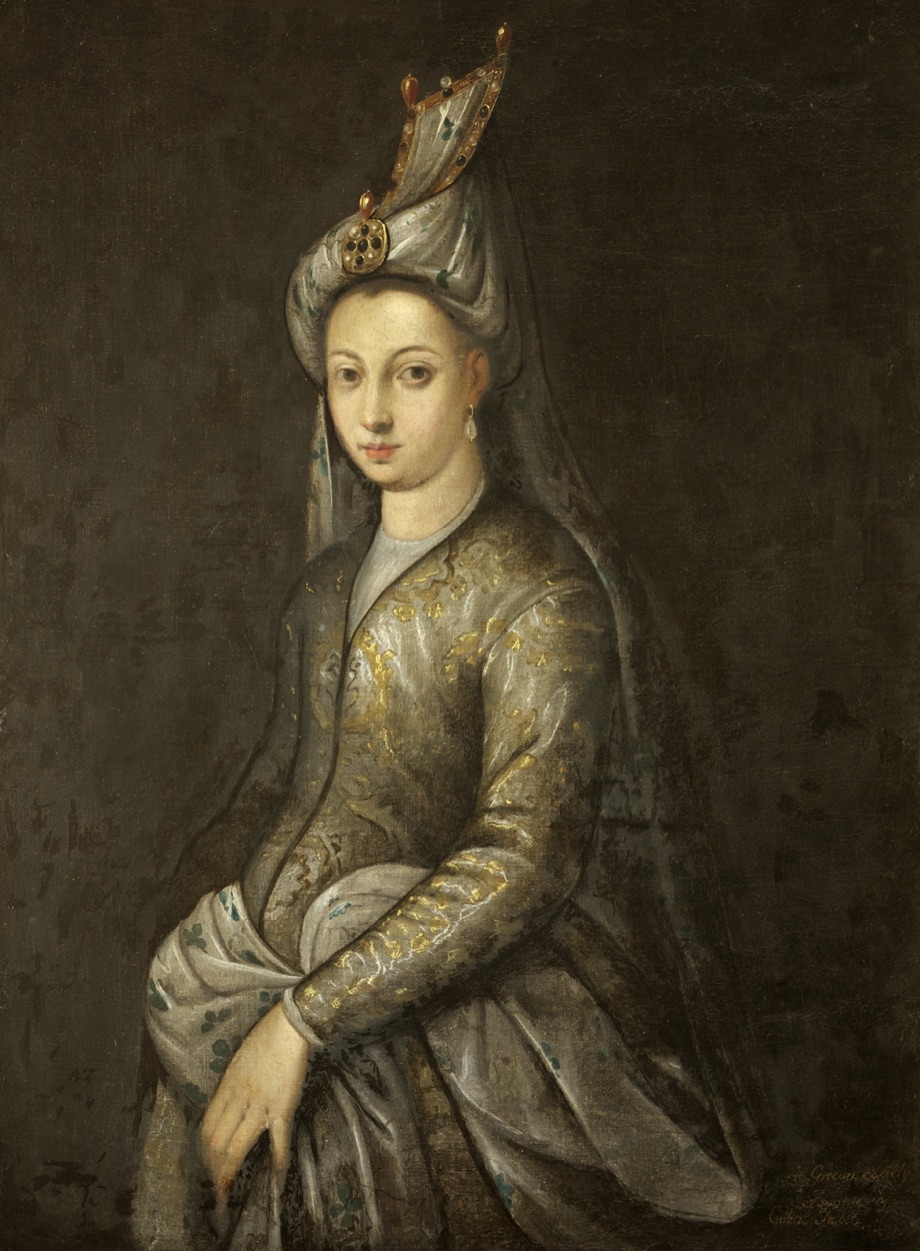
Mihrimah Sultan
notableSuleiman and Roxelana's formidable daughter, a power behind two thrones — the strategic princess INTJ.
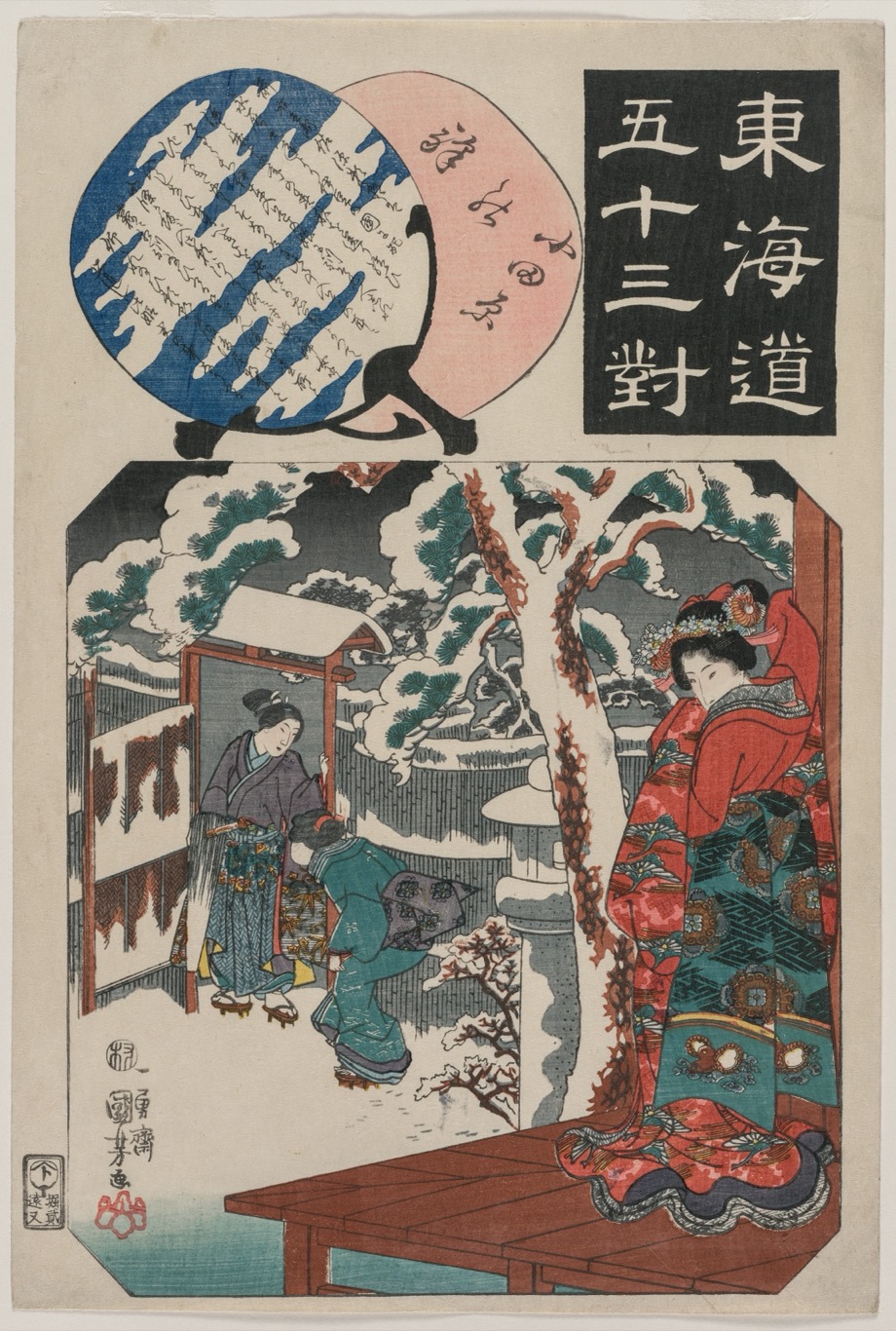
Minamoto no Yoritomo
Minamoto no Yoritomo built the Kamakura government by joining military patronage to a durable eastern center of authority.
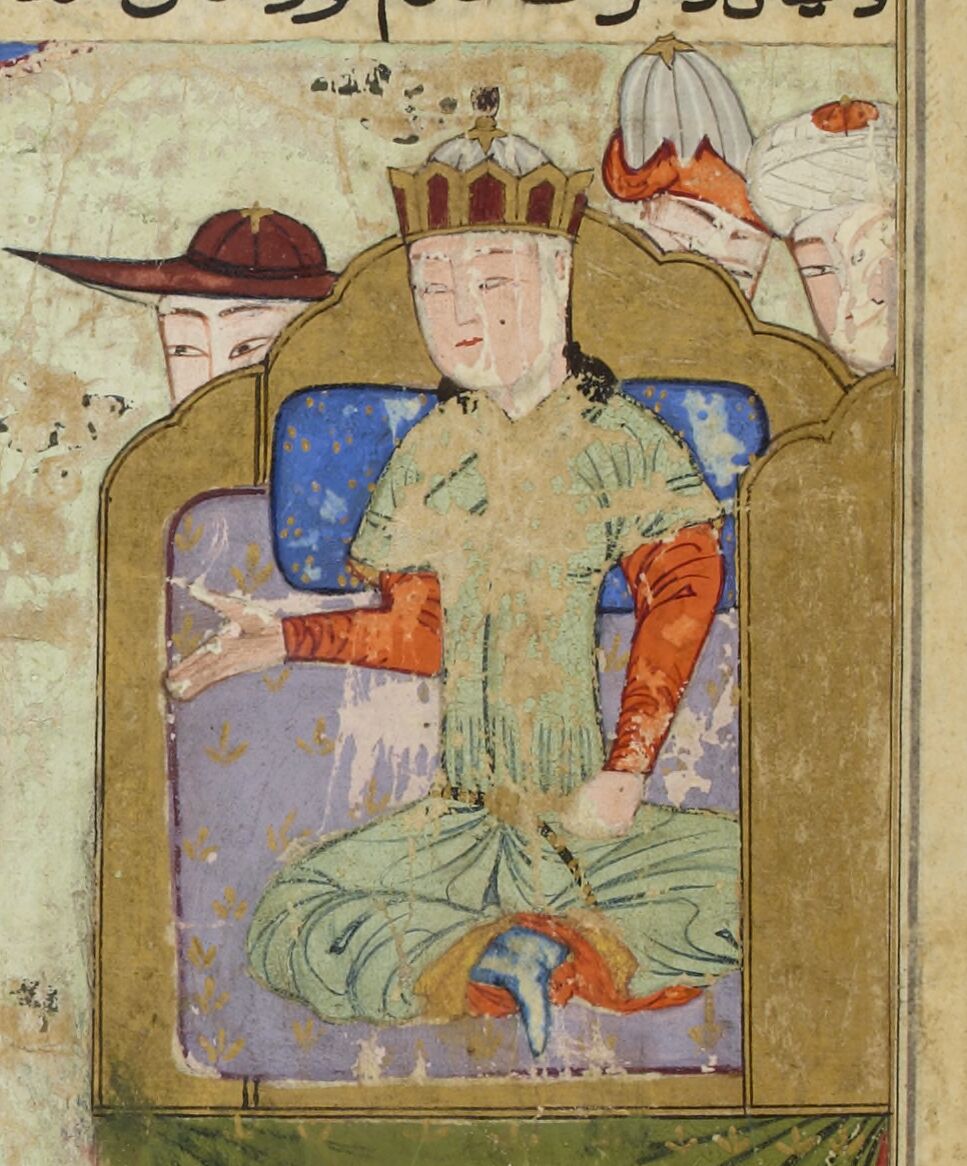
Möngke Khan
renownThe last khan of a united empire — the austere INTJ systematizer who planned conquest from Baghdad to the Yangtze.
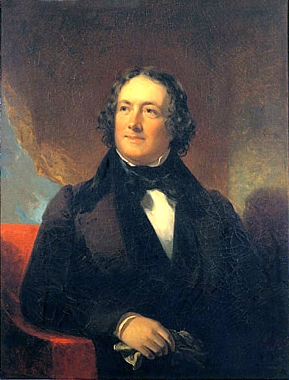
Nicholas Biddle
notableNot a man of motion. A man of structure.
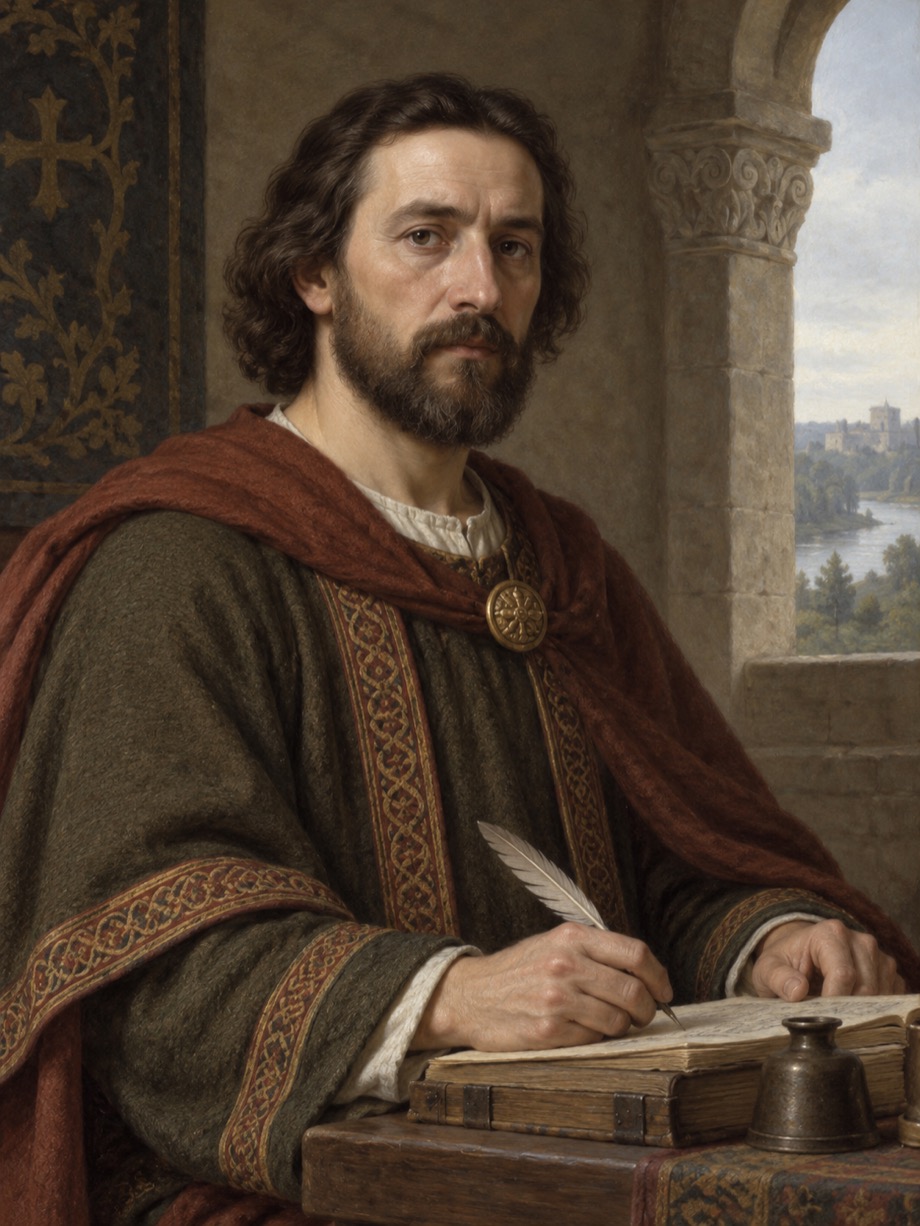
Nithard
notableThe royal grandson and participant historian who made civil war an argument about loyalty and political order.
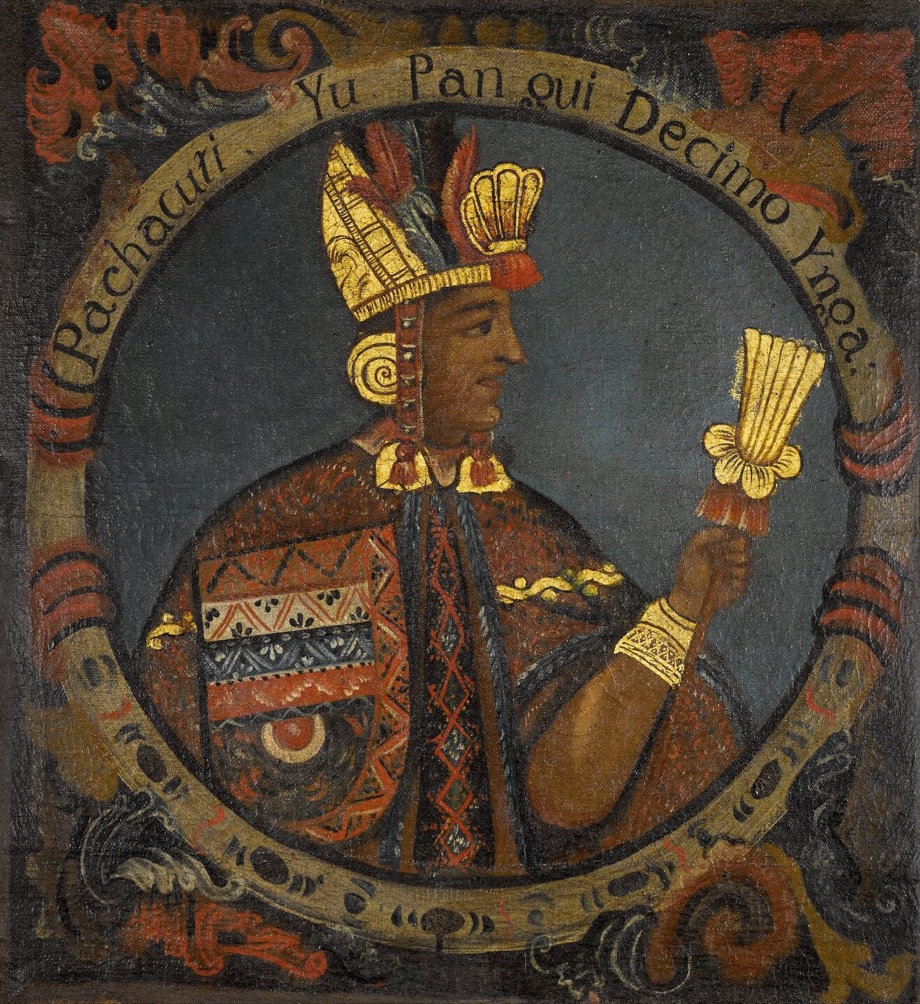
Pachacuti
renownRebuilt Cusco on a puma-shaped plan and rewrote Inca history so the empire looked destined all along.
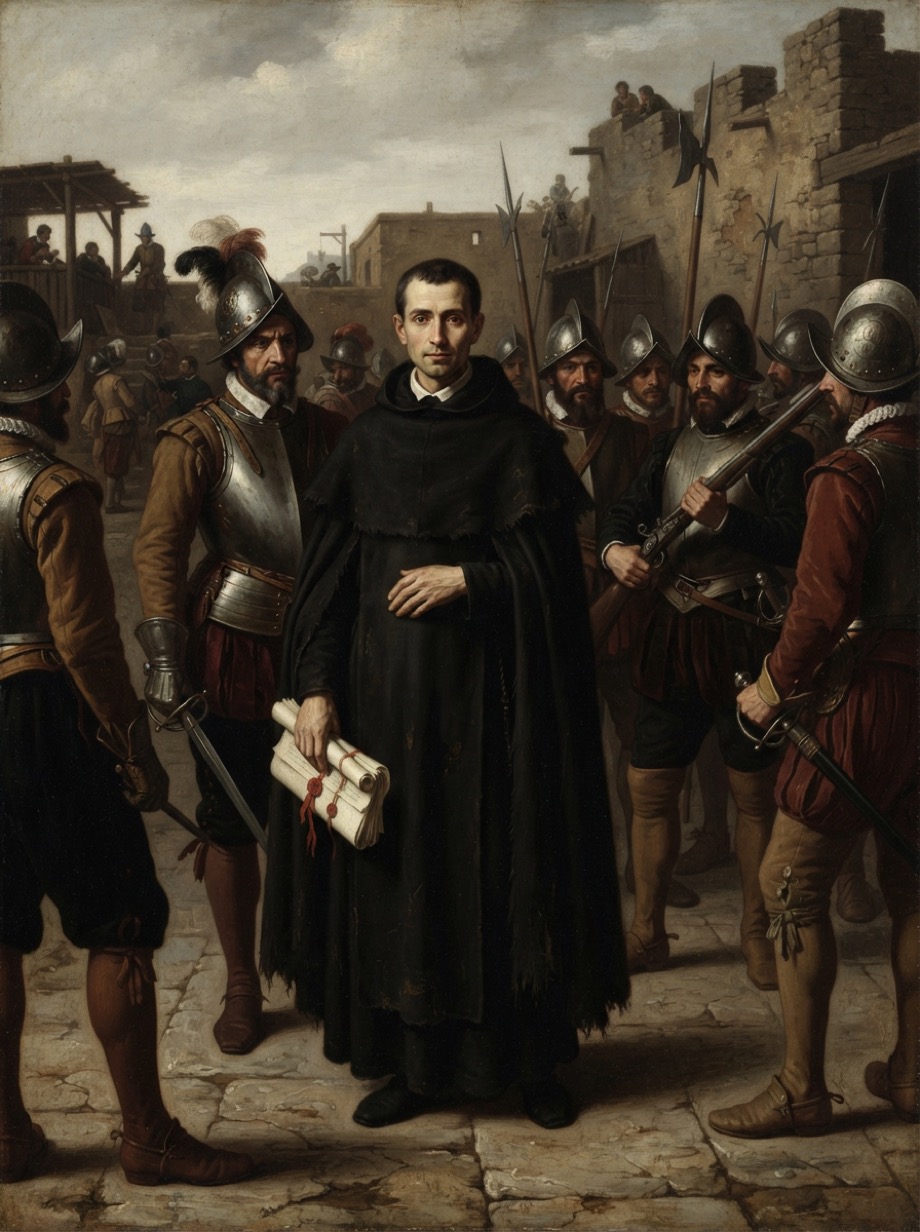
Pedro de la Gasca
renownA sickly cleric sent to Peru with no army, just blank royal pardons — and dissolved a rebellion by letter.
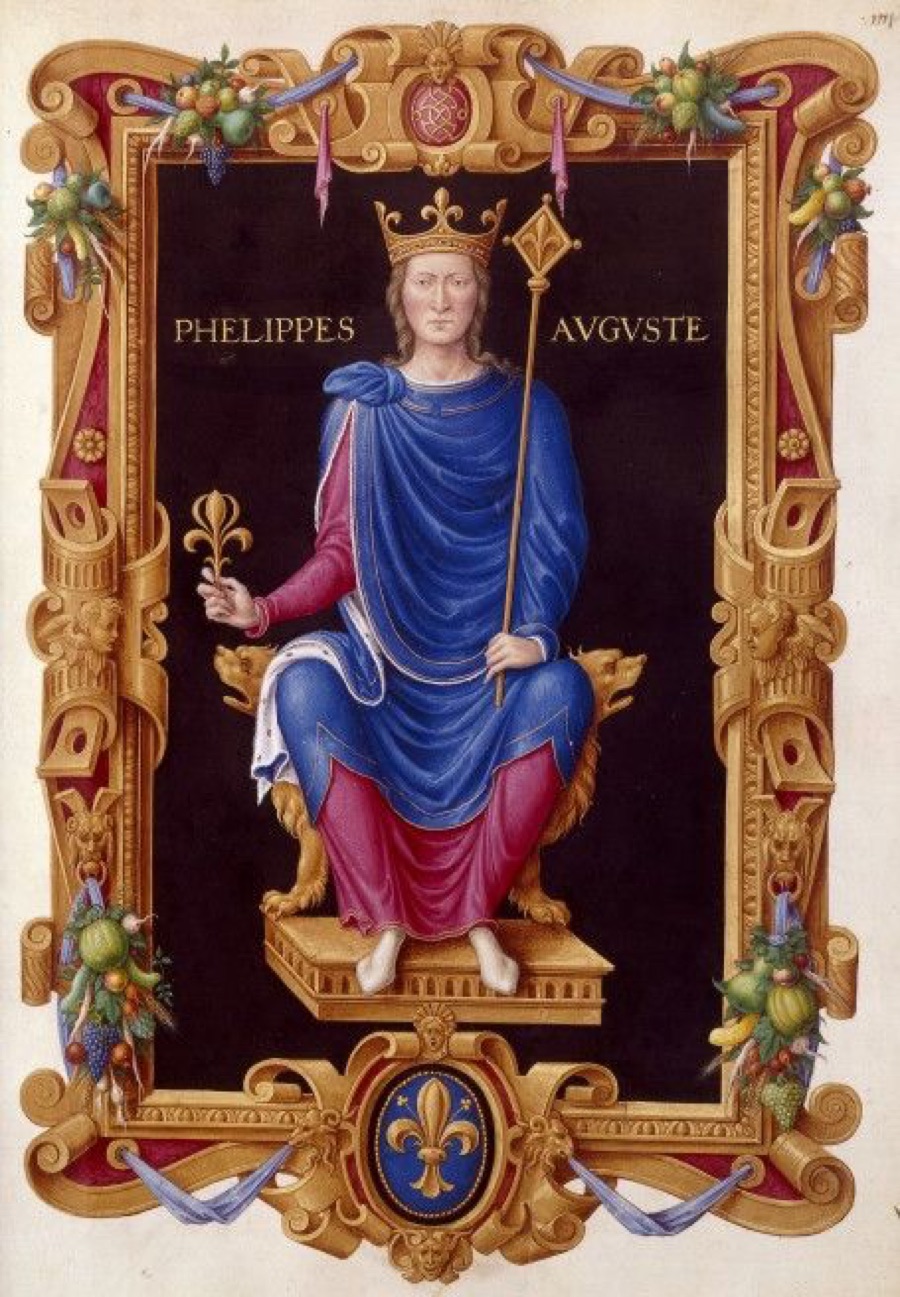
Philip II Augustus
renownThe cold French king who left the crusade to build a state and dismember an empire — the patient architect INTJ.
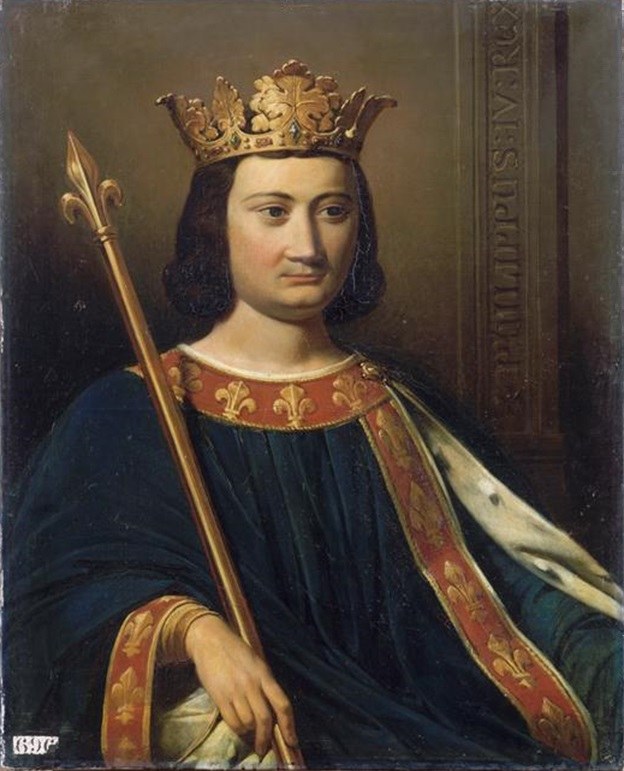
Philip IV
The cold 'statue' king who broke the Pope and the Templars — the INTJ who forged the centralized French state.
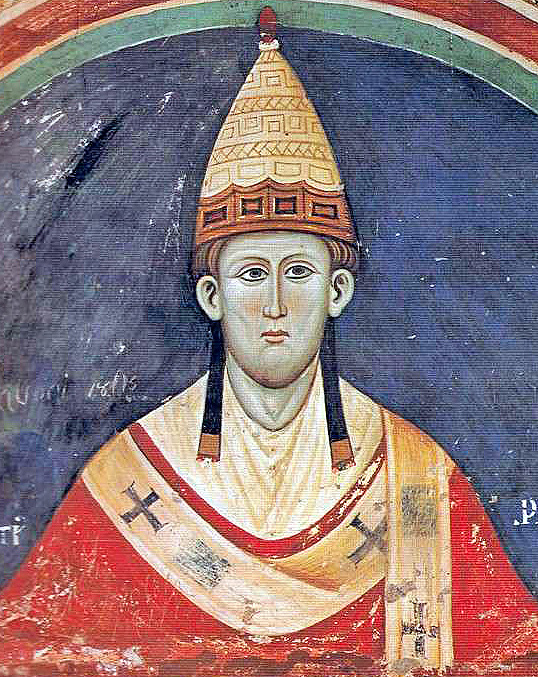
Pope Innocent III
notableHead of the Catholic Church, architect of papal supremacy.
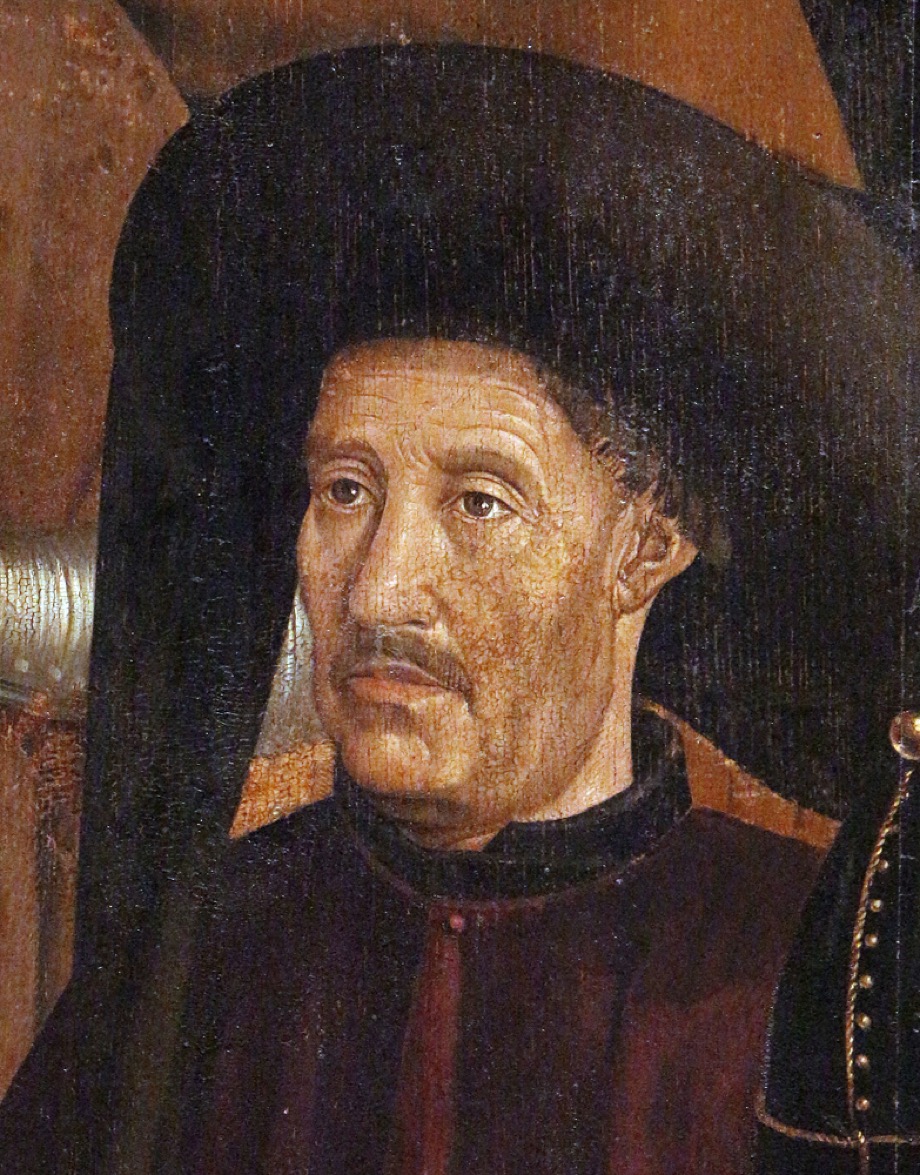
Prince Henry the Navigator
renownThe prince who never sailed past Morocco but funded four decades of Atlantic exploration.
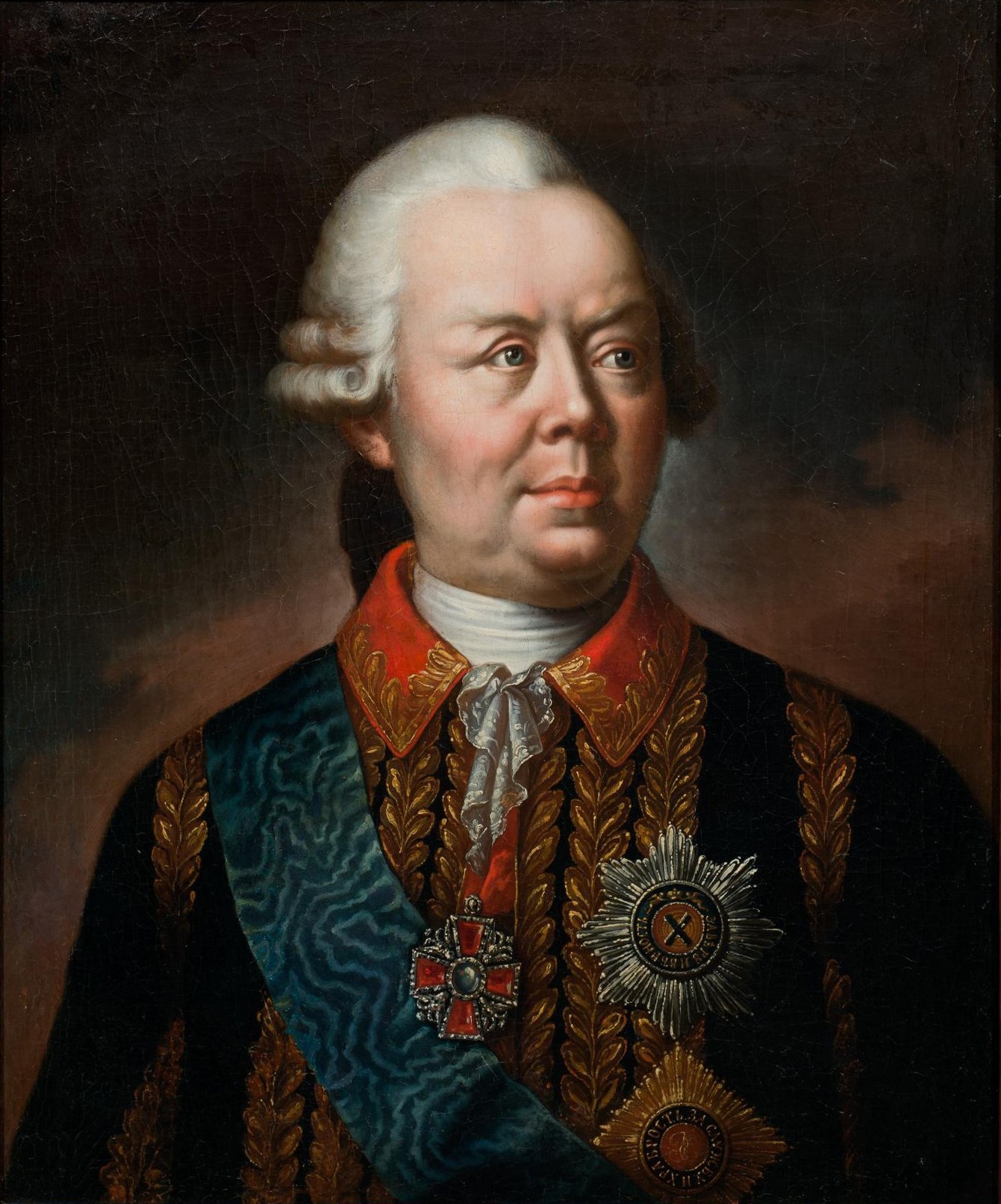
Pyotr Rumyantsev
notableThe Field Marshal who broke the Ottoman army at Kagul with a force nine times outnumbered — the architectural mind behind Russia's southern victories.
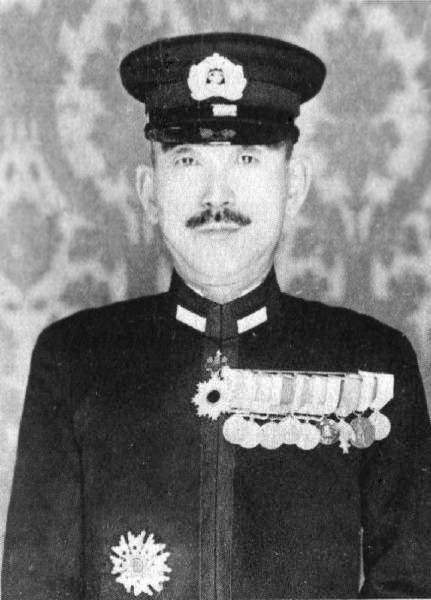
Raizo Tanaka
notableThe "Tokyo Express" destroyer commander the Americans respected most.
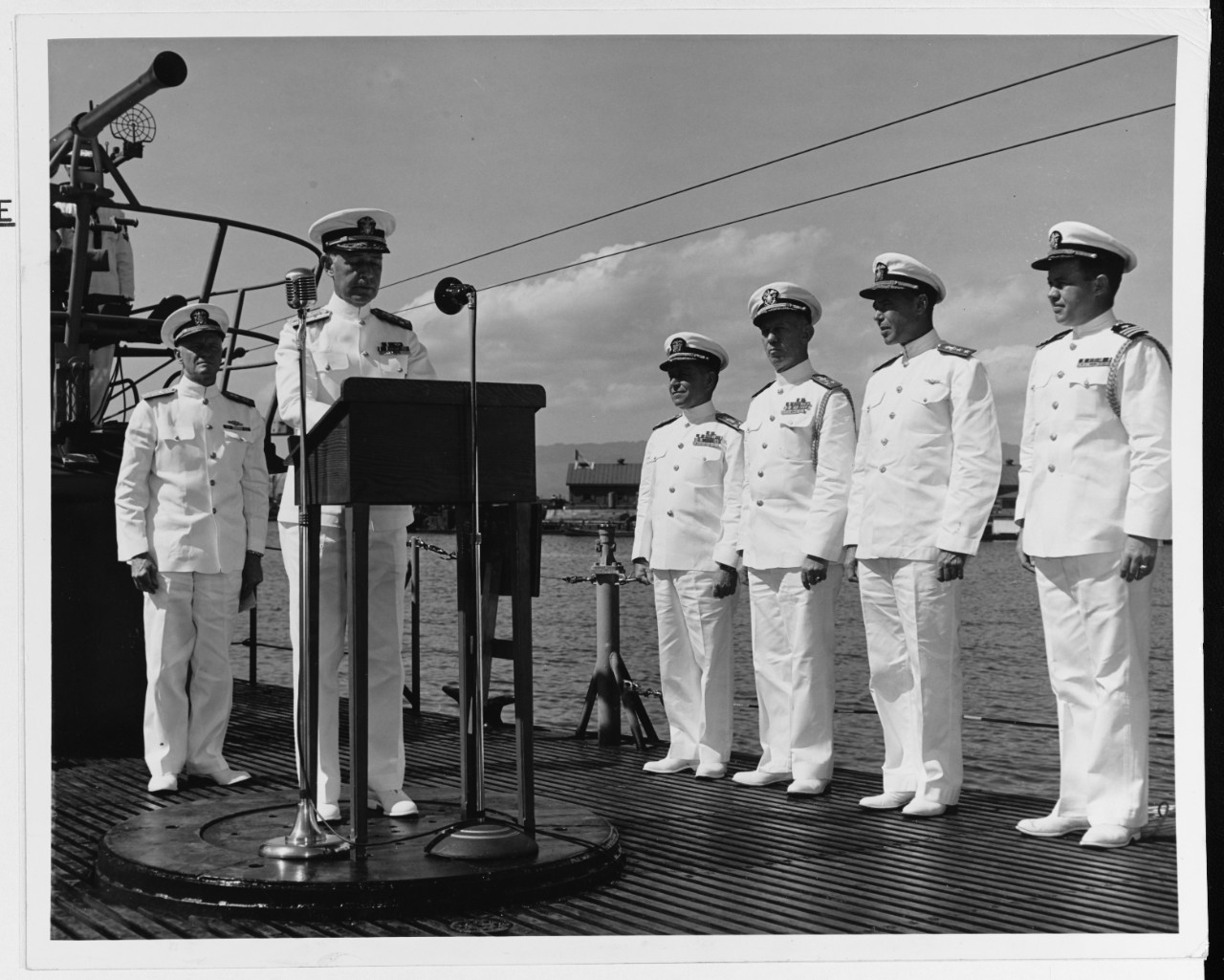
Raymond Spruance
renownThe cold calculator who won Midway and knew when to stop chasing.
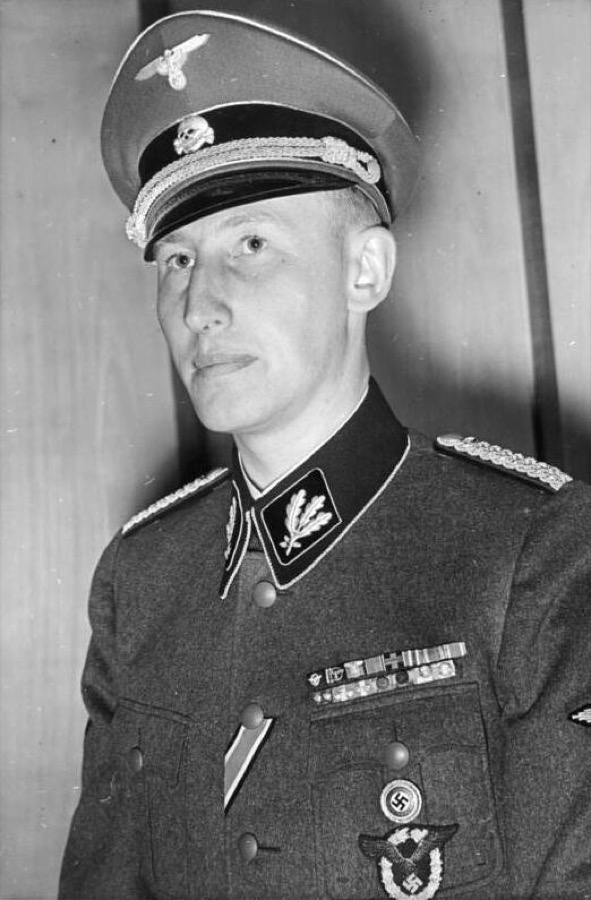
Reinhard Heydrich
infamousThe RSHA chief who chaired the Wannsee Conference and was assassinated by Czech resistance agents.
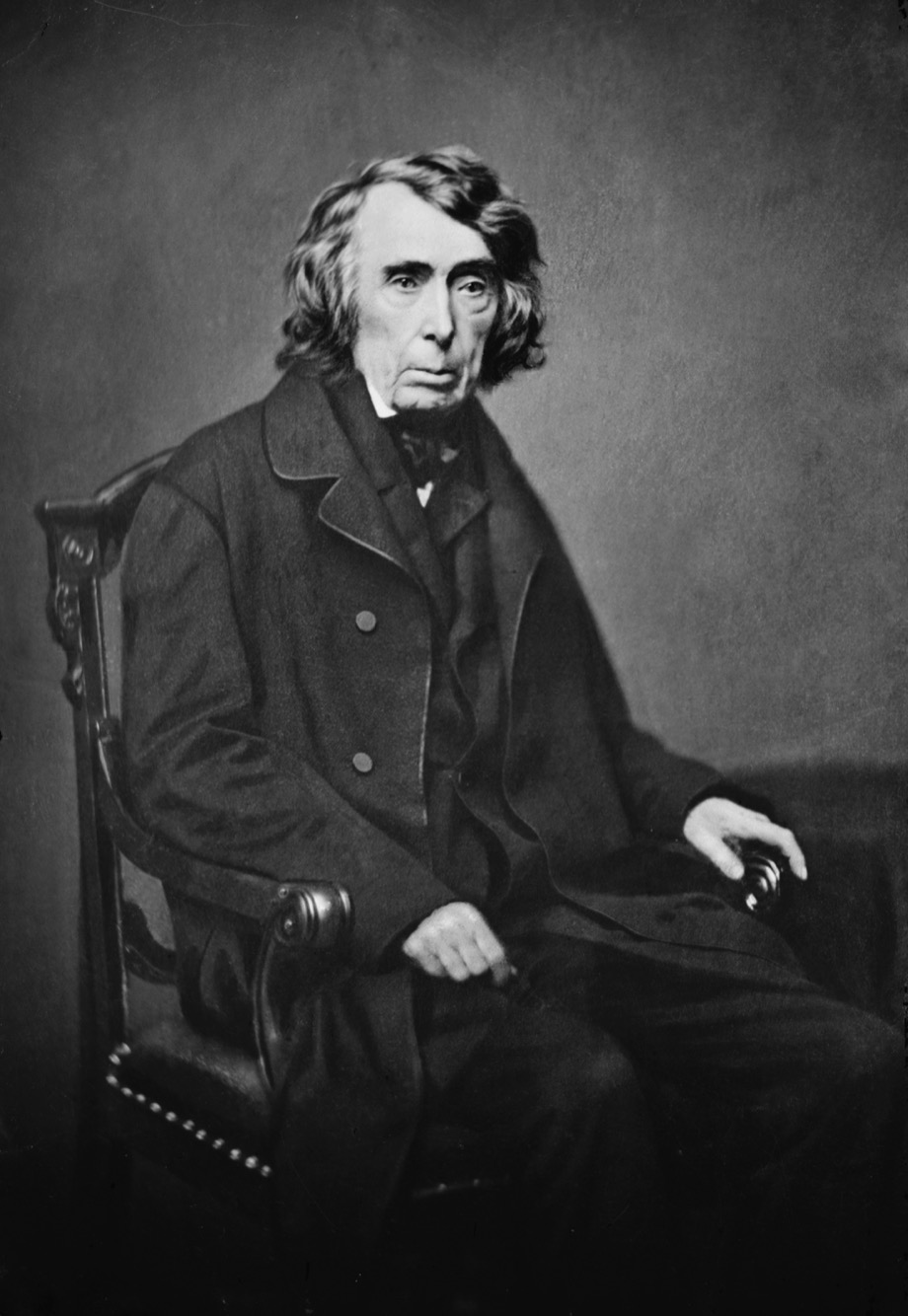
Roger B. Taney
notableThe Chief Justice whose sweeping ruling to settle slavery only inflamed it
Roxana
notableThe Bactrian queen who survived the collapse of an empire.
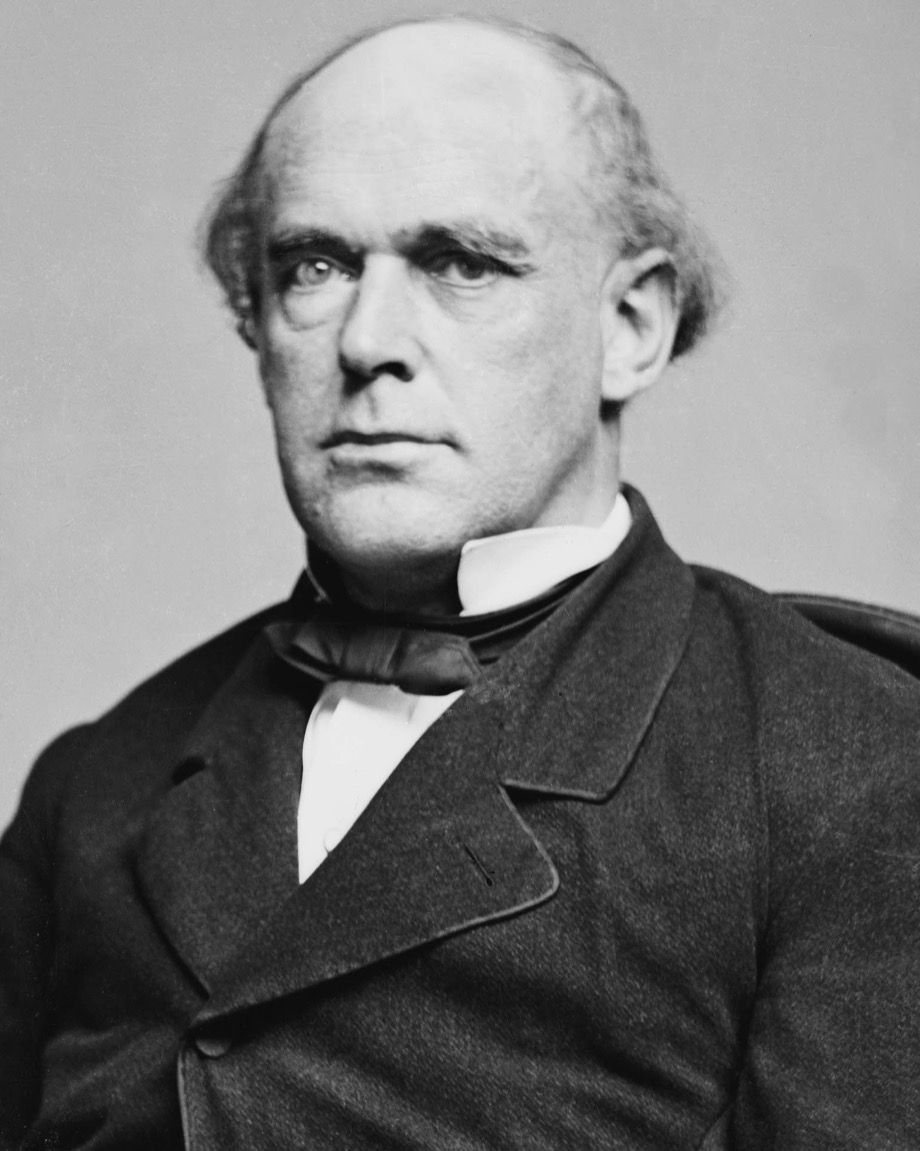
Salmon P. Chase
notableThe Treasury Secretary who built the nation's wartime finances while quietly running for Lincoln's job
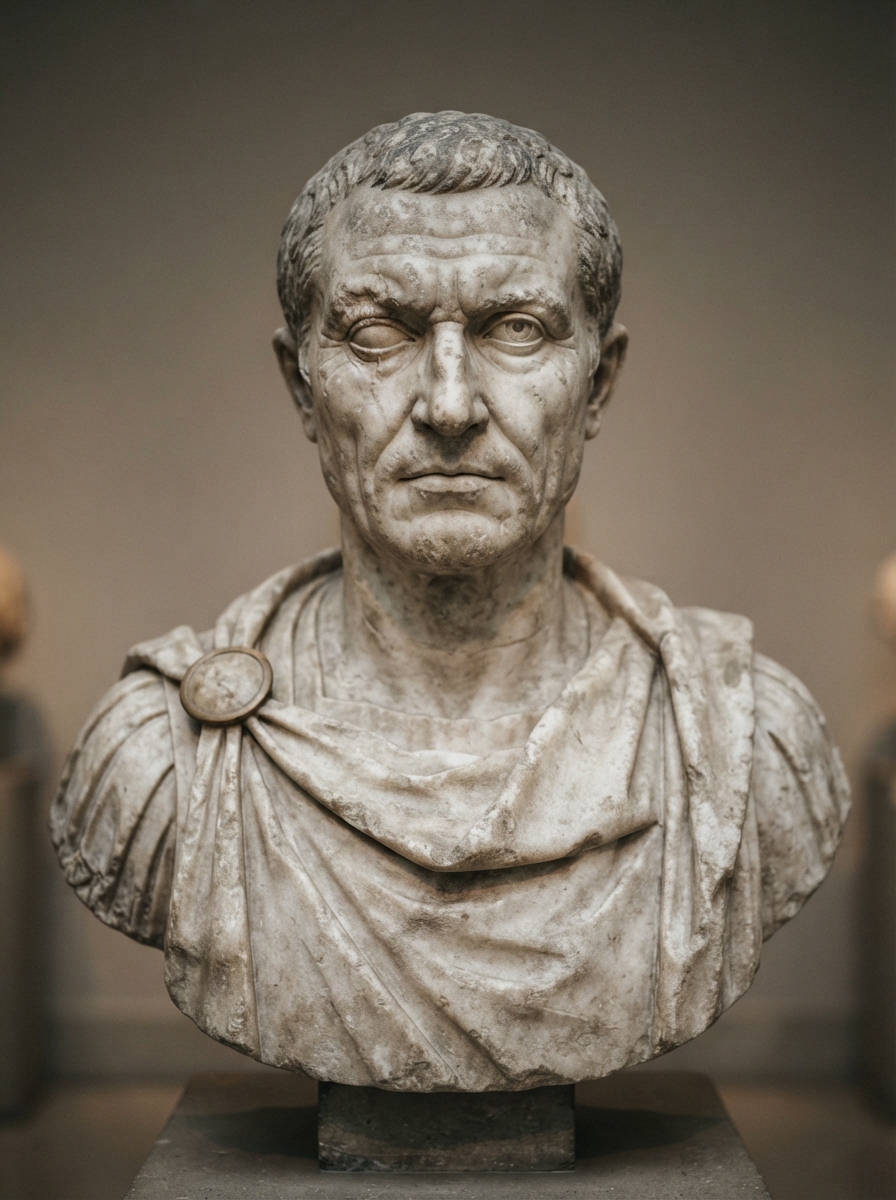
Sertorius
obscureThe rebel general who built a parallel Roman senate in Spanish exile and held off Pompey for years.
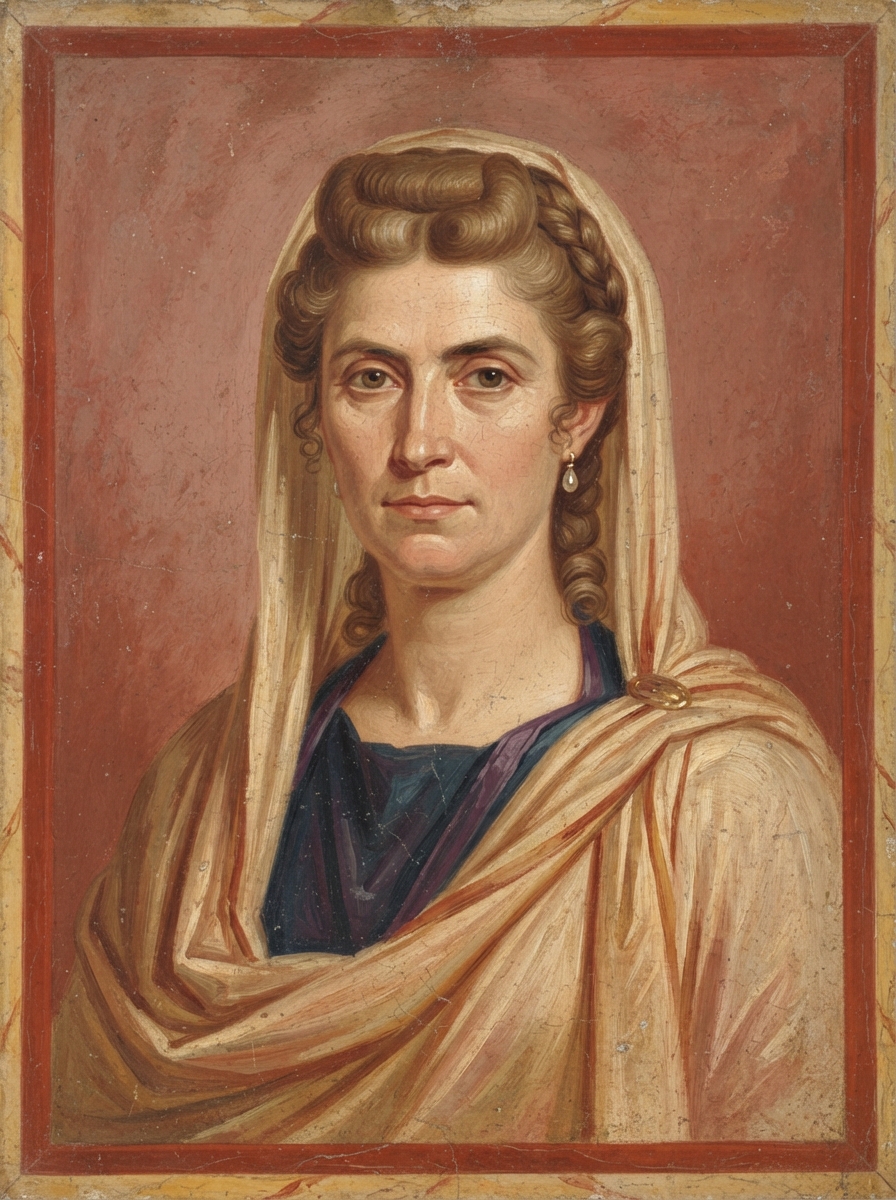
Servilia
obscureCaesar's mistress and Brutus's mother, who directed Roman politics entirely from behind the scenes.
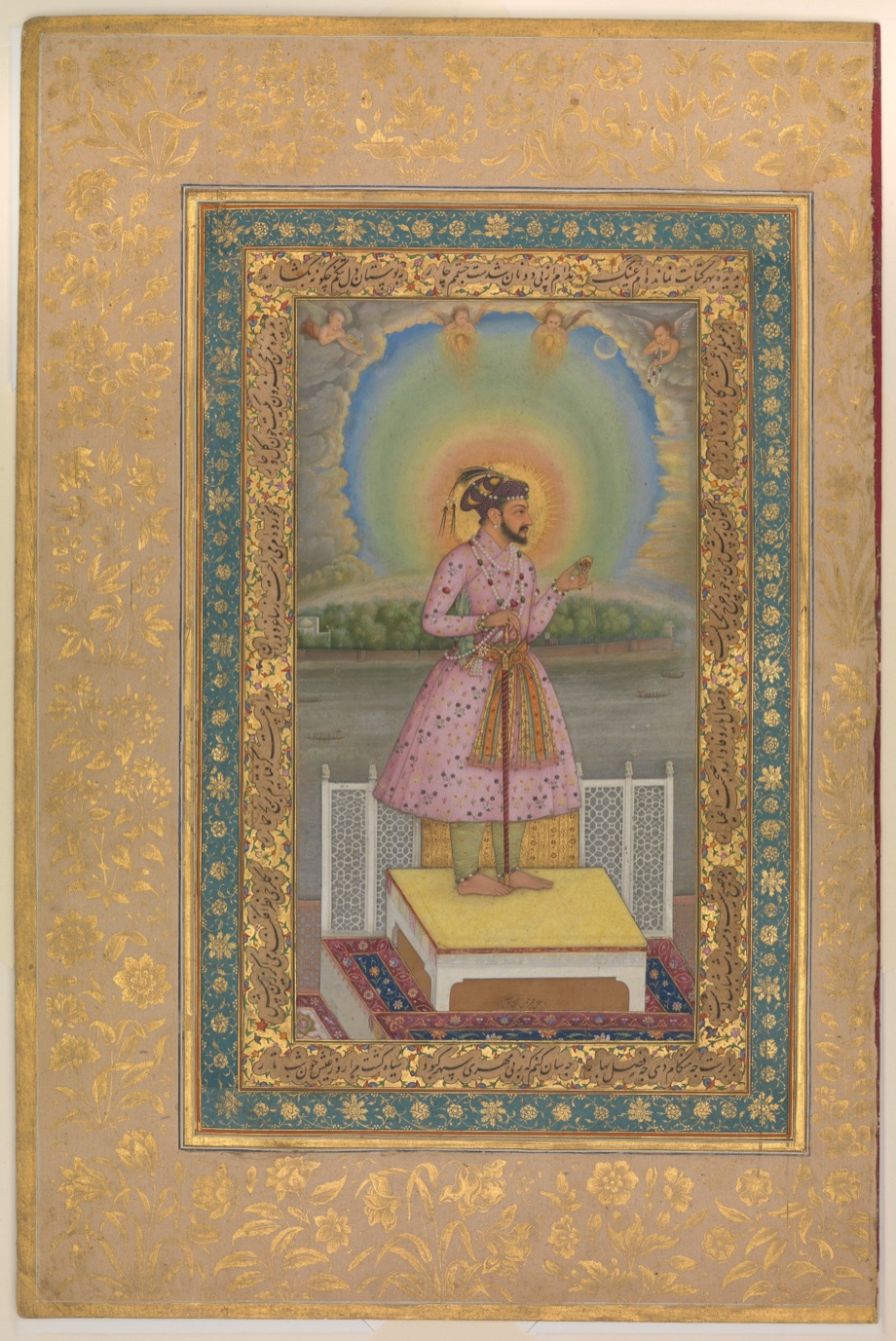
Shah Jahan
Shah Jahan organized imperial power into a sustained language of magnificence, while dynastic violence exposed the limits of the order he imagined.
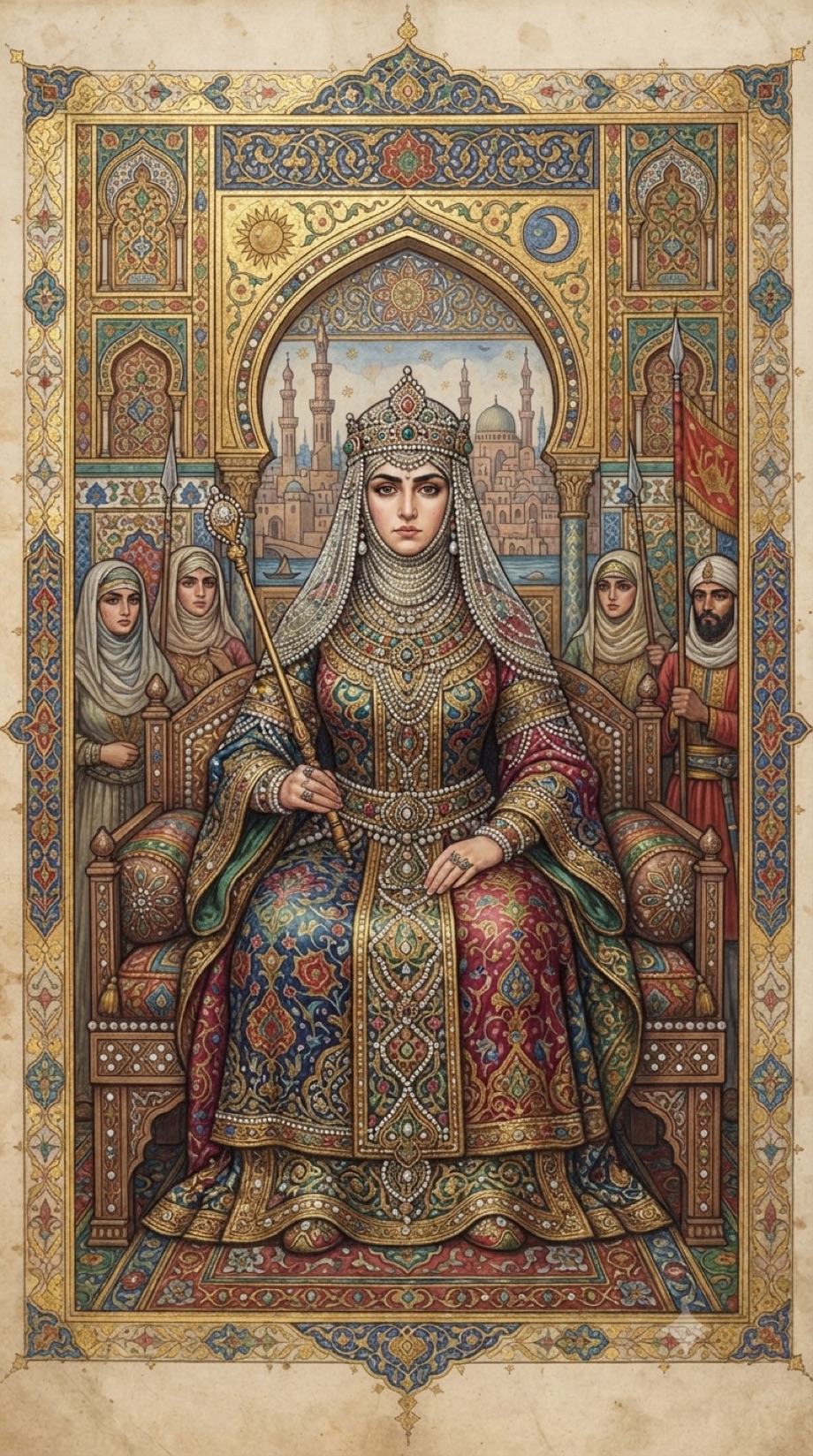
Shajar al-Durr
renownThe slave-concubine who concealed a dead sultan, saved Egypt, and crowned herself its only queen — the shadow-strategist INTJ.
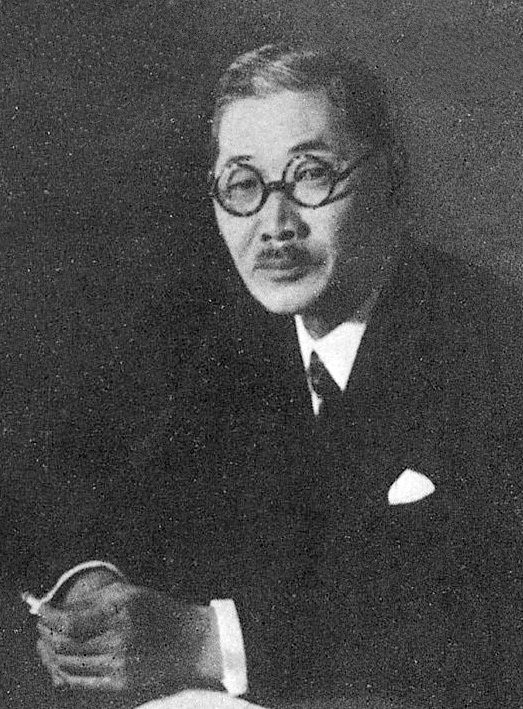
Shigenori Togo
notableThe foreign minister who opened the war reluctantly and forced its end.
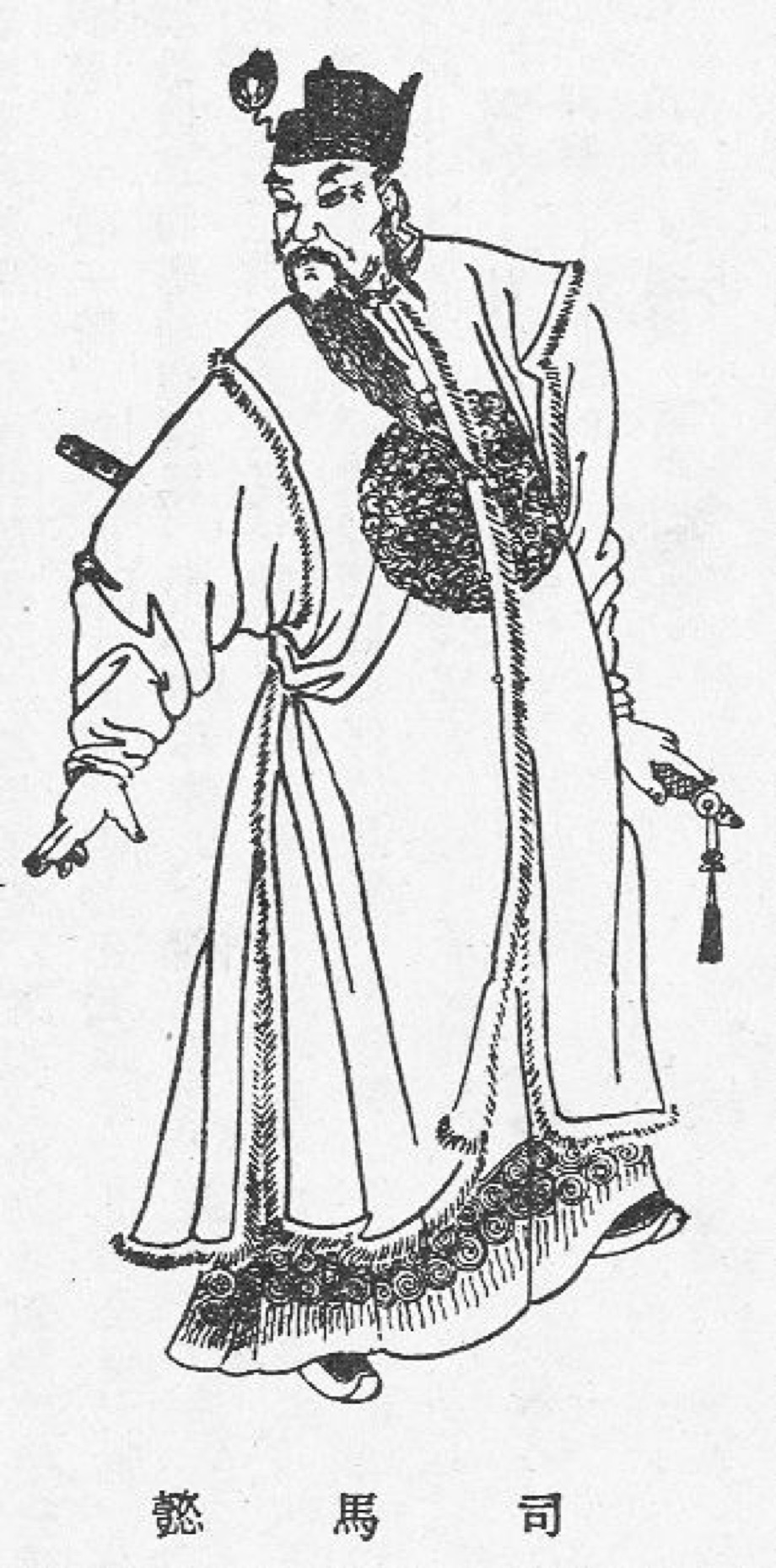
Sima Yi
The patient hawk who waited decades, then seized an empire in a single day
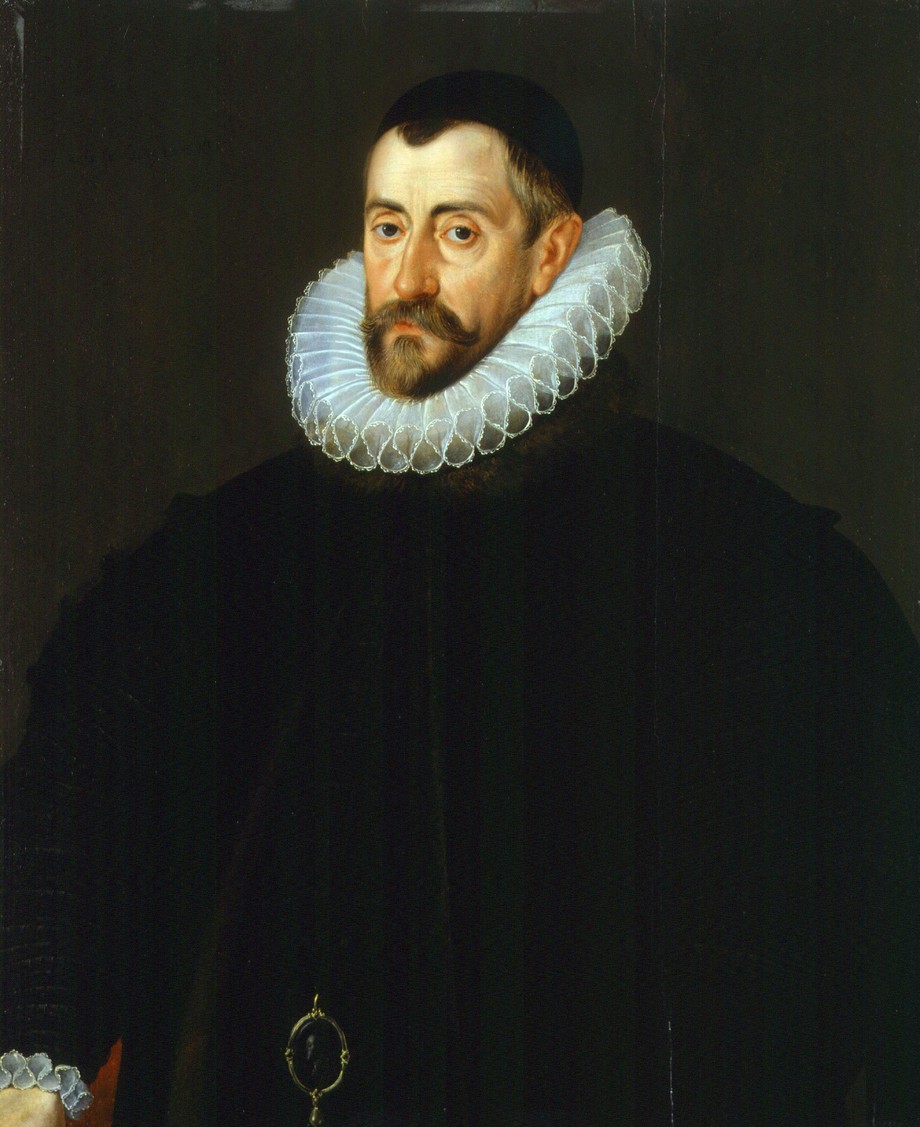
Sir Francis Walsingham
notableElizabeth's austere Puritan spymaster — the INTJ who built modern intelligence from the shadows and trapped Mary, Queen of Scots
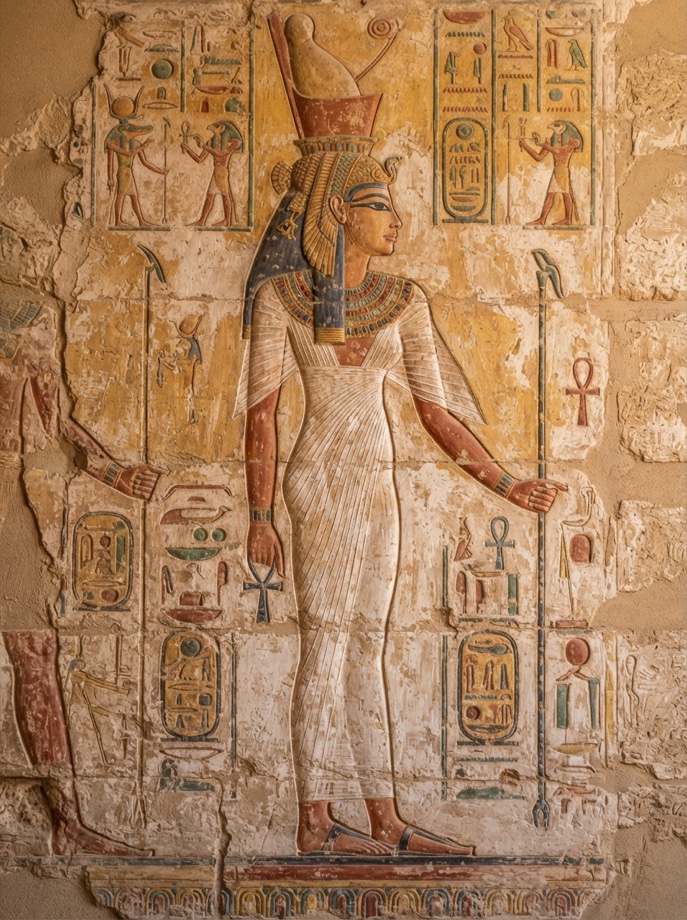
Sobekneferu
notableEgypt's first certain female pharaoh, improvising legitimacy three centuries before Hatshepsut.
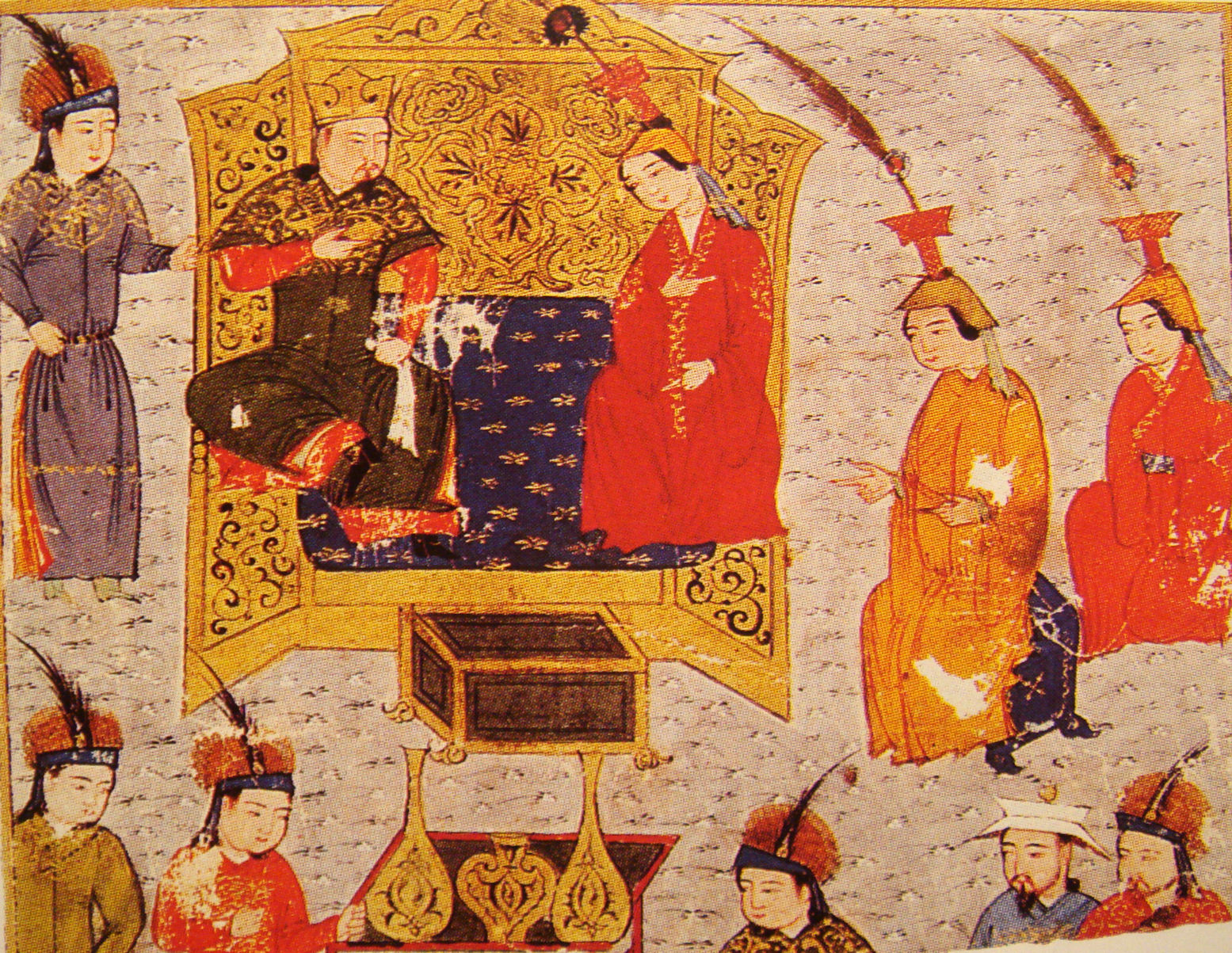
Sorghaghtani Beki
renownThe widow who raised four khans and willed an empire to her blood — the INTJ strategist who ruled from the shadows.
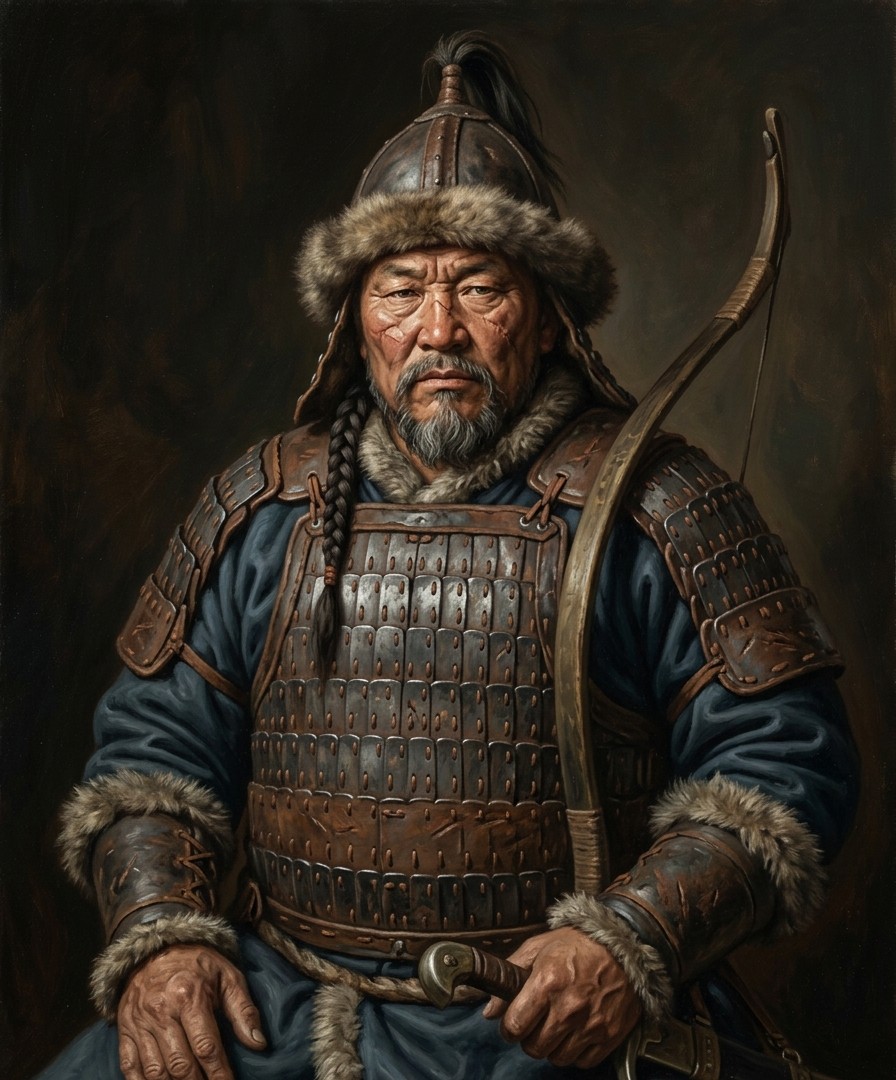
Subutai
notableThe blacksmith's son who became history's deadliest field commander — the cold INTJ strategist who conquered from behind the map
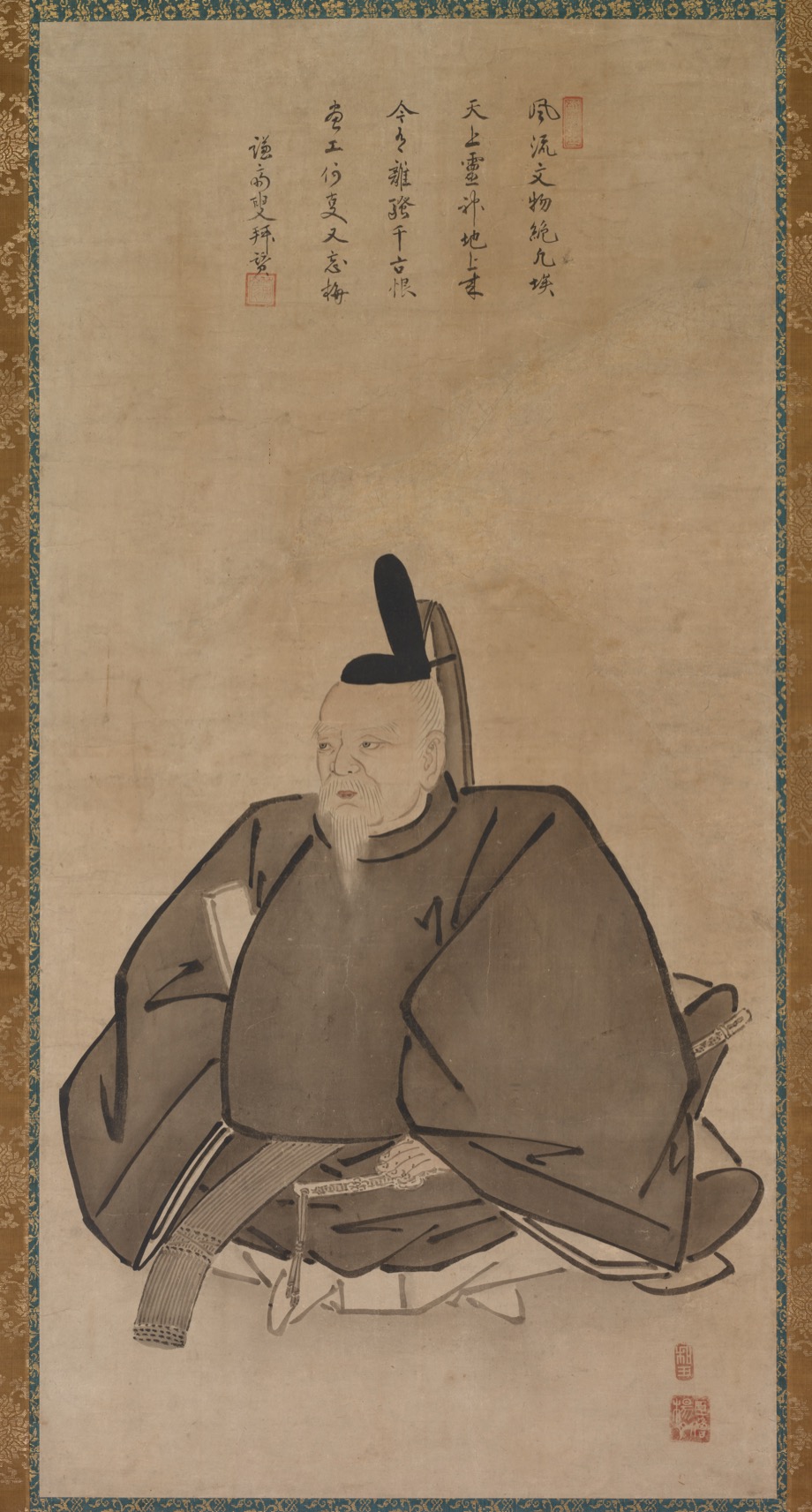
Sugawara no Michizane
renownThe scholar-minister whose learning brought him into imperial politics before exile and a very different afterlife as Tenjin.
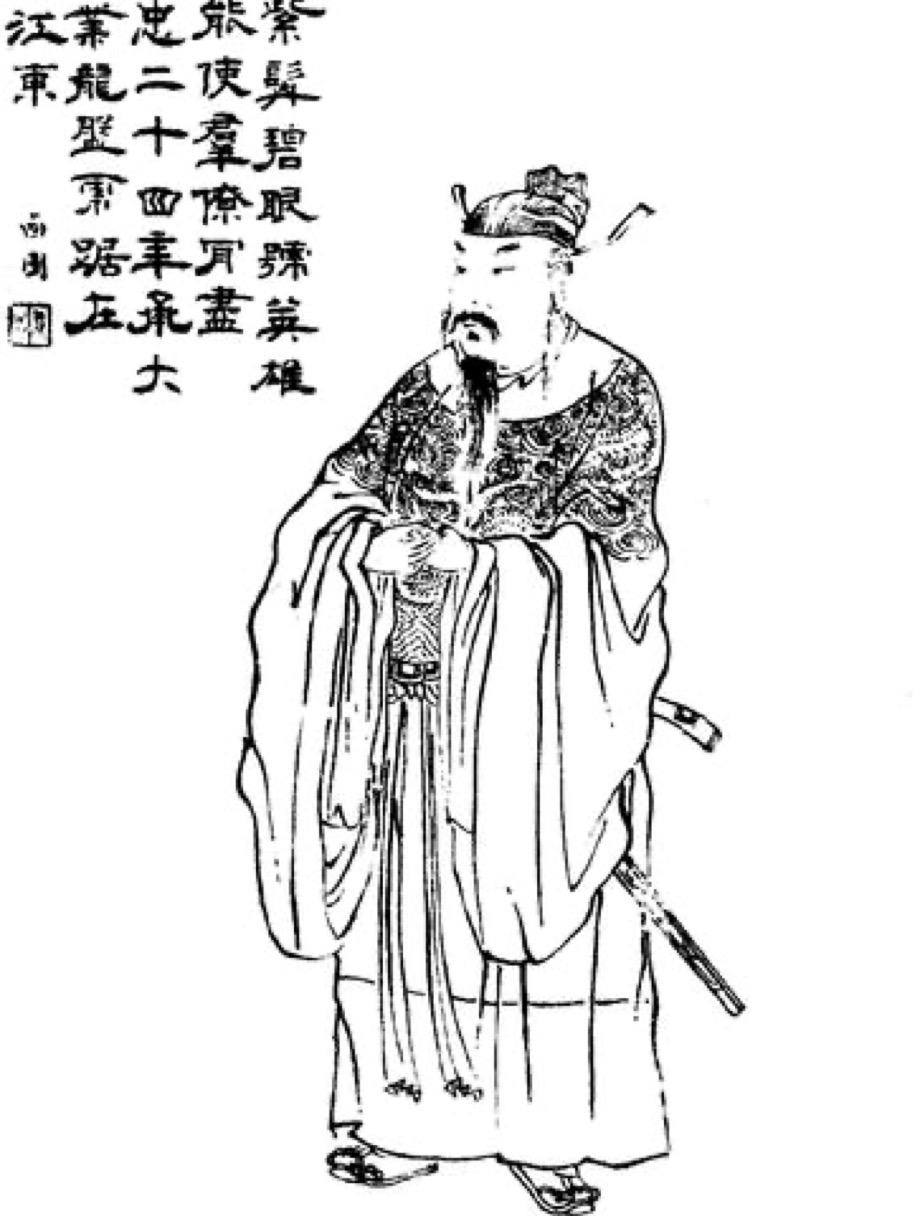
Sun Quan
The lord of Wu who outlasted every rival by knowing exactly when not to move
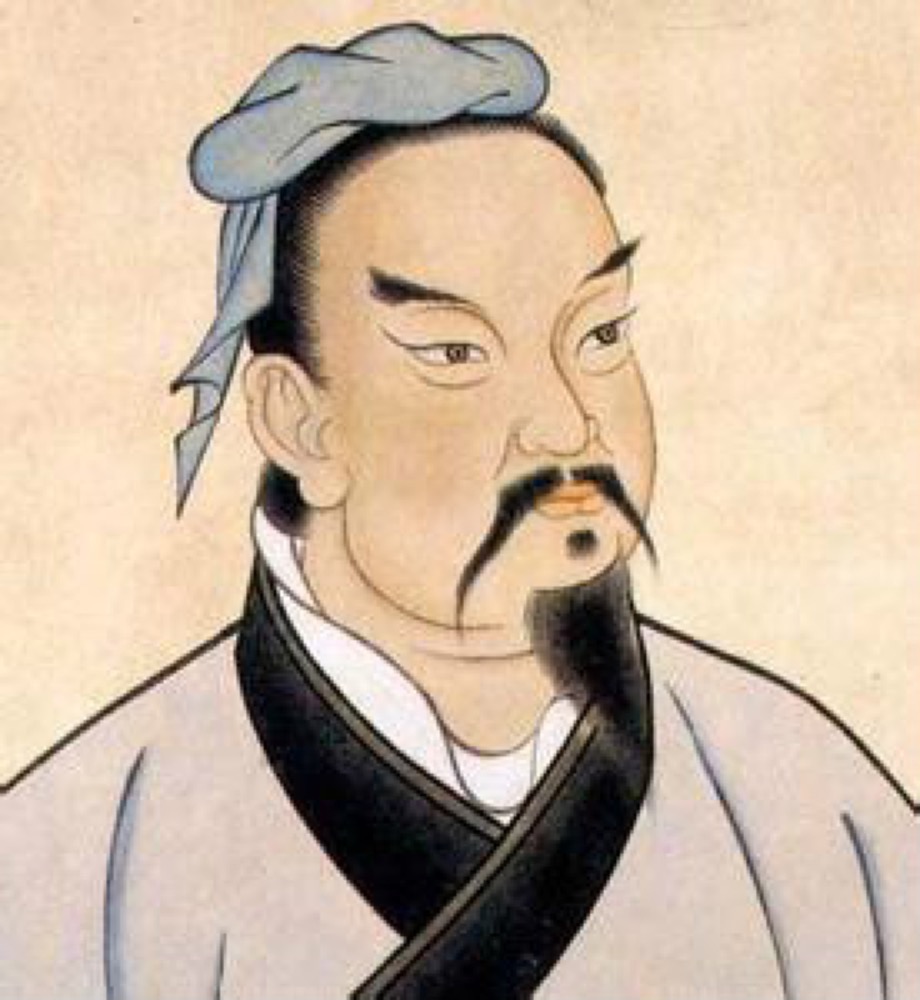
Sun Tzu
The strategist whose Art of War outlived every dynasty that used it.
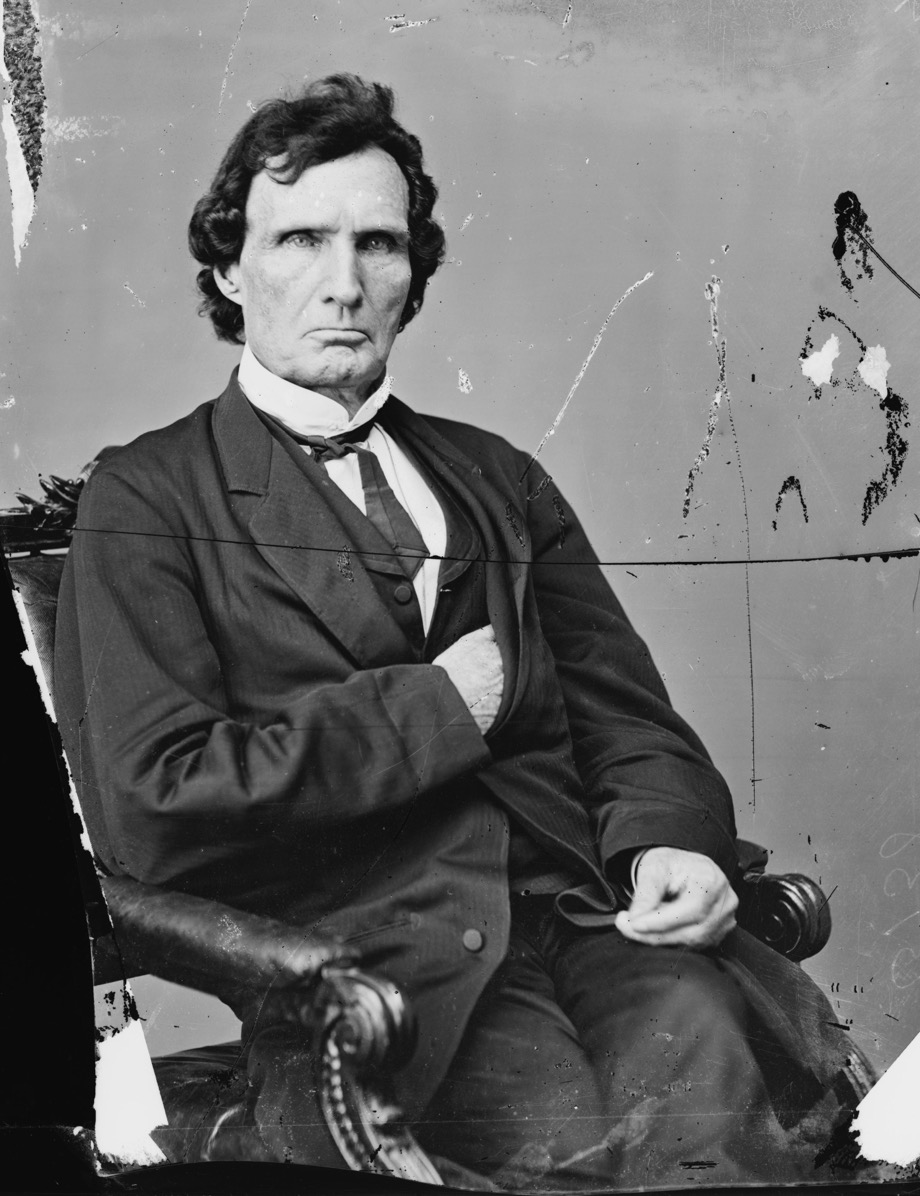
Thaddeus Stevens
notableThe Radical Republican who pushed Lincoln toward emancipation faster than he wanted to go
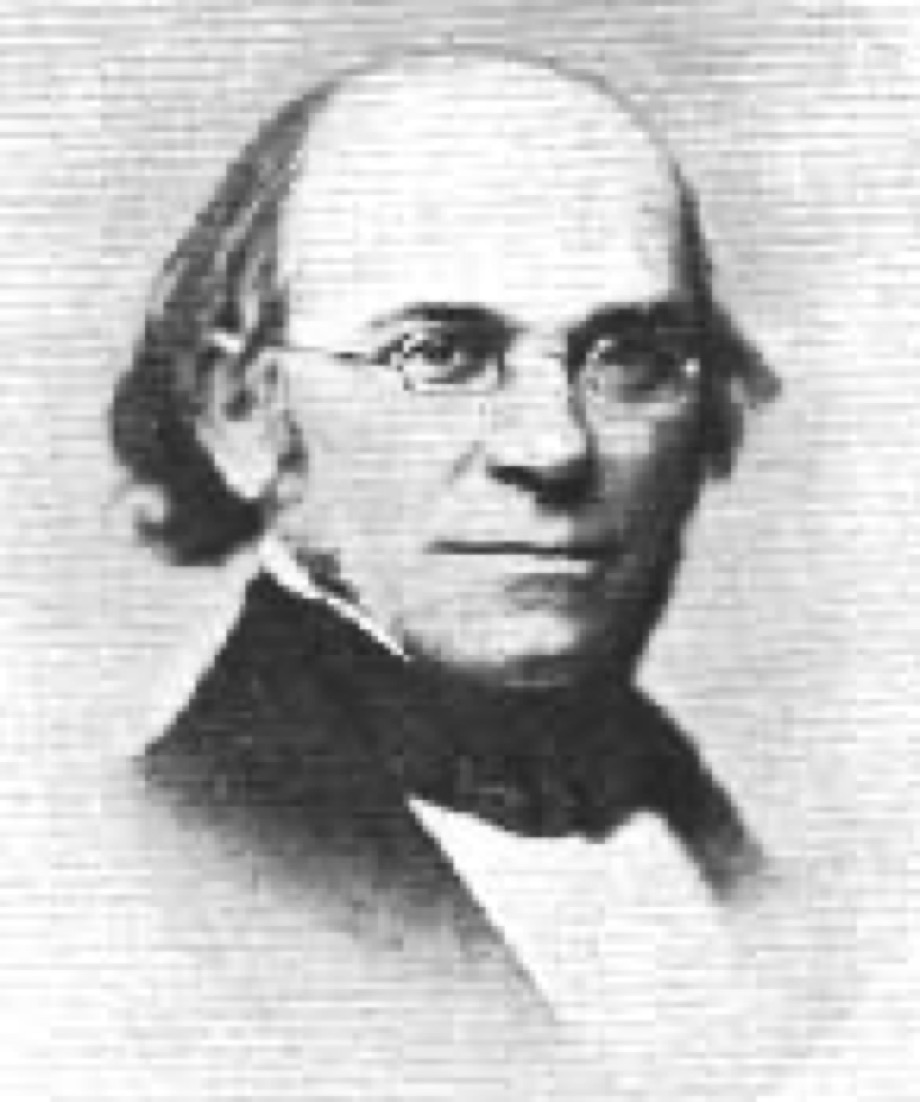
Theodore Parker
notableThe polymath preacher whose 'arc of the moral universe' outlived him by a century
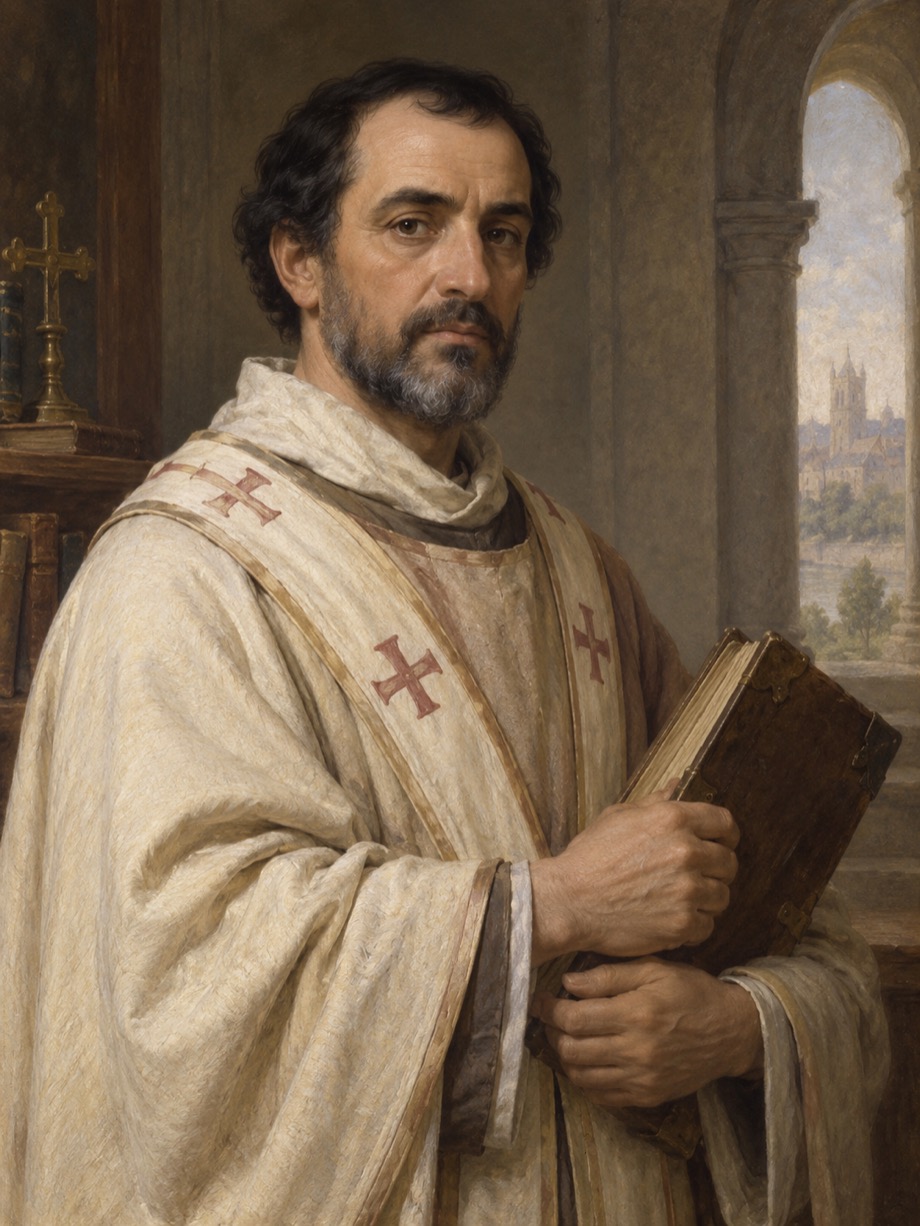
Theodulf of Orléans
notableTheodulf of Orléans joined exacting theology to the correction of texts, schools, and public conduct.
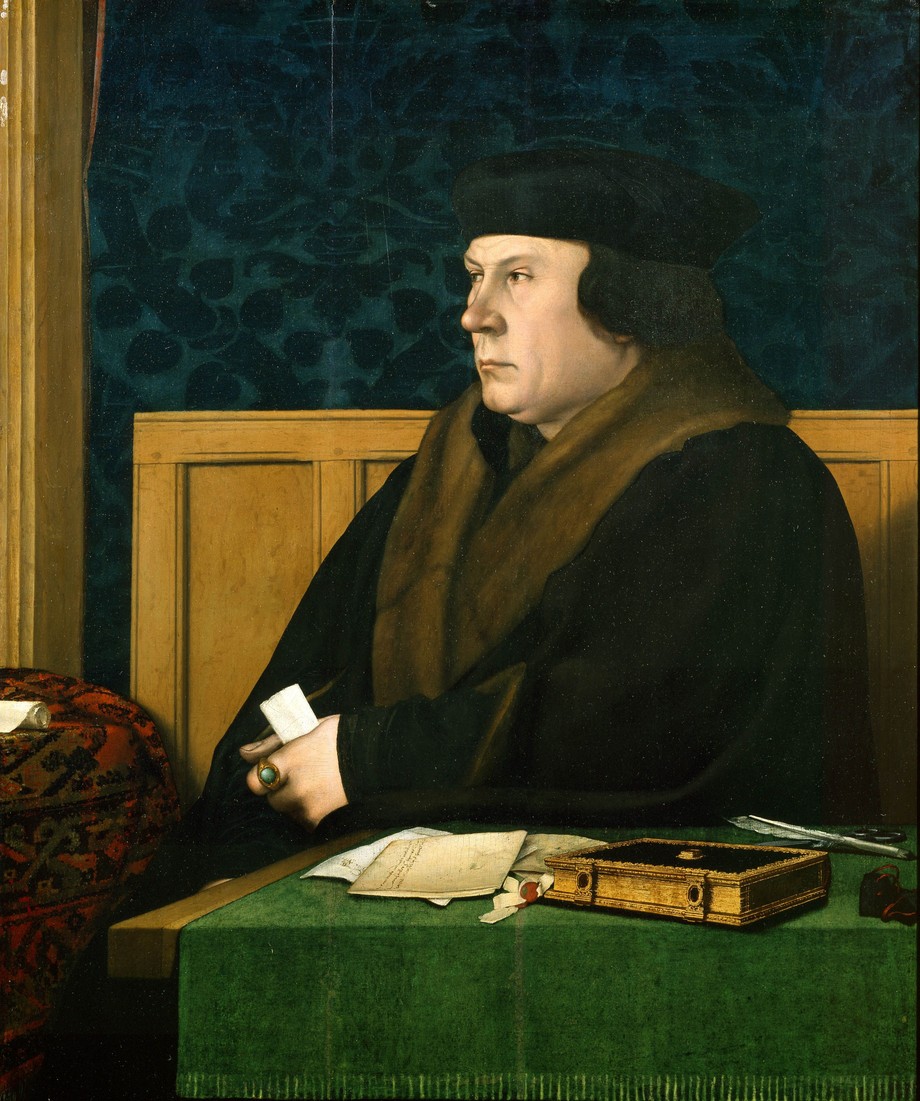
Thomas Cromwell
renownThe blacksmith's son and INTJ architect of the English Reformation, who broke with Rome and built the Tudor state from behind the throne
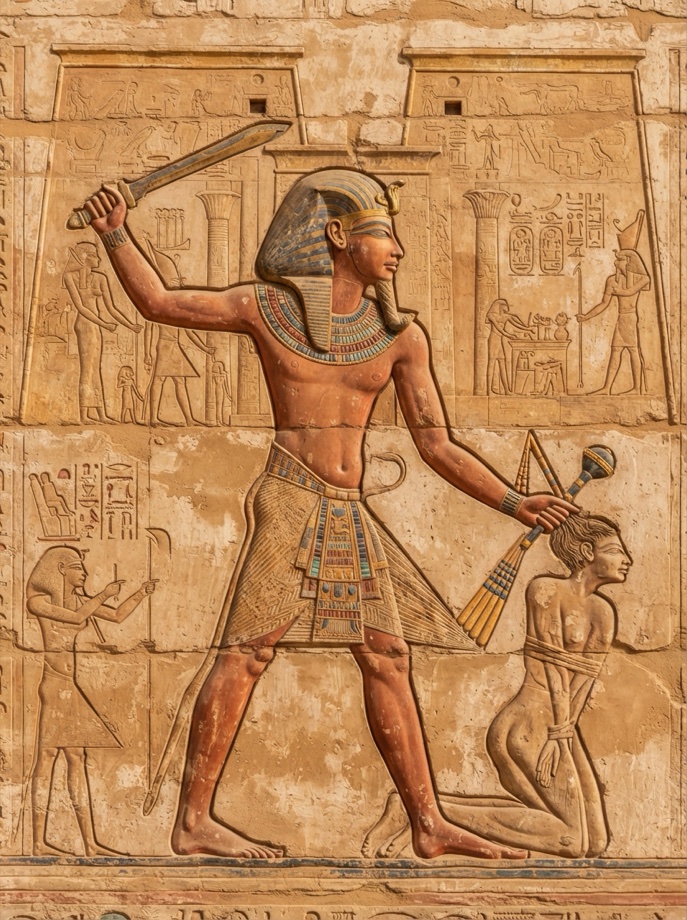
Thutmose III
renownEgypt's 'Napoleon,' who waited two decades and then conquered with total precision.
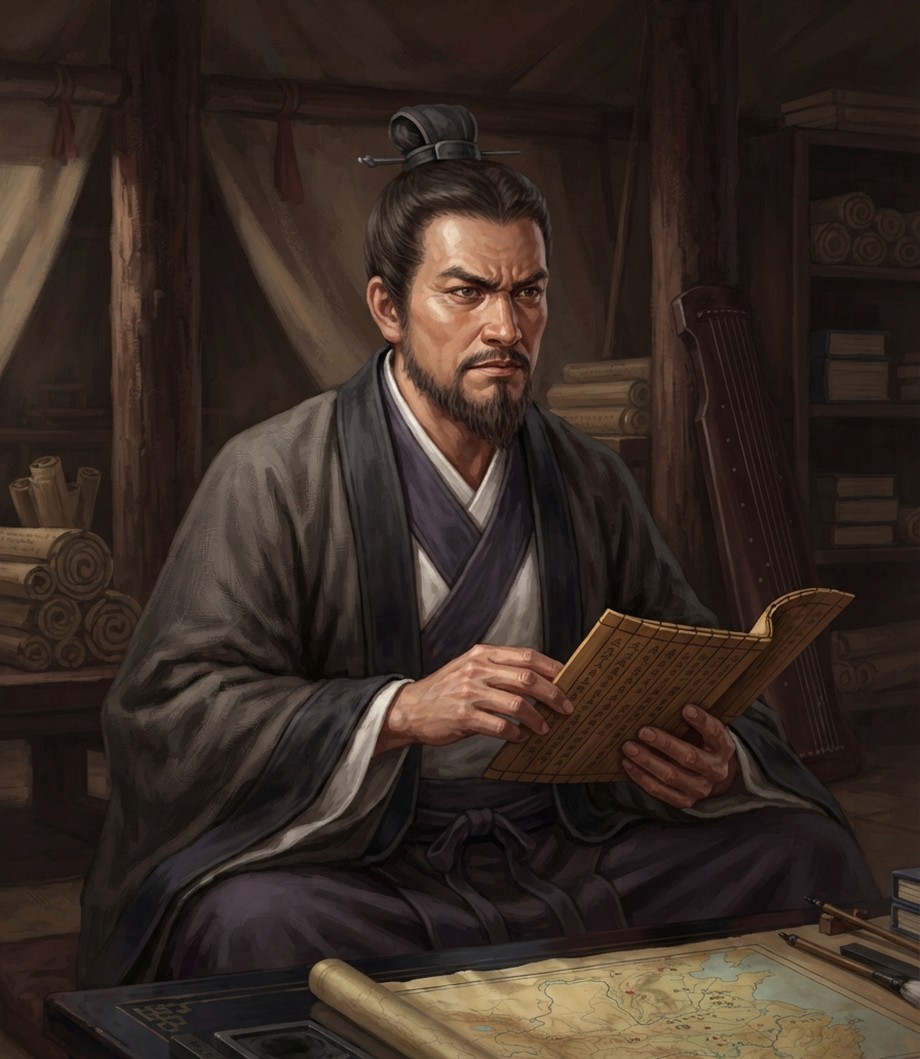
Tian Feng
obscureThe advisor who was right about Guandu and was executed for it.
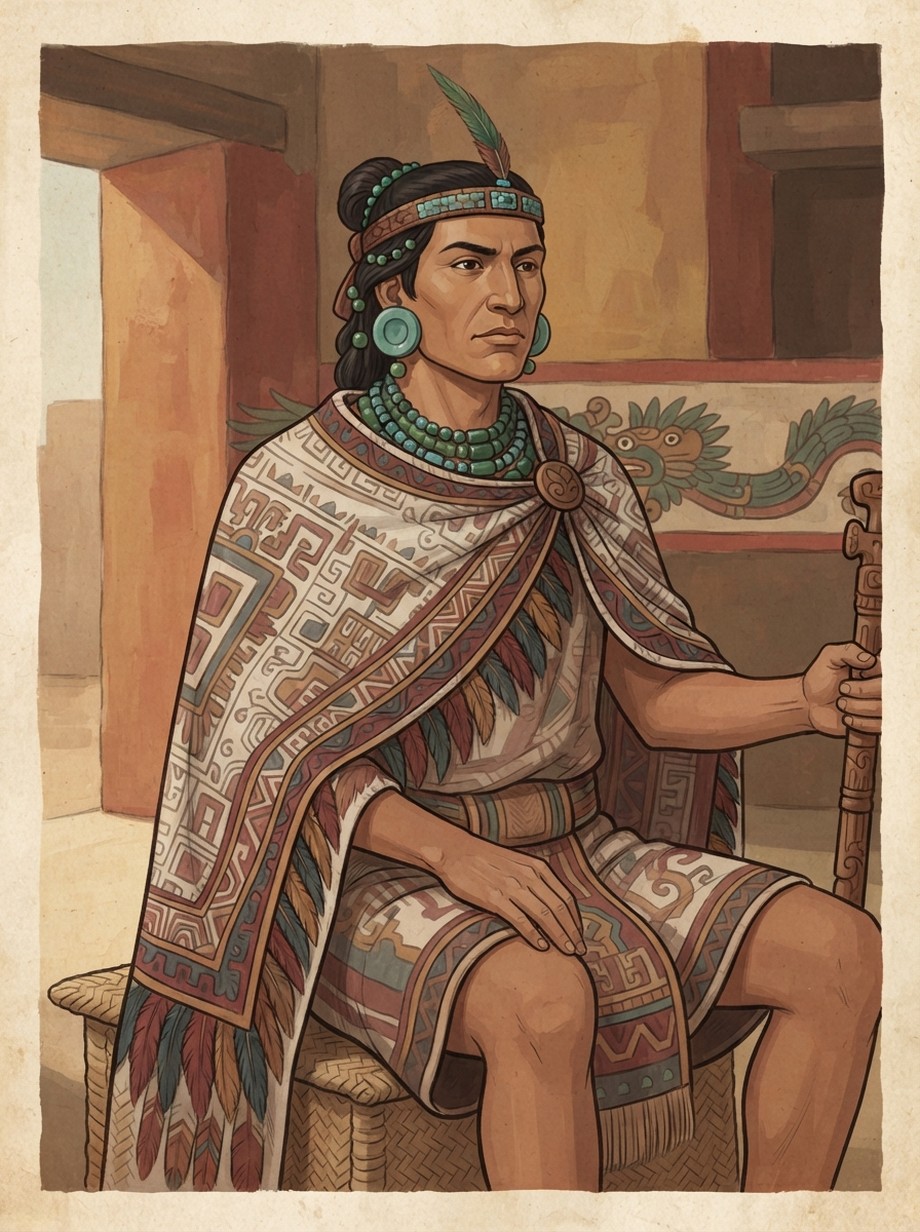
Tlacaelel
renownThe power behind five thrones — architect of Mexica ideology, law, and the flower wars.
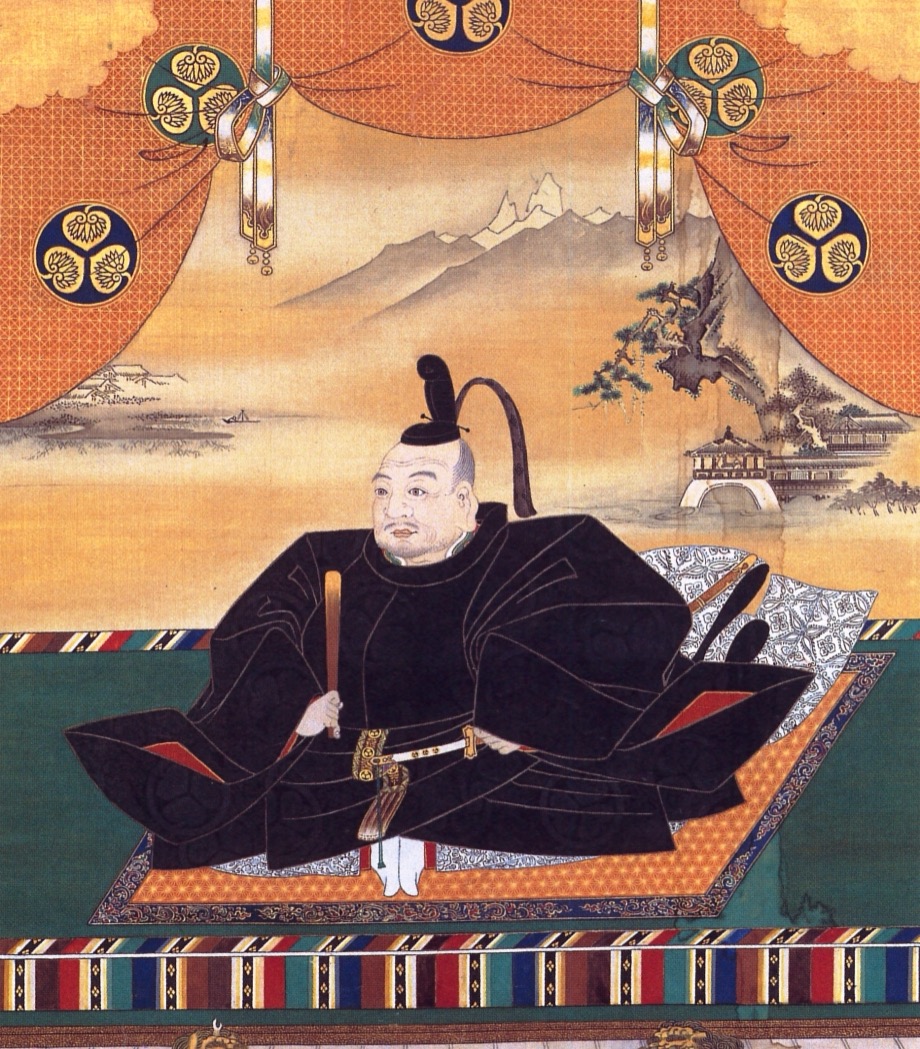
Tokugawa Ieyasu
The patient one who waited out Nobunaga and Hideyoshi, won Sekigahara, and built a peace that lasted 260 years — the endgame master INTJ.
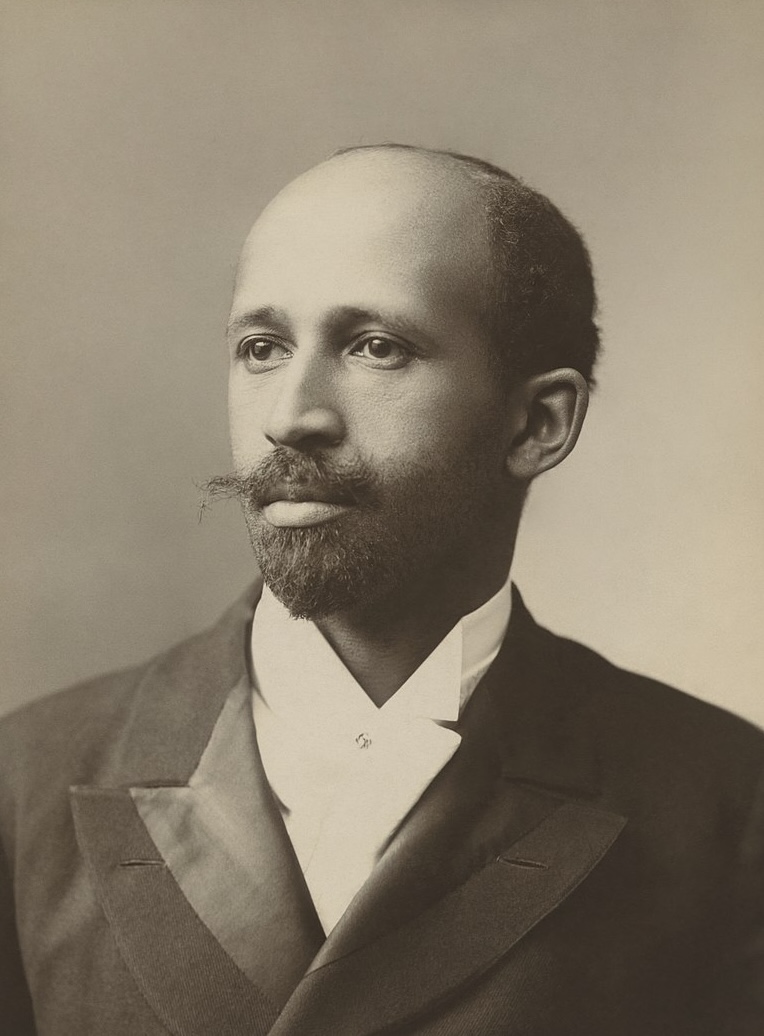
W. E. B. Du Bois
renownSociologist, Historian, Pan-Africanist, and Architect of Modern Black Consciousness.
Wala of Corbie
notableThe Carolingian aristocrat and abbot whose defense of imperial order survives through a fiercely partisan memorial.
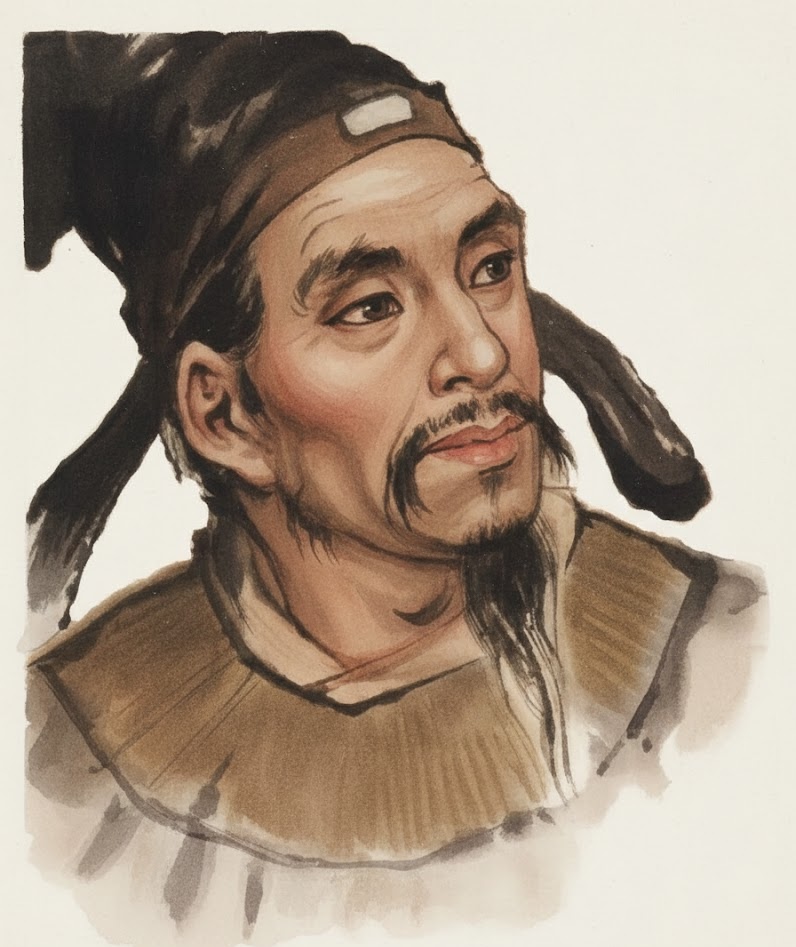
Wang Wei
notablePoet, Painter, Musician — Architect of Emptiness.
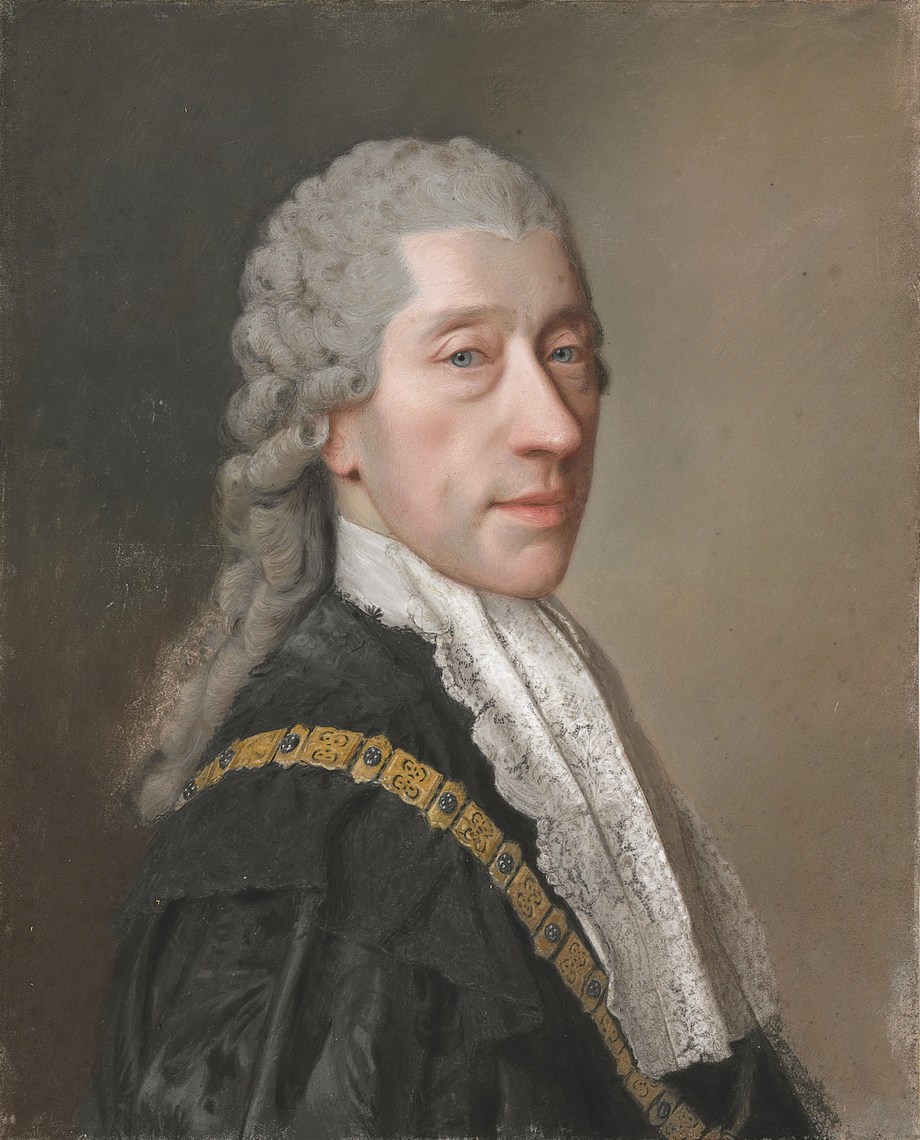
Wenzel Anton von Kaunitz
notableState Chancellor for forty years — the INTJ strategist who reversed Europe's oldest enmity and steered the continent from behind a closed door
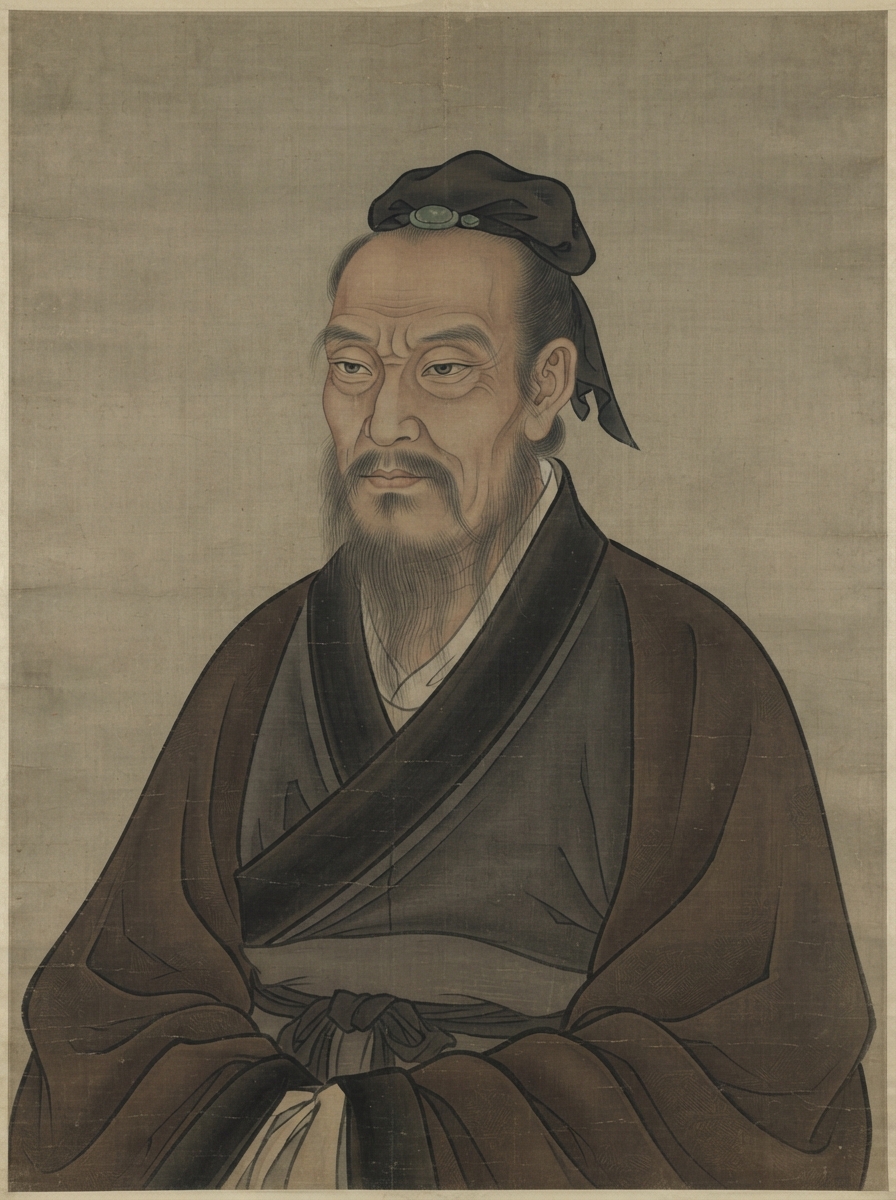
Xunzi
notableThe Confucian who argued human nature was bad and taught the men who built Legalism.
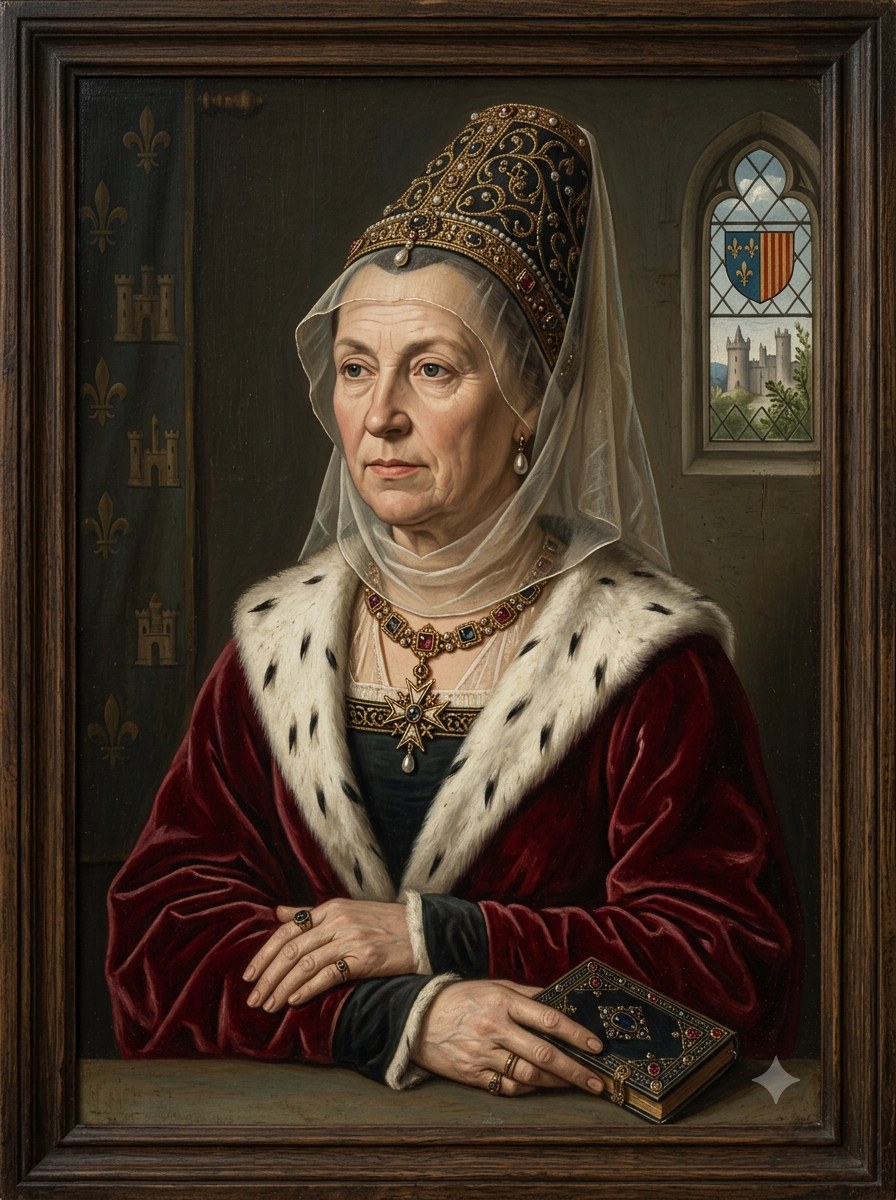
Yolande of Aragon
renownThe 'Queen of Four Kingdoms' who made Charles VII king and bankrolled Joan — the hidden INTJ matriarch-strategist.
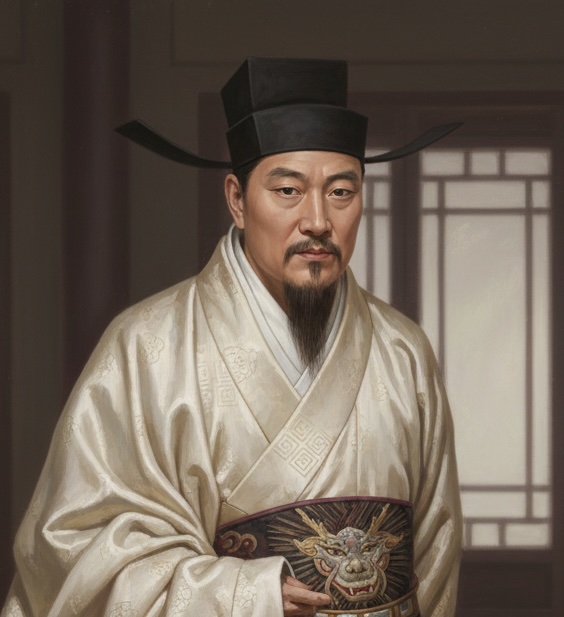
Zhang Jiuling
notableChancellor, Remonstrator, Structural Guardian.
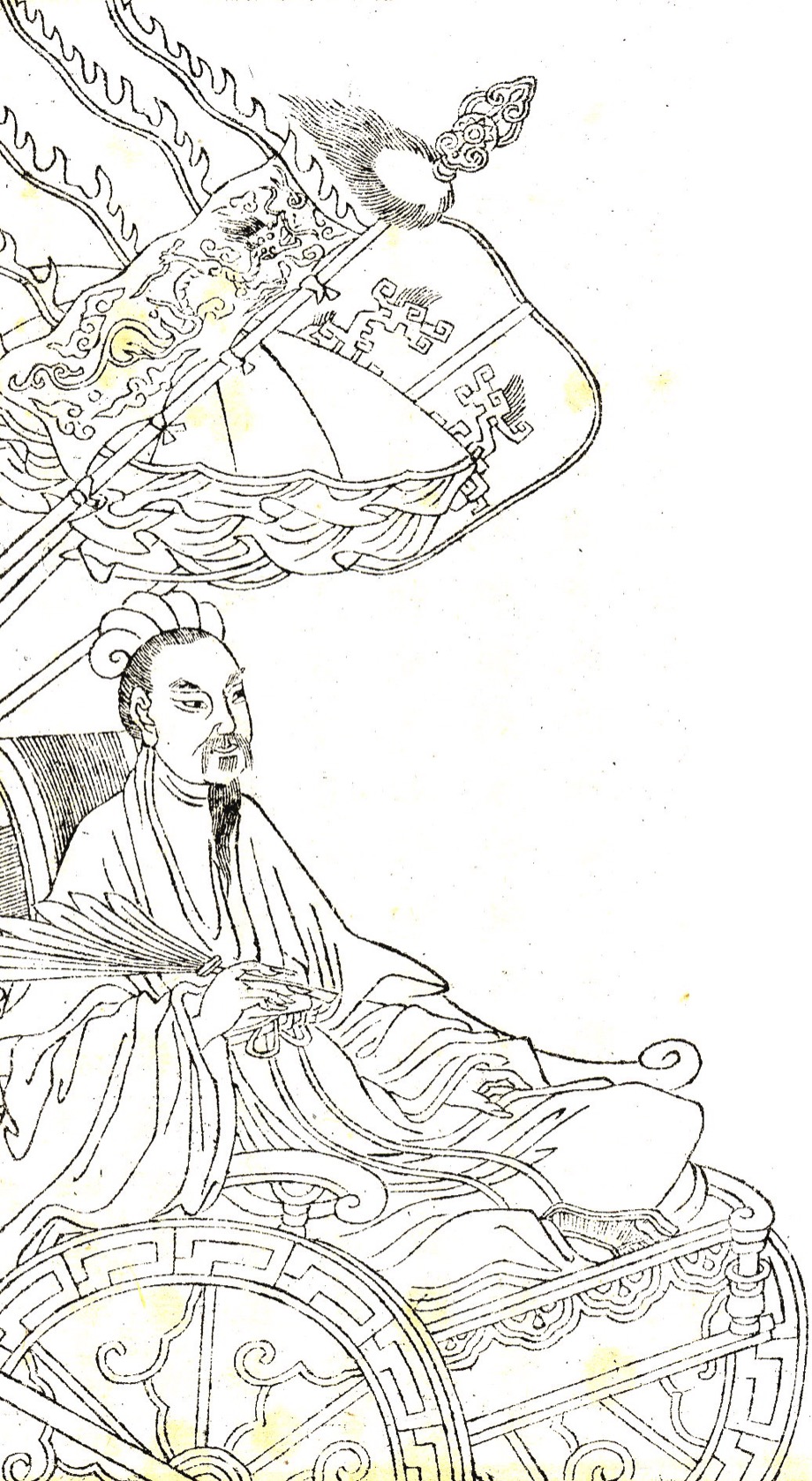
Zhuge Liang
The Sleeping Dragon whose loyalty to a doomed cause never wavered
Explore Other Types
