 Historical Figure MBTI
Psychological Profile
Sensitive practitioners of aesthetic truth who live for personal expression and sensory experience.
Dominant Fi gives the ISFP a private moral and aesthetic universe of unusual intensity — a living sense of what is authentic, what is beautiful, and what matters, which operates as both a constant companion and a standard so personal it often resists translation into language. Auxiliary Se then brings this interior world into contact with physical reality in the most direct way possible: through touch, craft, sensation, and the immediate act of making, the ISFP finds that their feelings become visible without needing to be explained. Tertiary Ni lends the ISFP's choices a quality of symbolic depth — a felt sense that certain objects, moments, and encounters carry more meaning than they appear to, and that their own life, however quietly lived, is moving toward something. The inferior Te is the great obstacle and the latent resource: the capacity for external structure and objective planning that the ISFP resists as a constraint on freedom, yet which, when the accumulated pressure of neglected practicalities finally breaks through, can emerge as a sudden and surprisingly forceful drive to simply make things work.
Introverted Feeling
The ISFP is guided by an intense, private moral and aesthetic compass. They live for personal authenticity and current emotional truth, experiencing life through a prism of deeply felt values that they may never fully articulate.
Extraverted Sensing
Se brings the ISFP's values into the physical world. It provides a profound appreciation for beauty, detail, and sensory experience, allowing them to express their inner world through art, craftsmanship, or the simple 'flow' of being.
Introverted Intuition
Ni provides the ISFP with a sense of deeper meaning and future potential. It gives their aesthetic or moral choices a sense of symbolic weight, allowing them to perceive patterns in their own lives and the world at large.
Extraverted Thinking
Imposing order and structure can feel like a violation of their freedom. Inferior Te manifests as a struggle with long-term planning and objective metrics, though it can manifest as a sudden, rigid focus on efficiency when they are pushed to the limit.
The Historical Role
Cultural muses and practitioners of aesthetic truth. They appear in history as the figures who express, through a chosen medium and with an authenticity that cannot be faked, something about the interior texture of being alive that no argument or doctrine could convey. They are the painters who worked from feeling rather than formula, the musicians whose performances were inseparable from their vulnerability, the poets who reported faithfully on the inner life without abstracting it into ideology. The ISFP's gift is fundamentally sensory and personal — a fidelity to lived experience, to beauty as a form of knowledge, to the expression of values that are felt before they are named — and what the historical record preserves of them is almost always the work itself: the thing made, the performance given, the gesture that revealed an inner life more precisely than any self-portrait could.
ISFPs in history often represent the intuitive and aesthetic pulse of their era—those who live for personal expression and the direct experience of beauty and tragedy.
Historical Figures
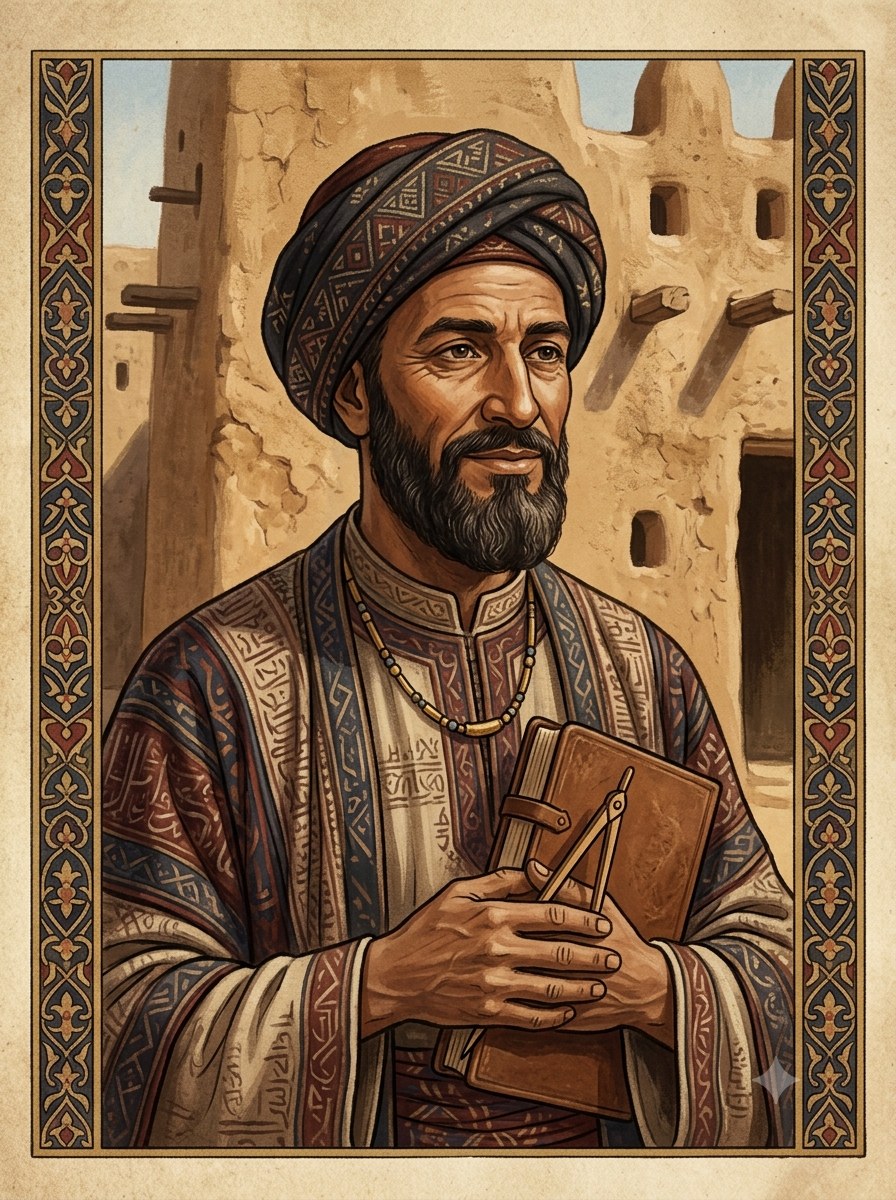
Abu Ishaq al-Sahili
notableThe Granada poet-architect who crossed the Sahara to build for Mansa Musa — the ISFP who raised Timbuktu's mosque.
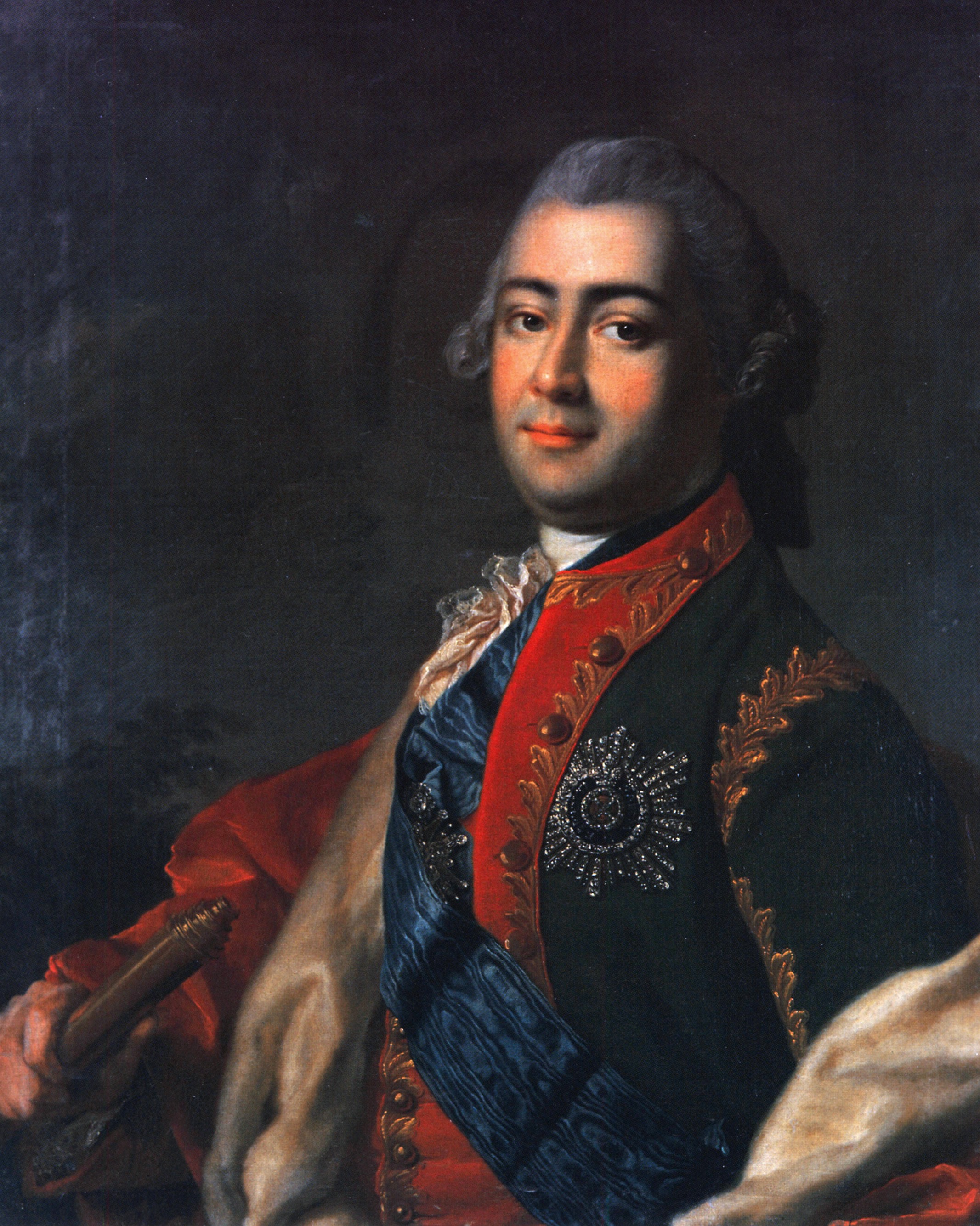
Alexei Razumovsky
notableUkrainian Cossack chorister who secretly wed Empress Elizabeth — the gentle ISFP 'night emperor' who declined to wield power.
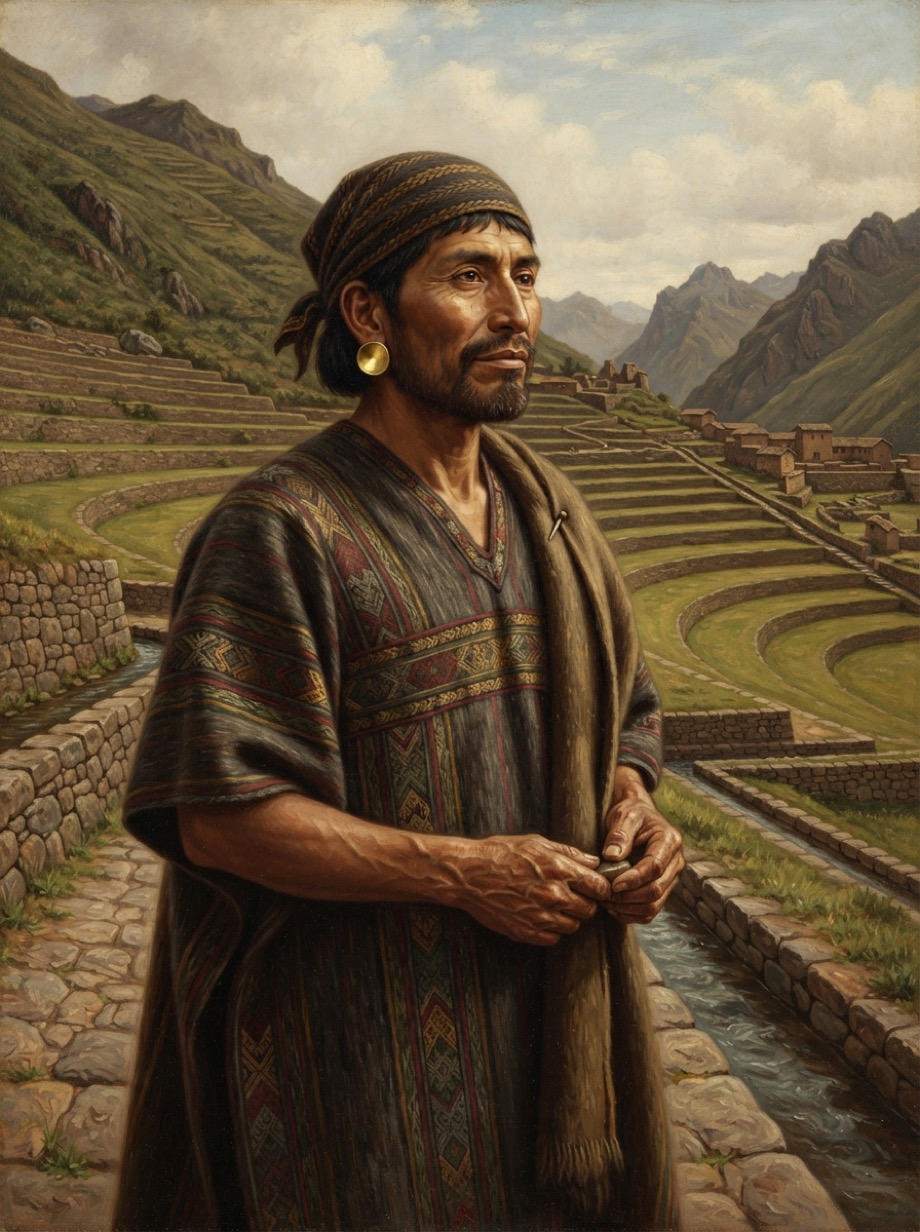
Amaru Topa Inca
obscurePachacuti's passed-over heir — set aside as insufficiently warlike, spent his life on terraces and irrigation instead.
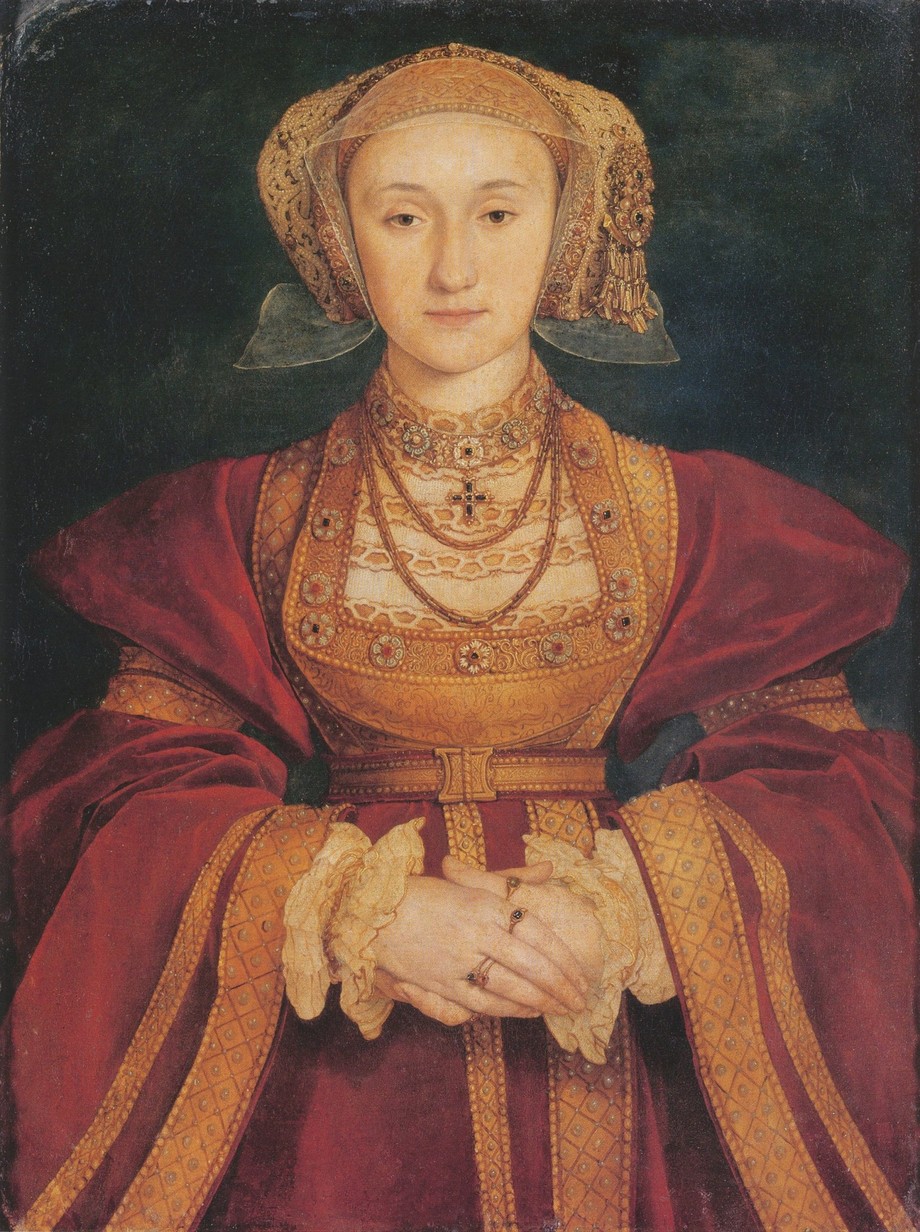
Anne of Cleves
notableThe princess Henry could not bear to touch, who agreed to her own annulment and outlived every other wife — the ISFP who won by losing
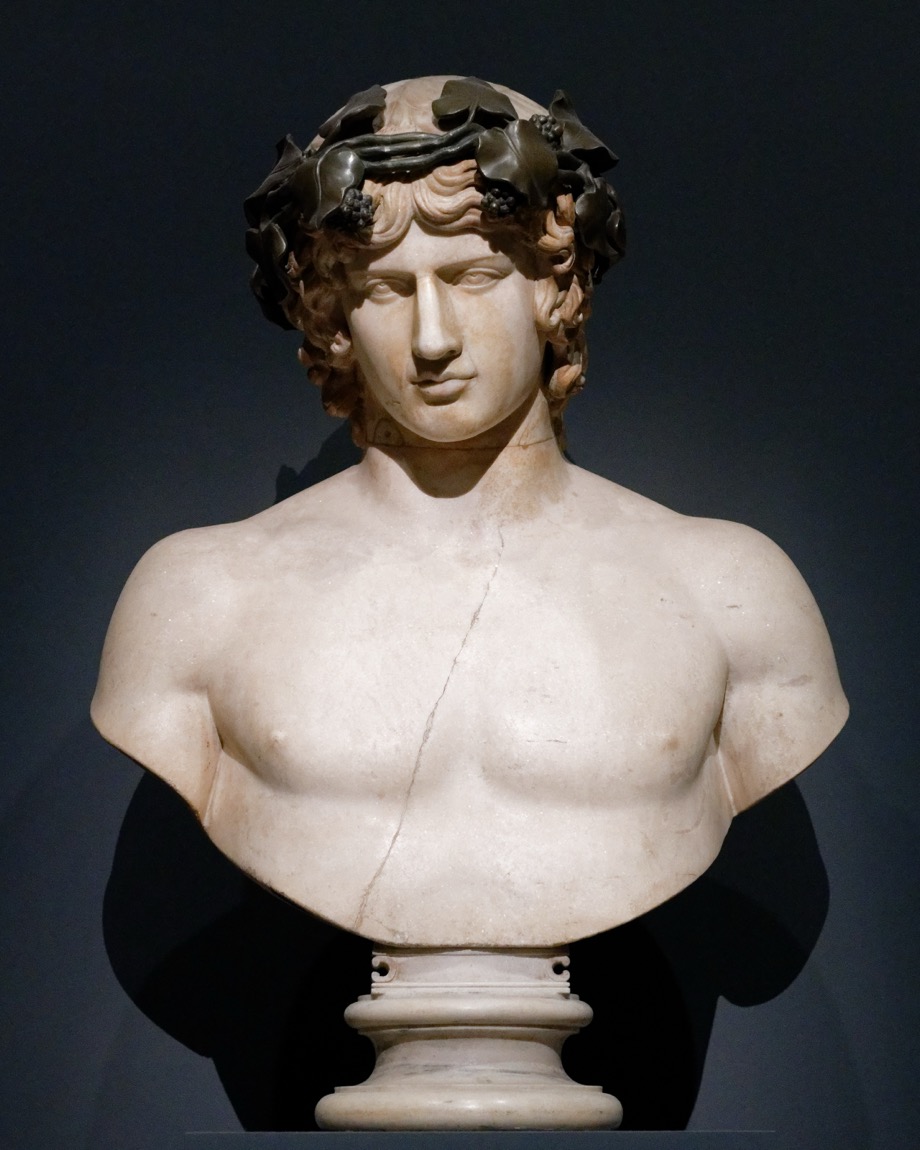
Antinous
obscureHadrian's beloved companion, drowned in the Nile at twenty and deified with thousands of statues across the empire.
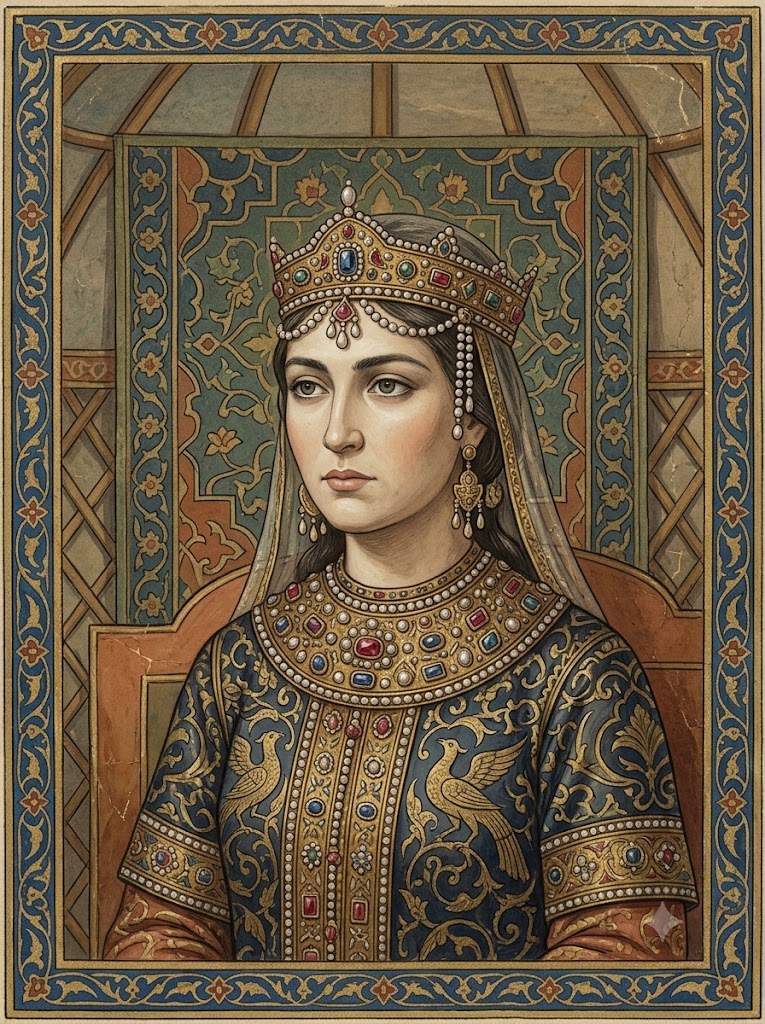
Bayalun
notableThe Byzantine princess wed to the khan, longing for home — the ISFP caught between two worlds in Ibn Battuta's tale.
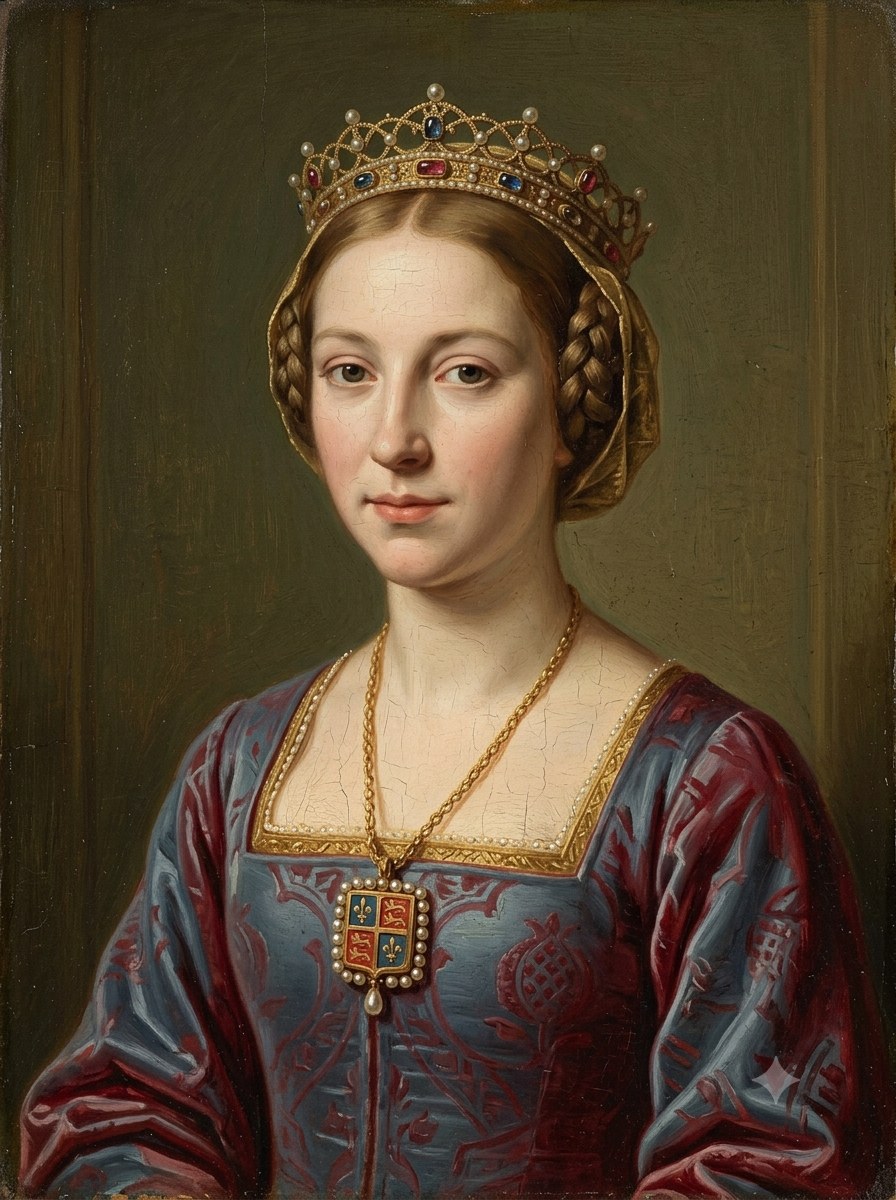
Catherine of Valois
notableHenry V's queen who secretly wed a Welsh commoner for love — the ISFP whose heart founded the Tudor dynasty.
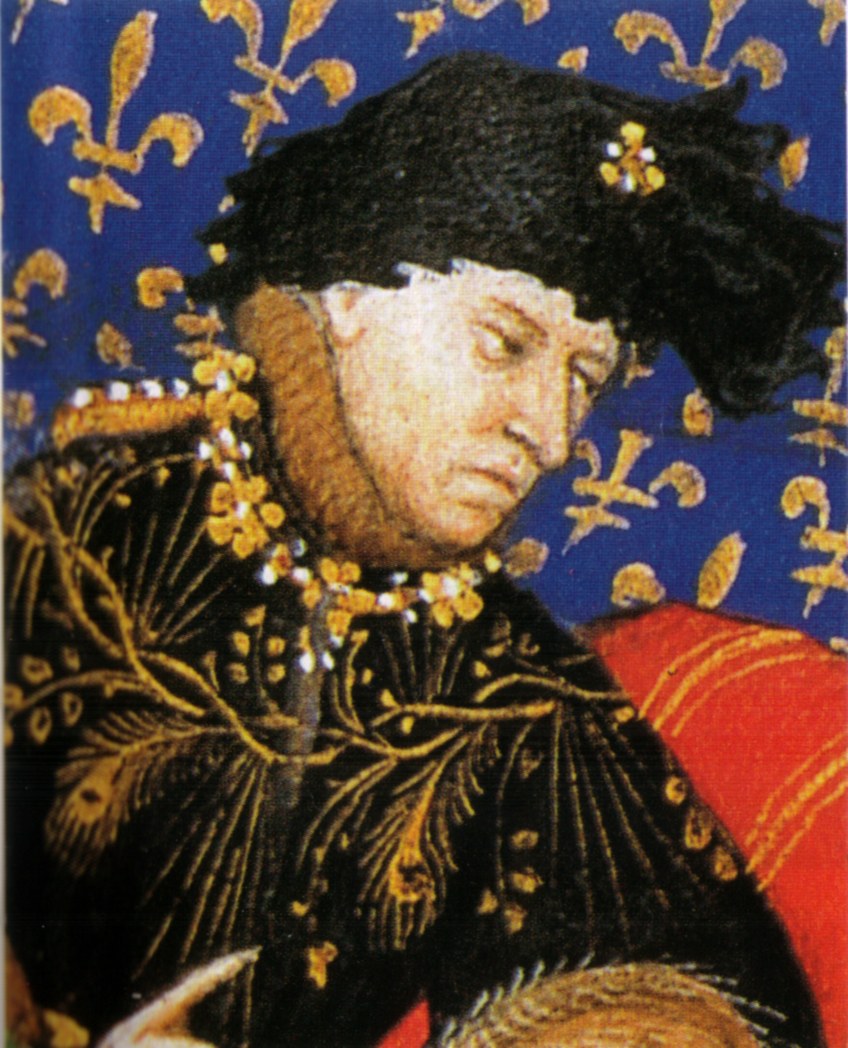
Charles VI
notableThe gentle French king broken by madness — the 'glass king' whose delusion let England in; an ISFP lost to illness.
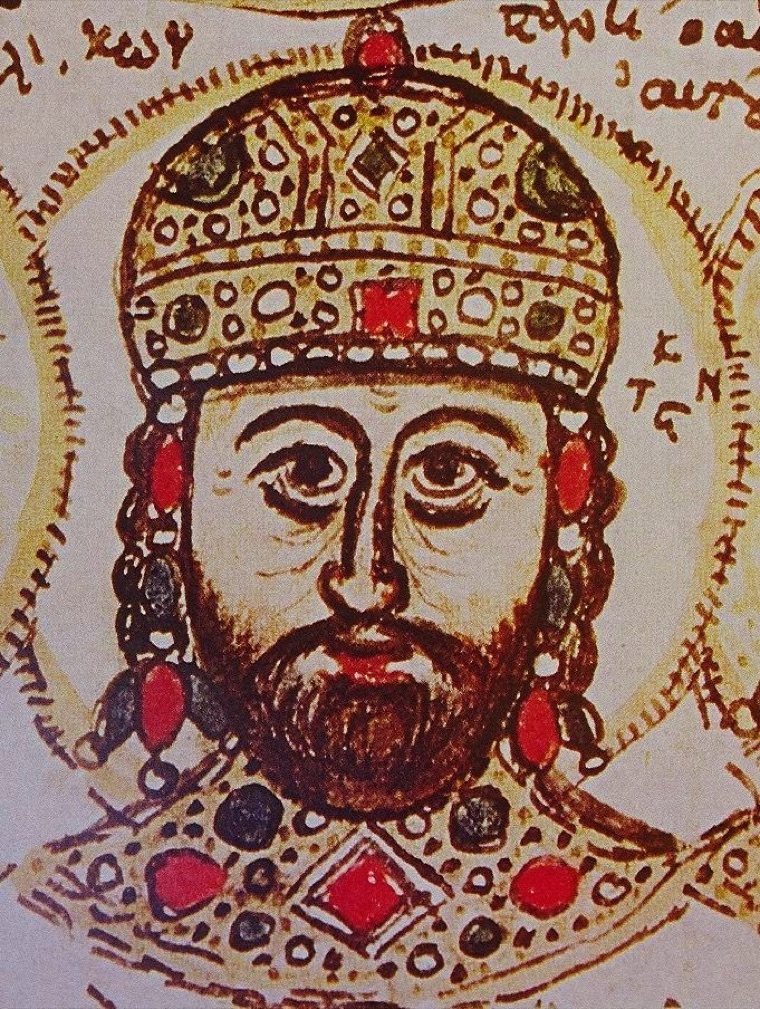
Constantine XI Palaiologos
renownThe last Roman emperor, who threw off the purple to die as a common soldier in the breach — the quietly valiant ISFP.
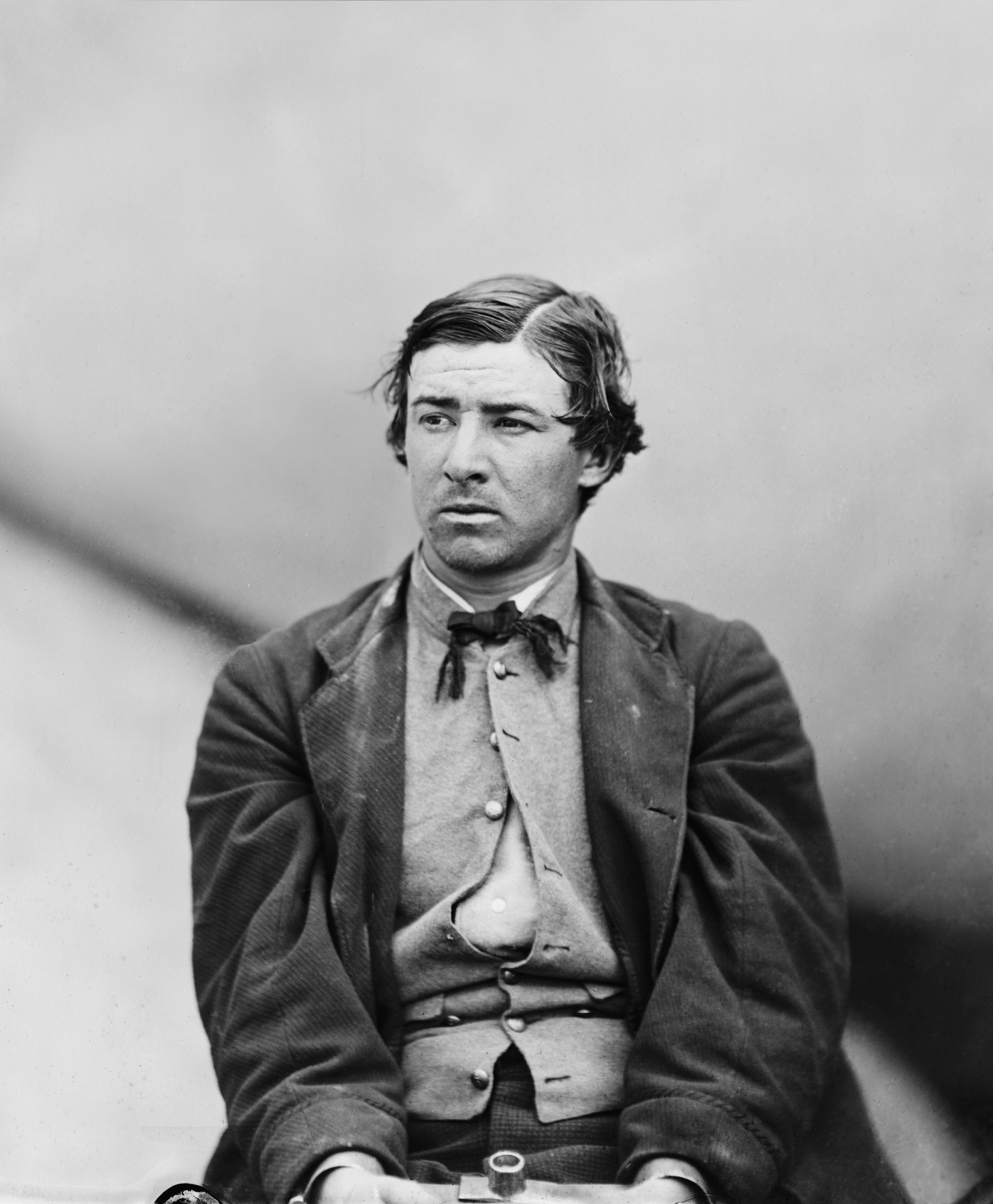
David Herold
obscureThe impressionable young accomplice who fled with Booth
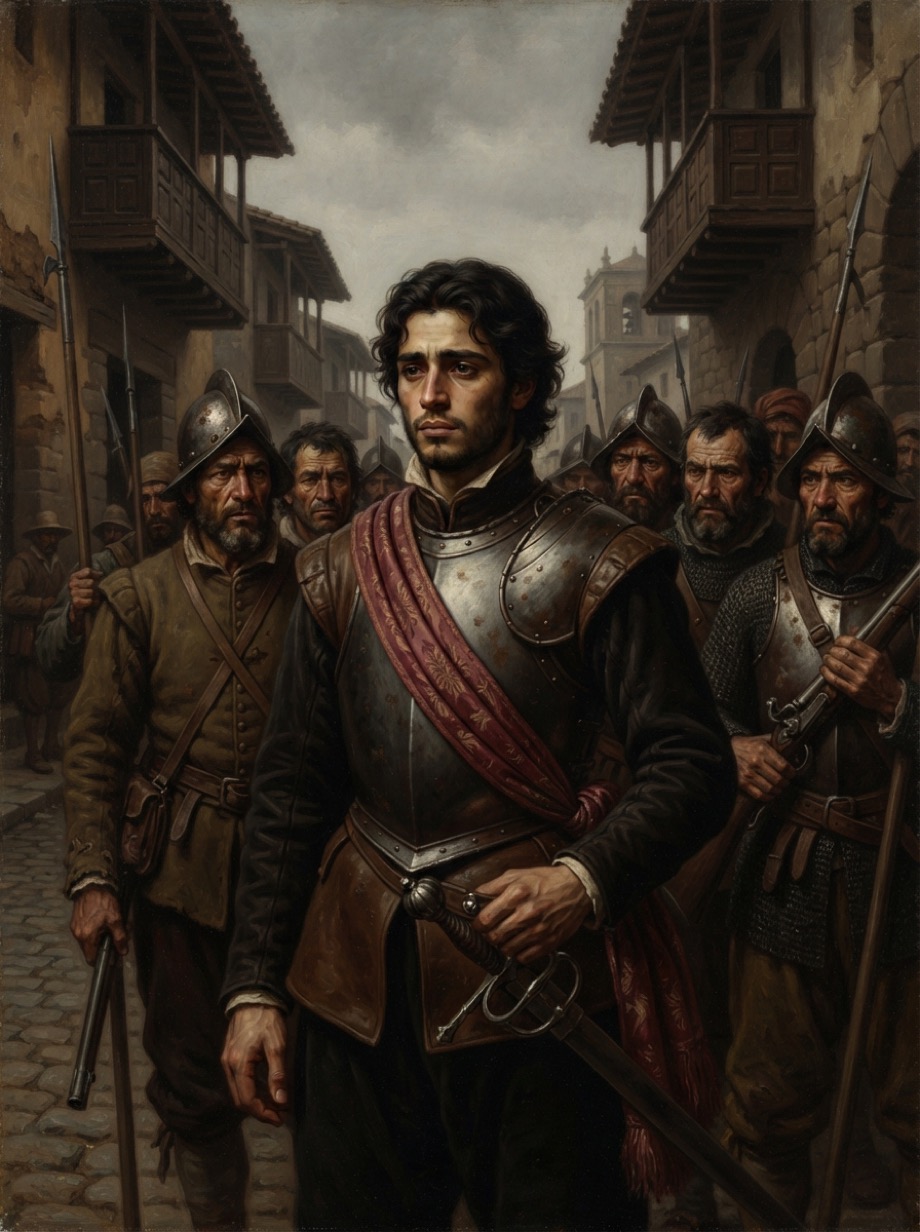
Diego de Almagro el Mozo
notableKilled Pizarro at twenty for his father's execution, was proclaimed governor, beheaded at twenty-two.
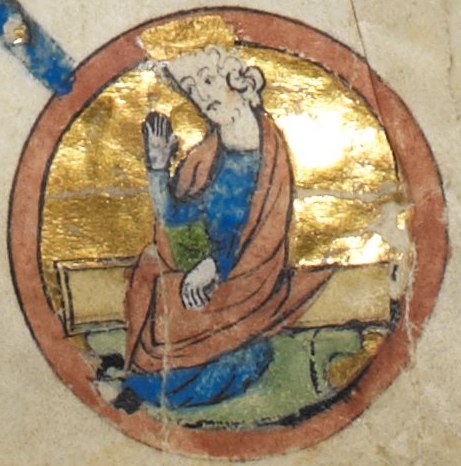
Edward II
The king who loved his favorites and ditches more than his crown — the ISFP destroyed by a throne he never fit.
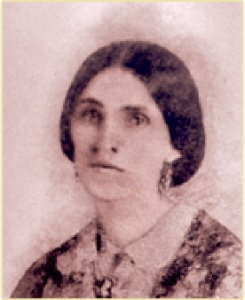
Eliza Allen
Sam Houston's first wife — who walked out on their wedding night

Gonzalo Guerrero
notableThe shipwrecked Spaniard who became a Maya war chief and refused Cortés's call to return.
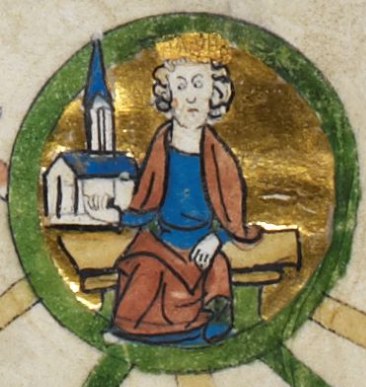
Henry III
notableThe gentle, pious king who rebuilt Westminster Abbey but could not rule — the ISFP artist who lost England to his barons.
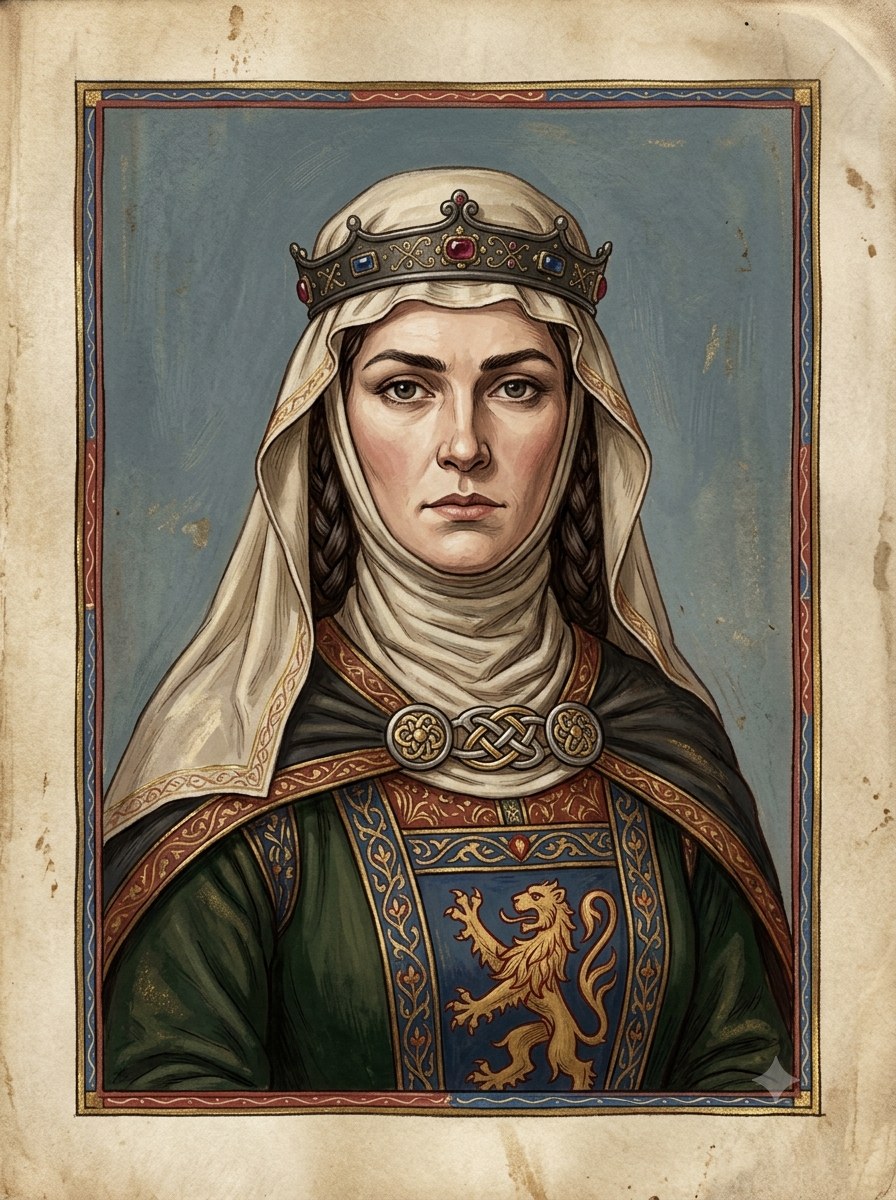
Isabella MacDuff
notableThe countess who defied her Comyn kin to crown Bruce — and was caged on Berwick's walls for it: the defiant ISFP.
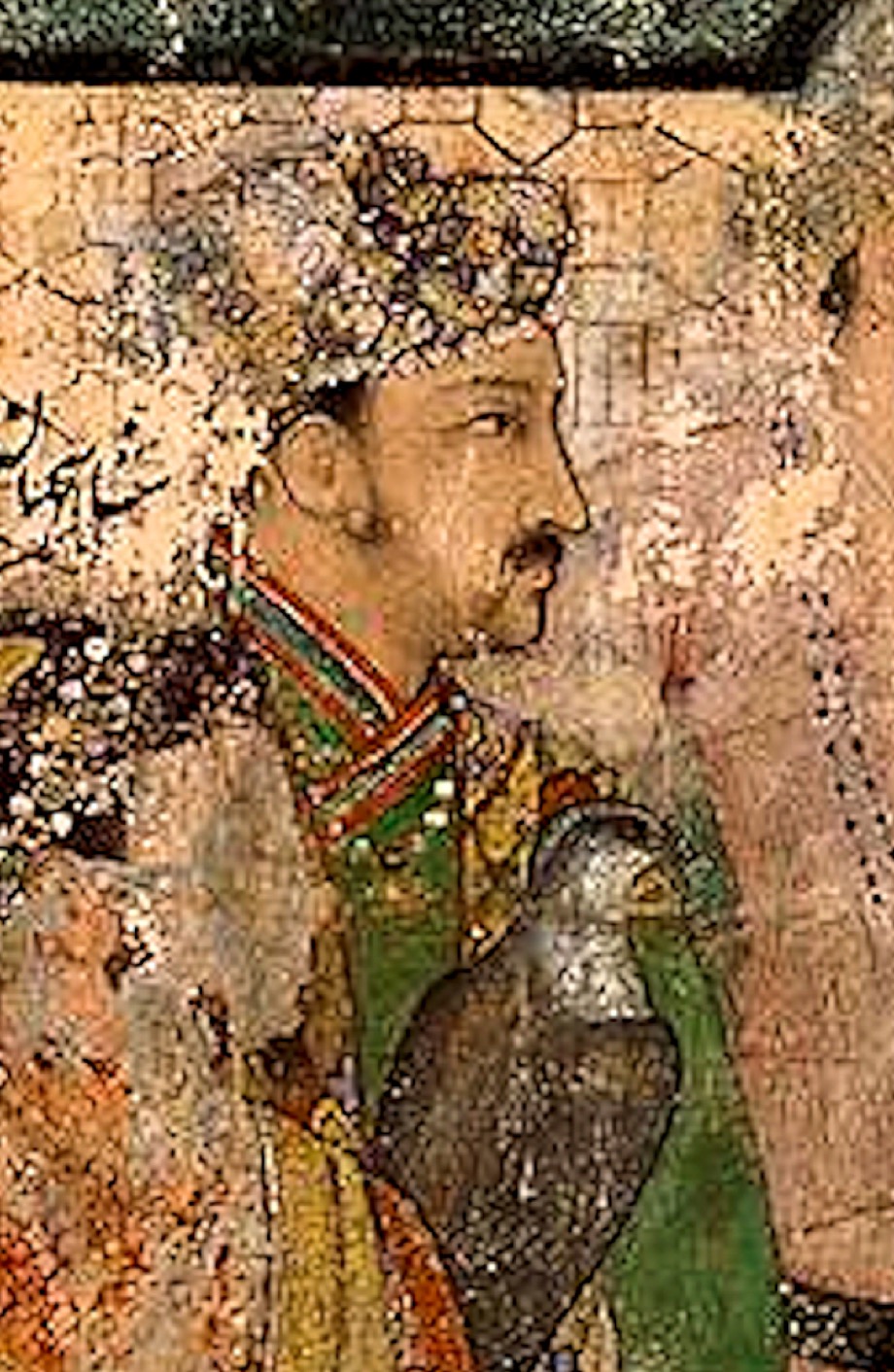
Jahangir
renownJahangir’s memoir records an emperor whose exact attention to appearances coexisted with intensely personal and sometimes brutal judgments.
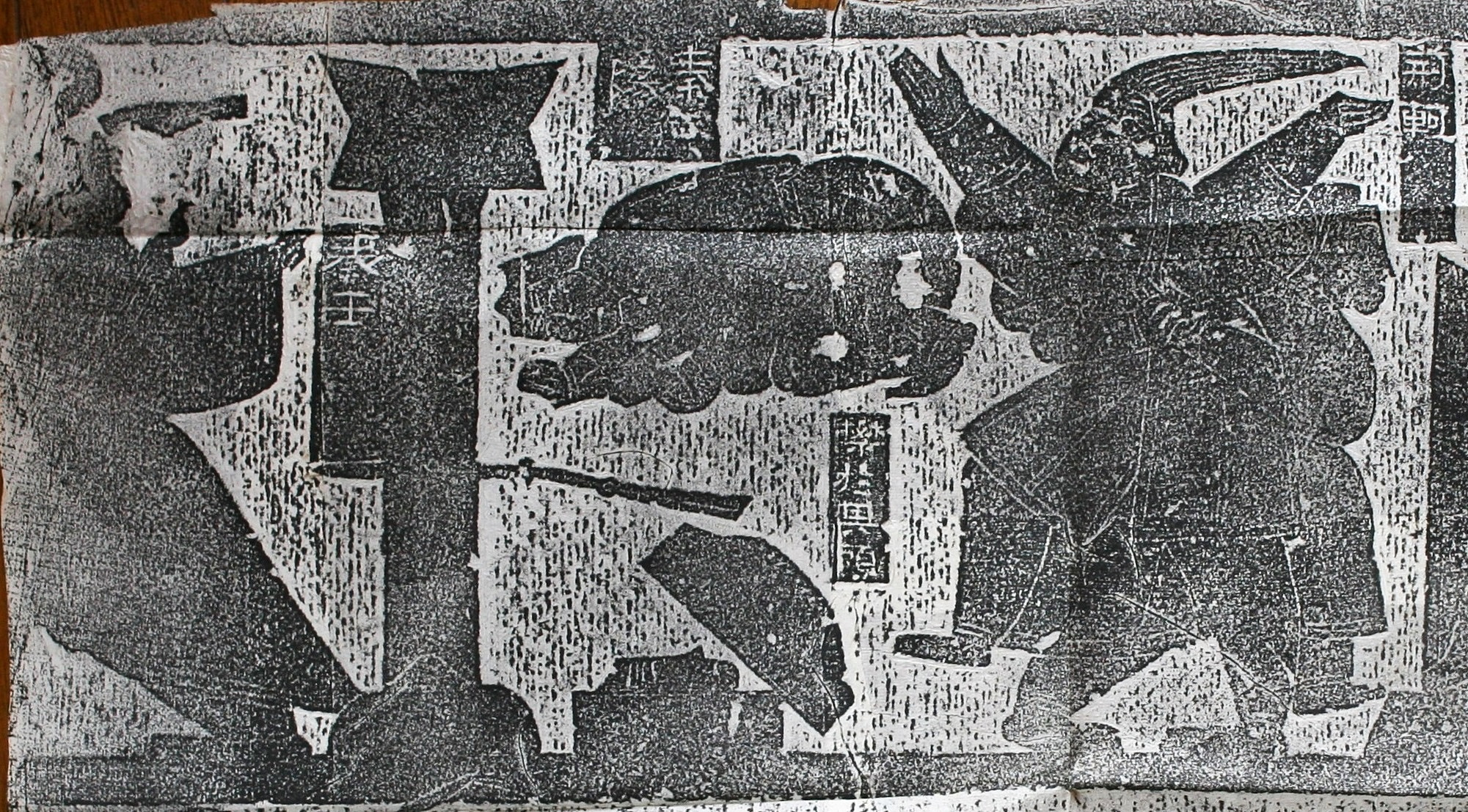
Jing Ke
obscureThe swordsman whose failed dagger-thrust against the King of Qin became legend.
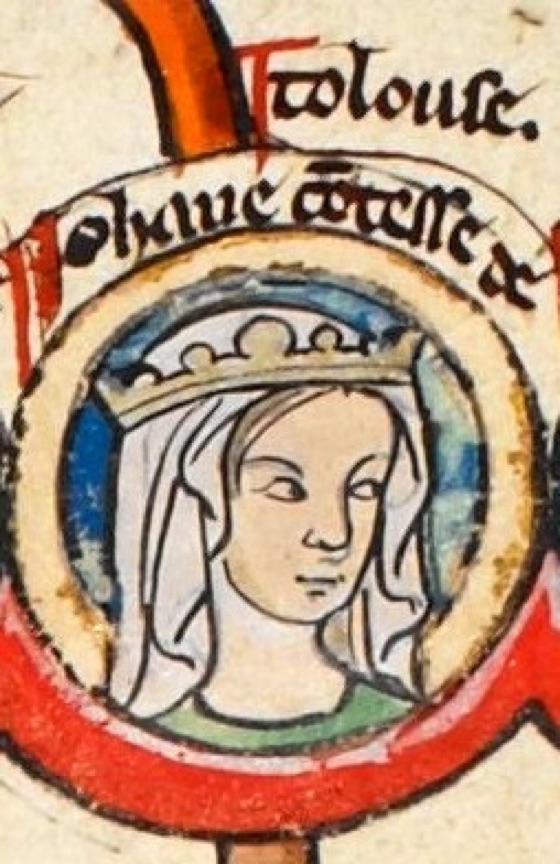
Joan of England
notableRichard's spirited sister, moved kingdom to kingdom as a pawn, who refused a king's peace-marriage on her own conviction — the strong-willed ISFP.
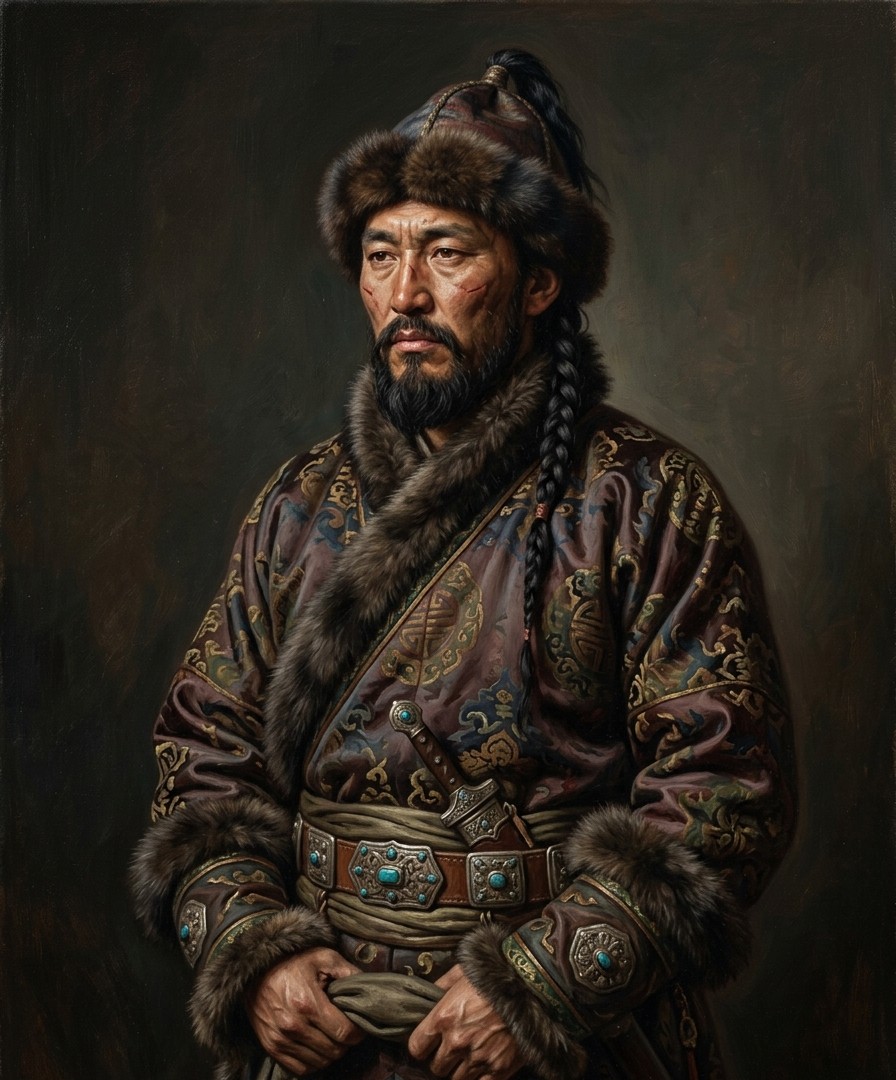
Jochi
notableEldest son of Genghis Khan, disqualified by a doubt over his birth — the wounded, withdrawn ISFP who fathered the Golden Horde
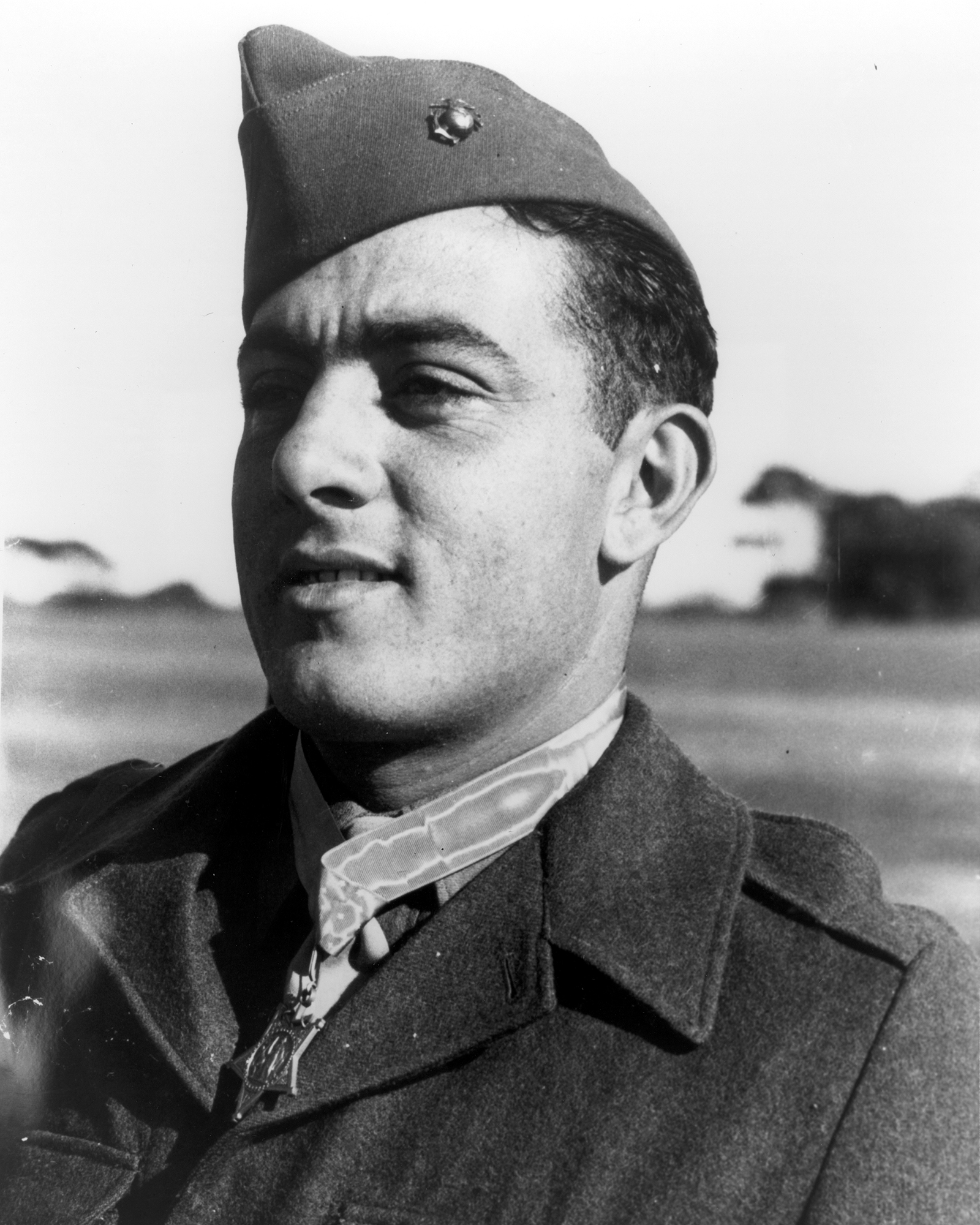
John Basilone
notableThe sergeant who held a machine-gun position alone against a massed assault on Guadalcanal.
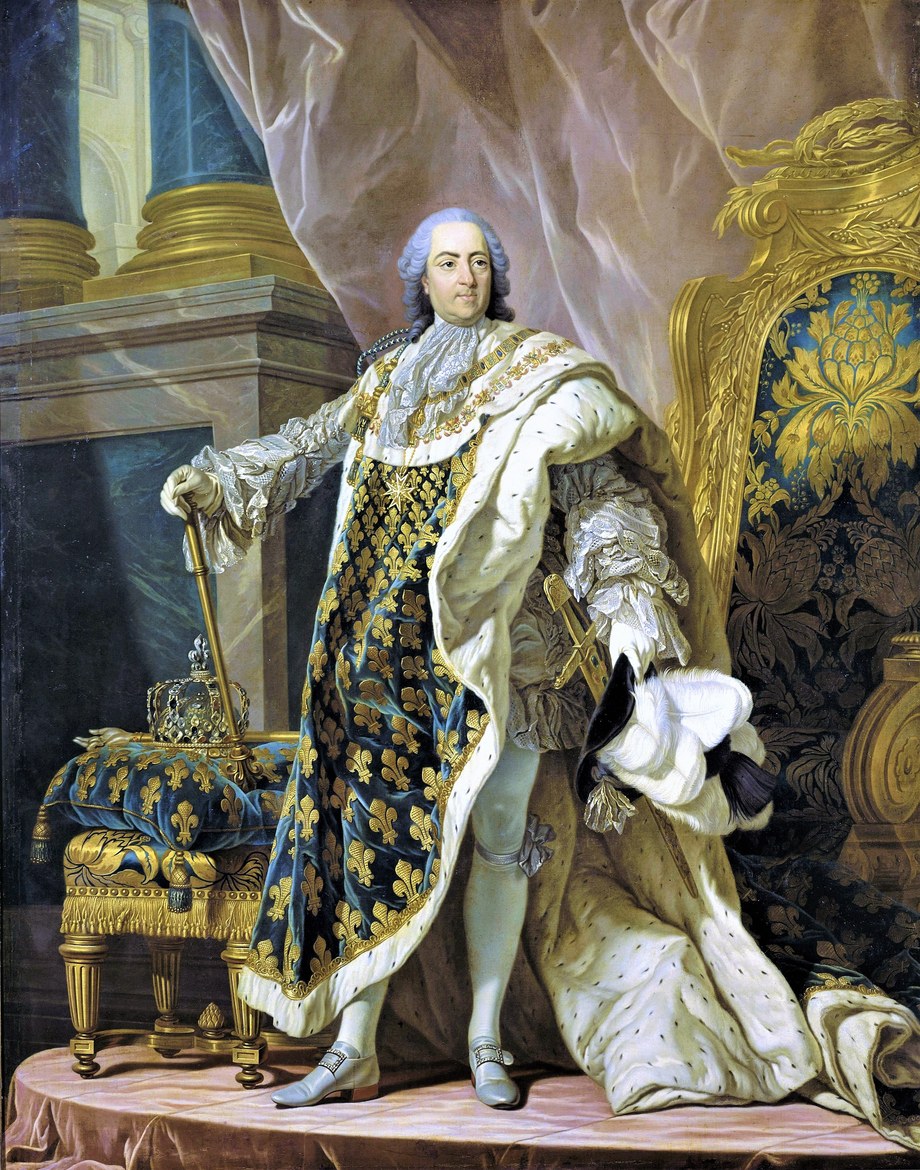
Louis XV
renownLouis XV's lifelong melancholy and reluctance to govern make him a textbook ISFP, the private heart trapped in France's most public office
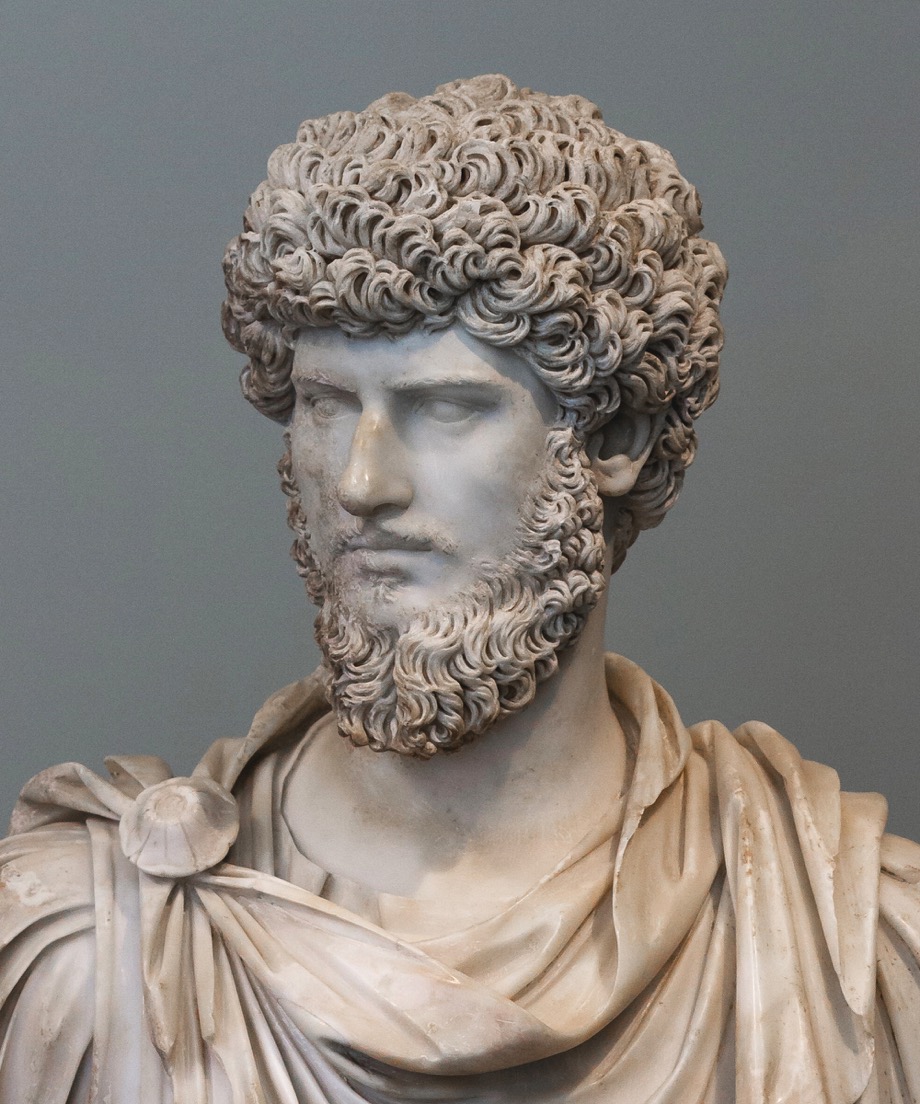
Lucius Verus
notableMarcus Aurelius's co-emperor, who ran the Parthian War by delegating to good generals while he enjoyed Antioch.
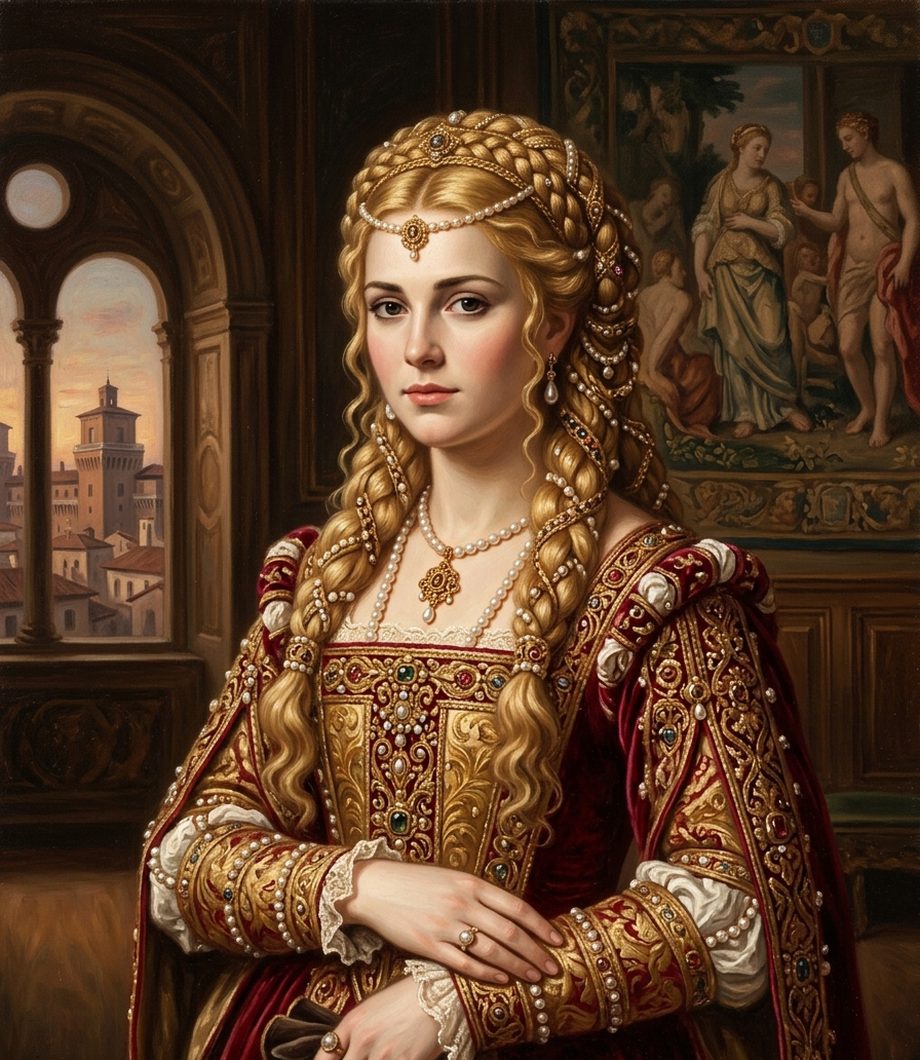
Lucrezia Borgia
renownThe pope's daughter, slandered as a poisoner but really a pawn who became a gracious, capable Duchess of Ferrara — the quietly resilient ISFP.
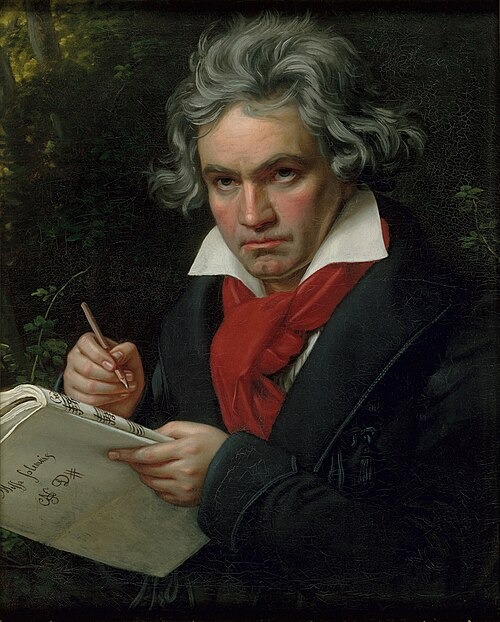
Ludwig van Beethoven
Composer of Defiance and Devotion.
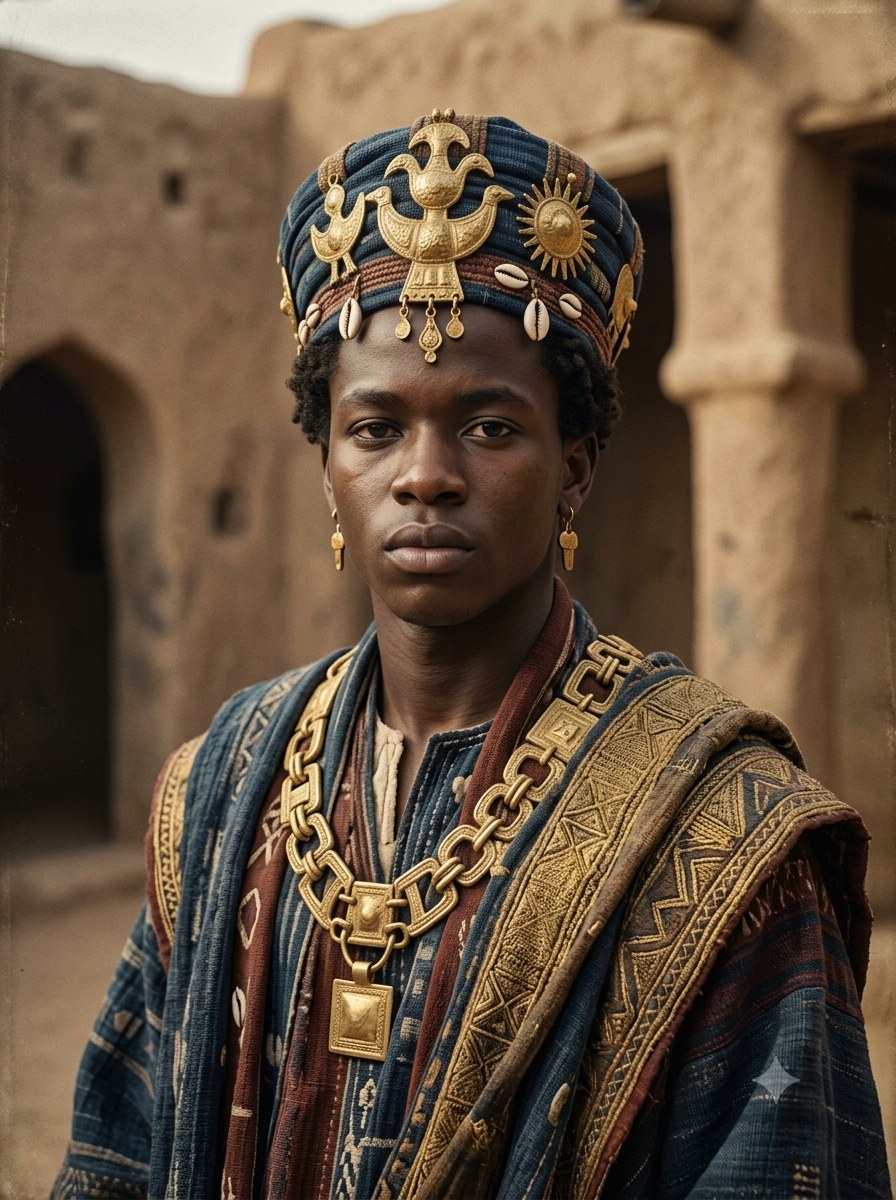
Maghan I
notableMansa Musa's overshadowed heir, weak between two giants — the ISFP who never fit the throne he inherited.
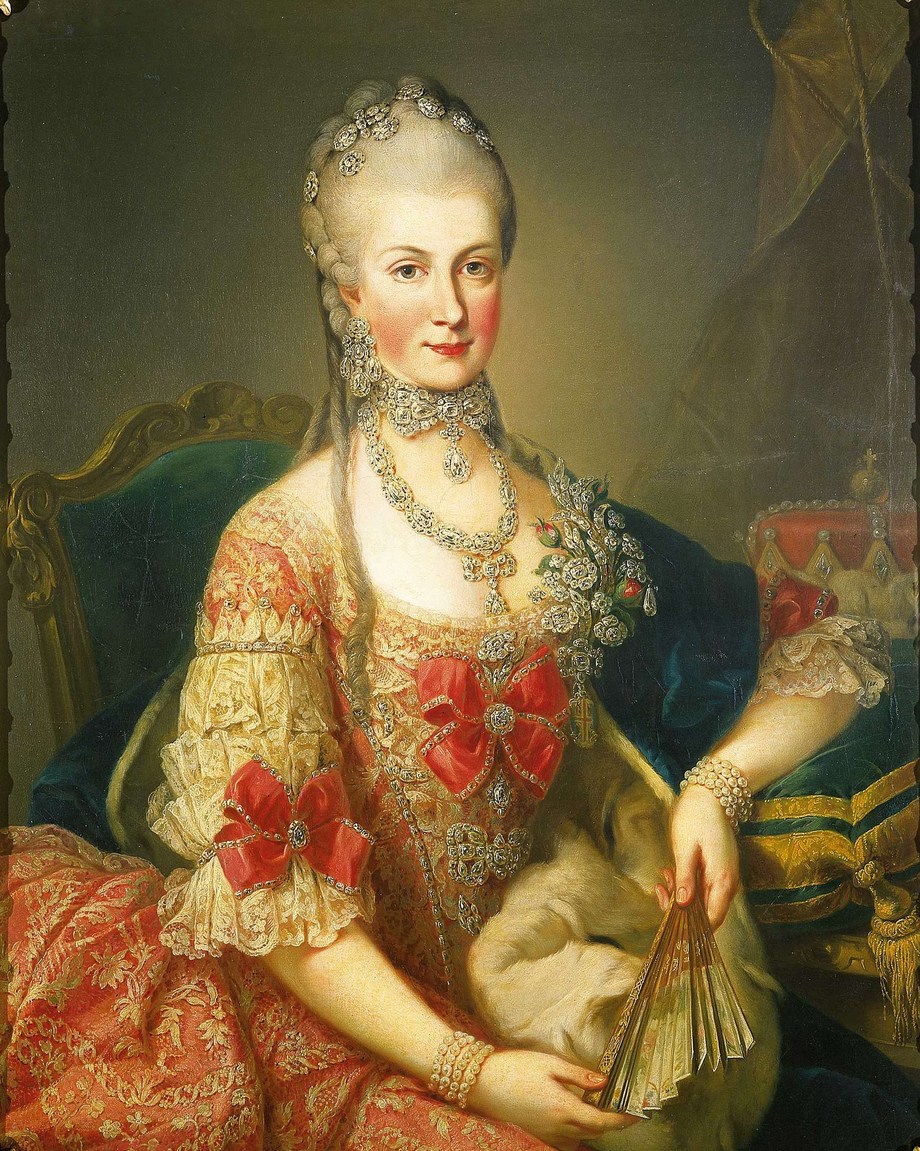
Maria Christina
notableMaria Theresa's favored daughter, the only one allowed to marry for love — a gifted painter and co-founder of the Albertina, typed ISFP
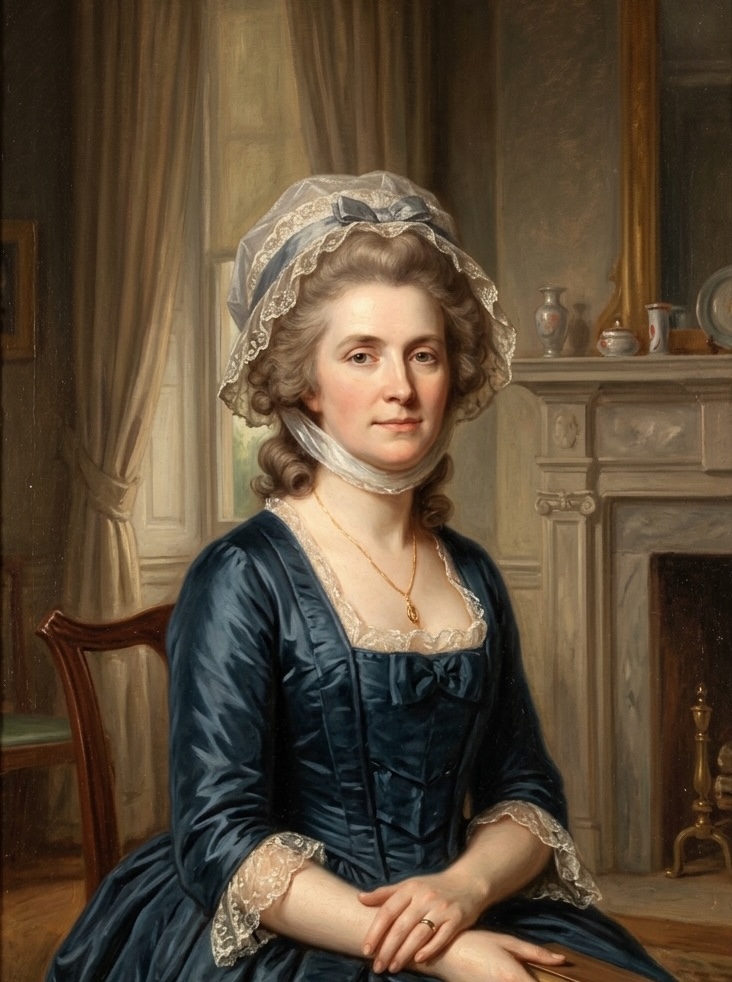
Martha Wayles Skelton Jefferson
notableThomas Jefferson's wife — who died ten years before he became president
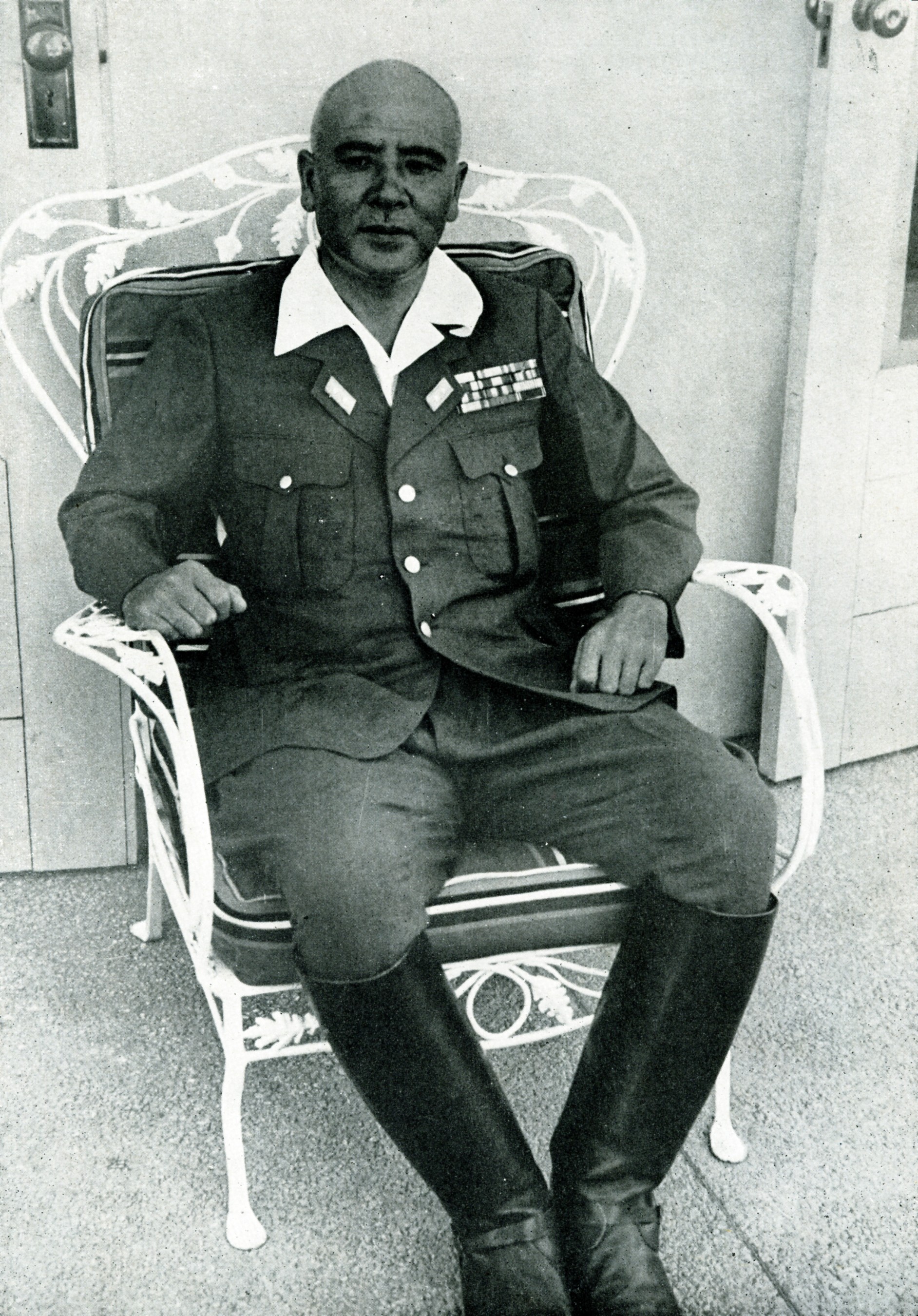
Masaharu Homma
notableThe cultured general executed for a death march he may not have ordered.
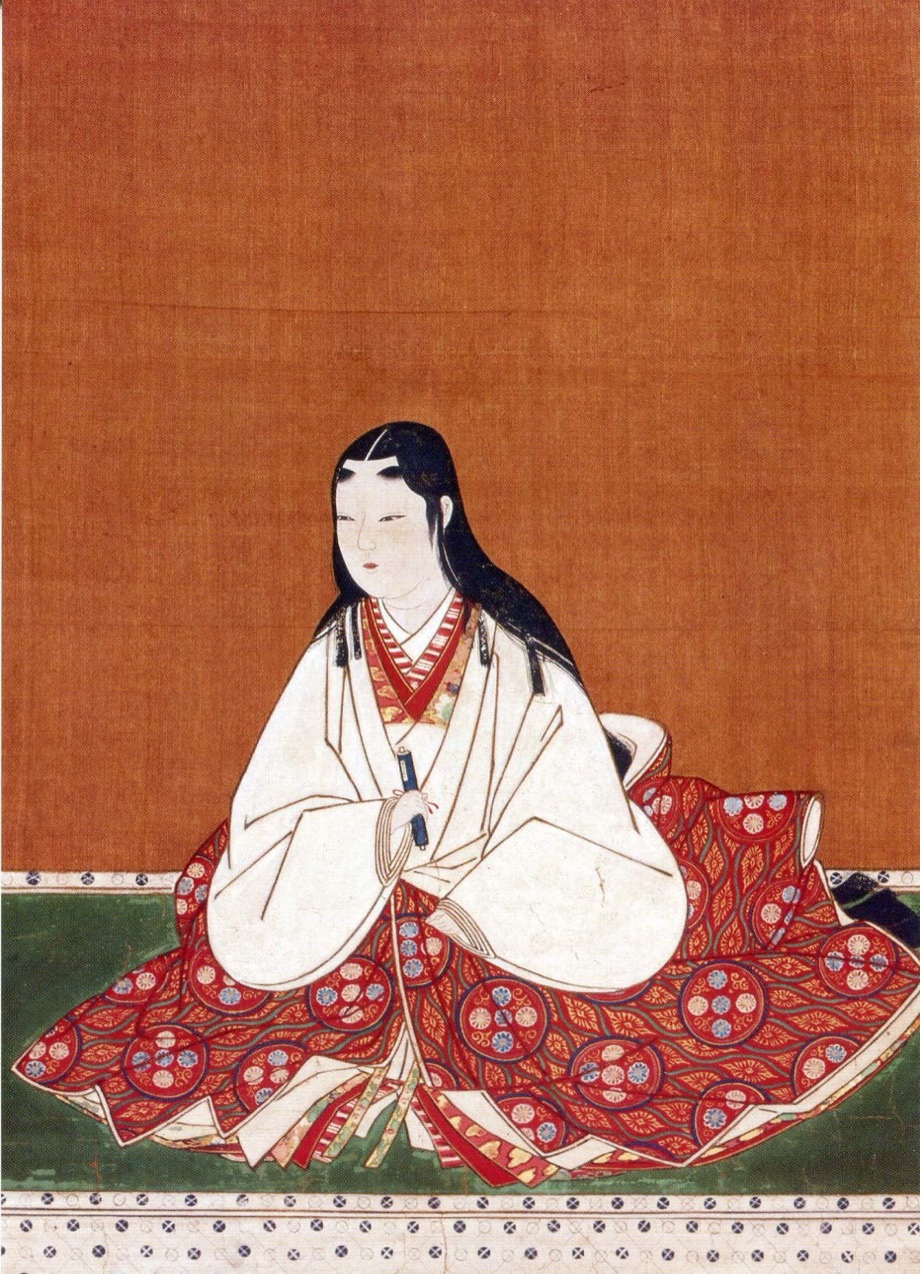
Oichi
notableNobunaga's celebrated-beauty sister, twice married to doomed men, who chose to die beside her husband in the flames — the quietly steadfast ISFP.
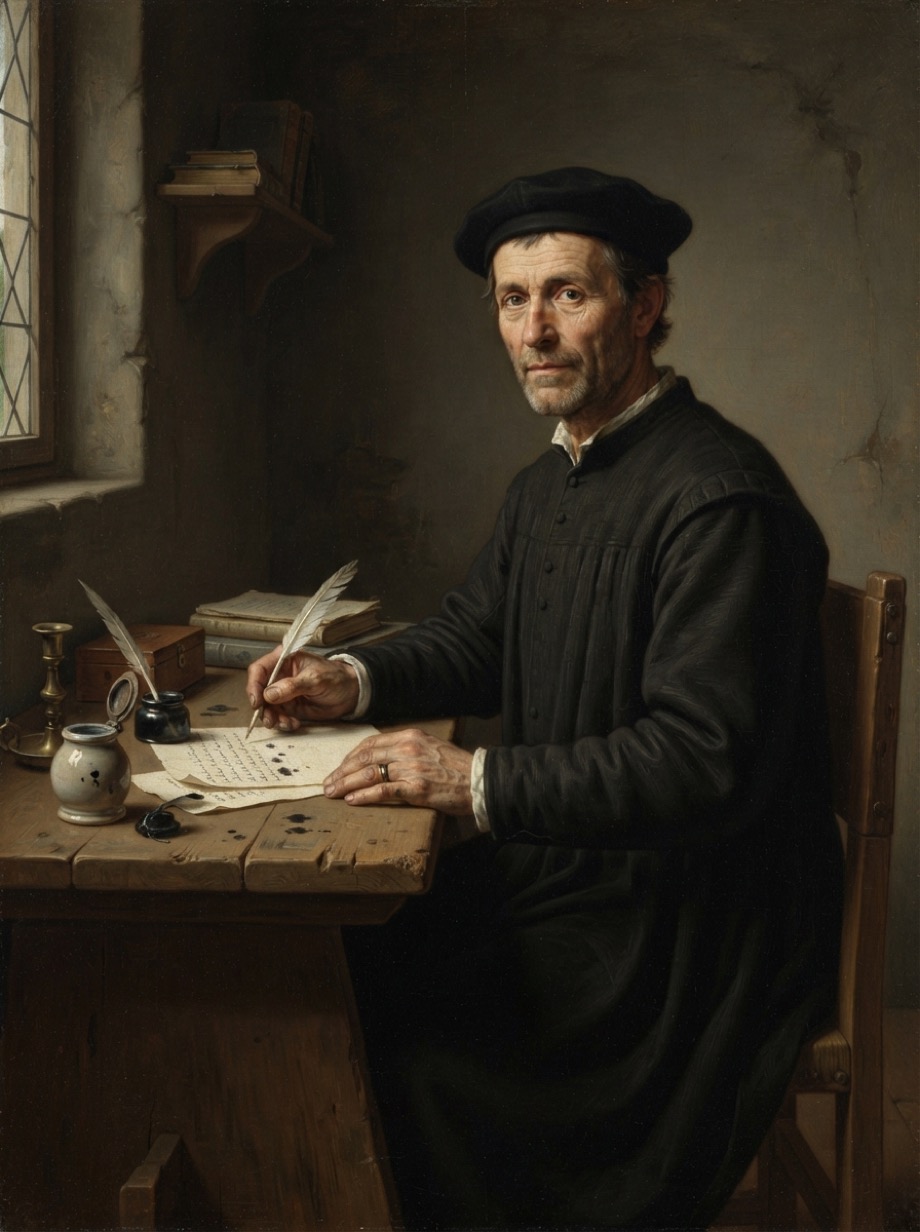
Pero Vaz de Caminha
obscureThe clerk whose one letter announcing Brazil became the founding document of Brazilian literature.
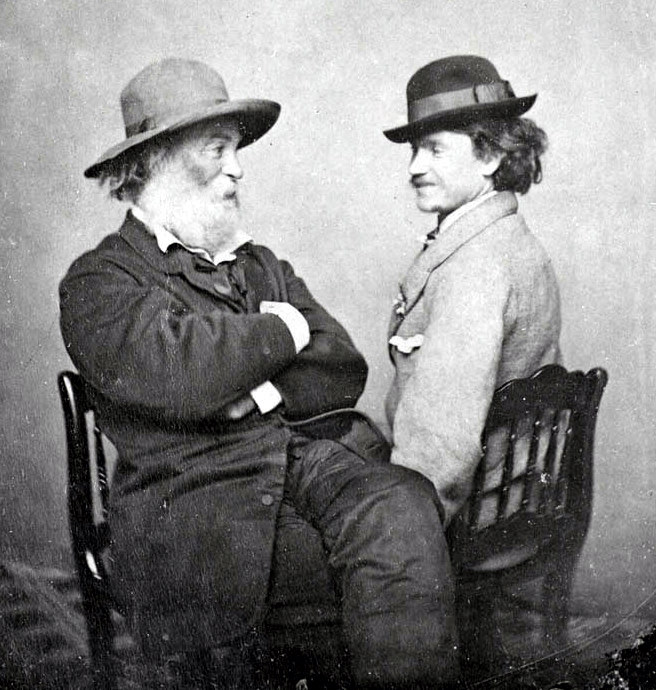
Peter Doyle
obscureThe streetcar conductor who became Whitman's closest companion
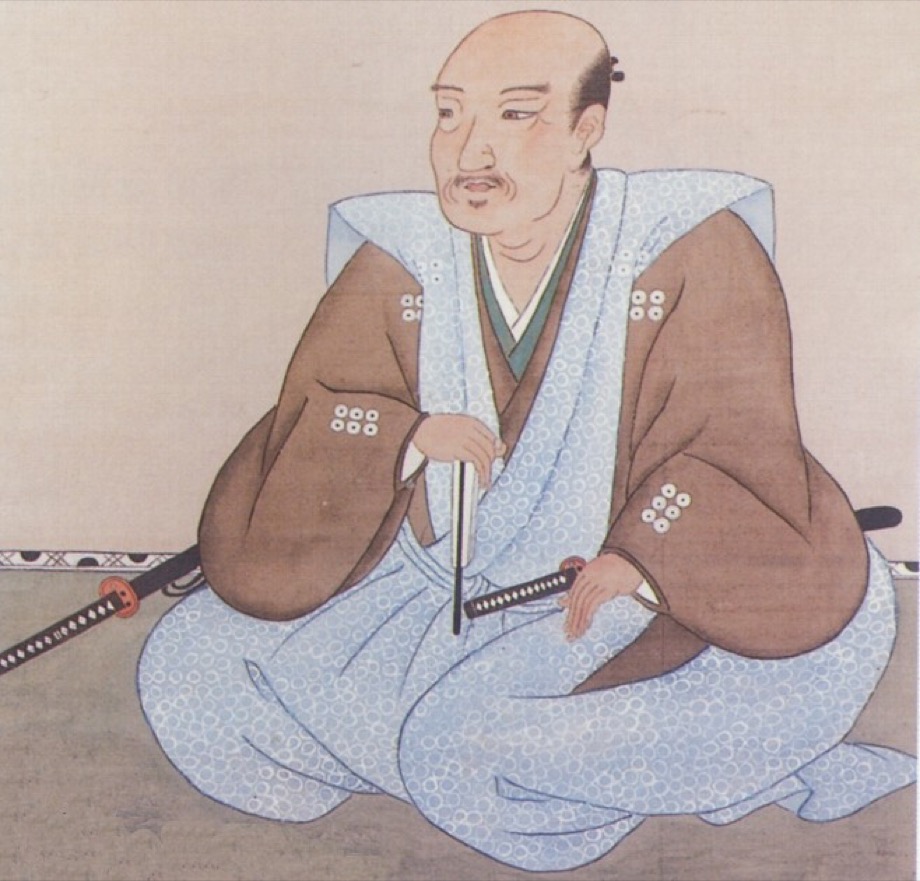
Sanada Yukimura
renownThe 'greatest warrior in Japan,' who chose a hopeless loyalty and nearly cut down Ieyasu himself at Osaka — the gallant, doomed ISFP.
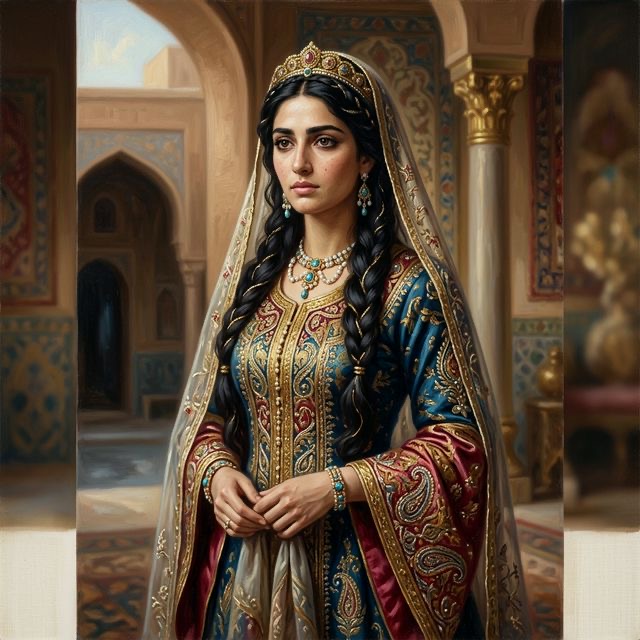
Stateira I
notableThe queen of Persia whose dignity in captivity moved even Alexander.

Stroganova
Countess who traded wealth and rank to live openly with a disgraced favorite — the ISFP whose one act was pure conviction.
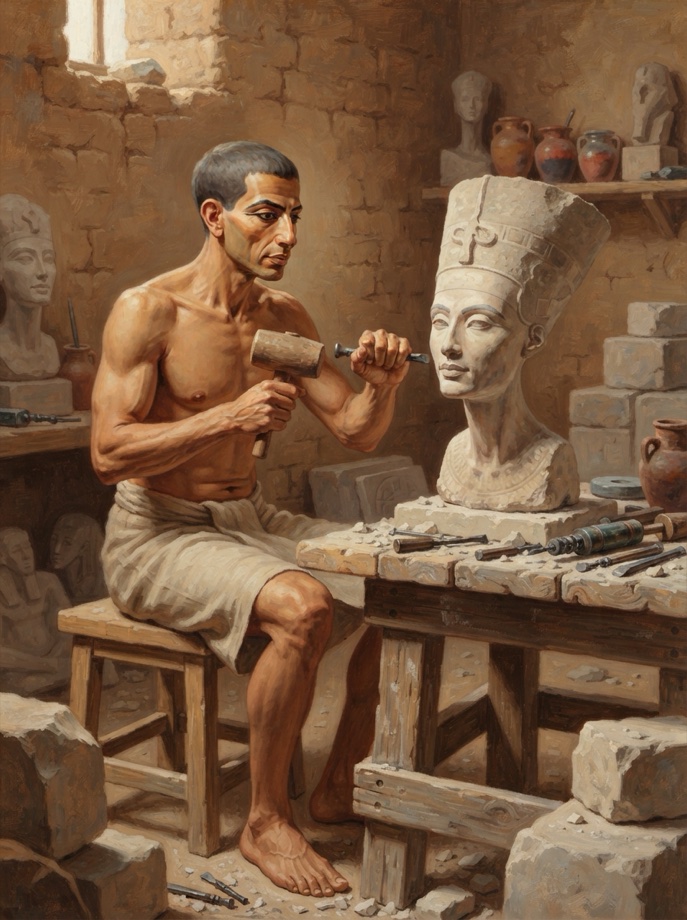
Thutmose (sculptor)
notableThe workshop sculptor whose bust of Nefertiti became the ancient world's most famous face.
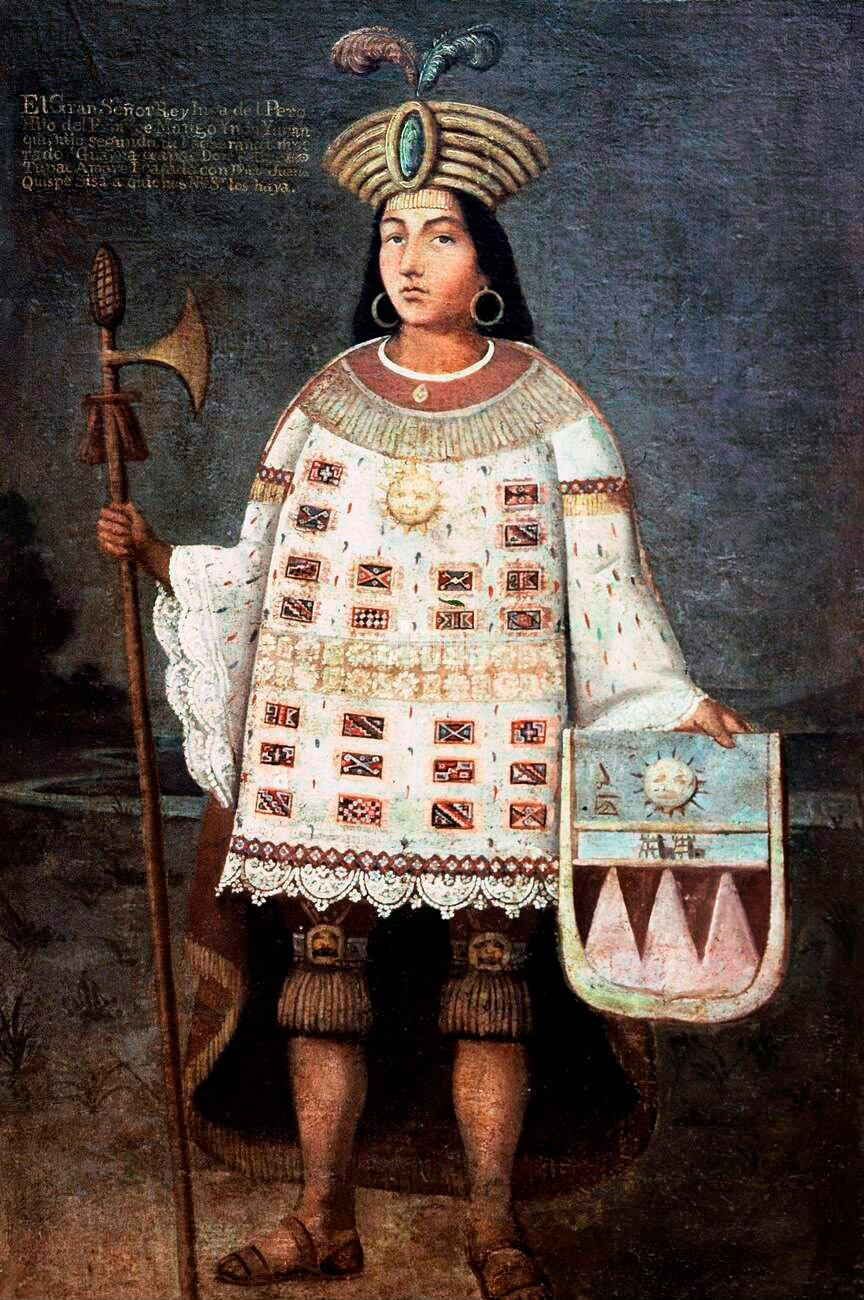
Túpac Amaru
renownThe last Sapa Inca, raised for the sun cult not the throne, silenced fifteen thousand mourners with one raised hand before his execution.
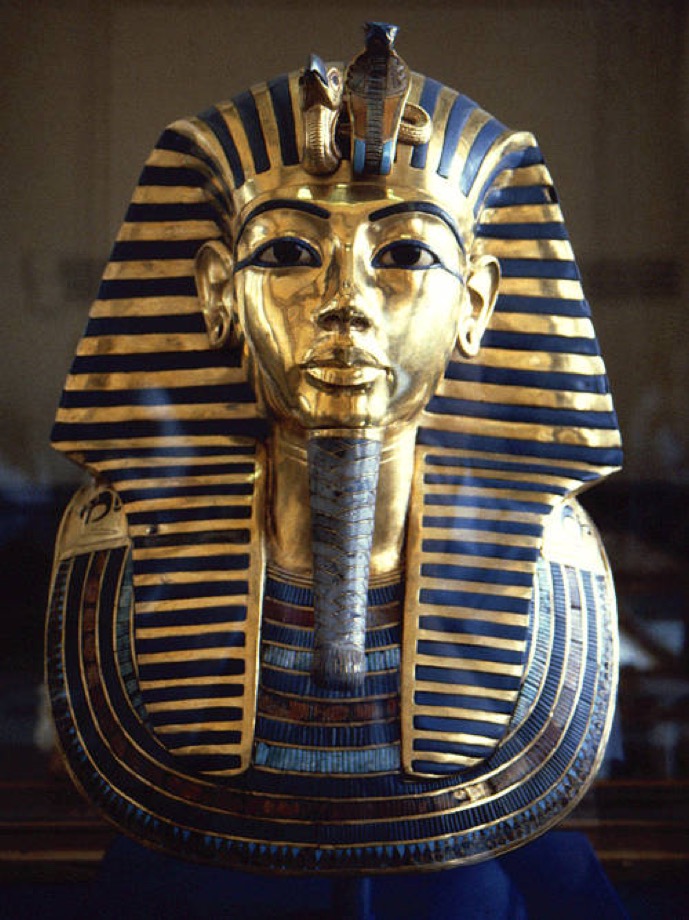
Tutankhamun
The boy king remembered for his intact tomb far more than his steered, brief reign.
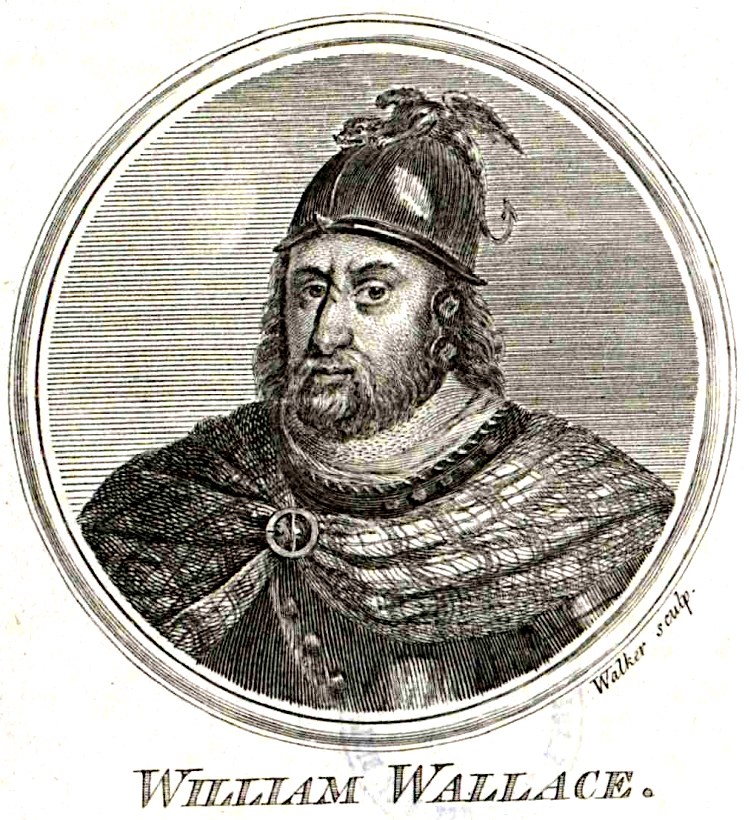
William Wallace
renownThe knight who won Stirling Bridge and died defying England for Scotland's freedom — the ISFP martyr of conviction.
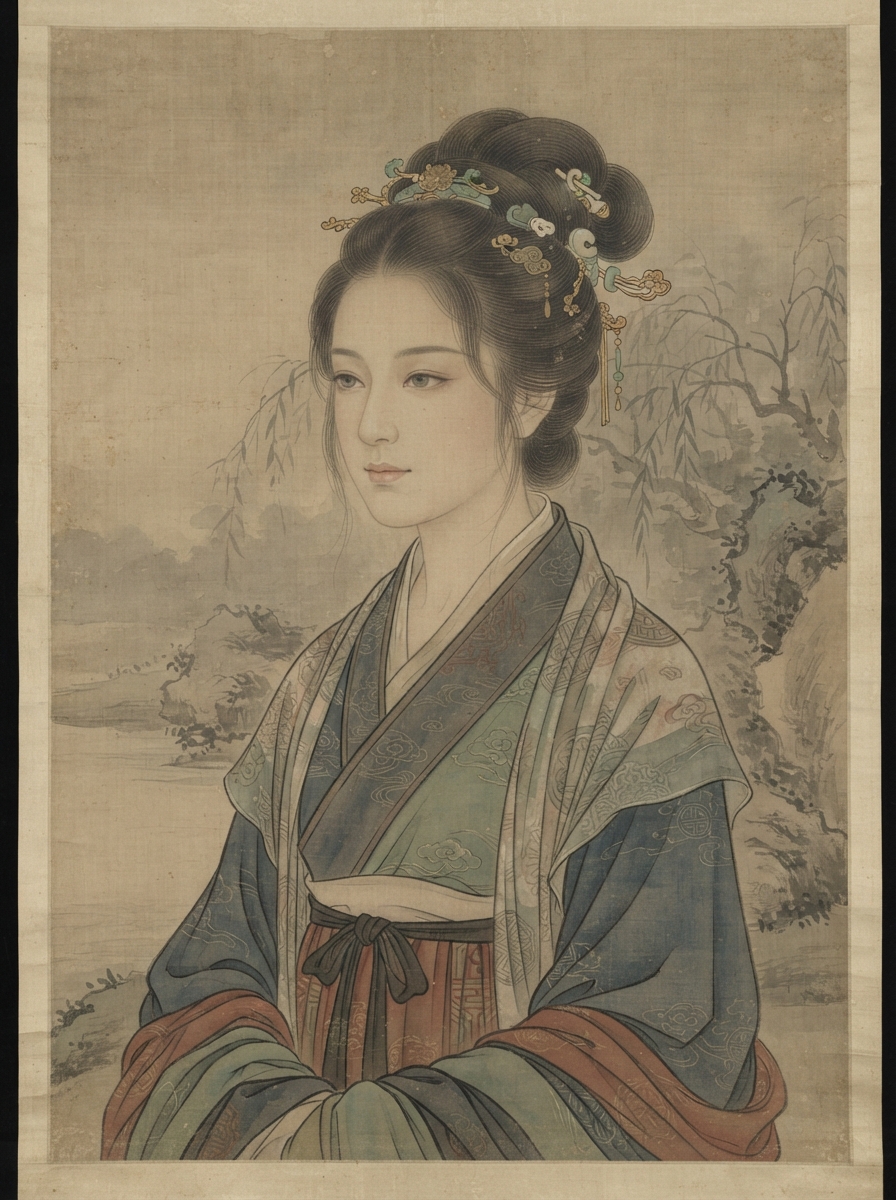
Xi Shi
obscureThe legendary beauty sent to distract a king and break a kingdom.
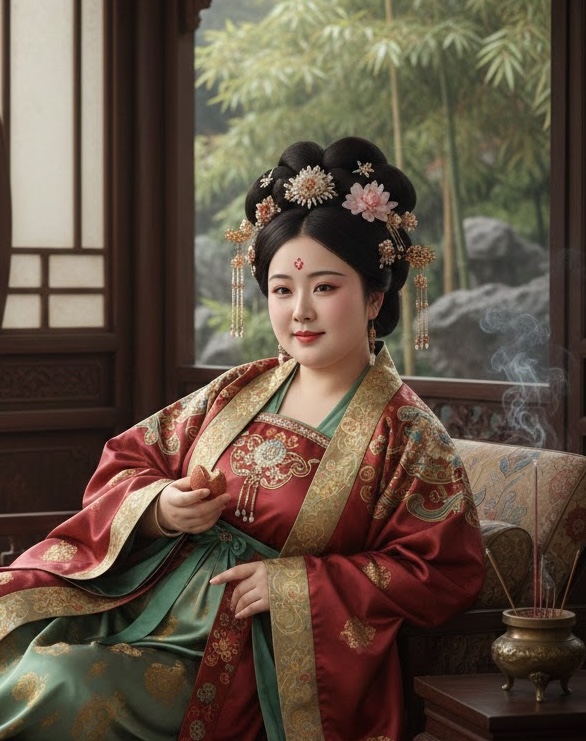
Yang Guifei
notableImperial Consort, Cultural Muse, and the Tragic Beauty of the Tang Court
Explore Other Types
