 Historical Figure MBTI
#621 · 5-8-26 · Sengoku Japan
Oichi
Sister of Nobunaga · The Beauty of the Sengoku · Twice Widowed by War
1547 — 1583
5 min read
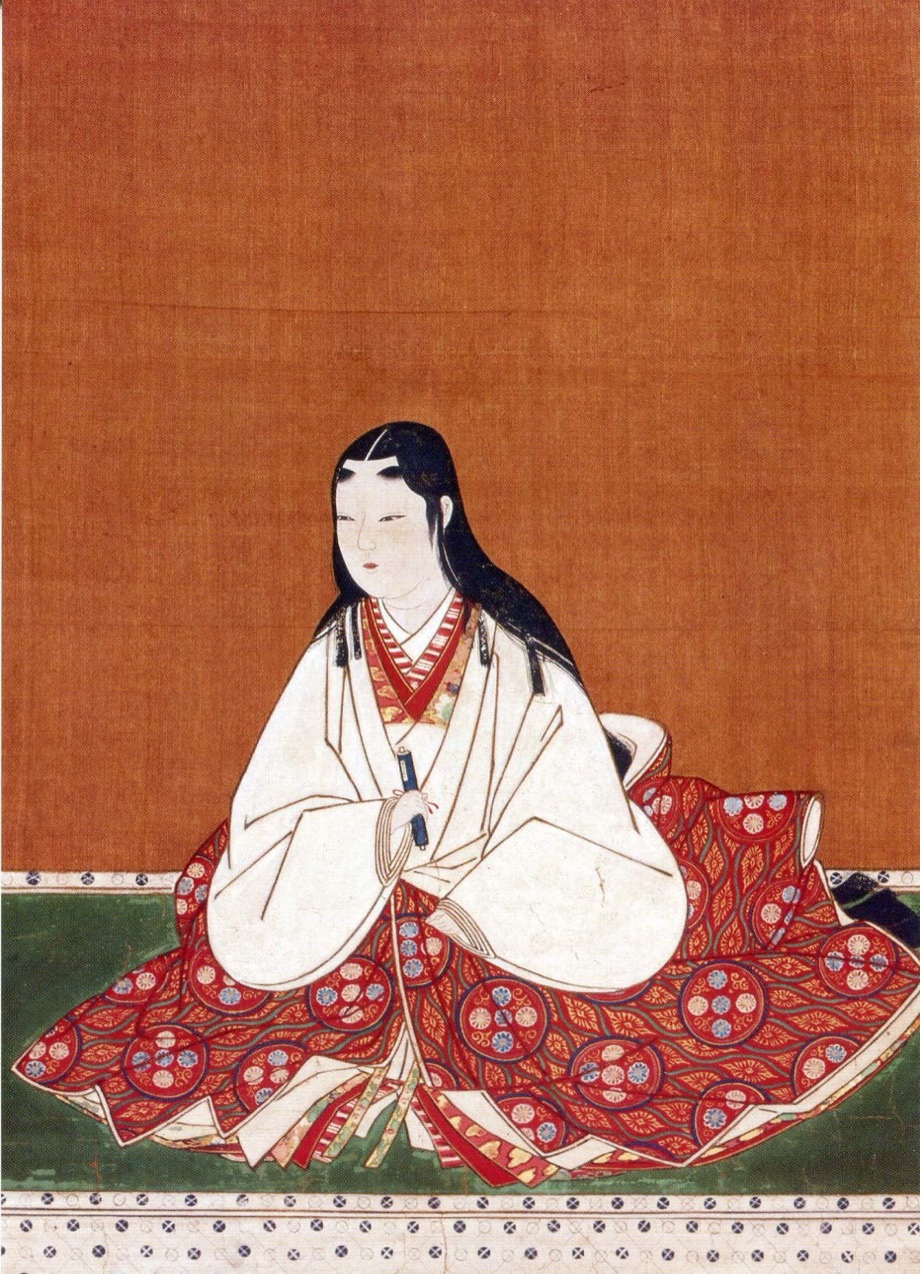
Portrait of Oichi
The Bag of Beans
She is remembered for a warning she could send in no words. In 1573, when her husband, the daimyo Azai Nagamasa, broke with her brother Oda Nobunaga and the two men went to war, Oichi is said to have smuggled her brother a gift — a cloth sack of beans knotted tight at both ends. Nobunaga understood it at once: like the beans, his army was surrounded, closed off at both flanks. It is her whole character in a single mute object. With no army to command and no voice in the councils that decided her life, she found the one way to honor a private loyalty without betraying the man she also could not save.
Oichi (1547–1583) was the younger sister of the most feared warlord in Japan, and famed in her own right as one of the great beauties of the age. Nobunaga gave her to Nagamasa to bind an alliance; when it failed, he annihilated the Azai, Nagamasa died, and Oichi returned to the Oda with her three small daughters. She was married once more, to Nobunaga's general Shibata Katsuie — and when Toyotomi Hideyoshi crushed Katsuie at the siege of Kitanosho in 1583, she sent her daughters out of the burning castle and chose to die inside it with her husband. Twice a bride of state, twice widowed by war, she is the Sengoku woman as the age made her: not an actor in the great game but a piece it moved, and moved again.
Oichi is the ISFP under the wheel of history: a deep, inward Fi loyalty — the warning to a brother, the choice to die beside a husband — lived out in the sensory, unchosen immediacy of Se, meeting each doom she could not prevent with quiet grace.
The Loyalty She Could Not Divide
Fi — dominant
Dominant Fi is a private moral compass that answers to no one — not to duty or the expectations of a role, but to a felt inner allegiance the person will not violate. Oichi's legend is built on two acts of that kind, and both are quiet. The bag of beans is the first: caught between the brother who ruled her and the husband who had turned on him, she found the one gesture that betrayed neither her feeling nor her tongue. She did not denounce Nagamasa, and she did not abandon Nobunaga to be encircled unwarned. It is the Fi solution — not a public stand but a coded, deniable act of the heart, honoring a bond the politics around her had made impossible to honor openly.
The second act is the fire at Kitanosho. When Hideyoshi's victory left the castle doomed, Oichi had every reason to live: she was Nobunaga's sister, a prize the conqueror would gladly have spared. She sent her three daughters through the gates to safety, and then she stayed. To walk out would have been the sensible, blameless choice; she chose instead to die beside Katsuie — a second husband, given to her by others, whom she had scarcely chosen. That is the tell of Fi over any role-bound feeling: the loyalty is not owed, it is hers. She met the man's ruin as her own because, inwardly, she had made it so, and no calculation of advantage could reach that decision.
A Life She Did Not Choose, Met in the Body
Se — auxiliary
Auxiliary Se roots the Fi loyalist in the concrete, immediate world — the present as it actually arrives, in sensation and event rather than in plan. Oichi's whole life was a sequence of such arrivals, none of them of her making: a marriage arranged to serve a treaty, a war that engulfed her husband and her brother, a second marriage, a second castle, again burning. She never had the luxury of shaping events from a distance. What was left to her was how she met each one when it came — and she met them, by every account, with a composure that struck the men around her as a kind of nobility.
The final night is Se in its most vivid form. The traditional account has Katsuie and Oichi hold a last banquet inside the doomed keep, poems exchanged as the flames climbed, before the castle was fired and the couple died within it. Whatever the embroidery of legend, the shape is right: a woman fully present in the physical fact of her end, refusing to flee it, turning the last hours she had into something composed rather than a scramble for the gate. This is not the strategist's death or the ideologue's. It is the death of someone who lived inside each moment as it came and chose to inhabit even the last one on her own terms — the only terms the age ever let her set.
Why ISFP Over ISFJ
Why not ISFJ?
The dutiful, self-sacrificing ISFJ is the obvious near-miss for a woman remembered for loyalty and endurance, and the outward record could fit either type. But the ISFJ's loyalty runs through Si and Fe — role-bound, owed to family and station, a duty she performs. Oichi's defining choices point inward. The bag of beans served no assigned role; it quietly worked against her own husband's cause because her feeling required it. And dying beside a second husband she had not chosen was not what duty demanded — duty, and every advantage, said walk out. That is the self-authored loyalty of Fi, not the service of Si-Fe.
The distinction is the whole of her. An ISFJ honors the bond she is given; Oichi honored a bond she had made her own. Powerless in every external sense, she kept the one sovereignty the age could not take: the right to choose whom to be loyal to, and how to meet the end. That inward freedom, exercised inside a life of total outward constraint, is the ISFP signature.
Connected Figures
Further Reading
- The Samurai: A Military History — Stephen TurnbullThe standard English-language survey of the warrior class; sets the Azai–Oda war and the sieges that framed Oichi's two marriages in their military context.
- Sengoku Jidai — Danny ChaplinA detailed narrative of the age of the three unifiers, tracing Nobunaga's rise and fall and the campaigns that widowed Oichi first at Odani and again at Kitanosho.
