 Historical Figure MBTI
#625 · 5-9-26 · Sengoku Japan
Yodo-dono
Concubine of Hideyoshi · Mother of the Heir · The Last Defender of Osaka
c. 1569 — 1615
5 min read
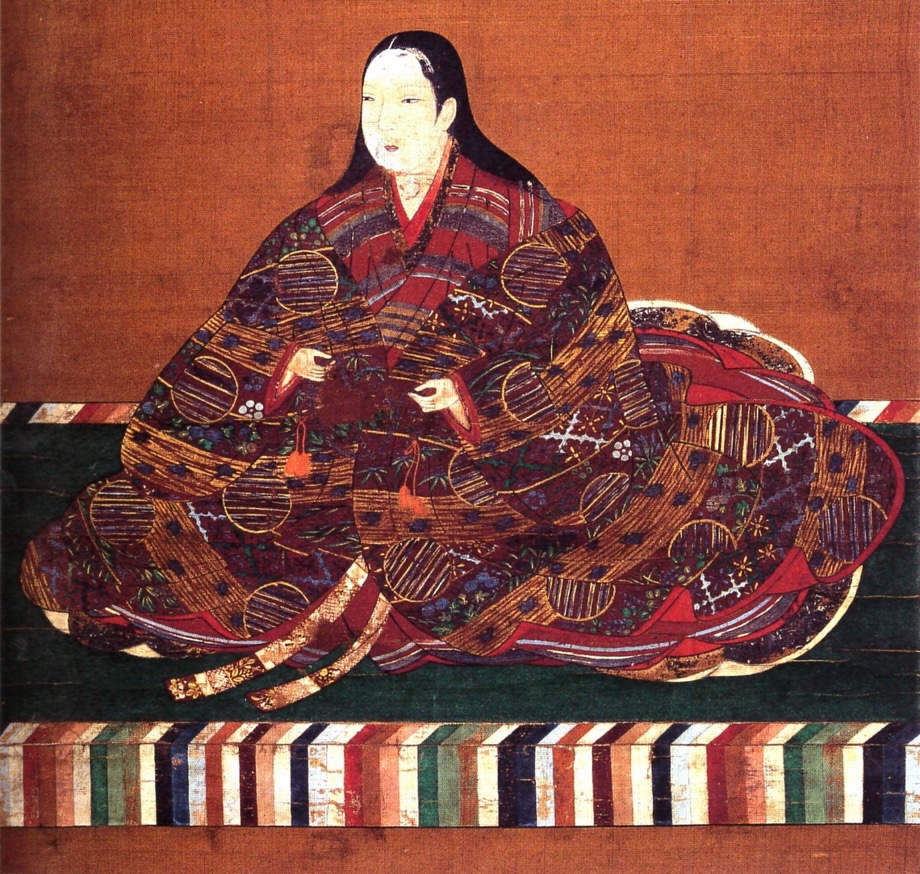
Portrait of Yodo-dono
The Daughter Who Would Not Kneel
She was born into ruin twice over before she was fifteen. Chacha — the girl the world would come to know as Yodo-dono — was the eldest daughter of Oichi, the celebrated beauty, and thus a niece of the warlord Oda Nobunaga. As a child she watched her father's house destroyed, and then, in a burning castle at Kitanoshō, watched her mother choose death beside a second doomed husband. Where Oichi endured and perished, her daughter drew a colder lesson: that a woman in this world survived by will, not by grace. She would spend her life proving it.
What makes her extraordinary is the turn her survival took. She became the favored concubine of Toyotomi Hideyoshi — the very man whose armies had annihilated both the households she was born into — and then did the one thing no other woman in his life managed: she bore him a surviving son. With that single birth in 1593, Chacha became the mother of the heir to all Japan, and the destruction that had orphaned her twice was suddenly the ladder she had climbed. When Hideyoshi died in 1598, she did not retreat into a widow's seclusion. She took command of her son's cause, made herself the dominant figure at Osaka Castle, and set herself against the most patient man in the empire.
Yodo-dono is the ENTJ as would-be dynast: Te's naked will to command fused to a Ni vision of one fixed future — her son as rightful master of Japan — a future she pursued against impossible odds and refused to surrender even as it burned.
The Widow Who Ruled
Te — dominant
Dominant Te reaches for control of the external world, and after Hideyoshi's death Yodo-dono reached for all of it. Her son Hideyori was a child; the great council of regents was meant to govern in his name; and into that vacuum stepped his mother, not as a symbol but as the effective ruler of the Toyotomi cause. She managed the estates, the retainers, and the vast treasure Hideyoshi had left, and she guarded the one asset that mattered — her son's claim — with the vigilance of a woman who knew precisely what it was worth. Osaka Castle under her was not a shrine to a dead lord. It was a headquarters.
Her Te showed most plainly in what she would not concede. As Tokugawa Ieyasu tightened his grip after Sekigahara and pressed the Toyotomi to acknowledge his supremacy, Yodo-dono refused the small submissions that might have bought her son a comfortable, diminished survival. She would not send Hideyori to bow at Edo; she would not accept the posture of a vassal. When the final war came, it was she who held the castle to its decision, presiding over councils of hardened generals and directing the defense of Osaka through two sieges. A concubine had become a commander.
This is the ENTJ's defining reflex — the instinct to organize people and resources toward a single objective and to command rather than to be managed. Where a gentler temperament would have accepted the terms on offer and lived, Yodo-dono treated every concession as a defeat to be refused. It made her formidable, and in the end it made her doom, because the man across the board from her had all the patience she lacked.
One Fixed Future
Ni — auxiliary
Auxiliary Ni gave her Te a target that never wavered: Hideyori, restored to the supremacy his father had built. She did not see her son as a boy who might grow into a provincial lord. She saw him as the rightful master of Japan, and she organized her whole life around that image as though it were already real. This is what separates her from her mother. Oichi endured what history did to her; Yodo-dono had a vision of what history owed her son, and she meant to collect.
The trouble with Ni certainty is that it cannot bend. The very steadiness that let her hold Osaka against overwhelming odds also blinded her to the outcome any clear-eyed observer could read. The pretext for the final war was almost absurd — an inscription cast on a great temple bell, which Ieyasu chose to interpret as a curse upon his name. It was a flimsy provocation, and a more flexible mind might have defused it with an apology. Yodo-dono would not treat her son's dignity as negotiable, and so the pretext became a war. Her fixed vision of Hideyori's destiny left no room for the compromise that survival required.
In the two sieges of Osaka she held to the vision to the end. When the outer defenses fell and the inner keep caught fire in 1615, she did not flee or sue for mercy. She and Hideyori took their own lives together in the flames — and with them the Toyotomi line was extinguished, clearing the way for two and a half centuries of Tokugawa peace. It is the purest and darkest expression of Ni–Te: a future so completely believed in that its holder would rather die inside it than live outside it.
Why ENTJ Over ESTJ
Why not ESTJ?
The ESTJ case is tempting — here is a decisive woman who took command, managed an estate and a garrison, and imposed her will on men. But the ESTJ administers an established order; her Te serves tradition and precedent. Yodo-dono's Te served something else entirely: a driving, future-fixed ambition for her son's supremacy, staked against overwhelming odds and every prudent calculation. That is the visionary, high-risk Te–Ni of a would-be dynast, not the tradition-keeping Te–Si of a manager guarding what already exists.
An ESTJ in her position would likely have read the board, counted Ieyasu's strength, and secured her son a survivable place within the new order — the sensible administration of a losing hand. Yodo-dono could not. She was governed not by what was but by what she was certain ought to be, and she spent everything, including her own life and her son's, in pursuit of it. The gap between the two types is the gap between managing a legacy and gambling it whole.
Connected Figures
Further Reading
- Hideyoshi — Mary Elizabeth BerryThe standard scholarly biography of the man who took Chacha as concubine and left her the mother of his heir — essential for the world she inherited.
- Osaka 1615: The Last Battle of the Samurai — Stephen TurnbullA detailed military account of the two sieges in which Yodo-dono directed the Toyotomi defense — and the fall that ended her line.
- The Samurai Sourcebook — Stephen TurnbullA reference gathering the primary-source context of the Sengoku and Osaka campaigns, useful for placing Yodo-dono among the era's warring houses.
