 Historical Figure MBTI
#626 · 5-9-26 · Sengoku Japan
Nene
Wife of Hideyoshi · The Lady Kōdai-in · The Steadfast First Lady
1547 — 1624
5 min read
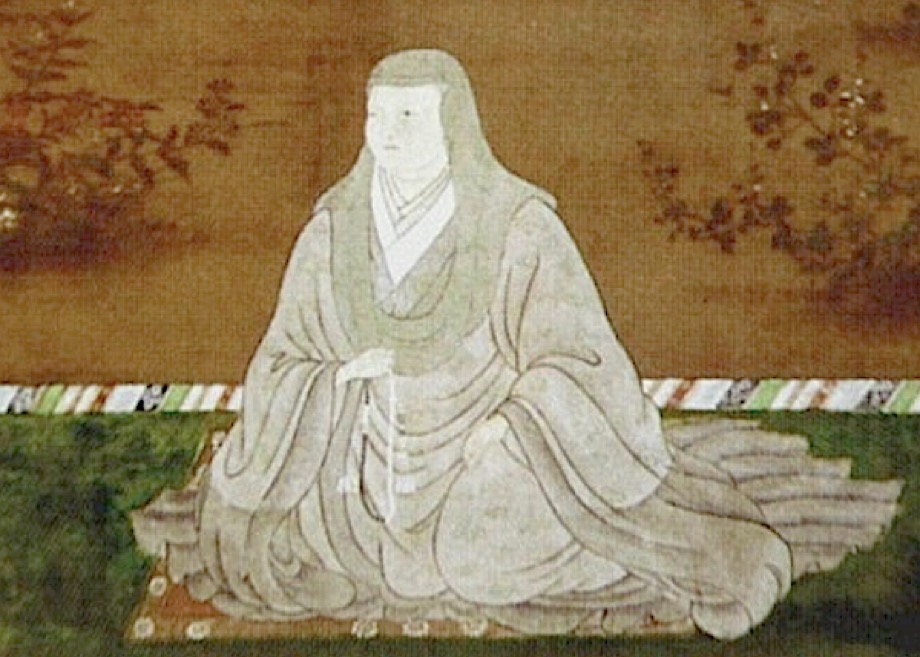
Portrait of Nene
The Woman Who Married a Foot-Soldier
She married a nobody. When Nene took the hand of the man history would call Toyotomi Hideyoshi, he was a low-born ashigaru in the service of Oda Nobunaga — a lean, monkey-faced foot-soldier with no name, no land, and nothing to recommend him but a restless brilliance no one had yet noticed. It was, by the standards of the age, almost scandalously a love match, made against the wishes of her family and sealed without the arithmetic of alliance that governed samurai marriages. She was perhaps fourteen. She would spend the next fifty years watching that nobody become the master of all Japan — and she would remain, through every stage of the ascent, the one fixed point in his world.
What Nene possessed was not power in the martial sense but something the warlords who surrounded her prized nearly as much: the trust of people. She was famously capable and universally liked, the wife who managed her husband's household in his long absences, mediated the rivalries of his hot-blooded young retainers, and mothered the boys who would grow into his generals. Men who would kill each other on the battlefield deferred to her in the compound. When Hideyoshi rose to the pinnacle she became kita-no-mandokoro, the principal lady of the realm — and she filled the role not with a queen's hauteur but with the steady, attentive warmth that had held his cause together from its poorest days.
Nene is the ESFJ at the center of a rising house: Fe's genius for people — the reading of loyalties, the soothing of quarrels, the trust of every faction — anchored by Si's unbroken constancy, the marriage and the household she kept intact from a foot-soldier's hovel to the halls of a nation.
The Keeper of a Thousand Loyalties
Fe — dominant
Dominant Fe reads a room the way a general reads terrain, and Nene's gift was for the human ground on which her husband's fortunes were built. Hideyoshi rose by collecting men — talented, ambitious, quarrelsome young samurai who owed their careers to him — and it fell to Nene to bind that following into something that would hold. She helped raise and mentor several of his retainers, boys who came into the household young and left it as commanders; among them were future generals whose loyalty to the Toyotomi cause was, in no small part, loyalty to her. When they feuded — and ambitious young men always feud — it was Nene who mediated, cooling tempers, smoothing slights, keeping the coalition from tearing itself apart in the years before it had a nation to govern.
The most famous glimpse of that Fe survives in a letter — and tellingly, it is a letter addressed to her, not from her. When Hideyoshi's philandering wore on her, Nene did not brood in silence; she took her complaint straight to Nobunaga himself. The great warlord's reply is one of the rare documents in which these titans appear as people: he praised her beauty and her conduct without reserve, told her she had grown into a woman her husband did not deserve, and instructed her to show the letter to that "bald rat" — his name for Hideyoshi — and to hold her head high as the lawful wife. That a man of Nobunaga's temper would take the time to reassure a retainer's wife measures the esteem she commanded. She was not a bystander to these men's regard; she had earned a place in it.
The Constancy That Outlasted the Empire
Si — auxiliary
Auxiliary Si is loyalty as memory — the keeping of a bond, a duty, a household exactly as it was entrusted, through every change of fortune. Nene's constancy is the spine of her whole story. She bore Hideyoshi no children, and in the ruthless dynastic logic of the age that was a failure a lesser marriage would not have survived. Yet she remained the dignified principal wife to the end, her standing untouched, because what she offered was not an heir but a foundation: the unwavering domestic and political ground on which Hideyoshi stood. She had kept house for him when there was almost no house to keep, and she kept it still when the house was the government of Japan.
Si also shows in how she ended. When Hideyoshi died and the succession fractured, the Toyotomi cause gathered around Yodo-dono, the younger concubine whose son was the heir, and the doomed fortress-court at Osaka. Nene did not follow them into that last, ruinous stand. She had taken Buddhist vows as Kōdai-in and founded the temple Kōdai-ji in her husband's memory, and she lived on quietly into the Tokugawa peace, dying in 1624 — honored, secure, and outliving the empire she had helped raise. It was the Si choice: to preserve the memory of the man rather than immolate herself in the wreck of his dynasty.
She kept faith with the foot-soldier she had married, not the empire he became — and so she survived, a widow at prayer, long after the Toyotomi cause burned to the ground at Osaka.
Why ESFJ Over ESTJ
Why not ESTJ?
Nene was a formidable administrator — she ran a great household and managed a following of ambitious men — and it is tempting to read that competence as the impersonal command of an ESTJ's Te. But her authority was never institutional; it was relational. She held her husband's retainers not through rank or system but through warmth, trust, and the personal loyalty she inspired — mothering the young, mediating the proud, being loved across every faction. That is Fe binding people to a person, not Te organizing them toward a policy. The ESTJ commands; Nene was obeyed because she was beloved.
The distinction is the whole of her. An ESTJ in her place would have built structures and enforced order; Nene built relationships and kept faith. Her power ran through human bonds — the trust of Nobunaga, the devotion of the retainers she raised, the constancy of a fifty-year marriage — and when the structures collapsed at Osaka, it was those bonds, and her refusal to sacrifice herself to a losing cause, that carried her through. Hers was the warmth that holds a rising house together, not the cold hand that governs a finished one.
Connected Figures
Further Reading
- Hideyoshi — Mary Elizabeth BerryThe standard scholarly life of Nene's husband — essential for understanding the household and cause she anchored, and her place within it.
- The Samurai: A Military History — Stephen TurnbullA sweeping survey of the warrior age; sets the Sengoku world of foot-soldiers, warlords, and rising houses in which Nene made her marriage and her name.
- Toyotomi Hideyoshi — Stephen TurnbullA compact illustrated study of the campaigns and rise of Nene's husband — useful for tracing the ascent she anchored from the ranks upward.
- Japonius Tyrannus: The Japanese Warlord Oda Nobunaga Reconsidered — Jeroen LamersA detailed reassessment of Nobunaga — the lord whose celebrated letter to Nene is one of the era's rare intimate documents.
