 Historical Figure MBTI
4 min read
#49 · 2-17-26 · The Roman Republic
Augustus
Founder of the Principate · Architect of Roman Stability
63 BCE — 14 CE
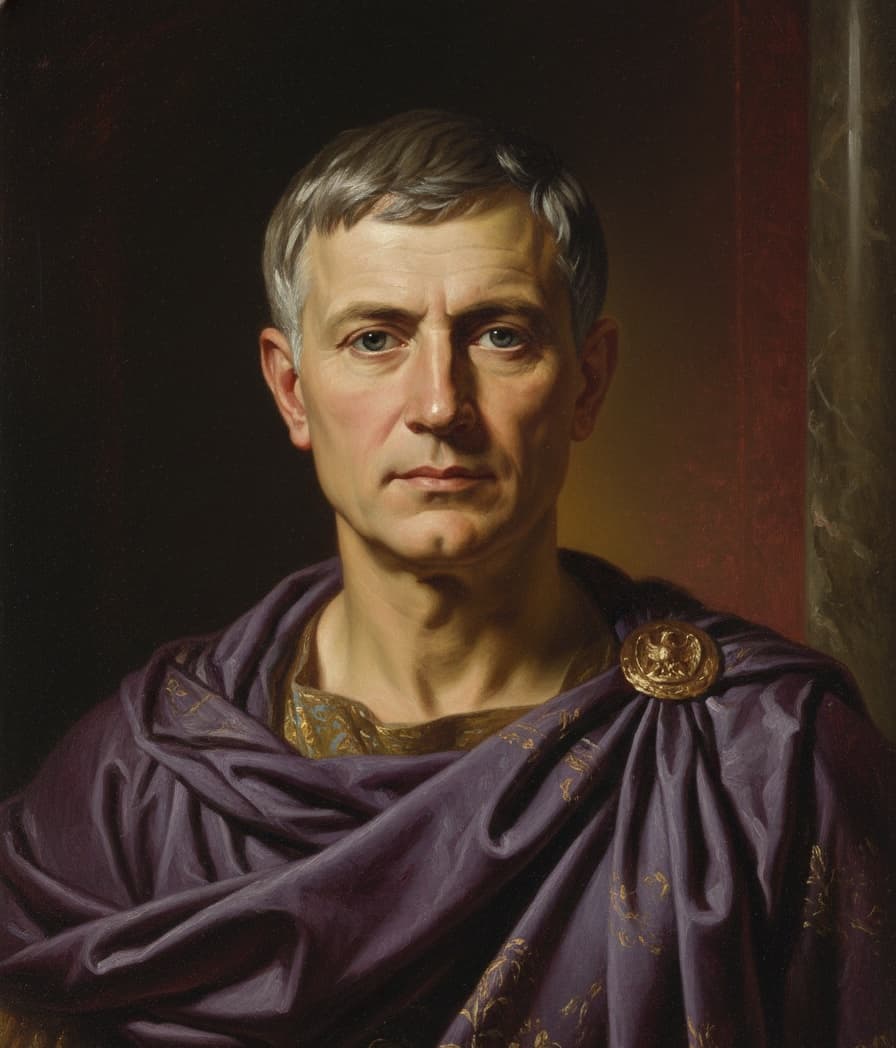
AI-assisted Portrait of Augustus Caesar.
The Man Who Ended the Republic Without Saying So
Born Gaius Octavius in 63 BCE, Augustus inherited not merely a name from his adoptive father Julius Caesar — he inherited a collapsing system. Rome had spent decades in civil war. The Republic, once resilient, had become structurally unsustainable.
Augustus understood something his rivals did not: Rome did not need another strongman. It needed redesign. Where others reached for dominance through spectacle, he moved through patience. He preserved republican language while quietly centralizing authority. He disbanded legions but retained loyalty. He refused the title "king" yet held more power than any monarch before him.
While sometimes mistyped as ISTJ due to his procedural nature or ENTJ due to his administrative reach, a closer look confirms the pattern: Augustus was most likely INTJ. He did not conquer Rome. He restructured it.
He didn't react to events. He arranged them until the outcome became unavoidable.
Ni — Dominant
Augustus operated on generational time horizons. After defeating Mark Antony and Cleopatra at Actium, he could have ruled openly as dictator. Instead, he staged a theatrical "restoration" of the Republic in 27 BCE — returning powers to the Senate while ensuring they would immediately grant them back in modified form.
This is anticipatory system modeling. He foresaw the Roman aversion to monarchy. He predicted backlash before it occurred. He engineered a political identity — "Princeps," first citizen — that psychologically soothed a population traumatized by tyranny. Ni is not about aggression. It is about inevitability.
Te — Auxiliary
His reforms were methodical and measurable. He reorganized taxation. Standardized provincial governance. Reformed the military into a professional standing army. Established the Praetorian Guard. Launched massive infrastructure projects.
The Pax Romana — two centuries of relative stability — was not a poetic accident. It was the product of administrative clarity. He didn't boast about conquest. He documented achievements in the Res Gestae Divi Augusti — a controlled narrative etched in stone. Efficiency paired with image management. Policy paired with optics.
Fi — Tertiary
Augustus was emotionally restrained, but not emotionally empty. His moral legislation — marriage laws, penalties for adultery, encouragement of childbirth among elites — reflected a deeply internalized value system. He believed Rome's decay was moral as much as political.
When his own daughter Julia violated those standards, he exiled her. Not theatrically. Not impulsively. Coldly. That quiet, painful consistency suggests tertiary Fi: private conviction governing public action, even at personal cost.
Se — Inferior
Augustus was not a battlefield showman like Caesar. He was frequently ill. Physically cautious. Strategically distant from front-line spectacle. His power did not come from dramatic presence, but from structural positioning. He let others perform glory. He kept the blueprint.
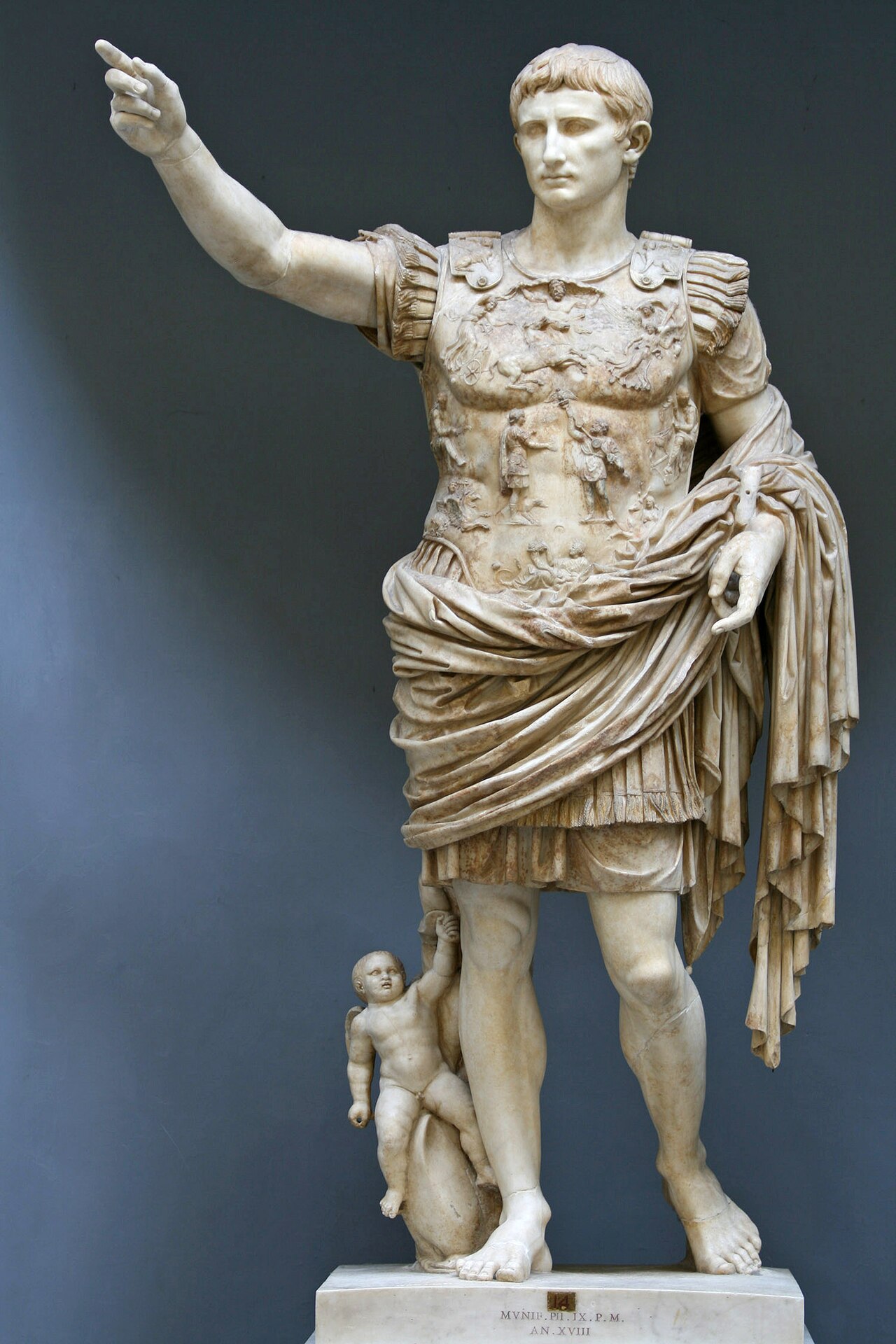
Why Not ISTJ or ENTJ?
Why not ISTJ?
ISTJs optimize existing frameworks and enforce proven procedures, valuing precedent. Augustus did not restore precedent — he invented new systems from scratch based on an internal vision of what should exist. His "restoration" of the Republic was a fiction he engineered. ESTJs are socially engaged and value hierarchical respect; Augustus withdrew from public display and worked from structural positioning. He was not enforcing tradition. He was architecting the future.
Why not ENTJ?
ENTJs lead visibly, accumulating authority publicly as Caesar did. Augustus deliberately avoided visible accumulation. He preferred invisible consolidation — refusing titles, staging "restorations," keeping power without its appearance. That indirection is Ni before Te, not Te before Ni. He ruled for over 40 years not by being the loudest man in the room, but by having already architected the room.
The Ecosystem
Contrast Augustus with Julius Caesar — charismatic, bold, publicly adored. Caesar embodied momentum. Augustus embodied consolidation. Caesar destabilized the Republic through ambition. Augustus stabilized it through architecture.
Rome did not need another conqueror.
It needed a planner who understood that systems outlive spectacles.
Connected Figures
Further Reading
- Augustus: First Emperor of Rome — Adrian GoldsworthyThe most thorough modern biography — rich on the military campaigns, political maneuvers, and personal life.
- The Roman Revolution — Ronald SymeThe classic scholarly account of how Augustus dismantled the Republic; written with cool, almost Tacitean irony.
- Augustus — Anthony EverittA highly readable narrative biography that brings the man and his world vividly to life for general readers.
- Res Gestae Divi Augusti — Augustus (trans. Alison Cooley)Augustus's own account of his deeds — indispensable as primary source and as a study in controlled self-presentation.
