 Historical Figure MBTI
3 min read
#44 · 2-15-26 · The Roman Republic
Mark Antony
General · Orator · Triumvir · Rome's Embodied Flame at the Edge of Empire
83 BCE — 30 BCE
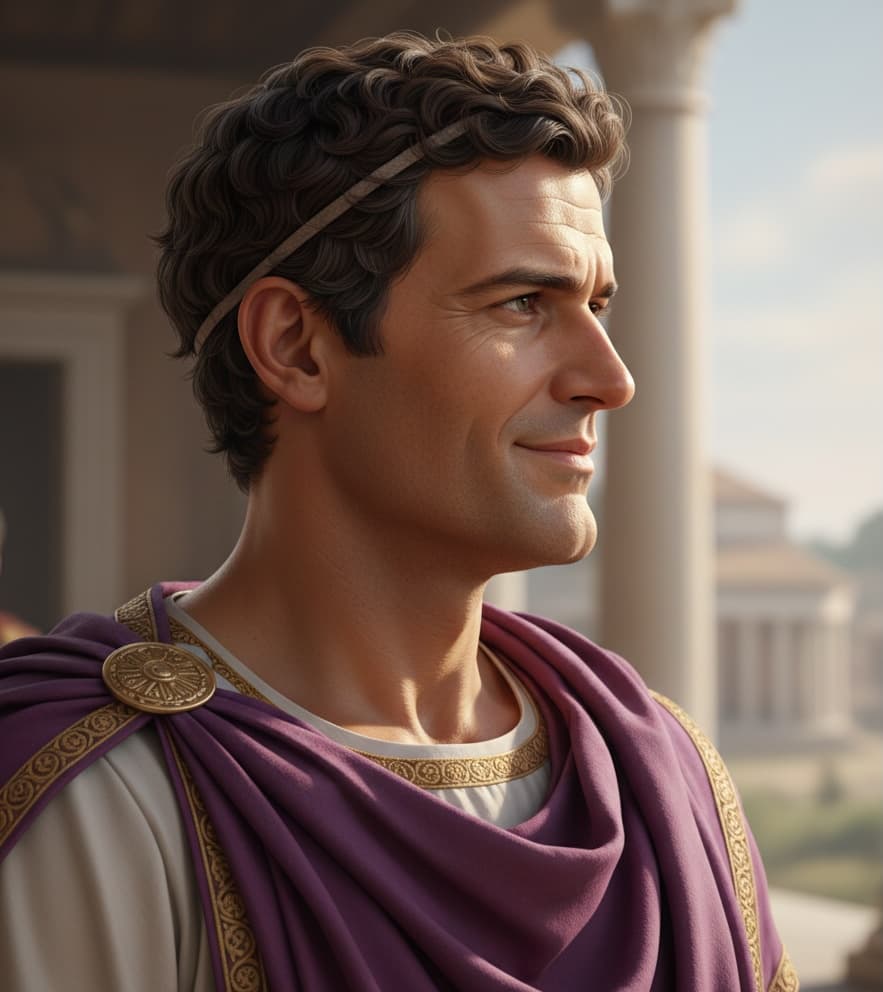
AI-assisted Portrait of Mark Antony.
The Man of the Moment
Born in 83 BCE into a politically troubled Roman family, Mark Antony did not rise through quiet calculation. He rose through presence. He was physically imposing, socially magnetic, and immediately recognizable in any room. Soldiers loved him not only for victories, but because he drank with them, marched with them, laughed with them.
Where others ruled through distance, Antony ruled through immersion. He entered history not as an architect of systems, but as a force inside them — amplifying, igniting, reacting, embodying. Antony is often framed as a reckless romantic, or typed as ESTP. But a closer look reveals something more emotionally anchored. The pattern points to ESFP.
Commitment over calculation. That is Se–Fi, not Se–Ti.
Se — Dominant
Antony lived externally. He moved toward experience — battlefields, feasts, speeches, spectacle — with full immersion. Plutarch describes his physical vigor, his love of display, his enjoyment of public life. He did not hesitate to inhabit power theatrically.
His famous funeral speech after Julius Caesar's assassination was not cold manipulation. It was emotionally charged, immediate, and responsive to the crowd. He read the room and intensified it. Se-dominant leaders respond to the atmosphere in real time. Antony excelled at this.
Fi — Auxiliary
Antony's loyalties were personal. His devotion to Caesar was deep and visible. After Caesar's death, his anger was not purely political — it was personal betrayal. He positioned himself as avenger and heir, not merely successor.
With Cleopatra VII Philopator, Antony did not maintain strategic distance. He immersed himself in her world — culturally, symbolically, emotionally. He embraced the Dionysian imagery, the lavish courts, the shared identity. This is not Te-first calculation. It is Fi-rooted loyalty expressed outwardly. Antony attached with intensity. When he loved, he leaned in fully.
Te — Tertiary
Antony was capable of command. He led armies, negotiated alliances, and co-ruled as part of the Second Triumvirate. But his long-term consolidation was inconsistent. Where Augustus methodically centralized authority, Antony allowed momentum and personal allegiance to shape decisions. Action served attachment, not the other way around.
Ni — Inferior
Antony struggled with long-horizon recalibration. As Octavian tightened propaganda and political control in Rome, Antony doubled down on spectacle in the East. His alignment with Cleopatra became symbolically grand, but strategically isolating. Rather than withdrawing to reassess trajectory, he escalated immersion. Ni-inferior types can misread long-term patterns when emotionally invested.
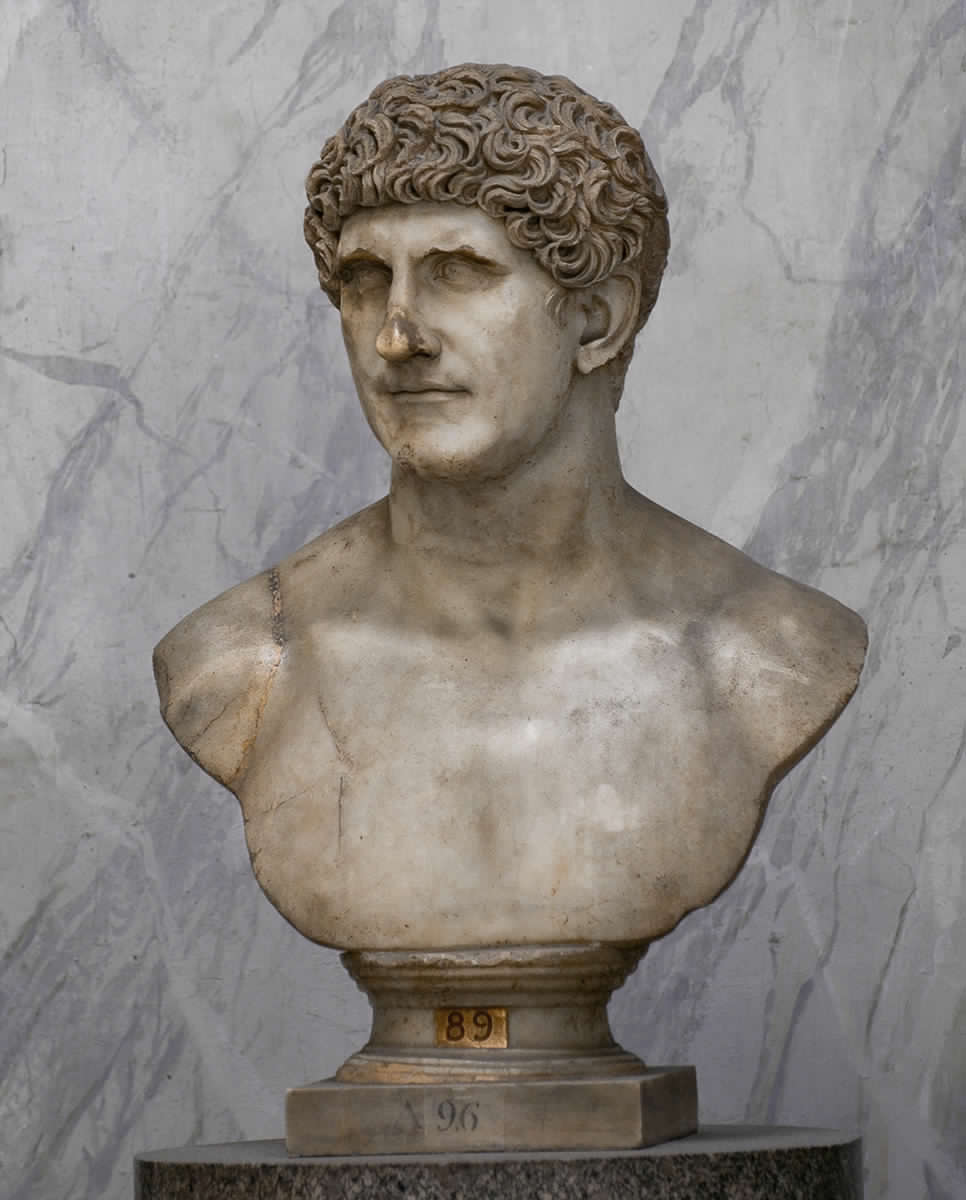
Why Not ESTP?
Why not ESTP?
The ESTP case emphasizes Antony's boldness, battlefield competence, and reactive courage. But ESTPs lead with tactical detachment — Se paired with Ti analysis. Antony's decision-making reads more emotionally anchored than analytically filtered. He did not operate as a cool opportunist. He operated as a loyal ally, a passionate partner, a man whose identity fused with those he chose. His downfall was not lack of courage or skill. It was intensity of attachment. That is Se–Fi, not Se–Ti.
The Roman Triangle
Within the Roman power triangle, the contrast clarifies. Caesar (ENTJ) embodied executive consolidation. Cleopatra (ENTJ) embodied sovereign strategy.
Antony embodied experience.
When defeat came at Actium, he did not pivot into cold survival. He chose death beside the woman he had bound himself to.
Connected Figures
Further Reading
- Antony and Cleopatra — Adrian GoldsworthyThe most thorough modern dual biography, grounding the romance in hard military and political detail.
- Mark Antony: A Biography — Eleanor Goltz HuzarThe standard scholarly biography; essential for Antony's career before Egypt.
- The Life of Antony — Plutarch (trans. Robin Waterfield)The ancient source closest to Antony's own era — vivid, partial, and indispensable.
- Antony and Cleopatra: The Doomed Love Affair That United Ancient Rome and Egypt — Brian BurrellA narrative account aimed at general readers, drawing on archaeological and literary sources.
- The Roman Revolution — Ronald SymeA landmark study of the Augustan era that illuminates why Antony lost — and what that victory cost Rome.
