 Historical Figure MBTI
3 min read
#48 · 2-16-26 · The Roman Republic
Pompey
The General of the Established Order · The Man Who Delivered Results Within the System
106 BCE — 48 BCE
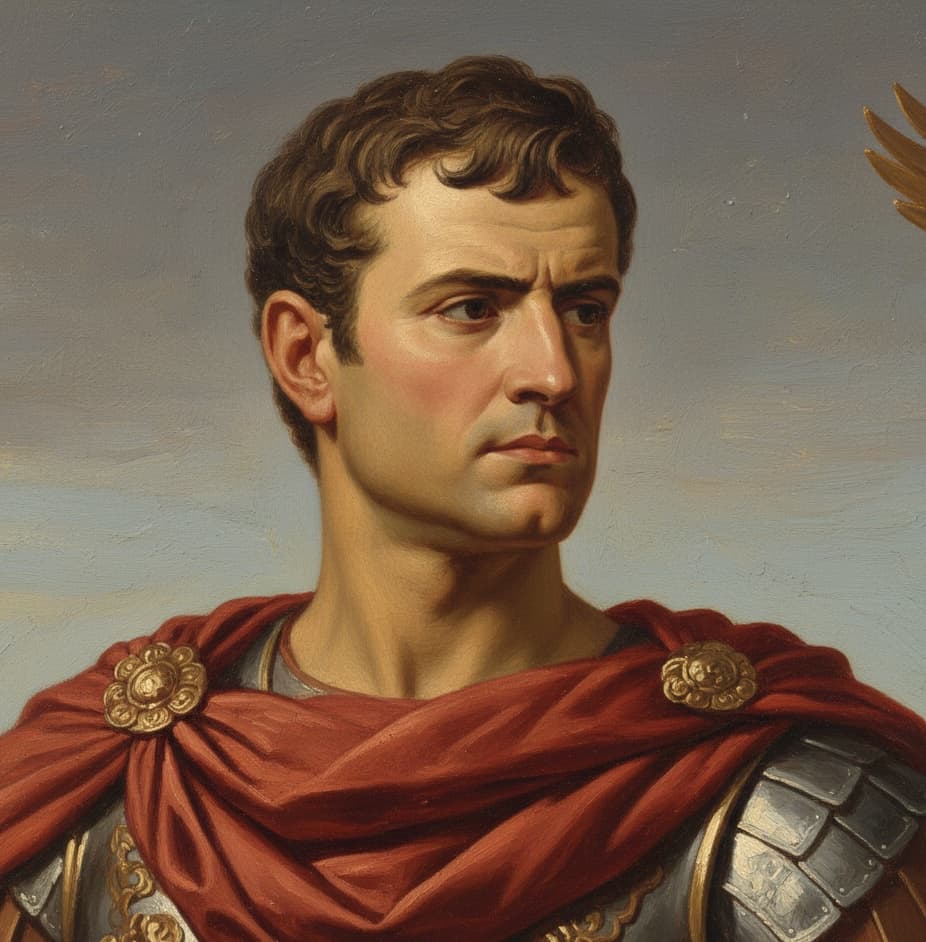
AI-assisted Portrait of Gnaeus Pompeius Magnus.
The General of the Established Order
Gnaeus Pompeius Magnus did not seize Rome. He embodied it. Born into an ambitious but not anciently dominant family, Pompey rose through military success, discipline, and reputation. By his twenties he had earned the title Magnus — "the Great." Not because he revolutionized Rome, but because he delivered results efficiently and decisively within its existing framework.
Where Caesar bent the Republic to his will, Pompey relied on its structure. That distinction defines him — and points toward ESTJ: efficiency as dominance, legitimacy as power, structure as identity.
He was strongest when the Republic's framework supported him. He weakened when it fractured.
Te — Dominant
Pompey's strength was operational command. He ended wars quickly, secured territory efficiently, and absorbed surrendered opponents rather than wasting resources. He accepted clemency when it stabilized power. His reputation alone caused enemies to capitulate. That is Te at scale — efficiency as dominance.
Even accusations that he "stole victories" reveal something telling: Pompey knew how to consolidate credit. He understood political capital and institutional optics. He positioned himself at the top of successful campaigns and let results reinforce authority. This is not impulsive aggression. It is structured command.
Si — Auxiliary
Pompey operated through the Republic's mechanisms, not against them. He sought office, valued triumphs granted by the Senate, maintained aristocratic alliances, and preferred legal recognition over unilateral seizure.
When Caesar crossed the Rubicon, Pompey did not counter with reckless force. He withdrew, regrouped, and relied on established support structures. He believed the Republic's legitimacy would outlast personal ambition. That is Si — trust in system continuity.
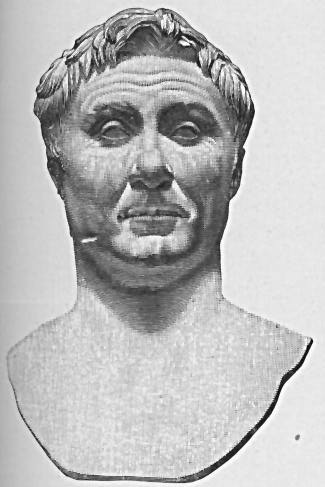
Ne — Tertiary
The Civil War contrast reveals this function clearly. The difference between Pompey and Caesar is the difference between defending structure and imposing trajectory. At Pharsalus, Pompey hesitated. He allowed senatorial pressure to influence timing. He did not override the room with singular will. His leadership style depended on institutional alignment, not visionary imposition.
Fi — Inferior
Pompey cared deeply about honor and public standing. His monuments, triumphs, and titles reinforced stability rather than revolution. He preferred prestige within the system to reshaping the system itself. He did not seek to become king. He sought to remain Rome's foremost servant — on Rome's terms.
Why Not ESTP or ENTJ?
Why not ESTP?
Pompey was not momentum-driven or improvisational in crisis. He did not accelerate under pressure; he consolidated. He was not kinetically dominant or theatrically bold like Antony. His victories came through disciplined organization and reputation, not high-risk tactical flair.
Why not ENTJ?
Unlike Caesar, Pompey did not architect a new political order. He did not cross the Rubicon or impose systemic overhaul. ENTJs reshape institutions when they become obstacles; Pompey remained loyal to them. His instinct was preservation, not transformation.
Connected Figures
Further Reading
- Pompey the Great — Robin SeagerThe definitive modern biography — rigorous, balanced, and essential for understanding Pompey's political and military career.
- Caesar: A Biography — Christian MeierEssential context for understanding Pompey as Caesar's foil; illuminates why Pompey's institutional loyalty proved fatal.
- The Fall of the Roman Republic — Plutarch (trans. Rex Warner)Contains Plutarch's 'Life of Pompey' — the ancient primary source most responsible for shaping how posterity reads him.
- Rubicon: The Last Years of the Roman Republic — Tom HollandVivid narrative account of the Republic's collapse; Pompey emerges as its last great institutional defender.
