 Historical Figure MBTI
3 min read
#237 · 3-23-26 · The Age of Alexander
Mazaeus
Satrap · Strategist · Master of Babylon
c. 385 — 328 BC
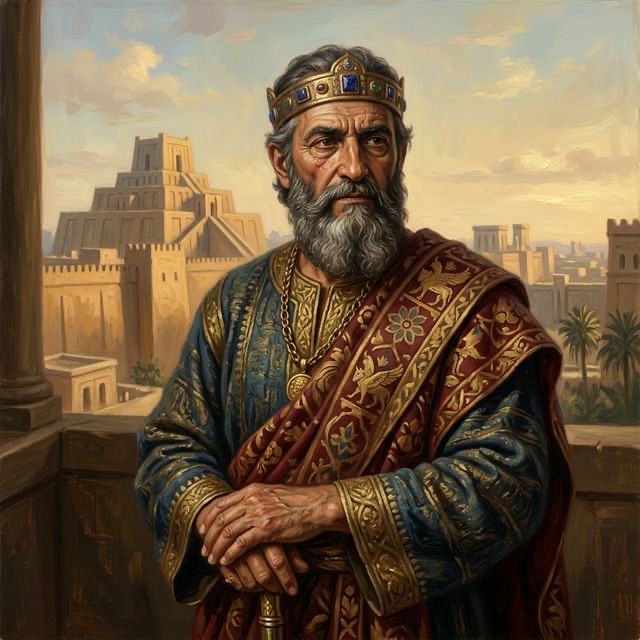
AI-assisted portrait of Mazaeus
The Man Who Read the Future Before It Arrived
Mazaeus governed Babylon under Darius III and commanded the Persian right flank at Gaugamela (331 BC) — the wing that actually penetrated the Macedonian lines and briefly reached the baggage train. Then he watched his king flee, assessed the situation with cold precision, and surrendered Babylon to Alexander without a siege. Alexander, who expected a city to defend, found it open. He rewarded Mazaeus by keeping him as satrap of Babylon — the first Persian governor retained in office by the Macedonian conqueror.
Mazaeus was an INTJ — a strategist who understood that survival required reading the arc of history rather than fighting it. When the empire fell, he governed the empire's capital for the man who replaced it.
The Long View
Dominant Ni sees the trajectory of situations before outcomes are visible to others. Mazaeus had governed Babylon for years and understood, as most Persian nobles did not, that Alexander's advances were not raid-level disruptions but a structural replacement of the empire. When Gaugamela ended with Darius in flight and no coherent resistance remaining, Mazaeus did not fight a siege for a cause that had already lost. He surrendered. This was not cowardice — he had performed well at Gaugamela. It was a correct read of an irreversible situation.
The Efficient Administrator
Auxiliary Te made Mazaeus valuable to whoever held power. He had governed Babylon, the largest and wealthiest city in the ancient world, through multiple regime transitions. He was not a charismatic figure or an ideological one; he was an effective manager of complex administrative and fiscal systems. Alexander valued this. A new conqueror with no bureaucratic infrastructure needed competent local administrators who could collect taxes, maintain order, and run an ancient city without constant supervision. Mazaeus provided exactly that.
Why INTJ Over ISTJ
Why not ISTJ?
An ISTJ in Mazaeus's position would have been more likely to hold Babylon for Darius out of loyalty to established order. What distinguishes Mazaeus is his willingness to abandon the losing side before the end — a Ni move, not an Si one. He chose the future over the tradition. That's an INTJ reading of a complex situation, not an ISTJ's attachment to duty and precedent.
Connected Figures
Further Reading
- The Campaigns of Alexander — Arrian (trans. Aubrey de Sélincourt)The primary ancient source for Mazaeus's role at Gaugamela and surrender of Babylon, drawn from eyewitness accounts.
- Alexander the Great — Peter GreenA critical biography that covers the administrative decisions — including retaining Mazaeus — that shaped Alexander's Persian policy.
- The Persian Empire — J. M. CookPlaces Mazaeus within the broader structure of Achaemenid satrapal administration.
