 Historical Figure MBTI
2 min read
#236 · 3-23-26 · The Age of Alexander
Bagistanes
Persian Noble · Messenger
fl. 330 BC
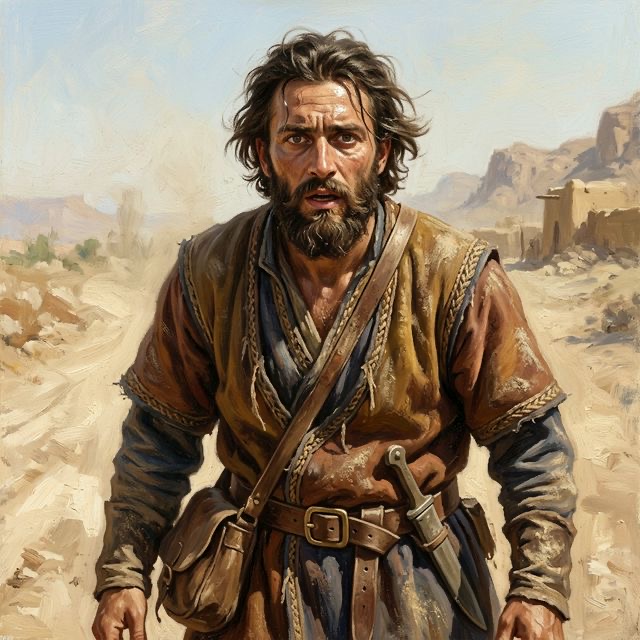
AI-assisted portrait of Bagistanes
The Messenger Who Changed Everything
Bagistanes was a Persian nobleman whose single recorded act proved pivotal to the final chapter of the Achaemenid Empire. After the Battle of Gaugamela (331 BC), as Bessus and Nabarzanes arrested and bound Darius III to use him as leverage or a bargaining chip, Bagistanes slipped away and rode toward Alexander's advancing forces.
He met a Greek soldier named Melon and together they brought Alexander the news: the Great King was a prisoner of his own satraps, moving eastward in a covered wagon. The information triggered Alexander's legendary pursuit across the Persian heartland — a forced march of extraordinary speed that ended when Alexander found Darius dying in the road, stabbed by Bessus as the Macedonians closed in. Without Bagistanes's defection and message, Darius might have died unwitnessed, Bessus might have consolidated power as Artaxerxes V, and the final act of the conquest would have looked entirely different.
Historical Context
Bagistanes appears in Arrian's Anabasis and Diodorus as the source of the intelligence that launched Alexander's final pursuit of Darius. His motivations for defecting from the conspirators' camp are not recorded. He may have been a loyalist unwilling to sanction the arrest of his king; he may have been calculating his own survival in a world where Alexander was winning; he may have been both. The sources say nothing more about him after his message is delivered. He is a man whose importance to history is entirely contained in a single ride.
The Psychological Verdict
Bagistanes remains Untyped. His decisive action — choosing to inform rather than stay silent — suggests moral clarity or pragmatic calculation, but the record gives us nothing to determine which, or what cognitive architecture drove either. He is the historical pivot point who vanishes before the history he shaped reaches its conclusion.
Connected Figures
Further Reading
- The Campaigns of Alexander — ArrianThe primary account of Bagistanes's ride to warn Alexander that Bessus and Nabarzanes had seized Darius.
- The History of Alexander — Quintus Curtius RufusThe richest surviving narrative of the conspirators' plot against Darius that Bagistanes chose to betray.
- Who's Who in the Age of Alexander the Great: Prosopography of Alexander's Empire — Waldemar HeckelThe standard reference entry for a figure known only through this single, consequential act.
