 Historical Figure MBTI
2 min read
#235 · 3-23-26 · The Age of Alexander
Antibelus
Son of Mazaeus · Persian Noble
fl. 330s BC
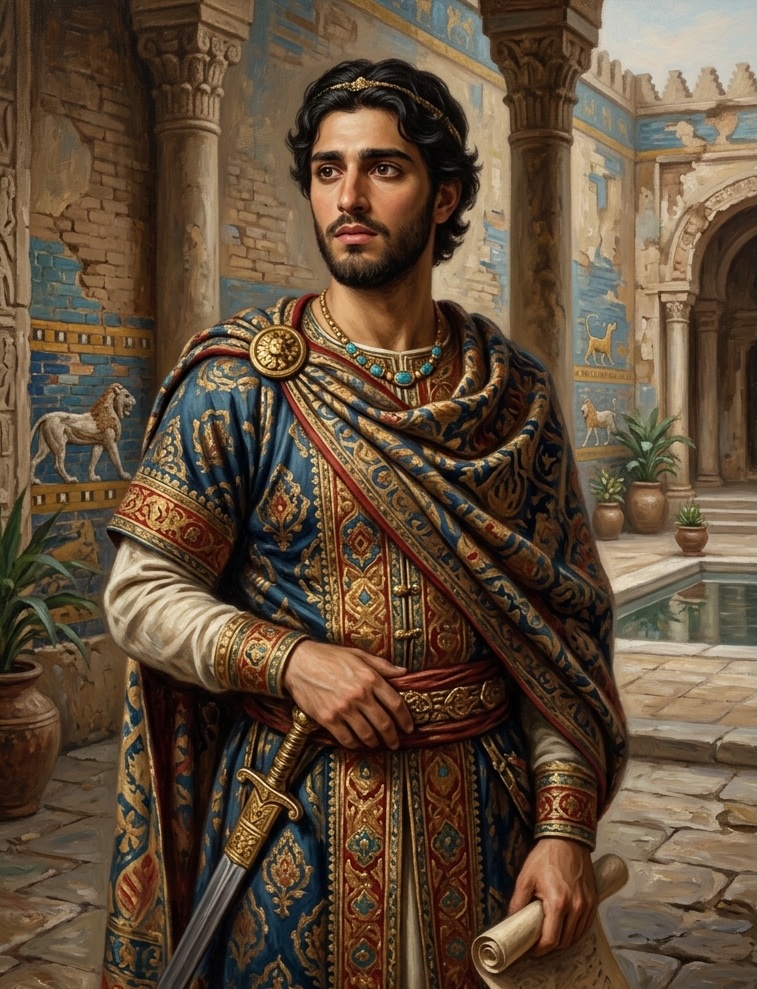
AI-assisted portrait of Antibelus
The Son Who Inherited a New World
Antibelus was a son of Mazaeus, the powerful satrap of Babylon who governed the city under Darius III and then, after a peaceful surrender, continued to govern it under Alexander. His father's remarkable political survival — the first Persian satrap retained by the Macedonian conqueror — positioned Antibelus in an unusual transition zone between two empires.
Ancient sources record that Antibelus and at least one of his brothers were enrolled in Alexander's companion cavalry, a gesture of integration that Alexander extended to select sons of allied or surrendered Persian nobility. His inclusion in the Macedonian military apparatus was less a matter of personal distinction than of dynastic symbolism: by serving the new king, the sons of Mazaeus visibly ratified their father's choice.
Historical Context
The historical record for Antibelus is thin. He appears primarily in connection with his father's household and the administrative transition of Babylon from Achaemenid to Macedonian rule. His life illustrates the situation of Persian noble families who chose accommodation over resistance — men whose individual psychology is largely invisible because their story was subsumed into their father's more consequential choices.
The Psychological Verdict
Antibelus remains Untyped. The sources offer no independent record of his decisions, responses, or temperament. He is a figure defined by his father's choices rather than his own.
Connected Figures
Further Reading
- Who's Who in the Age of Alexander the Great: Prosopography of Alexander's Empire — Waldemar HeckelThe standard reference for a minor figure like Antibelus, catalogued alongside his father Mazaeus's household.
- From Cyrus to Alexander: A History of the Persian Empire — Pierre BriantSets the Achaemenid-to-Macedonian transition that defined Antibelus's family's accommodation with Alexander.
- The Campaigns of Alexander — ArrianThe primary source recording the enrollment of Mazaeus's sons, including Antibelus, in Alexander's companion cavalry.
