 Historical Figure MBTI
3 min read
#101 · 3-10-26 · The Founding Generation of USA
Samuel Powel
The patriot mayor and civic steward of Revolutionary Philadelphia.
1738 — 1793
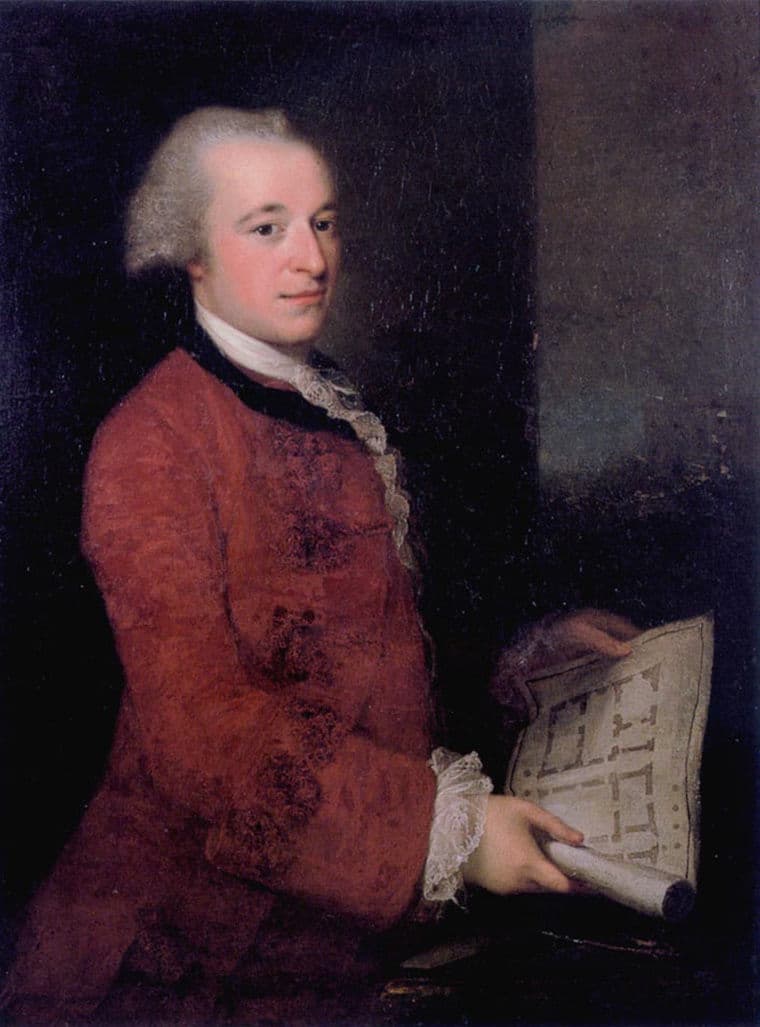
Portrait of Samuel Powel.
The Civic Steward
Born into a prominent merchant family in Philadelphia, Samuel Powel represents a form of leadership that was essential to the stability of the early United States: the steady civic steward. While the American Revolution produced many charismatic ideologues and fiery political thinkers, Powel's legacy lies in something quieter but equally important — maintaining the institutions and civic order that allowed the young republic to function.
Raised within the civic elite that had long governed the colony, his life reflects the classic ISTJ pattern: tradition, duty, principled governance, and calm administrative competence. His education at Christ Church, Oxford, reinforced Roman republican ideals — duty to the state, civic virtue, and moral restraint — principles that strongly shaped his later public service.
Together with his wife, Elizabeth Willing Powel, he cultivated one of the most respected social circles in early American political life. Their home welcomed many of the leading minds of the revolutionary generation, including George Washington and Alexander Hamilton.
That's the ISTJ signature: Si tradition paired with Te governance — he didn't seek the spotlight; he held the floor.
Si — Dominant
Powel's upbringing and career strongly reflect dominant Si.
Rather than seeking dramatic personal influence, his career focused on preserving civic stability during a time of political upheaval. He leaned on the proven structures of governance to navigate the chaos of revolution. This emphasis on continuity, responsibility, and respect for established institutions is characteristic of Si-dominant personalities.
Te — Auxiliary
Supporting his traditional outlook was effective administration and public leadership — reflecting auxiliary Te.
Powel served twice as mayor of Philadelphia, during the outbreak of the Revolution and shortly after the adoption of the Constitution. During the Revolution, managing the city required practical governance and calm organization. Powel was known for precisely these qualities — focusing on maintaining order and ensuring the smooth functioning of civic institutions rather than engaging in ideological grandstanding.
Fi — Tertiary
Though not emotionally demonstrative in public life, Powel appears to have possessed strong personal values — guided by tertiary Fi.
Contemporaries described him as honorable, courteous, and principled in character. These descriptions suggest a quiet but firm internal moral compass guiding his behavior. His reputation for integrity earned him widespread respect among Philadelphia's political leaders and citizens alike.
Ne — Inferior
While ISTJs rely least on Ne, Powel's life included exposure to lively intellectual discussion through his social orbit.
Within the gatherings hosted with Elizabeth, Samuel contributed measured political insight and dignified presence while Elizabeth often served as the lively conversational catalyst. This openness to the “intellectual society” of his time allowed him to stay connected to the evolving ideas of the republic without losing his grounding in stability.
Connected Figures
Further Reading
- Washington: A Life — Ron ChernowDocuments Washington's regular presence at Powel House and his lasting friendship with Samuel Powel.
- Parlour Politics: In Which the Ladies of Washington Help Build a City and a Government — Catherine AllgorFrames the Powel House salon Samuel co-hosted with Elizabeth as a real engine of Philadelphia political life.
- Founding Brothers: The Revolutionary Generation — Joseph J. EllisGeneral context for the Philadelphia circle of founders who gathered at the Powels' constitutional-era table.
- Alexander Hamilton — Ron ChernowCovers Hamilton's presence as a frequent Powel House guest within the Federalist social network Samuel cultivated.
