 Historical Figure MBTI
4 min read
#102 · 3-11-26 · The Founding Generation of USA
James Craik
Physician, military surgeon, and lifelong confidant of George Washington.
1730 — 1814
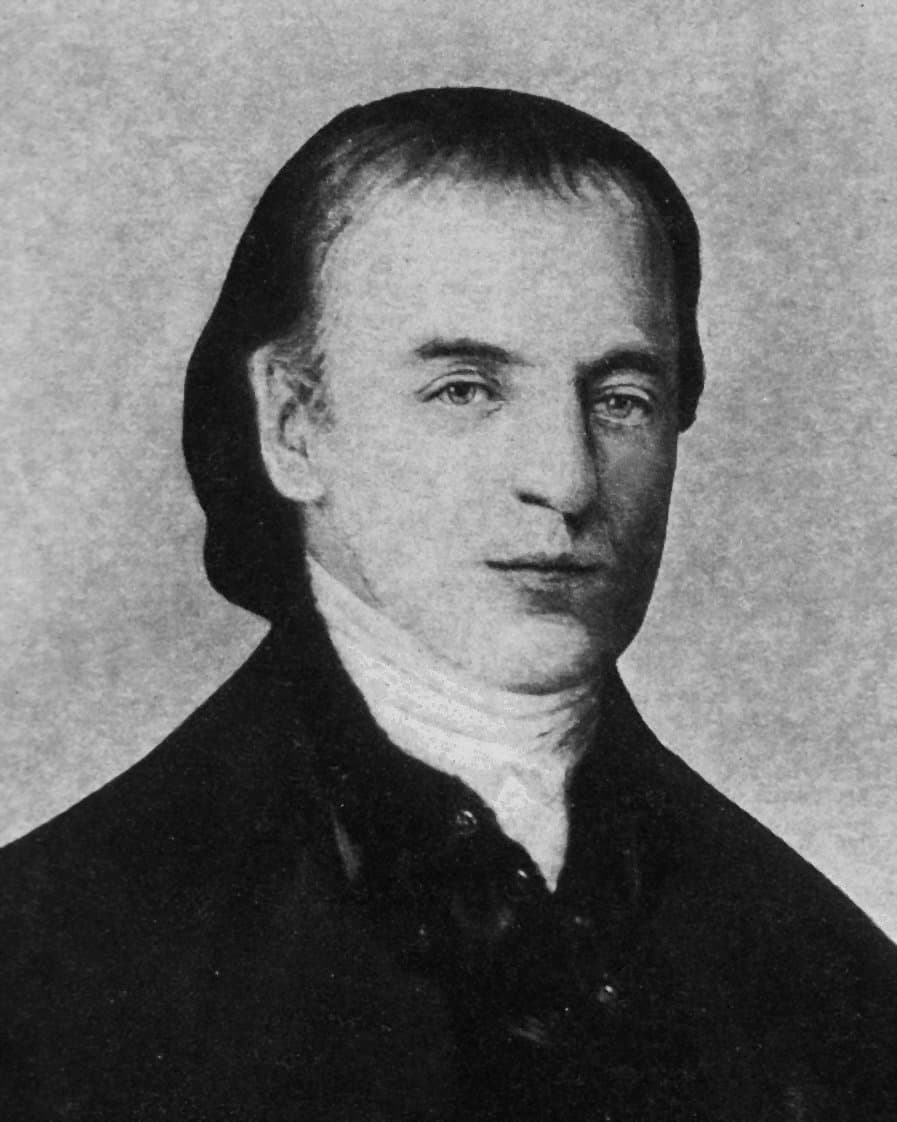
Portrait of James Craik.
The Loyal Physician
Born in 1730 in Arbigland, Scotland, James Craik would become one of the most quietly influential figures in the orbit of the American founding generation. Trained as a physician in the rigorous Scottish medical tradition, Craik emigrated to colonial Virginia in the early 1750s and quickly established himself as a capable frontier doctor. His life would soon become intertwined with that of a young militia officer named George Washington.
The two men met during the French and Indian War, where Craik served as a military surgeon while Washington rose through the ranks. What began as professional collaboration quickly developed into a lifelong friendship forged through campaign hardships, frontier travel, and shared responsibility. Over the following decades, Craik remained one of Washington's most trusted companions — serving not only as his physician but as a reliable presence within his inner circle.
Craik's career spanned the transformation of the American colonies into an independent republic. He served during the Revolutionary War, helping organize the Continental Army's medical services. Yet despite his proximity to power, Craik never pursued political fame or public leadership. His legacy instead lies in something quieter but no less essential: steadfast service.
That's the ISTJ signature: Si continuity paired with Te competence — he didn't seek fame, he just showed up for half a century and never let Washington down.
Si — Dominant
Craik's life was defined by continuity and long-term loyalty — hallmarks of dominant Si.
His relationship with George Washington alone lasted nearly half a century, beginning in the 1750s during the French and Indian War and continuing until Washington's death in 1799. Throughout that entire period, Craik remained a constant presence — accompanying Washington in wartime campaigns, visiting Mount Vernon socially, and ultimately serving as the physician summoned during Washington's final illness. Craik did not seek novelty or reinvention; he maintained the structures and relationships that had proven meaningful over time.
Te — Auxiliary
Alongside this loyalty was a strong orientation toward practical execution and organizational responsibility — reflecting auxiliary Te.
Military medicine during the eighteenth century required disciplined logistics: coordinating surgeons, organizing hospitals, and managing medical supplies in difficult conditions. Craik served as Director of the Continental Army's medical department, a role that demanded administrative competence and steady decision-making. His reputation emphasized precisely these qualities — steady, sensible, and dependable.
Fi — Tertiary
Despite his public reserve, Craik's life suggests a quiet but firm personal value system — reflecting tertiary Fi.
His decades-long friendship with Washington extended into the private sphere of family life and social hospitality. Craik frequently visited Mount Vernon as a guest, and one of his sons was named George Washington Craik — a gesture reflecting deep personal loyalty. This pattern of devotion to a small circle of meaningful relationships reflects values deeply held yet rarely displayed publicly.
Ne — Inferior
Craik's life shows little evidence of the novelty-seeking or speculative exploration associated with inferior Ne.
Unlike many figures of the founding era who moved fluidly between careers in politics, philosophy, and diplomacy, Craik remained consistently anchored in the practical world of medicine and community leadership. His career path was stable rather than experimental, and his contributions focused on maintaining established systems rather than imagining new ideological possibilities.
Why ISTJ Over ESTJ
Why not ESTJ?
At first glance, Craik's leadership within military medicine might suggest ESTJ. However, his life pattern reveals a more reserved orientation. Craik did not pursue public authority or political influence despite his proximity to national leadership. Instead, he remained primarily within the role of physician and trusted confidant. His influence was exercised quietly within existing relationships rather than through visible leadership positions. This preference for steady service over public command aligns more closely with introverted sensing leadership than with the outwardly directive energy typical of dominant Te personalities.
Connected Figures
Further Reading
- The Death of George Washington: He Died as He Lived — Peter R. HenriquesReconstructs Craik's role at Washington's deathbed, the defining moment of his fifty-year friendship with the general.
- Washington: A Life — Ron ChernowCovers Craik's decades as Washington's personal physician and closest non-family companion.
- Founding Brothers: The Revolutionary Generation — Joseph J. EllisGeneral context for the Continental Army circle in which Craik served alongside Washington and Knox.
