 Historical Figure MBTI
3 min read
#40 · 2-13-26 · The Age of Chivalry
Henry II of England
Builder King · Architect of the Angevin Empire
1133 — 1189
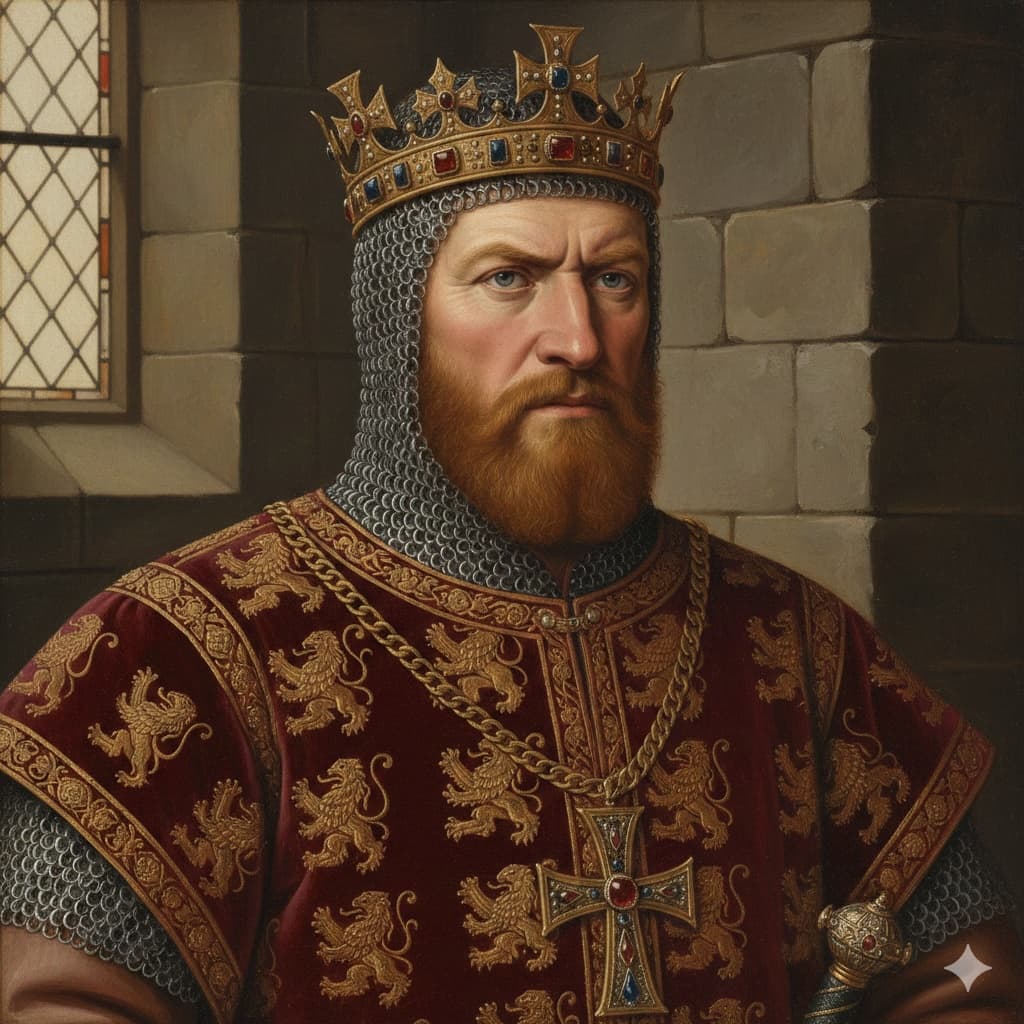
AI-assisted Portrait of Henry II of England.
The King Who Would Not Sit Still
Born in 1133 into a fractured England, Henry Plantagenet came of age during civil war. His mother, Empress Matilda, fought for the throne against King Stephen in a period known as The Anarchy — a time when royal authority collapsed and barons seized power.
When he became king in 1154, he moved immediately to consolidate control. Castles were dismantled. Royal authority was reasserted. Legal reforms began reshaping England's administrative foundations. His marriage to Eleanor of Aquitaine united vast territories across England and France, forming what historians call the Angevin Empire.
Henry II aligns most clearly with ENTJ: executive dominance, structural reform, expansionist ambition, and relentless operational drive. Unlike rulers who preserve inherited systems, Henry redesigned them.
He did not drift into power. He engineered it.
Te — Dominant
Henry's defining feature was administrative force. He reorganized the English legal system in ways that laid the foundation for common law. He strengthened royal courts, limited feudal independence, and centralized authority through systematic reform.
He was decisive, practical, and often impatient with inefficiency. Chroniclers describe him as restless, rarely sitting still, always in motion. He moved across his territories constantly, inspecting, correcting, commanding. This is Te in full command — external structure before internal contemplation.
Ni — Auxiliary
Behind his executive drive was strategic foresight. Henry did not merely expand territory; he built a durable power network. His control over England and large swaths of France created a trans-channel empire bound through dynastic alignment and administrative oversight.
His long-term conflict with Thomas Becket, Archbishop of Canterbury, was not personal pettiness alone — it was a structural struggle over church-state boundaries. He envisioned monarchy as organized authority, not inherited symbolism.
Se — Tertiary
Henry was physically energetic and present-focused in action. He traveled incessantly, reacted swiftly to rebellion, and acted directly when threatened. Yet his boldness was rarely impulsive for stimulation — it served consolidation goals.
His anger, however, sometimes erupted in unfiltered expression — most famously in the outburst that preceded Becket's murder. That volatility suggests accessible but imperfectly restrained Se.
Fi — Inferior
Henry's personal emotional processing appears underdeveloped. His relationships — including with Eleanor and his sons — were marked by control struggles. When challenged by his heirs, he responded not with reconciliation but with force and imprisonment. He prioritized order over harmony.
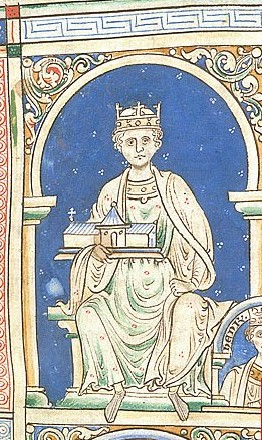
Why Not ESTJ?
Why not ESTJ?
Henry is sometimes read as ESTJ due to his administrative strength and enforcement of tradition. However, ESTJs typically focus on maintaining established systems rather than redesigning them at scale. Henry's reforms were not conservative preservation — they were structural recalibration. His empire-building extended beyond national stability into expansive strategic dominance. The breadth of his territorial and institutional ambition suggests Ni support beneath Te execution. He did not simply enforce precedent. He expanded and reorganized the monarchy itself.
The Contrast
Placed beside Louis VII of France — likely ISFJ — Henry's temperament feels explosive by comparison. Where Louis preserved continuity, Henry imposed direction.
Beside Eleanor of Aquitaine — also likely ENTJ — we see both compatibility and collision.
Two executive personalities within one dynasty inevitably produced succession conflict.
Connected Figures
Further Reading
- Henry II — W. L. WarrenThe standard scholarly biography — exhaustive on Henry's legal reforms, his empire, and his family conflicts.
- The Devil's Brood: The Angevin Family and the Fabric of the Middle Ages — Derek WilsonCovers the whole Plantagenet dynasty with particular attention to Henry's stormy relationship with Eleanor and his sons.
- Becket: The Turbulent Priest — John GuyA close examination of the Henry–Becket conflict and its meaning for church-state relations in medieval England.
- Eleanor of Aquitaine: A Life — Alison WeirTraces Henry's reign through Eleanor's perspective — essential for understanding the Angevin court from the inside.
