 Historical Figure MBTI
3 min read
#76 · 2-27-26 · The Founding Generation of USA
James Reynolds
Schemer, Blackmailer, and Catalyst of America’s First Political Sex Scandal
dates unknown
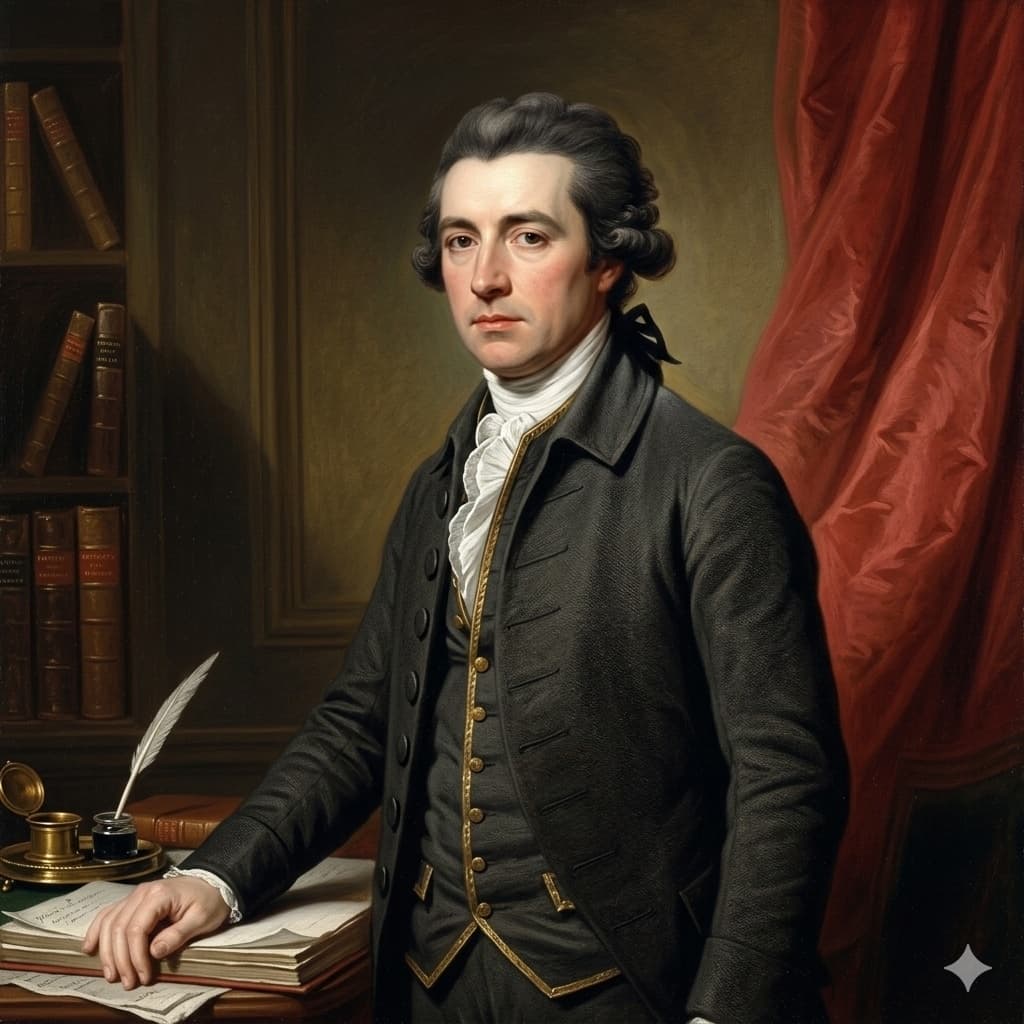
Portrait of James Reynolds.
The Opportunist
James Reynolds enters the historical record not as a statesman or soldier but as a small-time operator moving along the edges of early American politics.
In 1791, his wife Maria Reynolds began an affair with the rising statesman Alexander Hamilton. Rather than confronting the situation publicly, Reynolds turned it into leverage.
He demanded payments from Hamilton in exchange for silence, initiating a blackmail scheme that would later explode into public view when Hamilton published the Reynolds Pamphlet to defend himself against accusations of financial corruption.
Reynolds himself would later be imprisoned for unrelated fraud charges, reinforcing the impression left by the scandal: a man comfortable navigating risk, manipulation, and opportunity wherever they appeared.
The Psychological Verdict
Though little direct personal testimony survives, the behavioral record surrounding Reynolds reveals a personality defined by opportunism, quick calculation, and comfort operating in morally ambiguous situations.
The most plausible interpretation is ESTP.
Se — Dominant
Reynolds’ actions throughout the scandal suggest a strong orientation toward immediate opportunity. When he discovered the affair between Hamilton and Maria, he did not seek moral resolution or long-term planning. Instead, he rapidly converted the situation into financial leverage.
This quick, situational exploitation reflects dominant Extraverted Sensing.
Ti — Auxiliary
The blackmail scheme itself required a degree of tactical thinking. Reynolds recognized Hamilton’s vulnerability and structured a system of payments designed to keep the situation quiet while maximizing his own gain.
This pragmatic reasoning reflects auxiliary Introverted Thinking working in service of immediate advantage.
Fe — Tertiary
Reynolds also demonstrated an awareness of social dynamics, understanding that scandal could damage Hamilton’s reputation and career. By threatening exposure, he weaponized public perception as part of his strategy.
Ni — Inferior
What Reynolds lacked was long-term foresight. His schemes repeatedly brought him into legal trouble, and the Reynolds scandal ultimately became one of the most famous political embarrassments in early American history.
The pattern suggests opportunism unchecked by strategic vision.
Context Matters
Early American cities like Philadelphia were filled with speculative ventures, political patronage networks, and economic uncertainty. Figures like Reynolds often operated within these gray zones, seeking profit through connections, manipulation, and risk-taking.
He was not a founder shaping the republic. He was one of the many opportunists orbiting its rise.
Connected Figures
Further Reading
- Alexander Hamilton — Ron ChernowThe fullest account of the affair Reynolds engineered, including his blackmail letters to Hamilton.
- Founding Brothers: The Revolutionary Generation — Joseph J. EllisContext for how a scandal like Reynolds's extortion scheme could threaten a founder's public standing.
- Revolutionary Backlash: Women and Politics in the Early American Republic — Rosemarie ZagarriFrames the political fallout of the affair Reynolds exploited through his wife Maria.
