 Historical Figure MBTI
4 min read
#97 · 3-8-26 · The Founding Generation of USA
Martha Washington
Estate mistress, wartime companion, and the first First Lady of the United States.
1731 — 1802
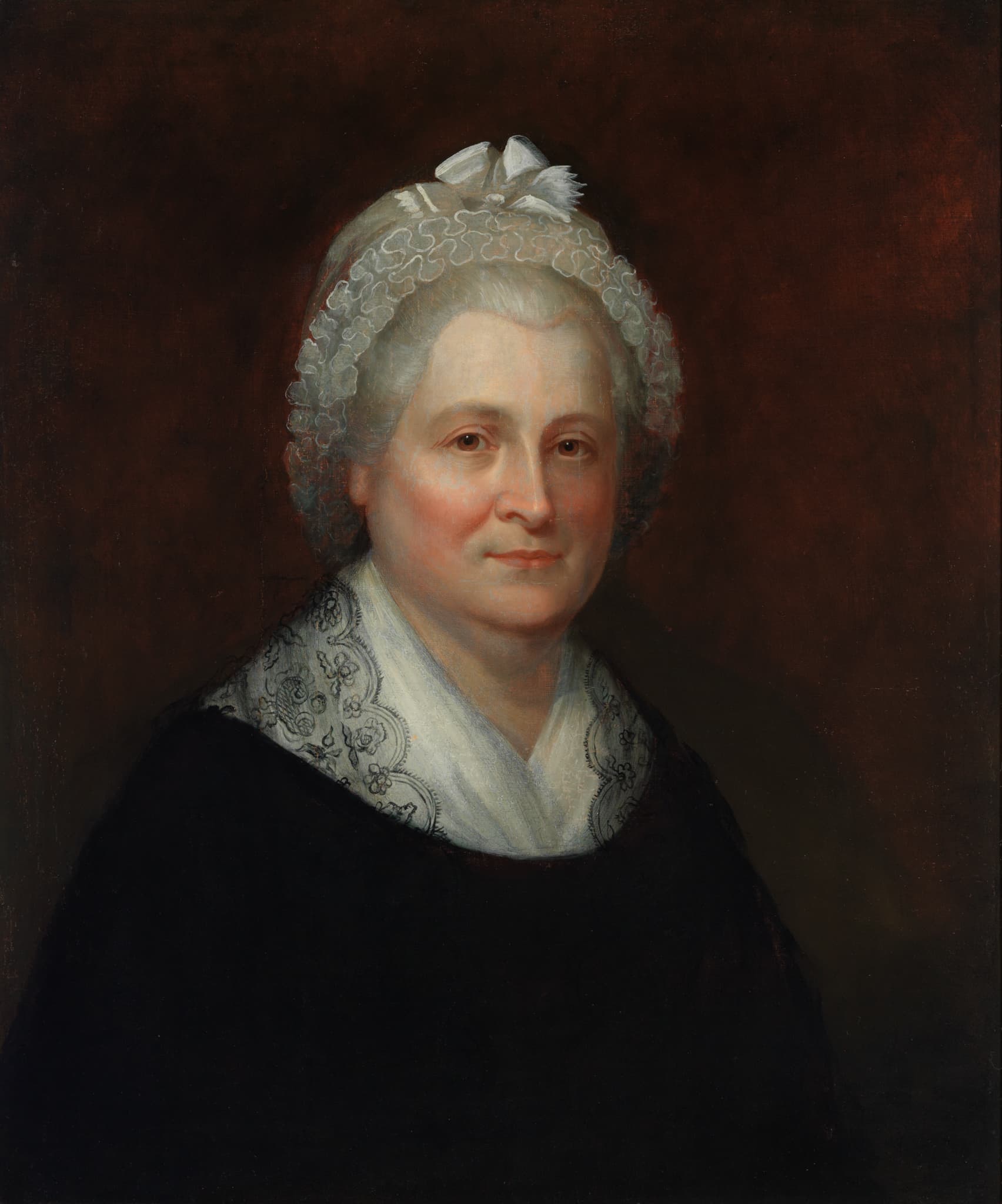
Portrait of Martha Washington.
The Steward of the Household
Born on June 2, 1731, in Virginia, Martha Dandridge Custis Washington lived a life that bridged two worlds: the aristocratic plantation culture of colonial America and the uncertain beginnings of the United States republic.
Before she ever married George Washington, Martha was already a wealthy widow and experienced estate manager. Her first husband, Daniel Parke Custis, died in 1757, leaving her responsible for vast property, financial affairs, and the daily operations of a major plantation household. When she married George Washington in 1759, their partnership became one of mutual loyalty and practical cooperation.
During the Revolutionary War, she spent several winters at army camps such as Valley Forge, enduring harsh conditions to support her husband and the officers serving under him. She organized gatherings, visited wounded soldiers, and helped maintain morale. Later, as wife of the first president, she helped shape the social expectations of the American presidency through regular receptions and formal gatherings.
That's the ISFJ signature: Si grounding paired with Fe care — she didn't seek recognition, she maintained the world that made recognition possible.
Yet she never sought public prominence. In private letters she expressed a longing to return to Mount Vernon, once remarking that life in the presidential household felt “more like a state prisoner than anything else.” Her legacy was not built through speeches or political theory, but through steadfast presence and quiet stewardship.
Si — Dominant
Martha Washington's life revolved around stewardship of the household and preservation of stability — reflecting dominant Si.
As a plantation mistress she managed domestic operations, supervised workers, and ensured the smooth functioning of daily life at Mount Vernon. Her ability to maintain continuity through periods of war and political upheaval reflects the grounded practicality of Si. Rather than seeking novelty or reinvention, she focused on sustaining order and ensuring that responsibilities were met.
Fe — Auxiliary
Martha's warmth and social grace were essential to her role — reflecting auxiliary Fe.
Visitors to Mount Vernon often remarked on her hospitality and ability to make guests feel welcome. During the Revolutionary War she hosted officers, organized social gatherings at winter encampments, and visited injured soldiers — actions that helped preserve morale during extremely difficult conditions. Her social engagement was not driven by personal recognition, but by a desire to maintain harmony and support those around her.
Ti — Tertiary
Though rarely associated with public intellectual life, Martha demonstrated quiet competence in managing complex household and financial responsibilities — reflecting tertiary Ti.
Estate management required careful oversight of resources, planning, and decision-making. Her ability to sustain these systems reflects the structured practicality often associated with Ti working in service of practical goals.
Ne — Inferior
Martha Washington showed little interest in novelty or public experimentation — reflecting inferior Ne.
When her husband became president, she fulfilled the role expected of her but expressed a clear preference for the familiar rhythms of Mount Vernon. Public life in the new capital represented disruption rather than opportunity. Her desire to return to established routines reflects the cautious relationship with uncertainty typical of inferior Ne.
Why ISFJ Over ESFJ
Why not ESFJ?
While Martha Washington was certainly sociable and capable as a hostess, she did not appear energized by public attention or social leadership. Her social activities were primarily expressions of duty rather than personal ambition. Private letters reveal that she found the public obligations of presidential life exhausting and longed to return to the quieter environment of her home. ESFJs often thrive in visible social roles, whereas Martha's behavior suggests someone fulfilling responsibilities with grace while privately preferring a more stable and familiar setting.
Connected Figures
Further Reading
- Martha Washington: An American Life — Patricia BradyThe most thorough modern biography, drawing on surviving correspondence and plantation records.
- Lady Washington: The Life of Martha Washington — Dorothy Clarke WilsonA narrative account of her life from colonial Virginia through the presidency.
- The General's Wife: The Life of Mrs. Ulysses S. Grant — Isabel RossUseful parallel for understanding the role of a general's wife in wartime — the closest comparable figure in American history.
- His Excellency: George Washington — Joseph J. EllisThe best single-volume life of George Washington, with sustained attention to Martha's role in the partnership.
