 Historical Figure MBTI
3 min read
#35 · 2-11-26 · Victorian Britain
Mary Clarke
Salon Hostess · Intellectual Companion · Social Foil to Reform
1793 — 1884
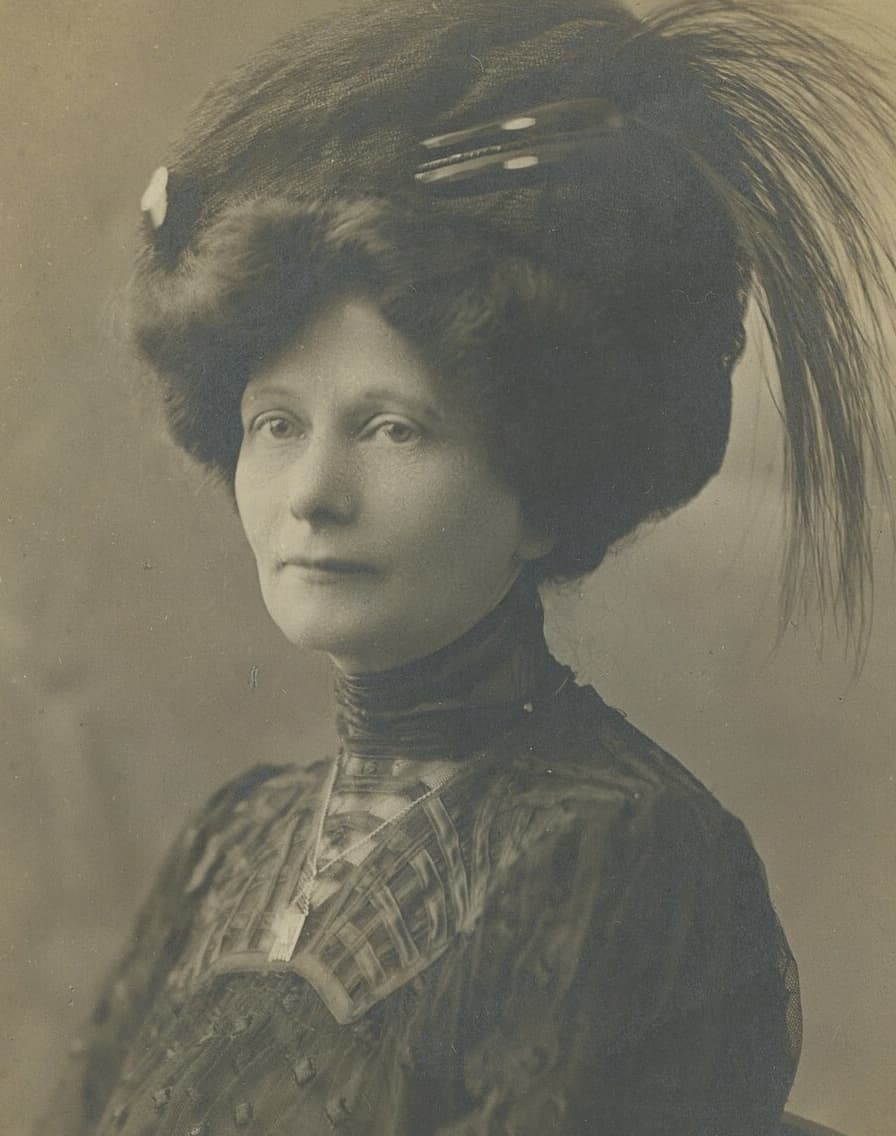
Portrait of Mary Clarke.
The Woman Who Would Not Be Contained
Mary Clarke — often called "Clarkey" — moved through Victorian society differently from Florence Nightingale.
Where Florence was singular and disciplined, Mary was socially agile. She hosted salons, sparred in conversation, and cultivated an atmosphere of lively intellectual exchange. She was known for her wit, irreverence, and refusal to be overly impressed by hierarchy.
She did not anchor herself to a single reformist mission. She moved. She engaged. She provoked. And unlike most of Florence's circle, she did not revere her — she teased her.
The patterns we see in Mary Clarke's temperament point toward ENTP. Her energy was outward-facing and conversational. She thrived in dialogue — in the interplay of ideas rather than in the solitary refinement of one grand vision.
Where Florence compressed complexity into diagrams, Mary expanded it through conversation. Ne over Ni.
Ne — Dominant
Mary's intellectual life appears exploratory rather than singular. She moved between topics, people, and social circles fluidly. Her presence in salons suggests comfort in dynamic environments where ideas are tested, debated, and reframed in real time.
This kind of mental agility — playful, provocative, improvisational — is characteristic of dominant Ne.
She did not build institutions. She animated rooms.
Ti — Auxiliary
Reports describe her as sharp and incisive. She could challenge Florence directly without deference — that requires internal logical independence, the ability to analyze and respond without relying on status.
Ti gives ENTPs their edge: detached evaluation, quick reframing, and verbal precision. Mary was not simply warm. She was mentally nimble.
Fe — Tertiary
She clearly valued social interplay and emotional rapport, but not in a harmonizing way. Her warmth came through teasing and stimulation, not caretaking.
She connected by engaging. Not by soothing.
Si — Inferior
Unlike Florence, Mary does not appear rigidly attached to one defining path or duty. She seemed less concerned with tradition or institutional preservation. Movement and novelty appear more central to her orientation.
The Pairing: INTJ and ENTP
Florence Nightingale (INTJ) operated through inward compression and structural implementation. Mary Clarke appears to have operated through outward expansion and conversational stimulation.
This pairing is cognitively elegant. INTJ–ENTP is a classic axis dynamic: one refines vision, the other expands possibility; one structures, the other questions.
Where Florence was austere, Mary was playful.
Where Florence was singular, Mary was fluid.
Mary could challenge Florence without threatening her mission. Florence could provide depth and direction to Mary's exploratory energy. It reads less like opposition — and more like complement.
The Queer Question
Mary Clarke never married. Her relationship with Florence included emotionally expressive correspondence and intellectual intimacy. Victorian-era female friendships often used language that reads romantic by modern standards, so historians are cautious about labeling it explicitly.
What is certain is this: Mary Clarke offered Florence something few others could — intellectual equality, social levity, and a space to be more than an icon. Whether that bond carried romantic undercurrent, queerness, or simply unconventional female intimacy remains open to interpretation.
Connected Figures
Further Reading
- Florence Nightingale: The Woman and Her Legend — Mark BostridgeCovers Florence Nightingale's intimate circle, including the wit and companionship Mary Clarke supplied.
- Eminent Victorians — Lytton StracheyThe classic account of Nightingale's temperament against which Mary Clarke's playful irreverence stands out.
- The Victorians — A. N. WilsonPlaces salon figures like Mary Clarke within the wider social world that surrounded Victorian reformers.
