 Historical Figure MBTI
3 min read
#37 · 2-12-26 · Victorian Britain
Mary Seacole
Nurse · Traveler · Entrepreneur · Mother of the Crimea
1805 — 1881
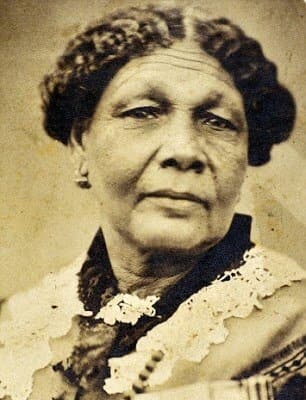
Portrait of Mary Seacole.
The Woman Who Stepped Forward
Mary Seacole did not wait for permission.
Born in Kingston, Jamaica in 1805, she learned medicine from her mother — a respected "doctress" who treated illness while running a boarding house for military officers. Seacole's education was not institutional; it was lived. She grew up inside a household that blended caregiving with commerce, hospitality with survival.
When war broke out in Crimea, she applied to join the official British nursing contingent. She was rejected. So she funded herself. She traveled independently to the front, established the British Hotel near the battlefield — part canteen, part boarding house, part medical station — treated soldiers directly, and extended credit to men who could not pay.
Where Florence Nightingale operated through institutional redesign, Seacole operated through personal presence. Her memoir reveals a temperament rooted in relational duty and lived experience. She aligns most cleanly with ESFJ.
She did not reform the system. She entered the scene.
Fe — Dominant
Seacole's identity is anchored in usefulness to others. Throughout her memoir, she frames her actions in terms of service, loyalty, and morale. Soldiers affectionately called her "Mother Seacole" — a testament not to administrative authority, but to emotional presence.
Her risk-taking was relational. She moved toward people in crisis because they needed her. She did not seek symbolic influence. She sought to be there.
Si — Auxiliary
Her writing is rich with concrete detail: costs, logistics, step-by-step procedures, the layout of huts, the realities of travel and disease treatment. Her moral reflections consistently emerge from accumulated experience — "my experience of the world leads me to conclude…"
This orientation toward precedent likely traces back to her upbringing. She inherited not only medical technique from her mother, but a model of stability-through-service — learning what works, applying it, and sustaining people through consistency.
This is experiential wisdom, not visionary abstraction.
Ne — Tertiary
Playfulness appears in her narrative voice. She makes clever comparisons, light philosophical asides, and wry generalizations about professions and human behavior. These moments feel exploratory, but they serve her grounded base rather than dominate it.
Imagination adds color. It does not drive the engine.
Ti — Inferior
When she reasons analytically, it is in service of practical outcomes. She observes patterns in disease response and human behavior, but she does not obsess over systemic theory.
Her logic is applied, not architected.
Why Not ENFJ?
Why not ENFJ?
ENFJs often reveal strong Ni compression — symbolic framing, future-oriented synthesis, thematic moral arcs. Seacole's memoir does not read prophetic. It reads lived. Her insights are drawn from repetition rather than from visionary abstraction. She generalizes from experience, not from compressed pattern language. She stabilizes groups; she does not attempt to reshape collective ideology.
Within the Nightingale Ecosystem
If Florence Nightingale represents structural reform, Mary Seacole represents community stabilization.
Florence redesigned institutions. Mary sustained morale.
Florence compressed mortality data into diagrams. Mary rode into camp and treated wounds.
Both served. But through different cognition.
Connected Figures
Further Reading
- Wonderful Adventures of Mrs. Seacole in Many Lands — Mary SeacoleSeacole's own 1857 memoir — vivid, funny, and essential. The primary source for her voice and psychology.
- Mary Seacole: The Charismatic Black Nurse Who Became a Heroine of the Crimea — Jane RobinsonThe most thorough modern biography; reconstructs her life from Jamaica through London and the battlefield.
- Florence Nightingale: The Woman and Her Legend — Mark BostridgeDefinitive biography of Nightingale — valuable for placing Seacole within the broader Crimean medical landscape.
- The Crimean War: A History — Orlando FigesSweeping account of the conflict in which Seacole served; illuminates the conditions she worked in.
