 Historical Figure MBTI
3 min read
#42 · 2-14-26 · The Age of Chivalry
Peter Abelard
Logician · Provocateur · Architect of Medieval Dialectic
1079 — 1142
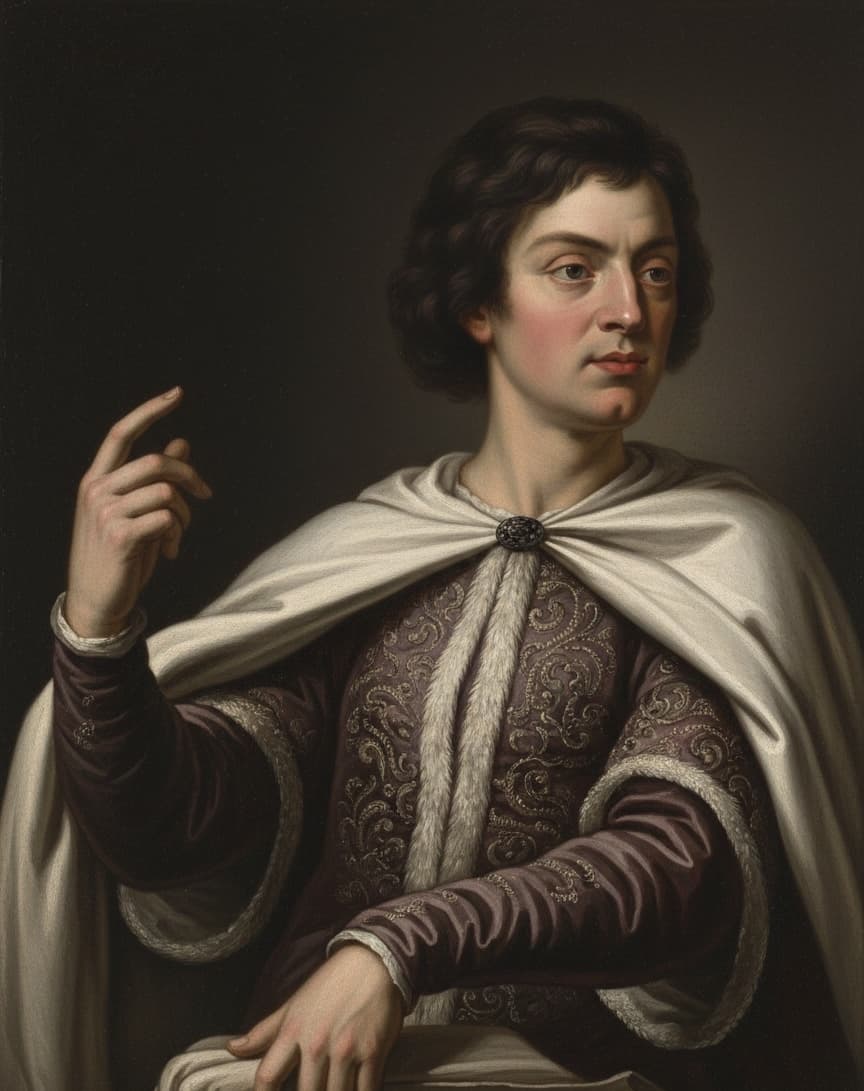
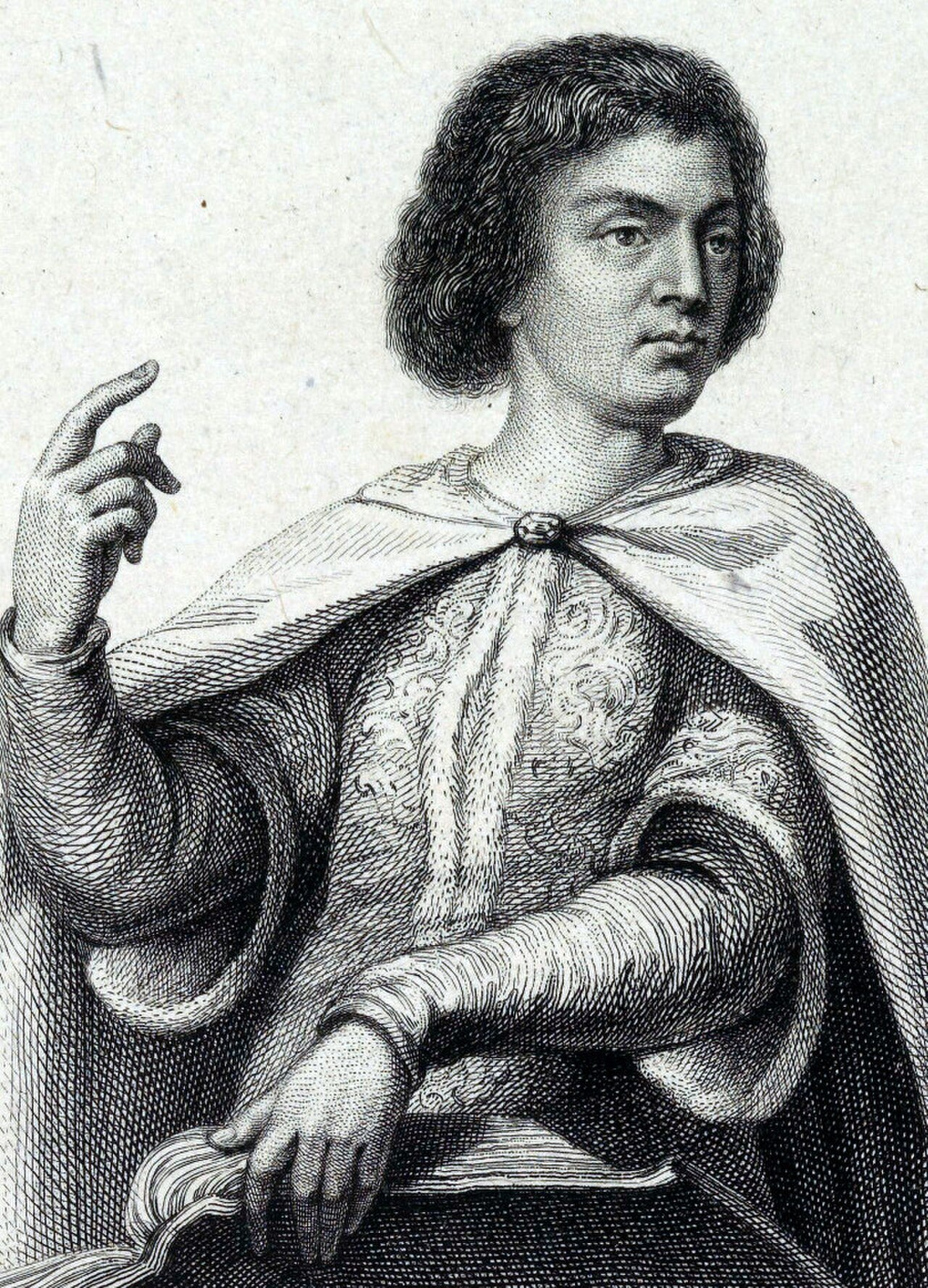
AI-assisted Portrait of Peter Abelard.
The Man Who Turned Theology into a Debate
Born in 1079 in Brittany, Peter Abelard rose to prominence in the intellectual epicenter of medieval Europe: Paris. He did not inherit authority. He challenged it.
Abelard built his reputation not through quiet scholarship, but through public disputation. He openly criticized established masters, attracted students by dismantling rivals, and treated contradiction not as a flaw but as an invitation. His most influential work, Sic et Non ("Yes and No"), presented conflicting theological authorities side by side without resolving them — forcing readers to think rather than submit.
In an era of doctrinal rigidity, Abelard destabilized certainty. His patterns point convincingly toward ENTP: he was not architecting a singular internal vision. He was energizing thought through collision.
He did not accept inherited answers. He forced the question.
Ne — Dominant
Abelard's cognition was expansionary. He sought contradiction. He exposed tension. He invited debate. His method was not to compress truth into one internal synthesis, but to multiply perspectives and provoke engagement.
He thrived on intellectual friction. He did not retreat from it. Even his early career reflects opportunistic pattern recognition — identifying weak points in established teachers and capitalizing on them publicly.
Ti — Auxiliary
Underneath his expansive questioning was structural precision. Abelard was not chaotic. He was analytical. He dissected arguments carefully, identifying logical inconsistencies and reassembling them in new forms. His dialectical method required disciplined internal logic. Ne generated the contradictions; Ti tested them.
Fe — Tertiary
Abelard's charisma drew students. He cultivated reputation and influence. He understood audience. Yet his Fe appears underdeveloped in moments of intimacy. His affair with Héloïse began strategically; he admitted leveraging proximity for access. The emotional consequences that followed were reframed through theology rather than relational repair.
His tertiary Fe enabled public magnetism — but struggled with private attunement.
Si — Inferior
After catastrophe — the attack that ended his physical life as he had known it — Abelard shifted. He moved toward monastic structure, institutional doctrine, and moral reframing. The once-provocative dialectician adopted more conservative theological posture. This retreat toward tradition and order suggests stress behavior consistent with inferior Si: clinging to institutional stability after identity destabilization.
Why Not INTJ or ENFP?
Why not INTJ?
INTJs typically pursue a coherent long-term vision, quietly building systems aligned with internal strategy. Abelard's energy was external and reactive. He did not construct a unified doctrine; he fractured existing ones. His intellectual life was fueled by debate, not solitary architectural synthesis. He did not guard a vision. He sparked arguments.
Why not ENFP?
Though passionate and bold, Abelard's core orientation was analytical rather than value-driven. His writings center logical contradiction and structural reasoning more than personal authenticity or moral self-expression. His emotional processing often filtered through conceptual reframing rather than introspective identity work. ENTP fits more cleanly.
The Pairing Dynamic
With Héloïse, the dynamic sharpens. He explored; she integrated. He destabilized; she preserved meaning.
Their brief romance lasted scarcely two years. Their intellectual and emotional tether endured decades.
His instinct was to theologize the past; hers was to protect its symbolic truth.
Connected Figures
Further Reading
- Abelard: A Medieval Life — Michael T. ClanchyThe definitive modern biography — rigorous, readable, and attentive to both the philosophy and the scandal.
- The Letters of Abelard and Heloise — Peter Abelard & Héloïse (trans. Betty Radice)Primary source. The exchange that defined their relationship and much of what we know about Abelard's interior life.
- Heloise and Abelard — Étienne GilsonA mid-20th-century philosophical study of their correspondence, still valued for its close reading of the theological and ethical dimensions.
- Sic et Non — Peter Abelard (ed. Blanche Boyer & Richard McKeon)Abelard's signature work — juxtaposing contradictory theological authorities without resolution, the dialectical engine of medieval scholasticism.
