 Historical Figure MBTI
4 min read
#31 · 2-10-26 · Petrine Russia
Peter the Great
Tsar · Modernizer · Architect of Irreversible Change
1672 — 1725
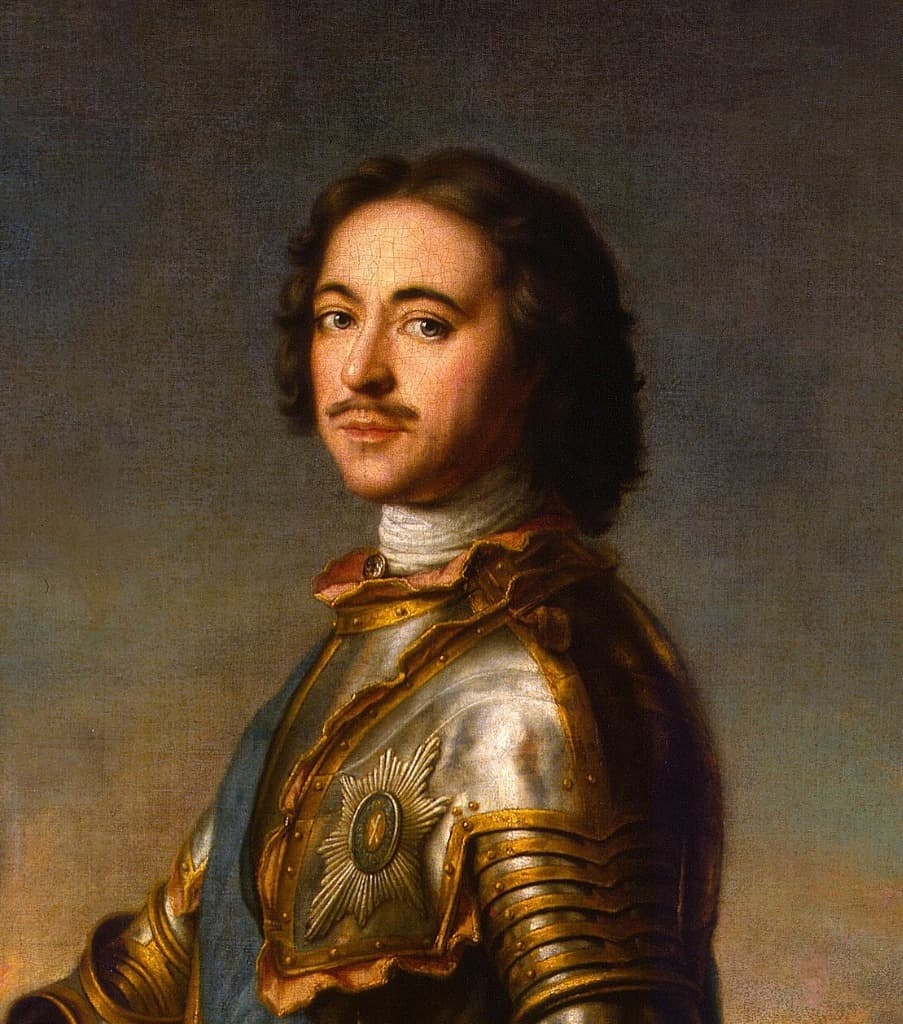
Portrait of Peter the Great.
The Man Who Refused Stillness
Peter Alekseyevich Romanov did not inherit a finished state. He inherited a vast, fragile organism — ritualized, inward-looking, militarily obsolete, and structurally unprepared for the European balance of power that was already closing in.
From early adulthood onward, Peter behaved less like a sovereign preserving a tradition and more like a foreman racing a deadline. He distrusted ceremony, despised delay, and rejected authority that could not justify itself through function. Power, to him, was not symbolic. It was mechanical.
He is often typed through surface cues: his excess, his curiosity, his chaos, his spectacle. That leads to familiar misreadings — ENTP for vision, ESFP for indulgence, INTJ for long-range transformation. But when we examine how he actually processed stress, made decisions, and regulated himself, the picture clarifies. Peter did not live inwardly. He did not think through dialogue. He did not withdraw to refine vision. He lived in execution, regulated himself through action, and trusted results over coherence. This places him squarely as ENTJ.
This was not aesthetic modernity. It was survival engineering.
Te — Dominant
Peter's defining trait was not vision but compulsion to implement. He personally inspected shipyards and factories, corrected officers and craftsmen in real time, rewrote procedures on the spot, and punished inefficiency immediately. He did not design structures and retreat. He stayed inside the machinery, continuously enforcing standards.
His letters confirm this orientation. They are brief, operational, corrective, and devoid of abstraction. He did not write to explore ideas — he wrote to accelerate outcomes.
This is not auxiliary execution supporting an inner vision. This is execution as the primary cognitive anchor.
Ni — Auxiliary
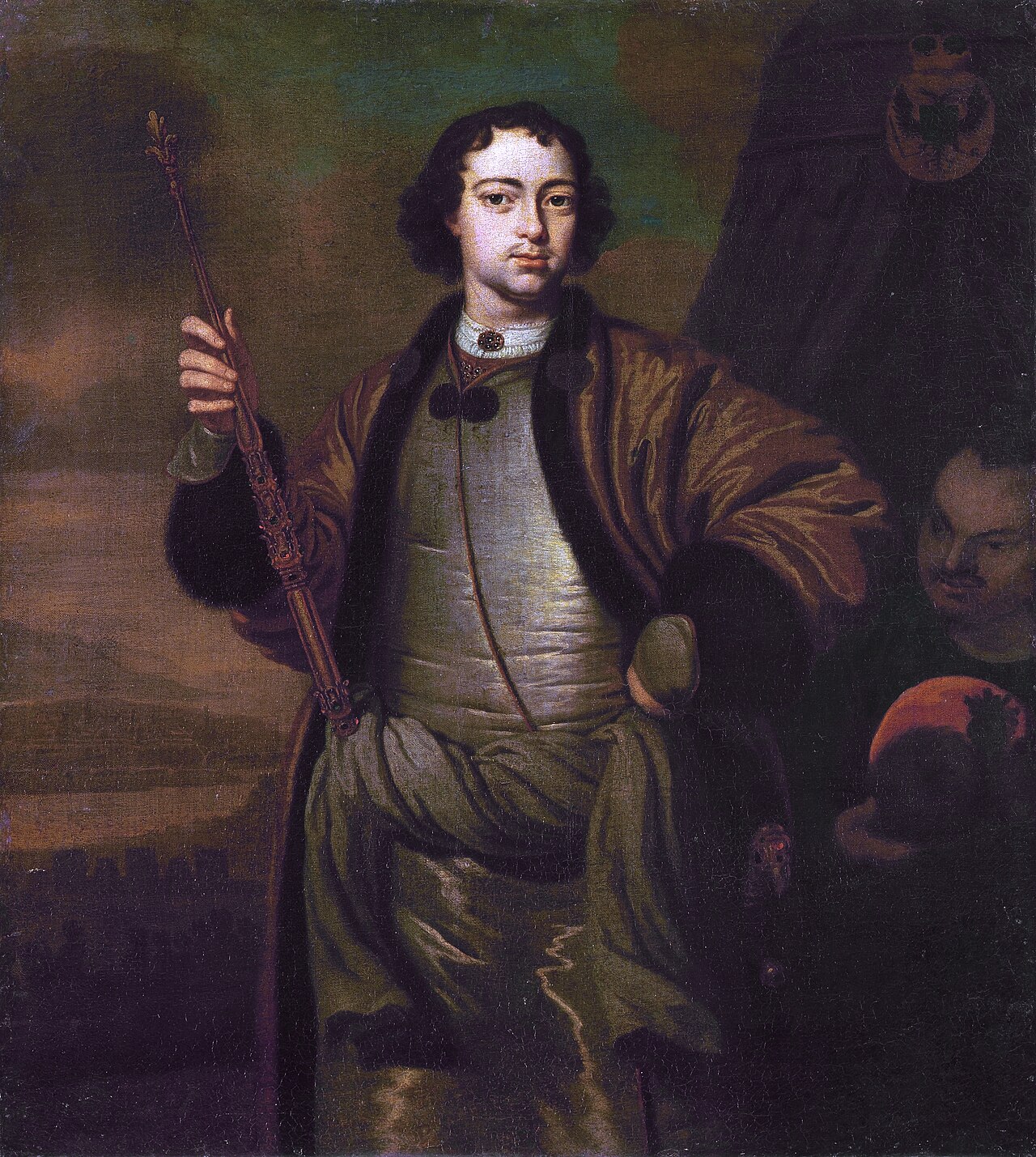
Peter absolutely possessed long-range vision: a Westernized Russia, a modern navy, a reoriented capital, a state capable of surviving European power politics.
But crucially, this vision was internally held, non-negotiable, not socially refined, and not explored through discussion. He did not brainstorm the future with others. He imposed it.
Ni served Te by providing direction; it did not replace it as the center of gravity. When obstacles appeared, Peter did not retreat to rethink the vision — he intensified enforcement. That hierarchy matters.
Se — Tertiary
Peter regulated himself through physical engagement: shipbuilding, carpentry, drills, mock battles, mechanical experimentation.
These were not hobbies of sensory indulgence. They were grounding mechanisms — ways to discharge pressure and reassert control through tangible reality. His indulgence followed the same pattern. Drinking, feasting, and spectacle were communal, intense, and stamina-testing. Leisure was not escape; it was release.
This is not Se-dominant pleasure orientation. It is Se in service of Te recovery.
Fi — Inferior
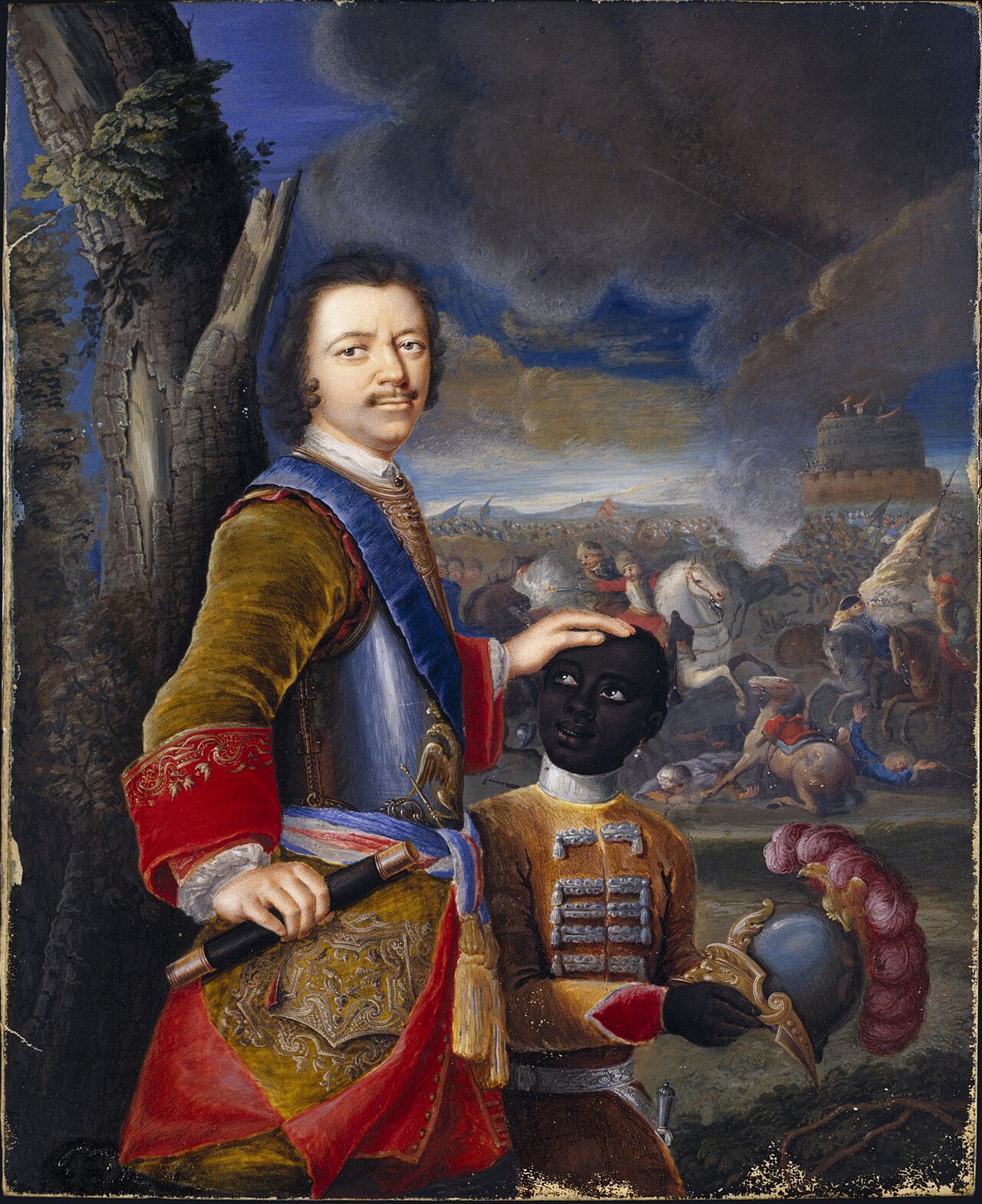
Peter's most devastating decisions — especially regarding his son Alexei — reveal inferior Fi under strain.
He did not lack feeling. He lacked a way to integrate feeling without perceiving it as a threat to the future. When personal values conflicted with structural goals, Peter amputated the personal.
He did not justify himself emotionally. He simply returned to work. This is not moral indifference — it is values subordinated to execution.
Why Not ENTP, ESFP, ESTP, or INTJ?
Why not ENTP?
ENTPs ideate through interaction. Peter did not. ENTPs adapt vision socially. Peter imposed it. ENTPs enjoy ambiguity. Peter crushed it. His curiosity was instrumental, not exploratory. His energy was directive, not dialogic.
Why not ESFP?
Peter did indulge — but indulgence was never the point. He did not organize life around pleasure or experience. ESFP cannot account for decades-long structural reform, obsession with systems and standards, intolerance for inefficiency, or indifference to approval.
Why not ESTP?
ESTPs optimize systems through real-time problem-solving. Peter imposed a pre-held vision regardless of immediate feedback. ESTPs excel at crisis response, not decades-long civilizational reorientation that violates present logic for future necessity. Peter's reforms were strategic enforcement, not tactical brilliance.
Why not INTJ?
INTJs withdraw to refine. Peter accelerated to enforce. INTJs conserve energy. Peter burned it through action. INTJs design and delegate. Peter designed and remained embedded. Peter was never described by anyone as inward, private, contemplative, or solitude-seeking. Stillness agitated him. He did not live in vision. He lived in command.
Connected Figures
Further Reading
- Peter the Great: His Life and World — Robert K. MassieThe magisterial biography — exhaustive, vivid, and the standard English-language account of Peter's reign.
- Peter the Great — Lindsey HughesA scholarly reassessment that balances the reformer against the autocrat, drawing on Russian archival sources.
- The Bronze Horseman: Falconet's Monument to Peter the Great — Alexander SchenkerTraces how Peter's image was shaped and mythologized through Falconet's famous equestrian statue.
- Russia in the Age of Peter the Great — Lindsey HughesA wide survey of the cultural, social, and institutional transformations Peter forced on Russian society.
