 Historical Figure MBTI
3 min read
#93 · 3-6-26 · The Founding Generation of USA
Theodosia Bartow Prevost
American intellectual hostess of the Revolutionary era; first wife of Aaron Burr.
1746 — 1794
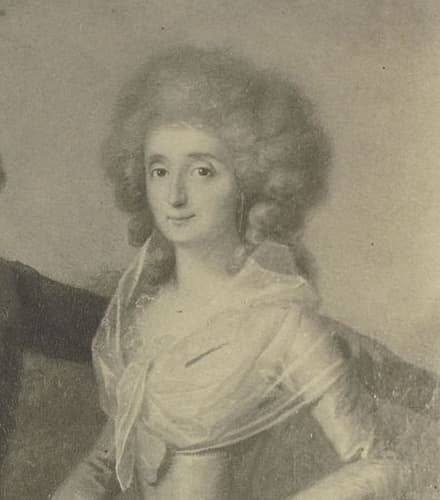
Portrait of Theodosia Bartow Prevost.
The Intellectual Hostess of the Revolution
Born in 1746 in New Jersey, Theodosia Bartow Prevost grew up in a household shaped by education and intellectual culture. Her father, Theodosius Bartow, was an Anglican minister, placing her childhood within one of the more intellectually active environments available in colonial America. Within this environment Theodosia developed a reputation for intelligence, refinement, and unusual conversational ability.
She later married the Swiss-born British officer Jacques Marcus Prevost and lived at The Hermitage estate in New Jersey. During the American Revolution her home developed into an important social and intellectual gathering place. Visitors described The Hermitage as a center of conversation where officers, travelers, and educated figures gathered to discuss literature, politics, and the unfolding conflict.
Among the visitors was the young Continental officer Aaron Burr. Burr was deeply struck by Theodosia's intellect and conversational ability. Contemporary accounts repeatedly emphasize that she could engage men in serious discussion on subjects ranging from philosophy to politics — something that left a strong impression on many who met her.
That's the ENFJ signature: Fe-driven social vision paired with Ni depth — not just hosting conversations, but elevating them.
After her first husband's death in 1781, she married Burr in 1782. The household they created together became known for its intellectual energy and emphasis on education, shaping one of the most remarkable daughters of the early American republic: Theodosia Burr Alston.
Fe — Dominant
Theodosia's role within her social environment reflects strong dominant Fe.
Her home became a gathering place where people came together not only socially but intellectually. Contemporary accounts emphasize her ability to facilitate conversation, welcome visitors, and create an atmosphere where ideas and relationships could develop. Rather than seeking individual recognition, she appears to have focused on cultivating the social and intellectual vitality of the people around her.
Ni — Auxiliary
Supporting this social influence was a thoughtful intellectual presence characteristic of auxiliary Ni.
Visitors noted her ability to participate in serious discussion and engage with ideas that extended beyond everyday social conversation. This suggests a reflective and conceptual orientation toward the intellectual currents of her time. Her influence in shaping the educational culture of the Burr household also reflects a forward-looking vision for the intellectual development of others.
Se — Tertiary
Although remembered primarily for her intellect and social influence, Theodosia also demonstrated practical composure during a politically volatile period through tertiary Se.
Managing an estate in a region divided by war, maintaining social relationships across political lines, and navigating the delicate circumstances of the Revolution required awareness of social dynamics and situational adaptability.
Ti — Inferior
Unlike many figures of the revolutionary generation, Theodosia did not leave behind systematic philosophical writings or political theory.
Her influence operated primarily through conversation, relationships, and the intellectual culture she helped create within her household rather than through formal argument or abstract analysis — consistent with inferior Ti. Her intellectual legacy was therefore social rather than theoretical.
Connected Figures
Further Reading
- Fallen Founder: The Life of Aaron Burr — Nancy IsenbergThe most thorough modern biography of Aaron Burr — Theodosia Bartow Prevost figures prominently in the early chapters on Burr's intellectual formation.
- A Fatal Friendship: Alexander Hamilton and Aaron Burr — Arnold A. RogowExamines the two men's careers in parallel, including the social world of Revolutionary New Jersey where Theodosia was a central presence.
- Theodosia: The First Gentlewoman of Her Times — Charles Felton PidginAn early biographical study focused on Theodosia Burr Alston but with substantial material on her mother's character and influence.
