 Historical Figure MBTI
3 min read
#94 · 3-7-26 · The Founding Generation of USA
Theodosia Burr Alston
Writer, political daughter, and one of the most educated women of the early American republic.
1783 — 1813
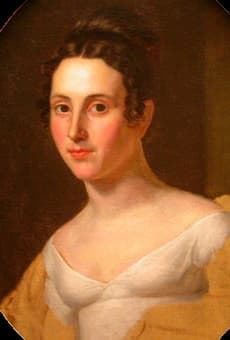
Portrait of Theodosia Burr Alston.
The Devoted Daughter
Born on June 21, 1783, in Albany, New York, Theodosia Burr Alston grew up in an environment unlike that of almost any other woman in the young United States. Her father, Aaron Burr — soldier, politician, and future vice president — believed his daughter deserved the same intellectual education as a son. Her mother, Theodosia Bartow Prevost, shared this commitment.
She studied literature, philosophy, languages, and politics, developing a refined intellect and an unusually articulate writing style. Yet despite this extraordinary education, Theodosia's life orientation was not that of a restless intellectual explorer. Her surviving letters reveal a personality centered on loyalty, emotional responsibility, and devotion to the people closest to her.
When Burr's reputation collapsed after the Burr–Hamilton duel, many acquaintances distanced themselves. Theodosia did not. Her correspondence from this period shows unwavering emotional support and a deep sense of familial duty.
That's the ISFJ signature: Si devotion paired with Fe warmth — loyalty that held fast even when everyone else stepped away.
This pattern — intellectual capacity paired with relational steadfastness — defines the tone of her life and writing. In 1801 she married Joseph Alston, who later became governor of South Carolina.
Si — Dominant
Theodosia's writing consistently centers on personal relationships, lived experience, and emotional continuity — reflecting dominant Si.
Rather than exploring speculative ideas or philosophical systems, she reflects on events through the lens of loyalty and moral responsibility. Her letters often revisit shared memories, family bonds, and the importance of maintaining dignity through hardship. Her steadfast support for Burr, even during periods of political disgrace, illustrates this orientation clearly.
Fe — Auxiliary
Theodosia's letters are attentive, empathetic, and deeply concerned with the emotional well-being of others — reflecting strong auxiliary Fe.
She frequently reassures Burr during difficult periods, offering comfort and encouragement. Even when discussing her own hardships, the tone remains composed and considerate. Her marriage to Joseph Alston also placed her in a socially visible environment where emotional awareness and diplomacy mattered.
Ti — Tertiary
Despite her relational focus, Theodosia was highly intelligent. Her education under Burr cultivated analytical clarity and eloquence consistent with tertiary Ti.
Her letters demonstrate structured thinking and careful phrasing, showing that she could reason through events with composure. However, analysis rarely dominates her writing — instead, it supports her reflections on relationships and responsibilities.
Ne — Inferior
Compared with speculative thinkers of the early republic, Theodosia shows little interest in generating new ideological frameworks or exploring abstract possibilities — a pattern consistent with inferior Ne.
Her reflections remain grounded in concrete experiences: family, grief, loyalty, and endurance.
Why ISFJ Over INFJ or ENFP
Why not INFJ?
Although reflective, her writing rarely moves into abstract symbolism or future-oriented philosophical interpretation. Her reflections remain grounded in memory, relationships, and lived duty, pointing more strongly to Si than Ni.
Why not ENFP?
Her letters show little of the exploratory, idea-generating energy typical of Ne-dominant personalities. Instead of jumping between possibilities, her writing repeatedly returns to themes of loyalty, family, and responsibility.
Connected Figures
Further Reading
- Fallen Founder: The Life of Aaron Burr — Nancy IsenbergThe most thorough modern biography of Aaron Burr, with substantial coverage of his relationship with Theodosia and his educational philosophy toward her.
- A Hint of Scandal — Rhonda WoodwardA biographical novel closely based on Theodosia's life and letters.
- Dear Father, Dear Theodosia: A Biographical Study of the Letters of Aaron Burr and His Daughter — Mark Van Doren (ed.)A primary-source collection of the father-daughter correspondence that reveals Theodosia's voice most directly.
- The Burr Conspiracy: Uncovering the Story of an Early American Crisis — James E. Lewis Jr.Examines the political crisis that shaped the final decade of Theodosia's life.
