 Historical Figure MBTI
Classical Vienna
~1750 – 1827
Mozart, Beethoven, and the patrons, wives, and rivals who shaped the golden age of European music.
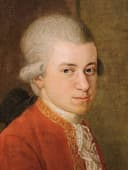
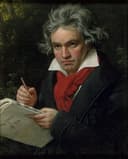
Vienna in the second half of the 18th century was the music capital of the world, and it knew it. Mozart arrived as a child prodigy and died at 35, penniless, having written more perfect music than anyone since. Beethoven arrived from Bonn, half-deaf and furious, and rewrote what music was capable of expressing — pushing it into territory that wouldn't be fully understood for another century.
Around them: Constanze, who kept Mozart's music from being forgotten after his death; Nannerl, his older sister and equal prodigy, who was forbidden from touring once she came of age; Archduke Rudolph, Beethoven's most loyal patron, to whom three of his greatest works are dedicated; and Josephine Brunsvik, the countess many historians believe was Beethoven's "Immortal Beloved." A city of concert halls and salons, holding genius it didn't entirely know what to do with.
6 figures · sorted by birth year
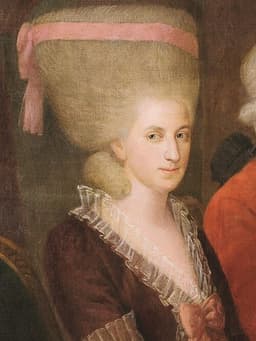
Maria Anna Mozart (Nannerl)
notableISTJ · b. 1751
Mozart's older sister — also a prodigy, but forbidden from touring once she came of age
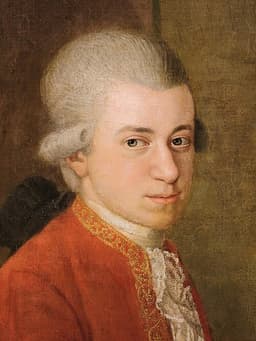
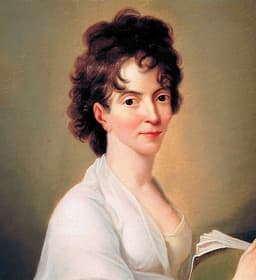
Constanze Mozart
notableESFJ · b. 1762
Mozart's wife — who kept his music from being forgotten after he died penniless
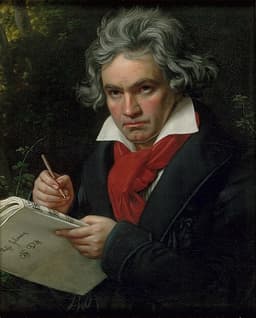
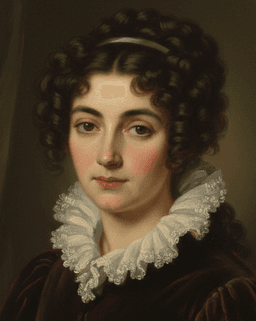
Josephine Brunsvik
notableISFJ · b. 1779
The countess historians believe was Beethoven's 'Immortal Beloved'
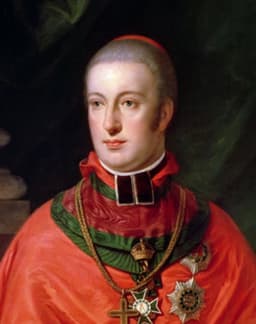
Archduke Rudolph of Austria
notableISFJ · b. 1788
Beethoven's most devoted patron and student

Sign up for monthly insights
Monthly insights into history's most influential figures — examined through psychology, context, and cognitive pattern. Less stereotype, more structure. History, but with a mind map.
Powered by Buttondown