 Historical Figure MBTI
The German Enlightenment
~1724 – 1803
Kant, Hamann, and Herder — the Königsberg circle that argued over reason, faith, and the nature of language.
In the provincial Prussian city of Königsberg, Immanuel Kant took a walk every afternoon at the same time — so reliably that neighbors reportedly set their clocks by him. Then he went home and wrote philosophy that restructured the Western mind. His Critique of Pure Reason attempted nothing less than settling the question of what human beings can actually know. He never left Königsberg.
His friend Johann Georg Hamann thought reason was overrated and said so, loudly, in prose so dense it required a commentary. Johann Gottfried Herder invented the idea of culture as something nations possess — a concept that would shape everything from Romanticism to nationalism to modern anthropology. Three men in one cold city, arguing about what it means to be human.
3 figures · sorted by birth year
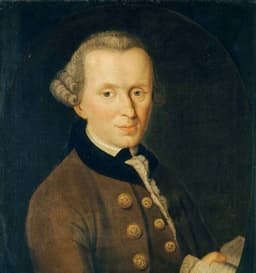
Immanuel Kant
renownINTP · b. 1724
Philosopher of reason, architect of the modern mind.
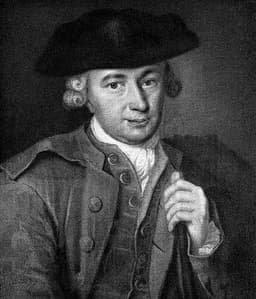
Johann Georg Hamann
notableENFP · b. 1730
The anti-system thinker, prophet of language and faith.
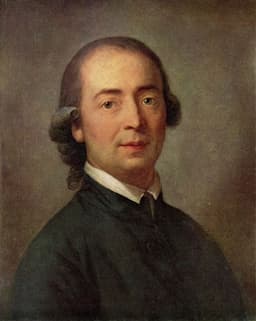
Johann Gottfried Herder
notableINFJ · b. 1744
Philosopher of culture, language, and human particularity.

Sign up for monthly insights
Monthly insights into history's most influential figures — examined through psychology, context, and cognitive pattern. Less stereotype, more structure. History, but with a mind map.
Powered by Buttondown