 Historical Figure MBTI
#854 · 6-19-26 · The American Civil War
Andrew Hull Foote
Union Naval Officer · Gunboat Commander
1806 — 1863
2 min read
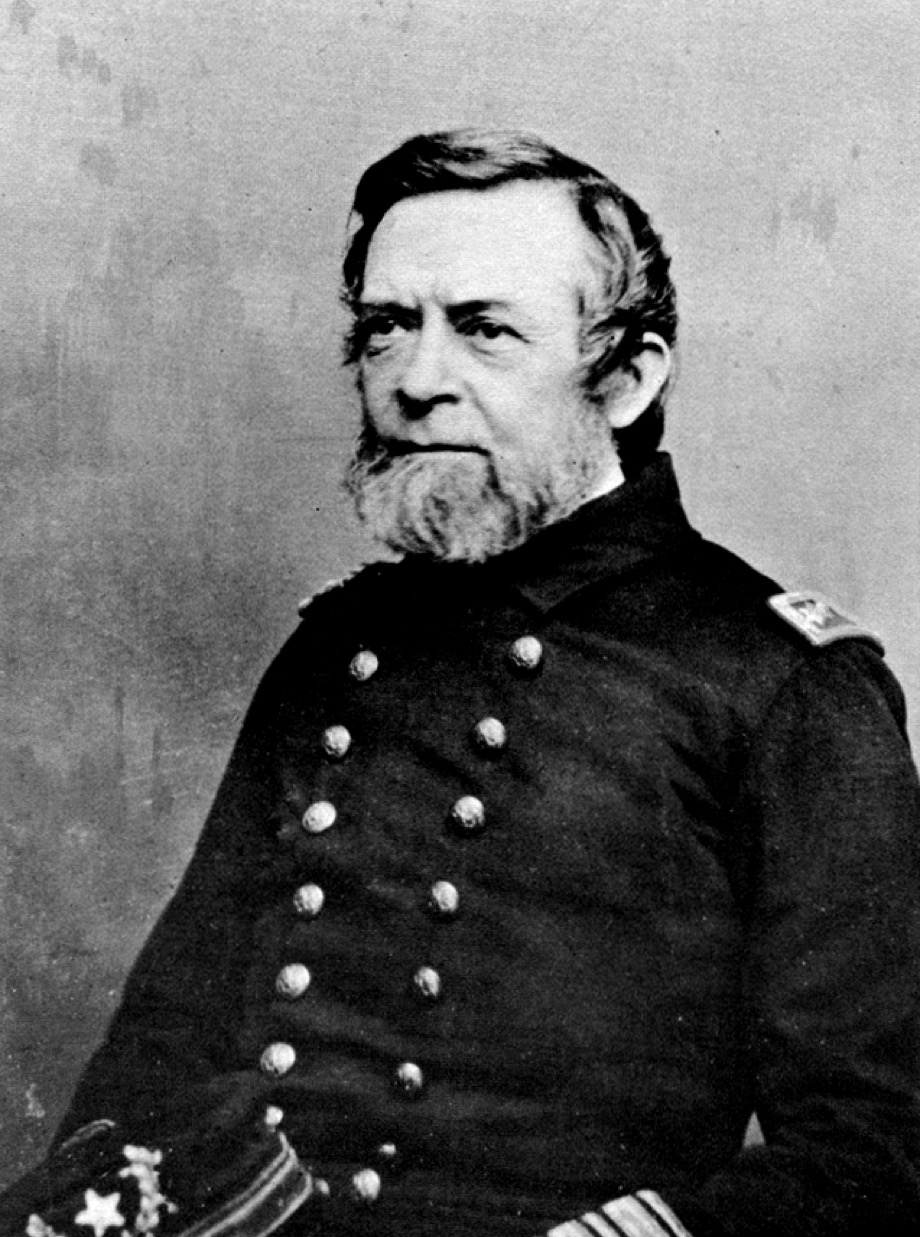
Photographic Portrait of Andrew Hull Foote
The Gunboats Went First
Andrew Hull Foote spent thirty years in the United States Navy before the war that made him briefly famous, and almost all of that career was spent proving the same point over and over: that discipline, sobriety, and procedure were not the boring alternative to greatness but the substance of it. He banned liquor from the ships he commanded years before temperance was fashionable, and he campaigned against flogging in the navy at a time when officers took the lash for granted as a tool of order. Neither reform was flashy. Both were exactly the kind of quiet, conscience-driven correction that a man builds a reputation on slowly, one ship and one crew at a time.
That temperament found its use in February 1862, when Foote took his new ironclad river gunboats up the Tennessee River against Fort Henry in close cooperation with an infantry commander named Ulysses S. Grant. The fort surrendered to Foote's bombardment almost before Grant's troops arrived — one of the first real Union victories of the war, won largely by naval gunfire against a Confederate earthwork with nowhere to go. Days later at Fort Donelson the same gunboats fared worse, and Foote took a wound in the foot that never properly healed. He pressed on anyway, supporting the campaign against Island No. 10 before his health finally gave out. He died in 1863, months after receiving a promotion he never got to use, his body worn down by an injury that had never left him.
Foote was an ISFJ in the fullest sense — a man who mistrusted spectacle and built his career instead on steady procedure, quiet loyalty, and the conviction that duty done correctly speaks for itself.
What made Foote effective was never audacity. It was the dominant Si that kept him wedded to method — drilling gun crews, enforcing sobriety, running his ships by known and tested standards rather than improvisation — paired with an auxiliary Fe that bound him loyally to the men and commanders around him, Grant chief among them. Their partnership at Fort Henry worked precisely because Foote never needed to compete with Grant for credit; he needed only to do his part with total reliability, and let the results speak. It was a fitting expression of a man who preferred sustained, disciplined pressure to any grand gesture, right down to the bombardment itself, which was less an assault than a methodical dismantling.
Connected Figures
Further Reading
- War on the Waters: The Union and Confederate Navies, 1861–1865 — James M. McPhersonThe standard short history of Civil War naval warfare, including the Western Gunboat Flotilla.
- Andrew Foote: Civil War Admiral on Western Waters — Spencer C. TuckerThe definitive biography of Foote's naval career and command on the rivers.
- Grant — Ron ChernowCovers the Grant–Foote partnership at Forts Henry and Donelson in detail.
