 Historical Figure MBTI
#899 · 7-1-26 · The American Civil War
Clement Vallandigham
Copperhead Leader · Exiled by Lincoln
1820 — 1871
5 min read
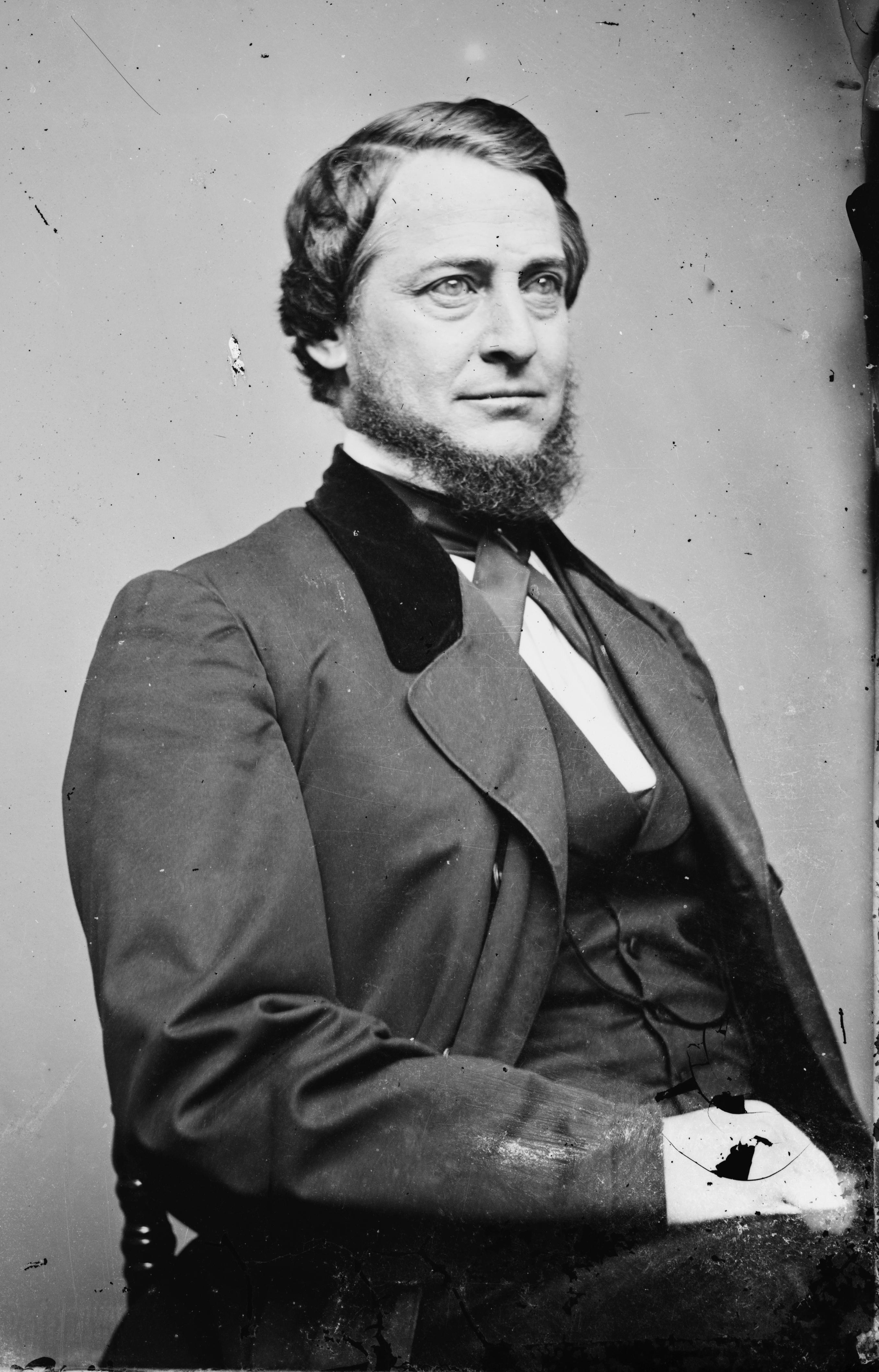
Portrait of Clement Vallandigham
The Man Lincoln Chose to Exile
On May 5, 1863, soldiers under General Ambrose Burnside broke into a house in Dayton, Ohio, and arrested a sitting former congressman for a speech he had given four days earlier. Clement Vallandigham had called the war a failure, denounced Lincoln as a tyrant, and urged his listeners to resist a draft levied, he said, to free the slaves and enslave the free. A military tribunal convicted him of expressing sympathy for the enemy and sentenced him to prison for the war's duration. Lincoln, unwilling to manufacture a martyr, changed the sentence himself: banishment. Vallandigham was marched south under flag of truce and handed to Confederate pickets — a Union congressman deposited, unwanted, inside the Confederacy.
He did not sit still in exile. Within weeks he had made his way to Canada, from which he ran, in absentia, for governor of Ohio — and lost badly, but not before turning his arrest into the defining grievance of the Northern peace movement. This was not the behavior of a man reacting to circumstance. It was the behavior of a man who had already decided, long before Burnside's soldiers arrived, exactly what kind of confrontation he wanted and exactly what he intended to make of it.
That is the signature of an ENTJ pushed to the edge of his convictions: a leader who does not merely hold a position but architects a public collision to test it, who treats martyrdom itself as a strategy rather than a misfortune.
Vallandigham did not stumble into exile. He built the confrontation that produced it — Te commanding the fight, Ni already certain how it would end.
The Floor Speech as a Weapon
Vallandigham's politics ran entirely through the spoken argument, delivered in public, aimed directly at the seat of power. He did not organize quietly within the Democratic caucus or trade favors behind closed doors; he stood on the floor of the House and later on a platform in Mount Vernon, Ohio, and made the case, at volume, that the administration's war measures were themselves unconstitutional. This is dominant Te: authority asserted through direct, structured argument, built to compel a decision rather than to invite discussion.
He was, by every account, a formidable organizer of that argument — logical, sequential, relentless in following a premise to its conclusion regardless of the room's temperature. The Copperhead faction did not simply drift toward him; he built it, chapter by county committee, into a disciplined bloc with a single message: negotiate now, or lose the Union to a war of extermination. That is executive function turned toward a cause rather than an institution — the same drive that makes ENTJs effective administrators, redirected into opposition.
Courting Arrest on Purpose
What separates Vallandigham from an ordinary partisan obstructionist is that he seemed to see the arrest coming — and to want it. Burnside's General Order No. 38 had made "expressed sympathy for the enemy" a punishable offense; Vallandigham read it aloud to a crowd, called it tyranny, and dared the army to act on its own logic. Colleagues warned him he was inviting prosecution. He did not soften a word.
That is Ni working in service of a long horizon rather than a tactical one: a settled internal picture of where the confrontation had to end — martyrdom that would discredit the administration's overreach more effectively than any speech could on its own — with the present moment treated as raw material to be shaped toward it. Vallandigham's certainty was not naivety about the risk; it was a wager that the risk itself was the point.
Why ENTJ Over ESTJ
Why not ESTJ?
An ESTJ opposed to Lincoln's war measures would have worked the problem through established channels — committee votes, party discipline, precedent-bound argument — treating the existing structure of party and government as the proper instrument of change. Vallandigham instead deliberately provoked the confrontation that got him arrested, converted his own banishment into political theater, and ran a shadow campaign for governor from exile in Canada. That is Ni's long-range, structure-transcending vision at work, not Si's deference to how things have been done. He was not defending institutional norms; he was gambling on a future they did not yet recognize.
The distinction matters because Vallandigham's contemporaries in the Democratic Party — men like Horatio Seymour — pursued the same anti-war politics through cautious, institutionally grounded maneuvering. Vallandigham chose exile instead of compromise, a wager only a dominant-Te, auxiliary-Ni mind makes: certain enough of the destination to burn the conventional route to get there.
Connected Figures
Further Reading
- The Limits of Dissent: Clement L. Vallandigham and the Civil War — Frank L. KlementThe definitive biography, covering the arrest, trial, and exile in full detail.
- Battle Cry of Freedom — James M. McPhersonPlaces the Copperhead movement within the broader political history of the war.
- Ex parte Vallandigham, 68 U.S. 243 (1864) — U.S. Supreme CourtThe Court declined to review the military tribunal's jurisdiction over his case.
