 Historical Figure MBTI
#900 · 7-1-26 · The American Civil War
Horatio Seymour
Governor of New York · 1868 Democratic Nominee
1810 — 1886
5 min read
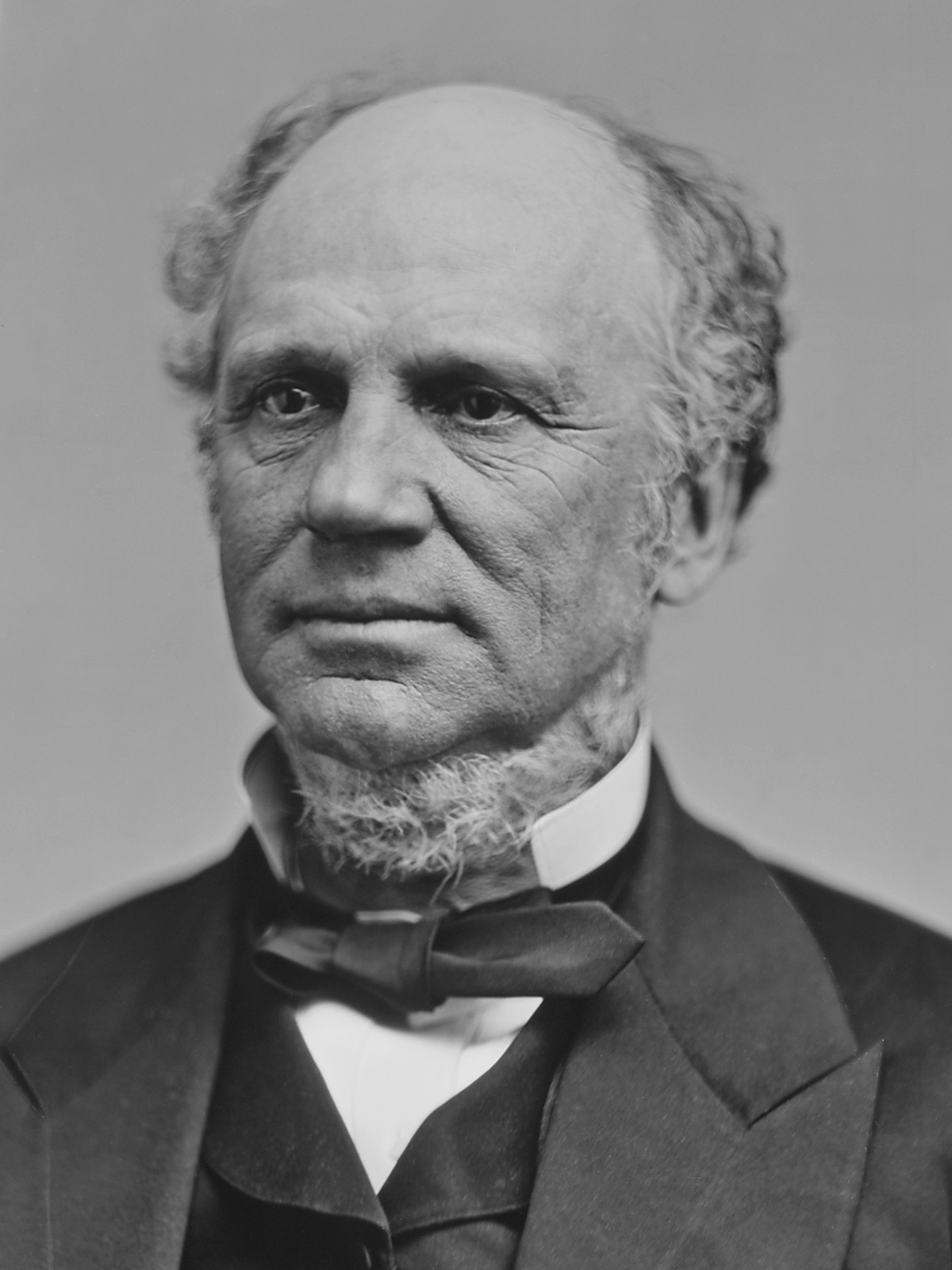
Portrait of Horatio Seymour
My Friends
Horatio Seymour governed New York through the hardest years of the Civil War without ever quite becoming the man either side wanted him to be. He was not a secessionist, and he was not a peace-at-any-price Copperhead in the mold of his friend Clement Vallandigham. He raised troops, funded the war effort, and insisted the Union be preserved. But he regarded Abraham Lincoln's exercises of wartime power — conscription, suspension of habeas corpus, emancipation by executive proclamation — as violations of the constitutional order he had spent his career defending, and he said so, loudly and often, from the one office in the North with the standing to say it.
That combination — support the war, distrust the war-maker — reads as contradiction only if you assume conviction has to be simple. It did not, for Seymour, and it is the surest sign of an ISTJ mind at work: a temperament that separates the duty from the man discharging it, honors the office while auditing the officeholder, and will not let urgency talk it out of precedent. His single worst hour, addressing the mob during the 1863 Draft Riots as "my friends," was not cowardice or sympathy for arson. It was a governor trying to talk a crisis down before he used force to end it — and the two words that followed him to his grave concealed the fact that force came anyway, within the day, on his order.
Seymour's ISTJ mind ran on dominant Si — precedent as compass, the Constitution as the one document that outranked the emergency of the hour.
The Constitution as Anchor
Seymour's politics were archival before they were ideological. He had trained as a lawyer, served in the state legislature, and risen through the machinery of New York Democratic politics long before the war made him famous, and every position he took carried the weight of precedent behind it. Emancipation troubled him not because he defended slavery but because it arrived by proclamation rather than statute. The draft troubled him not because the Union didn't need soldiers but because conscription without local consent looked, to him, like the exact executive overreach the founders had tried to fence out.
This is dominant Si doing what it does best under pressure: reaching backward for the tested rule rather than forward for the expedient one. Where a crisis-native leader improvises, Seymour cross-referenced. He wanted the war won inside the structure the country already had, not around it — a caution that made him invaluable to due process and infuriating to a wartime president who no longer had the luxury of waiting for the ordinary channels to catch up to the emergency.
The Militia and the Speech
Auxiliary Te is what kept Seymour from being merely a man of scruples. He ran New York's war administration with real competence, raising and provisioning regiments, keeping the state solvent, and — despite his public quarrels with Washington — never once withholding New York's material support for the Union war effort. Conviction, for him, still had to produce results.
The Draft Riots show both functions at once, in the order that made the moment so easy to misread. Si spoke first: address the crowd, appeal to shared grievance, try to defuse before anyone got hurt. Te followed within hours: call out the militia, restore the city by force. Critics fused the two beats into a single image — a governor who called rioters "my friends" — and left out the second half of the sentence, where order actually arrived. It was not indecision. It was a mind that tries persuasion before compulsion, and reaches for compulsion the moment persuasion fails.
Why ISTJ Over ESTJ
Why not ESTJ?
An ESTJ governor facing a mob in the streets moves to assert control first and explain later — command is the instinct, not the afterthought. Seymour's first move was the opposite: he went out and spoke to the crowd before he called the militia, trusting appeal and shared grievance to do work that an ESTJ would trust only to authority. That sequencing is Si-led caution about executive force, not Te-led comfort wielding it. An ESTJ, moreover, rarely spends this much energy worrying whether a wartime measure is constitutionally proper before deciding whether it is useful; Seymour worried about little else.
The distinction matters because Seymour's critics and Seymour's admirers were, in a sense, arguing about the same evidence from opposite ends of it. Both saw a man who hesitated to strike first. One camp called it principle; the other called it weakness dressed as principle. Either way, it was not the profile of an executive-function type comfortable leading with command — it was a Si dominant reluctant to override the rules even to solve the emergency the rules were struggling to contain.
Connected Figures
Further Reading
- Horatio Seymour of New York — Stewart Mitchell1938
- The New York City Draft Riots — Iver Bernstein1990
- Battle Cry of Freedom — James M. McPherson1988
