 Historical Figure MBTI
#827 · 6-15-26 · The American Civil War
Dred Scott
The Man Who Sued for Freedom and Lost
c. 1799–1858
3 min read
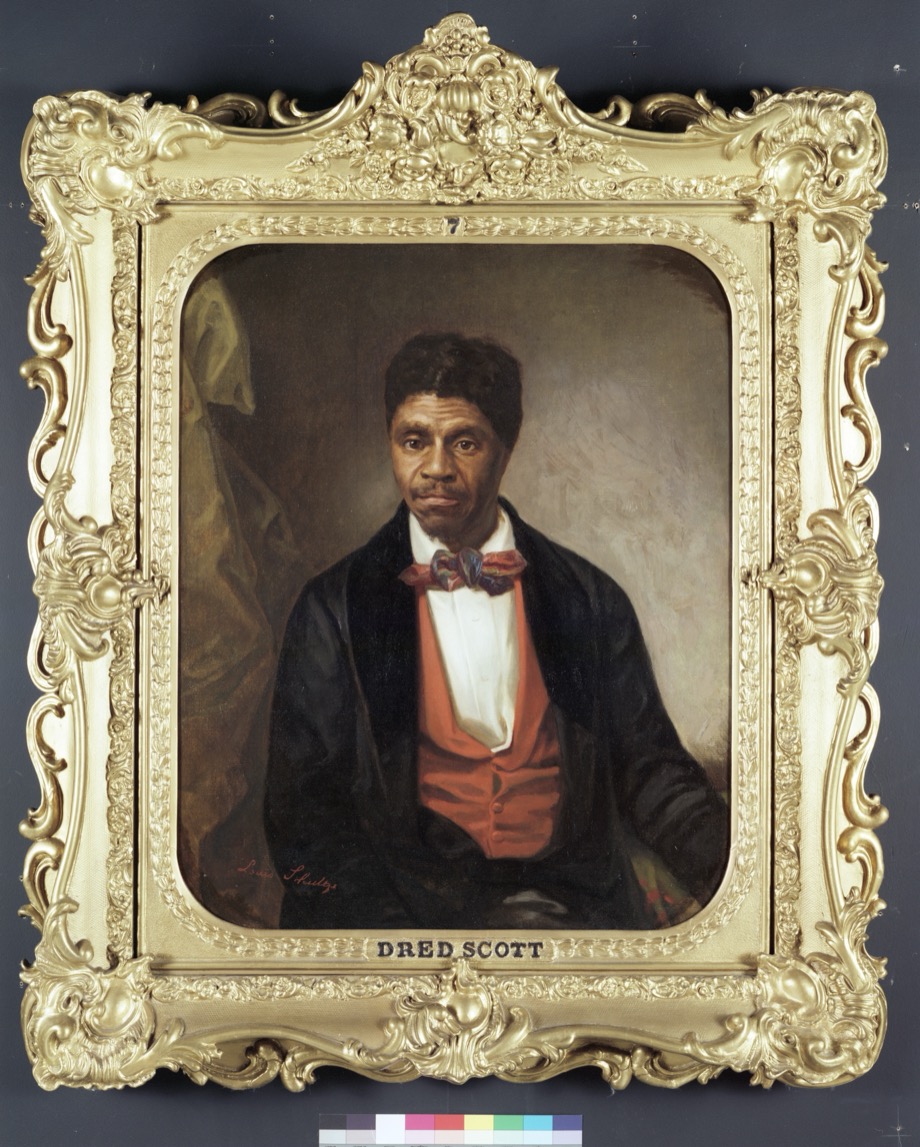
Portrait of Dred Scott
Eleven Years in Other Men's Courtrooms
Dred Scott was born enslaved in Virginia around 1799 and spent most of his life the property of others, moved from state to state and territory to territory as his owners' postings required. In the 1830s his owner, an army surgeon named John Emerson, carried him first into Illinois, a free state, and then into the Wisconsin Territory, where slavery was barred by federal law. Years later, back in slaveholding Missouri and following Emerson's death, Scott sued for his freedom and that of his wife and daughters, arguing that residence on free soil had already made them free — a claim with real footing in Missouri precedent at the time he filed it.
The case took eleven years to climb from a St. Louis circuit court to the United States Supreme Court. In March 1857, Chief Justice Roger B. Taney wrote for the majority that no Black person, free or enslaved, could ever be a citizen of the United States or bring suit in federal court, and that Congress had no authority to bar slavery from the territories at all. It is widely judged the worst decision the Court has ever handed down — it stripped away a compromise that had held the sections together for decades and pushed the country measurably closer to war. Scott was freed by a later owner within months of the ruling. He did not get much use of that freedom: he died of tuberculosis in September 1858, a year before the country he could not fully belong to began tearing itself apart.
A man spent eleven years fighting to be recognized as a person before the law, and the law answered him with a verdict, not a portrait.
Why This Entry Carries No Type
What survives of Dred Scott is a legal record, not a personal one. Court filings, testimony about where he lived and when, and the bare biographical facts of his birth, sale, marriage, and death — but almost nothing in his own words, and no account from anyone who knew him that describes how he thought, argued, or carried himself day to day. The eleven-year pursuit of freedom for himself and his family through a legal system stacked against him suggests real persistence and resolve, but persistence is a trait, not a type — it is compatible with a dozen different temperaments, and nothing in the record narrows it further. Scott entered history as the vehicle for a constitutional question about citizenship and property, not as a documented personality, and the archive does not manufacture an inner life where none was recorded. This entry lists him as Untyped rather than force a classification the evidence cannot support.
Connected Figures
Further Reading
- Dred Scott and the Problem of Constitutional Evil — Mark A. GraberOn the case's legal and moral legacy.
- Slavery and the Supreme Court, 1825–1861 — Earl M. MaltzPlaces the ruling in the Court's broader record on slavery.
- Dred Scott's Case: A Chronicle of Slavery, Politics, and Law — Walter EhrlichA full chronicle of the eleven-year litigation.
