 Historical Figure MBTI
Why Some Figures Go Untyped
Not every historical figure can be read through a cognitive lens with any confidence.
MBTI typing depends on a substantial record — letters, testimony, decisions under pressure, relationships over time. When that record is too thin, too mediated, or too fragmentary, assigning a type does more harm than good. It replaces a genuine historical mystery with a false sense of certainty.
Some figures are untyped because the historical record is sparse: we know what they did but almost nothing about how they thought or felt. Others leave behind enough evidence to be fascinating, but not enough to distinguish reliably between types. A few are untyped because their lives were so thoroughly shaped by others — owners, institutions, silence imposed from outside — that the personality signal is buried beneath circumstance.
Calling someone Untyped is not a dismissal. It's an acknowledgment that the essay can still be worth writing — that the life still matters — without pretending to a psychological verdict the evidence doesn't support. The absence of a label is itself a kind of honesty about the limits of what we can know.
Untyped Figures
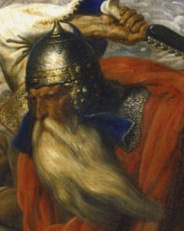
Abd al-Rahman al-Ghafiqi
notableAbd al-Rahman al-Ghafiqi led the campaign of 732 within a divided frontier world that later accounts compressed into a civilizational confrontation.
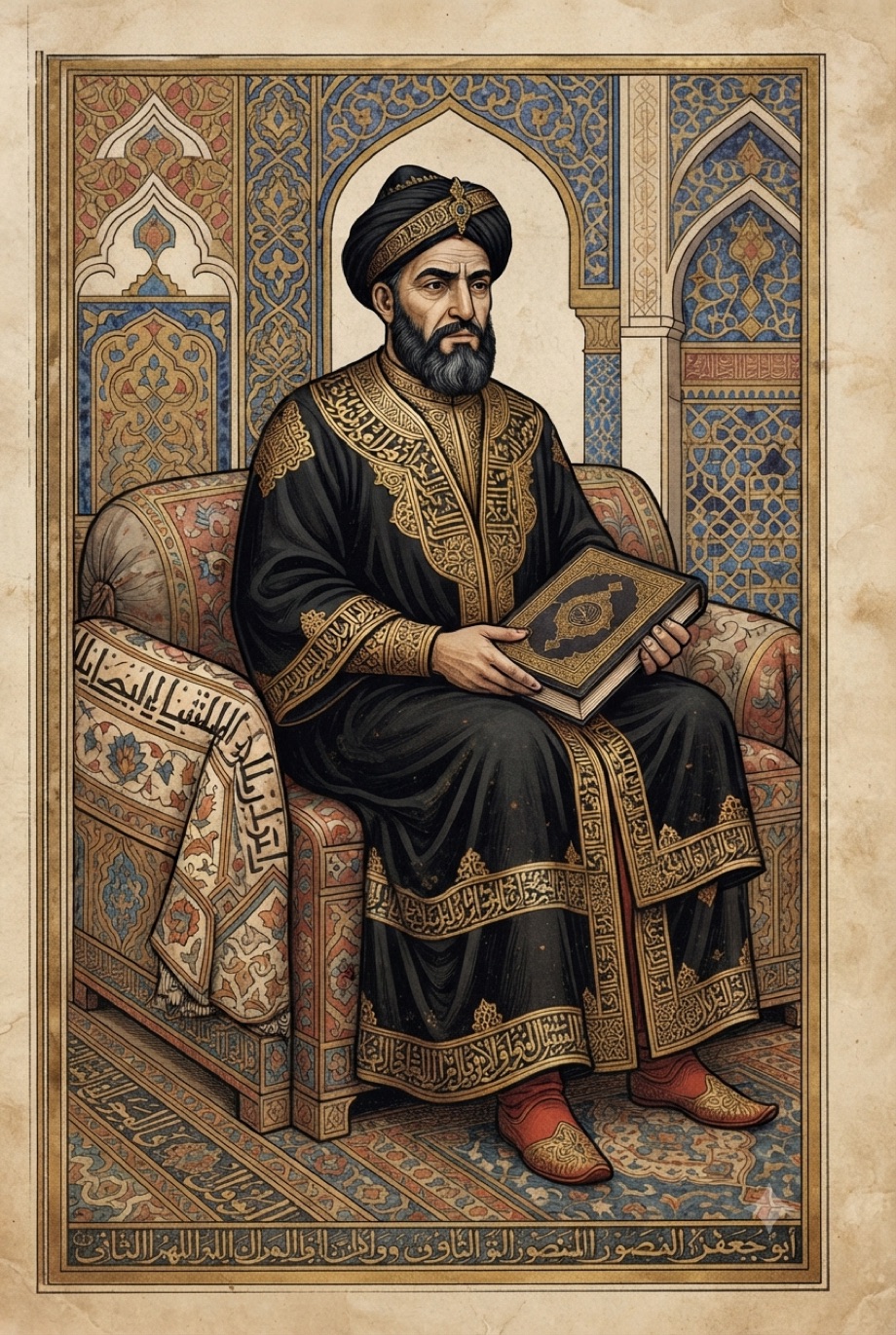
al-Mustansir II
obscureThe fugitive Abbasid whom Baibars crowned as puppet caliph, then abandoned to a doomed march on Baghdad — legitimacy made flesh.
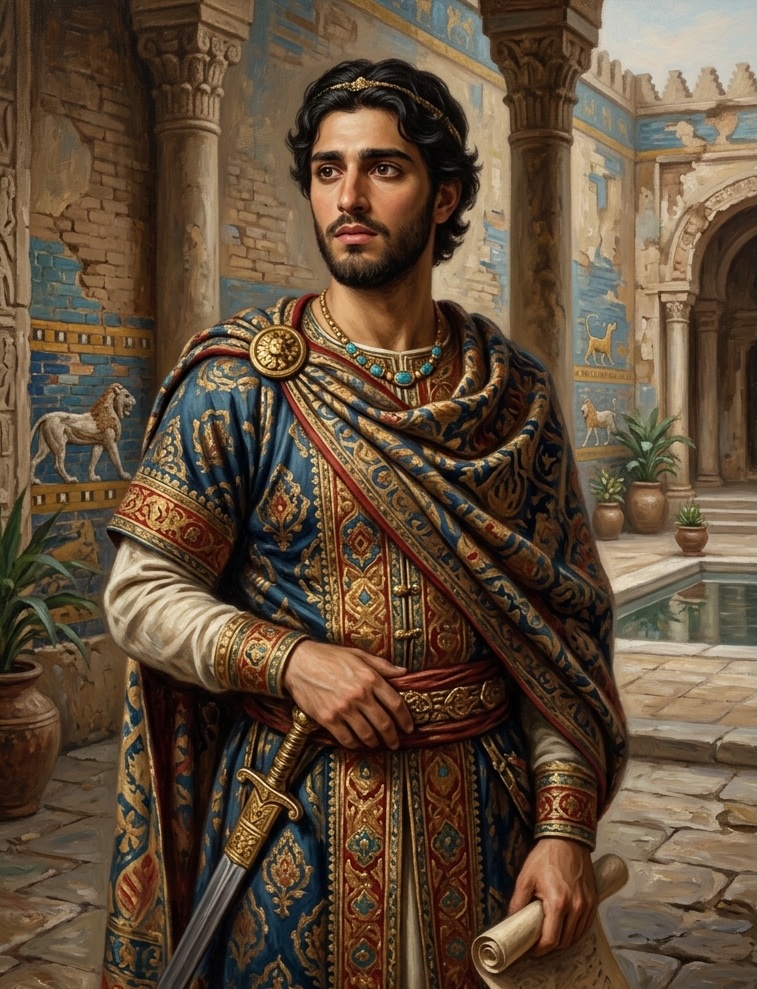
Antibelus
A son of Mazaeus and Persian noble in the orbit of Darius III.
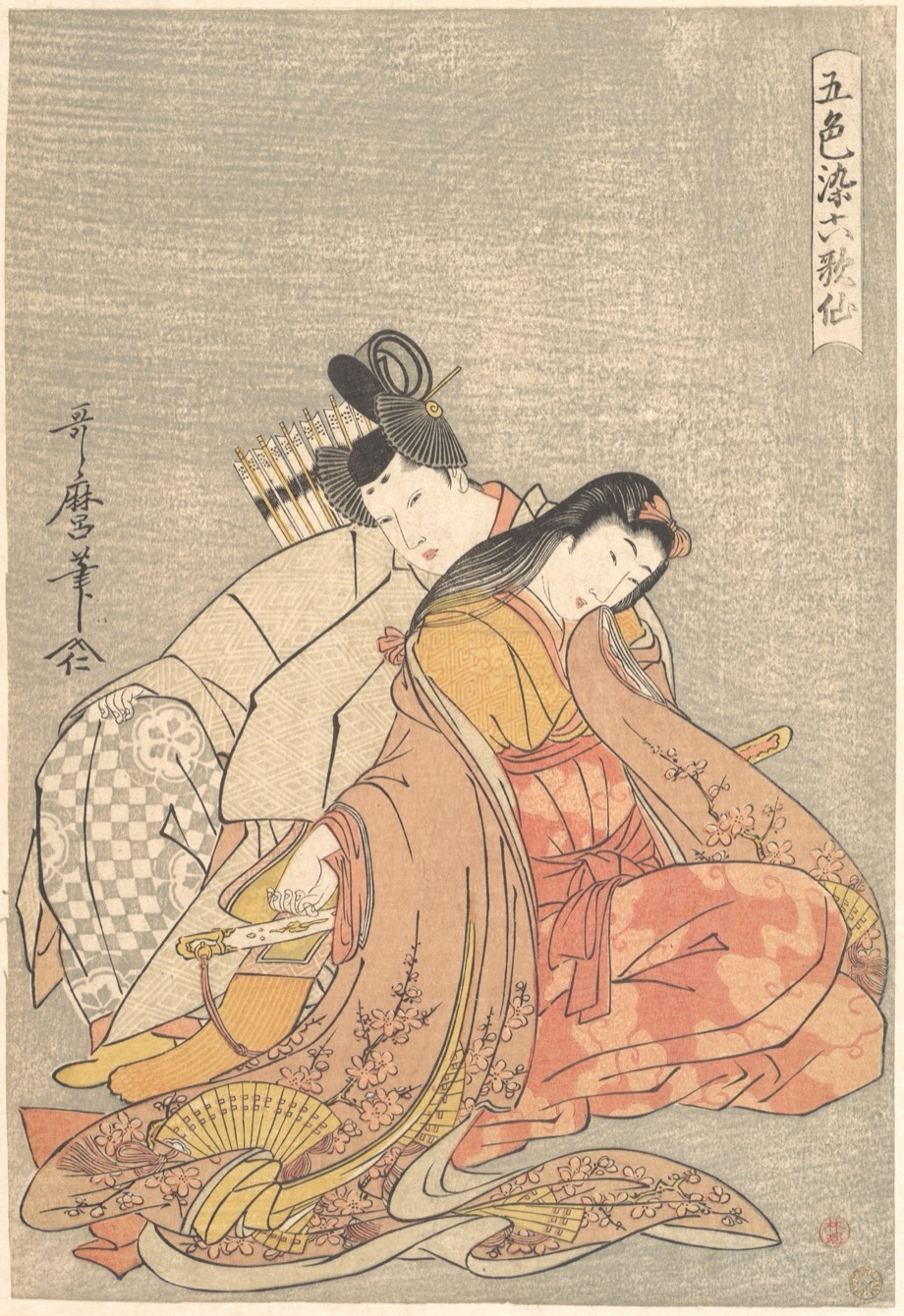
Ariwara no Narihira
renownAriwara no Narihira’s poetry and the Tales of Ise created a lasting literary reputation, but the historical courtier remains insufficiently documented for a type.
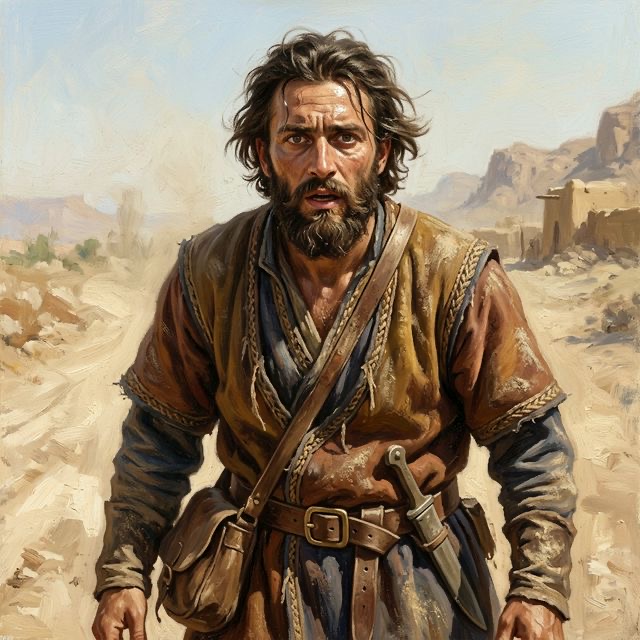
Bagistanes
The Persian messenger who first told Alexander that Darius III had been arrested.
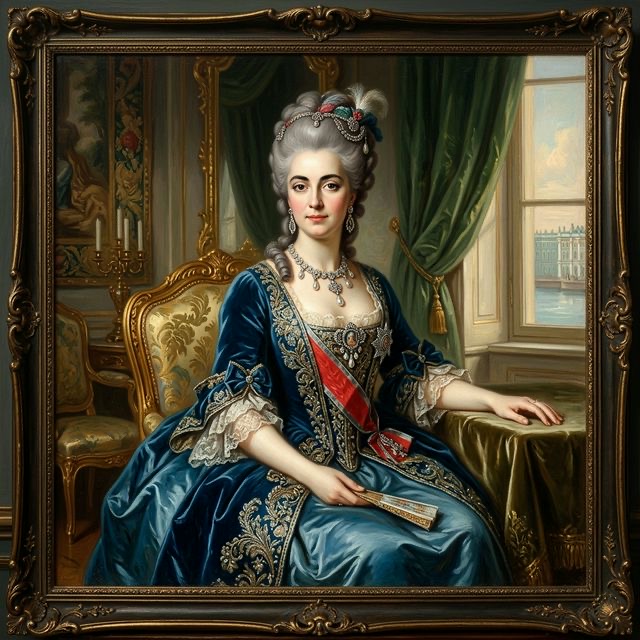
Baroness von Wrede
A Baltic German noblewoman in Catherine II's court whose quiet presence is preserved more by family record than historical fame.
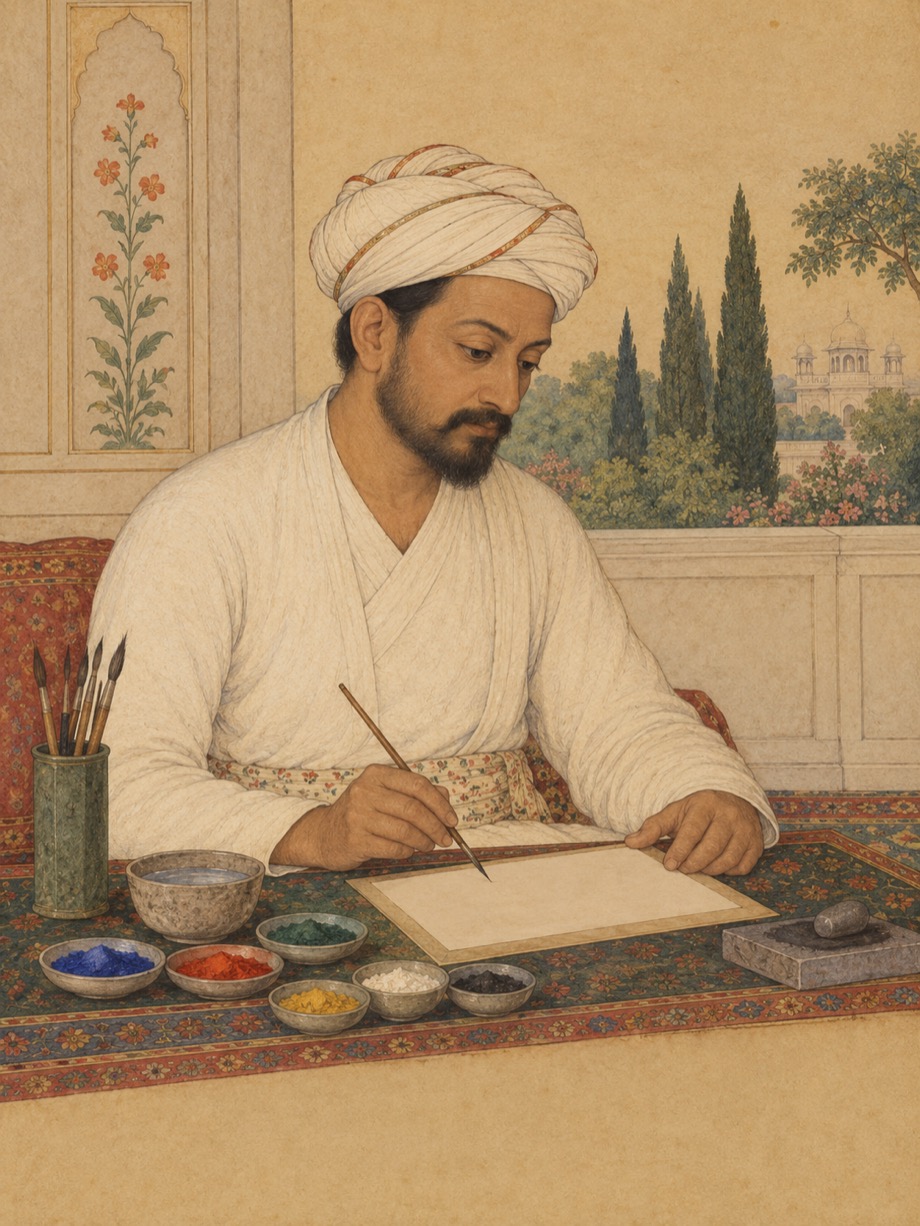
Basawan
notableA leading painter in Akbar’s atelier, known through manuscript work and contemporary praise for composition and likeness.
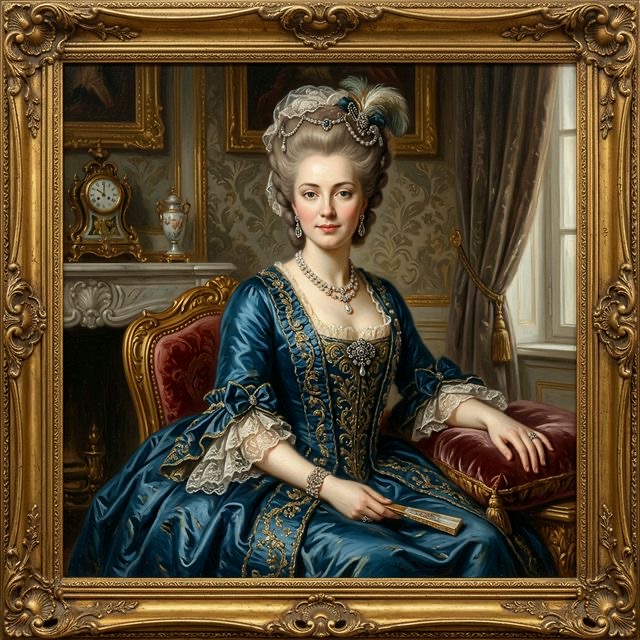
Benedicta
A Baltic German noblewoman in Catherine II's orbit whose historical identity remains uncertain — a peripheral presence in the Catherinian court.
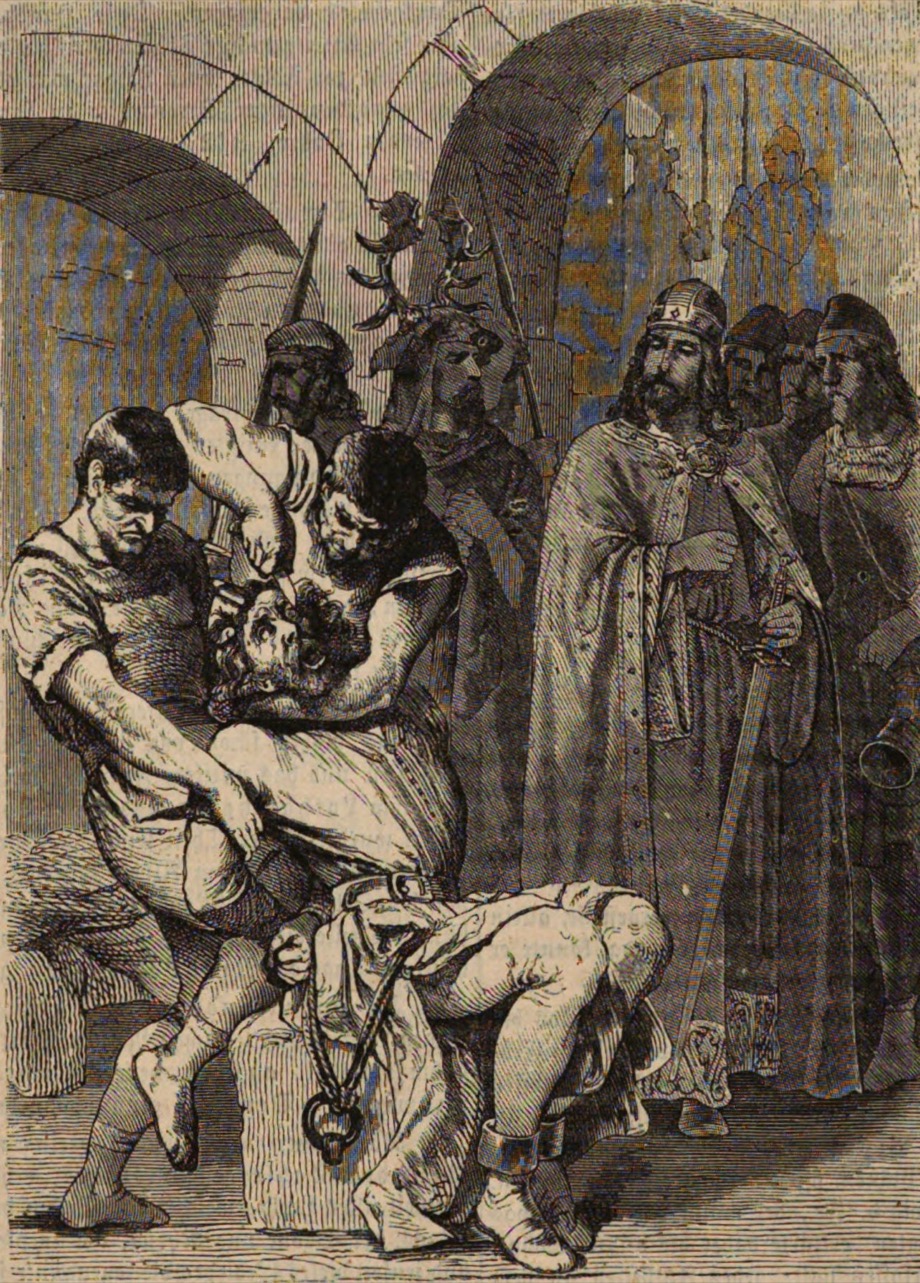
Bernard of Italy
notableBernard of Italy’s dynastic resistance ended in blinding and death, leaving lasting questions about imperial responsibility.
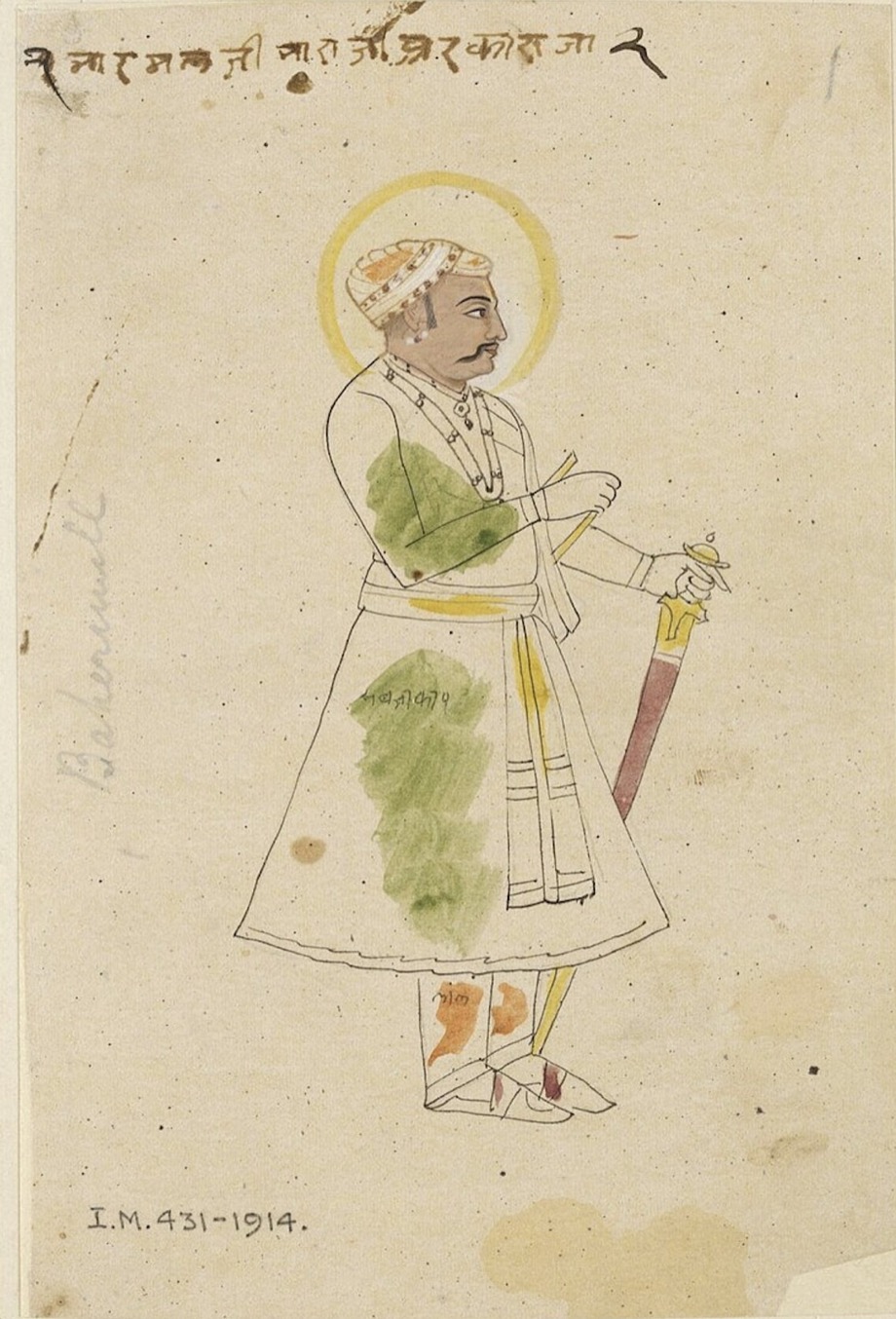
Bharmal
notableBharmal’s alliance with Akbar transformed Amber’s immediate insecurity into a lasting connection with the Mughal court.
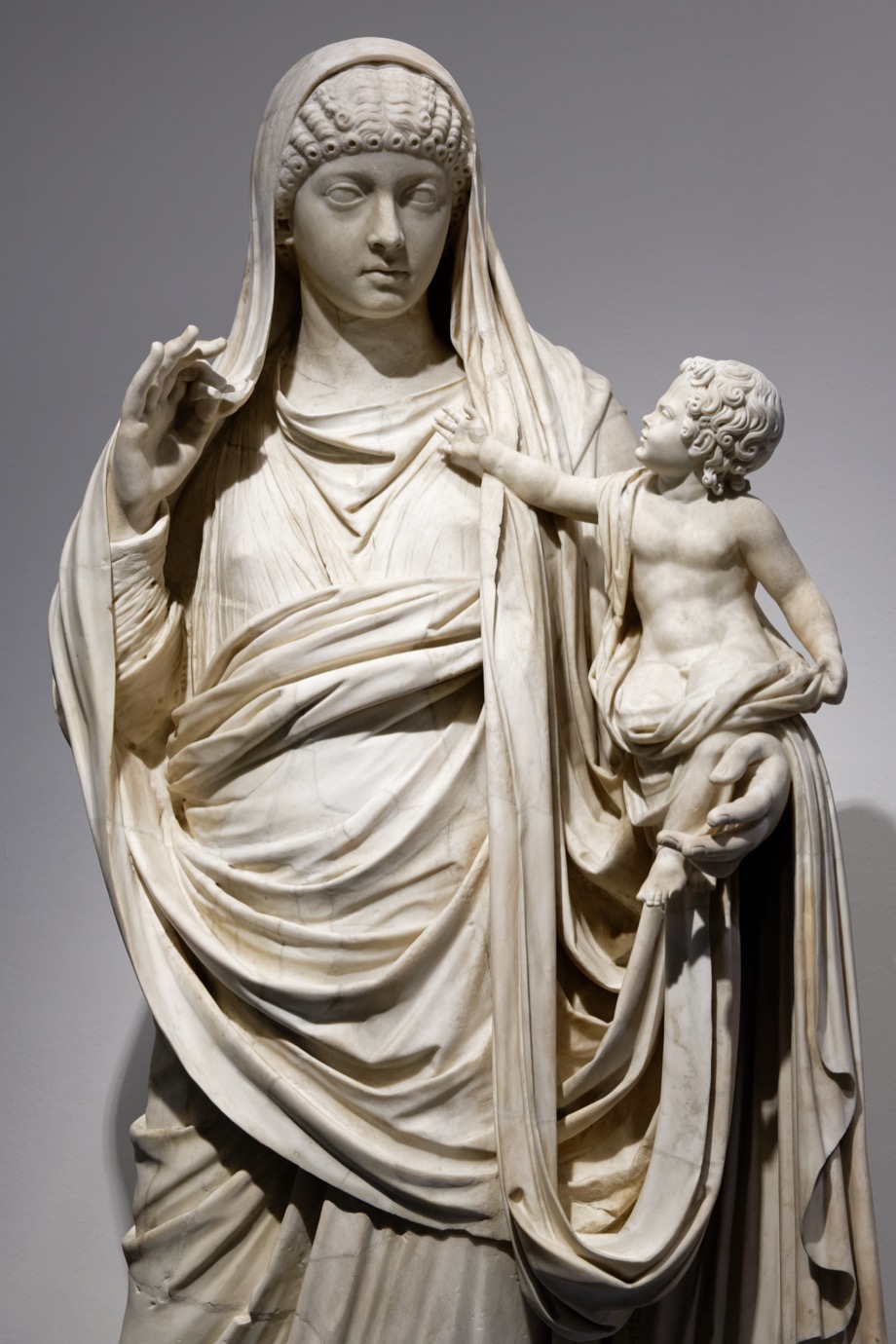
Britannicus
obscureClaudius's displaced heir, poisoned at a dinner table at thirteen to clear Nero's path to the throne.
Carloman I
notableThe co-king whose brief share of the Frankish inheritance disappeared into the victorious history of his brother.
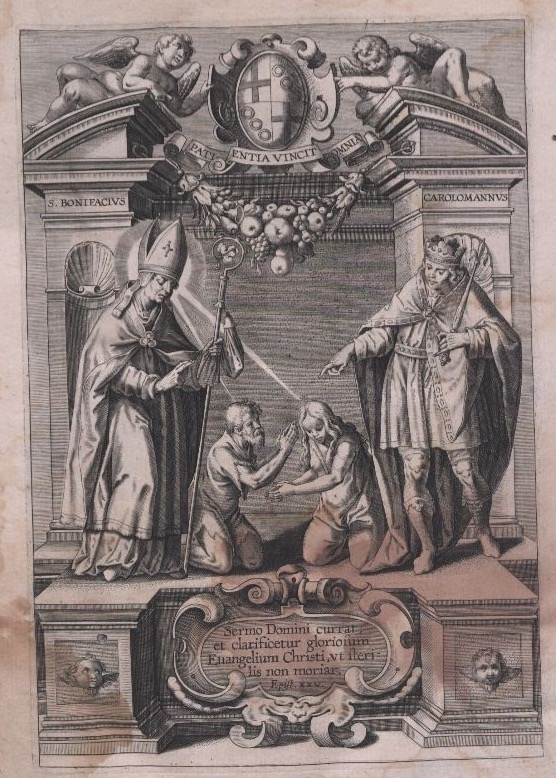
Carloman, mayor of the palace
notableCarloman shared the Frankish mayoralty, supported church reform, and withdrew into a monastic life that did not end his political importance.
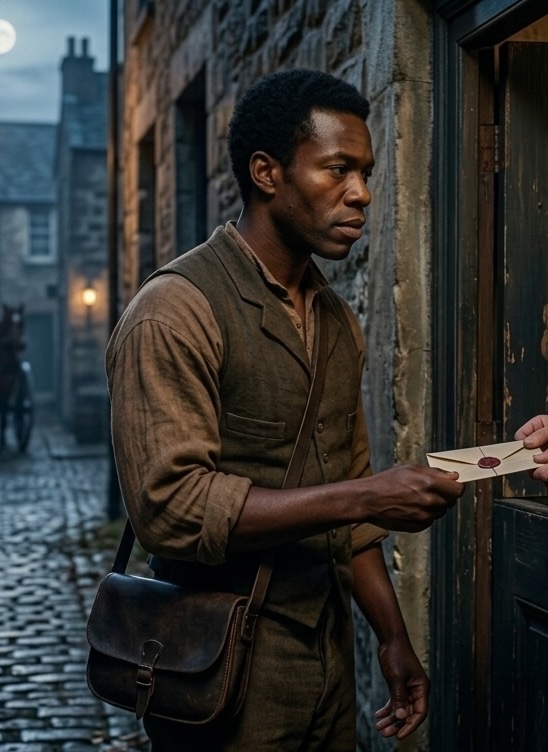
Cato
The Invisible Courier of the Revolution
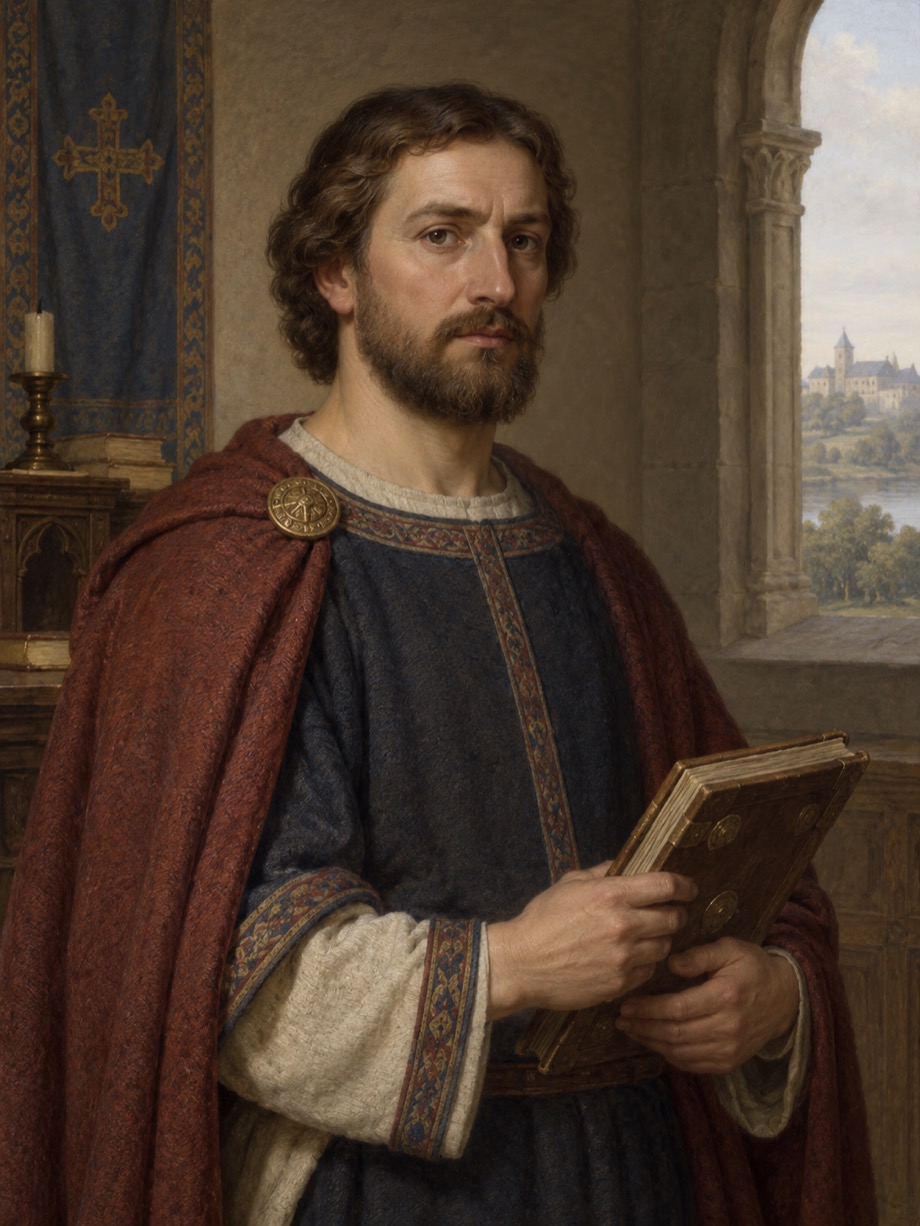
Charles the Younger
obscureCharles the Younger commanded Frankish armies and held a major place in Charlemagne’s succession plans before dying ahead of his father.
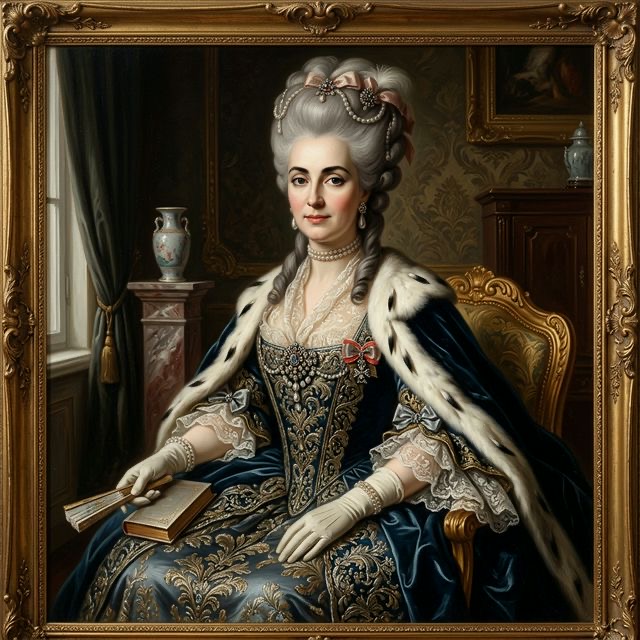
Countess Elizabeth Karlovna Sivers
A Baltic German noblewoman of the Sievers family whose precise historical identity is preserved more through family connection than personal record.
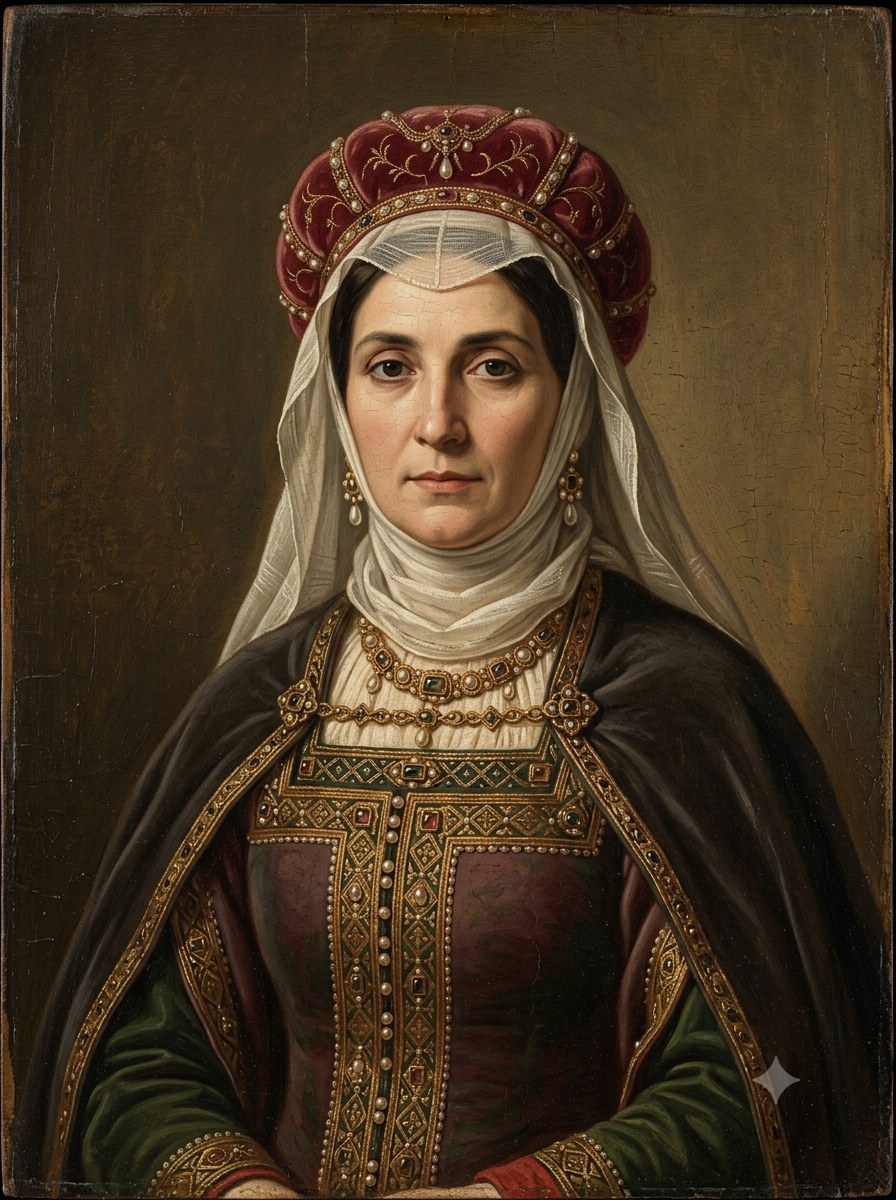
Donata Badoer
obscureMarco Polo's wife, known only from the notarial record — the Venetian life he came home to, lost to history.
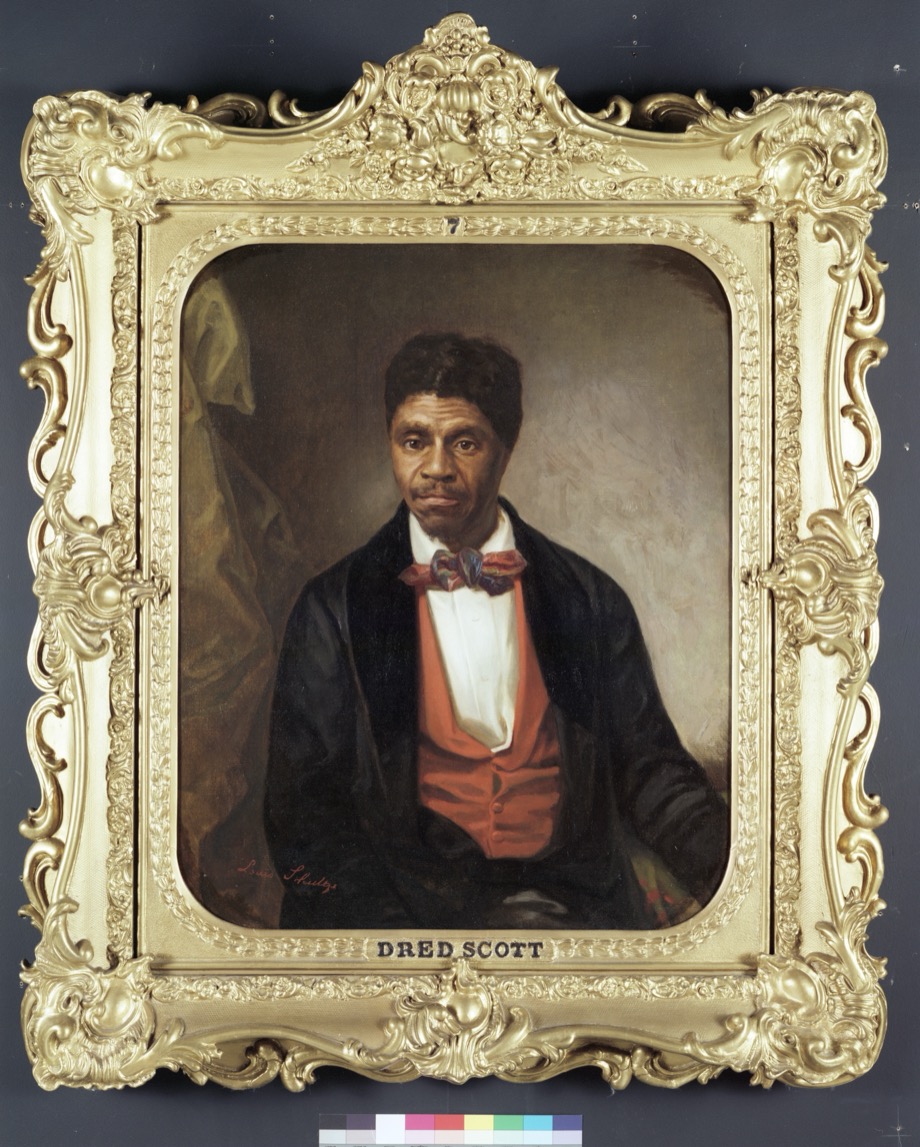
Dred Scott
obscureThe enslaved man whose eleven-year lawsuit for freedom ended in the Supreme Court's most reviled ruling
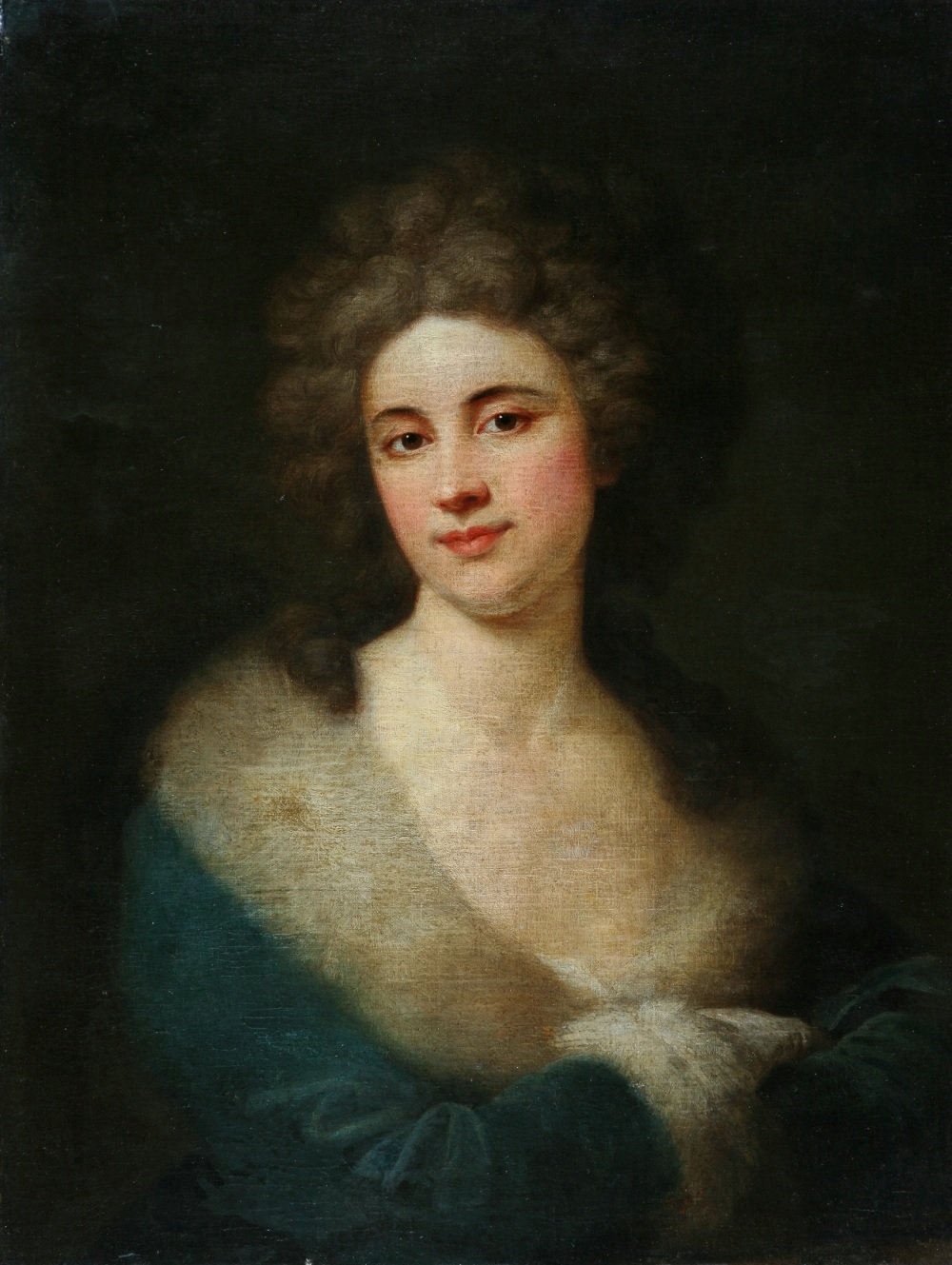
Elżbieta Szydłowska
Devoted mistress and secret wife of Poland's last king — untyped, she survives only in his documentary shadow.
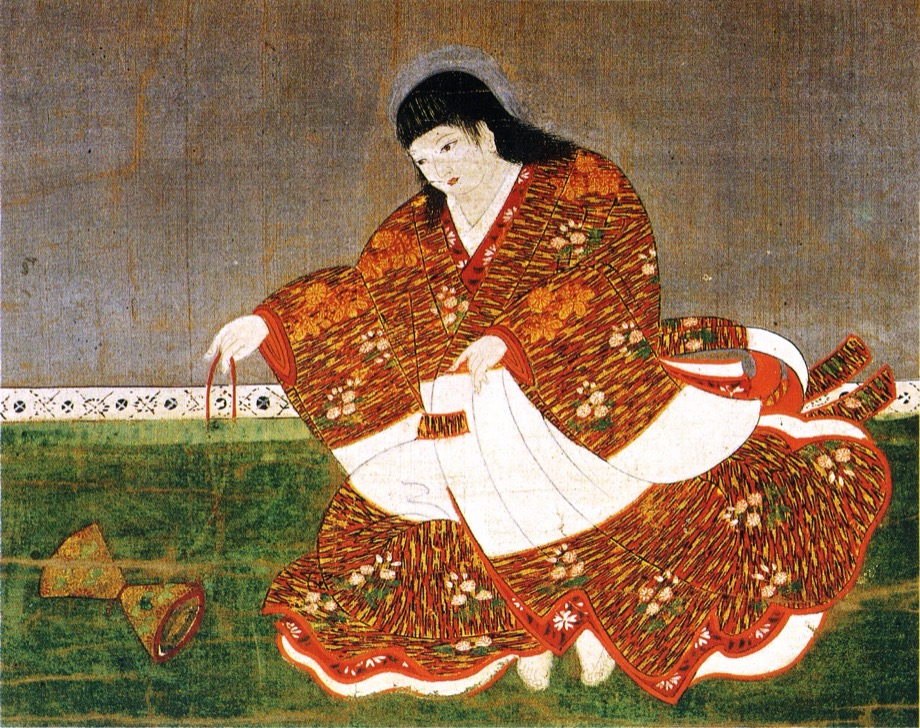
Emperor Antoku
renownAntoku’s short life reveals the institutions and adult choices surrounding a child emperor, whose surviving record cannot support a personality type.
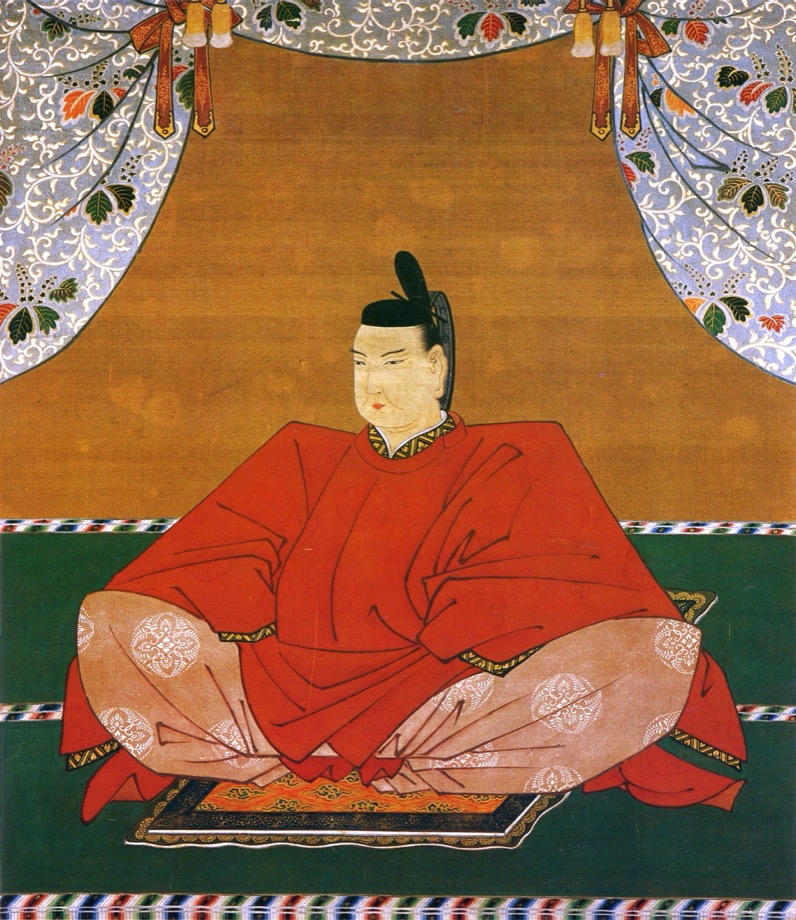
Emperor Ichijō
notableEmperor Ichijō’s literary court and ceremonial appearances are well documented, but the selected evidence does not securely establish a personality type.
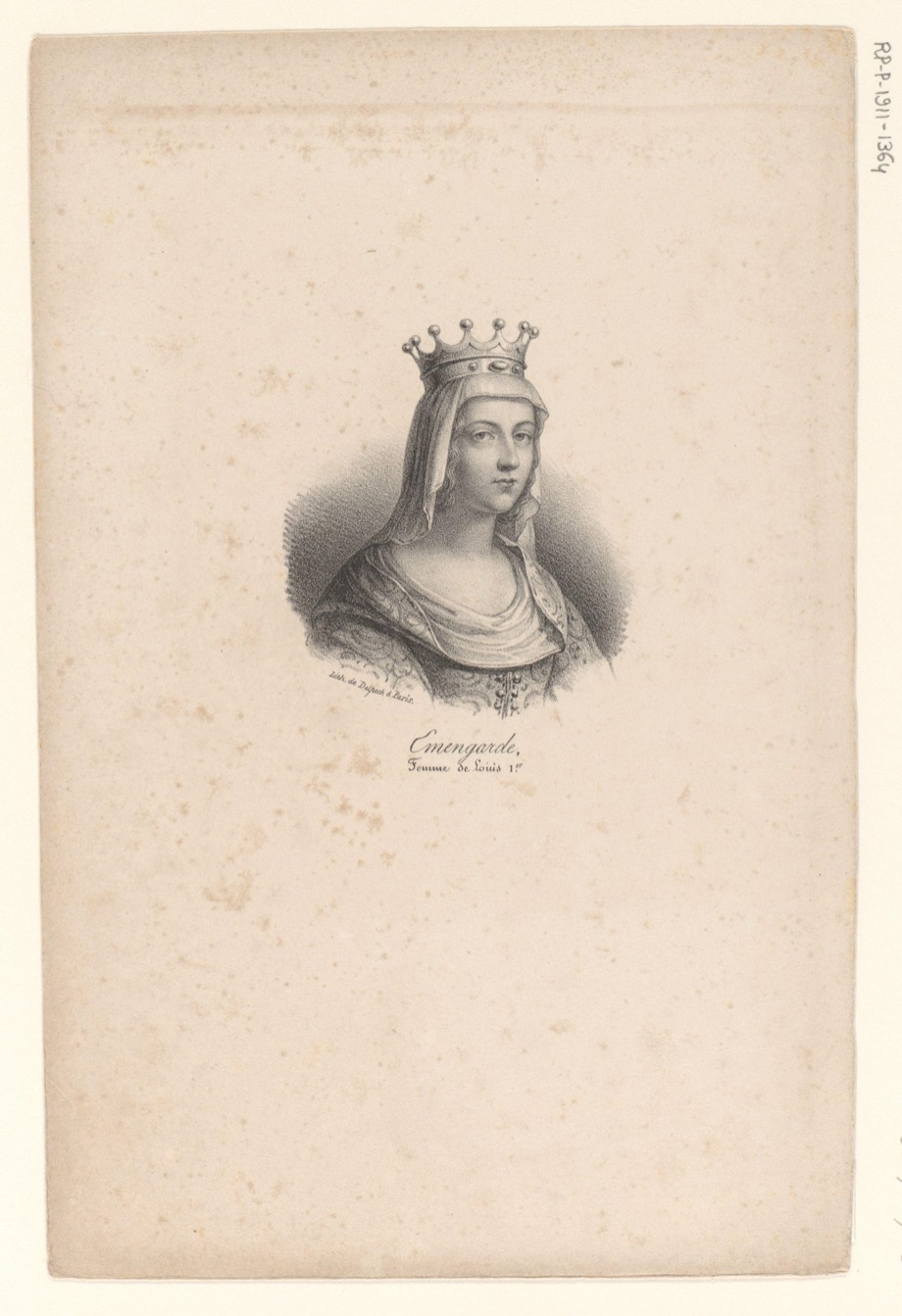
Ermengarde of Hesbaye
obscureThe first empress of Louis the Pious, whose sons shaped the empire’s succession before her death in 818.
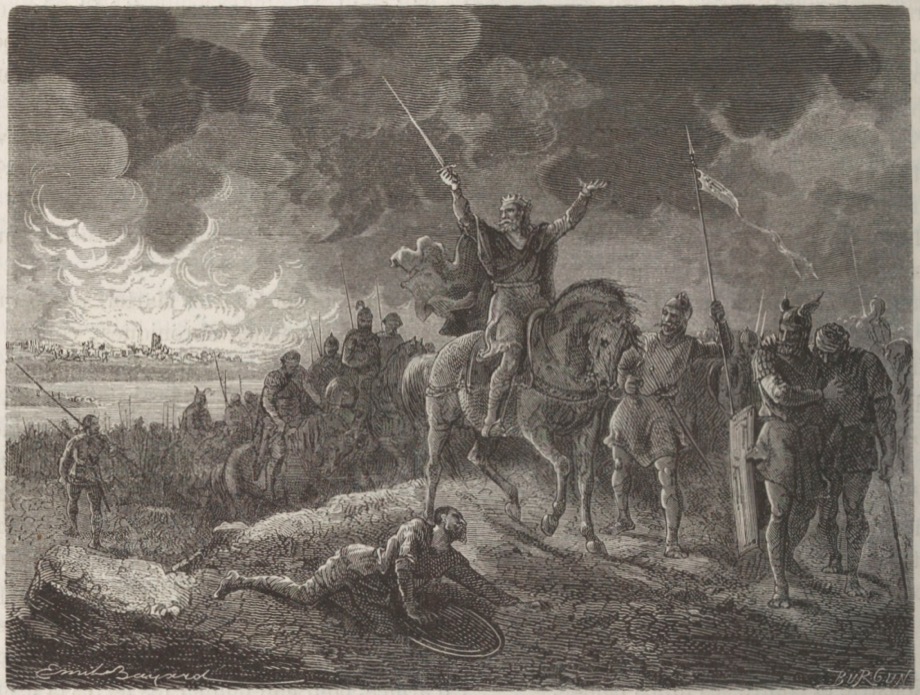
Eudo of Aquitaine
notableEudo of Aquitaine defended a regional authority through victory, bargaining, and changing alliances before later narratives reduced him to Charles Martel’s ally.

Fedot Bogmolov
Fugitive serf hailed as the surviving Peter III by Volga Cossacks in 1772 — the obscure, untyped forerunner of Pugachev's revolt.
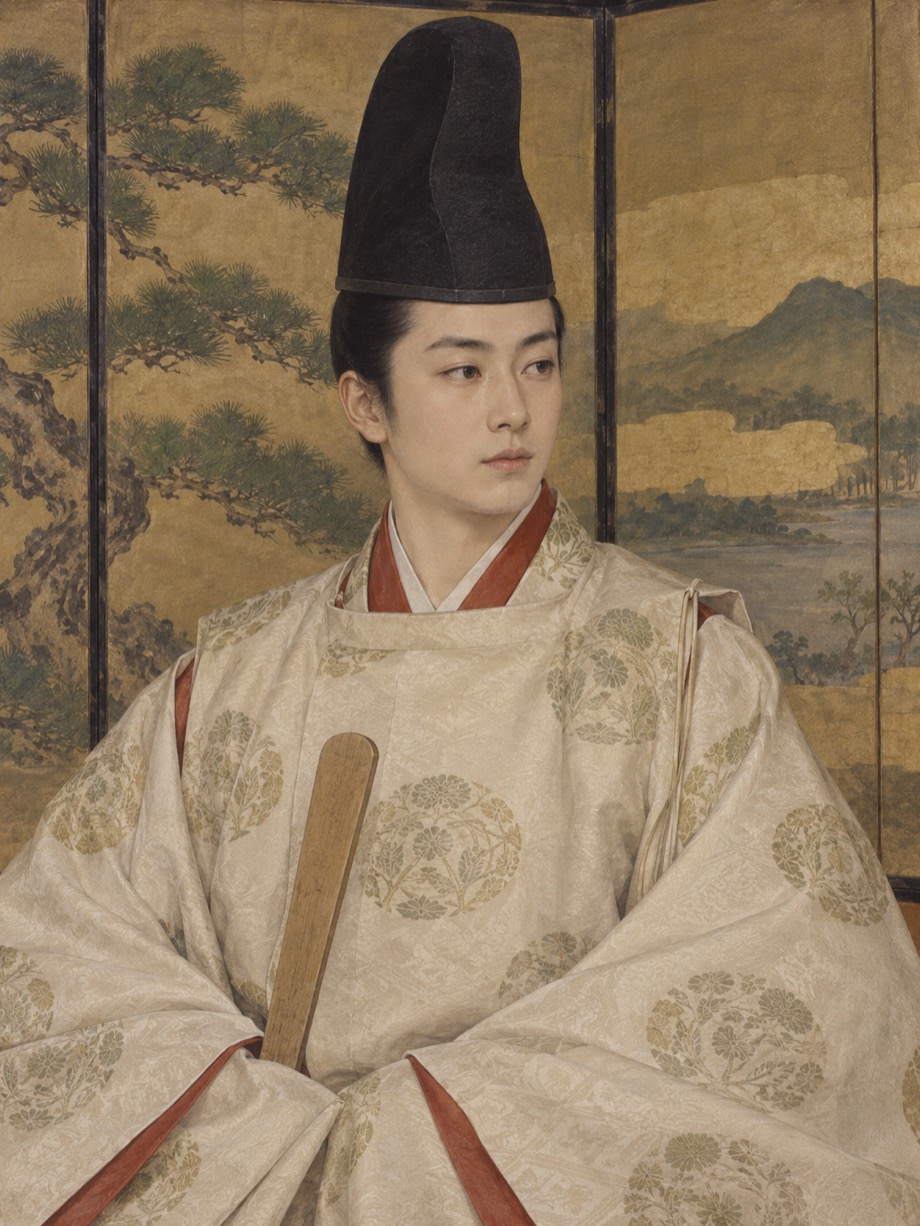
Fujiwara no Korechika
notableFujiwara no Korechika’s literary participation and political disgrace survive through interested accounts insufficient for secure personality typing.
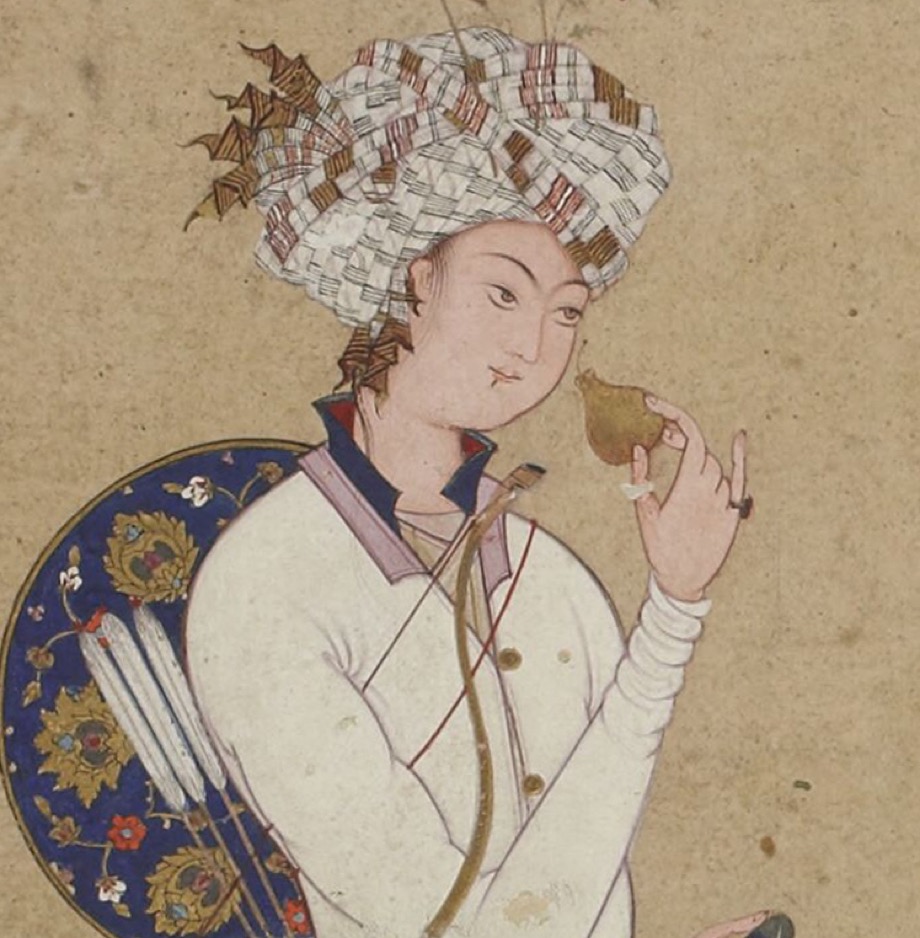
Harun al-Rashid
renownHarun al-Rashid ruled an Abbasid empire of brilliant court culture, difficult provincial politics, and far-reaching diplomacy.
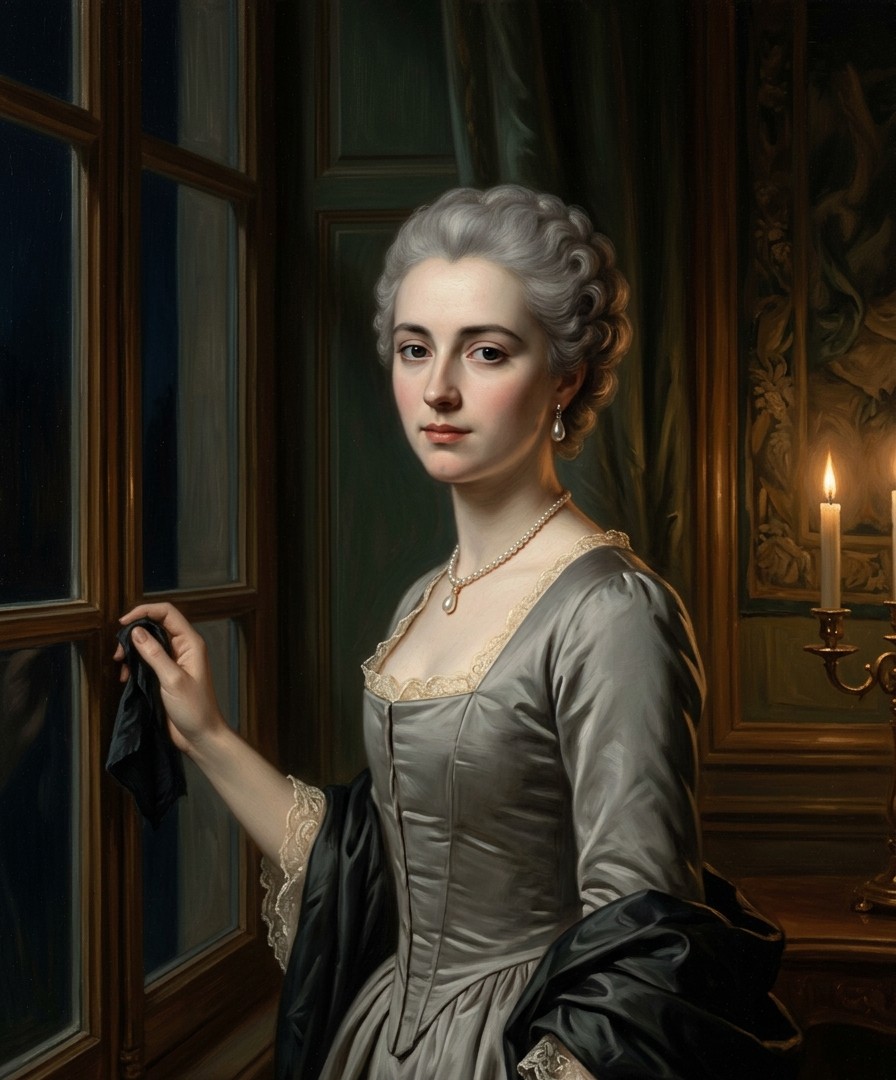
Henriette
notableCasanova's most celebrated love — a brilliant noblewoman in disguise, untyped because she survives only as a name scratched on glass
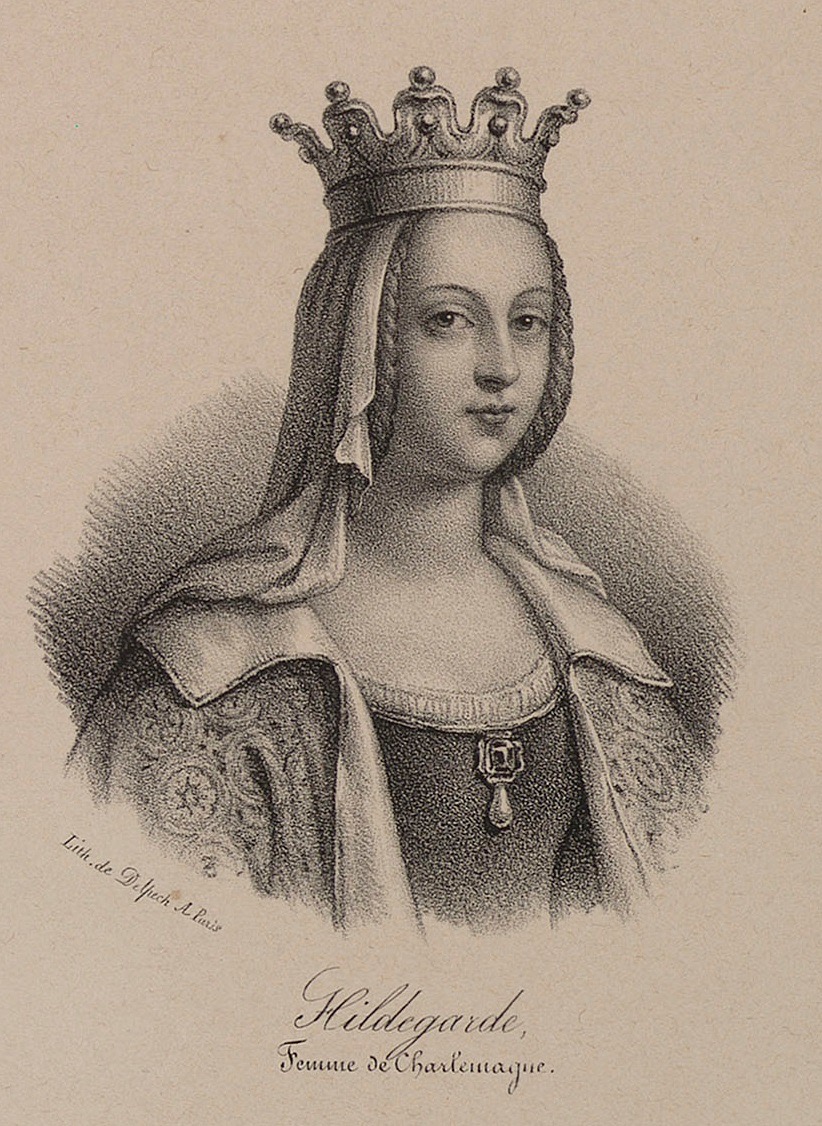
Hildegard of Vinzgau
notableCharlemagne’s queen, whose children, burial, and commemorative praise placed her at the center of Carolingian dynastic memory.
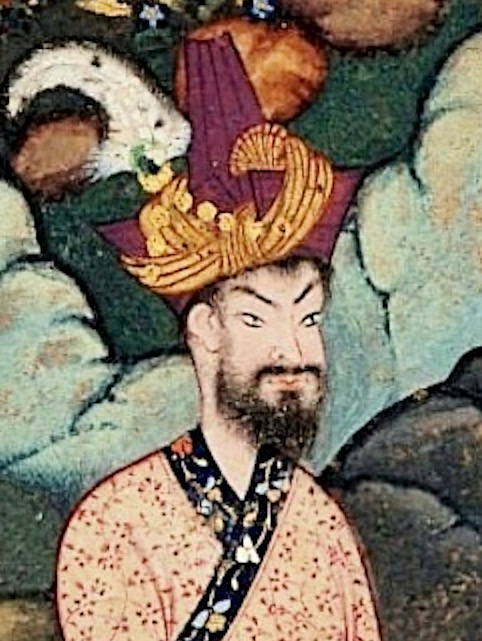
Hindal Mirza
notableBabur's youngest surviving son, whose path from rebellion to service ended in the dynasty's fratricidal fighting.
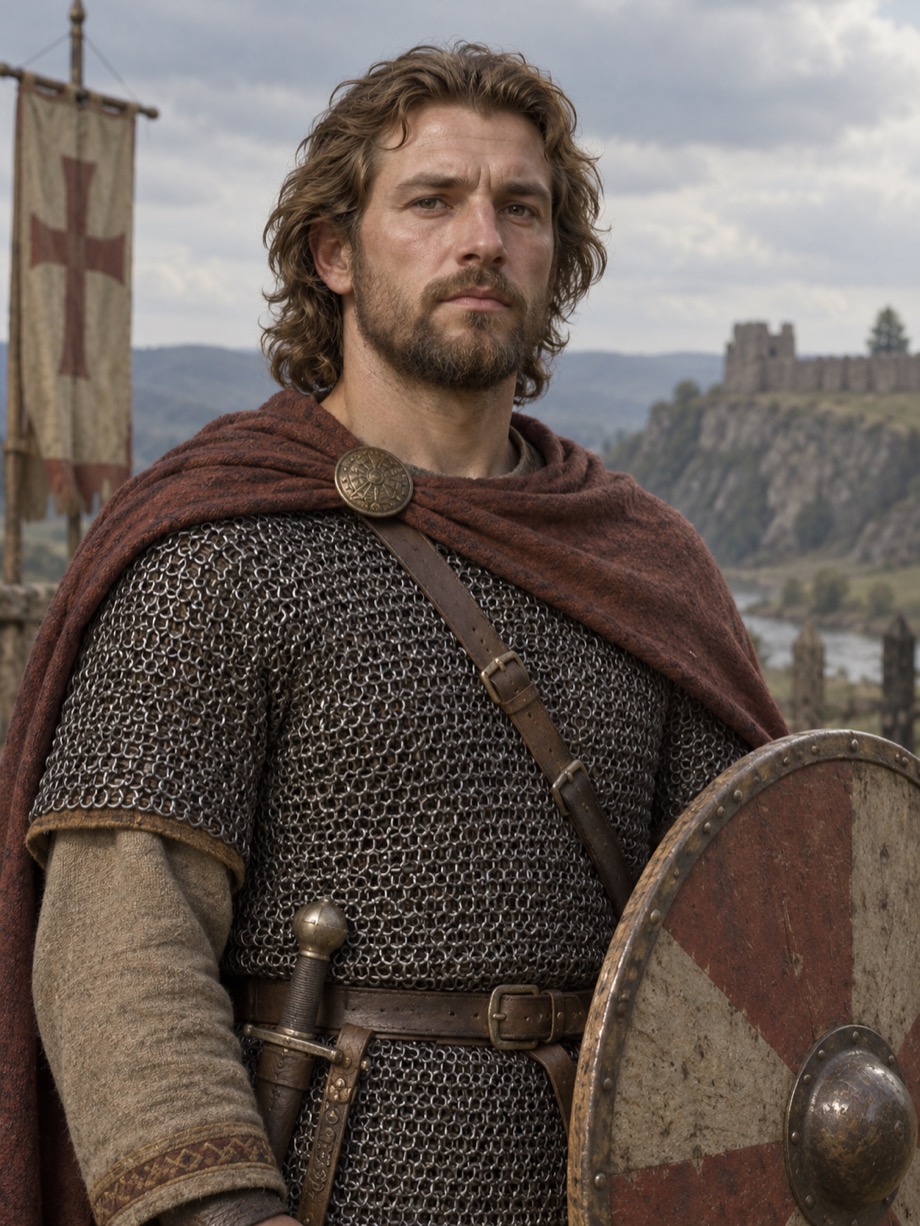
Hruodland (historical Roland)
renownThe Breton frontier official killed in the Pyrenean ambush of 778, whose sparse historical record later became the epic Roland.
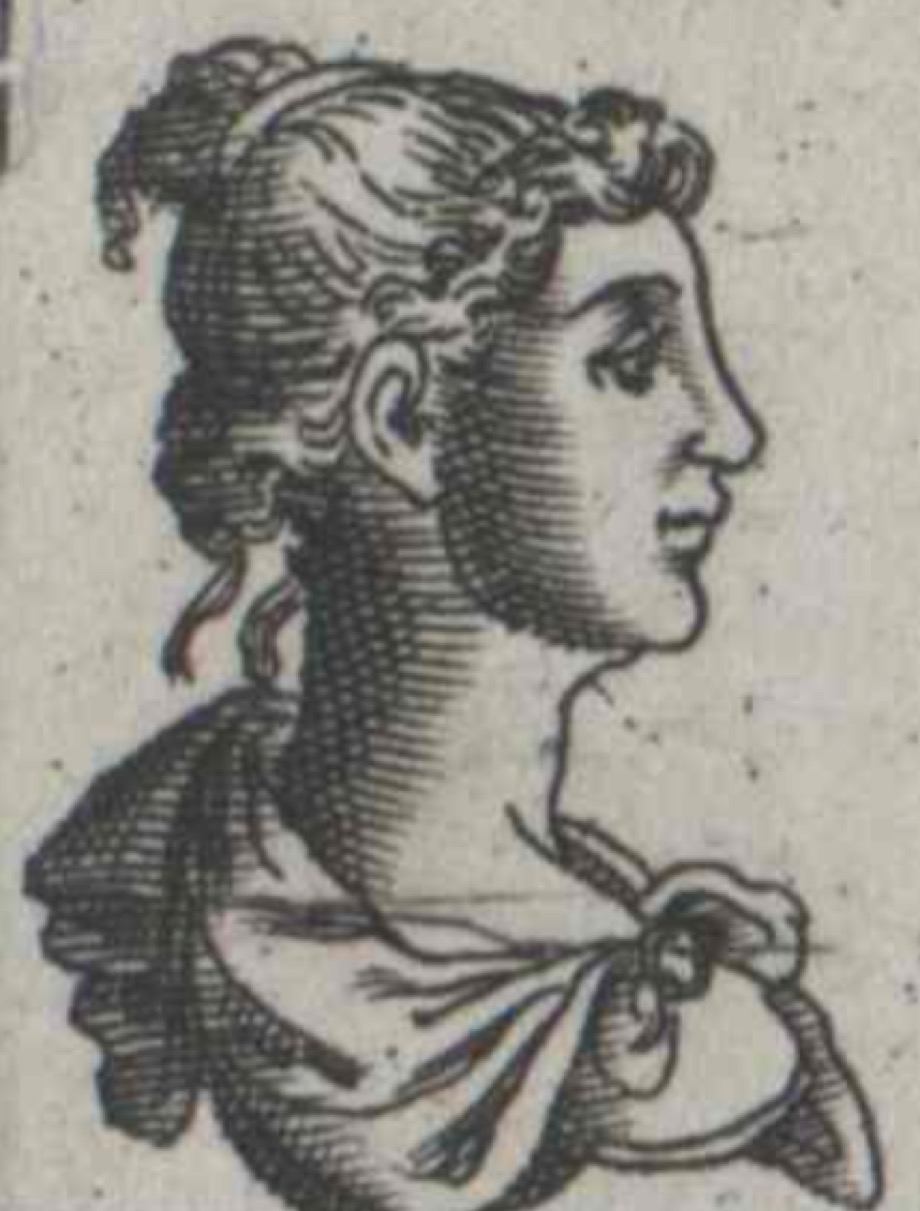
Irene of Athens
renownIrene of Athens restored the veneration of icons, struggled with her son over imperial power, and ruled Byzantium alone before her deposition.
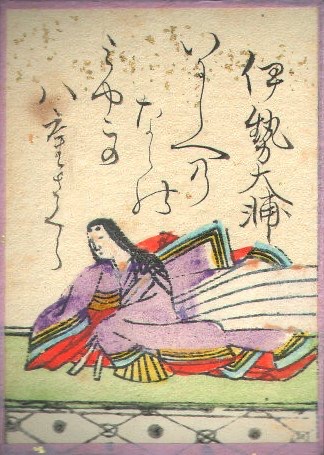
Ise no Taifu
notableIse no Taifu’s accomplished court verse and long service reveal an important working poet but insufficient personal evidence for a type.
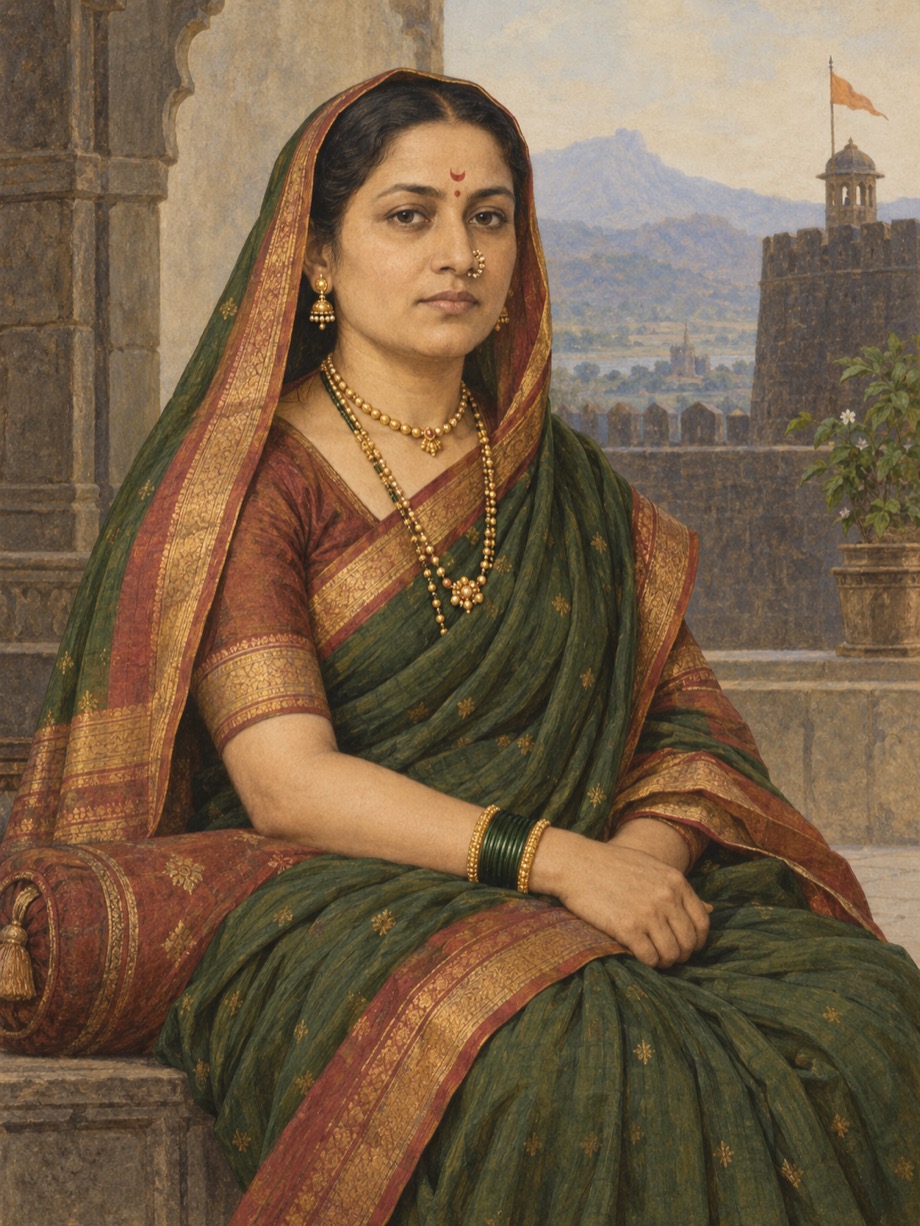
Jijabai
notableThe dynastic mother whose household authority and place in Shivaji’s government preceded her later reputation as the maker of a hero.
Khanzada Begum
notableKhanzada Begum survived dynastic separation and became a trusted elder whose household authority reached into Mughal succession politics.
Khwaja Kalan
obscureKhwaja Kalan’s authorized return to Kabul exposed the distance between helping Babur win India and wanting to remain there.
Ki no Tomonori
notableKi no Tomonori’s poetry and Kokinshū compilation are documented, but they do not provide sufficient behavioral evidence for a secure personality type.
Koshikibu no Naishi
notableKoshikibu no Naishi’s surviving verse and famous reply establish an independent poet but provide insufficient personal evidence for a type.
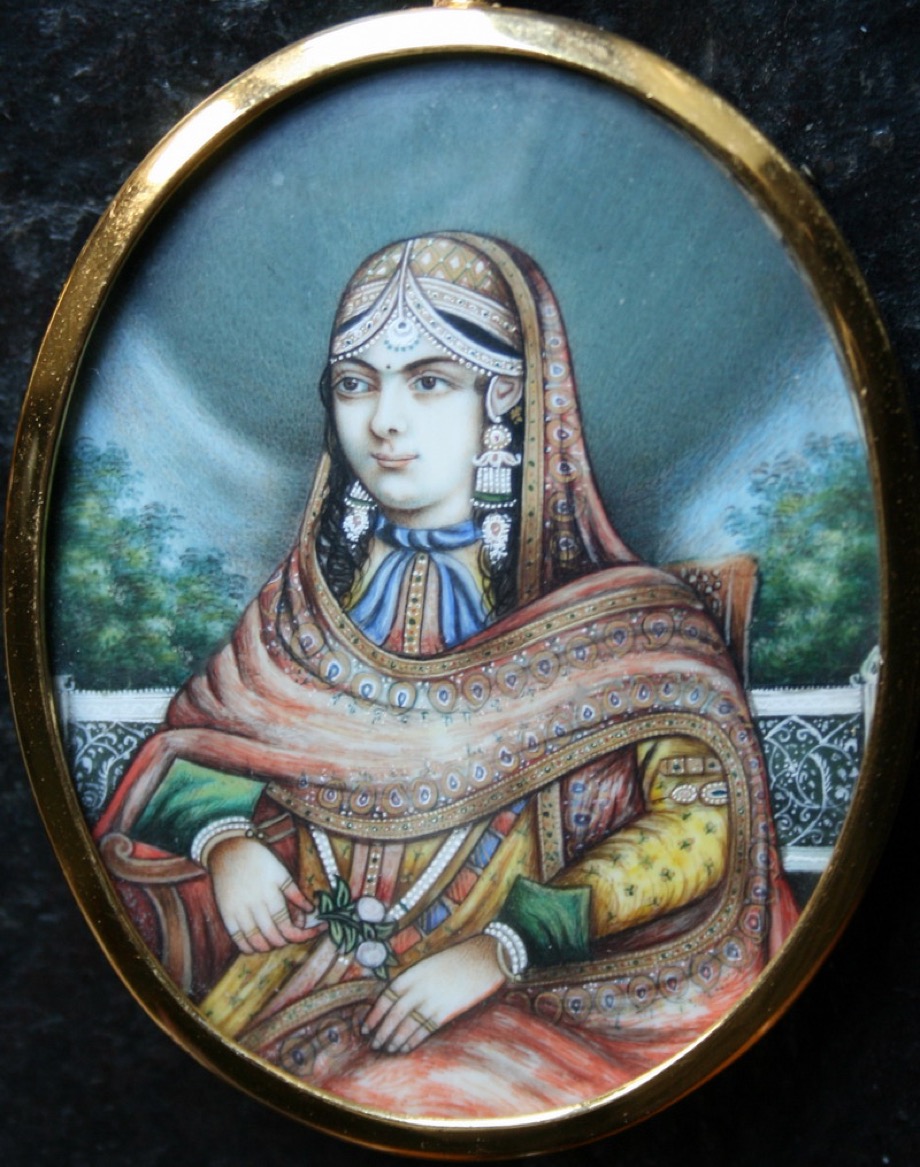
Mariam-uz-Zamani
notableAn imperial mother and patron whose maritime investment and architecture carried her authority beyond the palace.
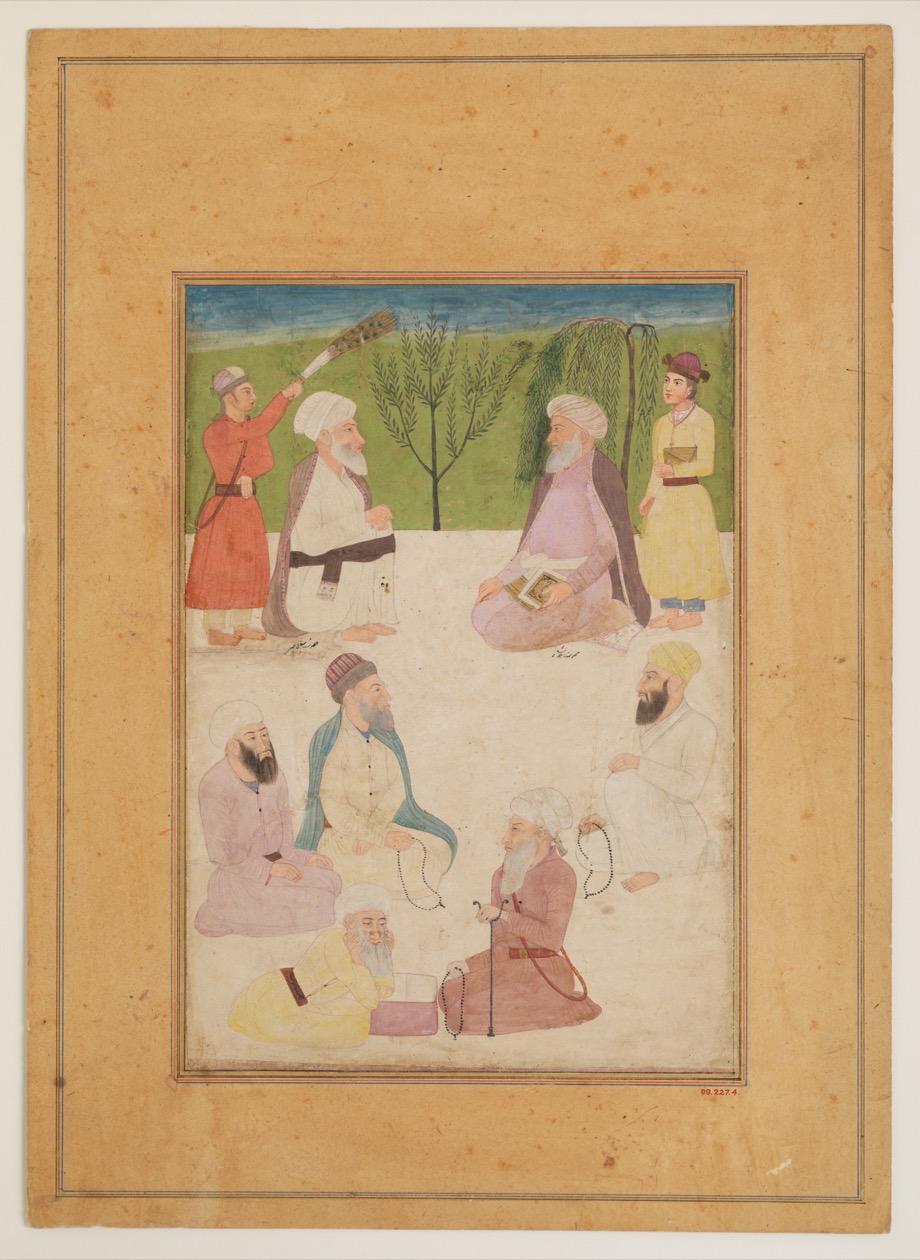
Mian Mir
renownThe Qadiri saint of Lahore whose authority reached Mughal rulers and endured through disciples, devotional writing and a celebrated shrine.
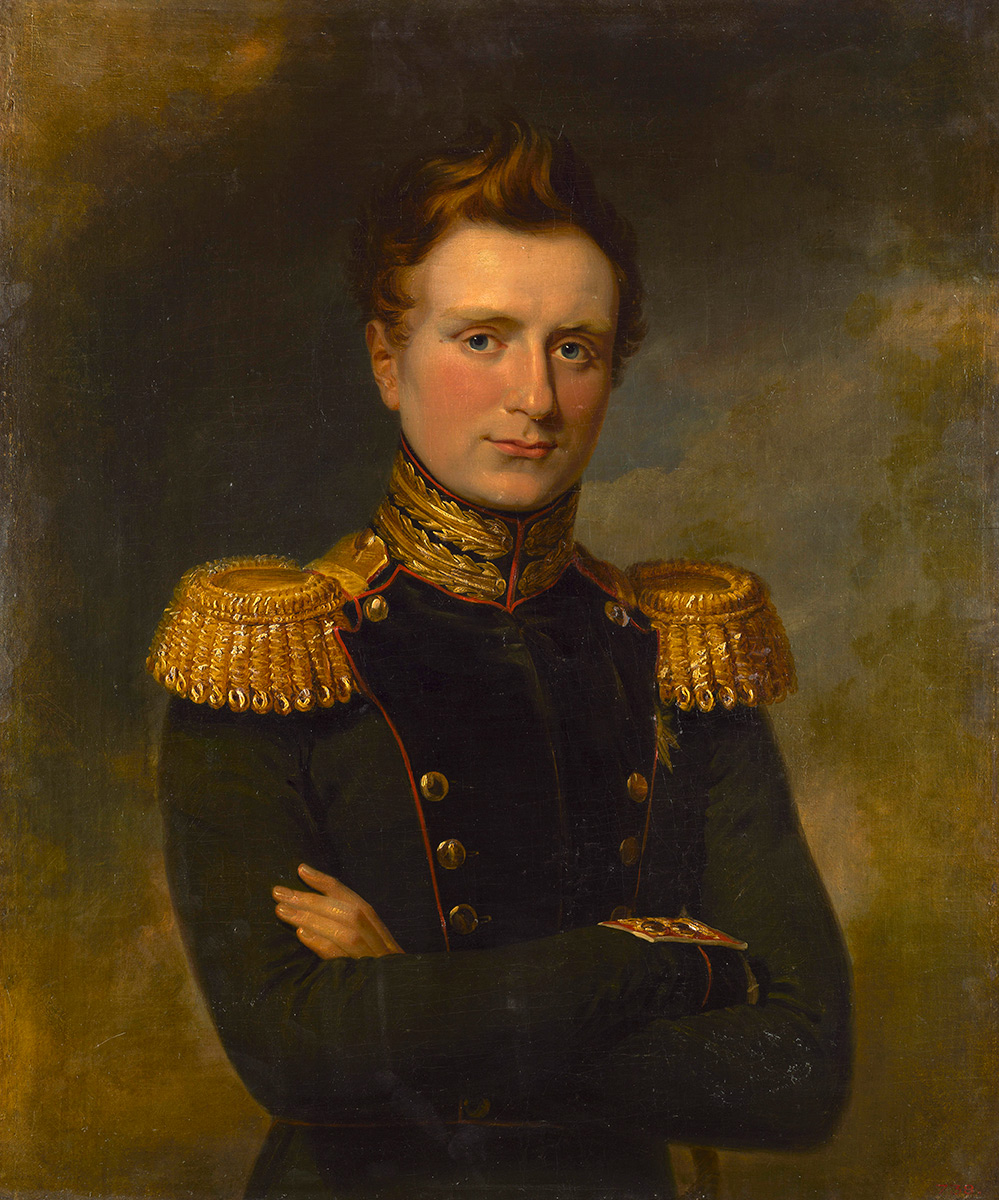
Michael Pavlovich
The empire's blunt Grandmaster of Artillery, youngest son of Paul I — left untyped because the record preserves only his martial persona.
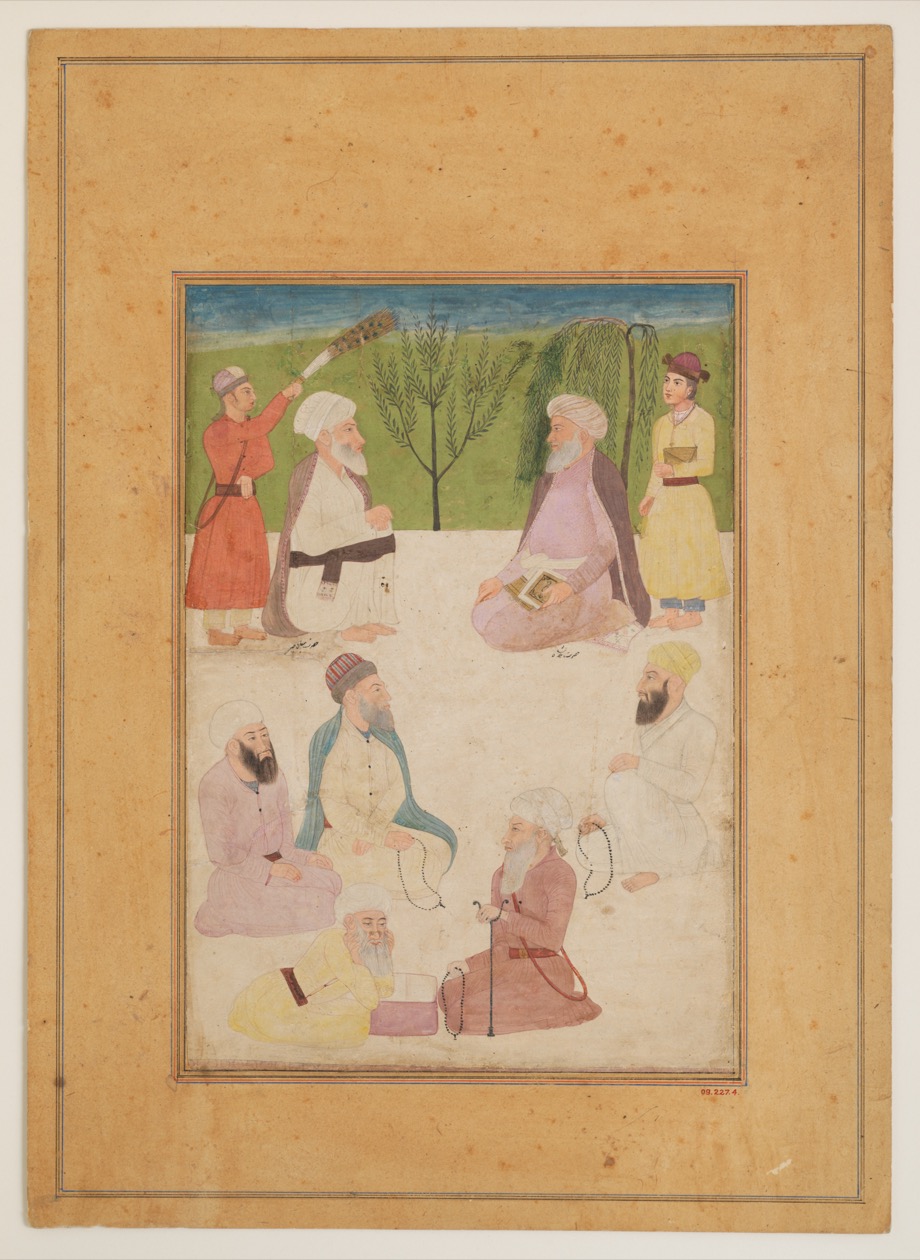
Mulla Shah Badakhshi
notableThe Qadiri teacher who guided Dara Shikoh and Jahanara Begum and became a focus of imperial devotional writing and patronage.
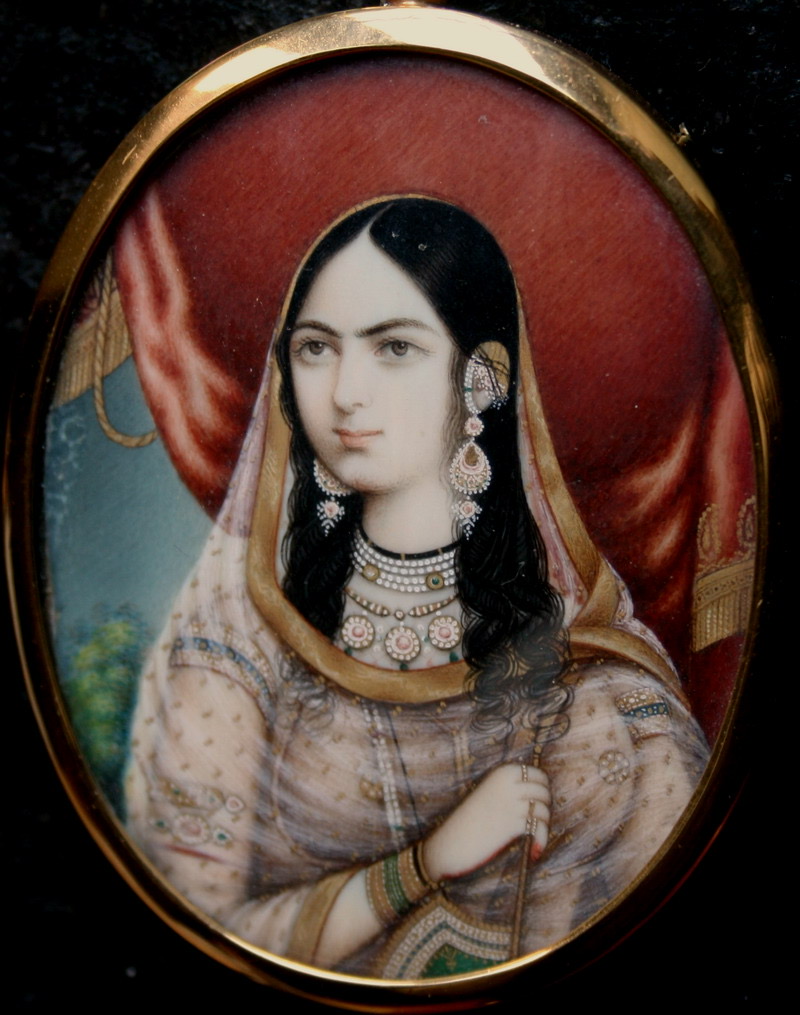
Mumtaz Mahal
notableMumtaz Mahal held a position of trust, wealth, and dynastic importance that deserves attention beyond the monument built after her death.
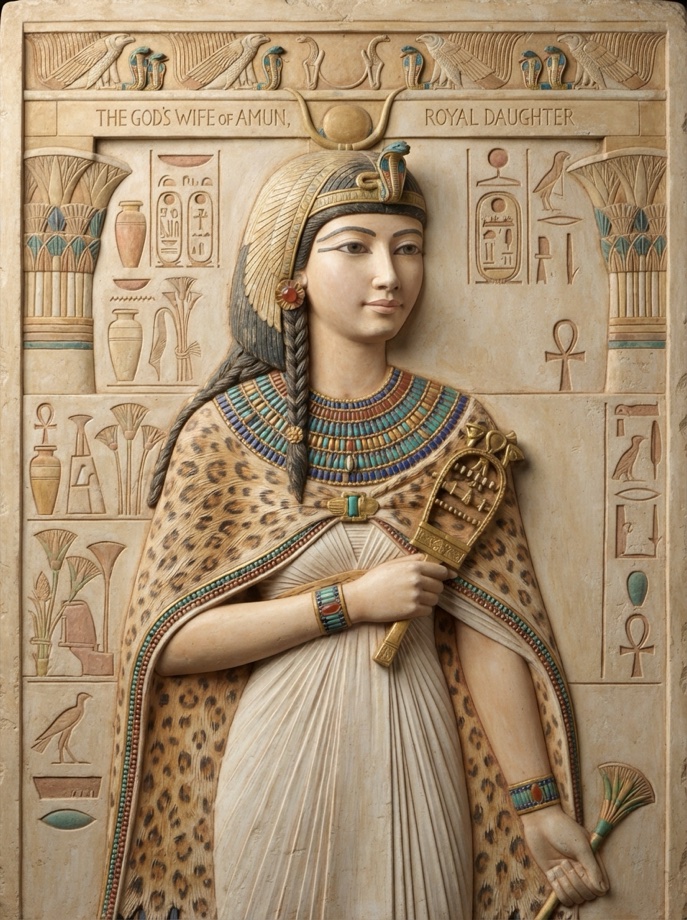
Neferure
obscureA princess groomed for ceremonial power, lost from the record before her mother's reign ended.
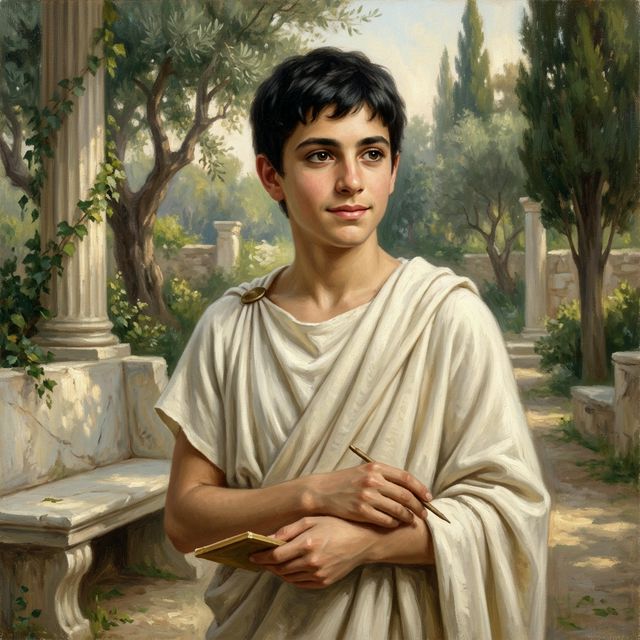
Nicomachus
obscureThe son of Aristotle.
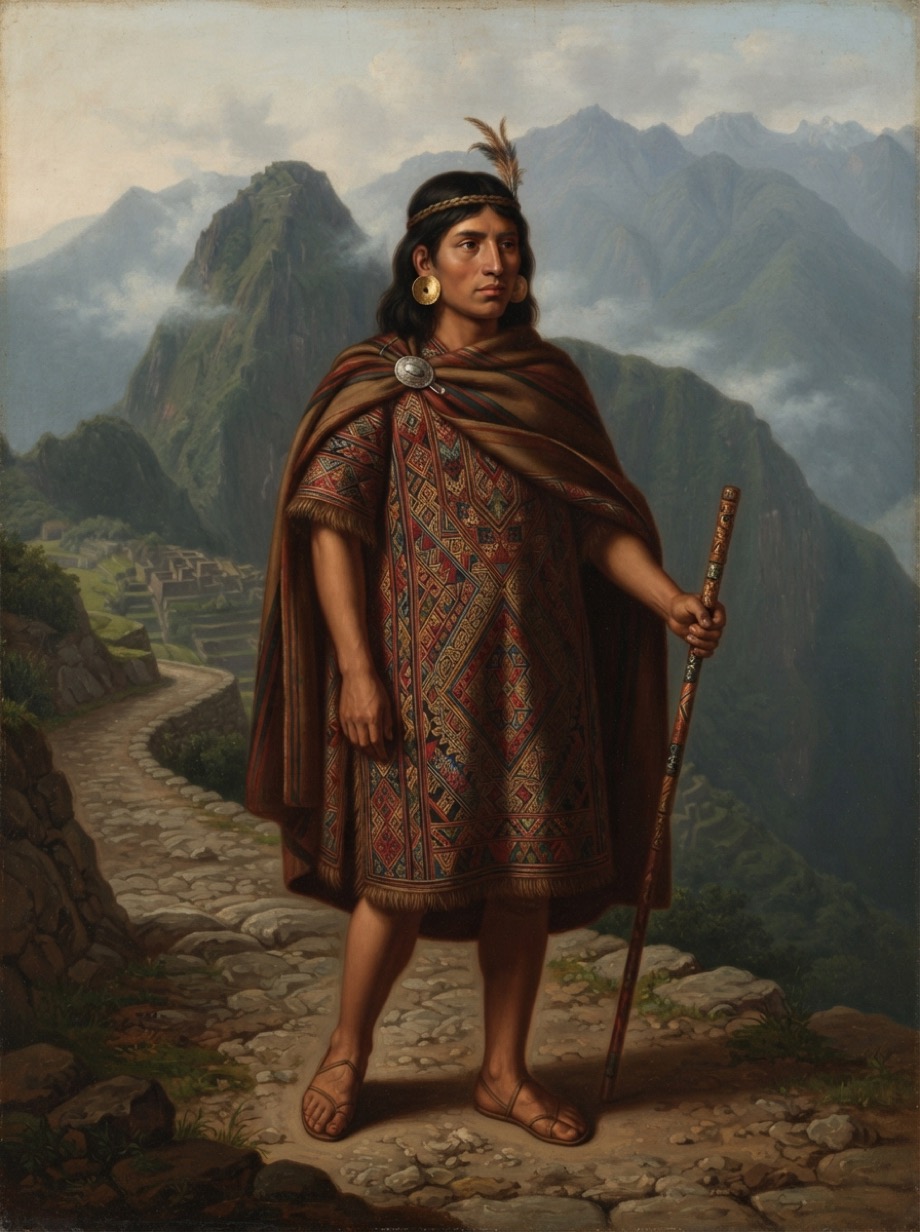
Ninan Cuyuchi
obscureThe named heir who died of smallpox before the messenger could tell him he was emperor.
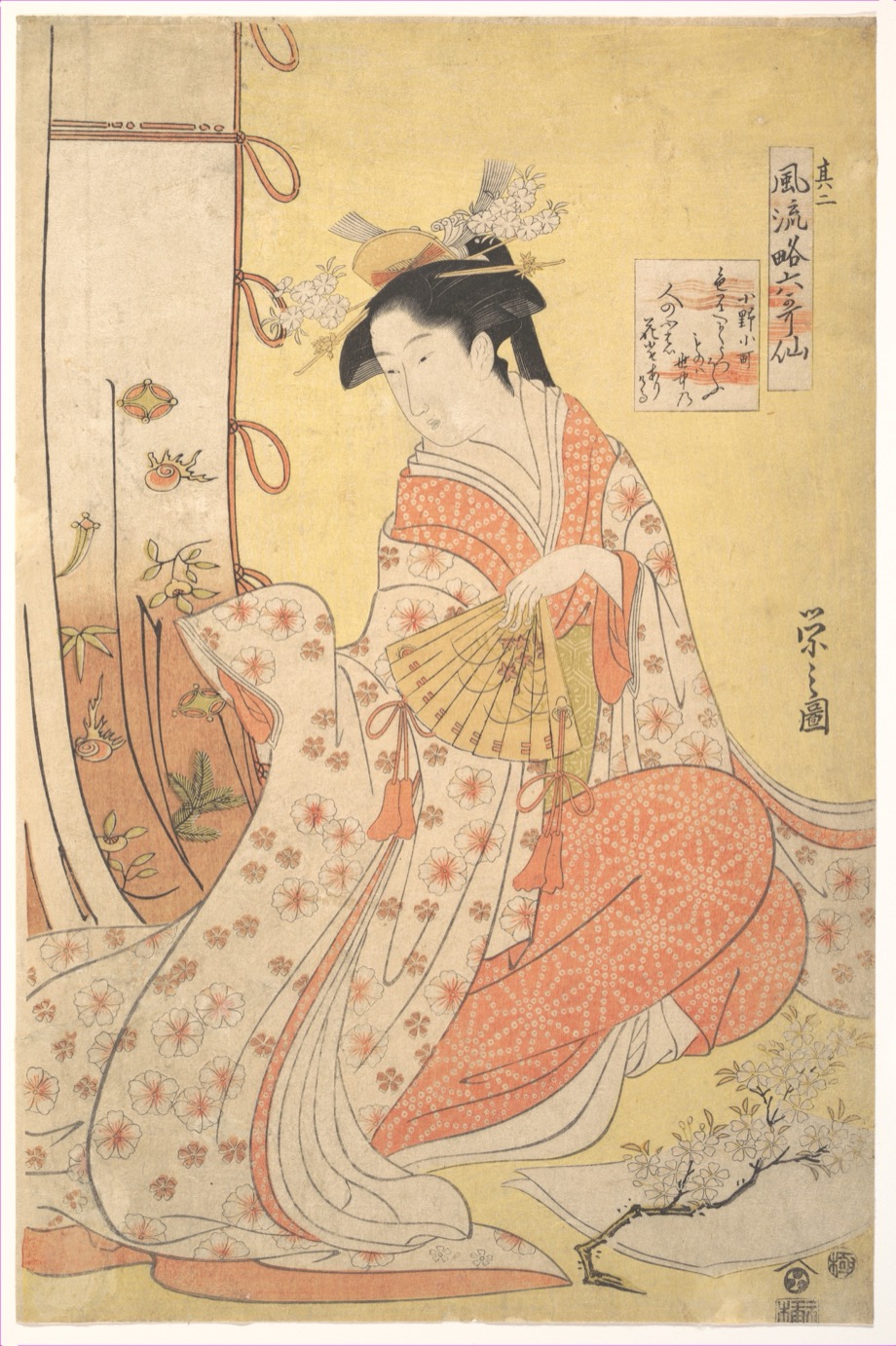
Ono no Komachi
Ono no Komachi’s attributed poems and vast later legend preserve a major literary presence but insufficient personal evidence for a responsible type.
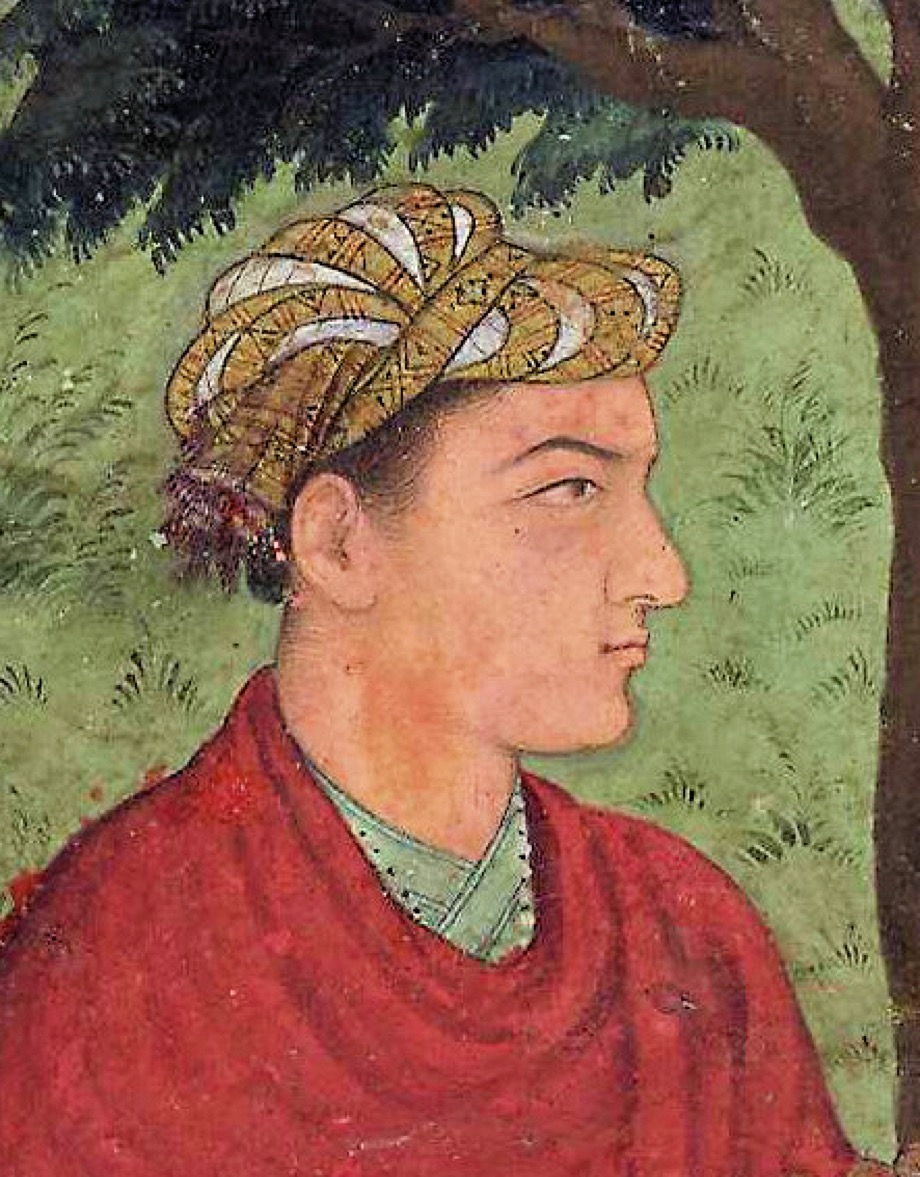
Parviz Mirza
notableParviz Mirza’s commands and partnership with Mahabat Khan shaped Mughal succession politics, but the surviving record leaves his personality uncertain.
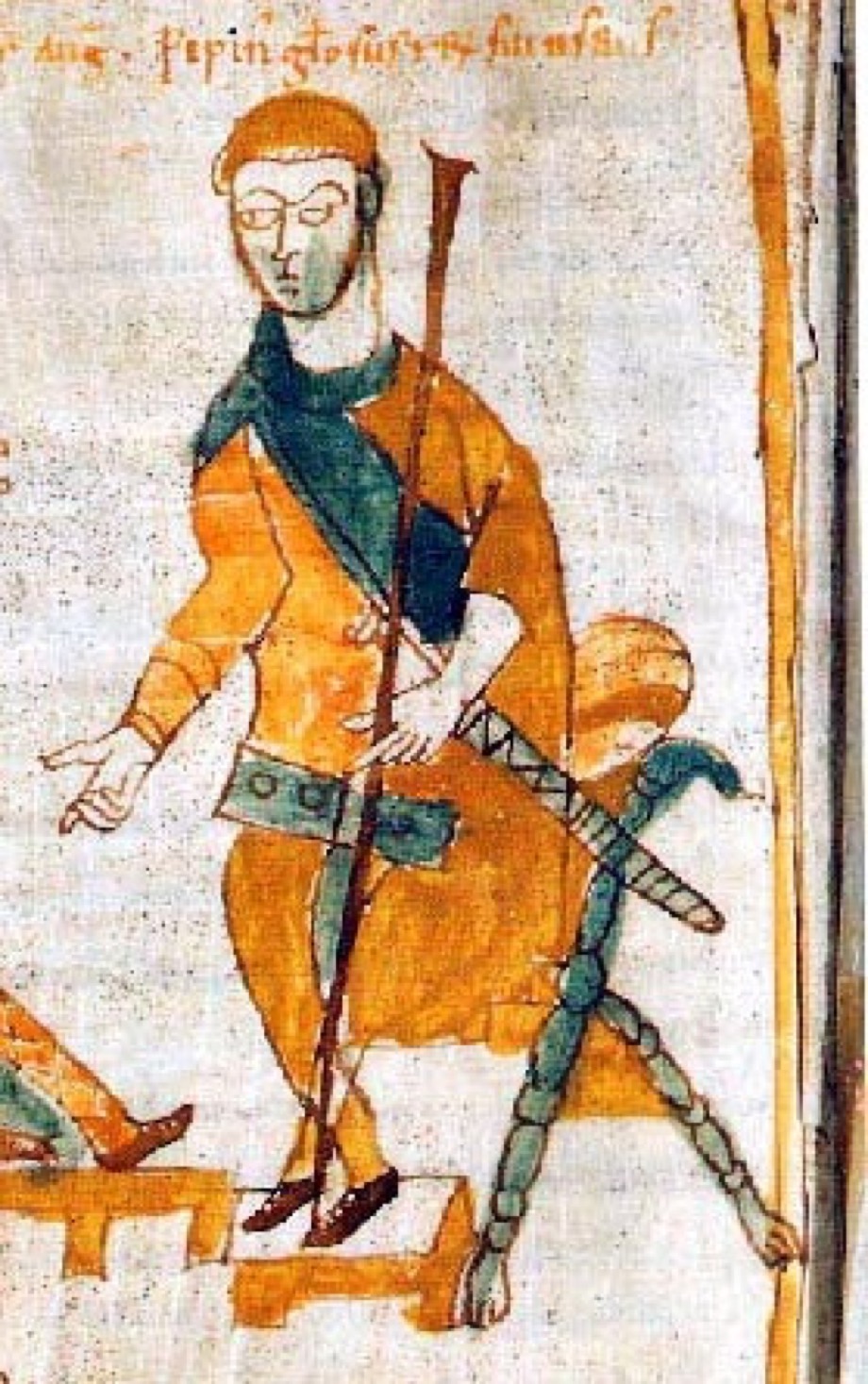
Pepin of Italy
notablePepin of Italy governed a royal portion of Charlemagne’s empire, campaigned against its opponents, and left an Italian inheritance to his son Bernard.
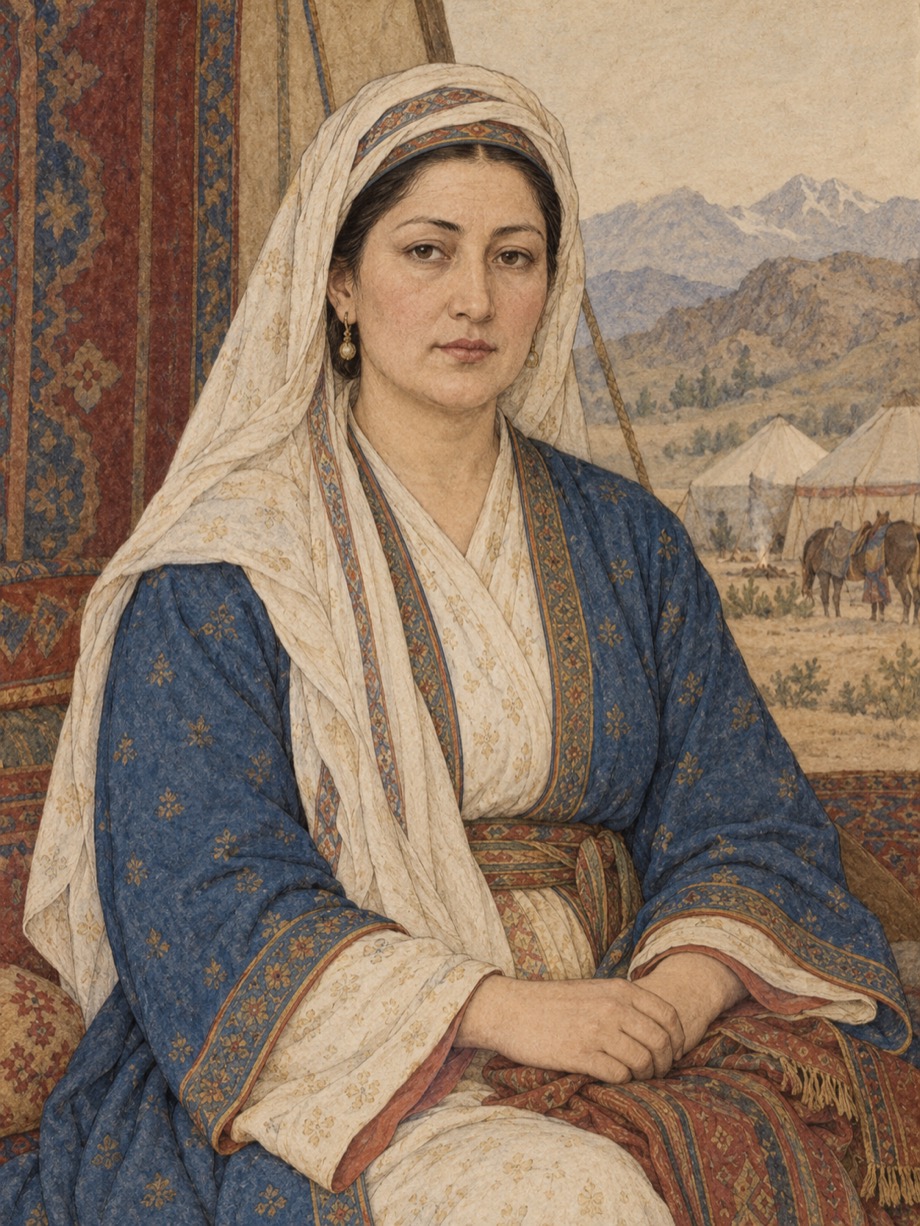
Qutlugh Nigar Khanum
obscureQutlugh Nigar Khanum accompanied Babur through displacement and helped carry the family’s dynastic continuity into Kabul.
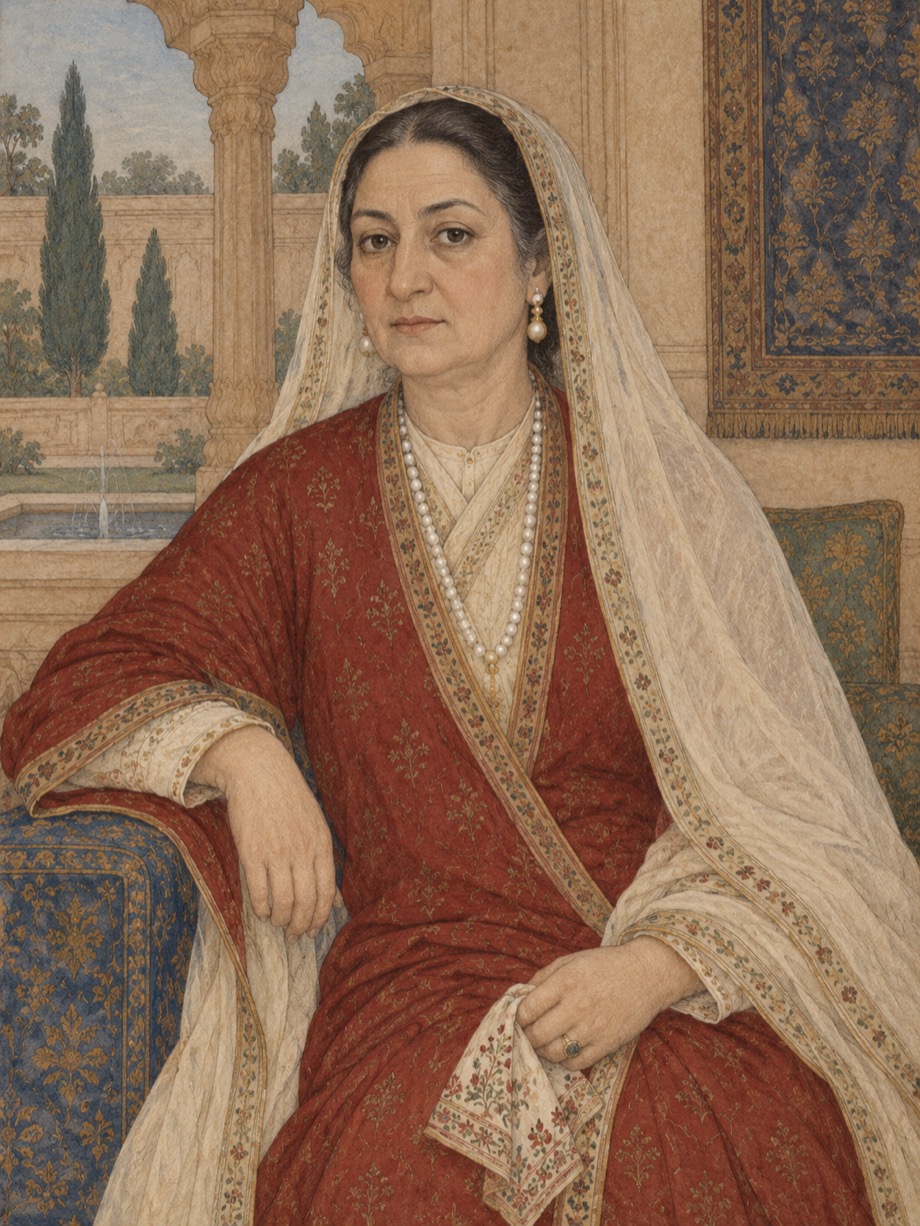
Ruqaiya Sultan Begum
notableHindal's daughter and Akbar's senior consort, entrusted with the upbringing of the future Shah Jahan.
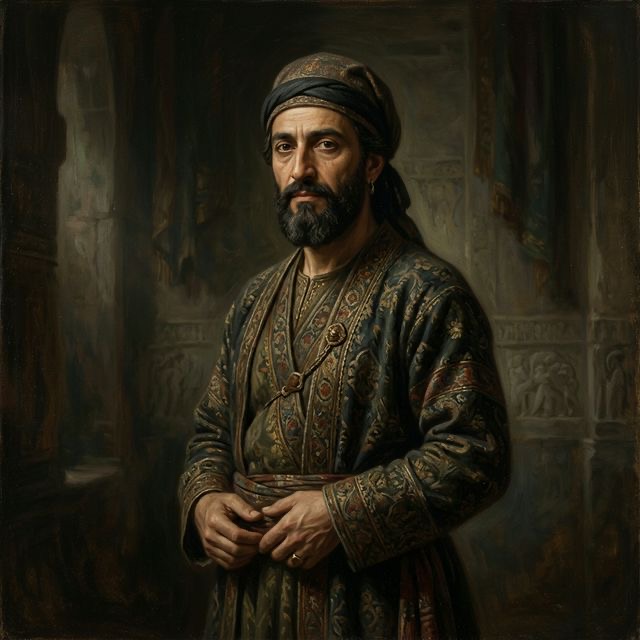
Samaxus
A minor figure in the court of Darius III whose historical record is nearly absent.
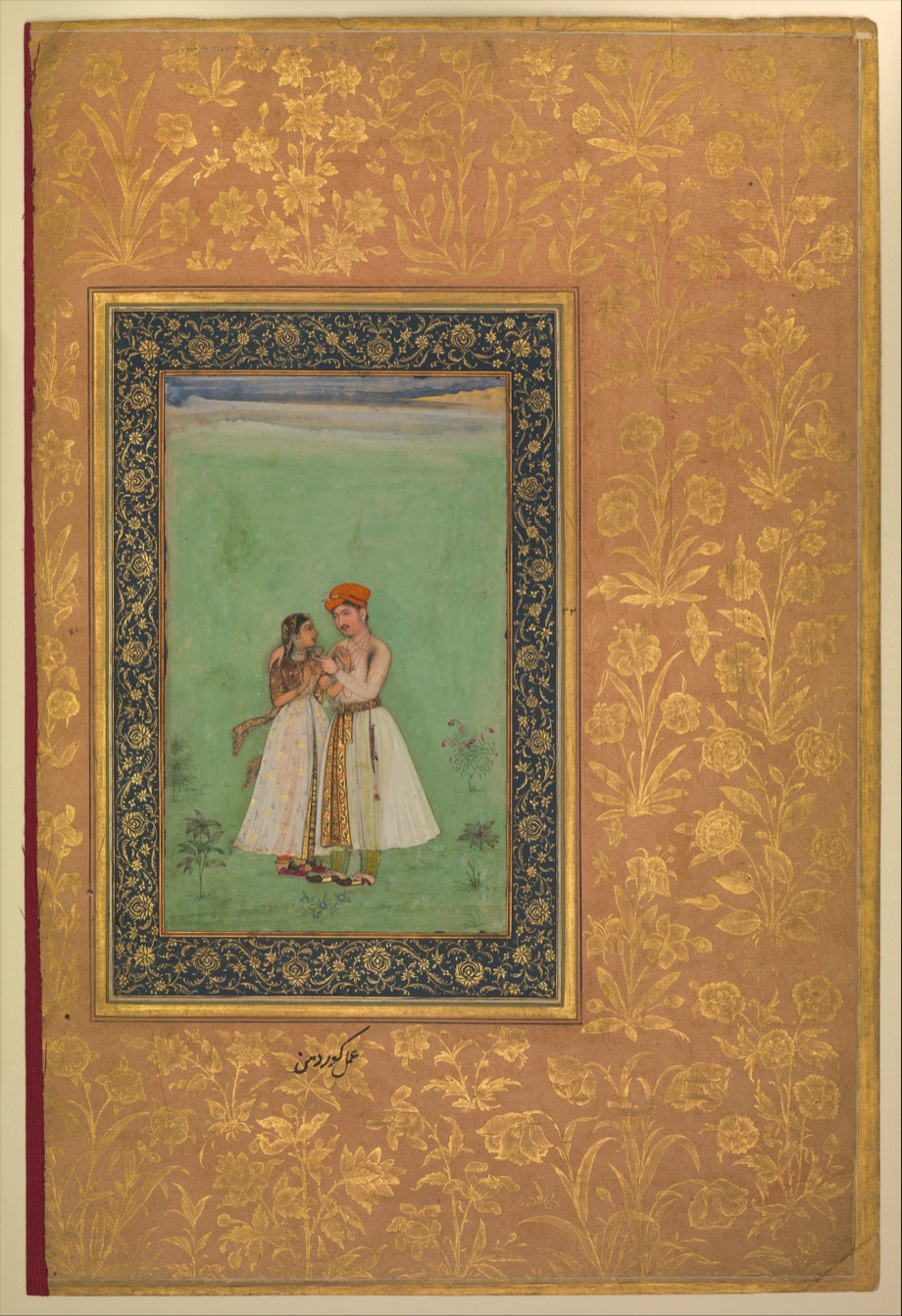
Shah Shuja
notableShah Shuja pursued the Mughal throne from Bengal before military defeat left him dependent on refuge in Arakan.
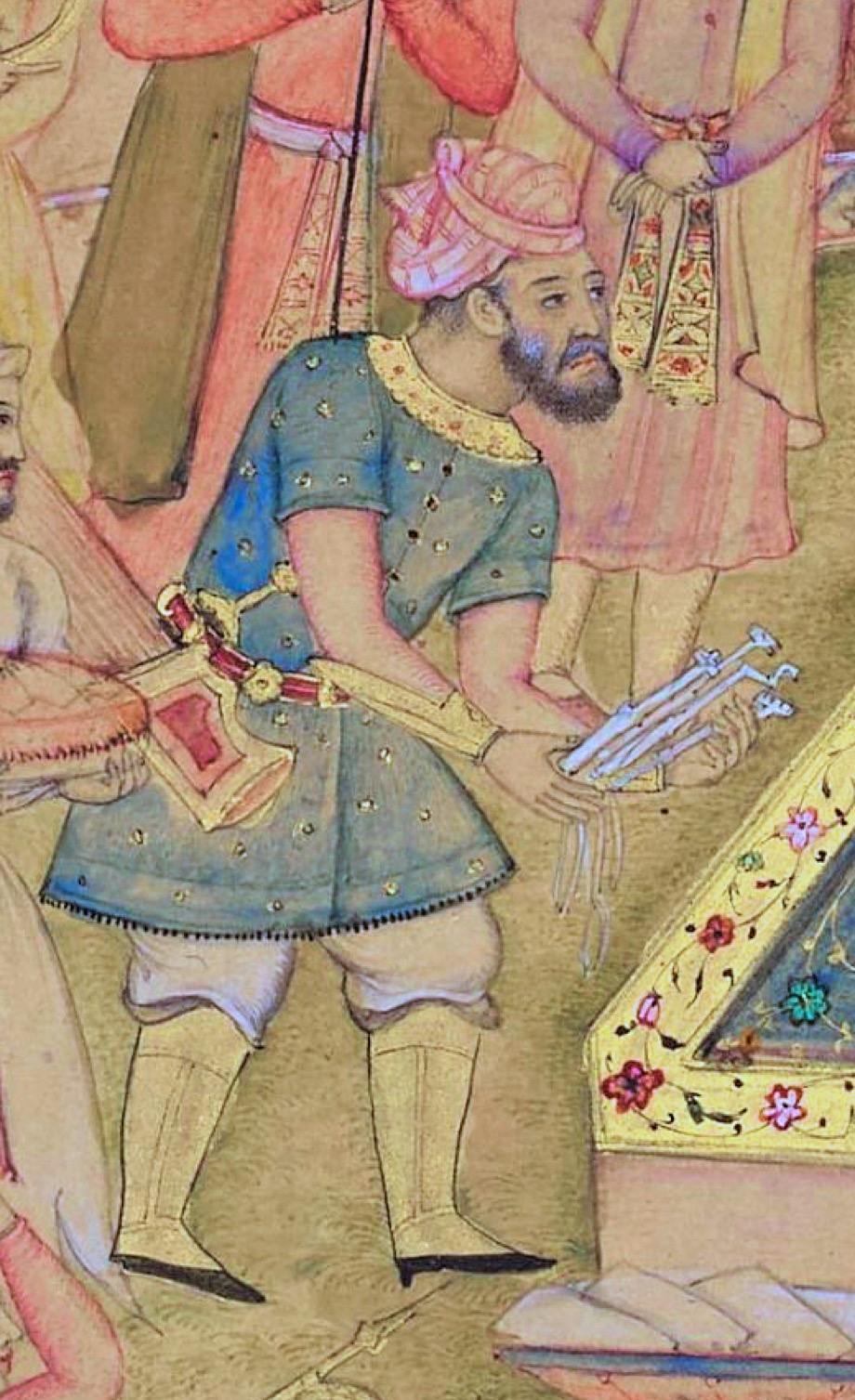
Sikandar Shah Suri
obscureThe Sur claimant whose resistance in the Punjab hills outlasted the Mughal recovery of Delhi.
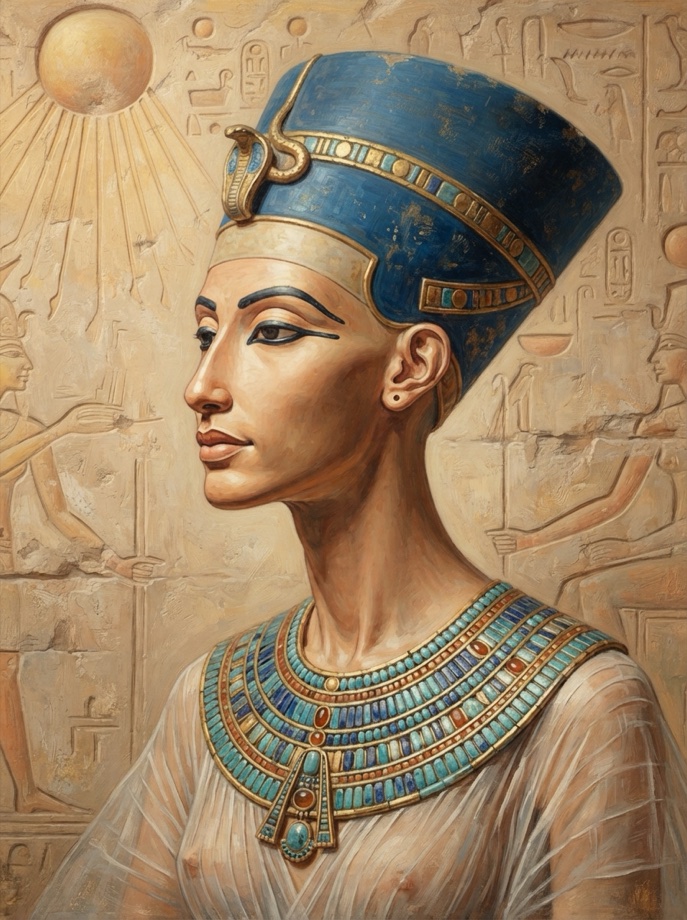
Smenkhkare
obscureA pharaoh whose identity — and even sex — remains one of Egyptology's great mysteries.
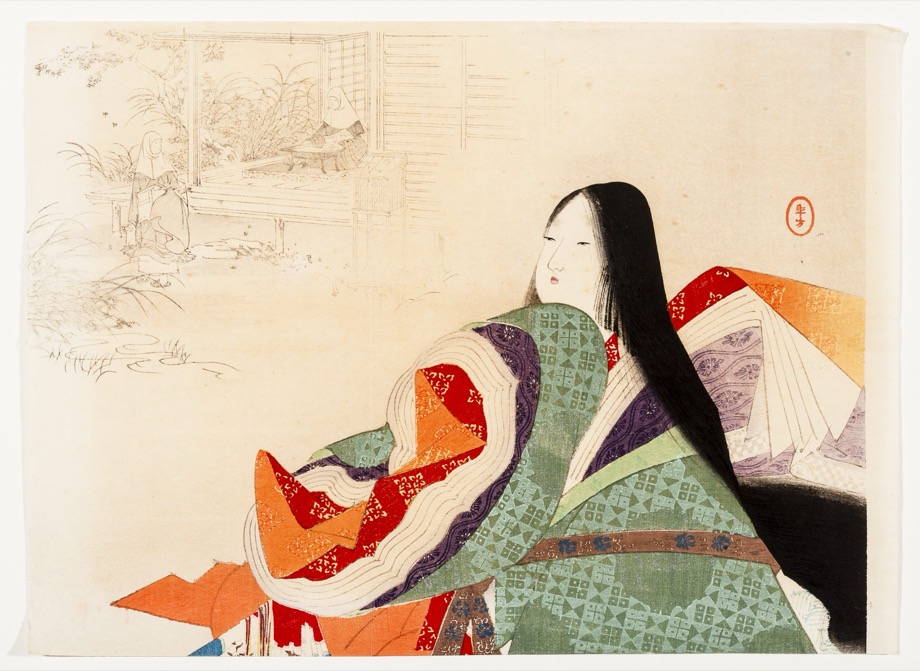
Taira no Tokuko
renownTaira no Tokuko’s imperial standing, survival, and religious afterlife are substantial, but literary mediation and sparse personal evidence leave her Untyped.
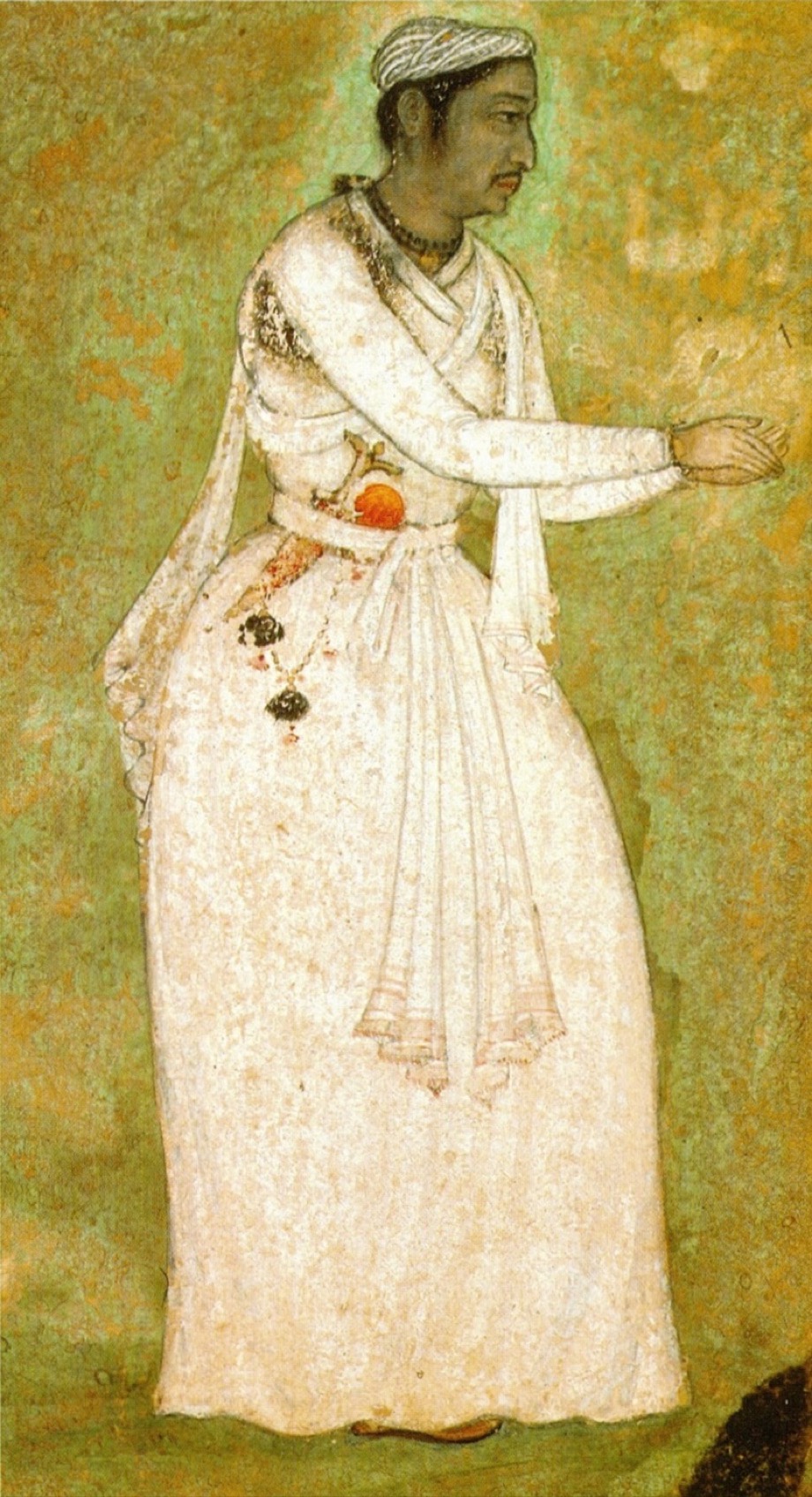
Tansen
renownAkbar’s celebrated singer, whose documented court career stands beneath a vast inheritance of musical legend.
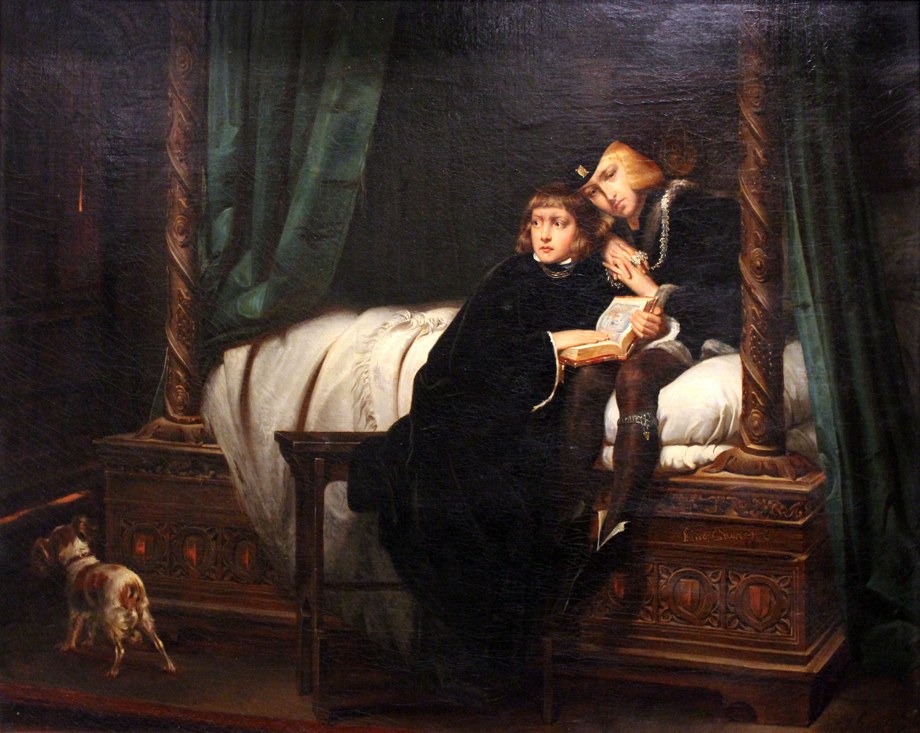
The Princes in the Tower
notableEdward IV's two boy-sons, seized by Richard III and vanished in the Tower — the unsolved crime at the heart of the Wars.
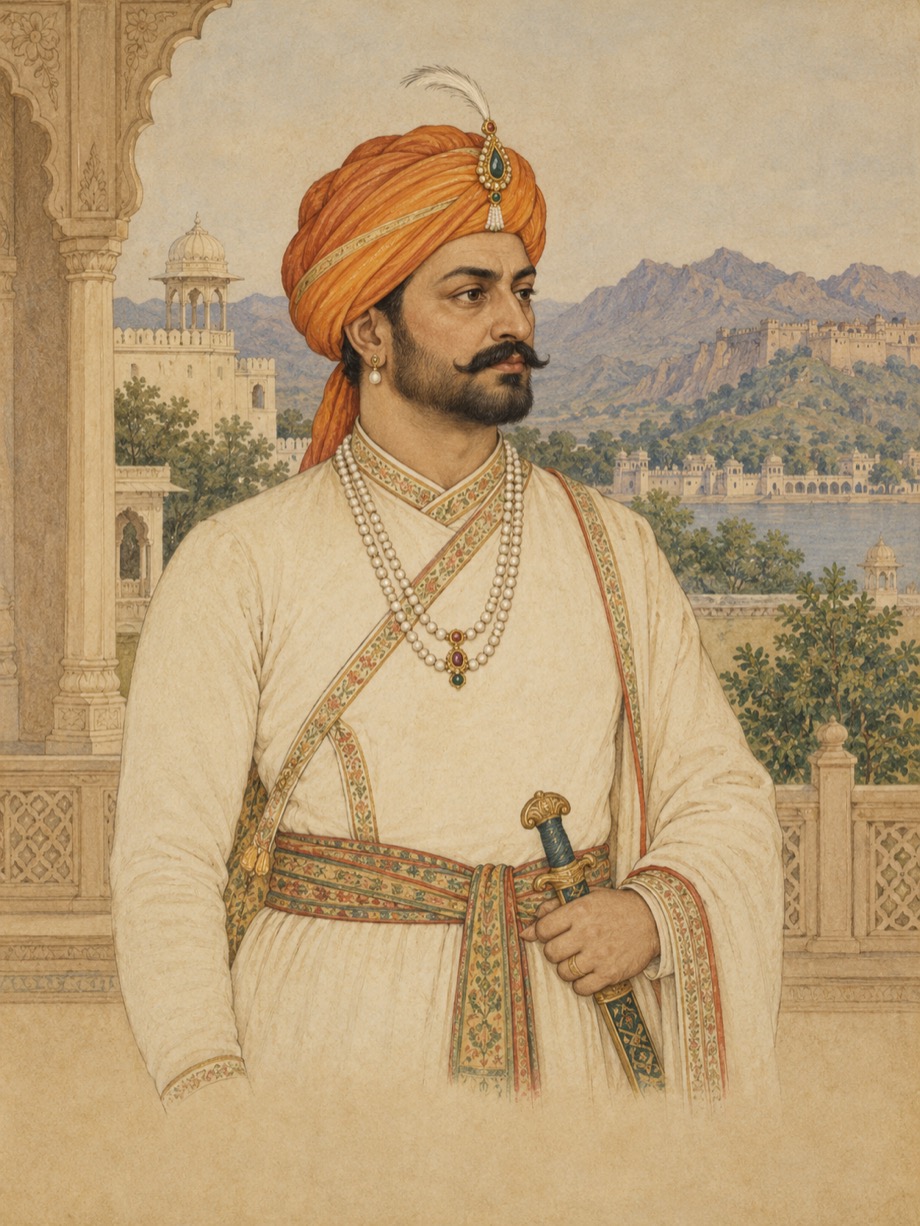
Udai Singh II
notableUdai Singh II’s rule ended with the loss of Chittor while Mewar’s dynasty survived to continue resistance.
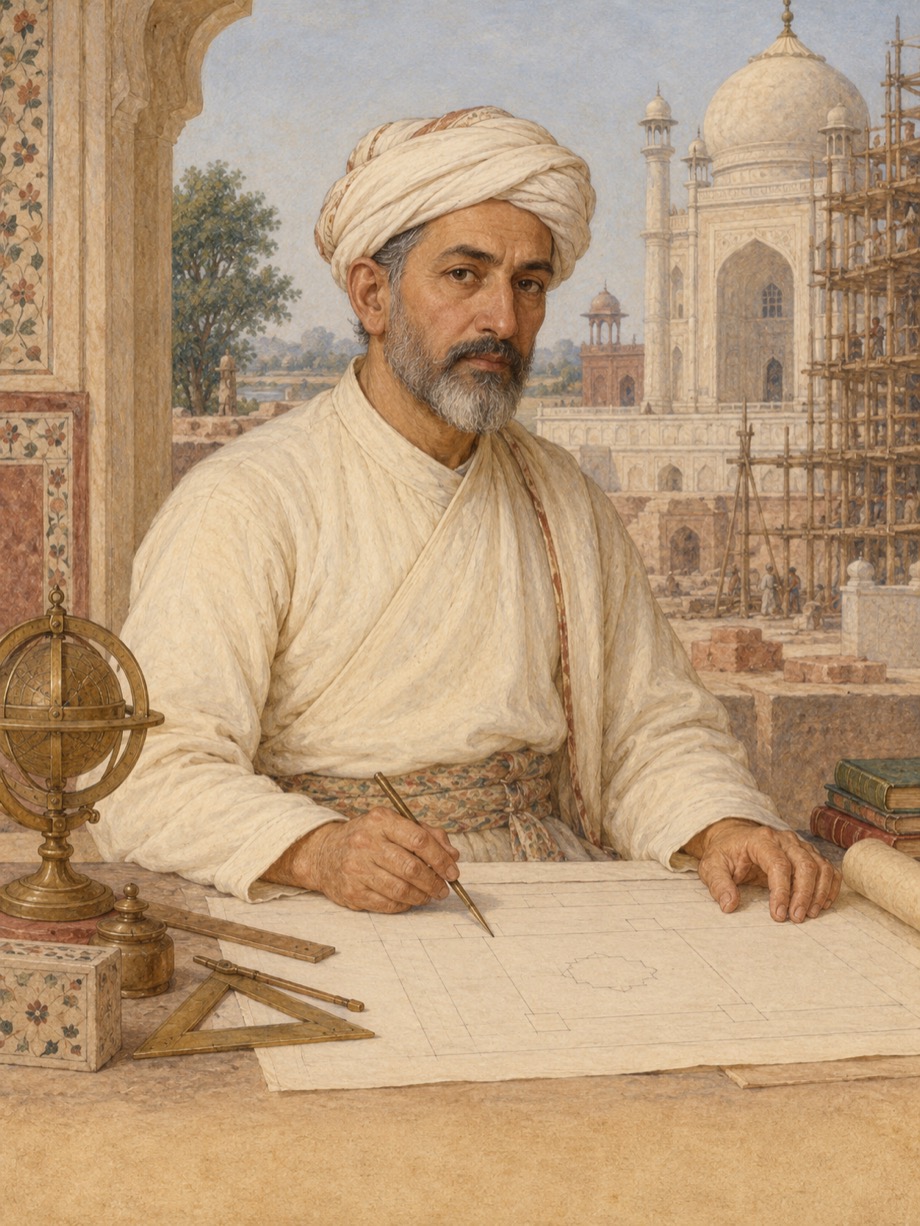
Ustad Ahmad Lahori
notableUstad Ahmad Lahori’s association with the Taj Mahal restores a major architect to an achievement whose authorship remained deeply collaborative.
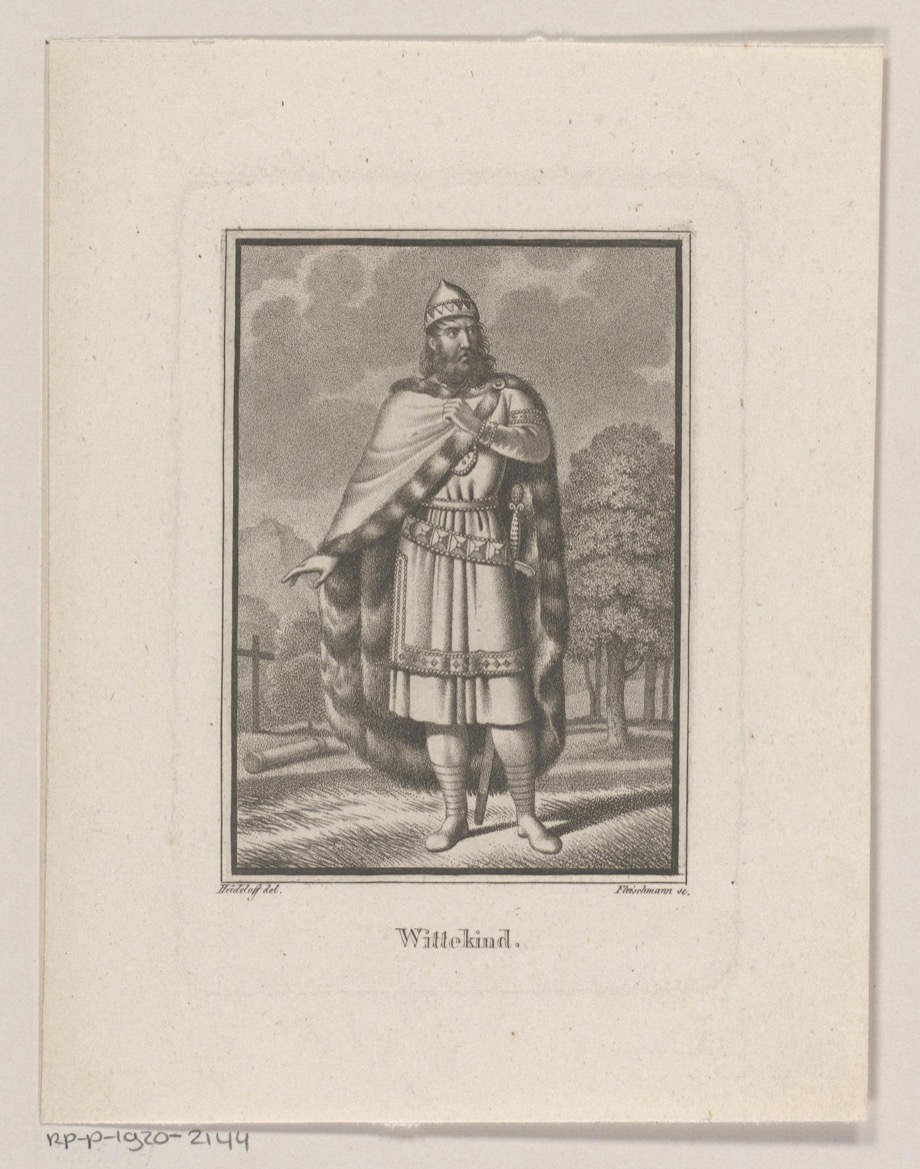
Widukind
renownThe Saxon leader whose resistance and baptism survive chiefly through the records of the Frankish power he opposed.
Explore Types
