 Historical Figure MBTI
#797 · 6-12-26 · The American Civil War
John Hay
The Boy from Illinois Who Became a Diplomat
1838–1905
4 min read
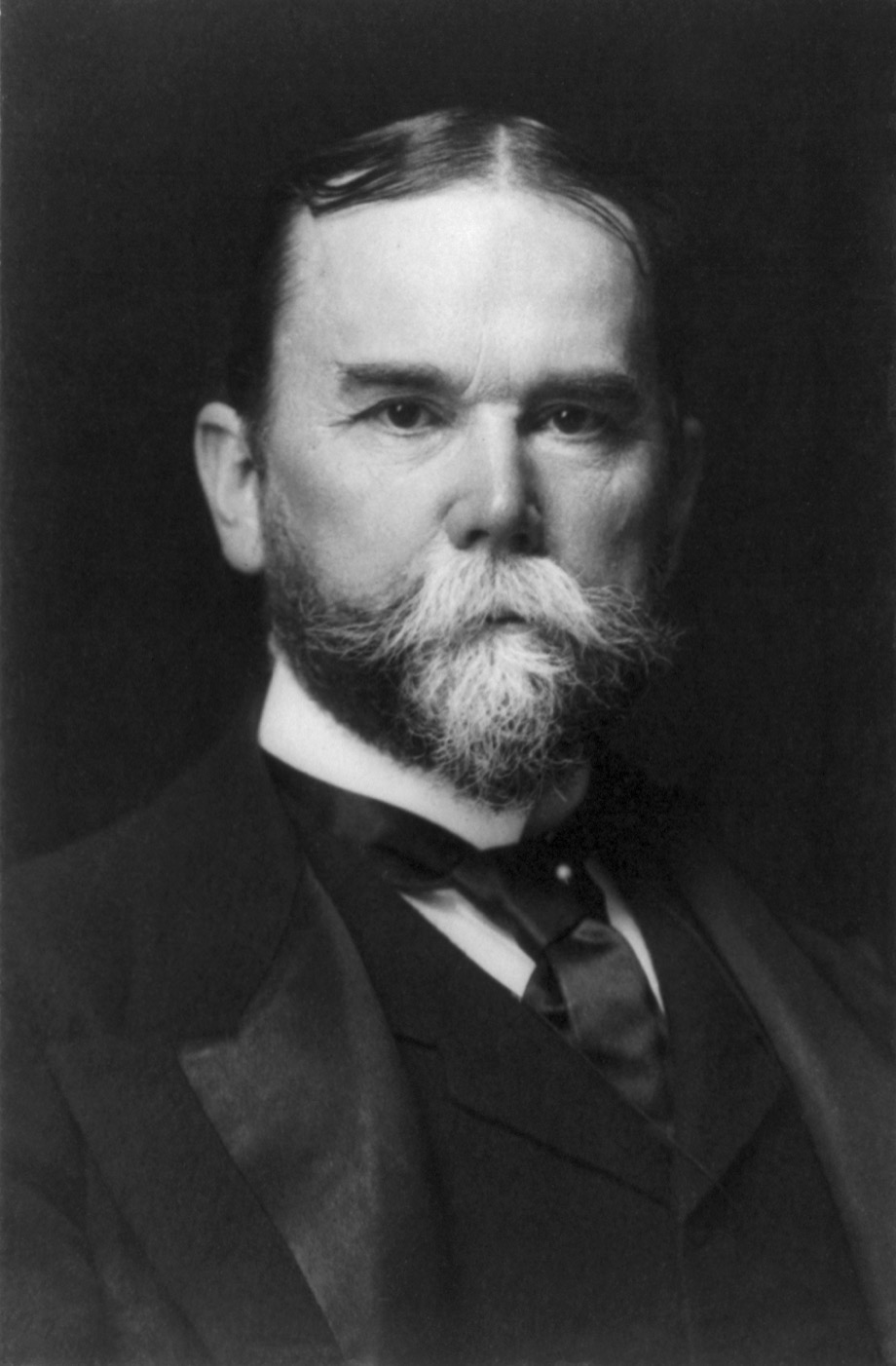
Portrait of John Hay
The Boy Who Fell in Love with the Presidency
John Hay was twenty-two years old, fresh out of Brown University and reading law in an office next door to Abraham Lincoln's in Springfield, when he was swept into the White House as assistant private secretary — a post he shared with the more sober John Nicolay. Nobody had groomed Hay for the job. He got it because he was charming, quick, and happened to be standing nearby when Lincoln needed a second pair of hands. That accident of proximity became the defining relationship of his life.
What survives from those years — Hay's diary, his letters, the affectionate private nicknames he coined for the people around him — reads less like the record of a functionary than the record of an infatuation. Hay turned the grinding business of wartime correspondence into material for wit, poetry, and gossip; he turned his boss into "the Tycoon," a figure he clearly adored and just as clearly found funny. He is, on the page, an ENFP discovering, in real time, that a person can be worth devoting a career to.
Hay didn't serve Lincoln out of duty. He served him because he had decided, privately and completely, that Lincoln was worth it — and an ENFP's loyalty, once given that way, doesn't come with an expiration date.
A Mind That Never Stopped Trying On New Angles
Hay arrived in the White House already restless in the way dominant Ne people are restless — not anxious, exactly, but incapable of sitting still inside one identity. He wrote verse in his off hours. He filed dispatches to newspapers under a pseudonym while working days as a presidential secretary, effectively moonlighting as a journalist covering the administration he served. He treated the war's grimmest stretches as material as much as ordeal, cataloguing in his diary the absurd, the pompous, and the touching in every visitor who came through Lincoln's door.
That same appetite for possibility showed in how quickly he read people. Hay could size up a senator, a general, or a office-seeker within minutes and sketch them, often cruelly funny, in a private letter that night. It was a party trick and a survival skill at once — the White House in 1861 was crawling with men trying to manipulate an untested president, and Hay's gift for spotting an angle before anyone announced it kept him useful to Lincoln in ways that had nothing to do with his actual clerical duties.
It also meant he never treated the secretaryship as a fixed destination. Even while living inside the pressure cooker of the Civil War White House, Hay was already imagining the next self — poet, novelist, diplomat — long before any of those became real jobs he held.
A Loyalty He Chose, Not One He Was Assigned
What kept Hay's wit from curdling into cynicism was a private value system he guarded fiercely — auxiliary Fi underneath the sparkle. He didn't serve Lincoln because the job paid or because refusing would have been awkward. He served him because, sometime in those first White House months, he decided Lincoln was a person worth extraordinary devotion, and once Hay decided that, the decision was not up for renegotiation.
It shows in the register of his private writing. Nicolay's papers read like a secretary's papers — organized, procedural, discreet. Hay's read like a son's: tender about Lincoln's exhaustion, protective of his dignity, openly wounded by the men who underestimated him. Mary Todd Lincoln, notoriously hard to please among the White House staff, warmed to Hay in a way she never managed with the more reserved Nicolay — she could feel that his attentiveness wasn't performance.
That personal, values-driven attachment is also why Hay spent decades after Lincoln's death co-authoring, with Nicolay, a ten-volume biography of him. It was not a professional obligation. It was an unfinished conversation with someone he had never stopped being loyal to.
Why ENFP Over INFP
Why not INFP?
Hay had the values-driven inner life of an INFP's aux-Fi cousin, but he lacked the introversion. He didn't process the White House by withdrawing into private reflection — he processed it by talking, writing letters, filing anonymous newspaper dispatches, and charming every visitor who walked through the door. An INFP secretary would have kept the diary and skipped the moonlighting journalism; Hay needed the outward channel as much as the inward one.
The distinction matters because Hay's entire usefulness to Lincoln depended on that outward-facing energy. Nicolay, quieter and more procedural, managed the paperwork; Hay managed the room. He read visitors on sight, defused hostile senators with a joke, and turned grim news into gossip worth repeating — all extraverted moves, not introverted ones. An ENFP explains both halves of him: the restless, socially quick Ne that made him indispensable in 1861, and the private Fi loyalty that kept him devoted to one man for the rest of his life.
Connected Figures
Further Reading
- Abraham Lincoln: A History — John Hay and John NicolayHay's own ten-volume account of the man he served
- All the Great Prizes: The Life of John Hay — John TaliaferroThe definitive modern biography
- Team of Rivals — Doris Kearns GoodwinSituates Hay within Lincoln's inner circle
