 Historical Figure MBTI
#798 · 6-12-26 · The American Civil War
John G. Nicolay
The Gatekeeper of the Lincoln White House
1832–1901
3 min read
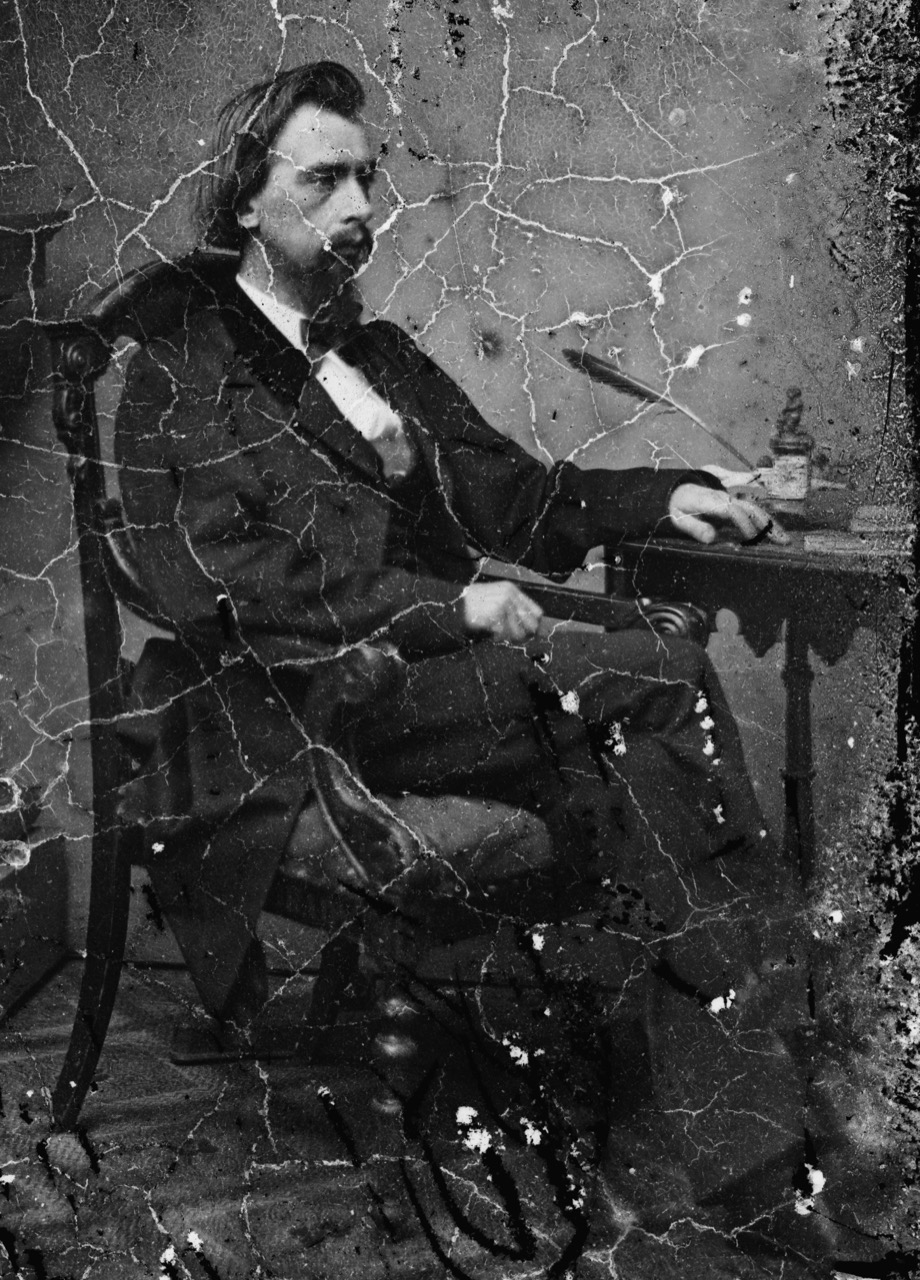
Portrait of John G. Nicolay
The Man Who Guarded the Door
Every White House needs someone willing to say no, and in 1861 that someone was John G. Nicolay. Born in Bavaria in 1832 and raised in Illinois after his family immigrated, he came up through small-town newspaper offices — setting type, keeping ledgers, learning the discipline of getting the facts down correctly before anything else. That discipline was what Abraham Lincoln hired in 1860, when he made the young editor his private secretary and moved him into the White House to run the mechanics of the presidency: the mail, the callers, the calendar, the endless stream of office-seekers and favor-hunters who besieged the building daily.
Nicolay took to the job with a terseness that became legend. Where his junior colleague John Hay charmed visitors and softened refusals, Nicolay simply refused — briskly, procedurally, without apology. He was accused of coldness more than once; he seems not to have minded. He was not there to be liked. He was there to make sure the president's time and the record of his presidency were both protected, and for four years of war he did both with a bureaucrat's steady hand.
Nicolay was ISTJ down to the ledger line — a custodian of fact and procedure who mistook neither for warmth, and never needed to.
Psychological Verdict
Nicolay's dominant Si shows in everything he was known for: the meticulous files, the remembered precedent, the trust that the correct way to handle a problem was the way it had been handled before. His auxiliary Te gave that instinct teeth — he didn't just keep records, he ran an office, enforced a schedule, and treated the smooth function of the White House as a duty owed to the man he served. Tertiary Fi surfaces in his fierce, quiet loyalty to Lincoln personally, a loyalty that outlasted the presidency by decades and drove him, with Hay, to spend years building the definitive record of Lincoln's life. Inferior Ne left him uneasy with the improvisational and the untested, which is exactly why the ordered, procedural parts of the job suited him so well — and why history remembers him as the gatekeeper rather than the diplomat.
Connected Figures
Further Reading
- Lincoln's Boys: John Hay, John Nicolay, and the War for Lincoln's Image — Joshua ZeitzThe definitive dual biography of Lincoln's two private secretaries.
- Abraham Lincoln: A History — John Hay and John NicolayThe ten-volume biography the two secretaries spent decades compiling.
- With Lincoln in the White House: Letters, Memoranda, and Other Writings of John G. Nicolay — ed. Michael BurlingameNicolay's own wartime papers and correspondence.
- Team of Rivals: The Political Genius of Abraham Lincoln — Doris Kearns GoodwinWartime White House context, including the secretaries' daily role.
