 Historical Figure MBTI
#800 · 6-12-26 · The American Civil War
Joshua Speed
The Roommate Who Knew Him First
1814–1882
3 min read
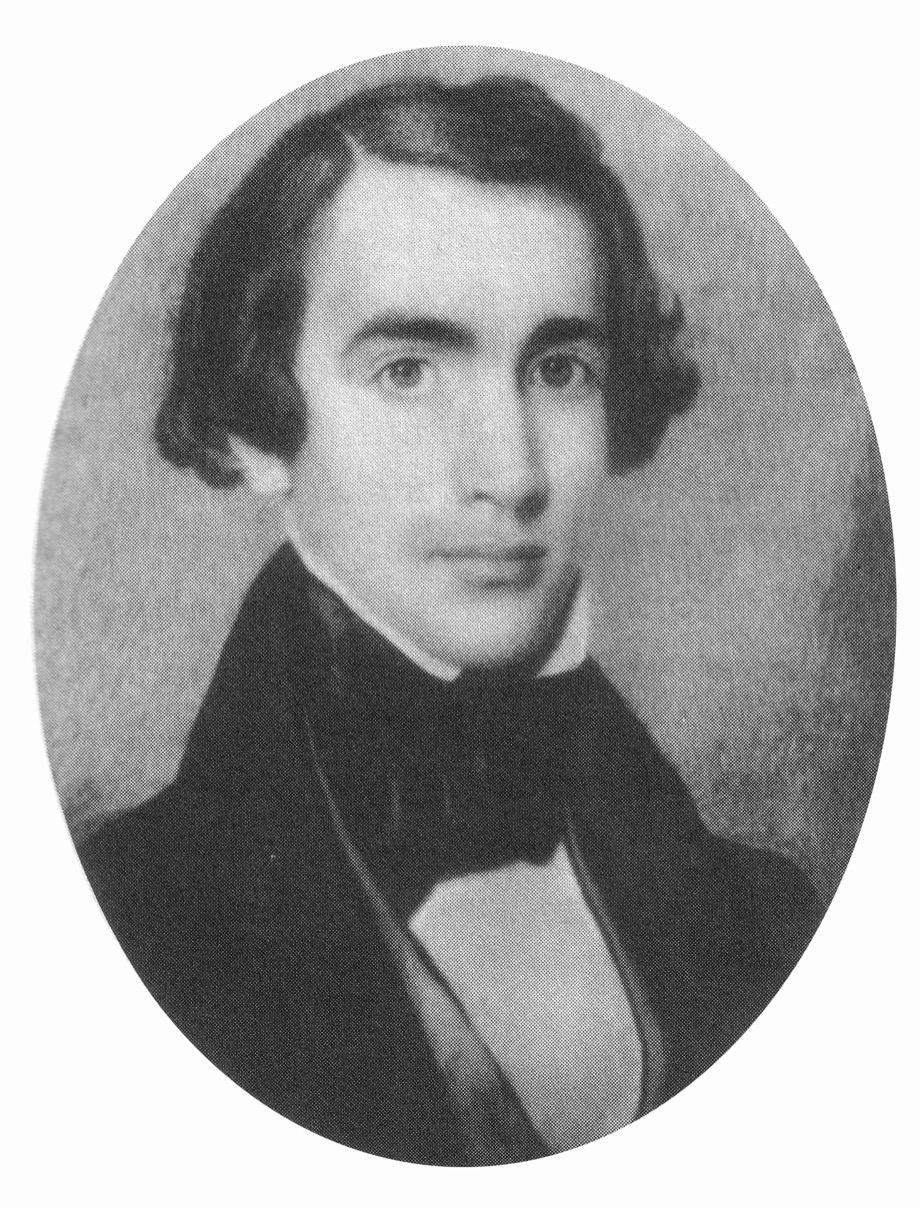
Portrait of Joshua Speed
The Store Above Which Lincoln Slept
In 1837, a broke and friendless young lawyer named Abraham Lincoln rode into Springfield, Illinois, with all his belongings in two saddlebags. He needed a bed. Joshua Speed, who ran the general store on the town square, offered to share his own room above the shop — and for the next four years, in keeping with the frontier custom of doubling up, the two men slept in the same bed. Out of that arrangement grew the closest personal friendship of Lincoln's life.
Speed was Lincoln's opposite in temperament: settled where Lincoln was restless, warm and present where Lincoln could turn inward and bleak. He was also, by early 1841, the only person Lincoln trusted with the worst crisis of his young life. When Lincoln broke his engagement to Mary Todd that January and collapsed into what his friends called a suicidal depression — the "fatal first of January" — it was Speed who sat with him, wrote to him, and talked him back from the edge. Speed later married, moved home to Kentucky, and lived out his life as a slaveholding planter who nonetheless stayed personally loyal to Lincoln and quietly to the Union through the war that split the country he loved.
Speed's genius was constancy — an ISFJ steadiness that held a fragile friend together simply by refusing to leave the room.
He left behind no great public achievement of his own. What he left was a body of correspondence, decades deep, that historians still mine for the surest window into Lincoln's inner life — and a psychological case study in how a quiet, domestic, loyalty-bound temperament can become indispensable to a much louder one.
Speed's own account, recorded late in life for Lincoln's law partner William Herndon, is measured, factual, and almost entirely about Lincoln rather than himself — fitting for a man whose devotion to his friend never asked to be the story.
Connected Figures
Further Reading
- Lincoln's Melancholy — Joshua Wolf ShenkThe definitive account of Lincoln's 1841 breakdown and Speed's role in it.
- Herndon's Lincoln — William Herndon and Jesse WeikContains Speed's own late-life recollections, recorded for Herndon.
- Lincoln and His Friends — David Herbert DonaldSituates Speed within Lincoln's inner circle of confidants.
