 Historical Figure MBTI
#801 · 6-12-26 · The American Civil War
Elizabeth Keckley
The Dressmaker Who Kept the First Lady's Secrets
1818–1907
5 min read
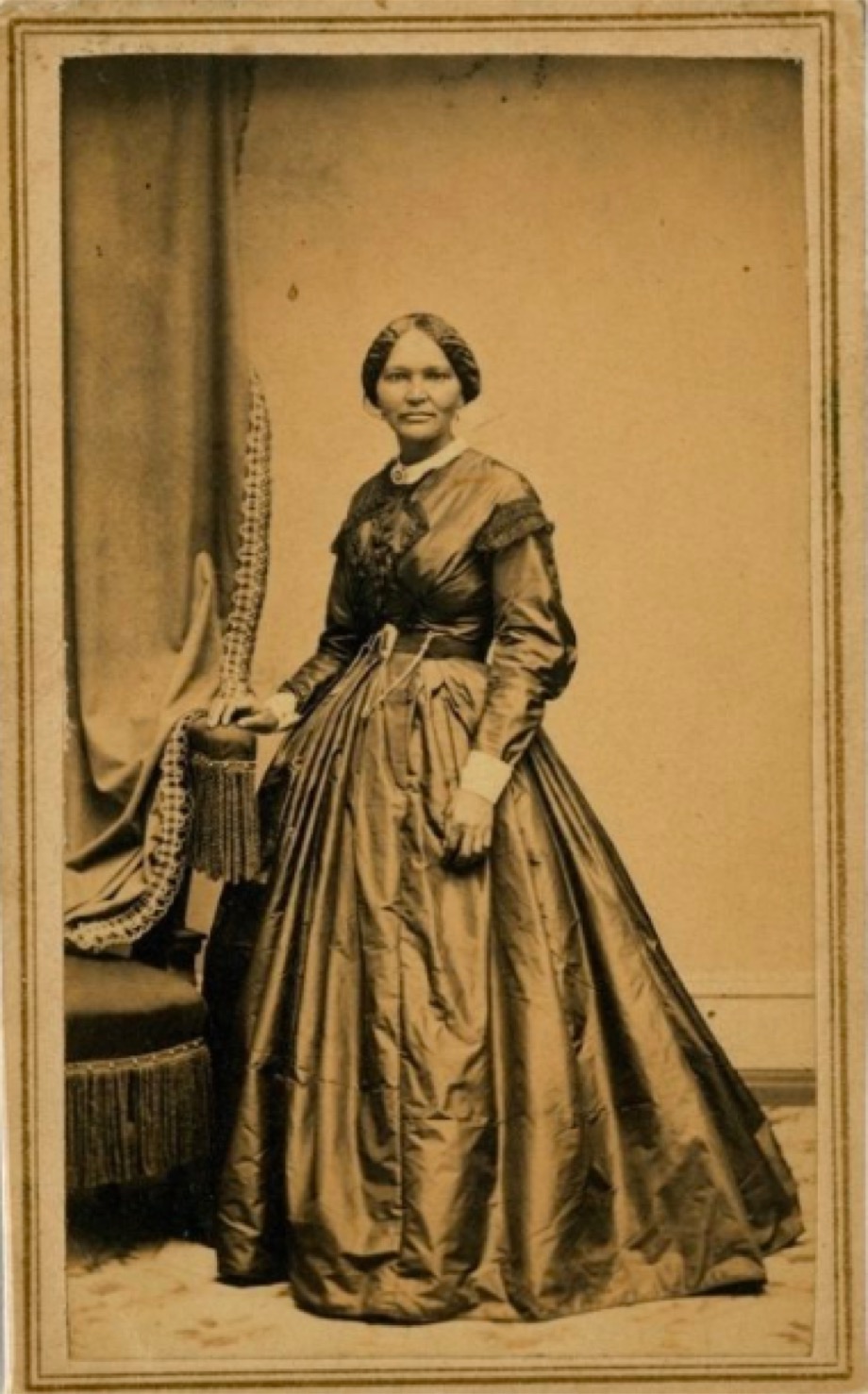
Portrait of Elizabeth Keckley
The Needle That Bought a Life
Elizabeth Keckley was born enslaved in Dinwiddie County, Virginia, in 1818, and by the time she was in her mid-thirties she had done something almost no one in her position was permitted to do — she had priced her own freedom, named a figure, and paid it. Four years of borrowed money and a St. Louis dressmaking clientele bought her out of bondage and bought her son George out with her, in 1855. The needle was not a hobby. It was the only capital she was ever allowed to accumulate, and she wielded it with the discipline of someone who understood, better than anyone around her, that skill executed perfectly was the one form of leverage slavery could not simply confiscate.
That discipline carried her to Washington, where she built an independent dressmaking business serving the wives of senators, cabinet officers, and eventually the Confederacy's own First Lady, Varina Davis, before the guns at Sumter made that client list impossible. By 1861 Keckley was dressing Mary Todd Lincoln instead — a professional relationship that hardened, within months, into something closer to the only steady intimacy Mary had left. Keckley managed her wardrobe, her household, her grief when Willie Lincoln died in 1862, and eventually her reputation, without ever losing the exacting, unshowy competence that had gotten her out of Virginia in the first place. This is the profile of an ISFJ — a temperament built on mastered craft and quiet, load-bearing loyalty, not on the visible warmth people mistake for its whole personality.
Every dress Keckley cut was a private argument that precision was worth something even when the world around her insisted her labor had no price at all.
A Craft That Answered to No One
Dominant Si is the sense that experience compounds — that a stitch done exactly right today is a stitch you do not have to think about tomorrow, and that a lifetime of such stitches builds something as solid as a wall. Keckley's seamstress training under her mother and later her enslaver's household was brutal in its demand for exactness, and she absorbed that demand rather than resenting it into carelessness. She turned it into the only asset the law could not simply seize from her: a body of technique so reliable that Washington's most anxious, most status-conscious women trusted her with their public image without a second thought.
That same Si discipline shaped how she moved through freedom once she had it. She did not improvise a new identity; she built a business the way she built a bodice — methodically, one satisfied client leading to the next, references guarded and reputation protected like inventory. Even her memory worked this way. Years later, when she set down what she had witnessed inside the Lincoln White House, she wrote it the way she cut fabric: from precise, retained detail, not impression — a seamstress's exactness turned, for the first time, on the historical record itself rather than on cloth.
The Steadiest Hand in a Grieving House
Auxiliary Fe gave Keckley the second half of what made her indispensable — not just the skill to dress a First Lady, but the emotional stamina to absorb one. Mary Todd Lincoln was volatile, grief-prone, and increasingly friendless in a capital that mistrusted her; Keckley became the person Mary leaned on through public scandal and private collapse alike, most starkly in February 1862, when she sat with Mary through the hours after eleven-year-old Willie Lincoln's death and stayed close through the weeks of unraveling that followed.
That capacity was never only personal service. Keckley used the same relational instinct to organize the Contraband Relief Association, channeling money and goods to formerly enslaved people arriving in wartime Washington with nothing. Fe, for her, was not performance — it was the disciplined management of other people's needs, applied equally to a First Lady's household and to strangers who had just walked out of bondage themselves, because both, to Keckley, were simply obligations a capable person did not refuse.
Why ISFJ Over ESFJ
Why not ESFJ?
ESFJ leads with Fe, its warmth outward-facing and socially assertive from the start — an ESFJ builds community visibly, hosting and organizing as a form of self-expression. Keckley's Fe was auxiliary, deployed in service of a role rather than as her leading instinct, and it stayed largely private: confined to Mary Lincoln's household, to the Contraband Relief Association's quiet ledgers, rarely to public self-presentation. What actually led was Si — the seamstress's discipline that came first and made everything else possible. An ESFJ dressmaker would have made her name a brand; Keckley made her name a guarantee of exactness, and let the relationships follow the work rather than the other way around.
The order matters because it explains what Keckley protected and what she didn't. She never sought the spotlight her proximity to power could easily have bought her — she sought reliability, first in her craft and then in her loyalties, the two things dominant Si prizes above all else. That she eventually broke her own pattern of discretion by publishing what she had witnessed says less about a hidden extroversion than about a seamstress's conviction that some records, like some seams, simply had to be gotten right and set down permanently.
Connected Figures
Further Reading
- Behind the Scenes — Elizabeth KeckleyKeckley's own 1868 memoir of slavery, freedom, and the White House years
- Elizabeth Keckley and the Aftermath of Slavery — Jennifer FleischnerBiography examining Keckley's life and her bond with Mary Todd Lincoln
- Mrs. Lincoln and Mrs. Keckly — Jennifer FleischnerDual biography tracing the two women's intertwined lives
- Mary Todd Lincoln: A Biography — Jean H. BakerContext on the First Lady's temperament and wartime household
