 Historical Figure MBTI
#905 · 7-2-26 · The Second World War
Lord Beaverbrook
Press Baron · Minister of Aircraft Production · The Deal-Maker
1879 — 1964
4 min read
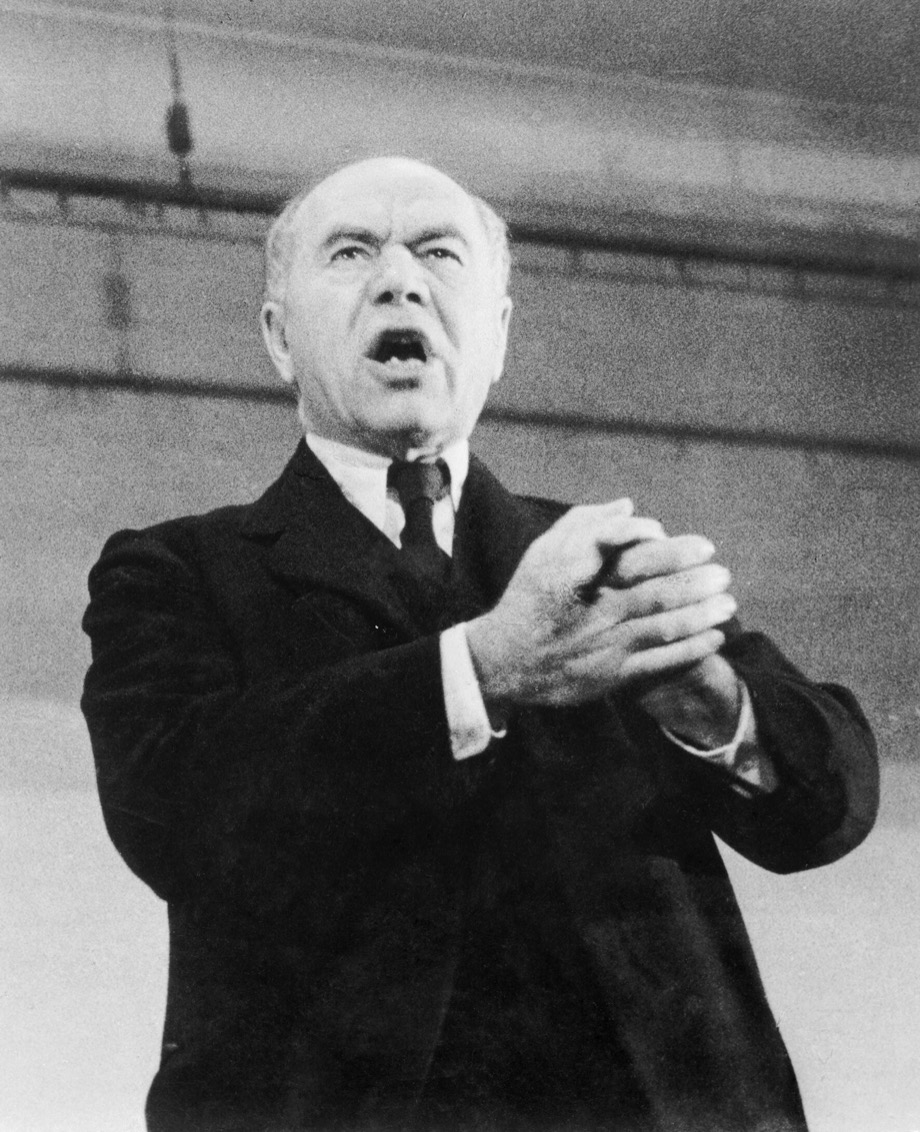
Portrait of Lord Beaverbrook
The Canadian Who Improvised an Air Force
Max Aitken arrived in Britain from New Brunswick already rich, having made a fortune in Canadian finance through mergers and deal-making that colleagues at the time found half-brilliant, half-reckless. He bought the Daily Express and turned it, through sheer force of instinct for what readers wanted next, into Britain's largest-circulation newspaper. As Lord Beaverbrook he became one of the most feared and courted men in British public life — able to make or unmake a politician's reputation with a front page, and close enough to Winston Churchill to be one of his most trusted, and most exhausting, confidants.
His defining hour came in May 1940, when Churchill made him Minister of Aircraft Production in the darkest weeks of the war. Beaverbrook had no background in aviation manufacturing and no patience for the ministry's existing procedures. He tore through them anyway — commandeering factories, badgering suppliers directly by telephone, ignoring the normal chain of requisition, and driving a short, chaotic, wildly effective surge in fighter production that helped keep the RAF supplied with aircraft through the Battle of Britain. It was not organized. It worked.
Lord Beaverbrook was an ENTP, and his dominant Ne is the reason he could turn a ministry's bureaucratic paralysis into a production surge by force of improvisation alone.
Cutting Through Bureaucracy by Instinct
Ne generates possibilities faster than any system can process them, and pairs restlessly with whatever lever is closest at hand to make one of those possibilities real. As Minister of Aircraft Production, Beaverbrook did not sit down and redesign the ministry's procurement process — he bypassed it, phoning factory managers directly, appealing to the public over the radio for aluminum pots and pans to melt down for aircraft, and simply overriding whichever official stood between him and a finished fighter plane. It was chaotic by any administrative standard and it produced results no orderly process had managed in the preceding months.
The same Ne pattern built his newspaper empire decades earlier. He did not rise through the ranks of an existing publishing house; he bought the Express and reinvented it around whatever seemed newly possible — new layouts, new appeals, new political crusades — reading the shifting mood of the public before his rivals did and pivoting the paper toward it again and again.
The Deal Beneath the Chaos
Beneath the improvisation was a sharp, private logic that Beaverbrook rarely displayed openly but that shaped every negotiation he ran. His Ti showed in how precisely he understood leverage — what a factory owner actually needed, what a politician actually feared, what a headline could actually move. Later, as Minister of Supply and then as a Lend-Lease negotiator shuttling between Washington and Moscow, he applied this same analytical dealmaking to Allied supply chains, extracting commitments from Roosevelt's administration and Stalin's government alike through argument and calculated persuasion rather than formal diplomatic process.
It is worth noting what this Ti-Ne pairing did not produce: no lasting ministry structure, no institutional legacy that outlived his tenure. He solved problems as they stood in front of him and moved on, which made him invaluable in a crisis and unsuited to anything requiring patient, long-term administration.
Why ENTP Over INTP
Why not INTP?
An INTP would have approached aircraft production as a puzzle to be solved from first principles, quietly and largely alone. Beaverbrook did the opposite: he worked almost entirely through direct personal persuasion, telephone calls, press campaigns, and backroom deal-making with other people. His power was extraverted and social — leverage exercised on other people in real time — not an internal system he built in isolation. That preference for the phone over the notebook, for the deal over the diagram, is Ne leading, not Ti leading.
ENTP fits because Beaverbrook's entire method was persuasion under pressure — reading what was possible, then talking, badgering, or buying his way to it faster than the system could object. He built no lasting institutional structure because he had no interest in building one; he preferred the deal to the department.
Connected Figures
Further Reading
- Max Beaverbrook — Charles WilliamsA comprehensive modern biography covering his press empire and wartime ministry.
- Beaverbrook — A.J.P. TaylorA classic biography by a historian who knew Beaverbrook personally.
