 Historical Figure MBTI
4 min read
#46 · 2-16-26 · The Roman Republic
Marcus Junius Brutus
Senator · Philosopher · Conspirator · The Idealist Who Chose the Republic Over the Man
85 BCE — 42 BCE
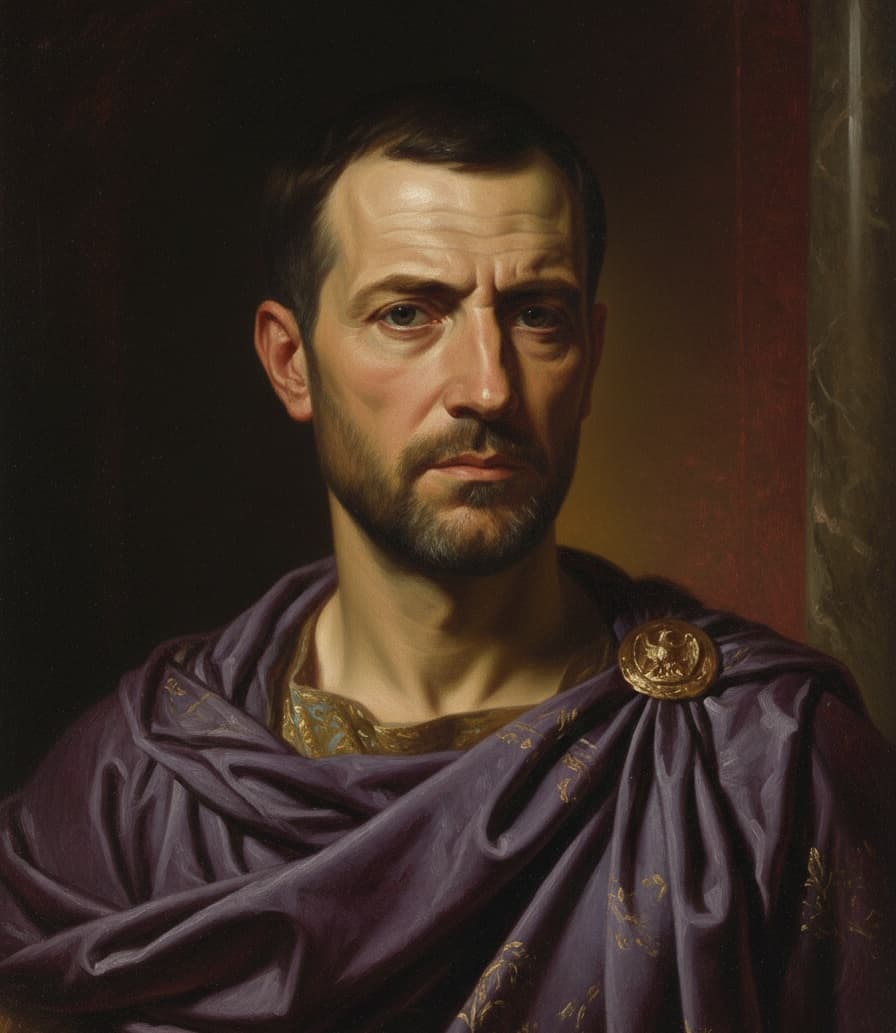
AI-assisted Portrait of Marcus Junius Brutus.
The Weight of a Name
Born in 85 BCE into one of Rome's oldest aristocratic families, Brutus inherited more than privilege. His ancestor, Lucius Junius Brutus, was credited with overthrowing Rome's last king centuries earlier and founding the Republic. That legacy was not ornamental. It formed a moral horizon.
Brutus was educated in Greek philosophy and deeply influenced by Stoicism. He admired virtue over ambition, duty over comfort. When Caesar accumulated unprecedented authority, Brutus faced not merely a political dilemma, but an existential one: Was Rome still a Republic — or had it quietly become a monarchy?
Brutus is often mistyped as INTJ due to his participation in a calculated assassination. Others type him as ISFJ, framing him as defender of tradition. But his core motivation was not cold strategic restructuring, nor simple preservation of custom. He acted from a moral-vision framework — an abstract, future-oriented belief about what Rome ought to be. The evidence points most convincingly to INFJ.
His mistake was not nostalgia. It was moral vision applied to a world that no longer operated by virtue.
Ni — Dominant
Brutus did not react impulsively to Caesar's power; he interpreted it symbolically. Caesar's accumulation of honors signaled to Brutus a trajectory: the death of the Republic. Ni-dominant cognition sees pattern and endpoint. To Brutus, Caesar was the embodiment of a future Rome that must not exist. The assassination was an attempt to interrupt a trajectory.
Fe — Auxiliary
Brutus believed the act would restore harmony. He expected collective conscience, once awakened, would align with virtue. He underestimated mass emotion and the rhetorical force of Antony's funeral speech. His error was not lack of vision; it was overestimating moral consensus.
Ti — Tertiary
Brutus processed crisis internally through logic and philosophy. Even under extreme stress, he reportedly spent time with philosophical texts. His reasoning for assassination was structured and principled, framed around constitutional legitimacy and civic virtue rather than personal grievance.
Se — Inferior
Brutus lacked the embodied charisma of Antony or the commanding presence of Caesar. He assumed explanation would suffice and faltered in moments requiring rapid sensory-political recalibration. His final act — suicide after defeat at Philippi — was carried out calmly, resignation framed as virtue preserved.
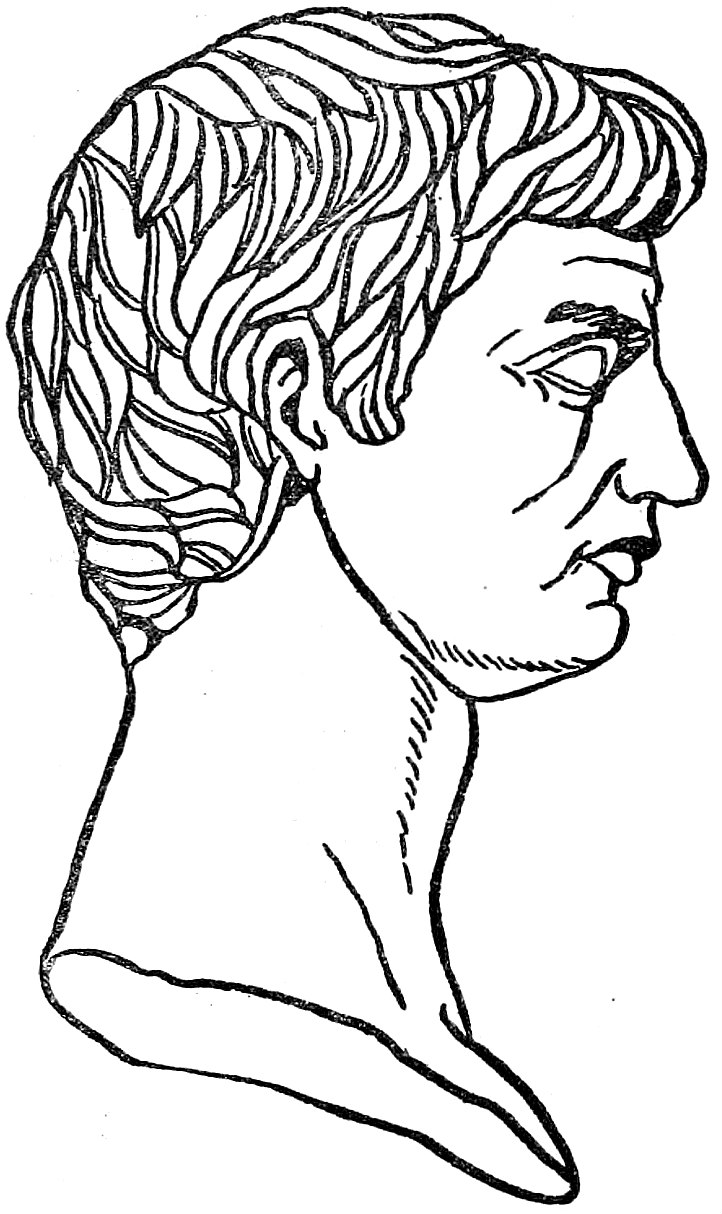
Why Not INFP, ISFP, or ISTJ?
Why not INFP, ISFP, or ISTJ?
INFP and ISFP interpretations emphasize personal conscience. But Brutus did not frame his act as private authenticity — he framed it as civic destiny. His language centered Rome's future, not his emotional integrity. ISTJ readings emphasize tradition, but Brutus was not simply preserving established procedure. He perceived a long-term structural shift toward monarchy and acted symbolically to interrupt it. That is trajectory-based reasoning, not rule-based adherence. INFJ accounts for both his foresight and his miscalculation.
The Idealist Out of Time
Brutus stands as one of history's most revealing idealists. He was not naïve about Caesar's power; he was naïve about Rome's appetite for stability. His vision of the Republic was internally coherent, morally consistent, and historically grounded — but it belonged to a Rome that no longer existed.
In choosing principle over pragmatism, he acted exactly as his cognition required.
The tragedy is not that he misread Caesar. It is that he misread the world Caesar had already changed.
Connected Figures
Further Reading
- Caesar: A Biography — Christian MeierThe definitive modern political biography — essential for understanding the world Brutus tried to preserve.
- The Death of Caesar: The Story of History's Most Famous Assassination — Barry StraussA granular, day-by-day account of the Ides of March conspiracy and its immediate aftermath.
- Brutus: Caesar's Assassin — Kirsty CorriganThe only recent biography focused squarely on Brutus, drawing on Plutarch and the ancient sources.
- Plutarch: Life of Brutus — Plutarch (trans. Robin Waterfield)The primary ancient source — Plutarch's empathetic portrait shaped every later reading of Brutus.
