 Historical Figure MBTI
#1209 · 9-4-26 · The Mughal Empire
Mariam-uz-Zamani
Mughal Empress · Merchant · Patron
c. 1542–1623
5 min read
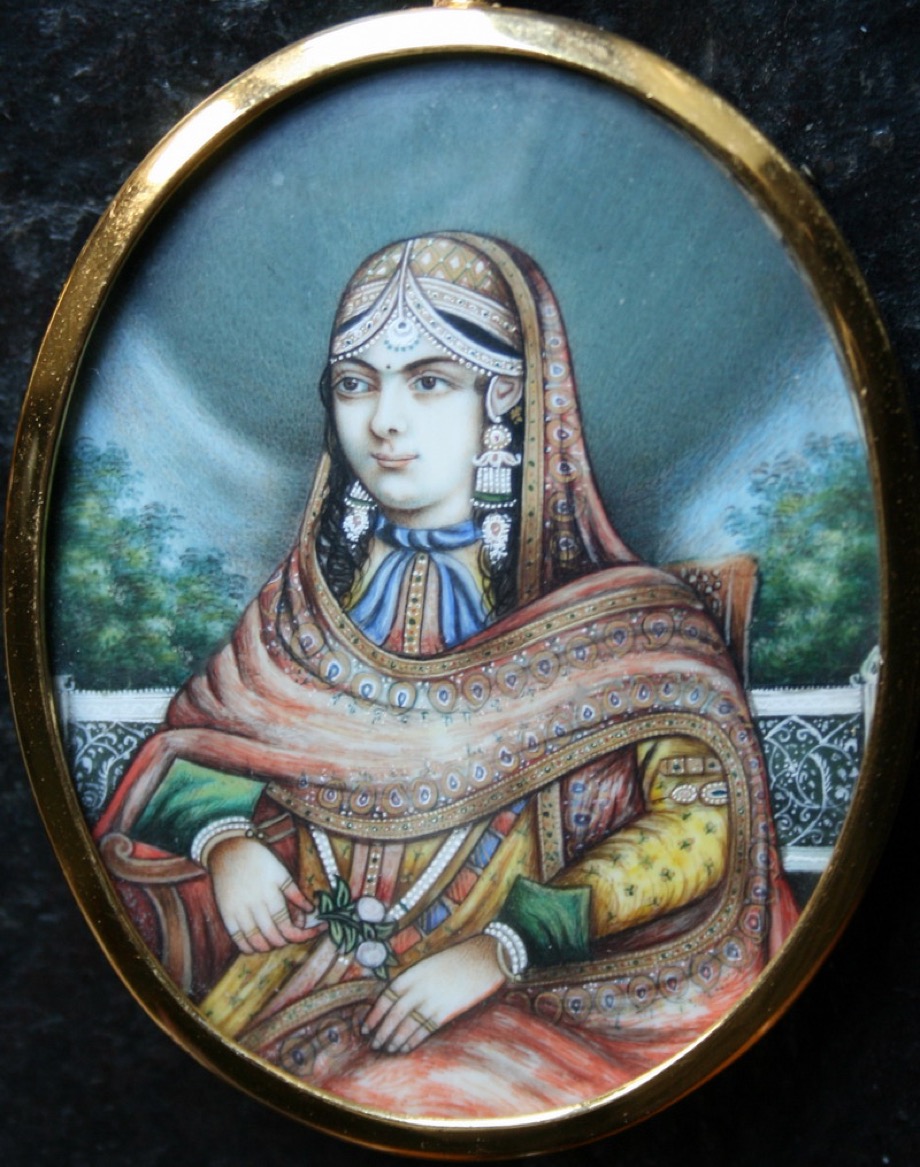
Portrait of Mariam-uz-Zamani — c. 1850 (later depiction)
The empress whose ship was taken
In 1613 Portuguese forces seized the Rahimi, a trading and pilgrim ship associated with Mariam-uz-Zamani. The attack struck at more than cargo. Its patron was the emperor's mother, and the vessel carried passengers toward the Red Sea routes that connected commerce with pilgrimage. A royal woman conventionally imagined behind palace walls stood at the center of an international dispute. Her wealth had entered a world of captains, merchants, armed passes, and competing claims to control the sea.
Mariam remains untyped here. Owning a ship, commissioning a building, and occupying a powerful place in a dynasty establish agency; they do not disclose a recurring pattern of private judgment. Her surviving traces are substantial enough to resist the reduction of her life to a marriage story. They are not intimate enough to support a cognitive portrait. We can recover what her position made possible and some of what she did with it, while leaving her unrecorded thoughts unrecorded.
A marriage with a political geography
She was a daughter of Raja Bharmal of Amber, and married Akbar in 1562. The marriage helped connect a Kachhwaha ruling house to the Mughal emperor. It should not be described as the single beginning of religious tolerance or the effortless union of two civilizations. It belonged to a changing pattern of conquest, accommodation, and service, in which local dynasties could enter the imperial order while retaining important identities and ambitions of their own.
Her familiar later title, Mariam-uz-Zamani, is more secure than the personal names popularly attached to her. Jodha Bai should not be treated as a settled identification. Stories that supply an immediately recognizable name often supply a ready-made temperament as well: the spirited princess who teaches an emperor how to understand his subjects. The documented alliance is consequential without requiring that script. The woman inside it was neither a symbol empty of agency nor a character whose dialogue later storytellers can provide on history's behalf.
The mother inside imperial succession
Her son Salim was born in 1569 and eventually succeeded Akbar as Jahangir. Motherhood enhanced her standing, but explaining that standing requires more than treating reproduction as a woman's sole political achievement. A royal mother belonged to a network of kin, property, attendants, and ceremonial recognition. Her household could remain a significant institution after a husband's death, especially when the reigning emperor acknowledged it as part of the authority he had inherited.
The distinction between influence and command matters. Access to an emperor could allow an intervention without making its author responsible for all that emperor's decisions. Likewise, the survival of a title does not tell us how often a woman spoke, how freely she could disagree, or how another participant understood her request. Mariam's place in two reigns is secure. The psychological meaning of that place is not. A careful portrait need not flatten the hierarchy to make her important within it.
Capital on the water
Ellison Banks Findly's study of the capture of the Rahimi places Mariam among elite Mughal women involved in maritime commerce. The Portuguese seizure was especially provocative because the vessel had a travel pass and the patron was Jahangir's mother. Imperial retaliation makes the ship's political standing visible. Protection and privilege had not removed the danger of the ocean; the attack exposed the limits of assurances issued by another power.
The ship also reveals a kind of agency that court narratives can leave at the margin. Ownership depended on people with specialized knowledge: merchants, officers, crews, and intermediaries. Calling Mariam a patron does not require imagining her personally directing every transaction. Calling the enterprise delegated does not erase her position in it. Large institutions act through agents, and historians ordinarily recognize that fact when the owner is a man. Her investment belongs in the history of trade on the same terms.
Commerce and pilgrimage shared routes and vessels. That overlap frustrates any simple choice between an entrepreneur pursuing profit and a benefactor supporting devotion. An enterprise could do both. We do not possess a private account of how she balanced these ends, and should not invent one. What the Rahimi establishes is material participation in a world wider than the court, where the resources of an imperial household could help carry goods and people across jurisdictions.
A presence in the city
The Lahore mosque known as the Begum Shahi Mosque is associated with Mariam's patronage during Jahangir's reign. Catherine B. Asher treats it in Architecture of Mughal India as part of the development of the city's architectural language. The building places a royal woman's name within urban religious life, rather than preserving her solely as a relative inside the imperial genealogy. Its prayer space and decoration belong to a community's use as well as to the patron's commemoration.
Patronage does not make the details of her own religious practice transparent. The temptation to read a building as a complete confession is especially strong when a woman's origin and marriage have become symbols of religious coexistence. Buildings have patrons, makers, institutions, and users whose purposes need not coincide completely. Her name and resources matter to the history of the mosque; they do not authorize an invented account of what she believed while commissioning it. The surviving monument can be allowed to speak materially without being forced to speak psychologically.
Connected Figures
Further Reading
- The Capture of Maryam-uz-Zamani's Ship: Mughal Women and European Traders — Ellison B. FindlyA scholarly study of the Rahimi incident and women's maritime investment.
- Architecture of Mughal India — Catherine B. AsherPlaces the Lahore mosque associated with her patronage within Mughal architectural history.
- The Tuzuk-i-Jahangiri; or, Memoirs of Jahangir — Jahangir; translated by Alexander Rogers; edited by Henry BeveridgeA royal account useful for household standing and the successor reign, read critically.
- Domesticity and Power in the Early Mughal World — Ruby LalProvides the political context needed to understand authority exercised through the household.
